


Hot Keyword:
Author:KUNYUAN Machine ManufacturerTIME:2026-08-27
Practical machine answer
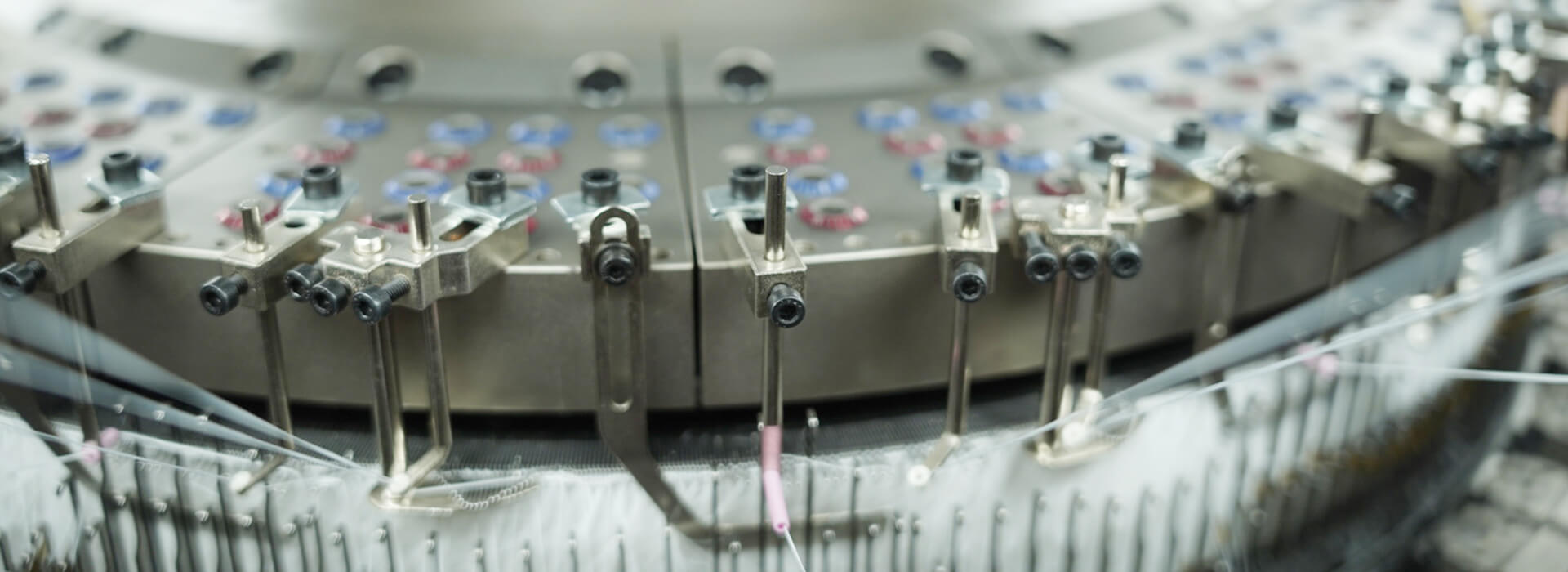
A circular knitting machine forms fabric by moving latch needles through cam-controlled stages: clearing the old loop, receiving new yarn, drawing that yarn through the old loop and knocking the completed stitch over. Thousands of repeated loop-forming actions create each course while the fabric is drawn downward.
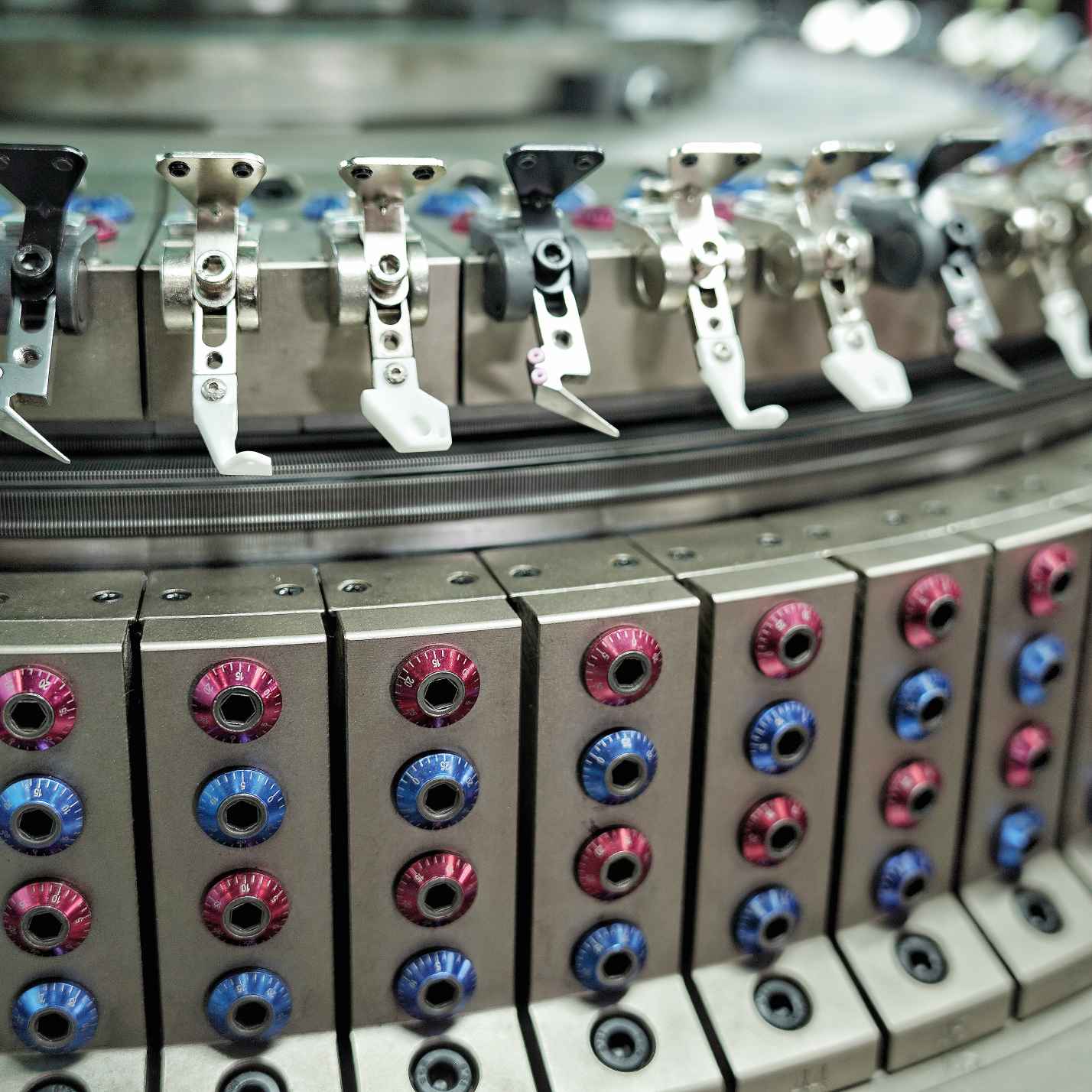
As a needle rises, the existing loop opens the latch and slides below it. At the feeder, the needle catches the presented yarn. The cam then lowers the needle; the old loop closes the latch and passes over the new loop. This basic knit action can be changed by holding, tucking or transferring loops when the machine has the corresponding knitting elements.
Loop formation only remains consistent when yarn input and fabric withdrawal agree. A positive feeder supplies a measured amount of yarn, sinkers help hold or knock over the loops, and the take-down applies controlled pull. Cam position, yarn tension and stitch setting therefore work as a system. Correcting only one setting can hide rather than solve a fault.
Needle lines, barre, dropped stitches and spirality are clues about different parts of the process. Operators should note whether a mark follows one needle, one feeder or the full fabric circumference. That simple observation narrows the check to knitting elements, a yarn path or a machine-wide setting before unnecessary adjustments are made.
| Stage | Machine action |
|---|---|
| Clearing | Old loop moves below the open latch |
| Feeding | New yarn is presented at a controlled position |
| Drawing | Needle pulls new yarn through the old loop |
| Take-down | Finished courses move away under stable tension |
Practical limit: A slow-motion trial with one known yarn teaches more than a speed figure: it shows whether feeding, loop formation and take-down are balanced.

 Tel: +86-13859034518
 Email: info@kunyuanmachine.com
 MP/WhatsApp: +86-13859034518
 Manufacturer Address:Bacuo Village, Yonghe Town, Jinjiang City, Fujian Province