


Hot Keyword:
Author:KUNYUAN Machine ManufacturerTIME:2026-08-27
Practical machine answer
An operator needs more than start-and-stop instruction. Competent training covers safe access, yarn threading, fabric identification, routine inspection, fault containment and accurate shift records. Setting changes and electrical work should be reserved for people trained and authorized for those tasks.
A new operator should first learn guards, emergency stops, safe cleaning and the conditions that require a stop. The next layer is daily running: recognizing yarn paths, replacing a package without introducing tension variation, checking oil level and reading common alarms. Mechanics need a separate module for needles, sinkers, cams, timing and systematic fault isolation.
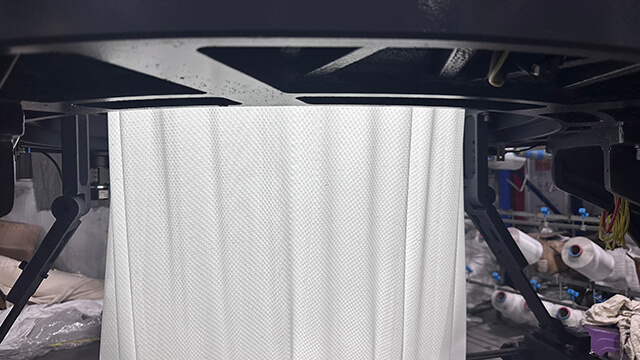
Fabric makes an effective training record. Give trainees controlled examples of a needle line, feeder-related barré, a dropped stitch and contamination. Ask them to locate whether the symptom repeats by wale, feeder or circumference, then record the response they would take. This builds observation before adjustment and reduces random changes that make the original fault harder to trace.
Training is complete when the person can perform an observed task to an agreed standard, not when a presentation ends. Keep a matrix for each role, with supervised attempts and sign-off for threading, safe needle replacement, changeover and fault escalation. Refresher training is appropriate after a machine modification or when recurring shift records show the same avoidable defect.
| Role | Minimum demonstrated ability |
|---|---|
| Operator | Run, inspect, stop safely and record abnormalities |
| Setter | Establish an approved fabric without uncontrolled changes |
| Mechanic | Replace knitting elements and diagnose repeat faults |
| Supervisor | Approve recipes, escalation and acceptance records |
Practical limit: Translate labels and checklists for the operating team and keep the machine-specific version beside the line; a generic manual is not a competency record.

 Tel: +86-13859034518
 Email: info@kunyuanmachine.com
 MP/WhatsApp: +86-13859034518
 Manufacturer Address:Bacuo Village, Yonghe Town, Jinjiang City, Fujian Province