


Hot Keyword:
Author:KUNYUAN Machine ManufacturerTIME:2026-08-27
Practical machine answer
A circular knitting machine can be moved between factories, but the relocation should be treated as a controlled reinstallation. The machine must be documented, protected, lifted from approved points, transported upright where specified, then leveled and recommissioned before production resumes.
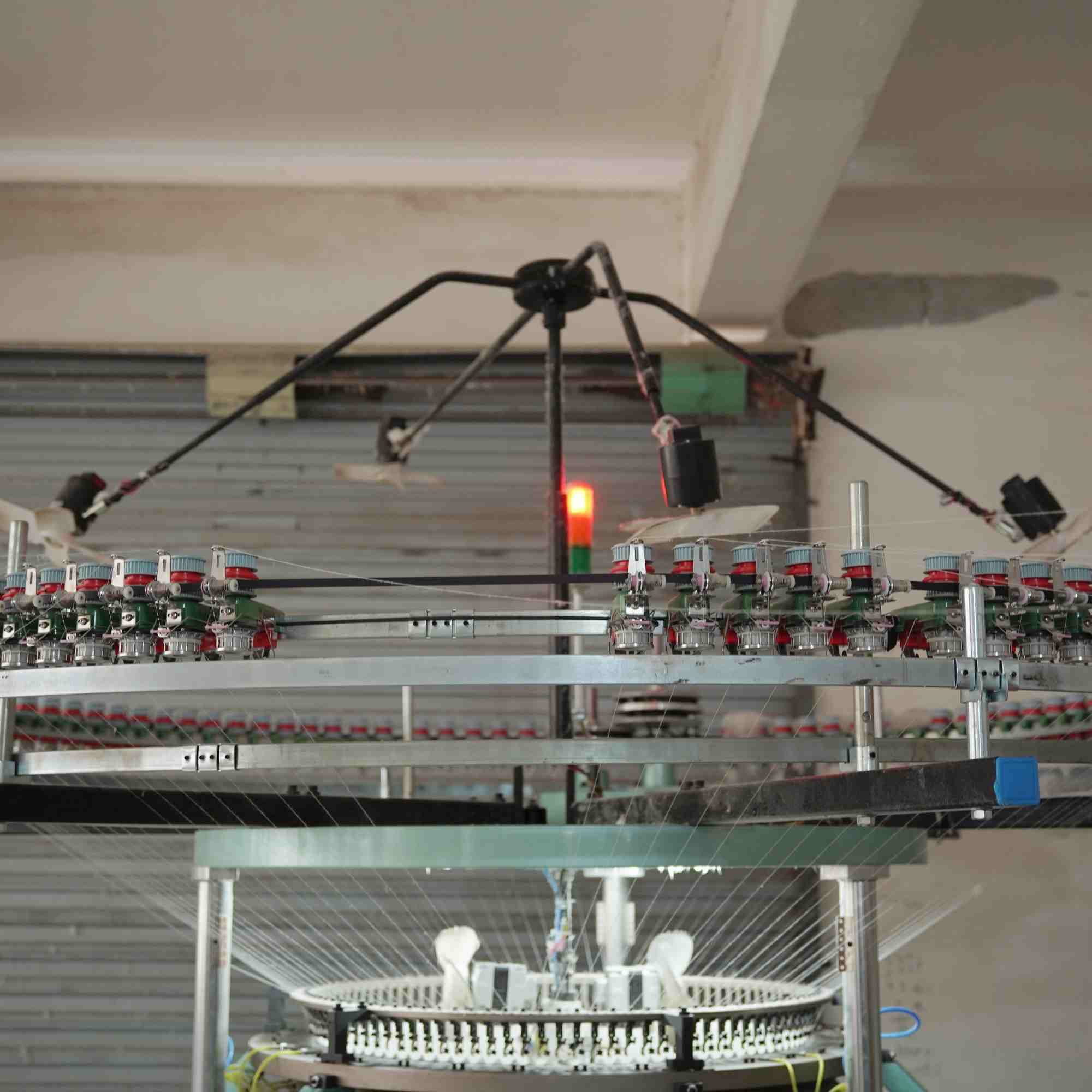
Knit and label a reference roll before shutdown, back up recipes and photograph cable, feeder and yarn-path arrangements. Record machine identification, current settings and unresolved defects. Remove or secure fragile components according to the manufacturer's instructions, and keep fasteners and change parts in numbered packages rather than an unmarked container.
Confirm doorway dimensions, floor loading and lifting capacity at both sites. Shock, tilt, moisture and dust can damage alignments, electronics and exposed knitting surfaces even when the frame looks intact. Use a competent rigger with a written lift plan; improvised chains around the frame can transfer load through components that were never designed as lifting points.
At the destination, verify foundation, level, electrical supply, grounding, rotation direction and safety devices before threading yarn. Start slowly, inspect lubrication and listen for abnormal contact. Knit with the same reference yarn and compare the new fabric with the retained roll. Only then restore production recipes or increase speed.
| Phase | Essential record |
|---|---|
| Before shutdown | Reference fabric, settings, photos and backup files |
| Packing | Removed parts list and protected lifting points |
| New site | Floor, utilities, access and environmental check |
| Restart | Level, safety test and comparison fabric approval |
Practical limit: Relocation is not complete when the truck is unloaded; it is complete when the documented reference fabric can be reproduced safely.

 Tel: +86-13859034518
 Email: info@kunyuanmachine.com
 MP/WhatsApp: +86-13859034518
 Manufacturer Address:Bacuo Village, Yonghe Town, Jinjiang City, Fujian Province