


Hot Keyword:

Author:KUNYUAN Machine ManufacturerTIME:2026-08-27
Practical machine answer
Required safety checks include guards and interlocks, emergency stops, electrical grounding, safe access, stop motions and the condition of rotating, heated or lubricated areas. Checks must follow the manufacturer's manual and local law, with isolation and lockout used before maintenance or reaching into hazardous zones.
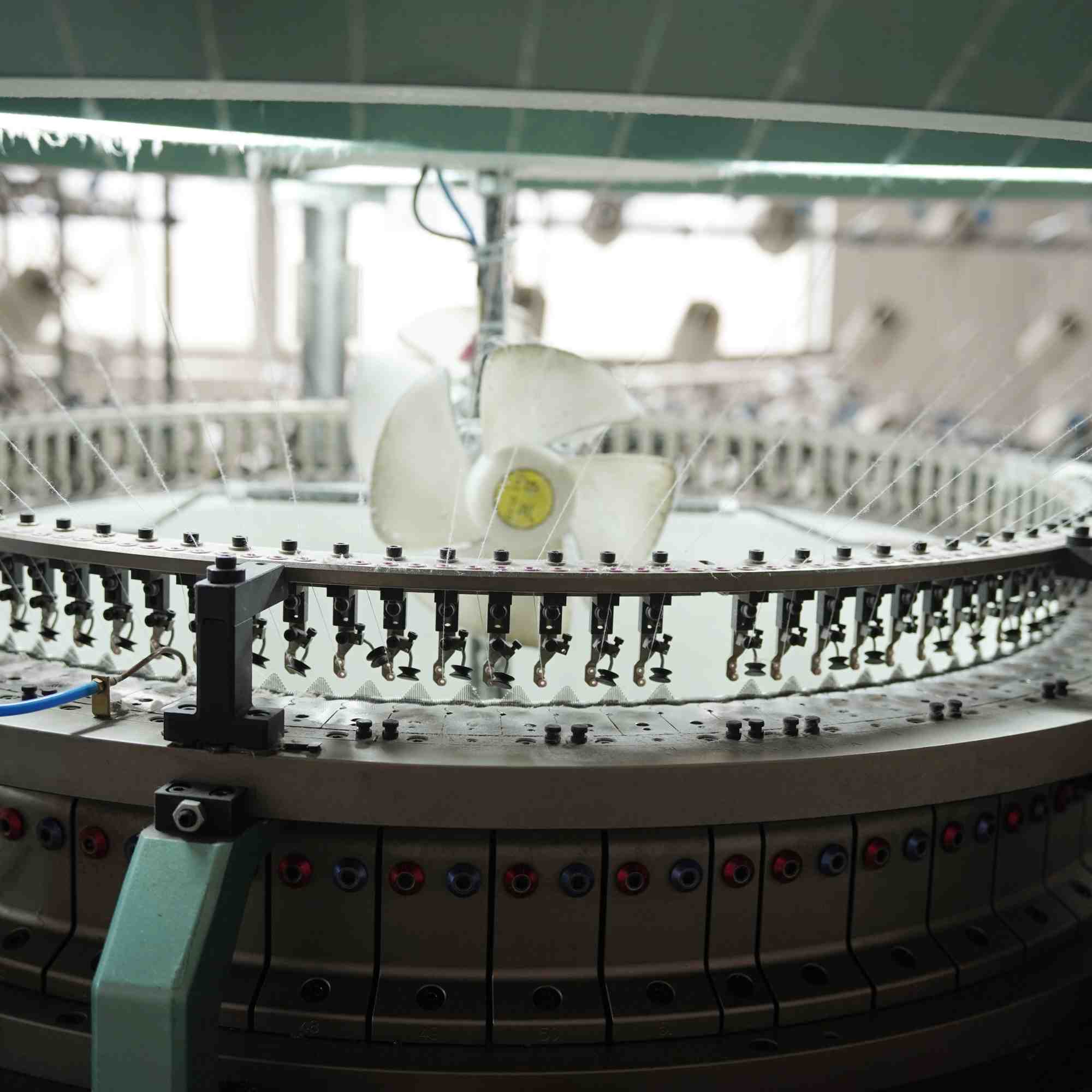
At shift start, confirm that guards are fitted, access panels close correctly and emergency devices stop the machine as intended. Inspect for loose tools, oil on walking surfaces, damaged cables and yarn or fabric caught near rotating parts. A stop button that has never been function-tested is not verified protection.
Threading, package replacement, needle work and lint removal expose people to different hazards. The site procedure should say whether the machine is stopped, isolated or in a controlled setup mode for each task and who is authorized. Stored mechanical motion and electrical energy must be considered even after normal power is switched off.
New feeders, cameras, open-width units or altered guarding can introduce pinch points and change access. Review the risk before restart and update instructions and training. Record defects, remove an unsafe machine from service, and require an accountable person to confirm the corrective action rather than relying on a verbal handover.
| Check area | Evidence of control |
|---|---|
| Guarding | Secure, undamaged and interlocks function-tested |
| Emergency stop | Stops motion and requires a deliberate reset |
| Electrical | Grounding, enclosure and cables inspected |
| Maintenance access | Isolation points identified and lockout procedure used |
Practical limit: This FAQ supports planning but cannot replace a site-specific risk assessment, the machine manual or the safety rules that apply in the installation country.

 Tel: +86-13859034518
 Email: info@kunyuanmachine.com
 MP/WhatsApp: +86-13859034518
 Manufacturer Address:Bacuo Village, Yonghe Town, Jinjiang City, Fujian Province