


Hot Keyword:

Author:KUNYUAN Machine ManufacturerTIME:2026-08-27
A body-size knitting project often begins with a request such as “produce seamless tops from S to XL.” That is not enough to choose a cylinder or approve a machine. Finished circumference changes with yarn, construction, stitch setting, take-down, relaxation and finishing. The solution is a controlled map from the garment specification to the knitting configuration for every priority size.
Body-size technology can reduce cutting or side-seam work for suitable tubular constructions, but it does not remove garment engineering. Neck, armhole and other shaping or assembly requirements remain part of the downstream plan. Buyers should first identify which body sections can be knitted to size and which operations still occur after knitting.

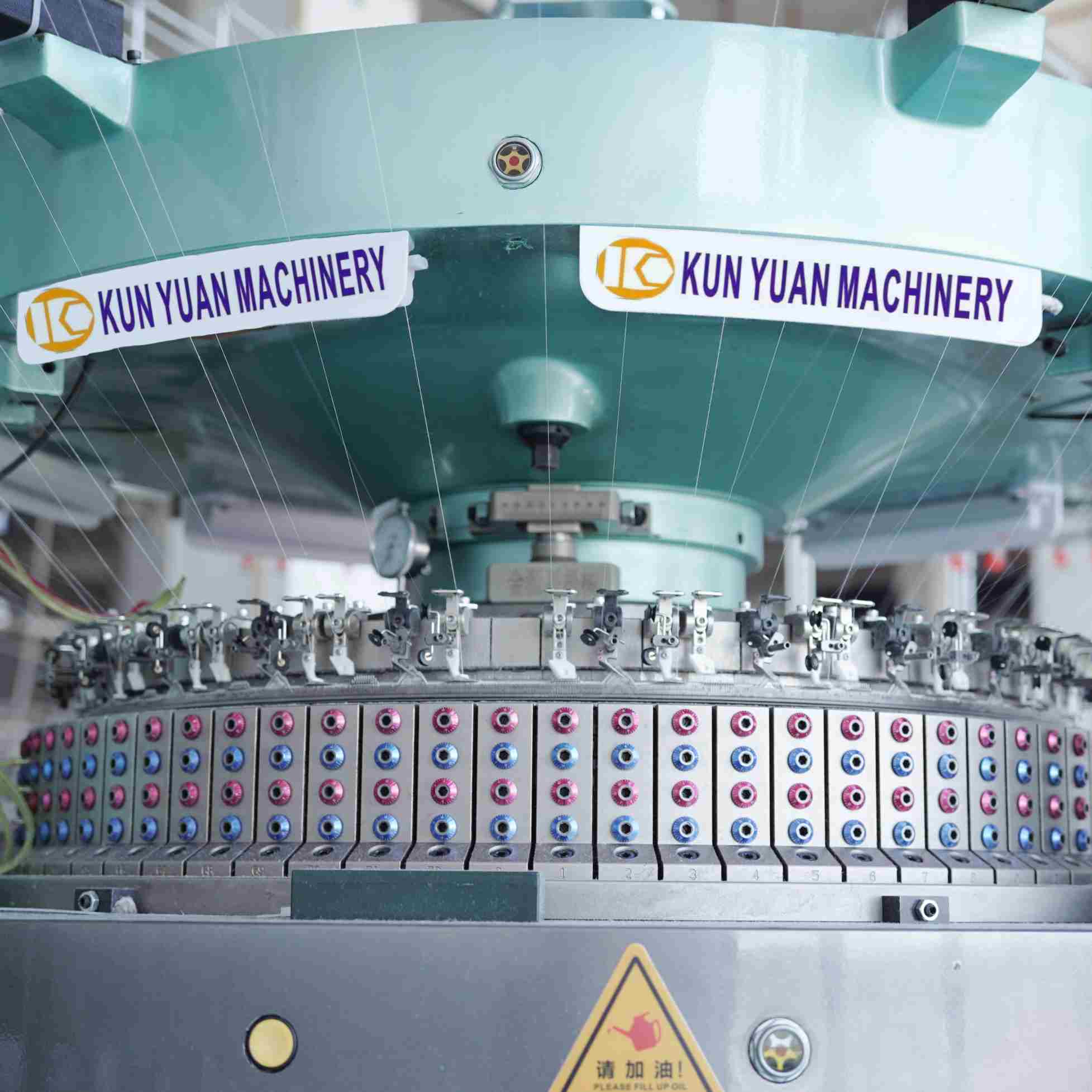
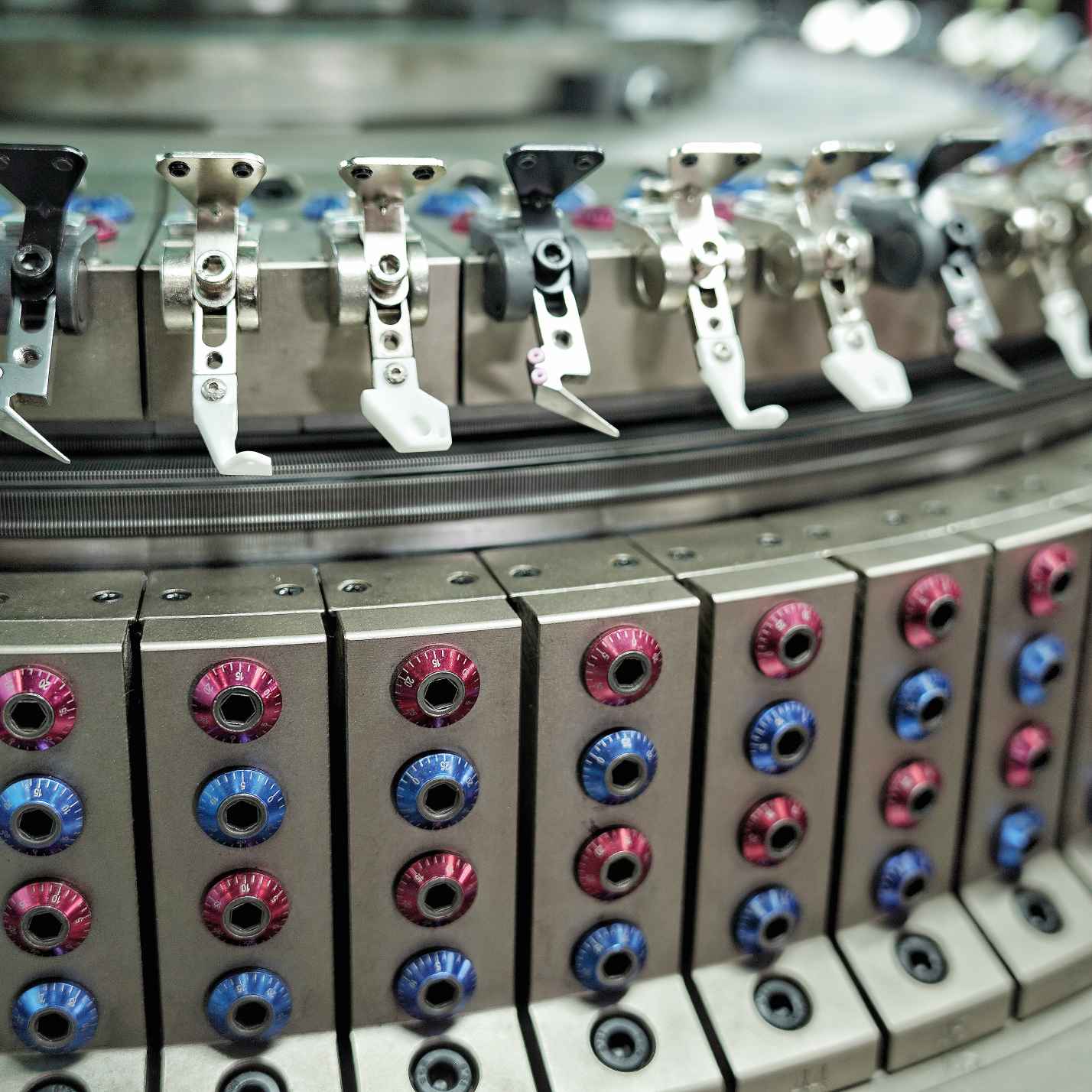
Mark named measurement points on the intended garment: chest or body circumference, length, hem, and any stretch or recovery requirement. State the condition in which each number applies—relaxed, washed, heat-treated or otherwise finished. Add yarn composition and count, fabric structure, target weight and acceptable tolerance.
Next create the size-to-machine matrix. For every size, record the proposed cylinder or diameter, gauge, needle arrangement, yarn, program and expected relaxed measurement. If SBD and DBD constructions are being considered, keep their configurations and sample records separate. Broad catalog ranges cannot show that all combinations are available in one model.
| Size-engineering gate | Decision | Proof before release |
|---|---|---|
| Finished chart | Which points and tolerances define each garment size? | Signed size table with measurement diagram |
| Knitting map | Which cylinder, needles, yarn and program make each tubular body? | Controlled size-to-configuration matrix |
| Relaxation | How long and under which conditions must the tube settle? | Labelled before/after measurements |
| Graded set | Do the smallest, middle and largest priority sizes remain inside tolerance? | Approved sample set linked to each recipe |
Select a representative middle size for initial setup, then knit the smallest and largest commercial priorities. Extremes can reveal construction, take-down or stretch limits that a middle tube hides. Label every body with size, program revision, yarn lot, machine configuration and roll or piece sequence.
Measure at the machine only for process monitoring. Final approval should follow the agreed rest or finishing condition using the same layout and measuring method each time. If circumference moves, inspect stitch setting, take-down, yarn behavior and program identity before assuming the cylinder choice is wrong.
The delivered solution should include program naming and backup rules, the configuration matrix, first-off checks, approved tubes and a controlled method for recipe revision. Operators need to know which change parts and checks belong to each size. A revision should create a new history rather than silently overwrite an accepted program.
Output estimates should be stated for the actual size mix, construction and accepted-quality definition. A large number of size changes can affect schedule and transition material even when each program runs well. Include change frequency, inspection and downstream work in capacity planning.
Not necessarily. The relationship depends on construction, yarn, loop setting and finished dimensions. Ask for an exact size-to-cylinder and change-part matrix for the offered model.
Use the smallest, a middle and the largest priority sizes, plus any size that crosses a configuration boundary. Measure them after the same relaxation or finishing method used in production.
Use a controlled style/size number, revision, cylinder or diameter, needle arrangement, yarn, settings and an approved labelled body. Store the matching file and sample together.
It may be unsuitable when the garment geometry needs extensive cut-and-sew shaping, the size mix requires impractical hardware changes, or the intended yarn and construction cannot meet the finished tolerance. Keep these exclusions visible during feasibility review.
Send Kunyuan the finished size chart, construction, yarn and finishing route. The proposal should identify the exact configuration for each priority size and define a graded trial rather than relying on a general diameter range.
Review the body-size machine
 Tel: +86-13859034518
 Email: info@kunyuanmachine.com
 MP/WhatsApp: +86-13859034518
 Manufacturer Address:Bacuo Village, Yonghe Town, Jinjiang City, Fujian Province