


Hot Keyword:
Author:KUNYUAN Machine ManufacturerTIME:2026-08-27
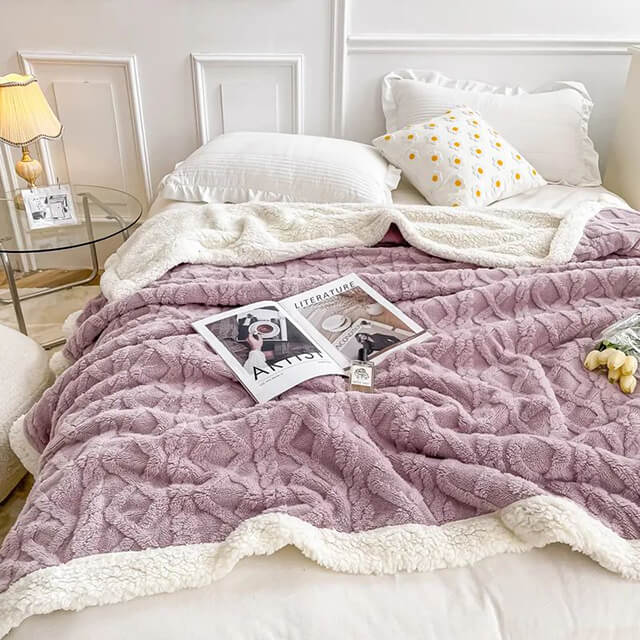
High-pile jacquard combines electronic or mechanical pattern selection with a surface that changes under brushing, raising, shearing or other finishing. A motif can be correct in the greige structure yet lose fine lines or colour boundaries once fibres move. The solution must carry design intent through knitting and finishing rather than approving artwork and surface independently.
Mark the features that matter: fine outlines, small gaps, corners, large fields, colour transitions and repeat edges. State intended scale, viewing face, pile direction and normal inspection distance. These details guide conversion and reveal which parts may need simplification.
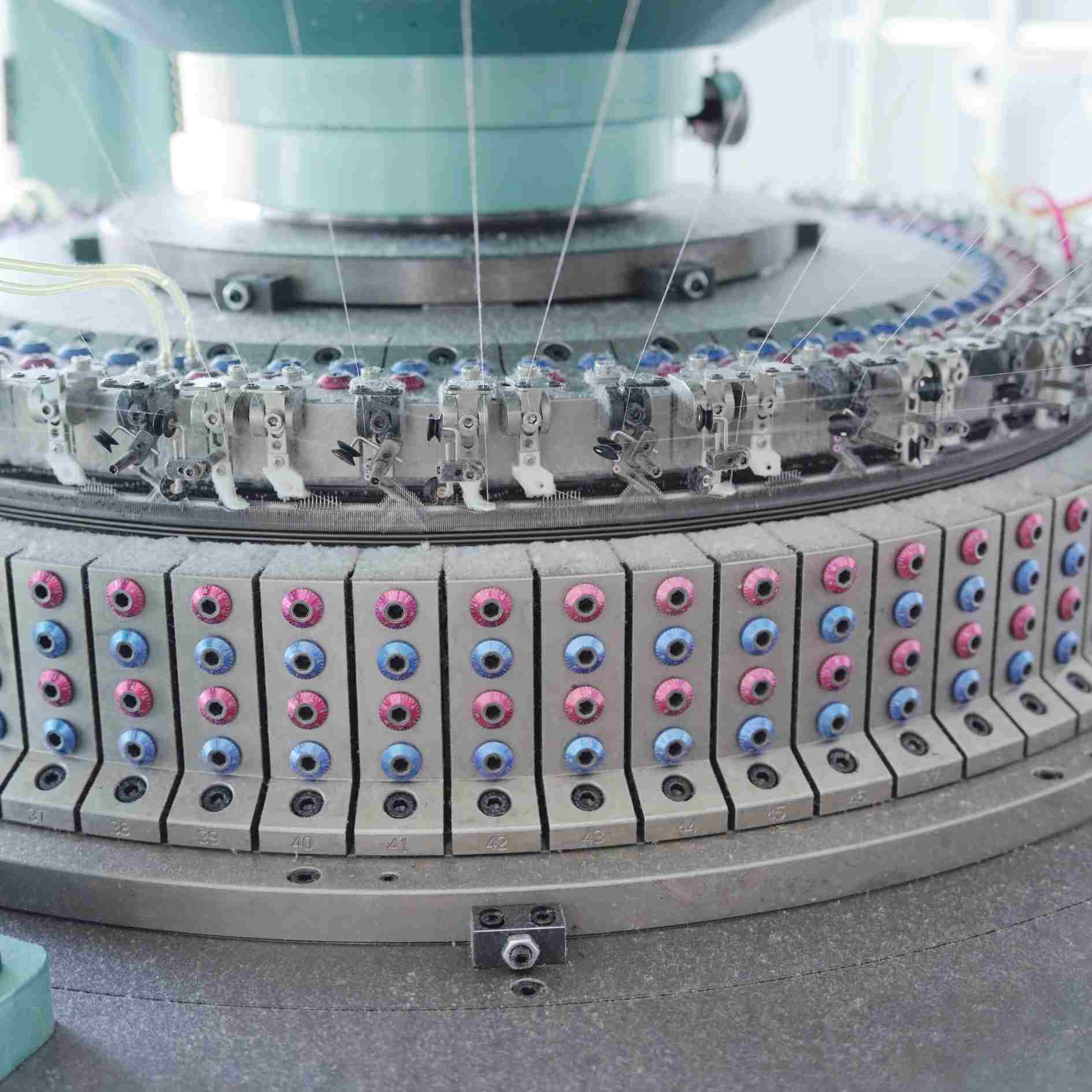
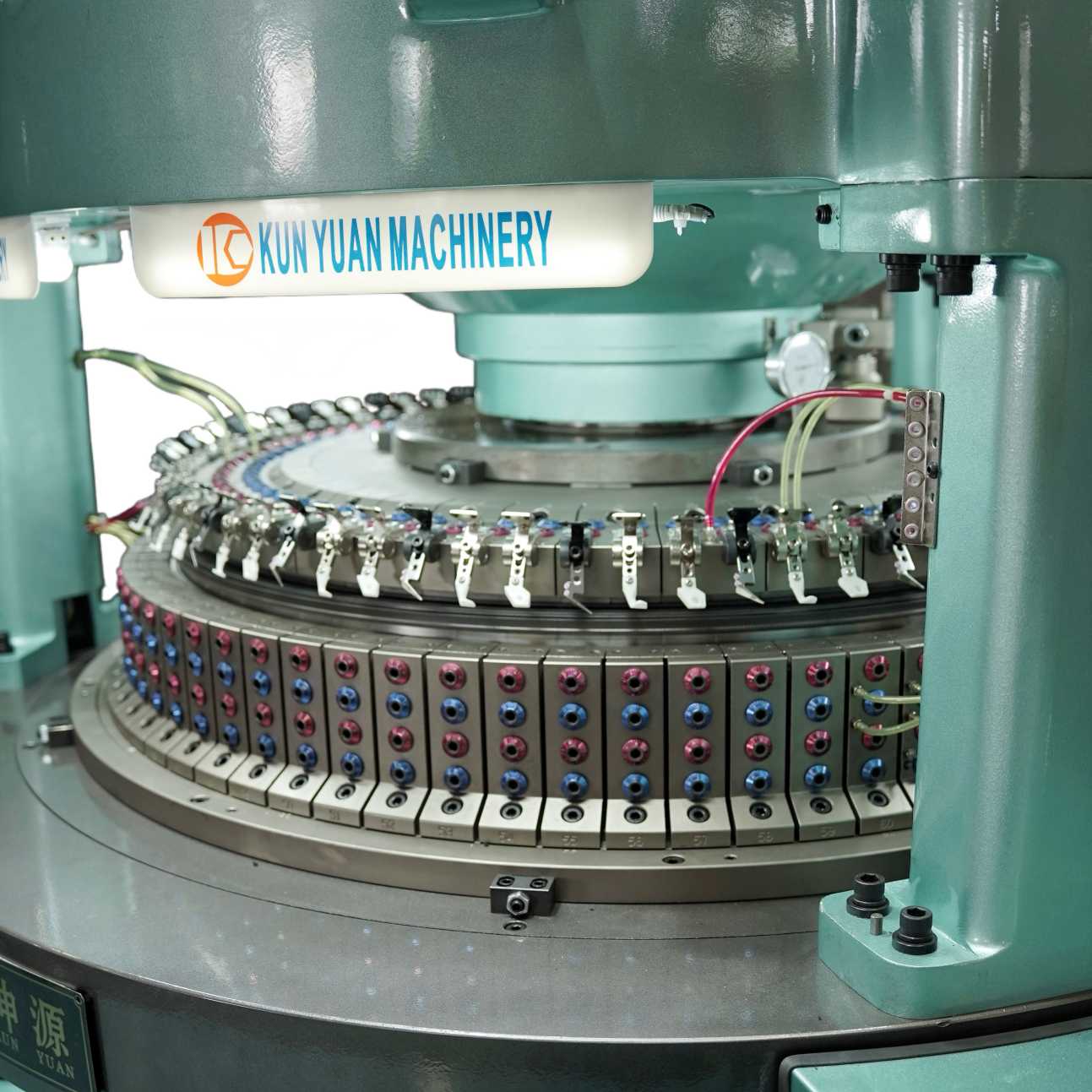
Number every artwork and machine-file revision. Identify ground and pile yarn duties, composition, count, twist, colour, supplier and lot. A visual colour chart without the construction map cannot show how yarn behavior will affect coverage or surface movement.
Build a trial repeat containing representative risk zones. Selection accuracy should be checked before finishing, while pile continuity and ground stability remain visible. Preserve the greige roll positions selected for downstream treatment.
| Design zone | Greige proof | Finished proof |
|---|---|---|
| Fine outline | Continuous selection and closed boundary | Detail remains readable after pile movement |
| Solid field | Even loop/pile formation without bands | Surface density and direction remain uniform |
| Colour edge | Correct yarn assignment and clean transition | Fibre migration stays within the agreed visual limit |
| Repeat seam | File and selection close without a gap | Seam is not exposed by the finished orientation |
Mark coordinates on the trial roll and cut paired pieces from corresponding positions. Inspect greige selection, loop condition and repeat closure. Apply the planned finishing route to the paired material and evaluate motif legibility, pile height or direction, dimensions and handle under fixed lighting.
If the finished motif blurs, consult its greige parent. Correct file or selection faults only when they are present before treatment. When the greige pattern is accurate, investigate pile material, construction and finishing rather than distorting the artwork to compensate.
The released package should contain editable artwork, machine-ready file, repeat dimensions, selection and yarn maps, settings, finish record and matched approved samples. A later revision receives a new identity. Include one file reload or design change in acceptance to show that operators can recover the baseline.
The quotation must state offered control version, diameter, gauge, feeders, design responsibility, options and training. A claim of “unlimited patterns” is not an engineering boundary; list unproven artwork or materials as feasibility items.
Choose real commercial features that challenge resolution, transitions and repeat closure. Avoid a demonstration designed only around large, easy shapes.
It connects a finished surface change to the exact greige structure and machine history, allowing pattern, material and finishing causes to be separated.
Define viewing face, direction, lighting, relaxation and finish. Mark streaks, hidden outlines, gaps and height changes individually rather than calling all of them “surface quality.”
If the article needs a plain cut pile without pattern selection, a terry loop effect or printed graphics on a different base, compare the simpler machine/process family and total finishing route.
Kunyuan can use the buyer’s artwork, yarn construction and finished visual standard to design a trial in which every approved surface has a traceable greige parent and file revision.
Review the high-pile jacquard machine
 Tel: +86-13859034518
 Email: info@kunyuanmachine.com
 MP/WhatsApp: +86-13859034518
 Manufacturer Address:Bacuo Village, Yonghe Town, Jinjiang City, Fujian Province