


Hot Keyword:

Author:KUNYUAN Machine ManufacturerTIME:2026-08-27
Three-thread sweatshirt fleece is judged after raising, brushing, washing or another finish, while many defects begin in face, tie or fleece-yarn formation. Without a retained greige reference, teams may adjust finishing to mask unstable loops or change knitting settings to compensate for a downstream problem.
The solution follows three yarn duties from cone to finished fabric. State the target outer face, inner surface, greige and finished weight, width, handle, dimensional behavior and finish. Separate these requirements from generic words such as warm or soft.
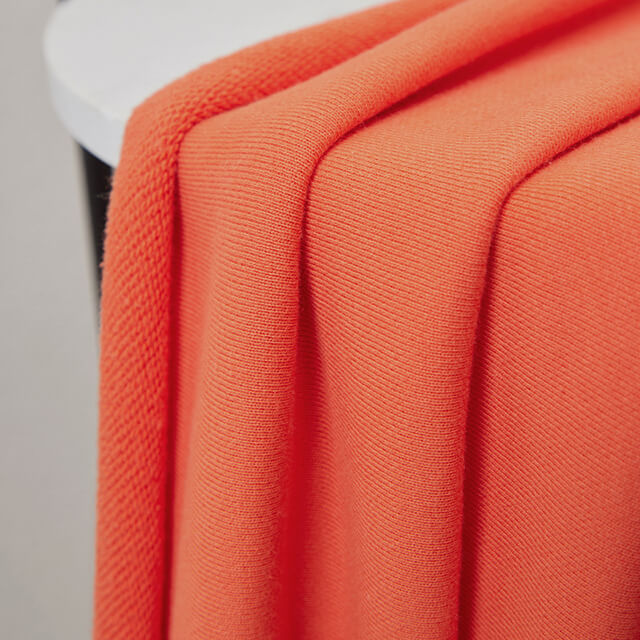

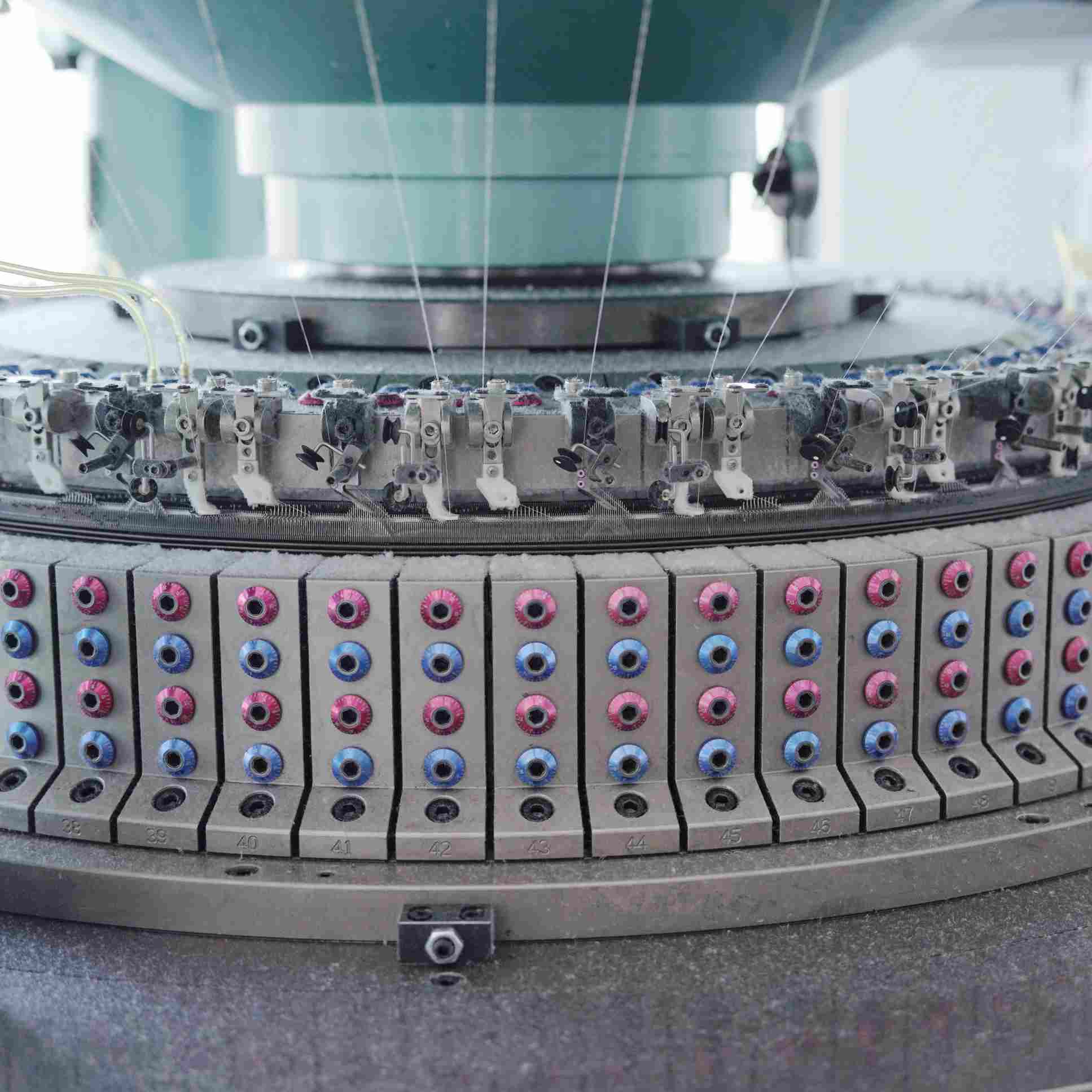
Record face, tie and fleece yarn supplier, composition, count, lot and feeder positions. The face yarn controls external coverage, the tie yarn anchors the structure, and the fleece yarn creates loops for the intended surface. A substitution in one duty can change weight, lint, coverage and finishing response.
Before raising, inspect face quality, tie security, loop height/continuity, bands, holes and roll weight. Keep labelled greige samples from the beginning, middle and end and around every important stop or package change.
| Three-thread stage | Control question | Evidence |
|---|---|---|
| Yarn setup | Are face, tie and fleece cones assigned to the approved duties? | Labels, feeder map and lot record |
| Greige knitting | Are face coverage, tie anchoring and fleece loops stable? | Marked roll samples and stop history |
| Surface finishing | Which passes and conditions create the accepted inner face? | Finish record paired with the greige parent |
| Final approval | Do weight, width, surface, loose fibre and dimensions meet the brief? | Signed finished sample and measurement sheet |
When a horizontal band appears, inspect both fabric faces and determine which yarn duty changes at that position. Compare feeder group, yarn package, stop history, stitch settings and take-down. A weak tie, uneven fleece loop and face-yarn shade shift require different corrections.
Preserve material on both sides of an adjustment. If a raised surface shows streaks, compare the same coordinate in greige. Even loops before finishing point toward material orientation or finishing; uneven loops provide a knitting lead.
Process a controlled trial roll or section using the planned equipment, number of passes, direction and other agreed conditions. Inspect surface coverage, loose fibre, handle, weight and dimensional movement. A finished reference from different greige material cannot close the machine acceptance.
If the buyer plans several sweatshirt weights or surfaces, select a baseline and document every yarn, feeder, setting and finishing change for variants. Output estimates must include saleable finished yield, not only greige machine speed.
Record both greige and finished targets where finishing changes mass or dimensions. State sample condition, size, measurement points and tolerance.
They show whether the knitting structure was stable before fibres were opened or moved. This evidence separates knitting from finishing causes.
Mark the transition, compare face, tie and fleece behavior, inspect bands and weight, and retain the resulting sample with package and feeder identity.
If the fabric is a basic single jersey without the three-yarn fleece construction, a rib double knit, pile or terry pattern, select the mechanism that produces that structure directly.
Send Kunyuan the three yarn specifications, sweatshirt fabric target and finishing route. The proposed trial should preserve matched greige and finished evidence and a recipe operators can reproduce.
Review the three-thread fleece machine
 Tel: +86-13859034518
 Email: info@kunyuanmachine.com
 MP/WhatsApp: +86-13859034518
 Manufacturer Address:Bacuo Village, Yonghe Town, Jinjiang City, Fujian Province