


Hot Keyword:
Author:KUNYUAN Machine ManufacturerTIME:2026-08-27
Practical machine answer
Jacquard patterns are produced by selecting needles to knit, tuck or miss at defined positions while different yarns are presented. Electronic systems translate prepared pattern data into selection commands; the attainable design still depends on the machine's needle beds, selector resolution, feeders and yarn plan.
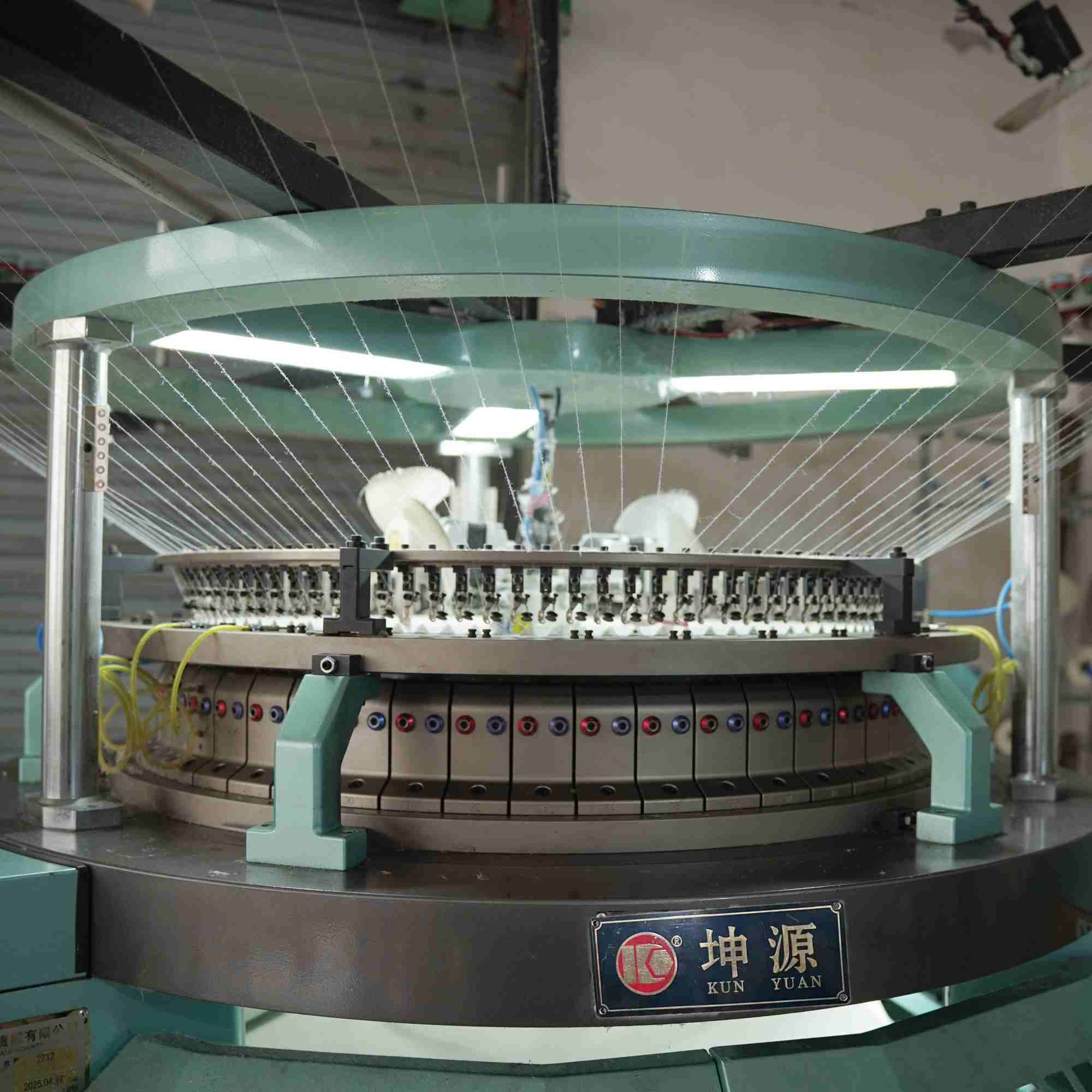
A designer first converts artwork into a repeat that fits the available needle and feeder logic. Each color or effect is assigned to a yarn feed and each design point becomes a knitting action. The controller synchronizes those instructions with cylinder position. The software can organize selection, but it cannot make an unsupported stitch transfer or unlimited color count appear on the machine.
Single-knit jacquard, double-knit jacquard and pile jacquard manage floats and fabric balance differently. Long floats can snag or distort, excessive color changes can reduce practical speed, and a visually acceptable face can conceal an unstable back. Yarn count, contrast, shrinkage and finishing also change how a digital motif appears after knitting.
Run a small repeat before releasing production. Inspect registration, float length, color separation, edge behavior and weight, then finish the sample using the planned route. Store the accepted pattern file with machine model, gauge, yarn map and revision number. A picture file alone is not enough to reproduce the fabric months later.
| Design input | Technical question |
|---|---|
| Repeat width | Does it fit the available needle selection? |
| Colors per course | Can the feeder and yarn plan support it? |
| Float length | Will the back remain stable and usable? |
| Finished appearance | How do dyeing, heat and shrinkage alter the motif? |
Practical limit: Request a knitted and finished swatch for a new motif; a controller preview confirms the file, not the handle or stability of the final fabric.

 Tel: +86-13859034518
 Email: info@kunyuanmachine.com
 MP/WhatsApp: +86-13859034518
 Manufacturer Address:Bacuo Village, Yonghe Town, Jinjiang City, Fujian Province