



Two-sided construction
Review the face, reverse, floats and backing together so a clean motif is not approved with an unsuitable rear structure.
 Price:
Negotiable
Price:
Negotiable
Model:
NET Weight:
4 tons
Diameter:
30
Gauge:
8G-36G
Feeder:
64F
Certification:
CE, ISO
Applicable Yarn Material:
Fashion cloth, Curtain, Sofa fabric, Mattress
RPM:
12-18PRM
Wooden Box Size:
2.7M*2.3M*2.5M
Place of Origin:
CHINA.
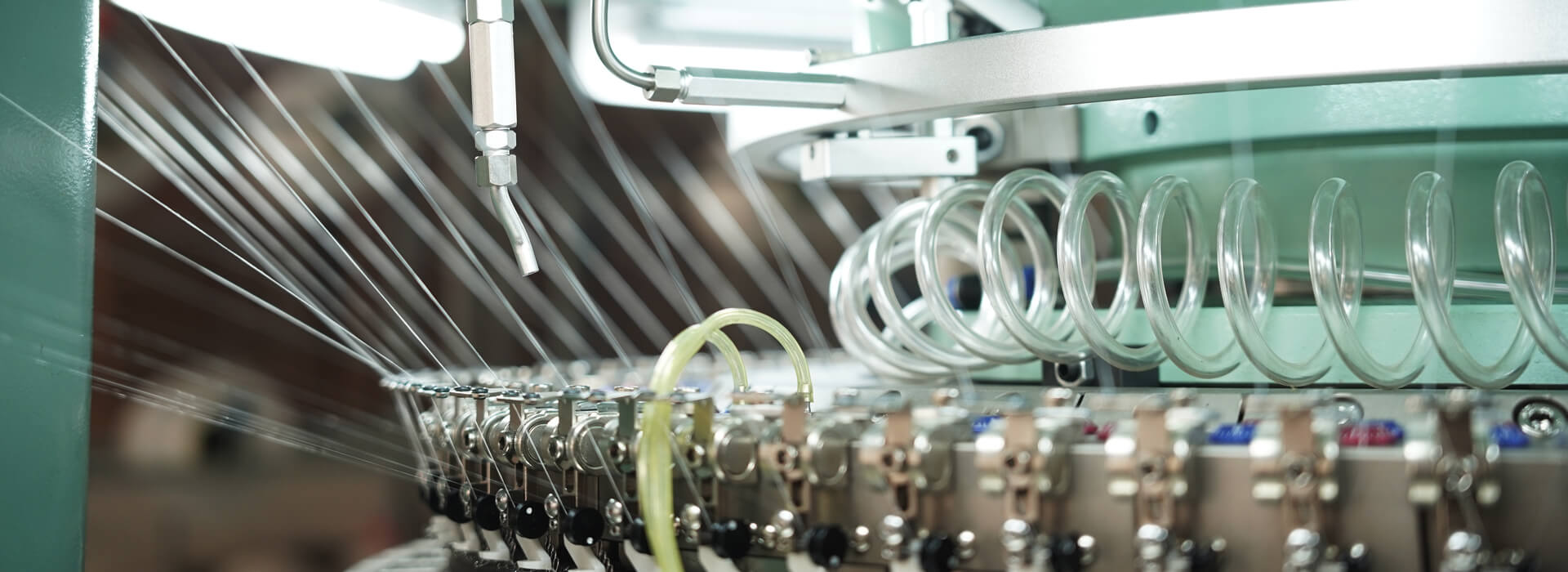
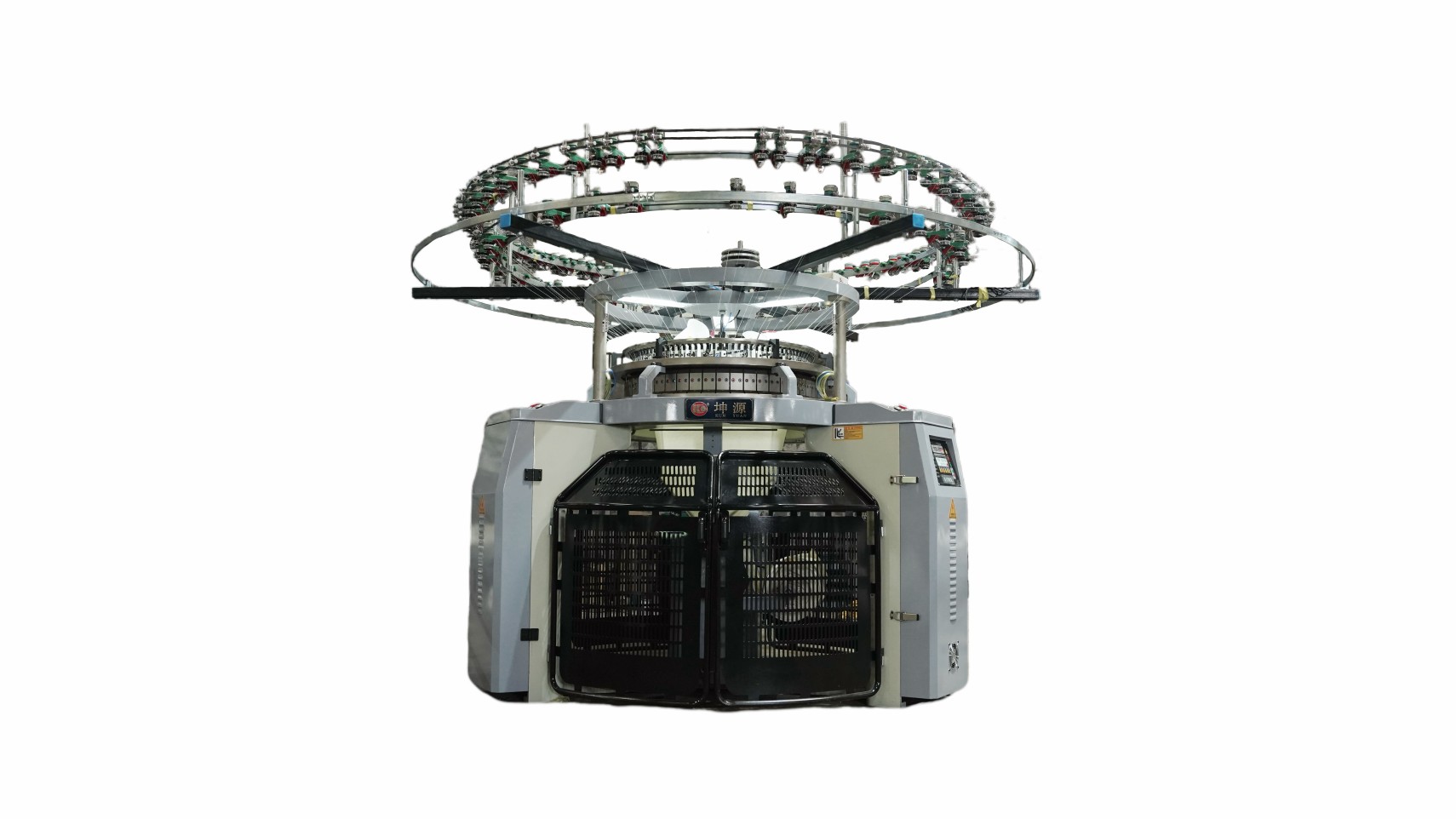
Double jacquard is bought for a patterned double-knit structure, not simply for a colored face. The face, reverse, thickness and stability must work together for the intended garment or home-textile product. Kunyuan’s archived record lists a 30 inch, 8G–36G and 64F starting configuration, with additional 34 inch/72F and 38 inch/96F examples. It records 12–18 RPM and electronic selection for knit, tuck and miss.
The old application list includes fashion fabric, curtains, sofa fabric and mattress textiles. Those end uses do not share one construction or finishing route. A buyer should submit the actual repeat, yarn plan, required face/back appearance, finished width and fabric hand. The technical response should identify the needle-selection system and the offered diameter, gauge and feeder layout for that brief.
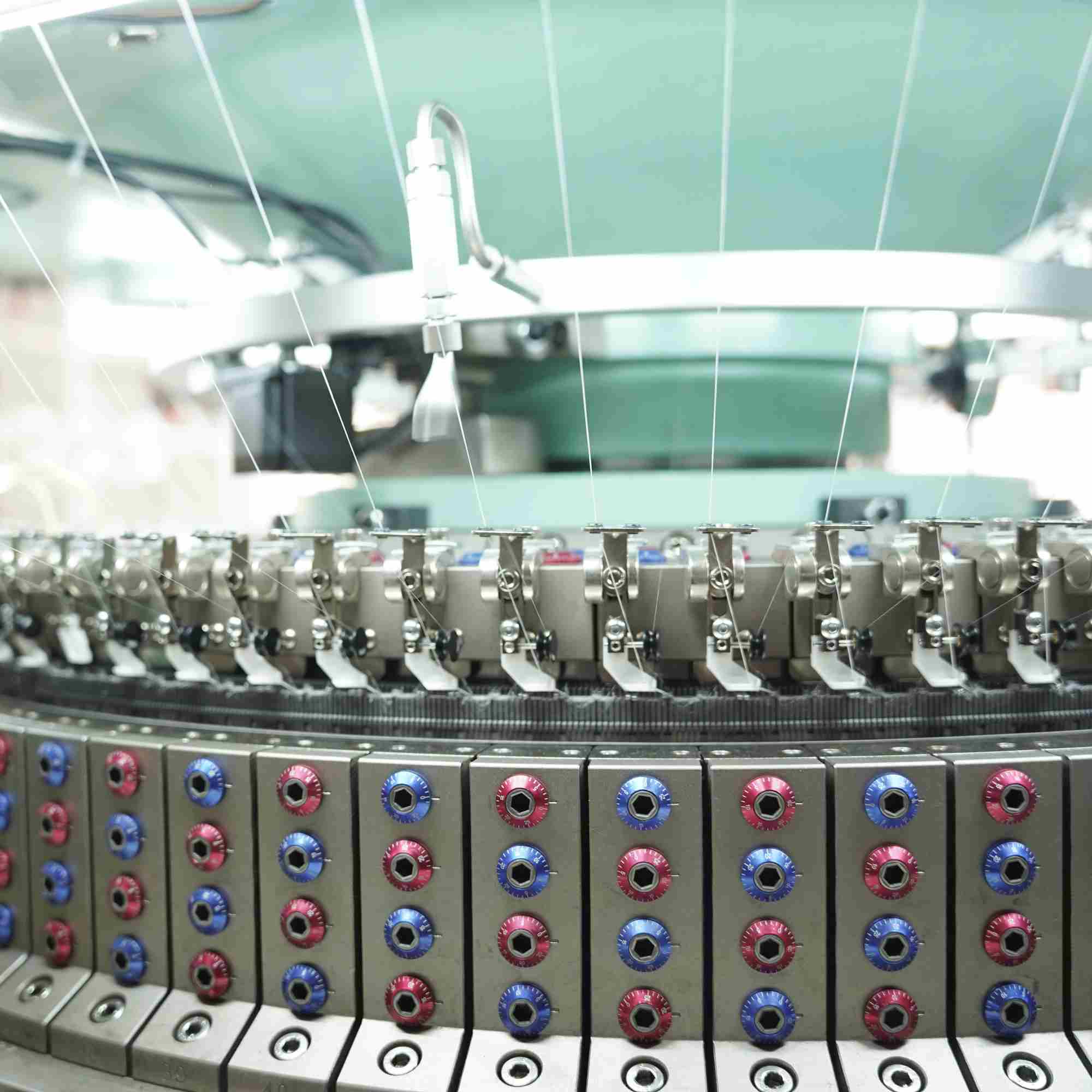
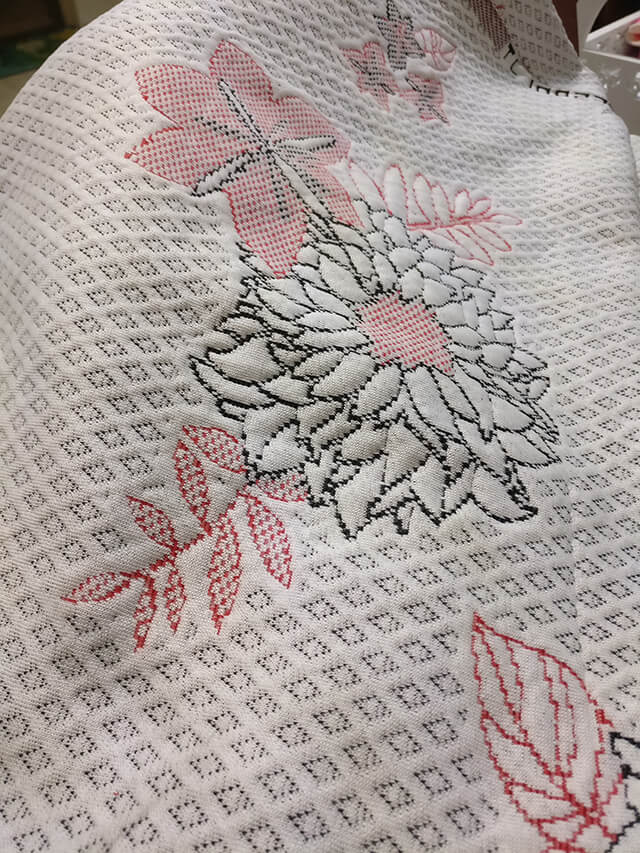
Electronic needle selection can assign knit, tuck or miss actions, but the design must remain compatible with the double-knit structure. Long floats, dense tuck areas or an unbalanced yarn plan may change fabric weight, stretch, width and reverse-side appearance. A high-resolution artwork file is not proof that the structure will run cleanly.
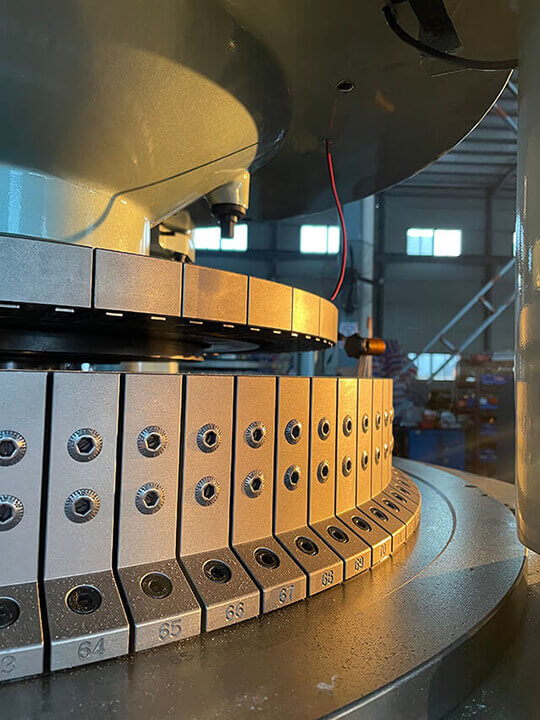
Ask how the pattern is transferred, named and backed up. Confirm whether the selectors act at the cylinder, dial or the offered combination, and how the operator returns to a known pattern position after a stop. Needle and dial timing, yarn allocation and take-down must be recorded with the file because these mechanical settings influence the same visual result.
| Item to define | Double-jacquard consequence | Acceptance record |
|---|---|---|
| Face and back requirement | Determines whether floats, backing and color visibility are acceptable | Two-sided reference sample with marked face |
| Knit/tuck/miss map | Influences thickness, stability and pattern clarity | Approved program revision and action map |
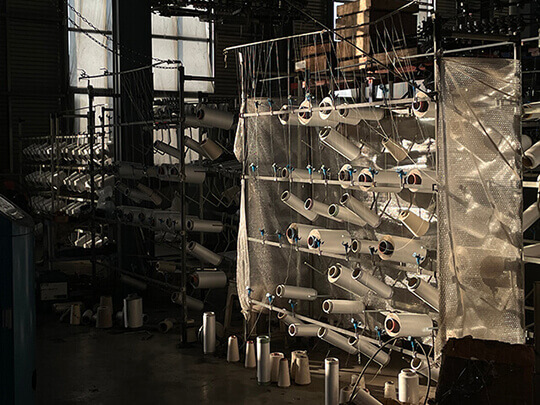
| Yarn/color allocation | Changes contrast, hand and feeder demand | Yarn-lot and feeder-position sheet |
| Diameter/gauge/feeders | Sets the offered knitting geometry and capacity | Exact machine configuration, not a range alone |
| End use and finishing | Curtains, apparel and upholstery need different checks | Finished sample under the intended process |
Choose a trial repeat with fine edges, larger solid areas, a color transition and at least one section where the back construction is easy to inspect. Run the production yarn and keep the file revision, selector setup, stitch settings and stop log. Take samples at more than one roll position so a gradual tension or registration drift is not missed.
Inspect face clarity, repeat alignment, unintended holes, needle lines, float condition and the reverse-side structure. Measure width, weight and dimensional response after the intended finishing route. For upholstery or mattress fabric, add the buyer’s own abrasion, lamination or assembly tests; the knitting-machine page should not claim those downstream properties without evidence.
A defect that follows the electronic repeat deserves a program or selector review. A mark fixed at one machine position calls for inspection of the corresponding needle, dial or feeder area. Color variation across a wider zone may come from yarn lots or tension. Keep these routes separate so operators do not edit the design to hide a mechanical issue.
Back up programs, restrict revision access and note the file loaded for each roll. Clean and lubricate the mechanical parts according to the supplied procedure, and isolate power before inspection. The archived 12–18 RPM range is useful only when the yarn, repeat, gauge and inspection method are also stated.
No. Convert a representative design and review structural limits, floats, tuck concentration, yarn allocation and the reverse before approving the file.
This page concerns patterned double-knit structure. If raised loops or terry absorbency are required, specify that separately and use the appropriate terry machine and finishing trial.
Compare the exact offered diameter, gauge and feeder count against finished width, weight, repeat and yarn requirements. Do not combine examples from different configurations into one assumed machine.
Keep the pattern revision, knit/tuck/miss map, yarn lots, feeder allocation, mechanical settings, stop log and labelled face/back sample from the same run.
Double Jacquard Circular Knitting Machine approval depends on two-sided fabric evidence. Electronic selection adds design control, while the actual result still depends on needle/dial timing, yarn allocation, take-down and finishing. Use the archived 30 inch, 8G–36G, 64F and 12–18 RPM data to scope the offer, then approve a traceable pattern run rather than a catalogue claim.
The stored double-jacquard values include a 30 inch/64F base record and 34 inch/72F and 38 inch/96F examples. Match one exact setup to the two-sided fabric brief.
| Net weight | 4 tons |
|---|---|
| Cylinder diameter | 30 |
| Gauge | 8G-36G |
| Feeders | 64F |
| Applicable yarn/material | Fashion cloth, Curtain, Sofa fabric, Mattress |
| Recorded operating speed | 12-18PRM |
| Recorded packing or machine size | 2.7M*2.3M*2.5M |
| Certification shown in CMS | CE, ISO |
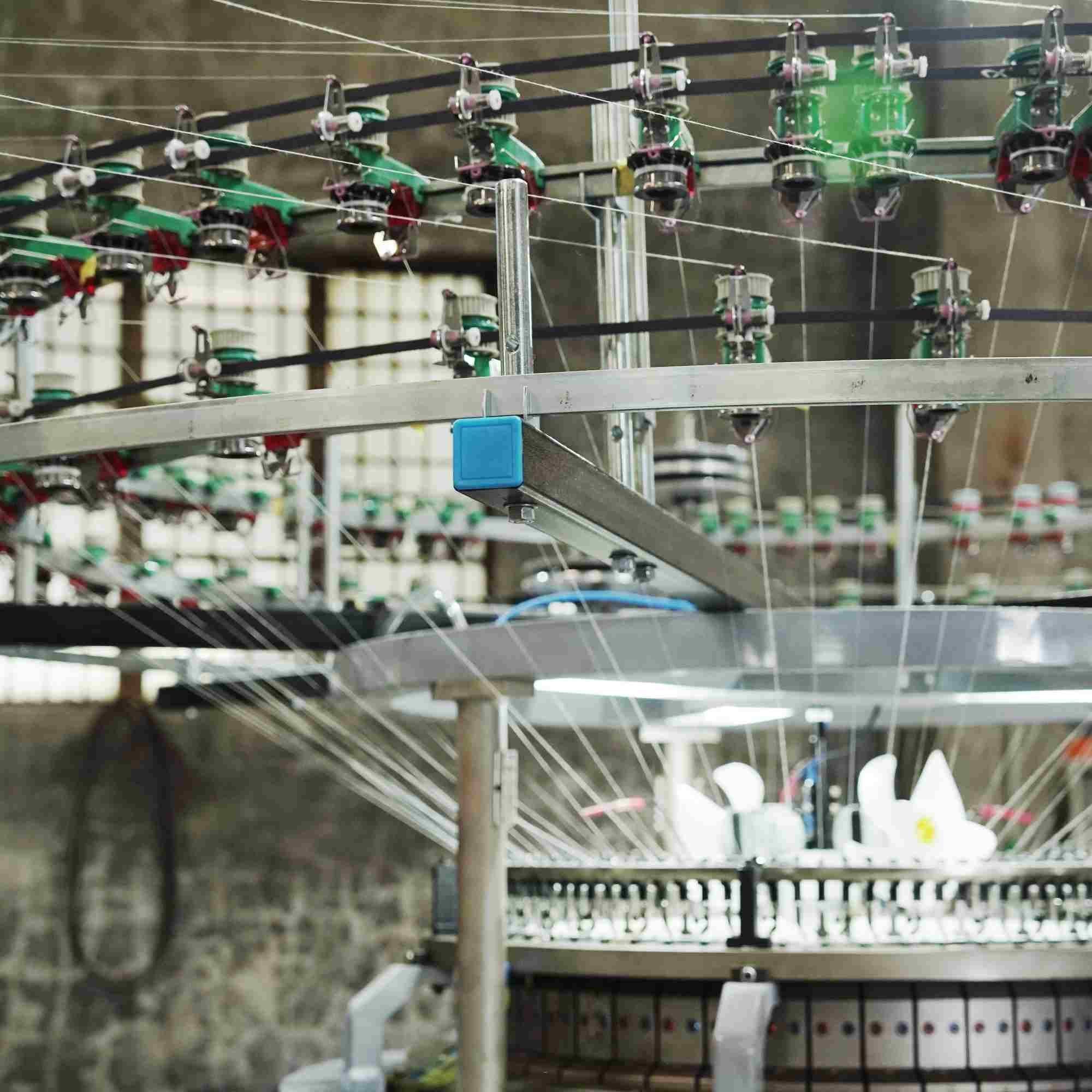
Electronic knit, tuck and miss selection creates the design while cylinder/dial coordination and yarn allocation hold the two-sided structure.
Review the face, reverse, floats and backing together so a clean motif is not approved with an unsuitable rear structure.
Link every roll to its pattern revision and action map; repeated design errors can then be separated from a fixed mechanical mark.
Finish the trial for its real apparel, curtain, sofa or mattress route and apply any downstream tests outside the knitting-machine claim.
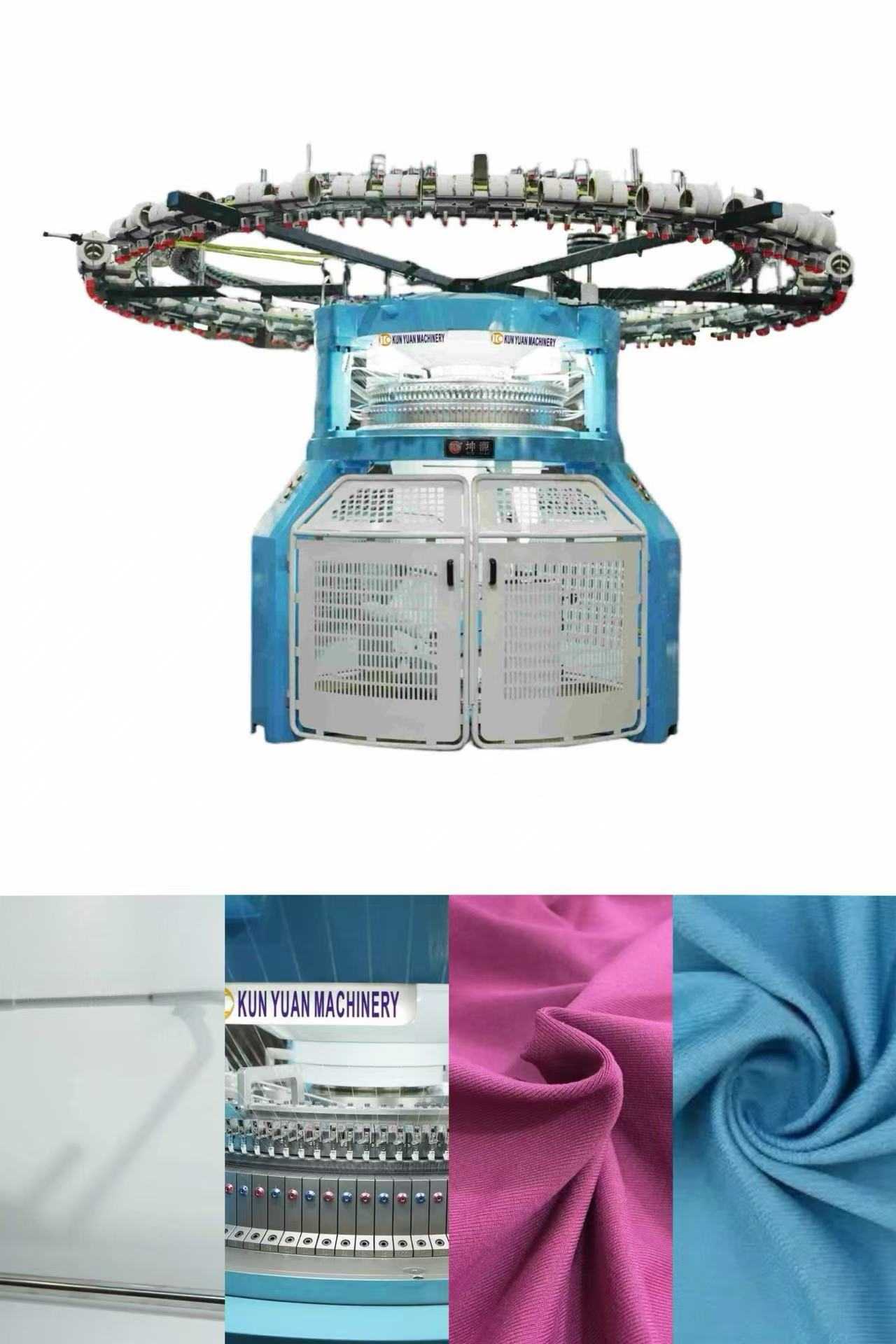
Validate a 36-Inch 32G 108-Feeder Double Jersey Circular Knitting Machine through fine-gauge needle care, feeder mapping and finished two-sided fabric checks....
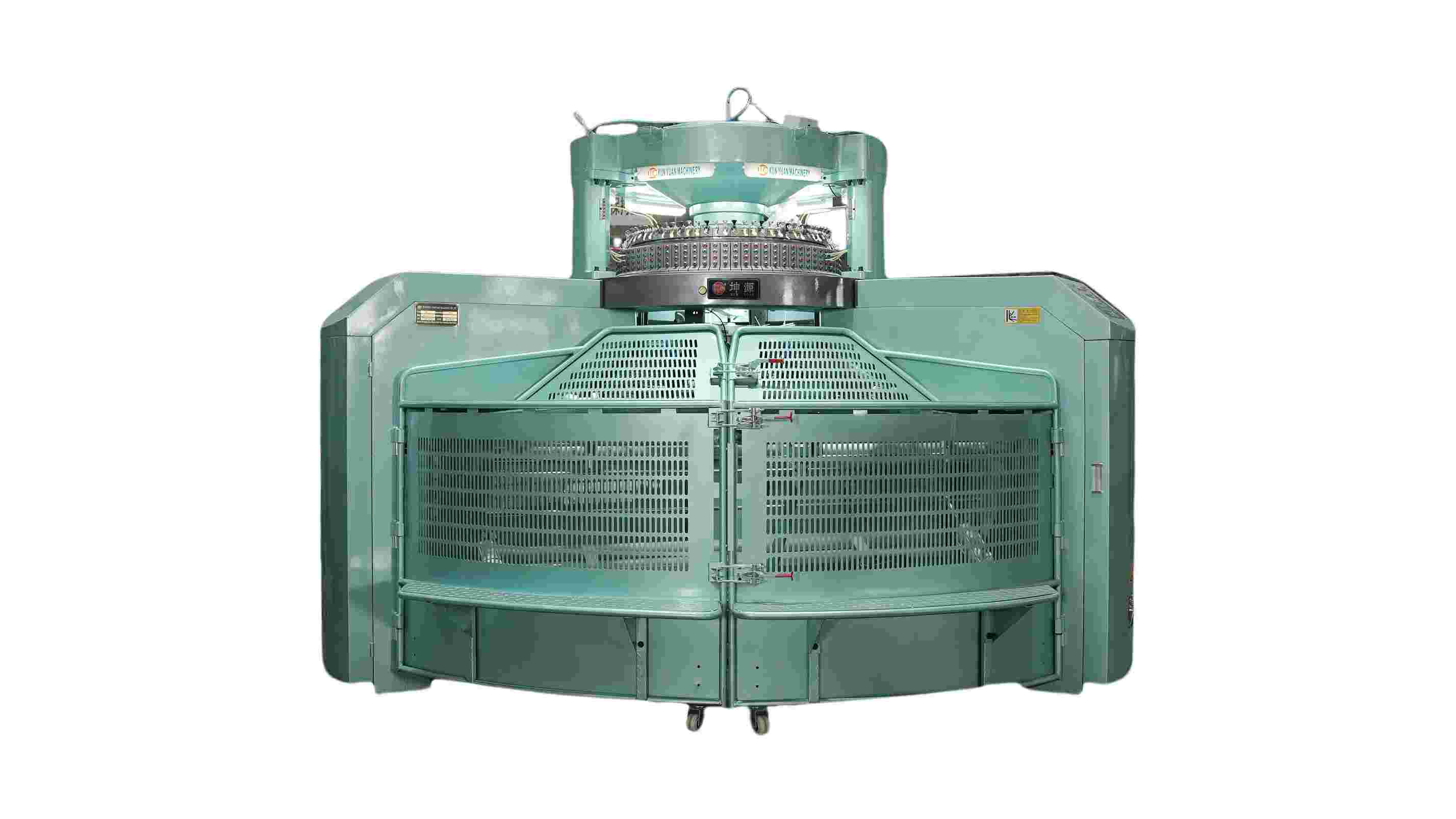
Specify a Pneumatic Open-Width Double Jersey Circular Knitting Machine by 34-inch/28G/72-feeder configuration, slitting position, edge control and roll-quality checks....
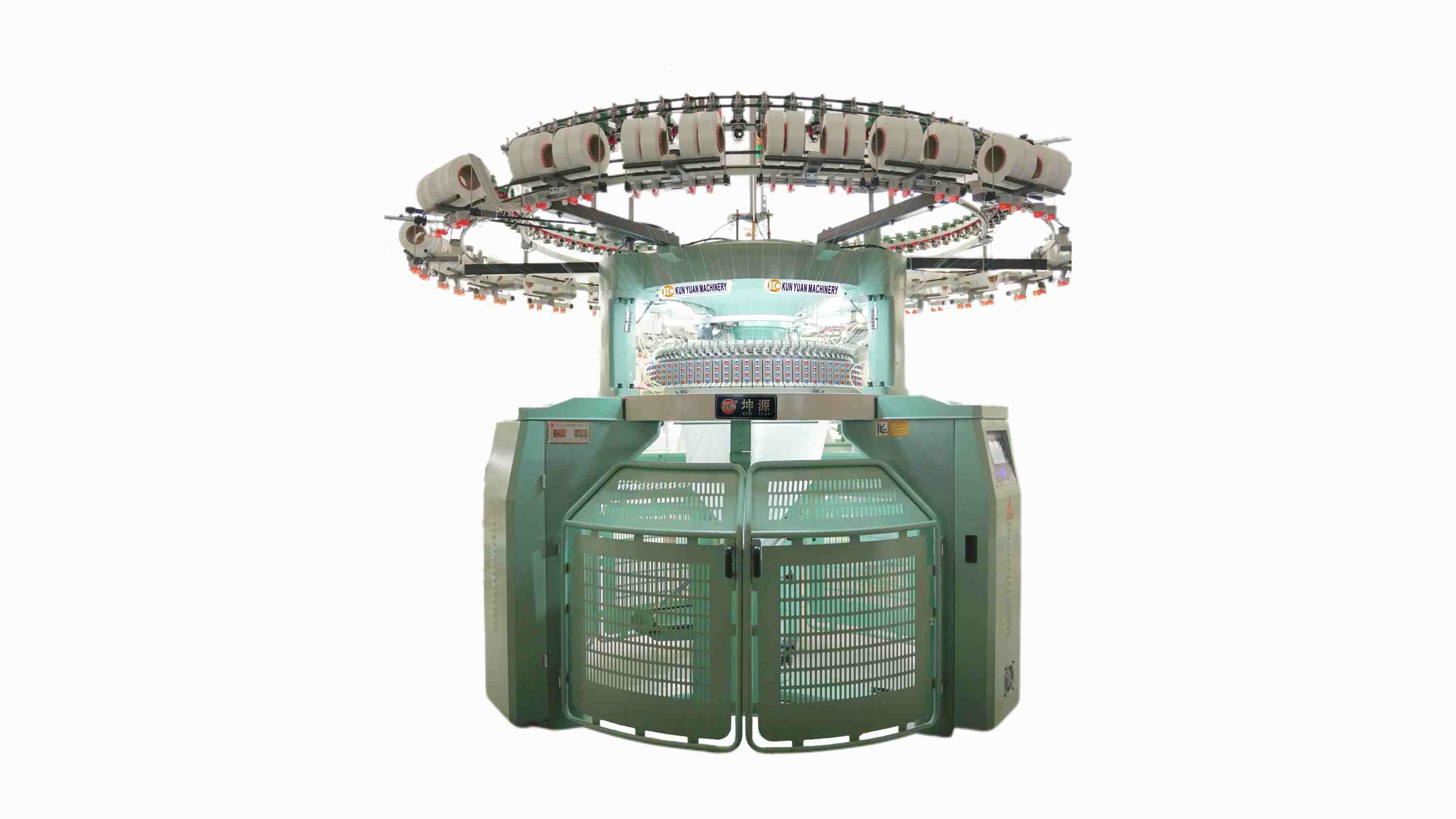
Plan a 34-Inch 12G 72-Feeder Double-Side Interchangeable Circular Knitting Machine around change parts, setup records and separate fabric trials....
The archive identifies this topic as a 32-inch sweatshirt circular knitting machine. Sweatshirt fabric is a production target, not one guaranteed......
The pneumatic double-jersey high-foot topic combines two separate decisions: the cylinder-and-dial knitting architecture required by the fabric and the......

 Tel: +86-13859034518
 Email: info@kunyuanmachine.com
 MP/WhatsApp: +86-13859034518
 Manufacturer Address:Bacuo Village, Yonghe Town, Jinjiang City, Fujian Province



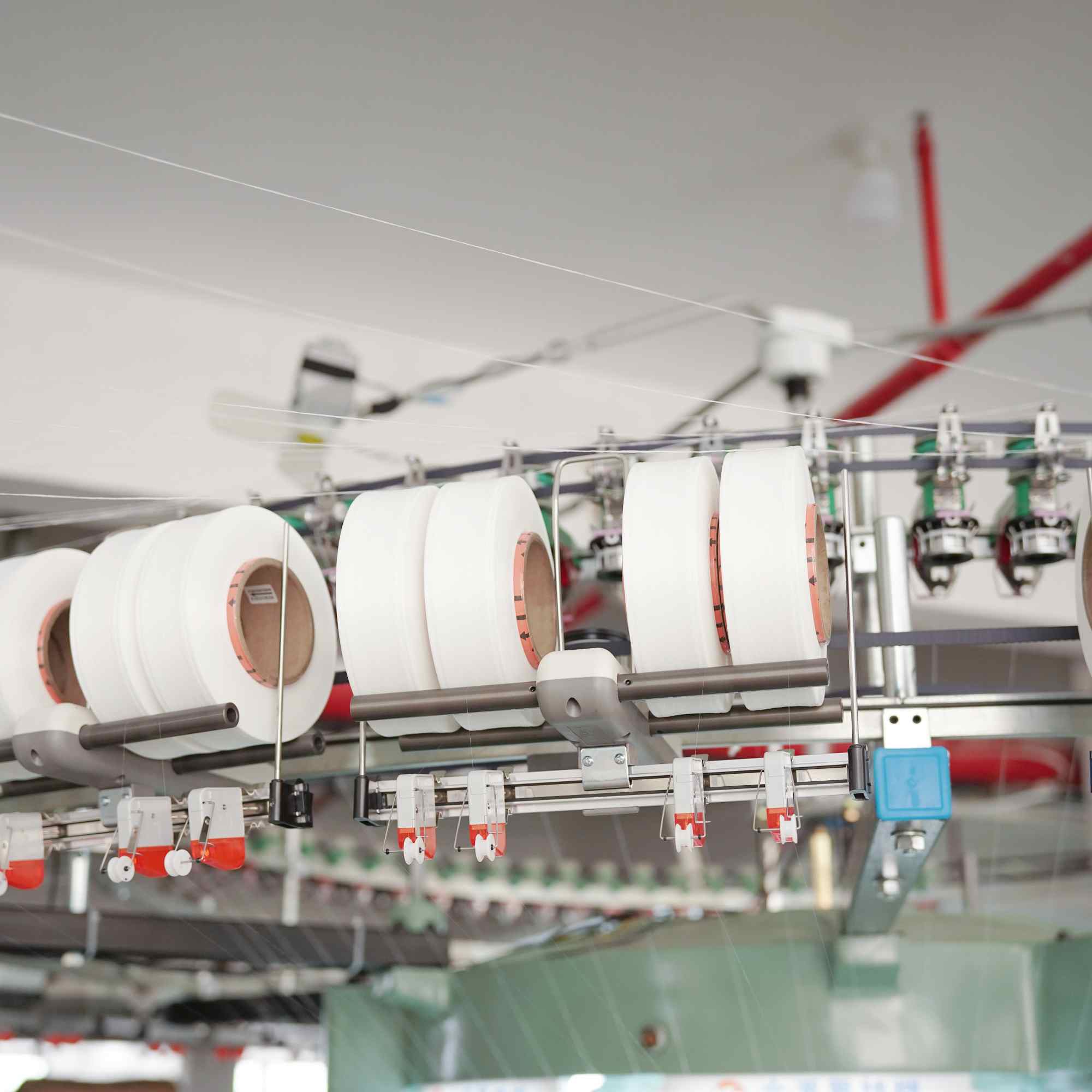
Archived feedback highlighted smooth fabric production, durability and reliable operation for an interchangeable double-side configuration.2025-07-16
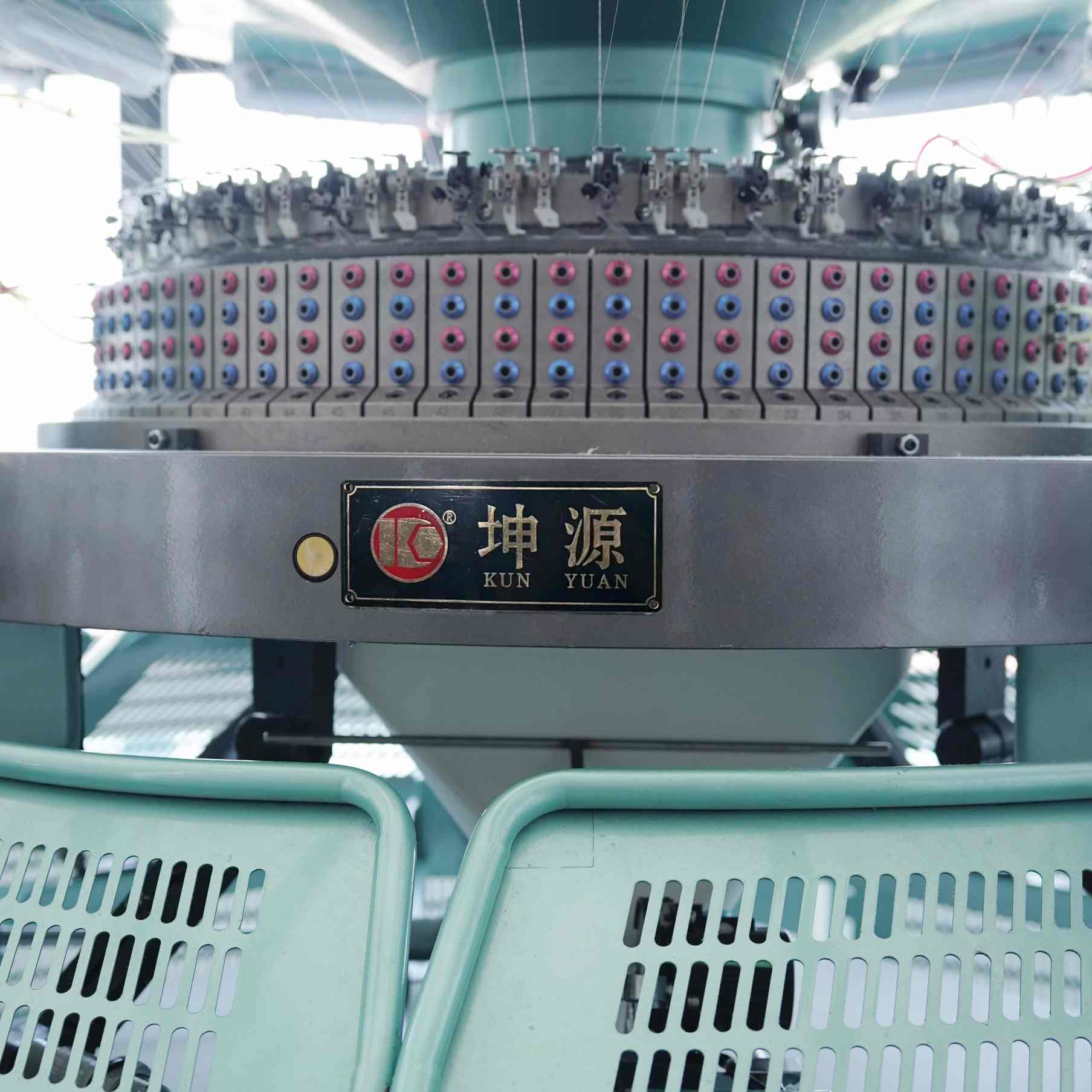
Archived feedback emphasized stable running, precision and easier operation with the pneumatic system.2025-07-16
Archived feedback described stable operation and versatility across double-knit fabric applications.2025-07-15
Compiled archived feedback for Double Jacquard Circular Knitting Machine highlights pattern capability, stable operation and double-knit fabric versatility; open the full summary for source notes and model-specific buyer checks.2026-08-20