


Hot Keyword:
Author:KUNYUAN Machine ManufacturerTIME:2026-08-27
Rib fabrics are often described as elastic, firm or soft without a shared test method. That language cannot select a machine or approve production. The solution begins with structure, finished width and weight, extension direction, recovery limit and conditioning method. Cylinder and dial knitting, yarn delivery, stretch components and take-down must then be balanced around those targets.
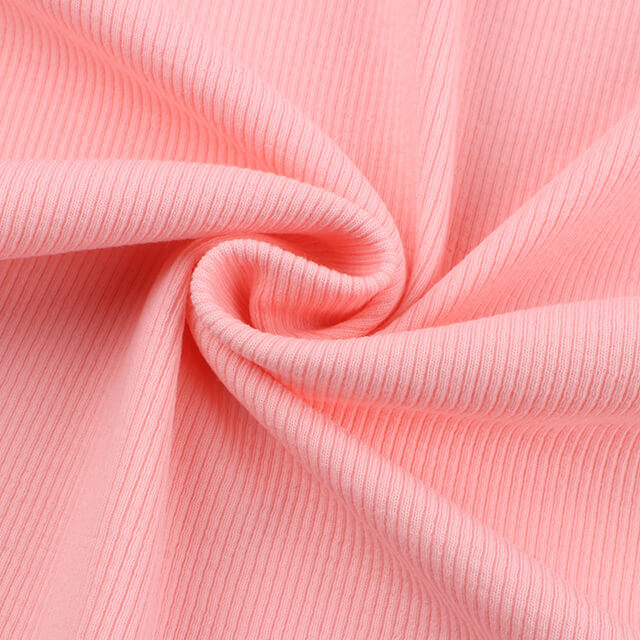
Define whether the project is a basic 1x1 or 2x2 rib, another rib repeat, or an interlock-related double-knit construction. Mark face/back orientation and needle arrangement. If several styles are planned, identify one acceptance baseline and list the conversion needed for each variant.
Record every yarn by supplier, composition, count, lot and feeder duty. Elastane or another stretch component needs its own specification, feeding positions and relevant settings. Hiding it inside a general yarn list makes recovery changes difficult to trace.
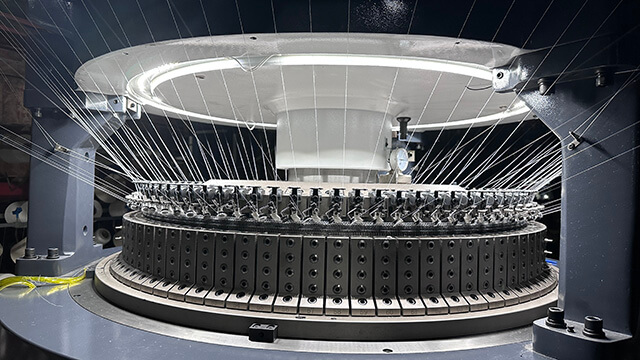
The first sample should show balanced cylinder and dial loop formation without relying on excessive take-down. Inspect vertical needle lines, horizontal bands, rib definition and face/back balance. Then condition the fabric before measuring dimensions and recovery.
| Elastic-fabric control | Decision | Evidence |
|---|---|---|
| Rib construction | Cylinder/dial needle arrangement and repeat | Controlled needle chart with marked fabric |
| Stretch system | Yarn/elastane identity, duty and feed method | Labelled cones, feeder map and setting record |
| Relaxed dimensions | Width, weight and rest/finish condition | Timed measurement sheet with sample identity |
| Recovery | Extension method, cycles and allowable residual growth | Buyer-approved test result on finished material |
A leaning rib or dominant side may originate in yarn delivery, needle condition, timing, stitch setting or take-down. Mark the defect by roll and machine position before adjusting the complete setup. Preserve samples before and after a correction and repeat the measurement after the same conditioning period.
Compare greige and finished material. A fabric that appears balanced at the machine can move after washing or heat treatment, while finishing can also introduce distortion. Paired evidence prevents the knitting machine from being blamed for every downstream change.
For each additional rib style, identify changes to needle arrangement, yarn, elastane, cams, feeders or other parts. Classify them as routine recipe work, included conversion, optional equipment or unconfirmed feasibility. After a variant, return to the baseline and reproduce the original conditioned result.
Output depends on construction, yarn behavior, quality limits and the planned mix. Estimate saleable production with changeovers and rejected transition fabric included. The offer should also list needles, change parts, spares, training and the exact diameter, gauge and feeder configuration.
Use the buyer’s defined specimen, extension, hold, cycle, relaxation and calculation method. Record whether the result is greige or finished; hand stretching is not a repeatable test.
It may hold the fabric in an orderly machine-side shape while storing stress that appears later as width movement or poor recovery. Approve after the agreed conditioning.
Restore needle/yarn maps and settings, knit a new first-off sample and compare conditioned width, weight, structure and recovery with the locked baseline.
If the target is a single-knit lightweight fabric, a fleece construction, pile surface or garment-size tube needing another machine mechanism, evaluate that family rather than forcing the fabric into a rib solution.
Send Kunyuan the rib structure, yarn and elastane plan, finished dimensions and recovery method. The proposed configuration and trial should produce a conditioned result that operators can restore after conversion.
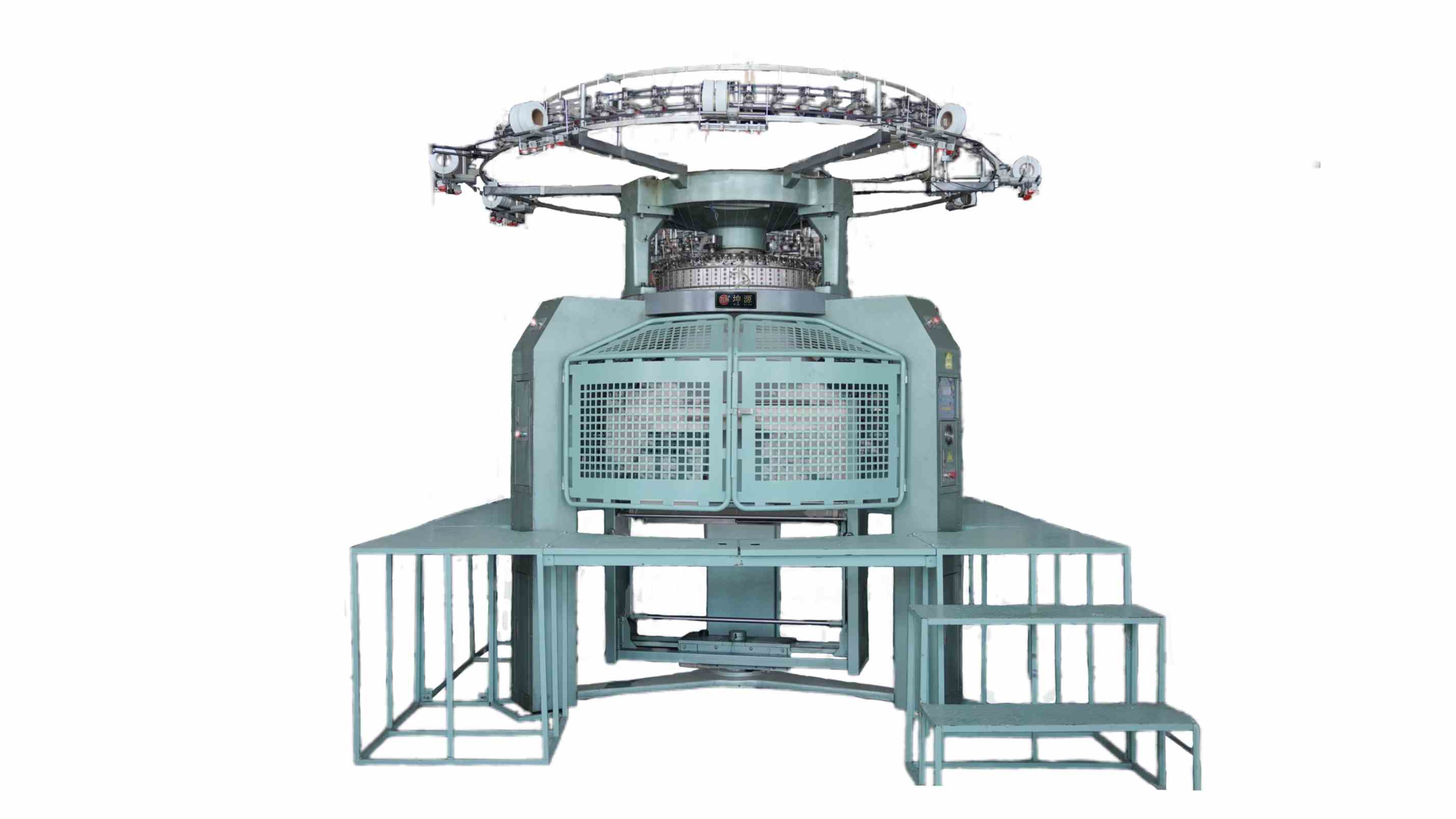
Review the rib double-jersey machine
 Tel: +86-13859034518
 Email: info@kunyuanmachine.com
 MP/WhatsApp: +86-13859034518
 Manufacturer Address:Bacuo Village, Yonghe Town, Jinjiang City, Fujian Province