



Track selection
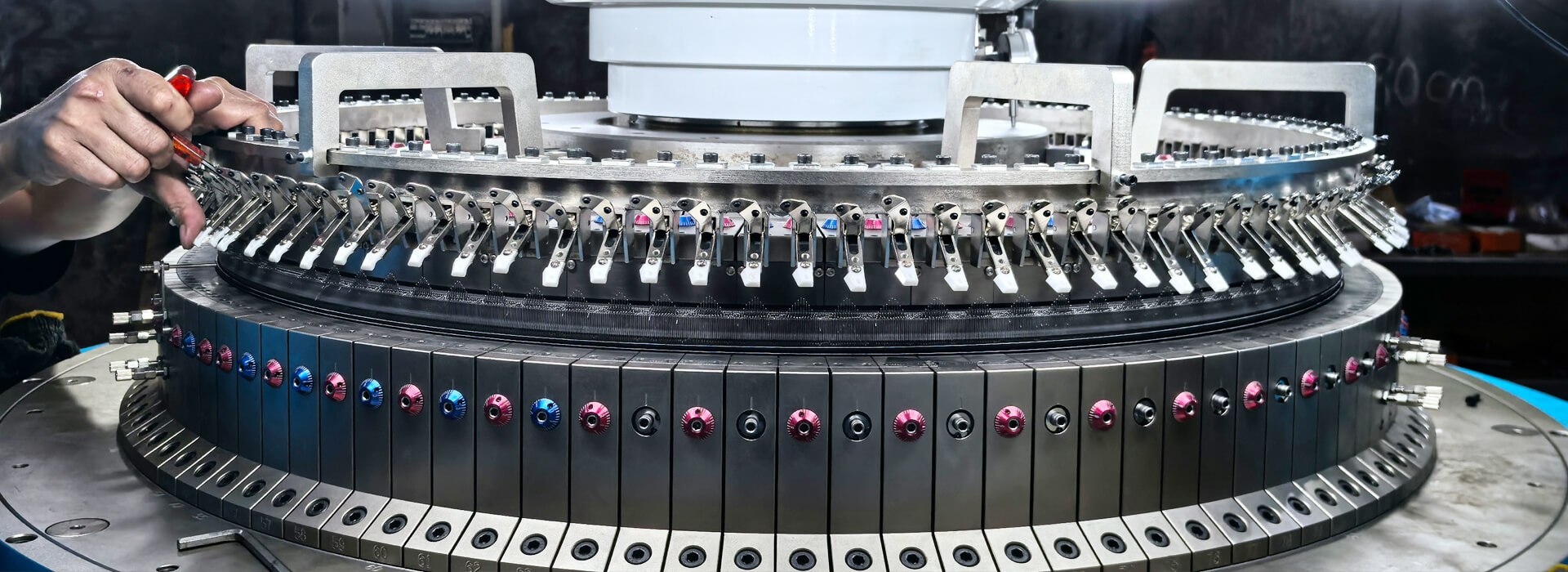
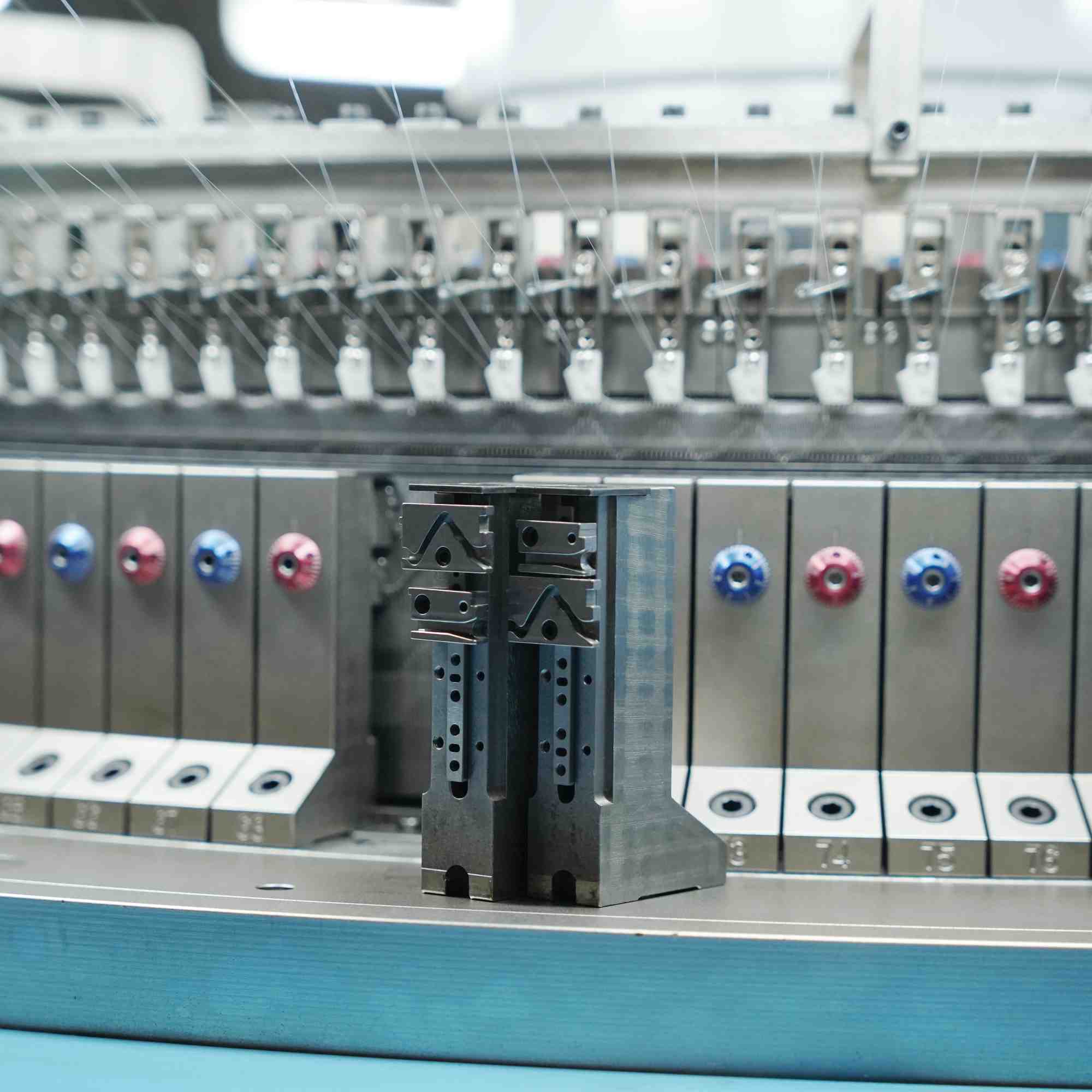
Identify the one-/two-track dial and one-/two-/four-track cylinder option that corresponds to the approved rib or mini-jacquard construction.
 Price:
Negotiable
Price:
Negotiable
Model:
NET Weight:
4 tons
Diameter:
30’’
Gauge:
8G-24G
Feeder:
54F
Certification:
CE,ISO
Applicable Yarn Material:
Cotton, Chemical fiber, Blended yarn, Silk and wool etc.
RPM:
15-30rpm
Wooden Box Size:
2.25M*2.23M*2.25M
Place of Origin:
CHINA.
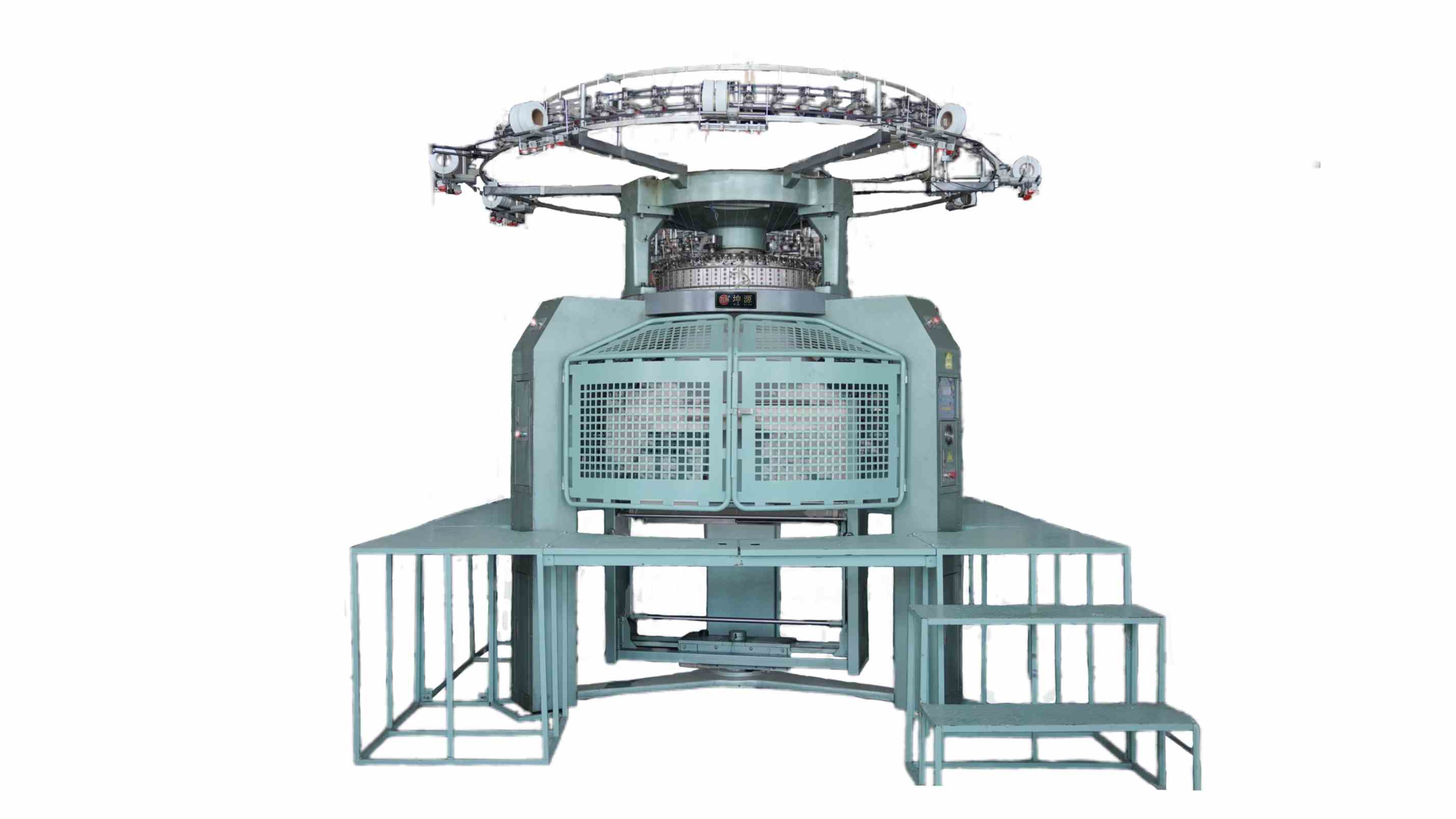
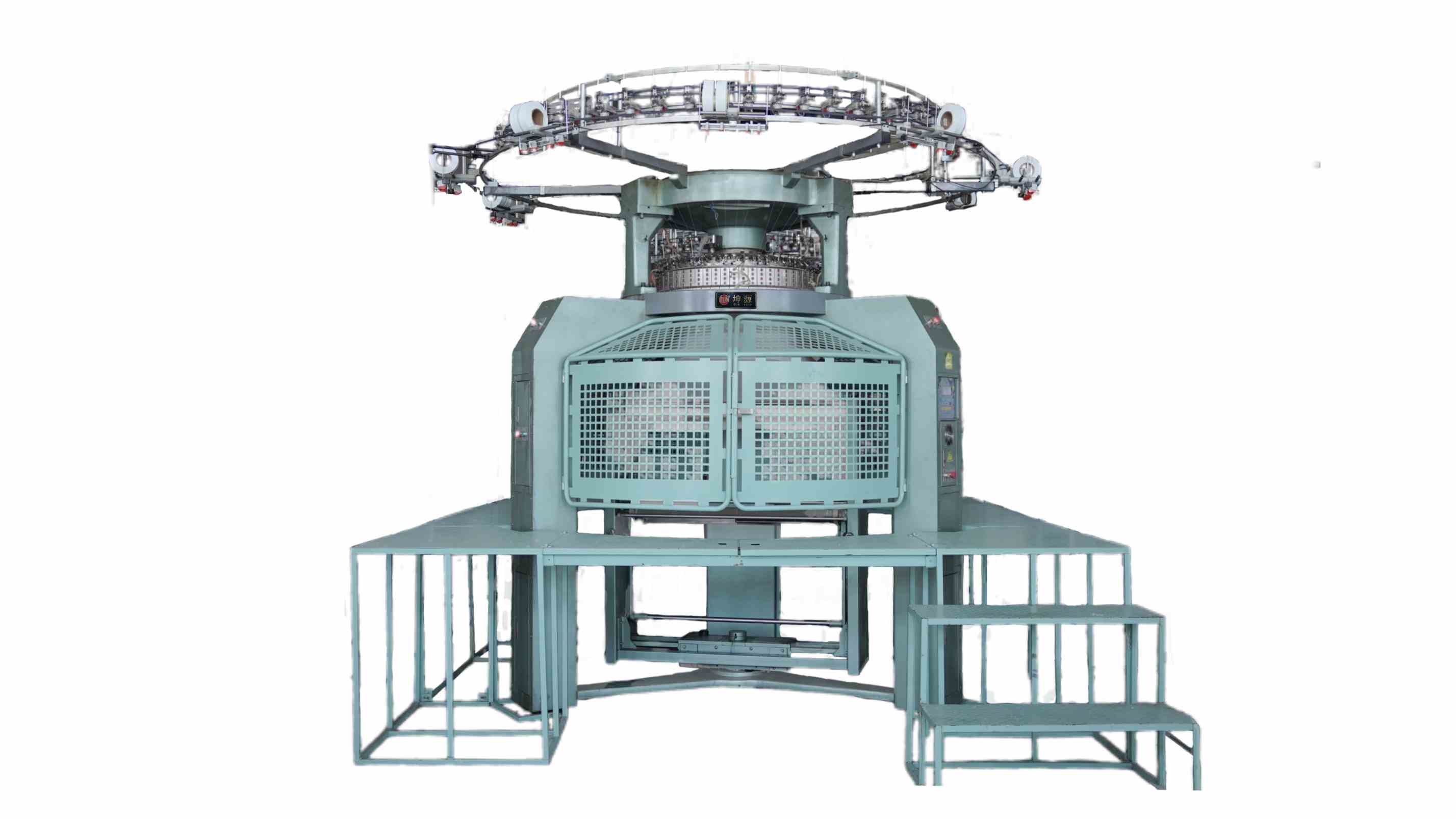
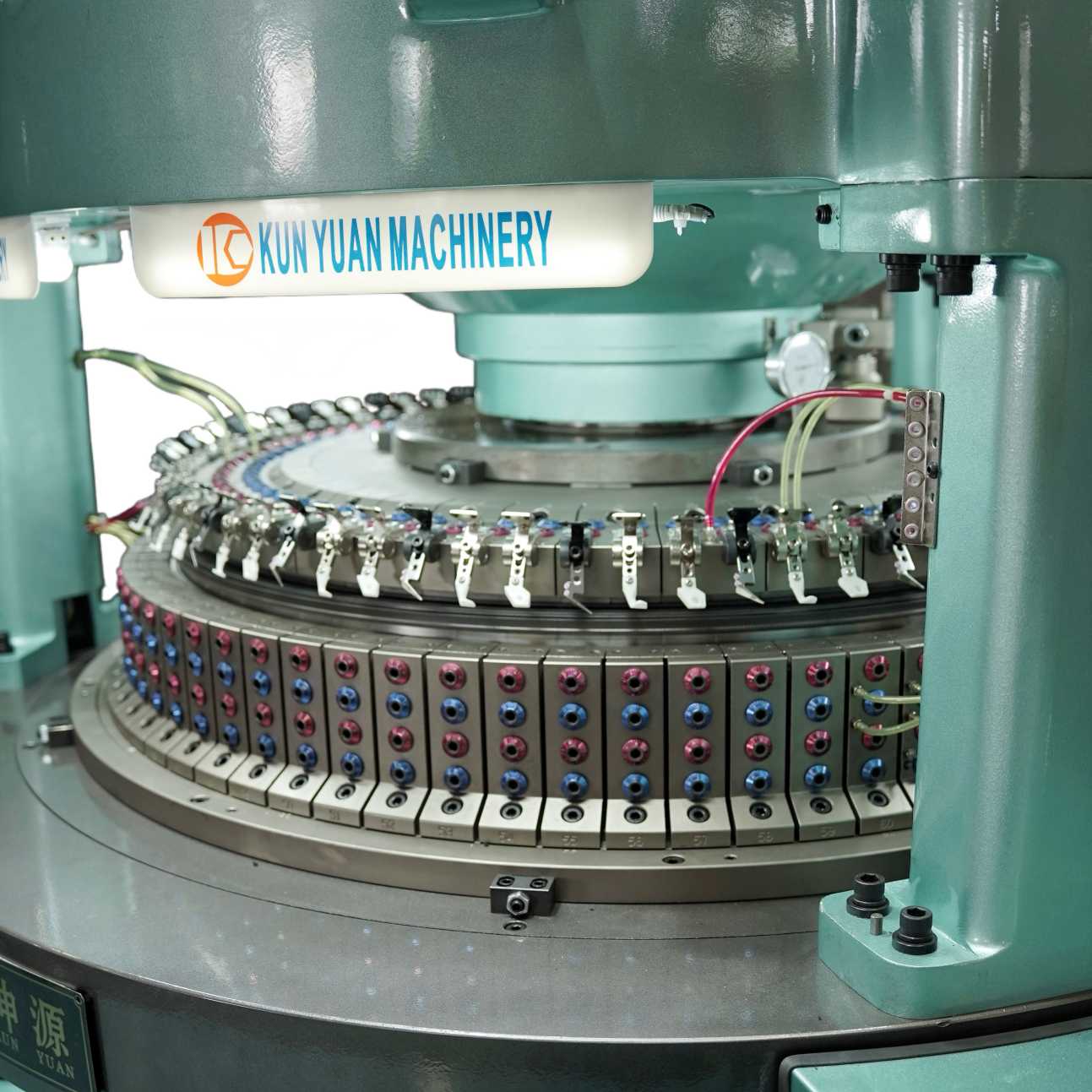
A rib fabric can look even on the machine and still fail when a cuff, collar or waistband is stretched and released. The cylinder and dial needle beds have to form the chosen rib ratio while yarn tension, stitch length and take-down hold the required width and recovery. Kunyuan’s archived product record lists a 30 inch diameter, 8G–24G, 54F and 15–30 RPM. It also refers to 54F/60F, optional one- or two-track dial cams, one-, two- or four-track cylinder cams, mini-jacquard adjustment and spandex use.
This machine is relevant to collars, cuffs, waistbands and elastic double-jersey or sportswear fabric. The buyer should name the actual construction—such as the rib ratio, plain/double-knit area or mini-jacquard feature—because “rib” by itself does not define stretch, hand or finished dimensions.
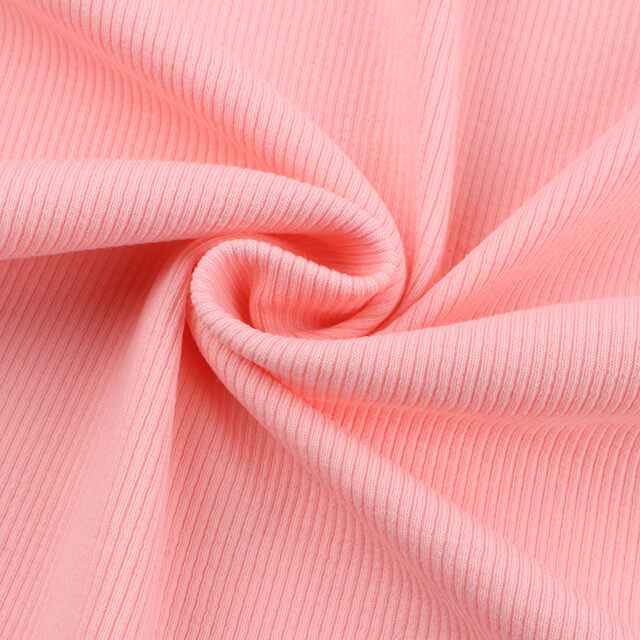
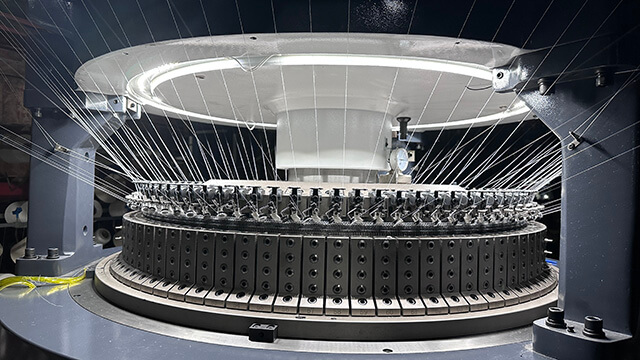
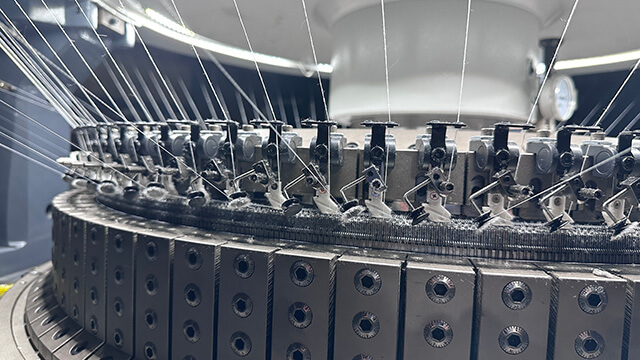
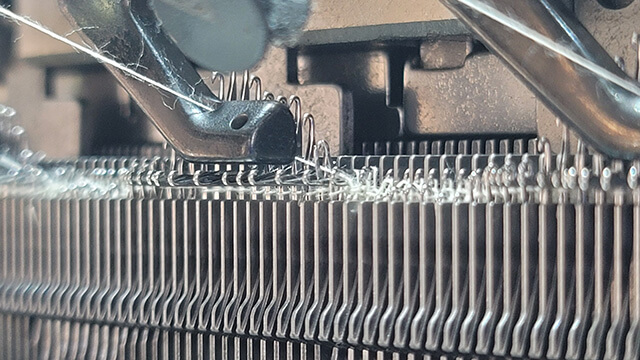
Rib loops are formed by needles in the cylinder and dial. Their timing and the selected cam tracks influence the structure and the way yarn is shared between the two beds. A cam arrangement that supports one fabric should not be assumed to support every rib or mini-jacquard design. Ask the quotation to list the proposed dial and cylinder tracks and any change parts.
When elastane is added, its feed tension and draft become part of the recipe. The fabric must be evaluated after relaxation and the planned heat setting or finishing step. A fast on-machine measurement can hide poor recovery or spirality that becomes visible later.
| Buyer input | Machine/configuration question | Test result to keep |
|---|---|---|
| Rib ratio and end use | Which cylinder/dial track arrangement forms the structure? | Marked fabric diagram and approved component |
| Yarn and elastane plan | Where and how is elastane fed and controlled? | Yarn allocation, tension/draft record and lot |
| Gauge and feeders | Which exact values within 8G–24G and 54F/60F are offered? | Needle/cam/feeder list |
| Finished dimensions | How are width, course length and relaxation defined? | Before/after finishing measurement sheet |
| Changeover need | Which cams or parts change for mini jacquard or another rib? | Change-parts list and setup checklist |
Use the production yarn and elastane. Knit enough fabric for the normal finishing process and for repeated stretch tests. Record cylinder/dial timing, cam tracks, stitch settings, elastane feed, speed, take-down and stop causes. Cut samples in the same orientation used for the garment component.
Inspect needle lines, holes, uneven courses, edge condition and any periodic mark. Measure relaxed width and weight, then extend the sample to the buyer’s specified method and record how well it returns. Repeat after finishing. If the intended product is a collar or cuff, sew or assemble a representative component when practical; roll-level fabric approval alone may not show edge roll or recovery under use.
Timing drift between cylinder and dial, worn needles or cams, uneven elastane feeding and take-down imbalance can alter rib definition. Operators should record which bed or position relates to a repeating mark. Check yarn paths and elastane devices at the start of a lot, keep the needle zone clean, and follow the supplied lubrication schedule.
Do not chase recovery problems by changing speed alone. Compare yarn lot, elastane feed, stitch settings and finishing condition first. Isolate the machine before cam, needle or dial work and retain the last accepted settings before any changeover.
The one-/two-track dial and one-/two-/four-track cylinder options affect which structures and adjustments are available. The supplier should tie the offered tracks to the buyer’s rib or mini-jacquard sample.
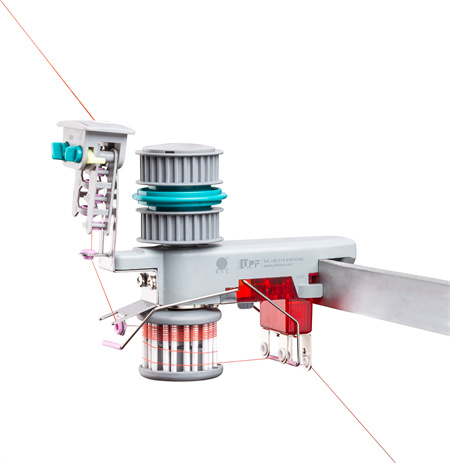
The archive says spandex can be incorporated. Confirm the feed device, yarn path, draft/tension method and a recovery test using the actual elastane planned for production.
No. Gauge, rib ratio, yarn, elastane, cam setup and take-down all affect the stable range. Ask for the conditions behind the proposed production setting.
Sign a labelled, finished sample showing construction, yarn/elastane lots, settings, width, weight and recovery. Keep the cam-track and timing record with it.
Rib Double Jersey Circular Knitting Machine should be selected by structure and recovery, not by a broad “high speed” claim. The archived 30 inch, 8G–24G, 54F and 15–30 RPM values narrow the configuration, while a finished stretch-and-recovery trial proves whether the cylinder, dial, elastane feed and take-down work for the intended component.
The rib-machine archive lists a 30 inch, 8G–24G and 54F reference together with optional dial/cylinder cam tracks. Tie the track and elastane setup to the required rib ratio.
| Net weight | 4 tons |
|---|---|
| Cylinder diameter | 30’’ |
| Gauge | 8G-24G |
| Feeders | 54F |
| Applicable yarn/material | Cotton, Chemical fiber, Blended yarn, Silk and wool etc. |
| Recorded operating speed | 15-30rpm |
| Recorded packing or machine size | 2.25M*2.23M*2.25M |
| Certification shown in CMS | CE,ISO |
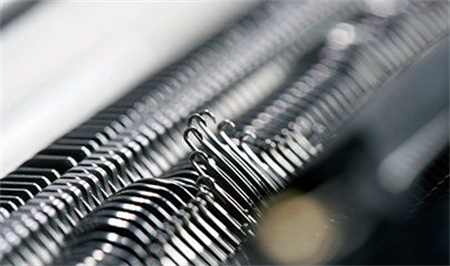
The cylinder and dial needle beds form the rib structure. Cam tracks, yarn/elastane feed, stitch length and take-down determine whether a cuff or waistband returns after stretch.
Identify the one-/two-track dial and one-/two-/four-track cylinder option that corresponds to the approved rib or mini-jacquard construction.
Keep feed position, draft or tension method and yarn lot with the finished recovery test; an unlabeled spandex sample is not reproducible.
Measure the fabric in the orientation and finishing condition used by the collar, cuff or waistband, including edge behavior after assembly when practical.
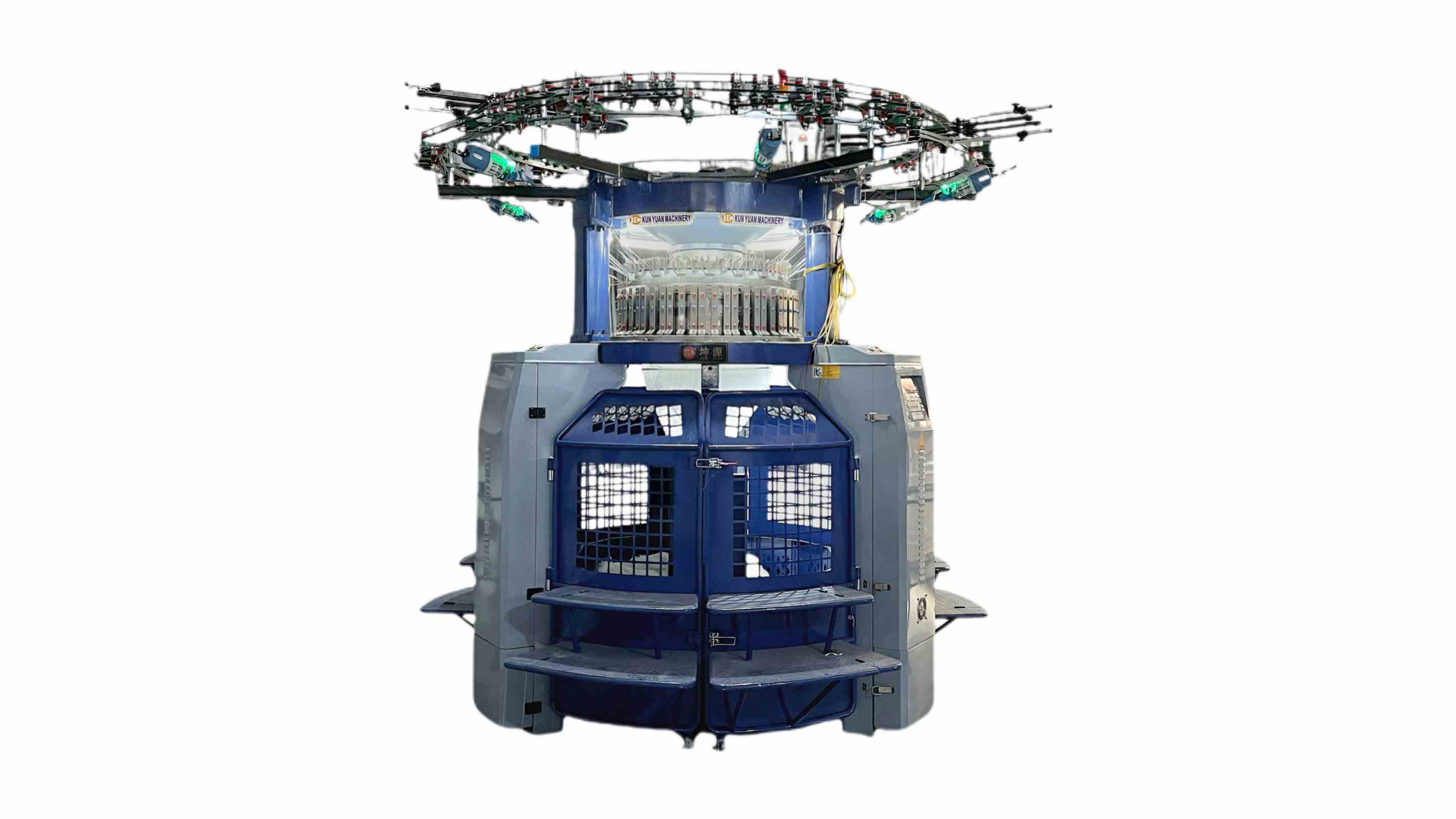
Compare Terry Jacquard Circular Knitting Machine TM/PM configurations, loop sinkers, cam options and greige-to-finished terry acceptance checks....
Evaluate a Knitted Fabric Raising and Intermediate Shearing Machine by incoming fabric, 1.75 m recorded width, pass plan, surface comparison and cleaning access....
A Vietnam double-jacquard machine reference focused on operator handover, recipe ownership, repeat-order setup, defect location and reproducible fabric release....
A Brazil high-pile jacquard reference covering artwork conversion, pile-and-pattern coordination, repeat sampling, finishing checks and configuration evidence....

 Tel: +86-13859034518
 Email: info@kunyuanmachine.com
 MP/WhatsApp: +86-13859034518
 Manufacturer Address:Bacuo Village, Yonghe Town, Jinjiang City, Fujian Province




Compiled archived feedback for Rib Double Jersey Circular Knitting Machine highlights rib structure, stable yarn tension and responsive service support; open the full summary for source notes and model-specific buyer checks.2026-08-20

Archived feedback emphasized stable yarn tension and consistent rib and double-jersey fabric formation.2025-07-16

Archived feedback described responsive, professional and helpful support throughout the rib double-jersey machine purchase.2025-07-11