

Hot Keyword:
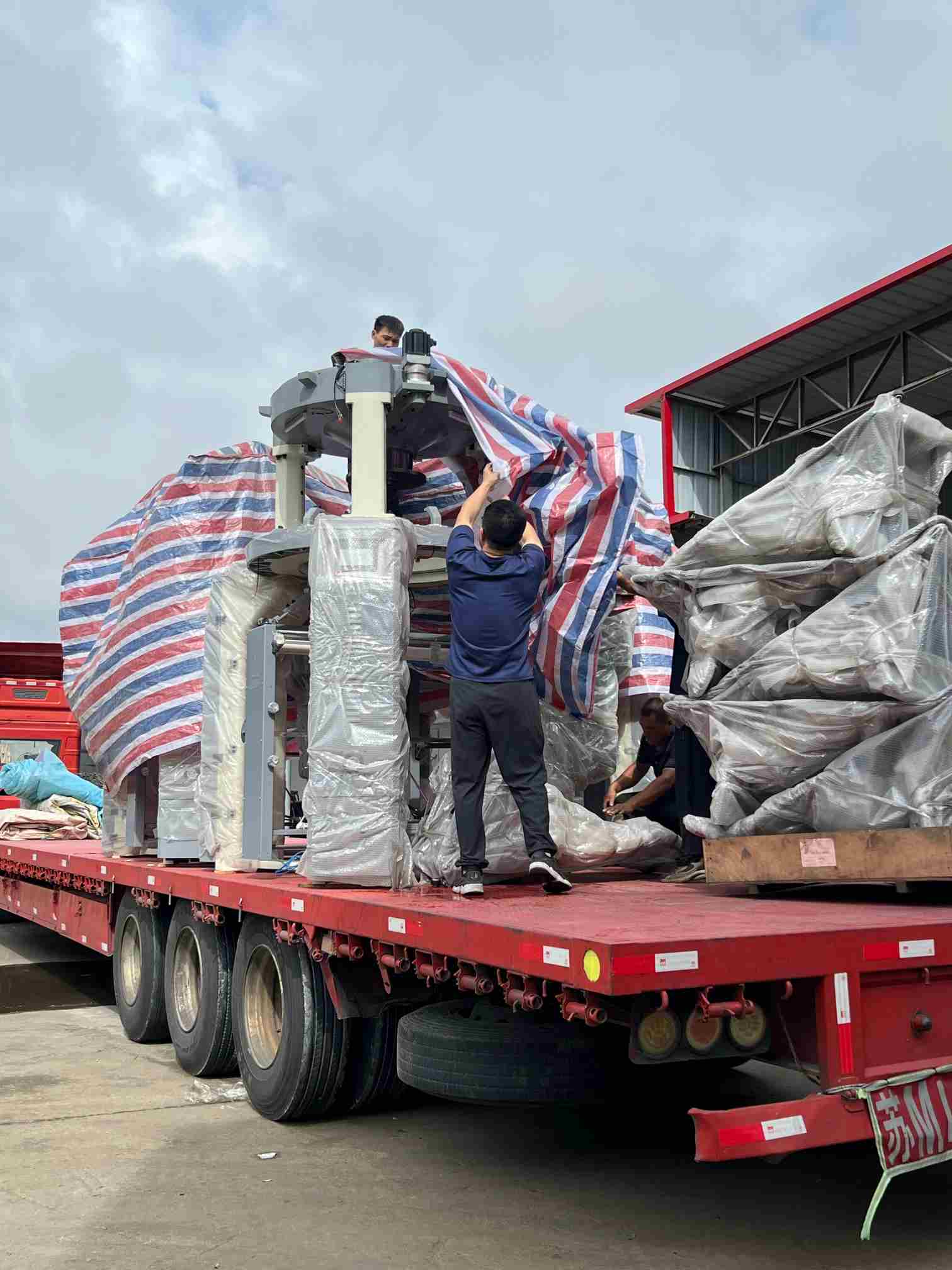
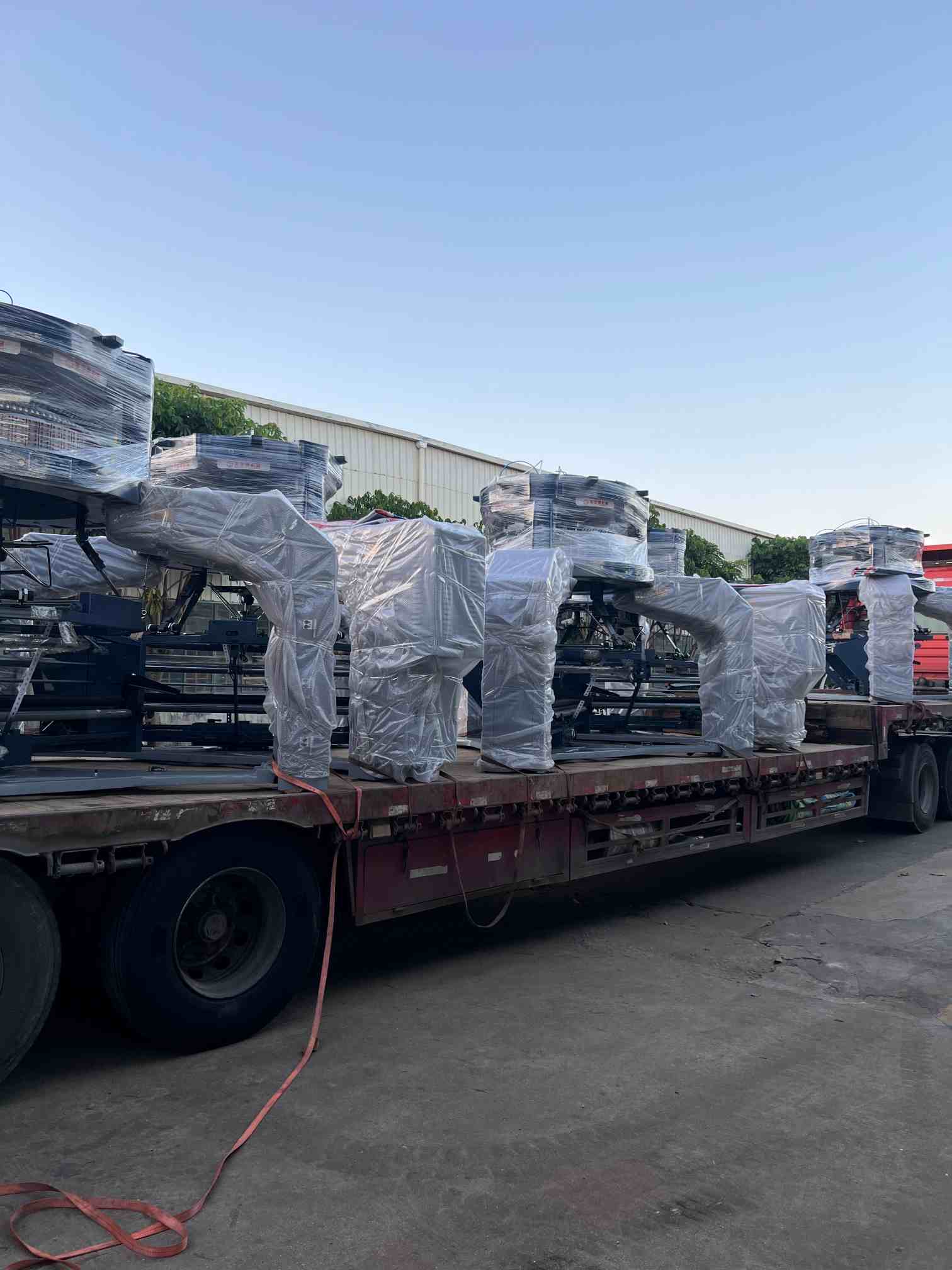
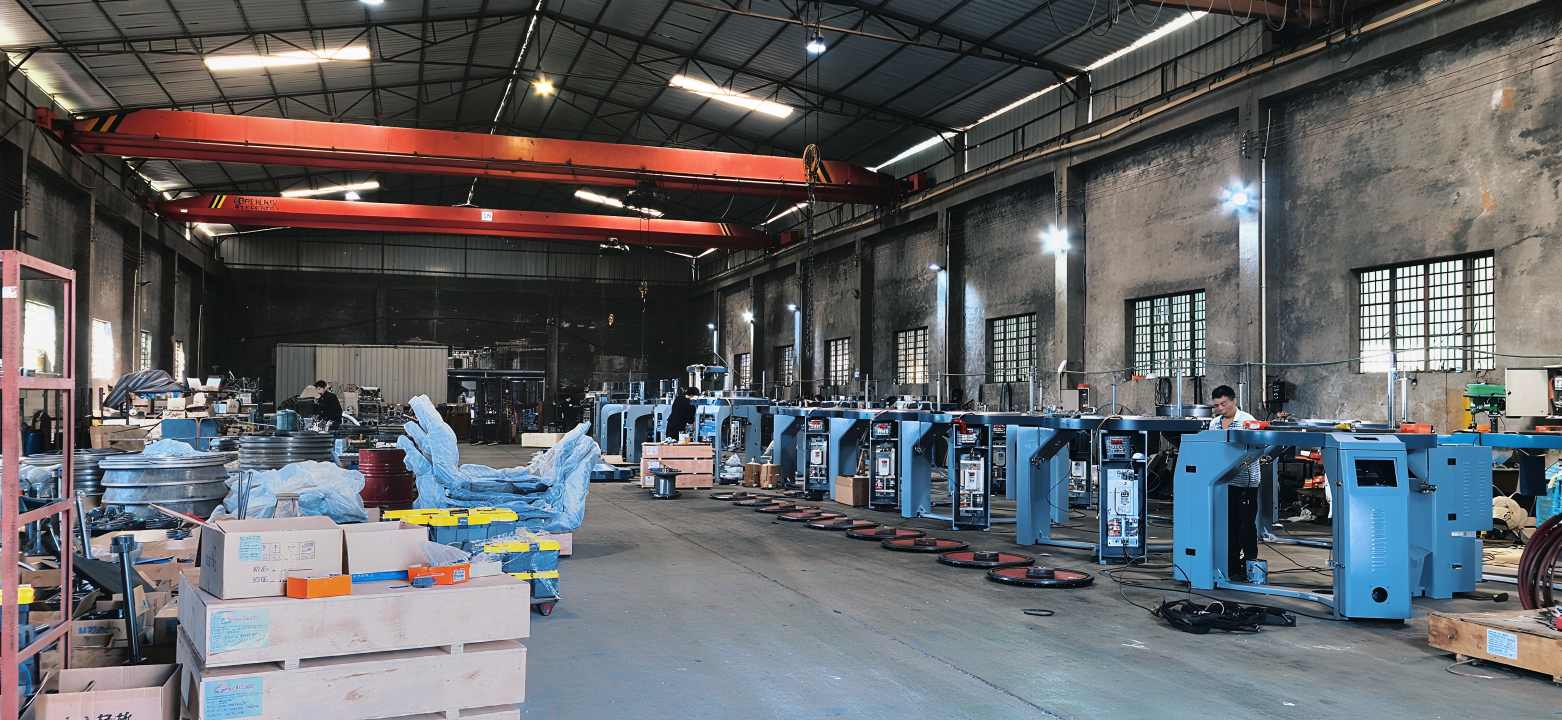
The archive links a Double Jacquard Circular Knitting Machine with Türkiye and contains multiple equipment images. Earlier text claimed productivity, quality, cost and satisfaction gains without an identifiable acceptance sheet or measured result. The revised case keeps the application context but does not present those claims as proven.
Double jacquard selection should begin with the desired relationship between the two fabric sides. The buyer may need a patterned face with structural support, a two-colour or multi-colour effect, a reversible presentation or another double-knit construction. These possibilities are not interchangeable. A target sample, face/back markings and a repeat diagram are necessary before machine configuration can be discussed responsibly.
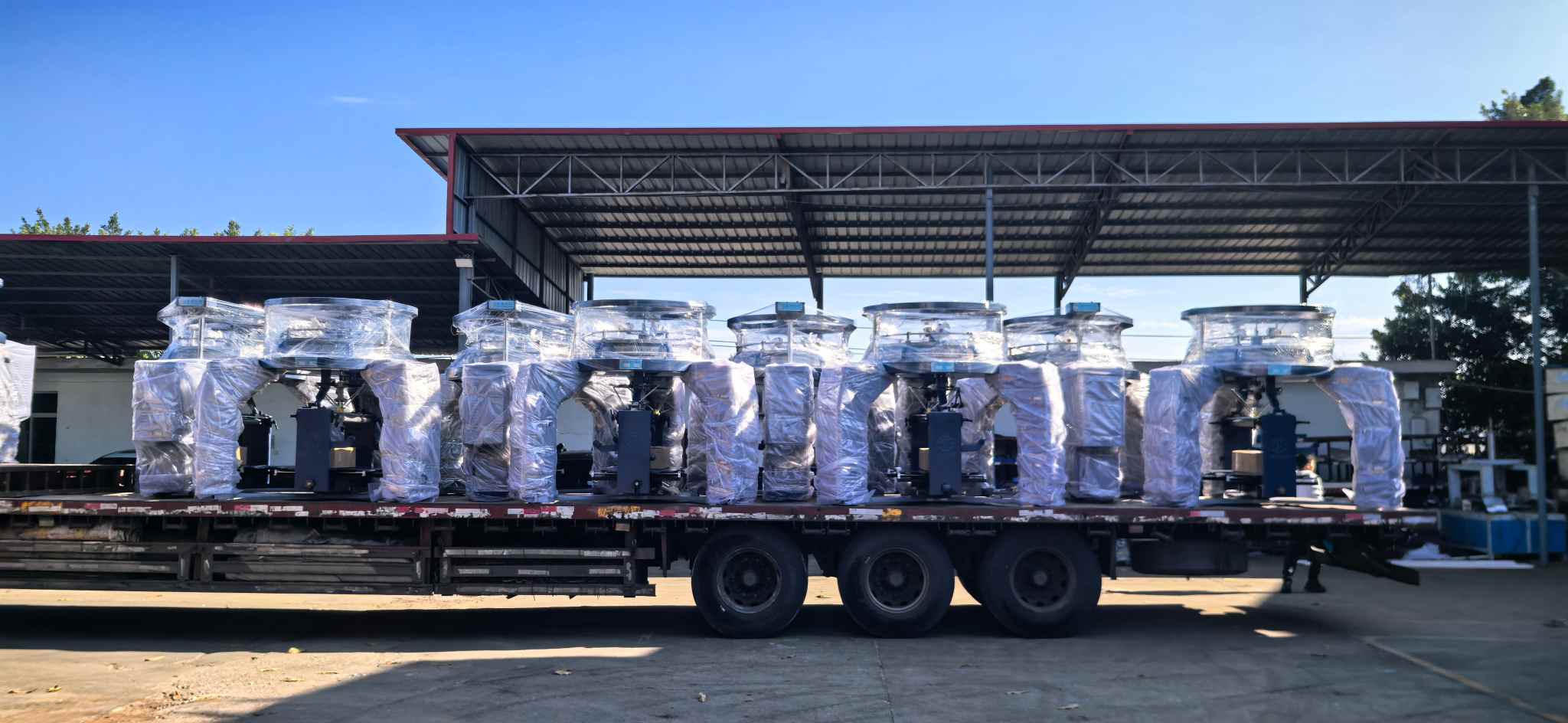
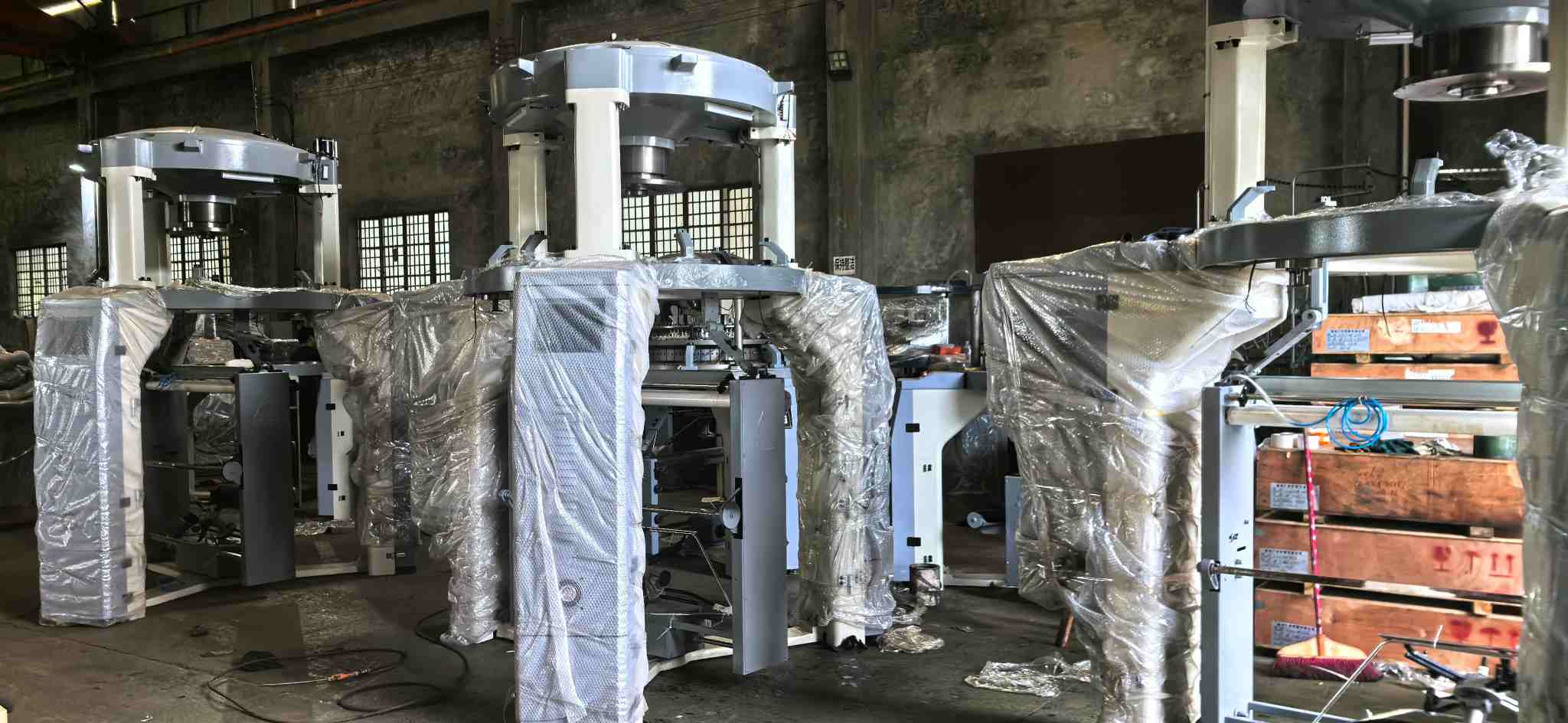
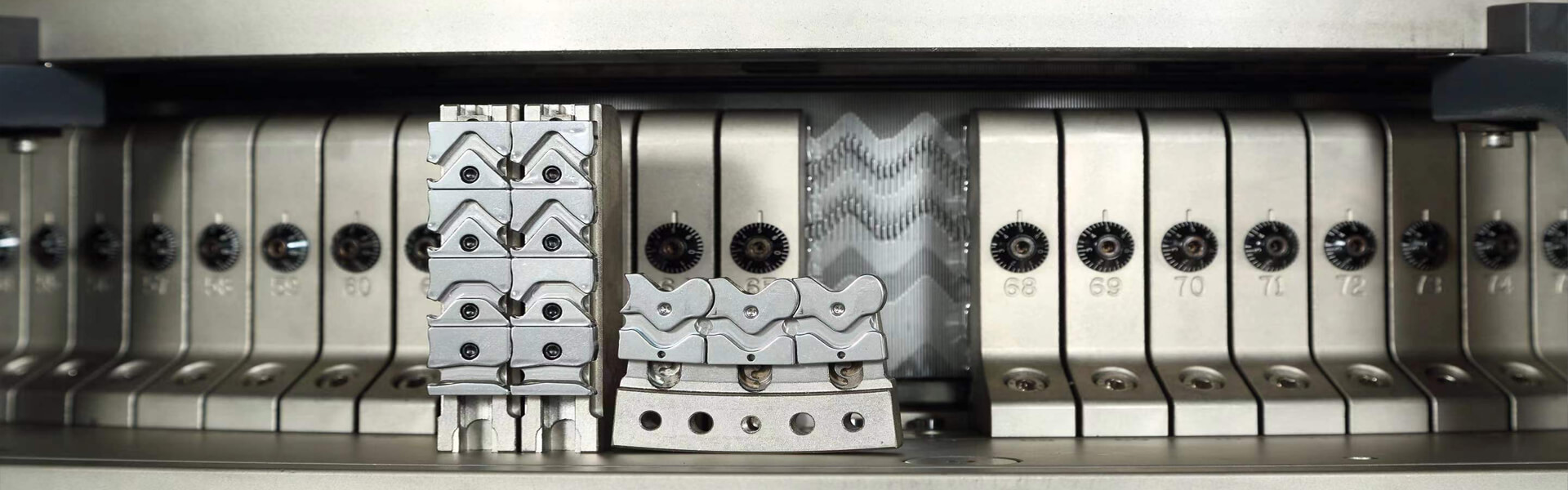
Identify which needles and yarns create each design zone on the cylinder and dial. Record the yarn composition, count, colour and feeder duty, then show how the repeat closes on both sides. Artwork alone cannot reveal whether the back structure is acceptable, whether floats or trapped yarns fall inside the limit, or how the construction affects weight and width.
The technical team should review selection capacity, needle arrangement, feeder plan, take-down and finishing as one system. If several reversible or non-reversible styles are planned, mark which is the acceptance baseline and which needs separate conversion or feasibility work.
| Design decision | Double-jacquard evidence | Acceptance concern |
|---|---|---|
| Face/back intent | Marked sample and diagram showing the inspected side or reversible requirement | Pattern remains coherent without an unacceptable back structure |
| Needle selection | Cylinder/dial selection chart aligned with the repeat | No unexplained missed selection or repeat seam |
| Yarn allocation | Colour, material and feeder map for every functional yarn | Coverage and tension remain balanced across design zones |
| Finished condition | Paired greige and treated samples from the same controlled run | Weight, width, handle and motif survive the planned finish |
Do not approve only a large solid area. Include fine outlines, colour transitions, repeat edges and regions where face and back requirements interact. Mark any blurred boundary, unwanted float, needle line, course band or distortion. Relate the mark to the design position and machine position so the cause can be separated between file logic, selection, yarn delivery and mechanical condition.
Continue the run beyond the first clean repeat. Samples from the beginning, middle and end can show whether colour coverage, structure balance or registration moves over time. Note stops, yarn package changes and manual corrections. If the fabric is finished, keep its greige parent and record orientation; double-knit handle and dimensions can change after relaxation or treatment.
A useful acceptance includes one controlled change or reload and a return to the approved baseline. Record file revision, needle/yarn maps, setting changes and transition fabric. The second baseline sample should be compared with the first for repeat registration, face/back appearance, width and weight. This shows whether the production record is sufficient for a repeat order.
The archive cannot prove the exact gauge, diameter, feeders, pattern-control version or output of the offered machine. Those fields, plus included design software, accessories, spares and training, belong in the signed quotation. Commercial capacity should be discussed only after the structure and quality limits are fixed.
Mark both sides of the sample, state which visual and structural defects are unacceptable on each, and supply the repeat and colour map. Do not use “reversible” without defining what each side must look and feel like.
Select repeat boundaries, narrow details, colour transitions and areas that challenge face/back balance. A trial design should expose the important risks rather than consist only of easy solid fields.
It shows the original selection and loop condition. If finishing alters width, handle or motif clarity, the pair helps identify whether the change began during knitting or downstream treatment.
No. It includes no configuration-linked run data or baseline. A productivity figure must state the actual design, yarn, quality limits, stop treatment, roll format and saleable-output method.
This Türkiye reference identifies a double-jacquard application. The stronger purchasing route is to send Kunyuan a marked face/back sample, repeat and yarn map and require evidence that the offered configuration can reproduce the complete structure, not merely the front motif.

 Tel: +86-13859034518
 Email: info@kunyuanmachine.com
 MP/WhatsApp: +86-13859034518
 Manufacturer Address:Bacuo Village, Yonghe Town, Jinjiang City, Fujian Province