

Hot Keyword:
Author:KUNYUAN Machine Manufacturer TIME:2026-08-29
A shaped flat-knit panel, a three-dimensional whole garment and a circular body-size tube can all contribute to sweater production, but they use different equipment and leave different work after knitting.
Start with the finished sweater drawing. Mark body and sleeve shape, neckline, shoulder, rib trims, pattern placement, yarn changes, size grading and every linking, cutting or sewing operation. Then assign each feature to the machine route that will create it.
SHIMA SEIKI identifies WHOLEGARMENT as a computerized flat-knitting route for seam-free three-dimensional knitwear. Santoni describes electronic circular seamlesswear machines, while Fukuhara lists body-size circular configurations. These are not interchangeable labels. Verify the exact product construction and offered machine through a physical sample and controlled digital file.
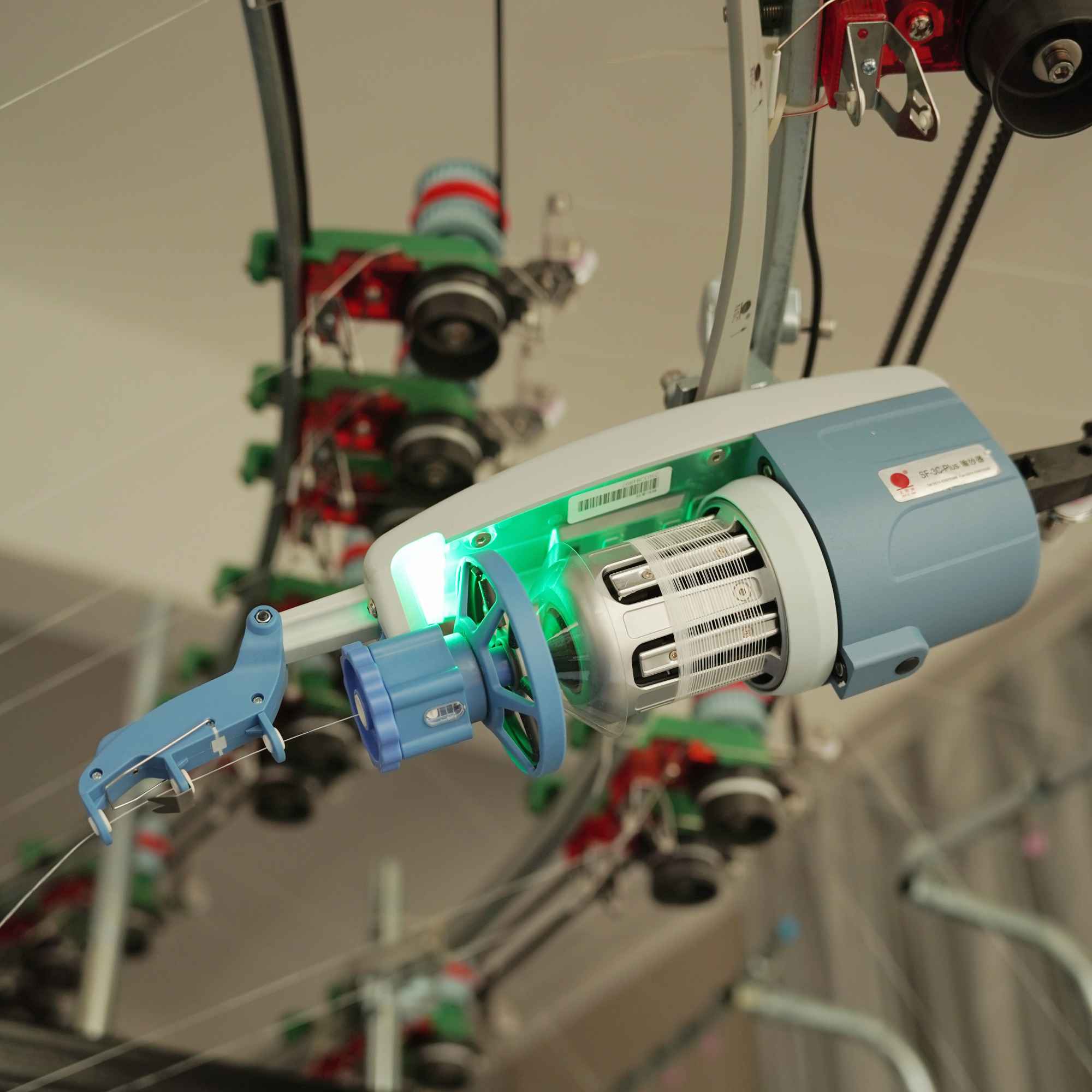
For a panel route, define front, back, sleeves, trims and linking method. For an offered whole-garment route, identify the machine, gauge, program, yarn carriers and product features demonstrated by that exact sample.
Do not convert a supplier's general whole-garment description into a claim for every sweater. Necklines, shoulders, intarsia, texture and yarn behavior must be proven on the target design and size.
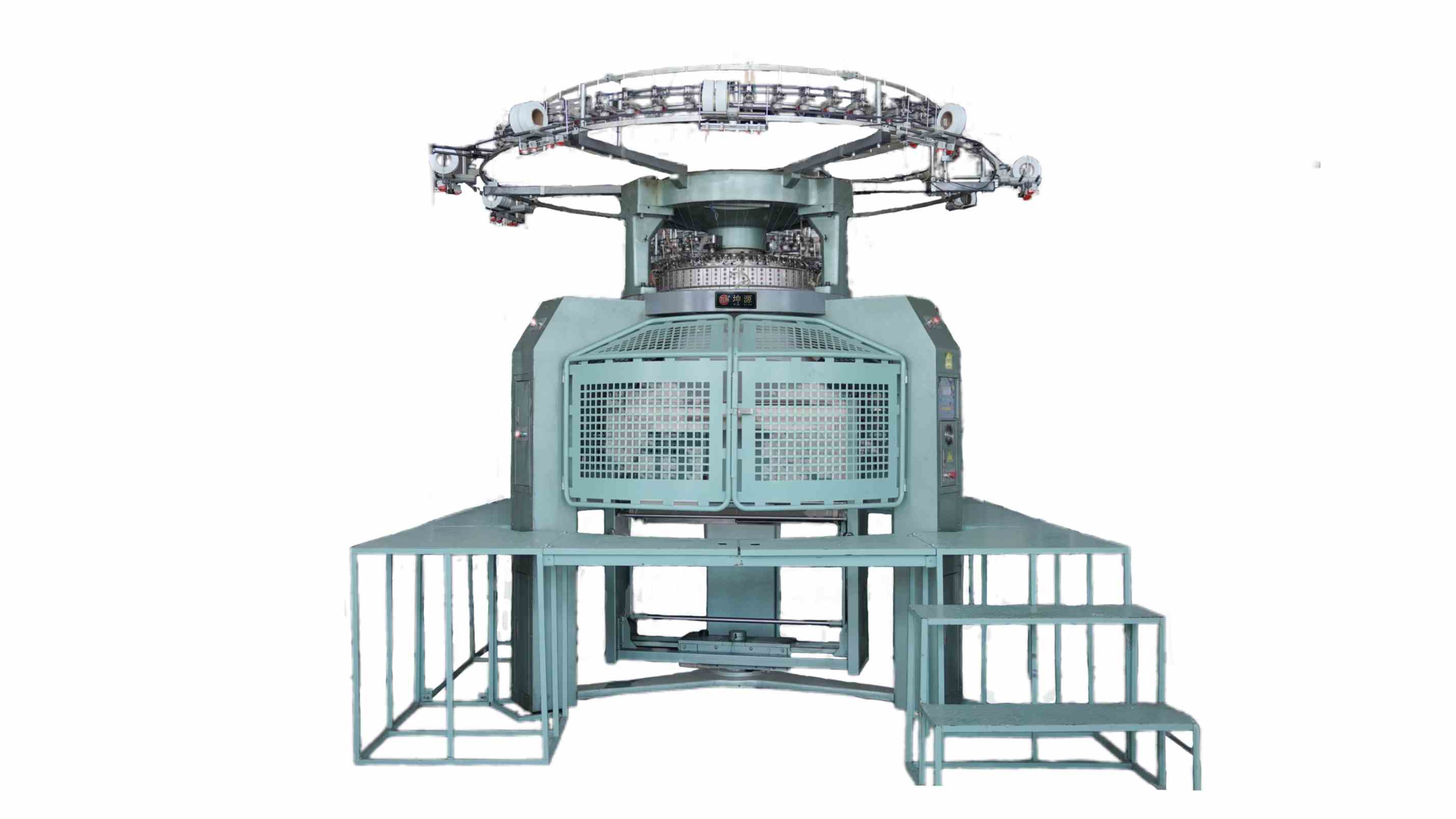
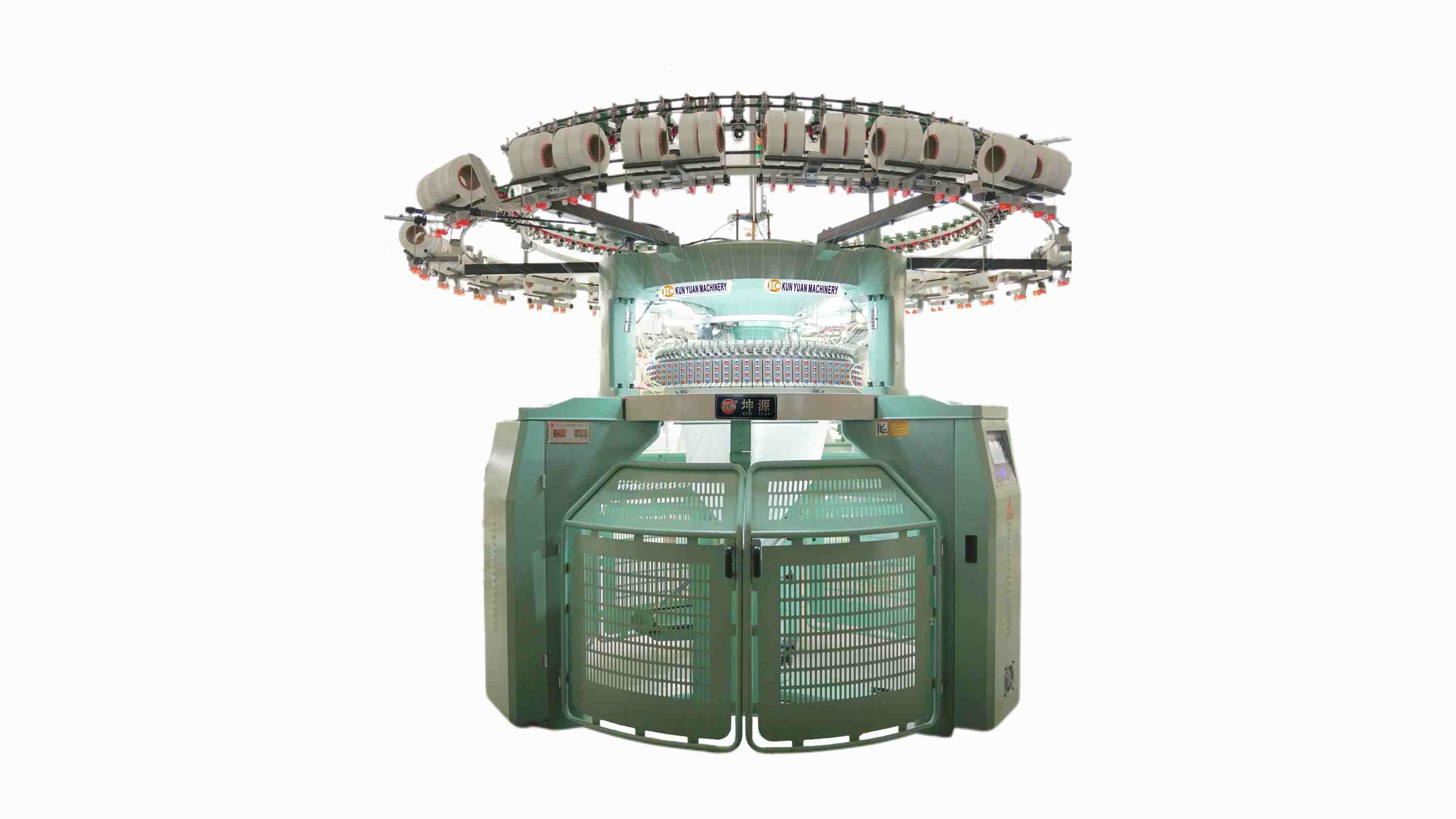
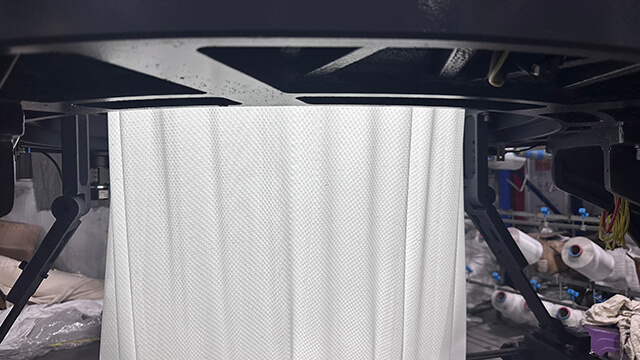
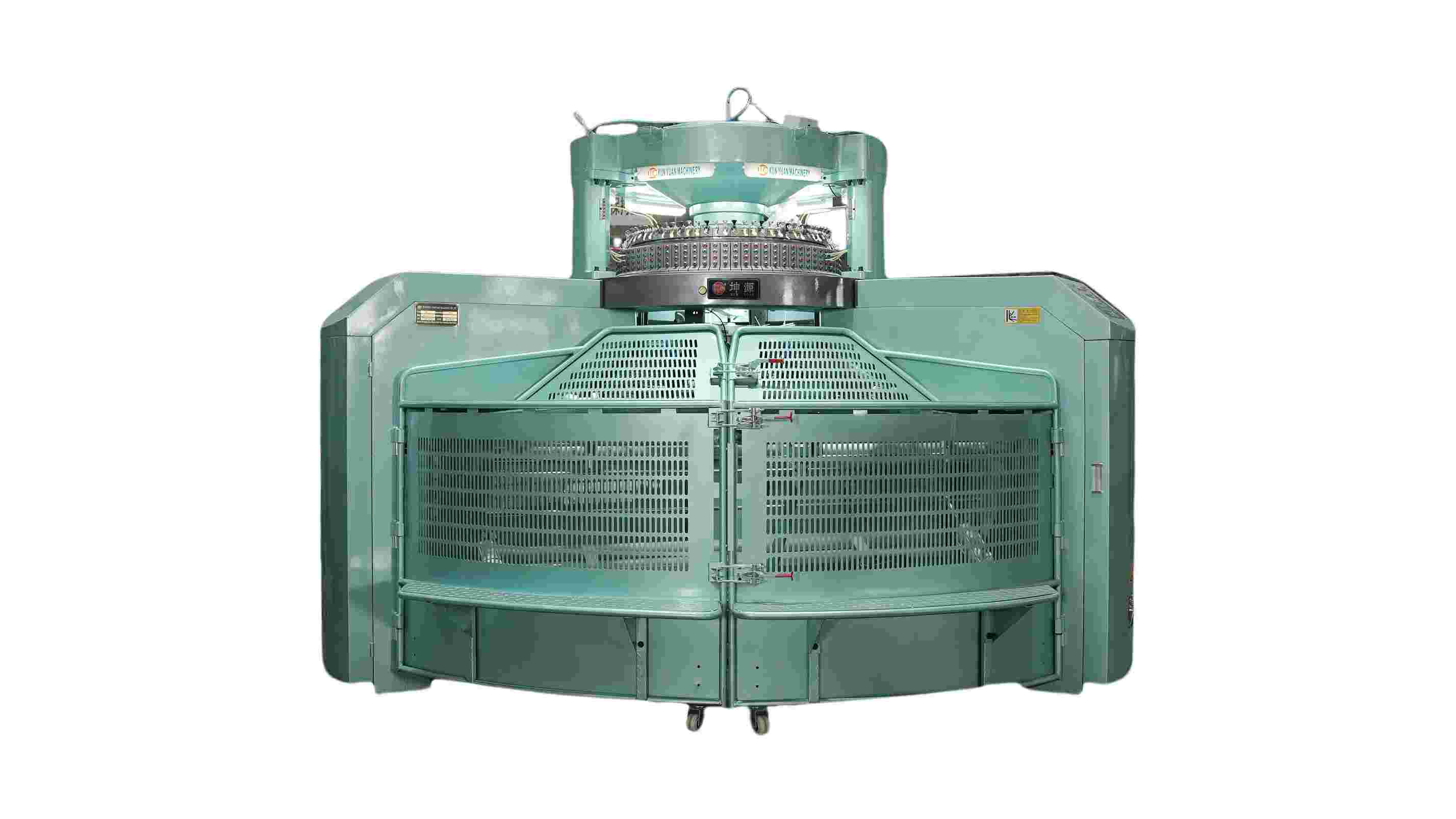
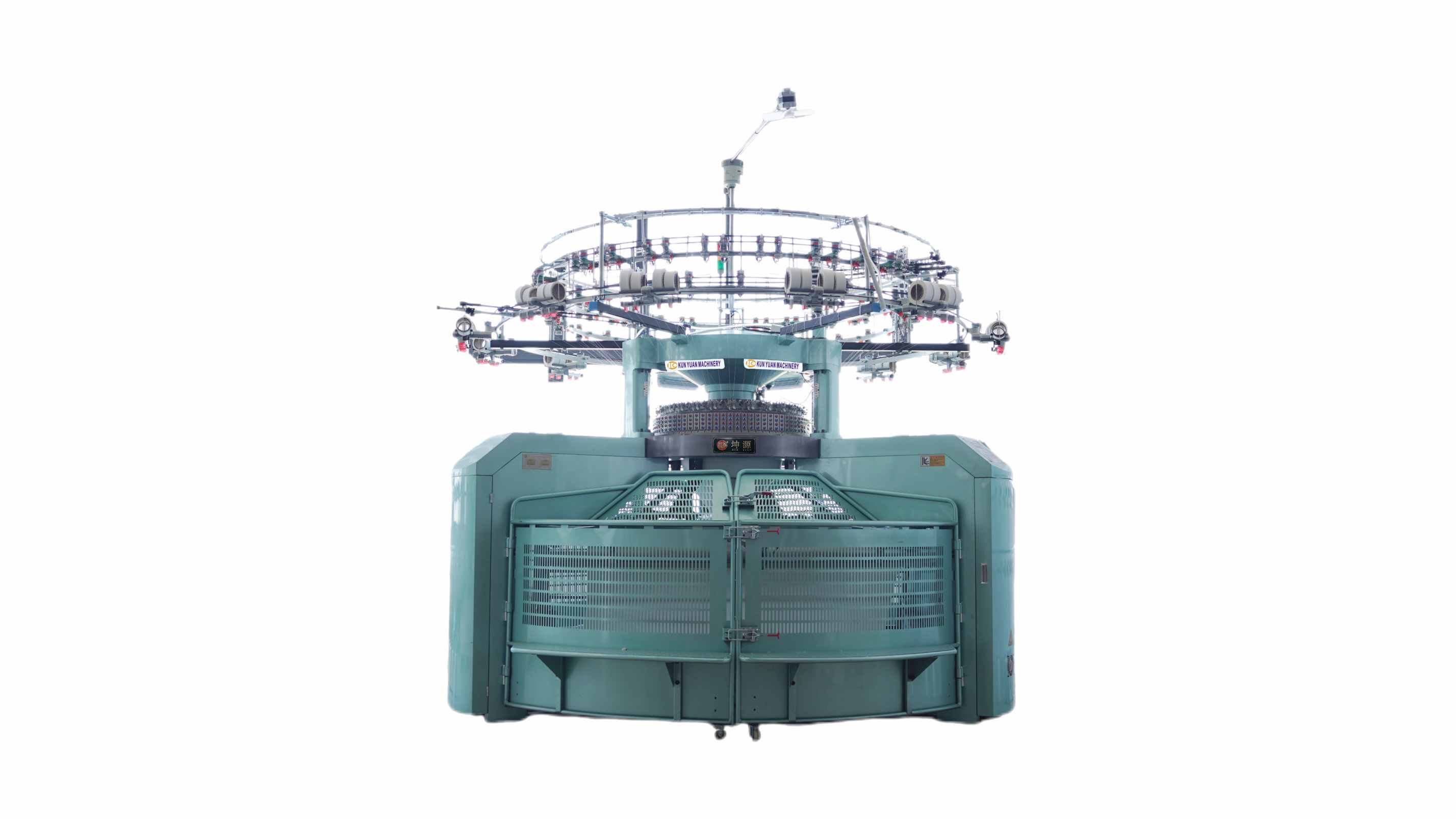
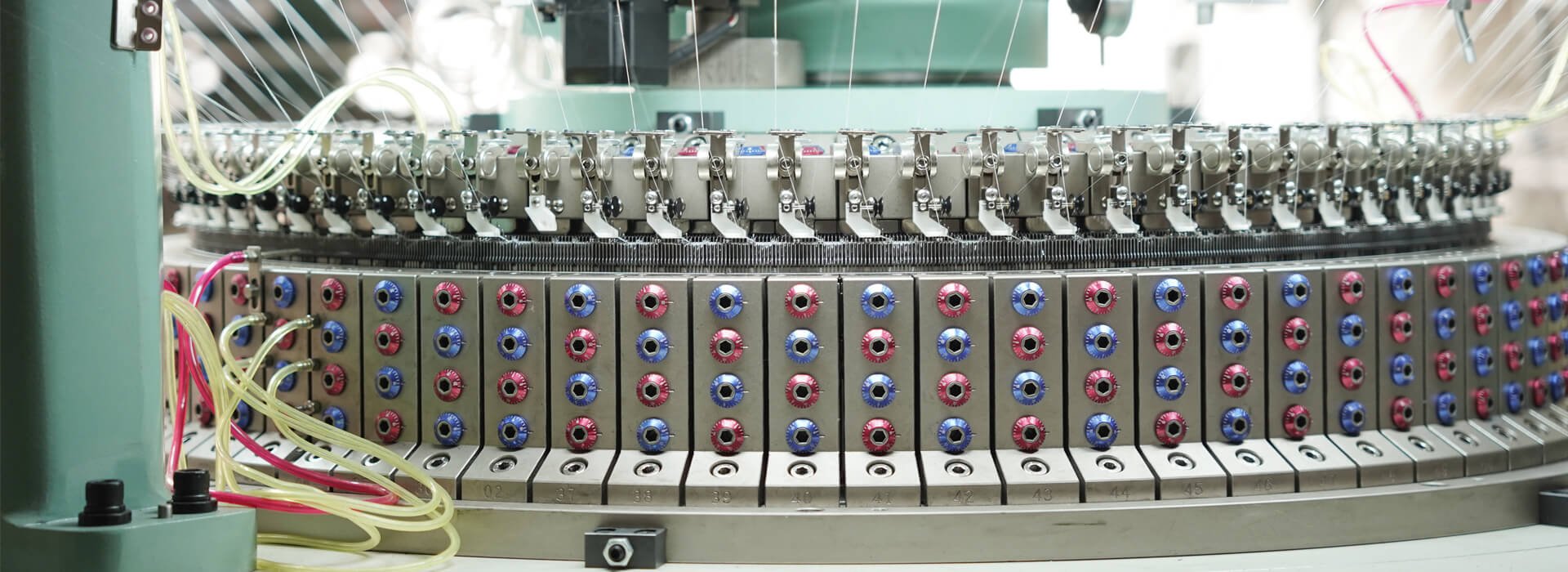
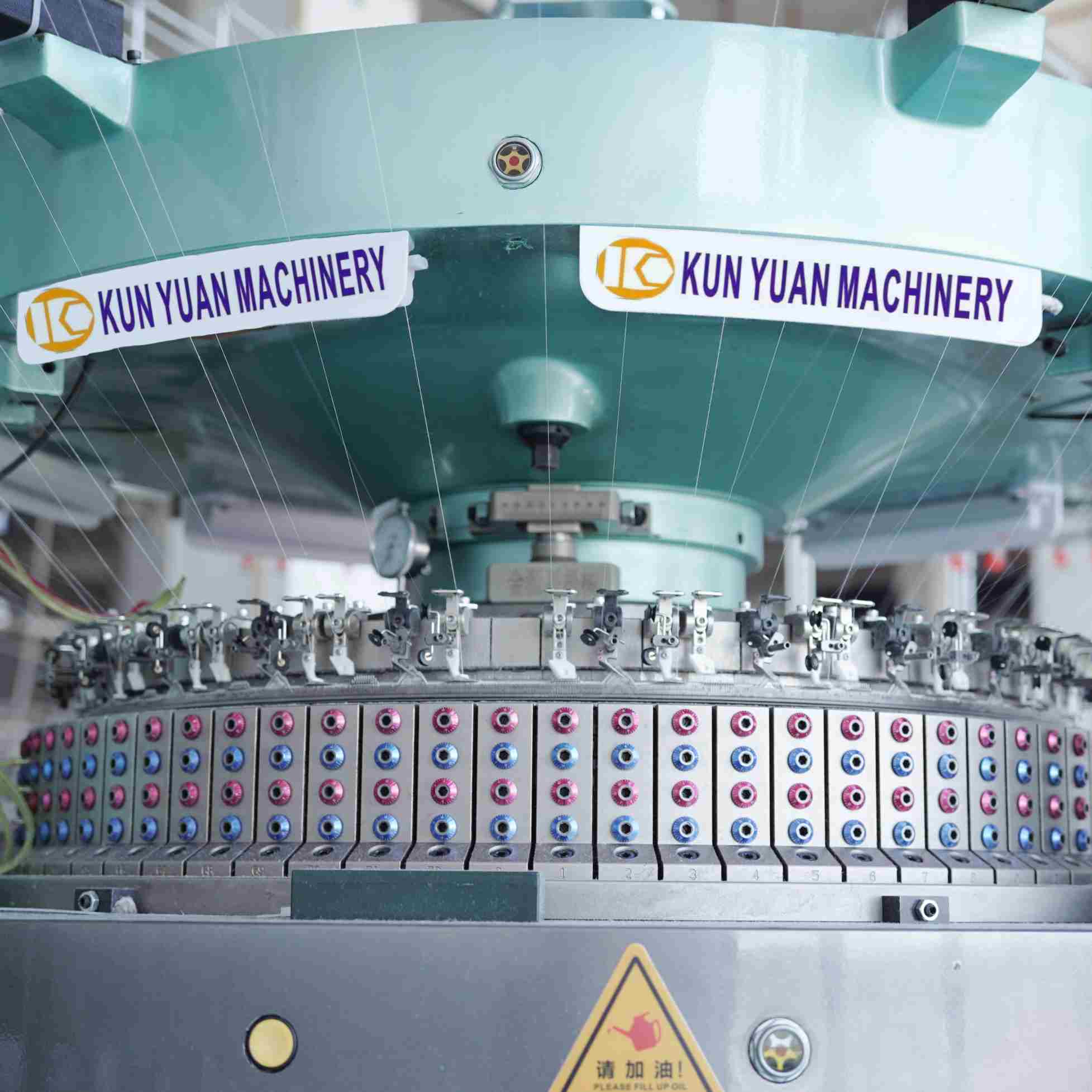
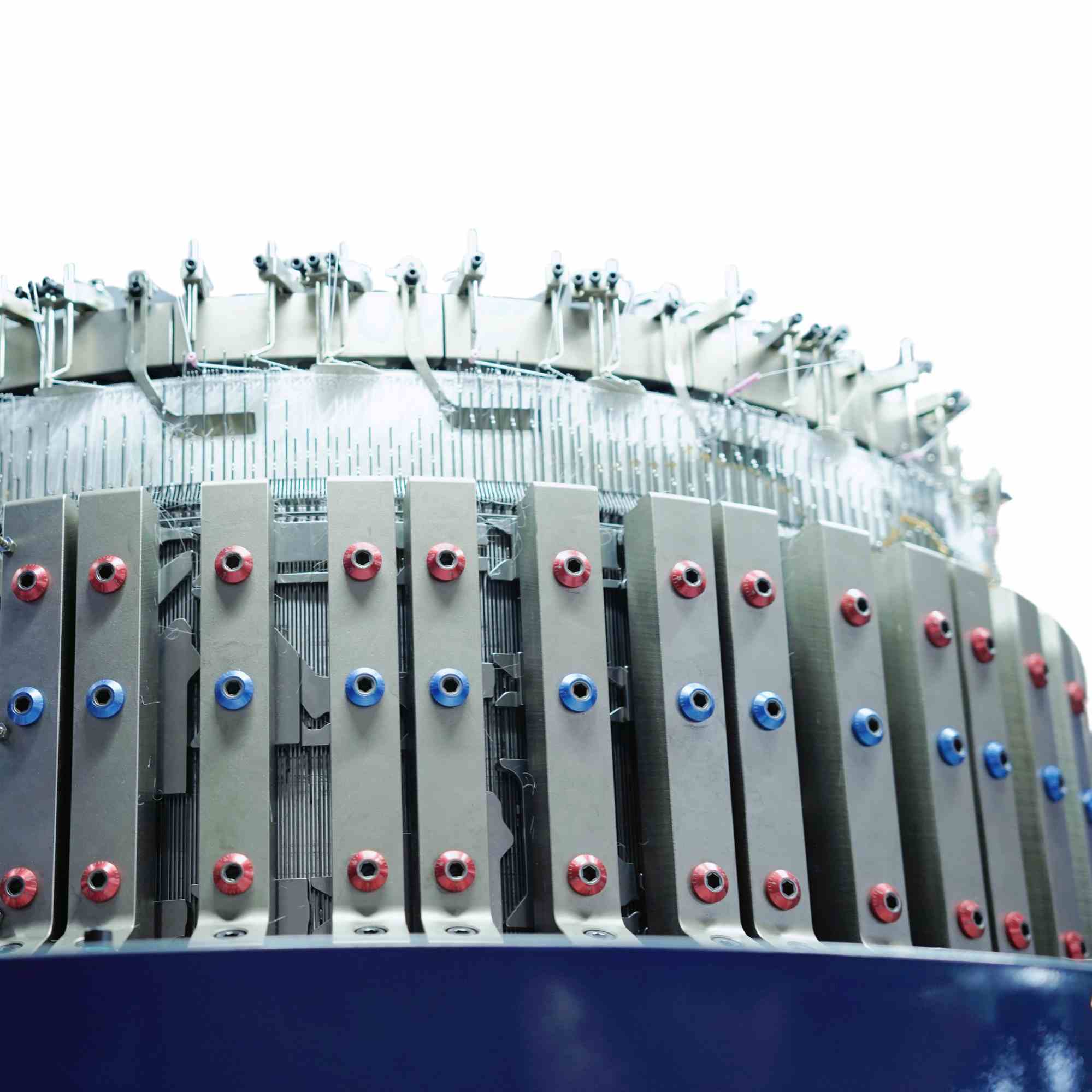
Circular garment machines can produce body-size tubes and, on suitable electronic platforms, functional zones or garment components. Record cylinder size, needle selection, yarn roles, separation and the operations still needed for sleeves, openings or assembly.
A reduced-seam body does not automatically equal a complete sweater. Show the make-up boundary on the sample and cost sheet.
Choose representative small, central and large sizes. Record finished chest, body length, sleeve or opening dimensions, recovery and appearance under a single conditioning method.
Store each digital program with machine identity, yarn lots and sample number. If a size requires another needle bed width, cylinder or construction, treat it as a separate route rather than a simple scaling step.
Time programming, setup, knitting, linking or sewing, washing, drying, pressing and inspection. Count accepted garments and preserve defects by stage. A fast knitting cycle may simply move labour into linking or finishing.
Release the design only when the receiving team can retrieve the correct file, reproduce the setup and obtain the same finished measurements without the development technician taking over.
| Decision | Flat or whole-garment route | Circular body-size route | Required evidence |
|---|---|---|---|
| Shape | Needle-bed shaping or panels | Tube and programmed zones | Finished drawing matched |
| Openings | Knitted or linked by design | May require separation/make-up | Operations listed |
| Sizing | Width/program/gauge dependent | Cylinder/program/yarn dependent | Boundary sizes pass |
| Capacity | Includes programming and linking | Includes changeover and make-up | Accepted garments per route |
No. Industrial sweater production commonly includes computerized flat-knitting routes as well as circular body-size or seamless routes.
Capability is design- and machine-specific; prove the exact neckline, shaping and openings on the offered system.
It may reduce body seams, but sleeves, shoulders, openings or separation can still require make-up.
Keep machine identity, gauge or cylinder, program revision, yarn lots, size and finish method.
Measure accepted finished sweaters including programming, changeover, joining and finishing, not knitting time alone.
Automatic sweater selection becomes clear when construction is split into flat-knit, whole-garment and circular body-size routes. The right route is the one that proves the intended shape and size while making its remaining work visible.
Use the route map when evaluating whether the body-size circular knitting machine range covers the sweater body or zones in the intended design, and keep other construction routes explicit.

 Tel: +86-13859034518
 Email: info@kunyuanmachine.com
 MP/WhatsApp: +86-13859034518
 Manufacturer Address:Bacuo Village, Yonghe Town, Jinjiang City, Fujian Province