

Hot Keyword:
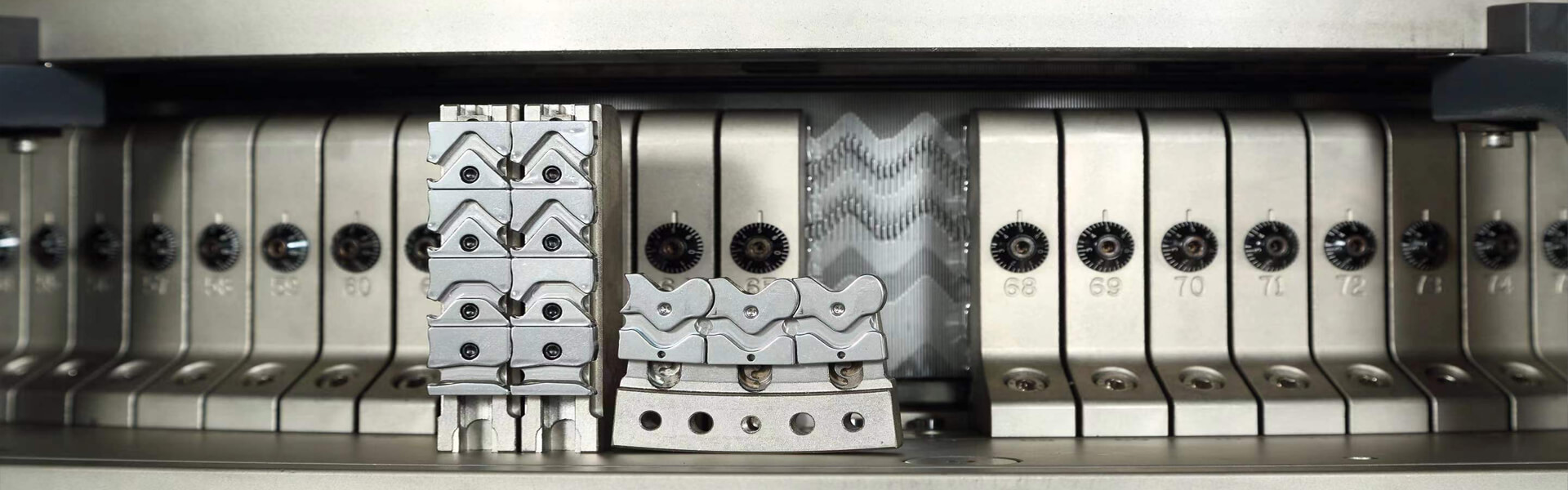
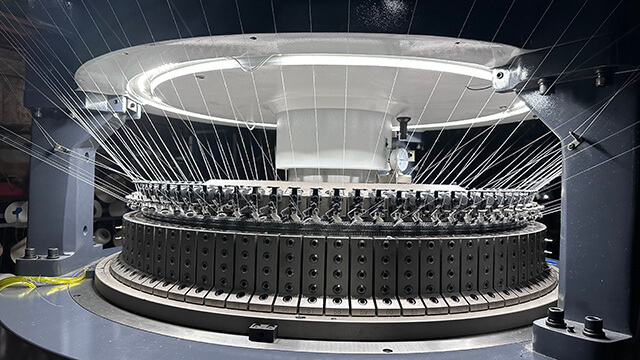
The original record links a Rib Double Jersey Circular Knitting Machine with Egypt and retains two relevant equipment images. It also described improved production and customer satisfaction without supplying a traceable factory name, machine configuration, test sheet or measured before-and-after result. This page keeps the machine-and-country reference while removing those unsupported conclusions.
For an equipment buyer, rib fabric should be defined by structure and recovery rather than by a broad promise of “better elasticity.” The useful discussion starts with the intended rib repeat, yarn, greige weight, finished width, stretch direction and recovery requirement. These inputs determine how cylinder and dial knitting must work together and how the trial fabric should be conditioned before approval.
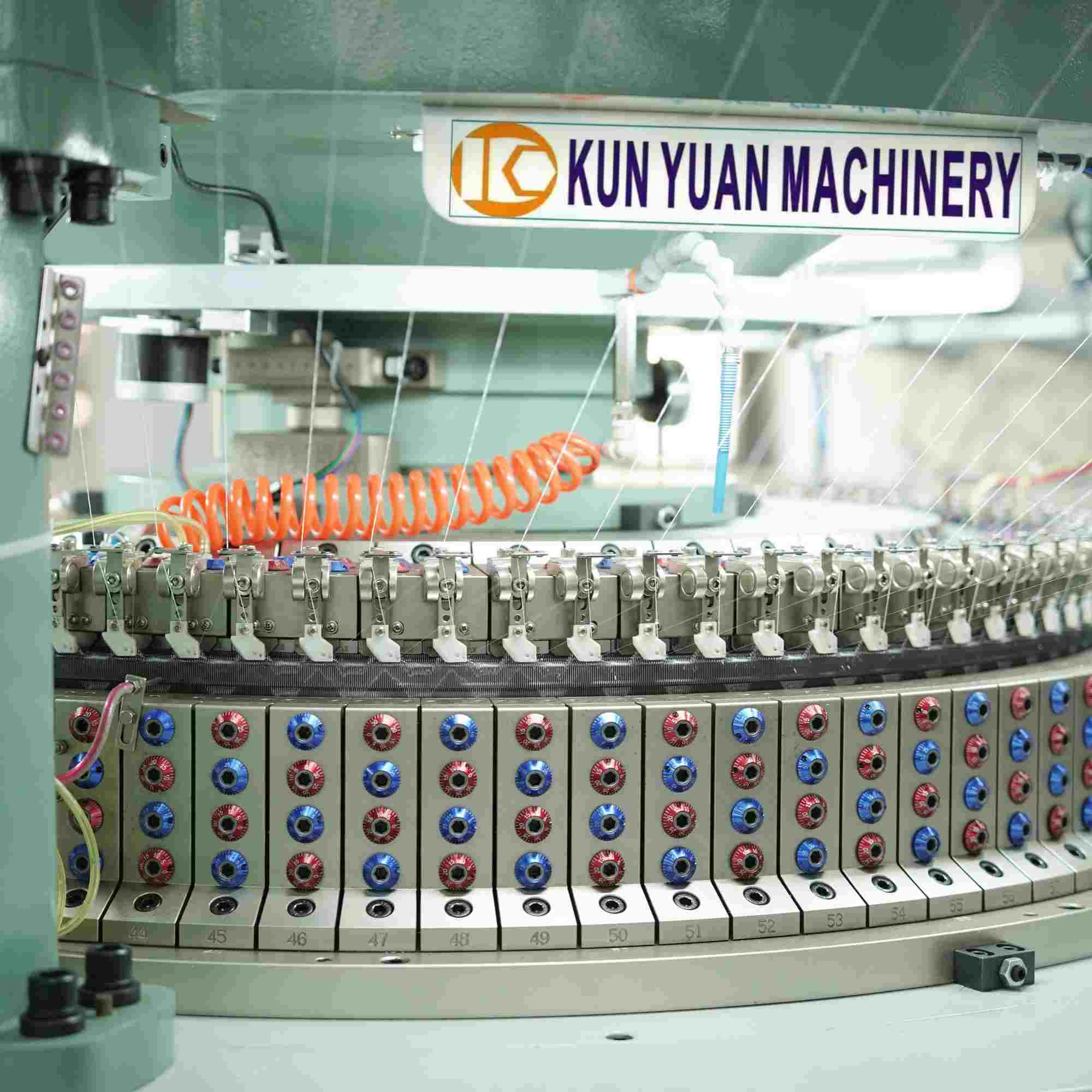
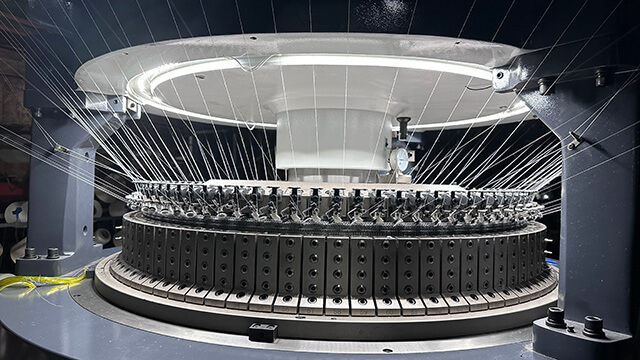
Mark the face, back and repeat on the target fabric. State whether the project is a basic rib, a modified structure or an interlock-related article, and identify every yarn by feeder duty. If elastane or another stretch component is involved, record its specification and feeding plan separately. A reference sample without this information can hide important construction differences.
The cylinder and dial timing, needle arrangement, yarn tension and take-down must produce balanced loops on both beds. The team should not correct a distorted relaxed sample solely by pulling harder during knitting. That may make the greige roll look orderly while storing stress that appears later as width movement, skew or poor recovery.
| Approval point | Rib-specific question | Record to retain |
|---|---|---|
| Needle arrangement | Which cylinder and dial needles form each part of the repeat? | Needle chart and repeat diagram |
| Yarn delivery | Are ground and stretch components assigned and tensioned consistently? | Feeder map, yarn labels and tension record |
| Greige structure | Are course formation, rib definition and face/back balance stable across the roll? | Marked beginning, middle and end samples |
| Relaxed result | Does width, weight, stretch and recovery remain inside the agreed limit? | Conditioning method and signed measurement sheet |
When one side dominates or the ribs lean, inspect the defect by course and machine position. Compare yarn delivery, needle condition, cam setting and take-down at that location. A repeating vertical line points toward a different investigation from a horizontal band that follows a yarn-lot or feeder change. Keep the fault map with the fabric rather than relying on a verbal description after the trial.
Run long enough to collect samples at several roll positions. Measure only after the agreed relaxation or finishing period, because immediate machine-side dimensions can be misleading. If washing or heat treatment is part of production, pair the greige and finished pieces so the buyer can see whether recovery loss originates in knitting or downstream processing.
Acceptance should include the documents needed to reproduce the structure: needle arrangement, yarn map, stitch and take-down settings, change parts, inspection limits and an approved reference. Operators also need a start-up check that catches crossed yarn paths, wrong needle selection and incorrect dial/cylinder conditions before a full roll is produced.
The exact diameter, gauge, feeder count, controls and accessories cannot be read from this case page. They must be fixed in the model-specific offer. Where several rib styles are planned, list them in priority order and identify which style drives the initial configuration; a successful basic rib trial does not automatically prove every modified construction.
Include yarn composition and count, rib repeat, greige and finished width, target weight, stretch direction, extension limit, recovery method and finishing route. Add a physical sample with the inspection face and wale direction marked.
Knitted rib can retain tension from take-down and handling. A defined relaxation or conditioning period allows width and loop balance to settle, producing a fairer comparison between the machine-side result and the finished requirement.
Mark the defect location on the roll, then record the corresponding needle positions, yarn feeder, component condition and any correction. Retain fabric from before and after the change so the remedy can be verified rather than assumed.
No. There is no configuration-linked production log in the stored case. Any output discussion must state the yarn, structure, quality limit, machine setup, roll size and definition of saleable fabric.
This Egypt record supports a rib double-jersey application context, not a guaranteed commercial outcome. Share the rib sample, yarn plan and relaxed performance limits with Kunyuan so the machine discussion can be tied to loop balance and reproducible measurement.

 Tel: +86-13859034518
 Email: info@kunyuanmachine.com
 MP/WhatsApp: +86-13859034518
 Manufacturer Address:Bacuo Village, Yonghe Town, Jinjiang City, Fujian Province