

Hot Keyword:
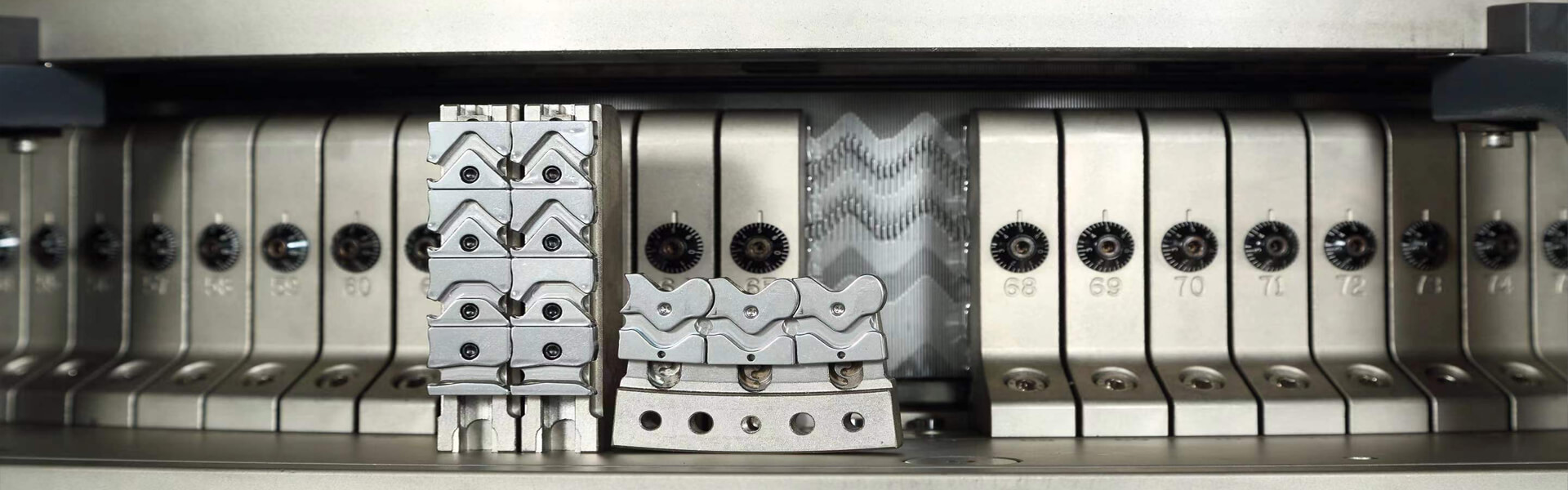
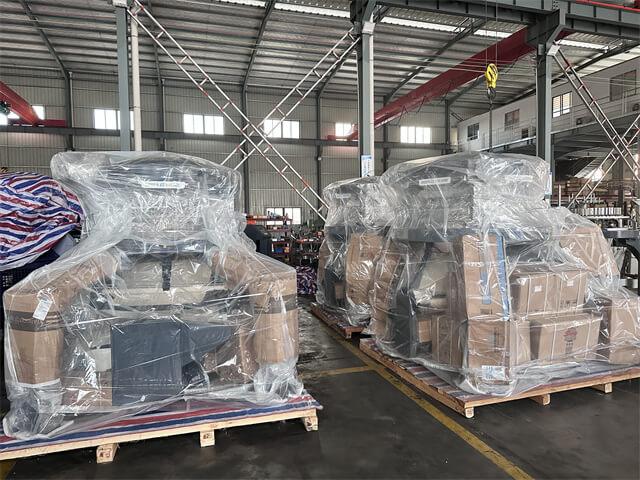
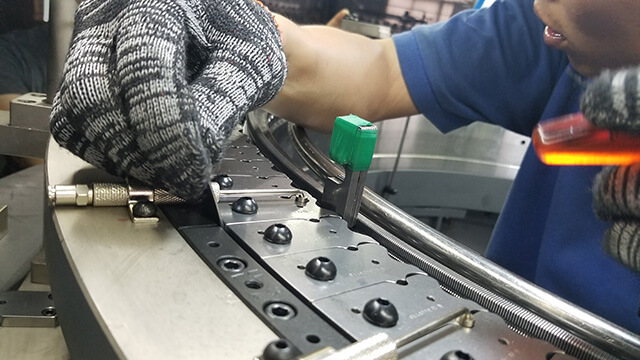
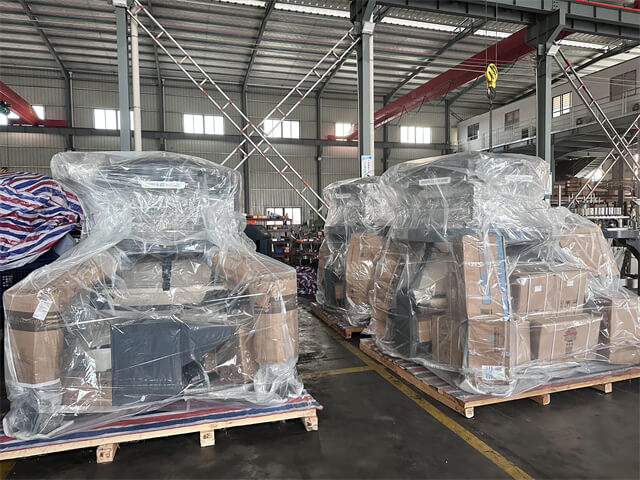
The archive associates a Single Jersey Circular Knitting Machine with India and includes several machine photographs. Earlier copy claimed capacity, labor and quality improvements but did not preserve a named acceptance record, exact configuration or measured comparison. The country and machine family remain valid page identifiers; commercial results are not presented as verified facts.
Single jersey is familiar, but it is not automatically easy to approve. Yarn variation, stitch length, feeder condition, needle lines, take-down and finishing can alter weight, width, spirality and surface appearance. A buyer should judge a representative roll against a written fabric specification instead of accepting a short swatch selected from the best section.
The trial brief should identify yarn supplier, composition, count, lot, twist direction and any elastane or plated component. State the intended finished use and finishing sequence. A T-shirt fabric, lining and lightweight performance article may all use single jersey while requiring different weight, handle, dimensional behavior and visual limits.
Record the offered diameter, gauge and feeder arrangement beside the chosen yarn. These values are not confirmed by the case photographs. The supplier should explain how the proposed configuration relates to the target construction, but final settings must be proven with production-representative material rather than copied from an unrelated style.
| Roll checkpoint | Single-jersey inspection | Evidence |
|---|---|---|
| Start-up | Yarn paths, feeder assignment, needle lines, oil marks and initial stitch setting | Signed start sheet and first marked panel |
| Stable run | Weight, width, visual barre, holes and stop frequency at agreed intervals | Roll map with timed samples and stop log |
| Relaxation | Spirality, width movement and weight after the defined rest period | Conditioned samples with measurement method |
| Finishing | Shrinkage, skew, face appearance and handle after the planned process | Paired greige/finished specimens from one roll |
A vertical line that stays at one machine position calls for inspection of needles, sinkers and the associated knitting zone. A horizontal band may follow a feeder, yarn package, tension change or stop. Random holes require a different investigation that includes yarn faults and handling. Mapping the defect before changing settings prevents several possible causes from being mixed together.
Compare samples from the beginning, middle and end of the roll under consistent lighting. Do not hide a marked section when calculating approval. If an adjustment is made, identify the exact roll position and preserve fabric on both sides of the change. This record helps operators reproduce the accepted condition after routine replacement or a later yarn lot change.
If the factory plans more than one single-jersey article, use one baseline style for machine acceptance and document any conversion required for the others. Keep separate setting sheets rather than overwriting the accepted reference. A style change trial can examine how quickly the team restores feeder assignments, stitch settings and quality checks, but changeover time is meaningful only when the resulting fabric passes inspection.
Operator handover should include routine cleaning, lubrication boundaries, needle-change records and the method for identifying machine positions on a defect map. The case archive cannot verify a universal speed or output. Those figures must be associated with the selected yarn, quality standard, roll format and observed stable window.
Use a current production or target fabric that represents the intended yarn, weight and finishing route. Mark its face, wale direction and acceptable appearance. If several articles are planned, identify the highest-priority one and list the others as separate feasibility checks.
Agree on specimen size, relaxation, washing or finishing procedure and measurement points before the run. Record yarn twist information and compare greige with finished samples; an immediate machine-side observation is not enough.
Sample more than one position, retain the stop and adjustment history, and include all marked defects in the review. Width and weight readings should state equipment, sample condition and tolerance rather than appear as isolated numbers.
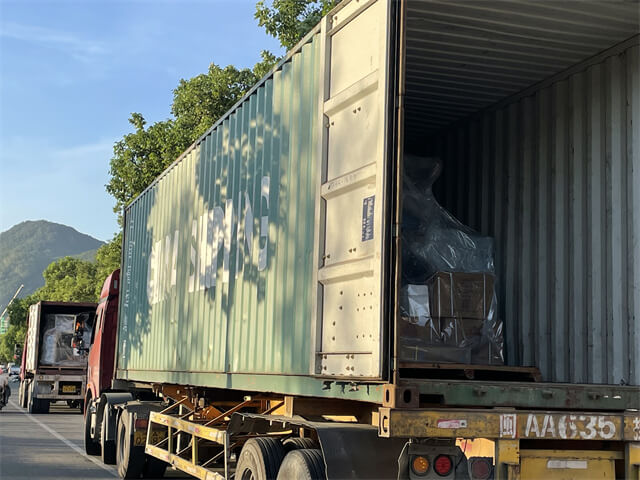
No. They identify the application visually but do not prove the exact offered specification. Require the machine model, diameter, gauge, feeder count, take-down, controls and included options in the quotation and trial sheet.
The India page is most useful as a guide to single-jersey roll approval. Kunyuan can review the buyer’s yarn, target weight, finished behavior and defect limits and propose a configuration and trial record that can be repeated after delivery.

 Tel: +86-13859034518
 Email: info@kunyuanmachine.com
 MP/WhatsApp: +86-13859034518
 Manufacturer Address:Bacuo Village, Yonghe Town, Jinjiang City, Fujian Province