

Hot Keyword:
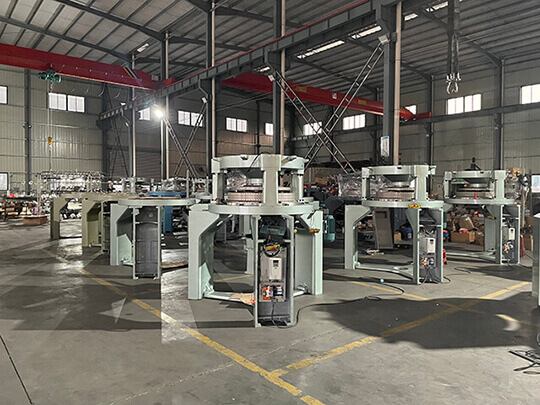
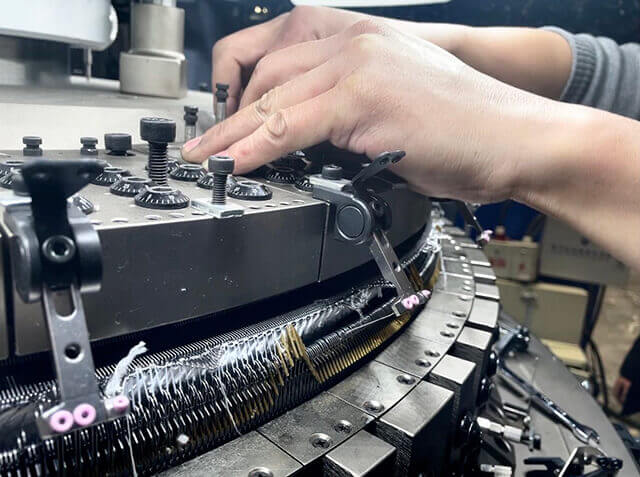
This archive connects a Single Jersey Circular Knitting Machine with Egypt and preserves several relevant images. Former wording described a prominent producer, smooth commissioning and economic benefits without a verifiable buyer identity, trial sheet or measured baseline. The revised page retains the machine-and-country subject but does not present those statements as evidence.
Factories rarely purchase a single-jersey machine for only one roll specification. The important test is how the offered setup handles the priority style and how the production record controls movement to lighter, heavier, plated or elastane-containing articles. Every change should be connected to yarn, feeder duty, stitch/take-down settings and a new first-off approval.

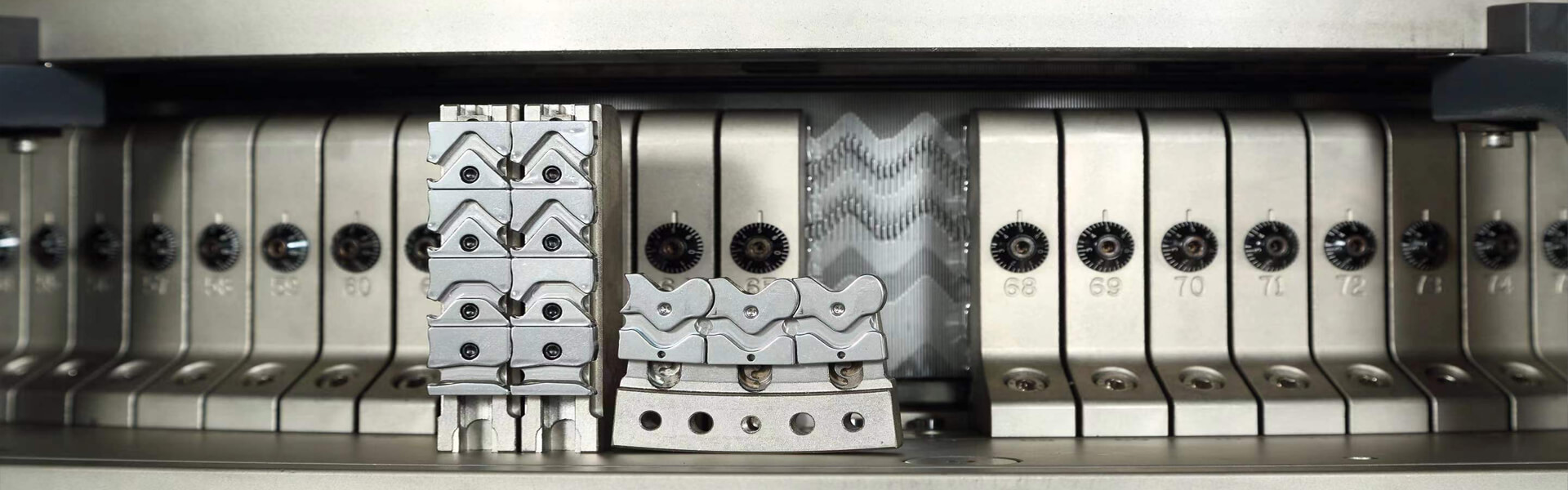
For each planned style, record yarn composition, count, supplier and lot; feeder allocation; target greige and finished weight; width; surface; and finishing route. Add elastane or plating information as its own controlled input. Avoid a “single jersey” master recipe that hides differences between articles.
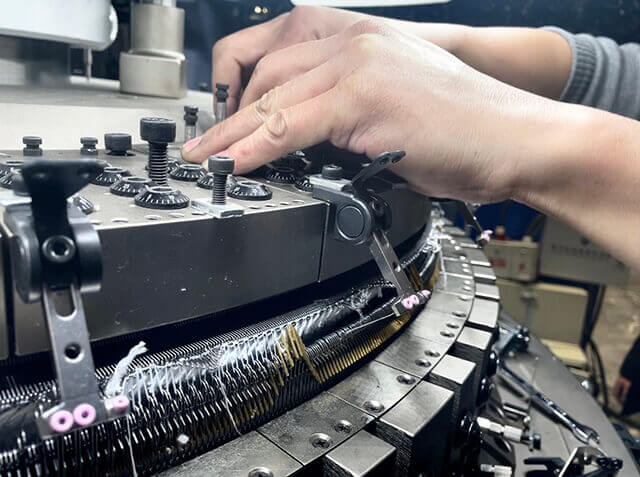
The baseline should use production-representative yarn and the offered machine configuration. Record diameter, gauge, feeder count, take-down and options in the trial sheet because the case photographs do not verify them. Settings copied from another yarn or gauge are only a starting hypothesis, not an acceptance value.
| Style-change stage | Control item | Release evidence |
|---|---|---|
| Job preparation | Correct yarn lots, feeder recipe and target fabric sheet are available | Staged, labelled material and approved job card |
| Transition | Previous yarn is cleared and every changed setting is logged | Marked transition section kept out of saleable calculation |
| First-off | Weight, width, face quality, needle lines and immediate defects pass | Signed sample before the extended roll begins |
| Finished confirmation | Shrinkage, spirality, skew and handle meet the defined condition | Finished specimen linked to the same greige roll |
A useful changeover record separates preparation, yarn loading, setting work, troubleshooting, transition fabric and inspection. The change is not complete when the machine starts; it is complete when approved fabric begins. Mark that point on the roll and retain the first-off piece. This provides a realistic basis for production planning without claiming a universal conversion time.
When returning to a recurring style, compare the new result with its locked reference. Check visual barre, needle lines, holes, width and weight at more than one roll position. After finishing, assess shrinkage and spirality using the same method as the original approval. Update the recipe only through a recorded revision.
Ask the supplier to classify the buyer’s style list: baseline, routine recipe change, accessory or conversion requirement, and unconfirmed feasibility. A very light yarn, unusual plating arrangement or different finished behavior may need a separate trial. This is more useful than a broad versatility statement.
No output, labor saving or commissioning result can be proven from the archived Egypt page. Any production estimate must state style mix, roll length, saleable-quality limits, average change frequency, stop treatment and finishing yield.
Approve the main commercial style fully, then choose a small number of additional articles that test meaningful weight, yarn or feeding variation. Keep separate samples and records for each rather than blending results.
It finishes when the new article has a signed first-off sample that passes the agreed checks. Machine restart alone excludes transition waste and troubleshooting and therefore understates the production effect.
Confirm yarn and feeder identity, compare weight, width and face appearance with the locked reference, then repeat the agreed finished tests for shrinkage or spirality where relevant.
No. The stored case lacks the records needed to substantiate them. Service scope should be written into the quotation, and economic results should be calculated from the buyer’s documented operation.
The Egypt reference becomes decision-useful when it leads to separate recipes and measurable first-off gates. Kunyuan can review the buyer’s style matrix and identify which articles fit the proposed setup and which require another trial or option.

 Tel: +86-13859034518
 Email: info@kunyuanmachine.com
 MP/WhatsApp: +86-13859034518
 Manufacturer Address:Bacuo Village, Yonghe Town, Jinjiang City, Fujian Province