

Hot Keyword:
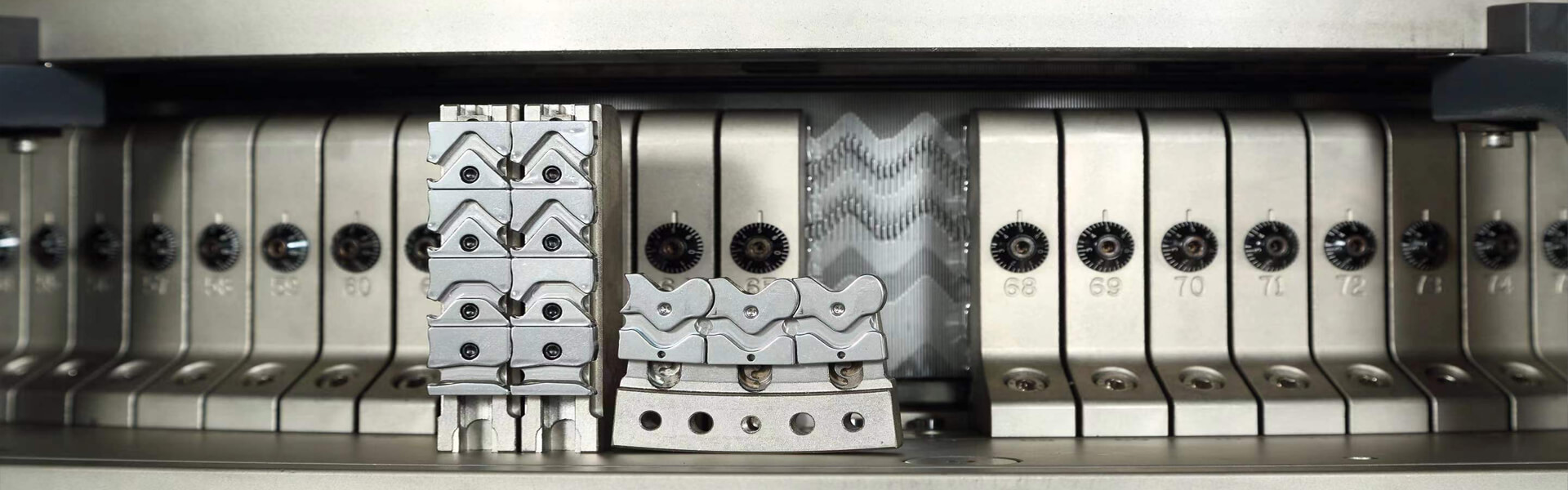
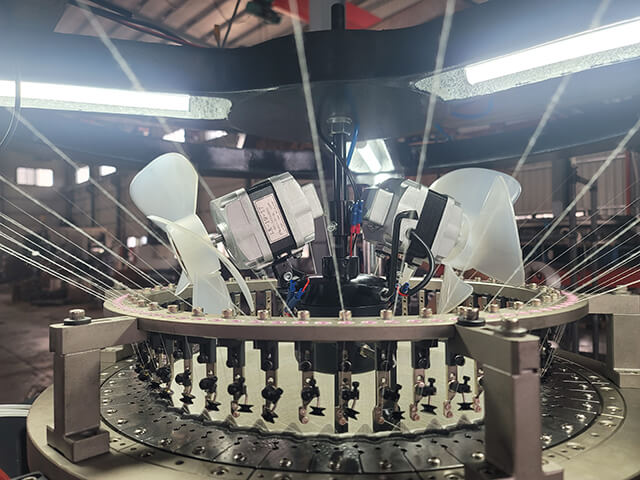
This case archive associates a Body Size Circular Knitting Machine with Morocco and retains machine photographs. The former article named a company and claimed faster production, new lines, cost savings and customer loyalty without a verifiable buyer file or measured comparison. Those statements are not used as evidence in this revision.
The archive also mentions broad 3–26 inch and 3G–50G ranges. They describe the old page’s general machine context, not a guarantee that every diameter, gauge and construction is available in one offered model. A body-size project should map each garment size and structure to an exact cylinder, needle arrangement, yarn and program before a quotation is finalized.
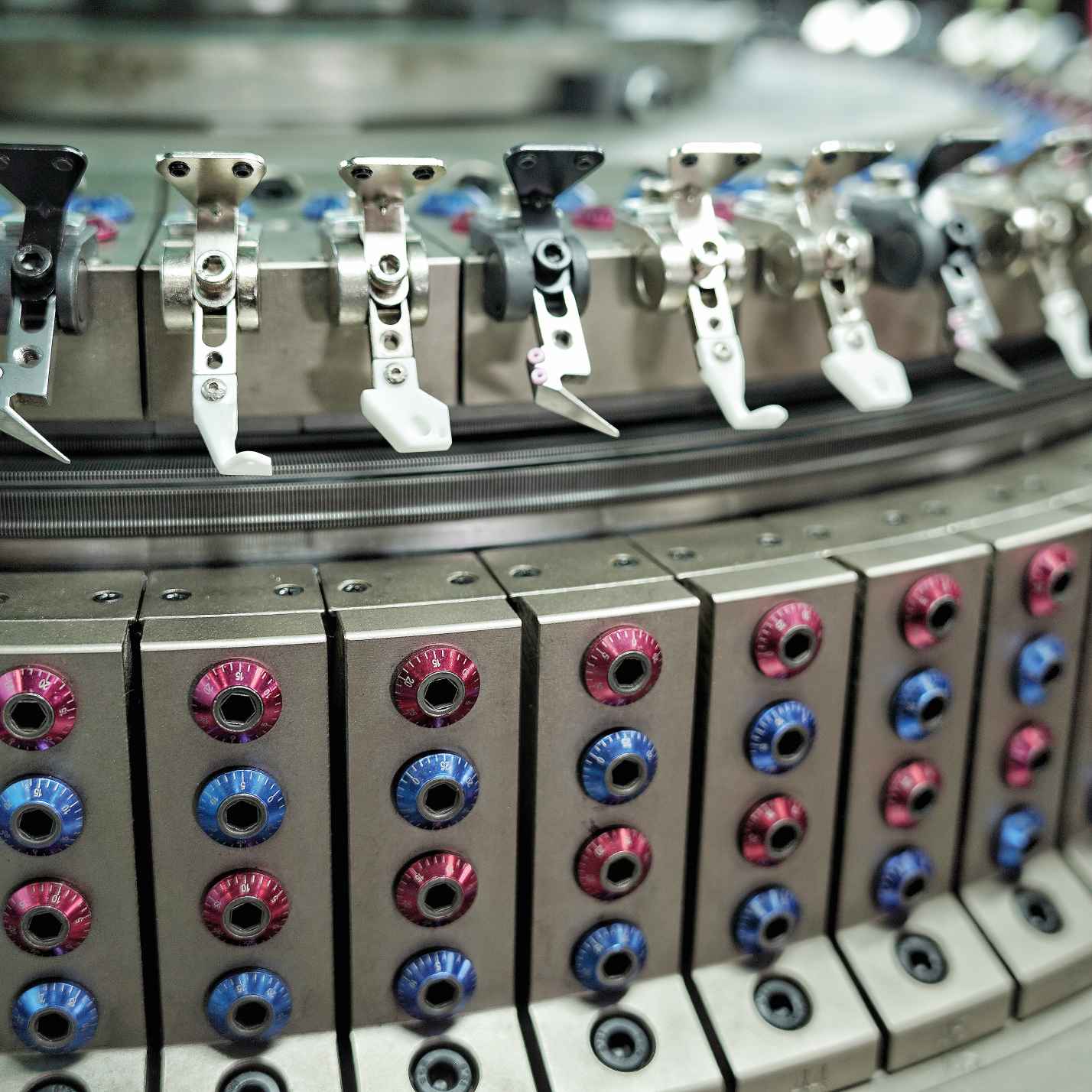
Begin with finished garment measurements and tolerance: circumference at named points, body length, stretch or recovery where relevant, weight and finishing condition. Add the intended construction and yarn. Do not select a cylinder from a nominal size label alone; knitting tension, relaxation and finishing affect the relationship between machine diameter and finished circumference.
If single-body and double-body constructions are planned, identify them separately. SBD and DBD-style requirements can involve different structures, size programs and change parts. The buyer should prioritize the core size set and mark unusual extremes for separate feasibility review.
| Size-control layer | Required input | Approval evidence |
|---|---|---|
| Finished size chart | Named measurement points, tolerance, construction and conditioning method | Signed measurement specification |
| Machine mapping | Cylinder/diameter, needle setup, yarn and program assigned to each size | Controlled size-to-configuration matrix |
| First body | Circumference, length, weight, loop quality and visible lines | Labelled tube before and after relaxation |
| Size-set run | Smallest, middle and largest priority sizes produced with their own recipes | Graded sample set and deviation record |
Mark each body or tube with size, program revision, yarn lot, machine configuration and run position. Measure immediately only for process observation; final approval should follow the agreed relaxation, wash or finishing condition. Record how long the sample rested, how it was laid out and where dimensions were taken.
When a circumference or length moves, examine stitch setting, take-down, yarn behavior and program/size identity before changing the nominal cylinder assumption. Keep samples from before and after an adjustment. A measurement table without the physical labelled body can conceal skew, lines or localized faults.
Select at least the smallest, a middle and the largest priority size for the initial acceptance set. Extremes may expose limits in construction, yarn handling or measurement control that a middle size does not show. If a size requires a different cylinder, needle arrangement or change part, record that boundary openly in the offer and production plan.
The handover should include program naming, backup, size labels, configuration matrix, first-off inspection and rules for revising a recipe. The archive cannot verify output, changeover time, labor saving or the exact range of the delivered machine. Those values require the selected size mix, configuration and observed saleable result.
Provide construction, yarn, finished measurement points, tolerances, stretch or recovery method, weight and finishing process. Identify which sizes and styles are commercial priorities and which are development items.
Finished circumference is affected by loop length, yarn, structure, take-down, relaxation and treatment. The machine-to-size mapping must be proven with labelled fabric in the agreed finished condition.
Use the smallest, a representative middle and the largest priority sizes, plus any size that crosses a configuration boundary. This gives better evidence than approving only the easiest middle program.
No. They are broad values from the old record. The quotation must state the exact available cylinder, gauge, feeder and construction combinations for the selected model and list every change part.
The Morocco reference becomes practical when it leads to a controlled size-to-configuration matrix. Kunyuan can review the buyer’s garment chart, yarn and finishing route and define a graded trial in which each body is labelled, measured and linked to its own machine recipe.

 Tel: +86-13859034518
 Email: info@kunyuanmachine.com
 MP/WhatsApp: +86-13859034518
 Manufacturer Address:Bacuo Village, Yonghe Town, Jinjiang City, Fujian Province