Fabric demand and machine build must meet in one boundary trial
Gauge is visible on a quotation, so it often dominates discussion. Yet the same gauge label does not define yarn range, loop structure, feeder demand, take-down, winding form or finished performance. Selection works better as two independent reviews joined by fabric evidence.
Track A describes the mill's fabric envelope: basic interlock and any rib or modified structures, yarn systems, weights, widths, elastomer use, finishing routes and appearance limits. Track B describes the offered machine: diameter, gauge, cylinder-and-dial arrangement, cam tracks, feeders, yarn control, take-down, winding and installed options.
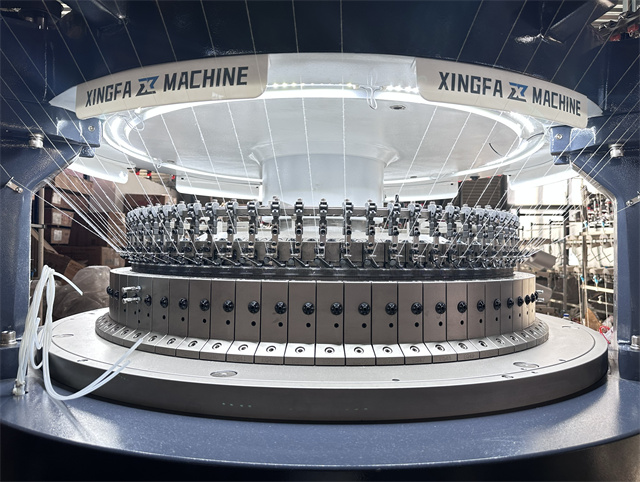
Published manufacturer ranges demonstrate why both tracks matter. Interlock models can differ materially in diameter, gauge, feeder count and frame configuration. Treat brochures as screening data; confirm the exact build and trial conditions in the quotation.
Write a boundary fabric instead of a broad application list
List the normal fabric family and select the item most likely to expose a limitation: the lightest construction, highest elastomer demand, widest finished form or strictest surface. Record yarn count system, material, structure, greige and finished dimensions, finishing route and inspection method.
Keep face and reverse samples with machine direction marked. Interlock stability and smoothness are useful properties only when they survive the mill's real dyeing, relaxation and handling route.
Match the offered build to a written fabric envelope.
Freeze the exact knitting and handling configuration
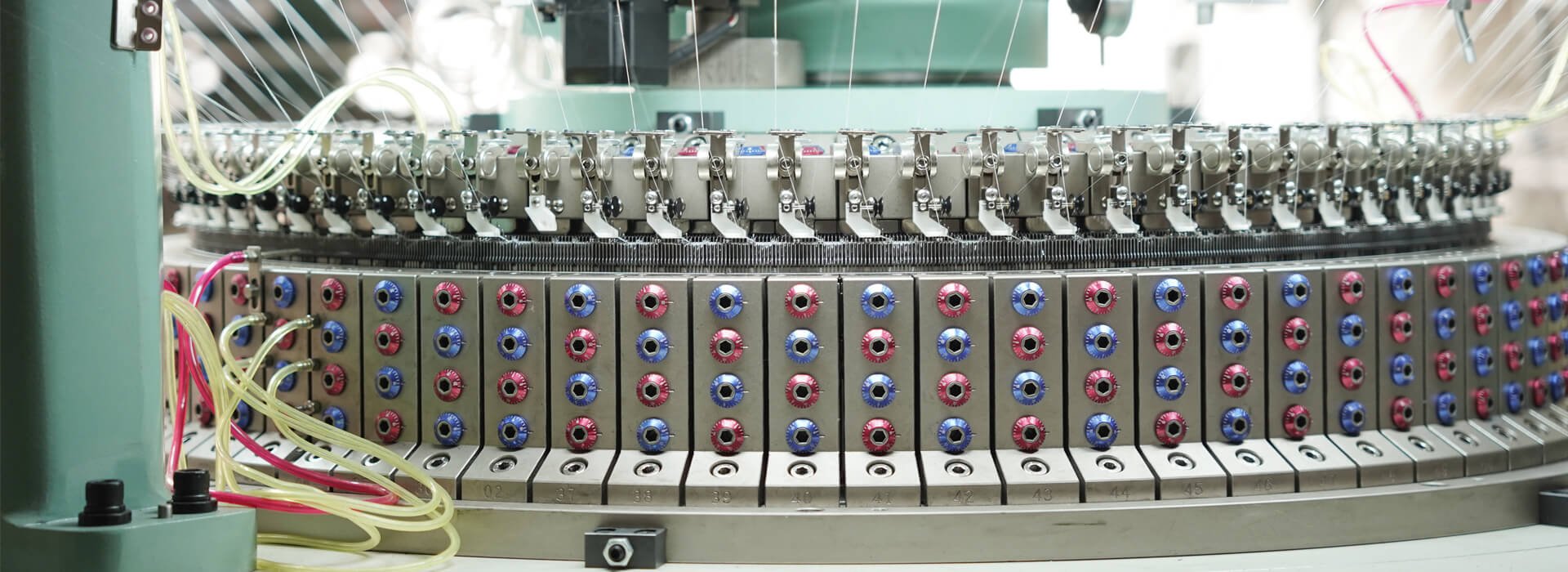
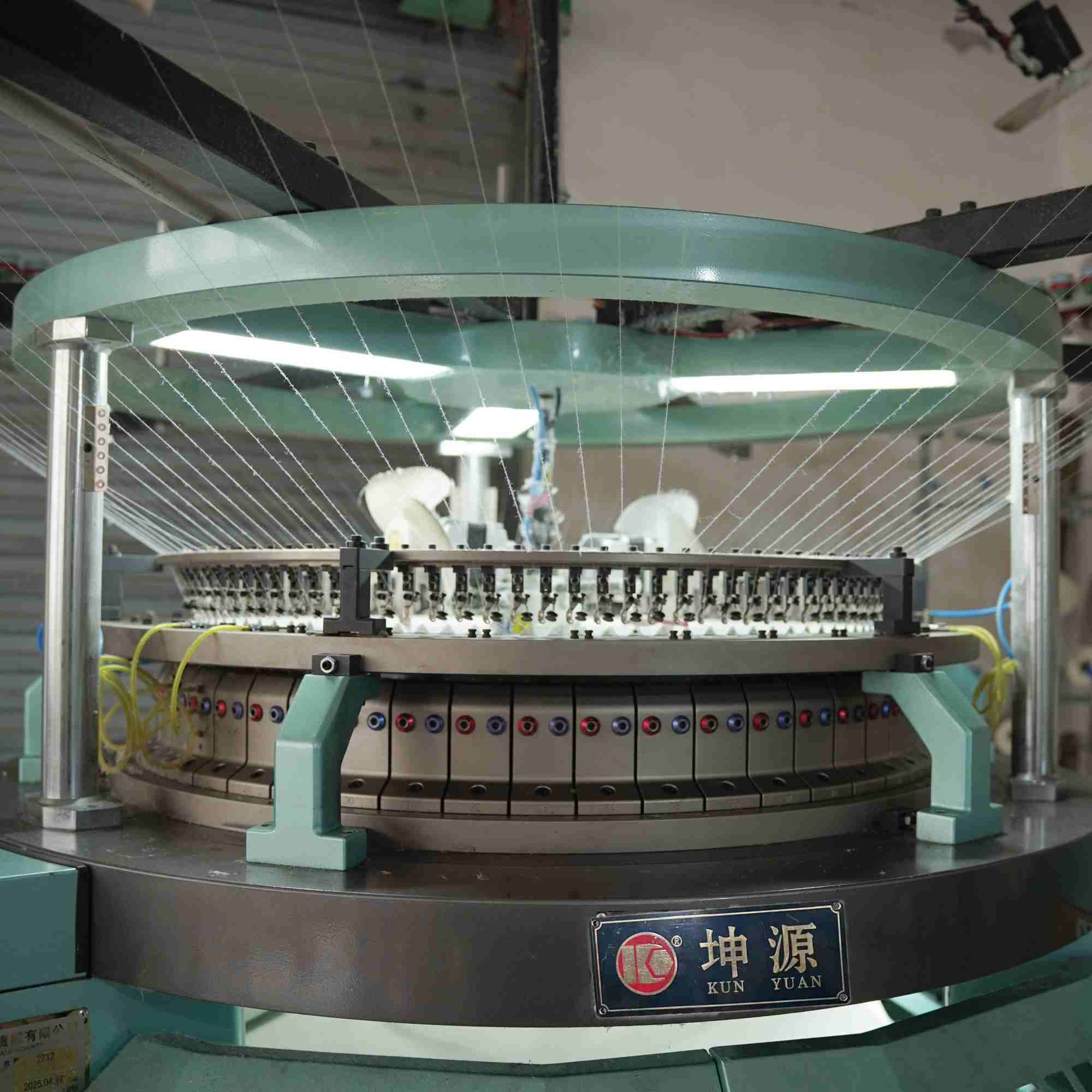
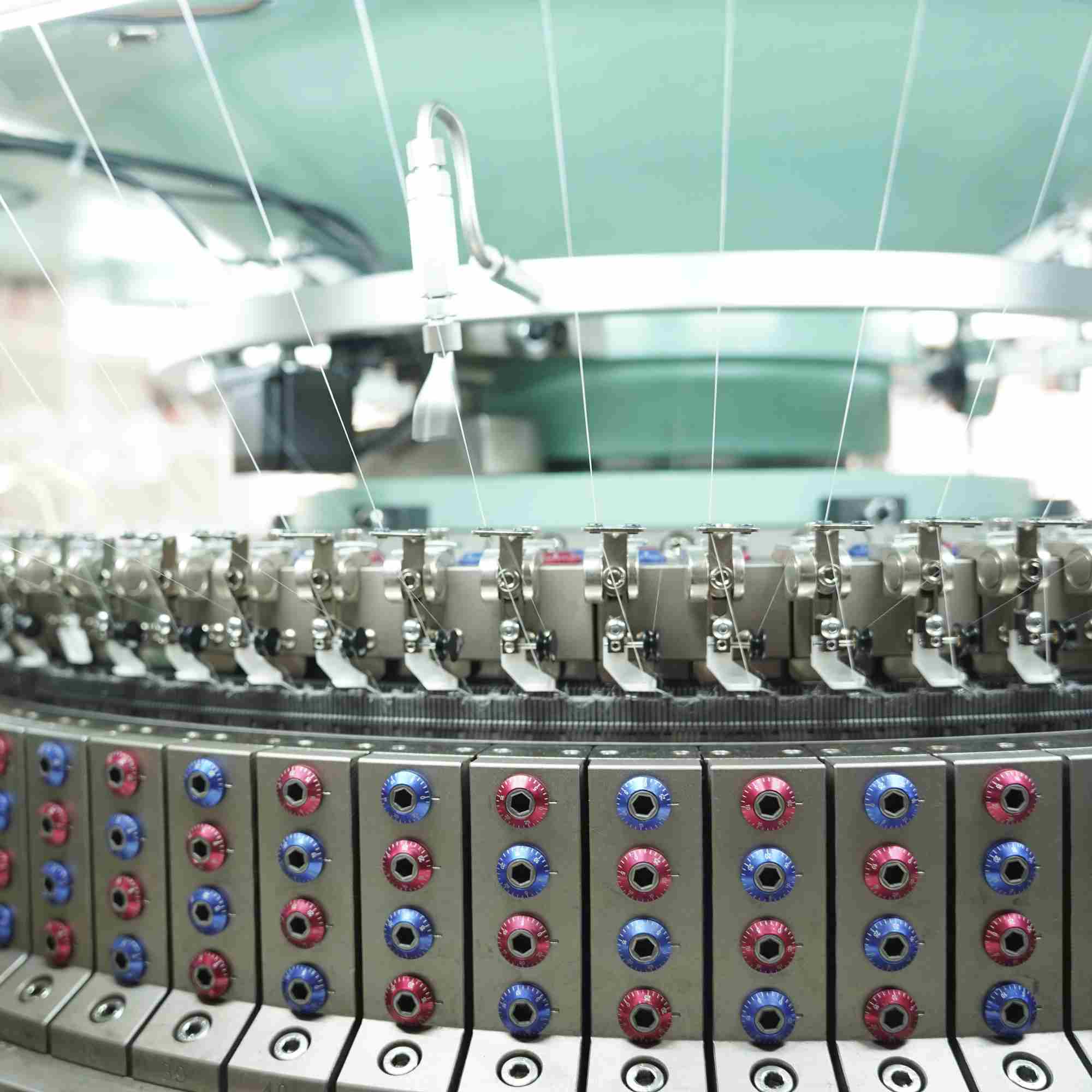
Confirm machine identity, diameter, gauge, cylinder and dial needles, available tracks, active feeders, yarn-control devices, take-down and fabric collection. Mark paid options and local-supply items separately.
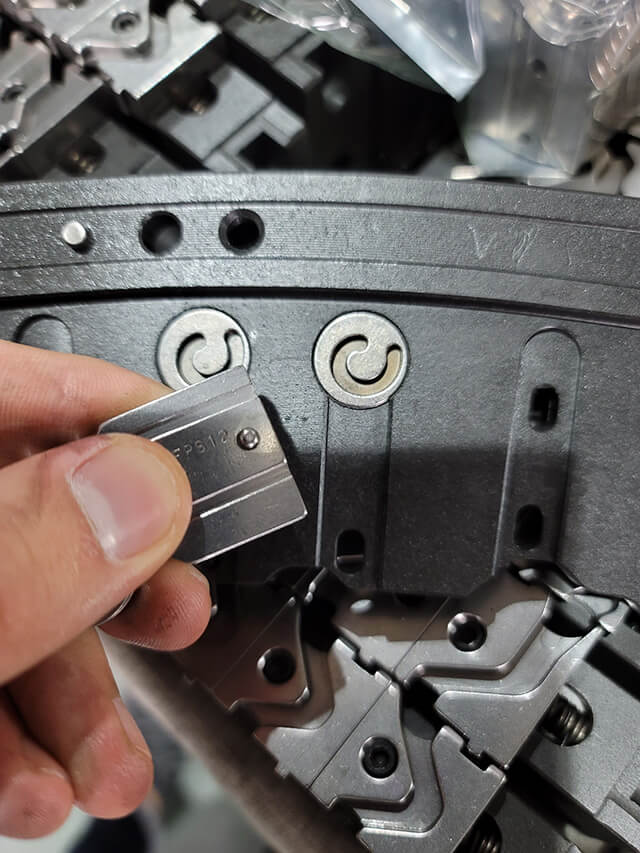
Do not translate a high needle count into automatic pattern flexibility. Needle selection, cam arrangement and control capability determine which loop actions can be commanded on the offered machine.
Confirm gauge, tracks and needle systems on the exact machine.
Run the difficult fabric long enough to include normal events
Use labelled production yarn and a controlled recipe. Mark startup, package changes, stops and every adjustment on the roll. Record speed as an observation, not a promise, and retain rejected sections when they show the limiting condition.
Finish the marked sample before deciding. Compare width, weight, both fabric faces, recovery where specified and accepted yield. A clean short swatch cannot establish shift output.
Separate must-pass scope from future possibilities
Classify each target fabric as demonstrated, dependent on a named option, requiring another trial, or outside the current offer. Add the evidence reference and commercial effect. This keeps later sales assumptions from silently expanding the purchase.
Choose only after service documents, spares and changeover responsibilities match the actual configuration. A machine that covers more theoretical structures can still be a poor fit if the mill cannot repeat its core fabric economically.
Inspect both faces after the intended finishing route.
Interlock selection reconciliation
Decision field
Fabric-track evidence
Machine-track evidence
Release rule
Gauge/diameter
Finished weight and width
Exact offered range
Boundary sample passes
Structure
Loop diagram and both faces
Tracks and needle action
Required structures demonstrated
Yarn delivery
Counts, lots, elastomer roles
Feed and control devices
No unstable transition
Fabric handling
Roll/open-width need
Take-down and winding build
Full-width result accepted
Interlock selection questions
Is higher gauge always better?
No. Gauge must suit yarn, structure and finished target; finer is not automatically more valuable.
Can one interlock model also make rib?
Some configurations support multiple double-knit structures, but the exact tracks, timing and offered build must be confirmed.
Why trial the hardest fabric first?
A boundary sample reveals configuration limits before the mill approves a broad product envelope.
Should RPM decide between machines?
Compare accepted output under the same fabric, yarn and quality definition rather than headline RPM.
What should the contract record?
Record demonstrated fabrics, dependent options, excluded scope, trial evidence and the final delivered configuration.
Conclusion
Interlock selection becomes defensible when a fabric envelope and a machine schedule are reviewed separately and reconciled at the finished trial. Gauge remains an important field, but it is one field in a much larger production decision.




 Tel: +86-13859034518
 Email: info@kunyuanmachine.com
 MP/WhatsApp: +86-13859034518
 Manufacturer Address:Bacuo Village, Yonghe Town, Jinjiang City, Fujian Province