



File discipline
Name, back up and control the approved program so a restart or operator change does not introduce an unknown pattern revision.
 Price:
Negotiable
Price:
Negotiable
Model:
NET Weight:
4 tons
Diameter:
30-38
Gauge:
12G-24G
Feeder:
36F/54F
Certification:
CE, ISO
Applicable Yarn Material:
Bottoming shirts, pajamas, bath towels, towels, sweater linings, etc
RPM:
14-18RPM
Wooden Box Size:
2.25M*2.23M*2.25M
Place of Origin:
CHINA.
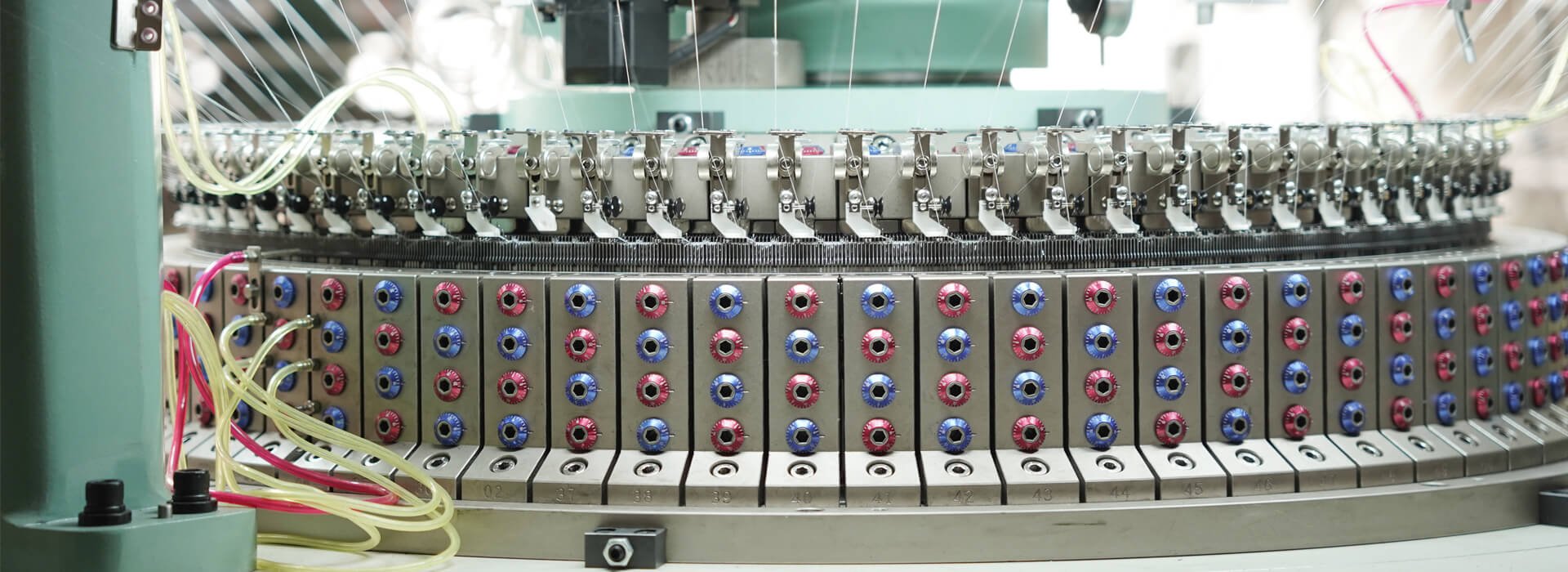
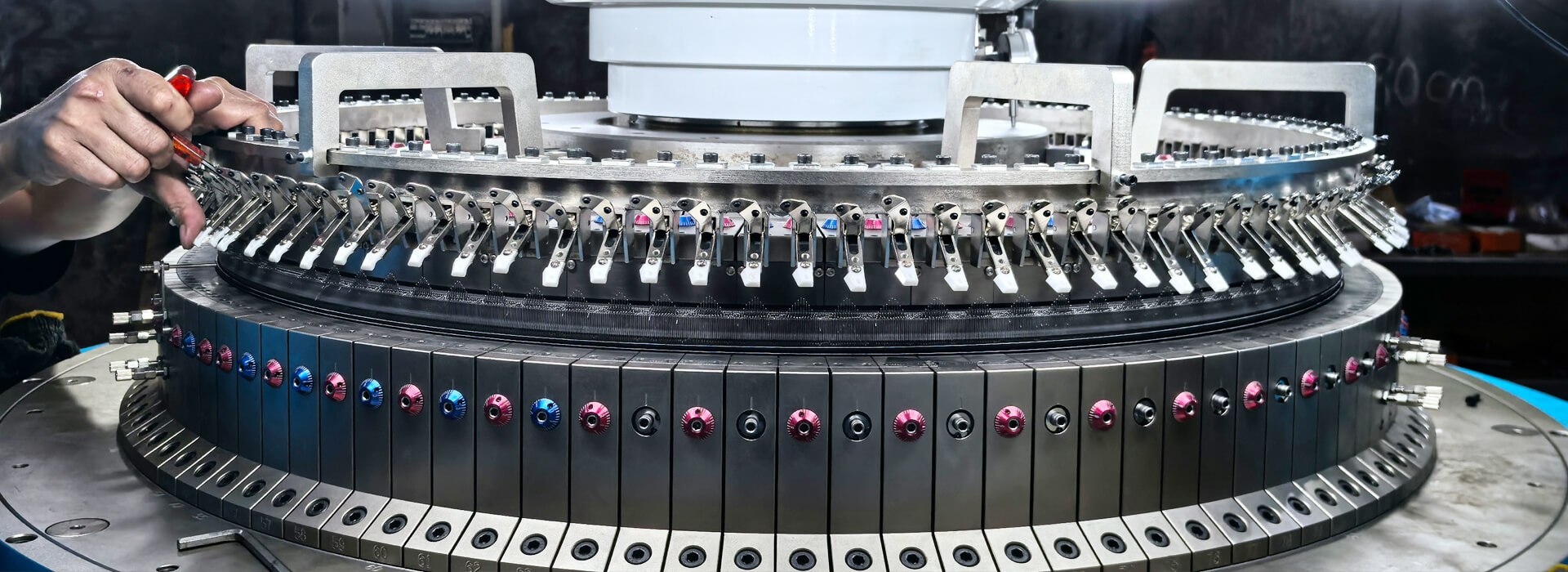
On computerized terry jacquard fabric, the design must arrive at the correct needle while the ground and pile yarns continue forming stable loops. A clear screen preview can still produce a weak fabric if yarn allocation, loop formation or take-down is wrong. The archived Kunyuan page records a 30–38 inch diameter range, 12G–24G, 36F/54F and a 14–18 RPM reference. It also names reverse (polar) terry and velour/ordinary terry configurations.
This product fits patterned towels, bath textiles, sweater linings, pajamas and similar terry programs when the mill needs repeatable digital designs. The quotation should say which controller and selection system are offered, which file format is accepted, and whether the buyer receives editable pattern files. “Computerized” should not be used as a substitute for those details.
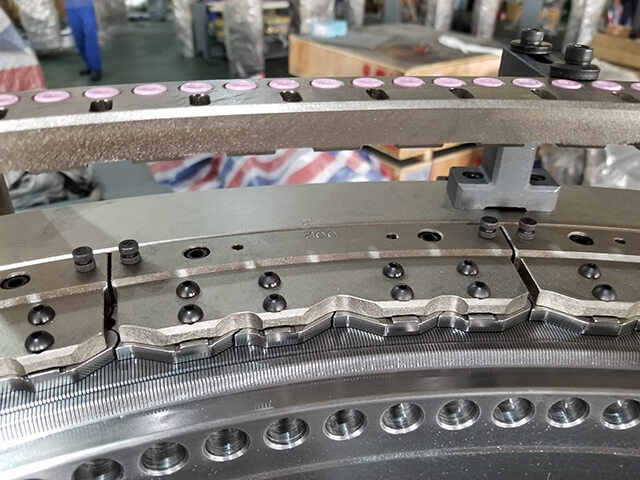
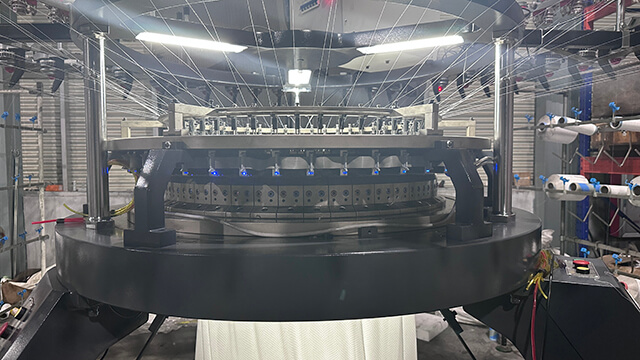
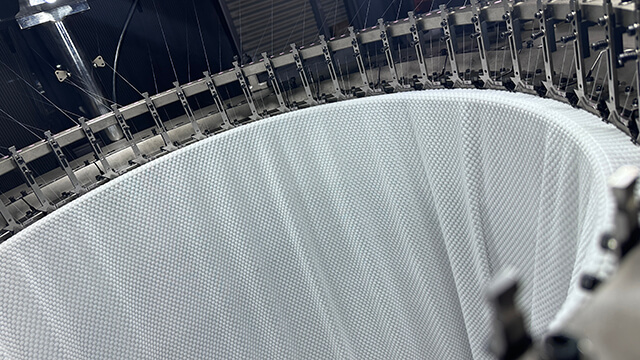
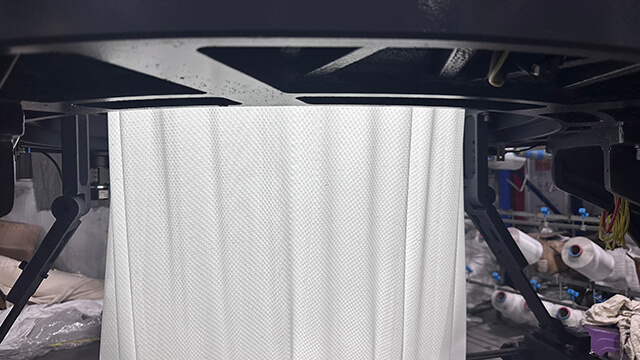
Begin with a pattern repeat, color allocation and a small reference image. The design is converted into selection instructions; the machine then has to feed the right yarns and form the intended loop at each selected position. Ground coverage supports the fabric, while pile-yarn delivery and sinker/loop settings influence surface height and definition. Reverse terry and ordinary terry should be trialled separately because the visible face, handling and finishing checks are not identical.
Power stability matters because an interrupted controller or lost file revision can stop production or create an undocumented restart. Record the file name, revision, machine settings and yarn lots with the sample. A multilingual screen may help operators, but the useful question is whether the team can load, back up and restore an approved program without changing the result.
| Control point | Decision for this terry-jacquard order | Proof to retain |
|---|---|---|
| Controller and file | File format, storage, backup and edit ownership | Approved file checksum/revision and screen record |
| Terry construction | Reverse/polar or ordinary/velour route | Labelled face and reverse-side sample |
| Yarn allocation | Ground, pile and color yarn positions | Feeder map and yarn-lot sheet |
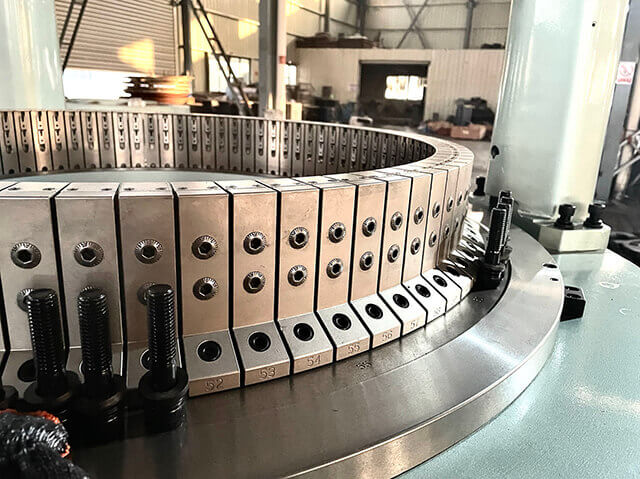
| Diameter/gauge/feeders | Exact offered setup within the archived ranges | Signed configuration and needle/feeder list |
| Finishing | Washing, raising, shearing or other planned treatment | Greige and finished samples from the same run |
Do not approve the machine with a large plain block. Use a representative design containing edges, small motifs, color changes and longer continuous areas. Those features make missed selections, shifted registration and unstable loop formation easier to see. Inspect the first metres after loading, then sample again after the machine has reached a stable run.
Check pattern registration, edge sharpness, repeated bars, missing loops, loop height and the condition of the back. Compare width and weight at agreed points. After the intended finishing process, look again for distorted motifs, flattened loops or a change in surface direction. Keep the rejected and approved pieces together; they are more useful to operators than a general instruction to “ensure quality.”
Back up pattern files before edits and control who can overwrite the approved revision. At the machine, watch selector response, pile and ground yarn tension, yarn stops, lint around the knitting zone and roll build. A defect that repeats at the design repeat may point to the file or selection logic; one fixed line around the circumference is more likely to need a feeder, needle or mechanical location check.
Use the 14–18 RPM archive value as a reference, not a target to reach before fabric approval. Increase speed only after the pattern and loop structure stay stable. Isolate the machine before cleaning or component work, and follow the supplied service procedure for the controller and the knitting mechanism.
Send the repeat dimensions, artwork or file, yarn colors and counts, desired face, loop height or surface reference, finished width/weight and finishing route. State whether reverse or ordinary terry is required.
List the file format, editable/source-file ownership, naming rule, storage location and backup method in the technical agreement. Link the approved sample to one exact file revision.
No. Knit a pattern that shows edges, small motifs and color changes. Inspect registration and loop condition on the machine and again after the planned finishing step.
Confirm the restored file revision and pattern position, then inspect the restart zone for a shifted repeat, missed selection or tension mark before releasing the roll.
Computerized Terry Jacquard Circular Knitting Machine selection is a file-to-fabric exercise. The archived 30–38 inch, 12G–24G, 36F/54F and 14–18 RPM references help define the machine discussion, but repeatable pattern control, stable terry loops and a labelled finished sample determine whether the offered setup is ready for production.
The archived page records 30–38 inch, 12G–24G and 36F/54F references. Confirm the controller, file format and reverse/ordinary terry configuration with the offered model.
| Net weight | 4 tons |
|---|---|
| Cylinder diameter | 30-38 |
| Gauge | 12G-24G |
| Feeders | 36F/54F |
| Applicable yarn/material | Bottoming shirts, pajamas, bath towels, towels, sweater linings, etc |
| Recorded operating speed | 14-18RPM |
| Recorded packing or machine size | 2.25M*2.23M*2.25M |
| Certification shown in CMS | CE, ISO |
This machine coordinates digital needle selection with ground and pile yarn delivery. The useful production record links one file revision to one yarn map, loop setup and finished sample.
Name, back up and control the approved program so a restart or operator change does not introduce an unknown pattern revision.
Inspect loop height, ground coverage and the reverse side together; pattern clarity alone cannot confirm a stable terry construction.
After a stop or power interruption, verify the restored pattern position and examine the restart zone before releasing the roll.
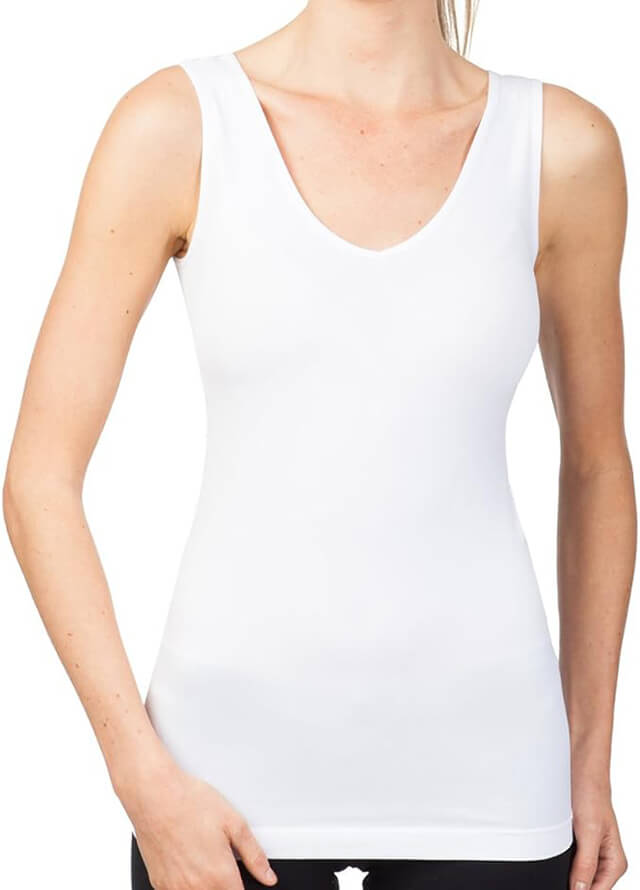
Plan body-size knitted garment panels from a finished size chart through cylinder mapping, relaxed measurement trials, graded-size approval and recipe control....

Engineer rib and elastic double-knit fabrics through cylinder-dial balance, yarn and elastane mapping, relaxed recovery tests, conversions and baseline restoration....

 Tel: +86-13859034518
 Email: info@kunyuanmachine.com
 MP/WhatsApp: +86-13859034518
 Manufacturer Address:Bacuo Village, Yonghe Town, Jinjiang City, Fujian Province
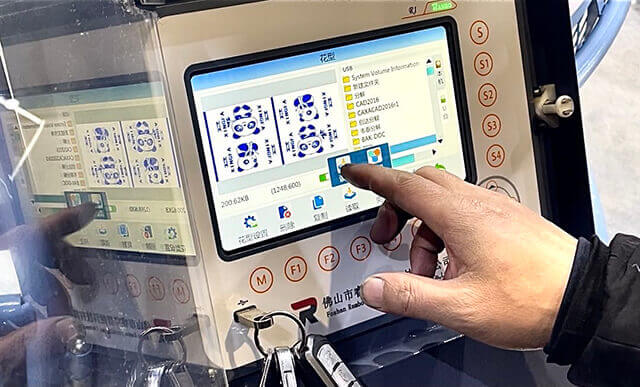
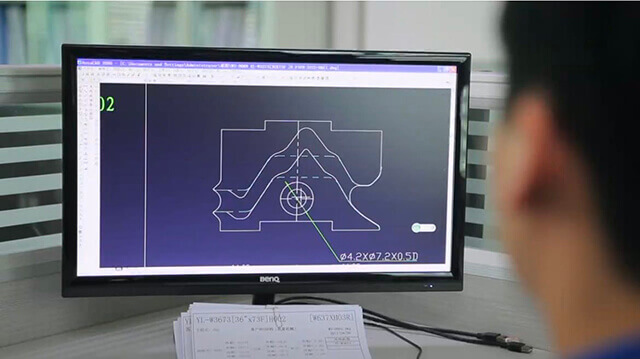




Compiled archived feedback for Computerized Jacquard Circular Knitting Machine highlights pattern control, design execution and an accessible operator workflow; open the full summary for source notes and model-specific buyer checks.2026-08-20

Archived feedback focused on precise pattern work, stable operation and a user-friendly computerized workflow.2025-07-11

Archived feedback described accurate jacquard execution, consistent terry texture and manageable maintenance.2025-07-16