

Hot Keyword:
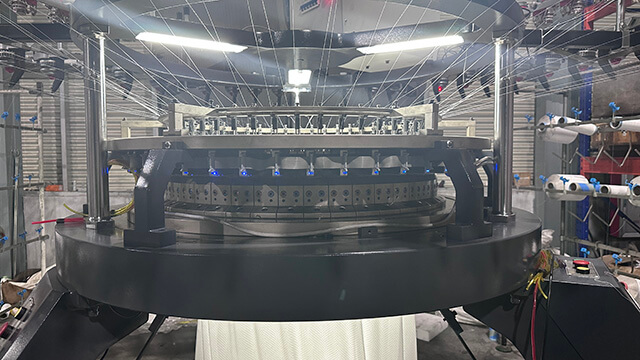
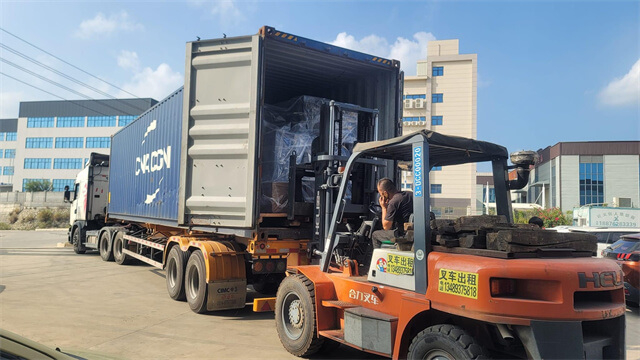
The archive connects a Computerized Terry Jacquard Circular Knitting Machine with Russia and contains several related images. Its earlier narrative claimed productivity, cost and satisfaction benefits without preserving a named customer, control version, configuration sheet or trial record. Those outcomes cannot be verified from the stored material and are not repeated as facts.
The distinctive buyer issue is traceability between the electronic pattern and the fabric. When a selection error appears, the team needs to know whether the cause lies in the design file, conversion, controller revision, data transfer, selection hardware, yarn path or knitting condition. A photograph of a machine cannot answer that. File governance and a marked sample must travel together.
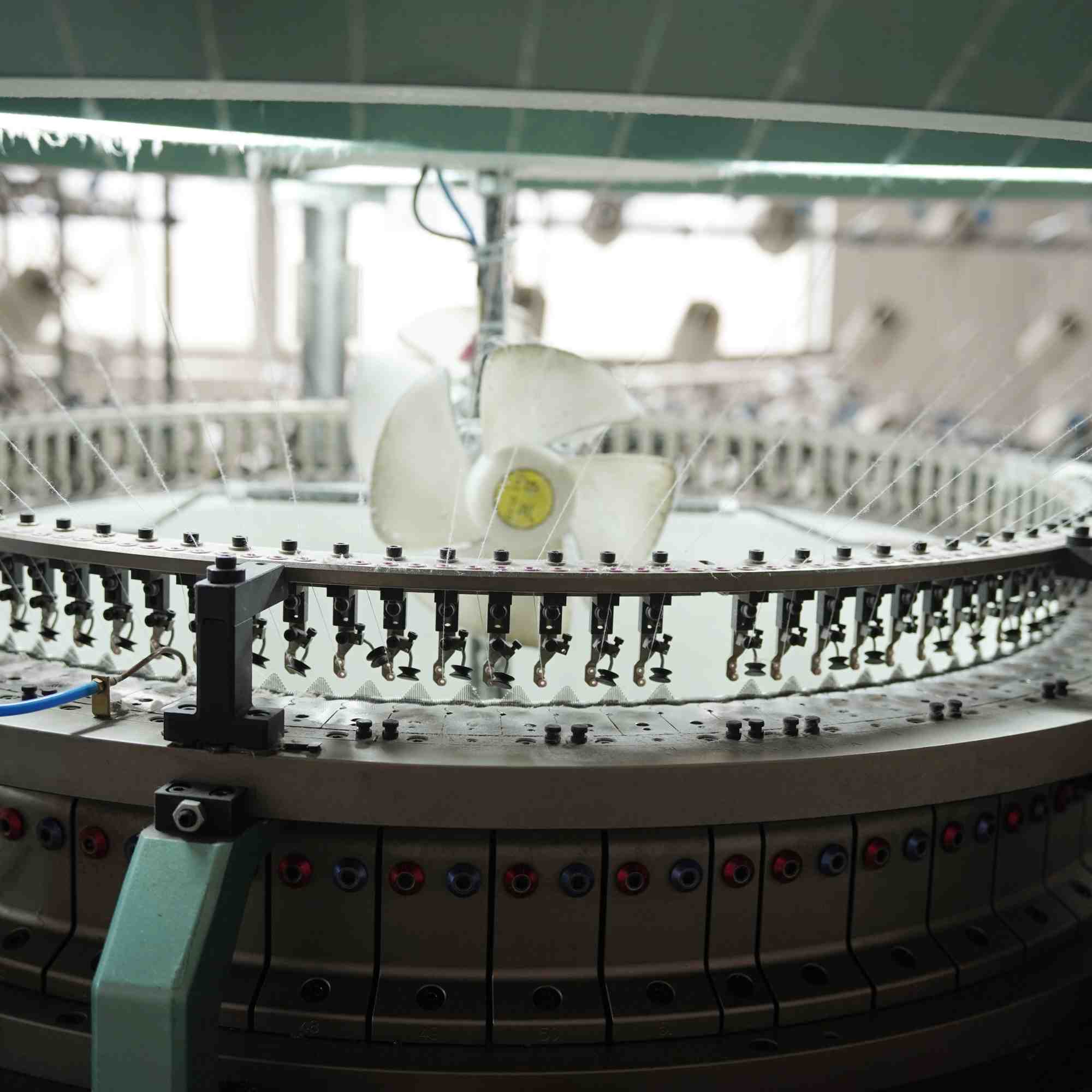
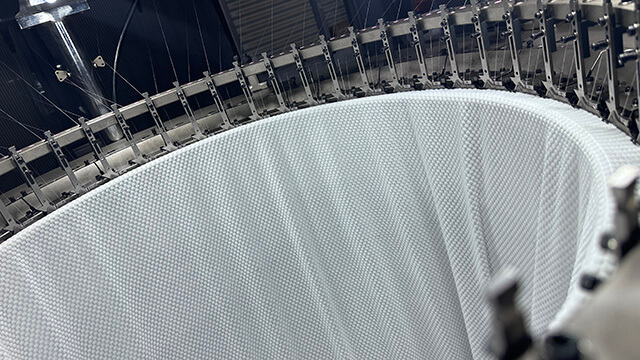
Keep the editable artwork, machine-ready file and approval image as separate controlled items. Record the repeat dimensions, colour or selection map, face orientation, ground-and-pile yarn assignment and file revision. Avoid filenames such as “final-new” that provide no history. The trial sheet should show exactly which revision was loaded and who approved any conversion.
Before knitting, compare the controller preview with a repeat diagram. After starting, inspect the repeat boundary and a set of deliberately chosen detail zones. If the fabric differs, mark the course and wale position relative to the repeat; this narrows the investigation and avoids rewriting the whole design to compensate for a local mechanical fault.
| Traceability layer | Required identifier | Recovery evidence |
|---|---|---|
| Source artwork | Design number, intended scale and approved visual | Read-only master plus dated approval image |
| Machine file | Conversion version, repeat dimensions and selection map | Checksum or controlled filename with revision history |
| Machine state | Controller/software version, configuration and loaded program | Start-up screen record and signed setup sheet |
| Fabric result | Roll position, yarn lots, settings and file revision | Marked swatch linked to the same trial record |
An electronic system should be assessed not only when everything runs normally. Agree on safe, non-damaging checks for a stopped run, file reload or controlled program change. The operator should demonstrate how the active file is confirmed, how the correct restart position is identified and how the fabric after recovery is inspected. Record any manual steps that could introduce a repeat shift.
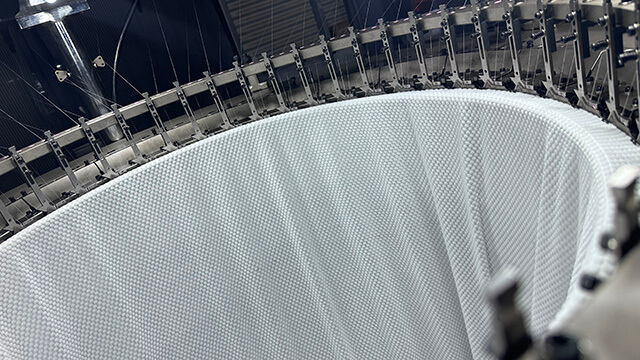
The physical knitting process still matters. Pattern selection cannot correct unstable pile yarn delivery, poor loop formation or take-down variation. Inspect motif registration, missing selections, loop continuity, repeat seams and the same fabric after relaxation or finishing. Preserve the greige parent of every finished reference so pattern and surface changes can be traced.
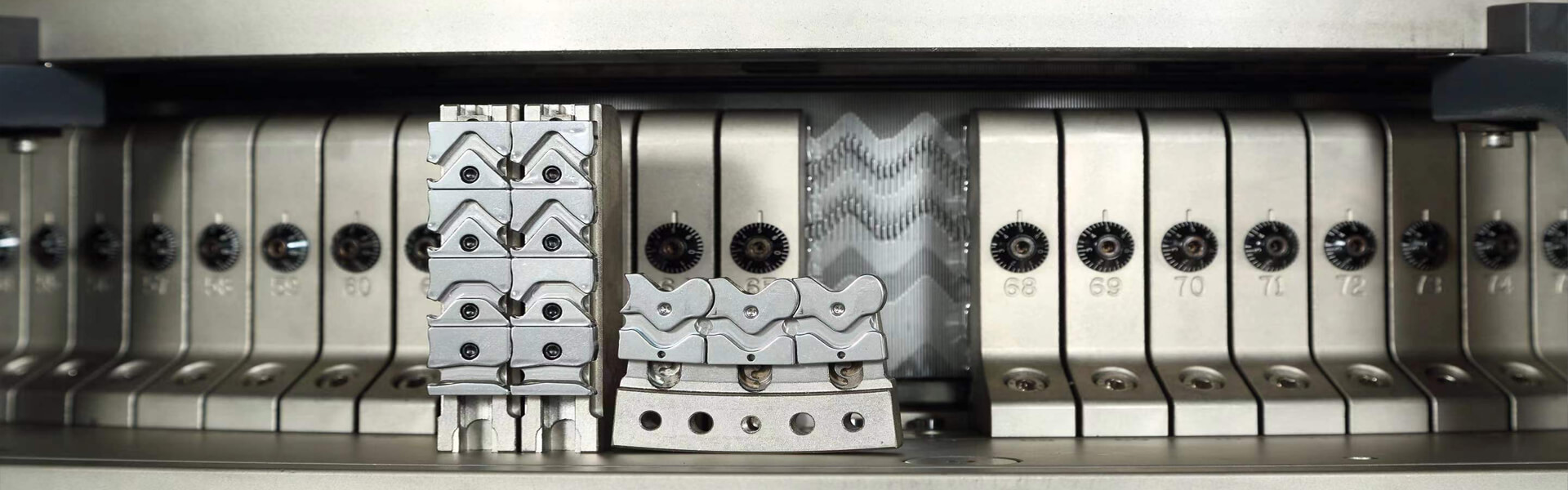
The quotation should identify the offered control platform, supported file workflow, included design tools, backup method and scope of operator instruction. Ask how authorized revisions are stored and restored, which diagnostics are available and what evidence is needed when requesting remote support. Access control should prevent an unrecorded pattern overwrite during production.
No exact diameter, gauge, feeder count or output can be confirmed from this case archive. Bind those fields to the offered machine and approval pattern. Where more than one terry construction is planned, distinguish file changes from mechanical or yarn changes so the buyer understands the real changeover scope.
Retain the source artwork, machine-ready file, colour or selection map, repeat dimensions, conversion notes and an image of the approved fabric. Each item should carry the same design number and revision.
Mark the shift on the fabric, locate it within the design repeat and compare the stop/restart history, active file, controller state and selection hardware at that point. Do not assume the artwork is wrong until the physical position and machine state are checked.
It shows how the operator confirms the correct program, resumes after an agreed stop, inspects the transition and records any deviation. The sample produced after recovery should remain linked to the event log.
No. The archive does not include the measurements or signed records needed to support them. Any performance figure must be tied to the exact configuration, pattern, yarn, run conditions and saleable-quality rule.
This Russia entry supports a computerized terry-jacquard application context. Buyers can use it to request a pattern-control demonstration in which every file, setting and fabric sample has a matching identity and can be restored without guesswork.

 Tel: +86-13859034518
 Email: info@kunyuanmachine.com
 MP/WhatsApp: +86-13859034518
 Manufacturer Address:Bacuo Village, Yonghe Town, Jinjiang City, Fujian Province