

Hot Keyword:
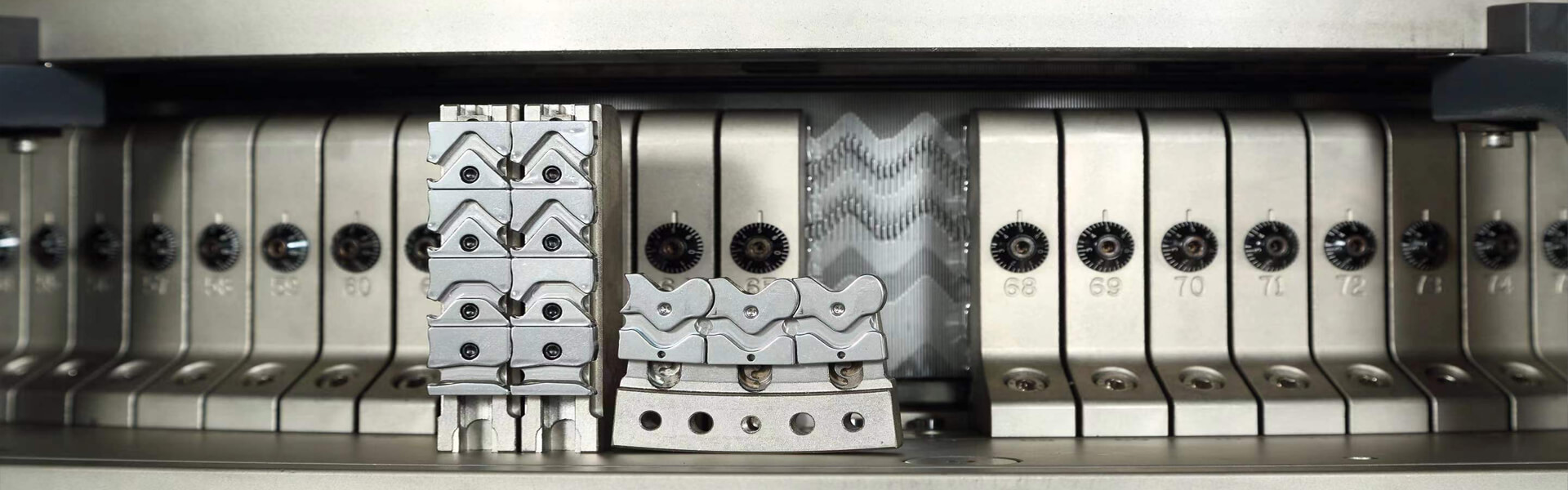
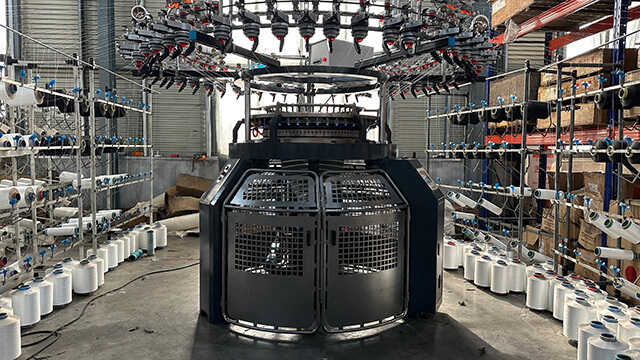
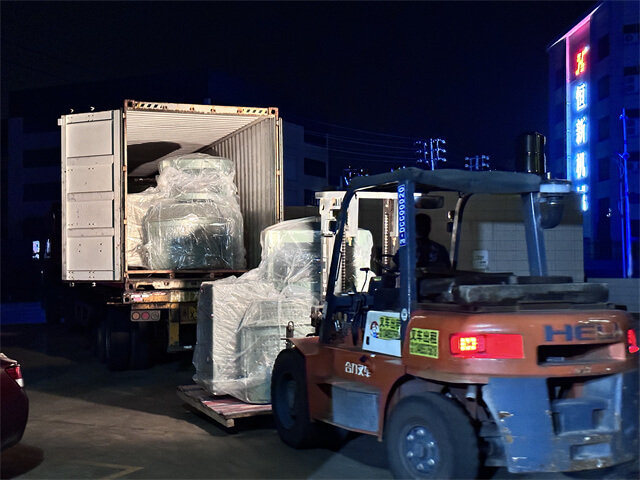
The stored page identifies a Computerized Terry Jacquard Circular Knitting Machine application in Thailand and includes several related images. Its old narrative described efficiency, quality and cost benefits but did not preserve a named customer, changeover record or measured comparison. This version keeps the machine-and-country reference and focuses on what buyers can actually verify: controlled movement from one terry design to another.
A computerized pattern system can shorten some design steps, but reliable changeover still depends on file identity, ground-and-pile yarn assignment, feeder setup, machine state and first-off inspection. The goal is not to display many unrelated swatches. It is to show that an approved style can be loaded, checked, produced and later reproduced without losing its history.
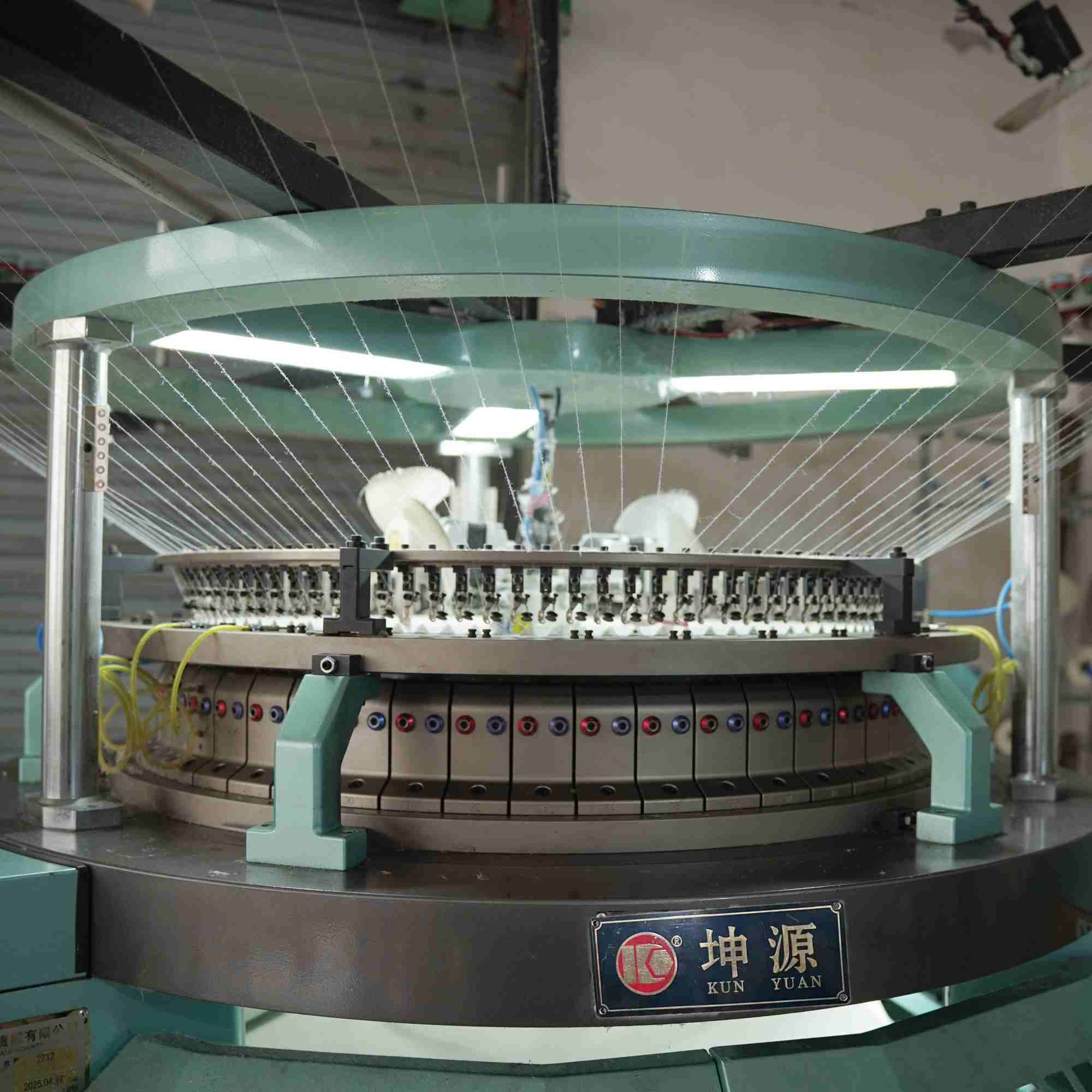
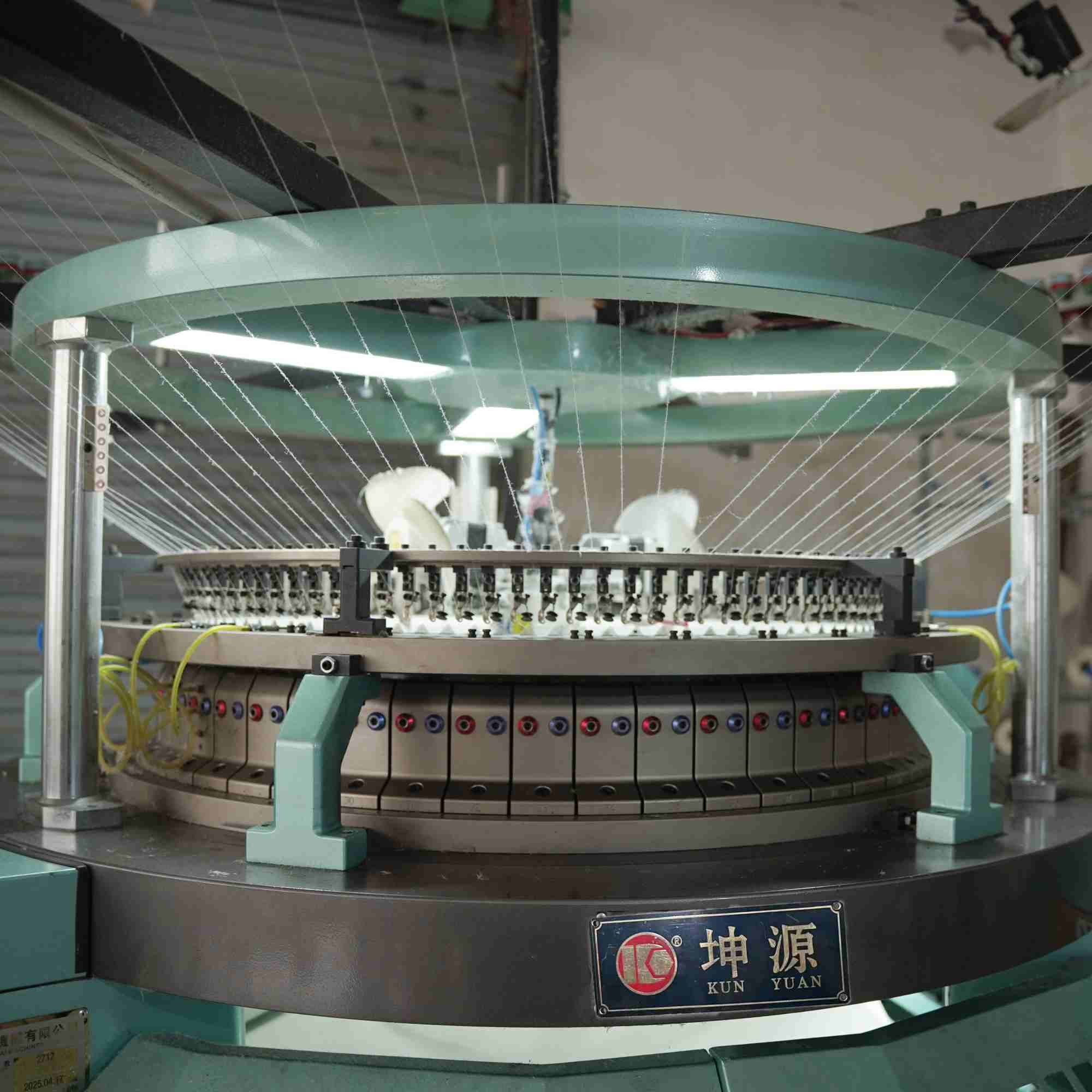
Give each style a number that links artwork, machine-ready data, repeat size, yarn map, settings and physical sample. Keep drafts separate from released files and record who approves a revision. When yarn colour or material changes without an artwork change, create a controlled variant rather than silently overwriting the original recipe.
The style sheet should explain ground and pile duties, viewing face, loop target and finishing condition. Operators need a short first-off checklist for repeat closure, selection accuracy, loop continuity and ground exposure. This prevents a visually acceptable motif from entering production with the wrong yarn assignment or an unrecorded program revision.
| Changeover step | Operator decision | Release evidence |
|---|---|---|
| Select style | Confirm design number, revision and intended size or repeat | Screen/file record matched to the job ticket |
| Prepare yarn map | Load the approved ground, pile and colour assignments | Labelled cones and feeder/selection sheet |
| Knit first-off | Check repeat boundary, motif details, loop condition and face orientation | Marked sample approved before the longer run |
| Close the job | Save settings, deviations, stops and final sample identity | Completed style history for the next order |
If changeover time is evaluated, start when the previous approved style ends and stop only when the new style produces fabric that passes the first-off criteria. Record file loading, yarn work, mechanical adjustments, troubleshooting and rejected transition fabric separately. This reveals where training or preparation can improve without promising a universal number.
Include a return test: after a second style, reload the baseline recipe and compare the new first-off piece with the approved reference. Differences in pattern placement, loop height, ground show-through or surface direction should be investigated and documented. This is stronger evidence of repeat-order readiness than a one-time demonstration.
The offer should state who converts artwork, which file types and control version are supported, how backups are made and what pattern training includes. It should also identify any mechanical or yarn changes required between the buyer’s planned style families. Electronic selection does not remove the influence of yarn friction, stitch formation, take-down or finishing.
Exact diameter, gauge, feeder count and control options cannot be taken from this archived page. Tie the approved trial to the offered model. Retain the greige parent of any washed or finished sample so a change in loop presentation is not incorrectly attributed to the pattern file.
Include source artwork, machine file, repeat dimensions, selection or colour map, ground-and-pile yarn specification, settings, finishing condition, first-off checklist and an identified approved sample.
It is produced with the released recipe and inspected against defined repeat, loop and surface criteria before the job proceeds. Its file revision, yarn lots and machine state are recorded; a display swatch may have none of that traceability.
Separate preparation, file handling, yarn/feeder work, mechanical changes, troubleshooting and rejected transition fabric. End the measurement only after the new style passes inspection, so the number represents production readiness.
No. The archive lacks the labor, waste, style mix and baseline records required. Any economic comparison must use the buyer’s actual change frequency, staffing, material and accepted-quality definition.
This Thailand reference is useful when it prompts a controlled style-library and return-to-baseline trial. Kunyuan can use the buyer’s artwork, yarn maps and priority styles to define a changeover demonstration with traceable first-off samples.

 Tel: +86-13859034518
 Email: info@kunyuanmachine.com
 MP/WhatsApp: +86-13859034518
 Manufacturer Address:Bacuo Village, Yonghe Town, Jinjiang City, Fujian Province