

Hot Keyword:
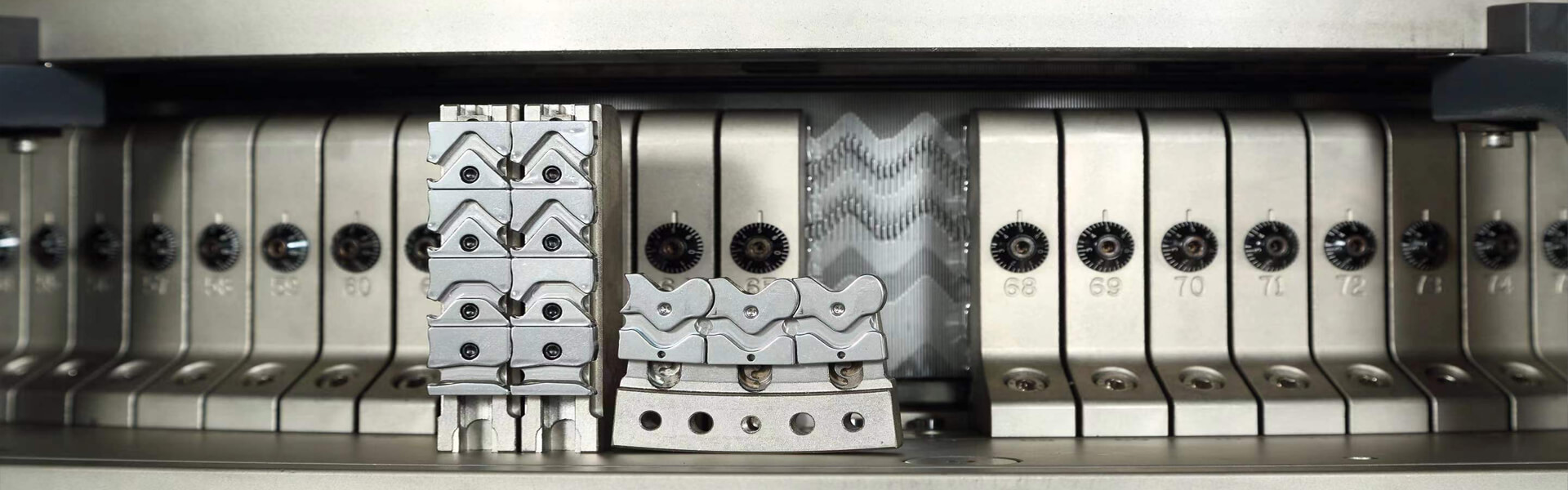
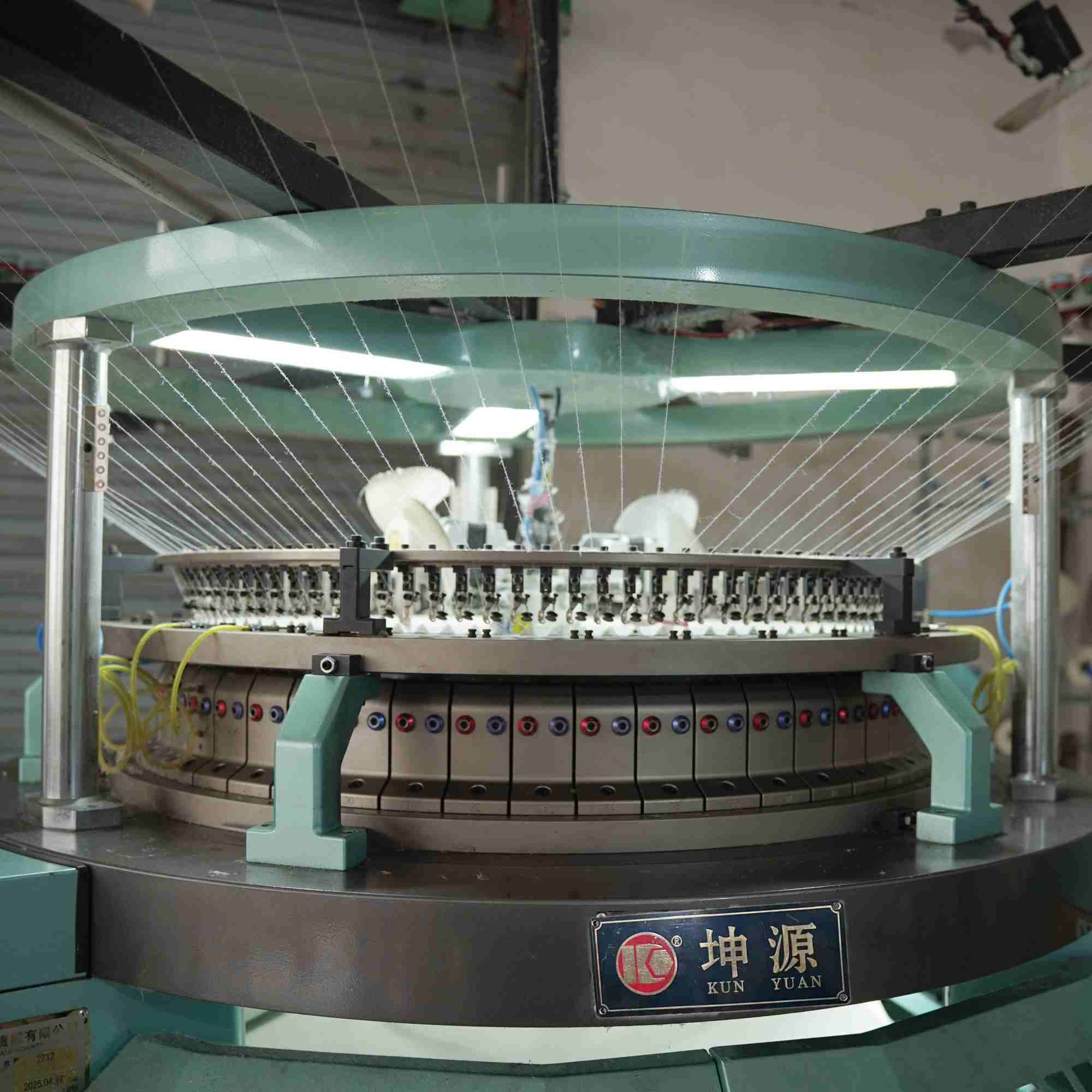
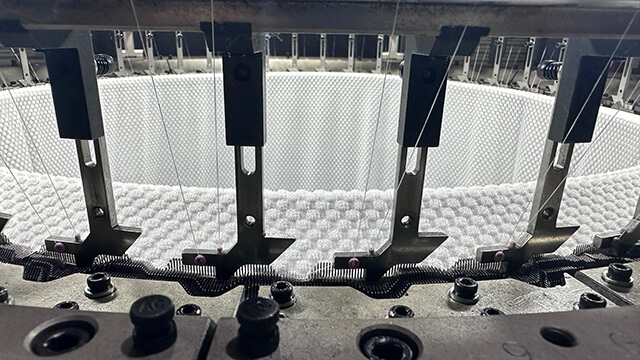
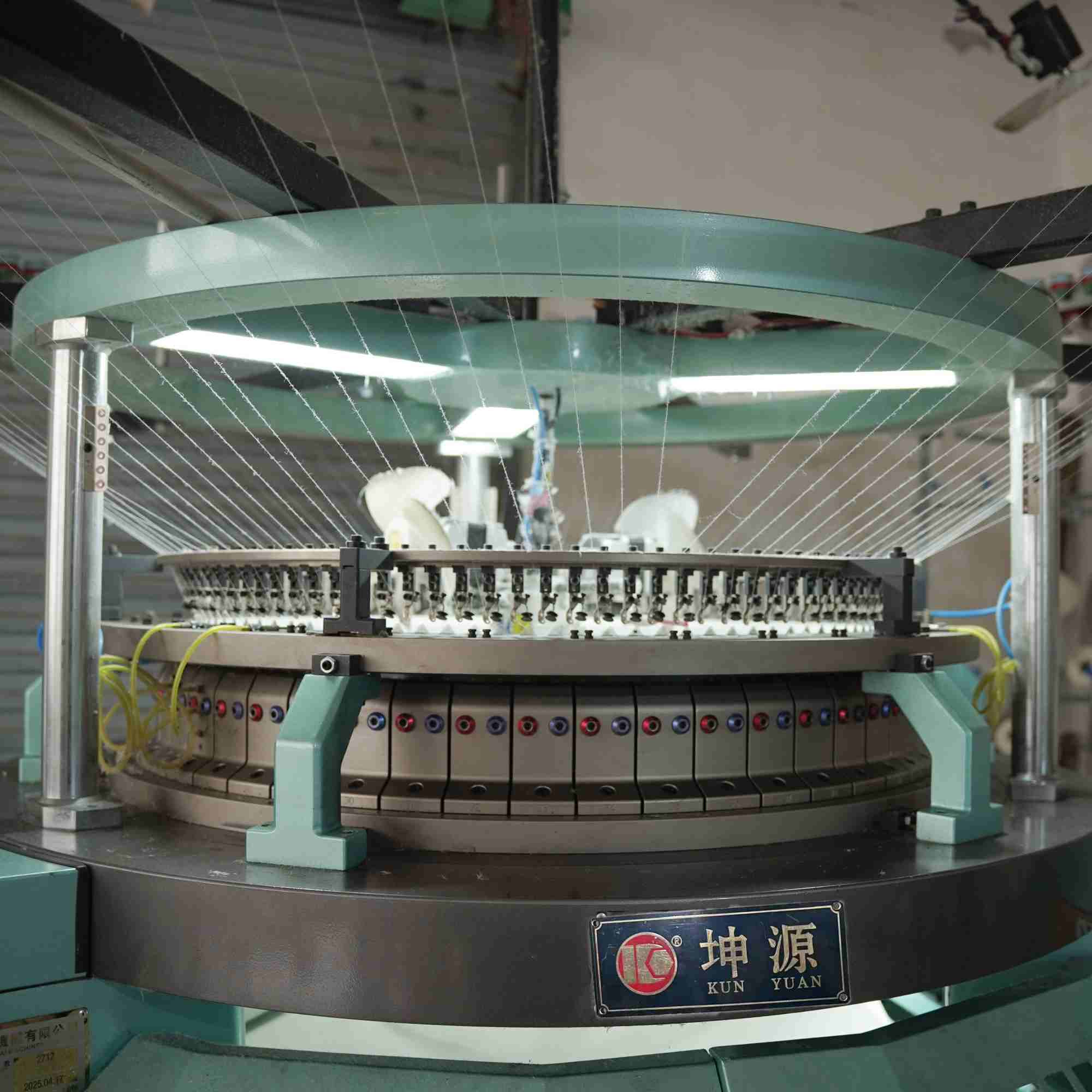
The archive associates a Double Jacquard Circular Knitting Machine with Vietnam and stores several related images. Its earlier story named a company and described a successful transformation without a customer document, exact machine configuration or signed trial report. That name and outcome are not treated as verified evidence here.
This case is instead used to examine what happens after a demonstration sample is accepted. A double-jacquard fabric can depend on pattern data, needle selection, yarn allocation, machine settings, take-down and finishing. If those decisions remain only with the commissioning technician, the factory may struggle to repeat the result on another shift or order. Acceptance should therefore include an operator-ready recipe and a controlled release process.
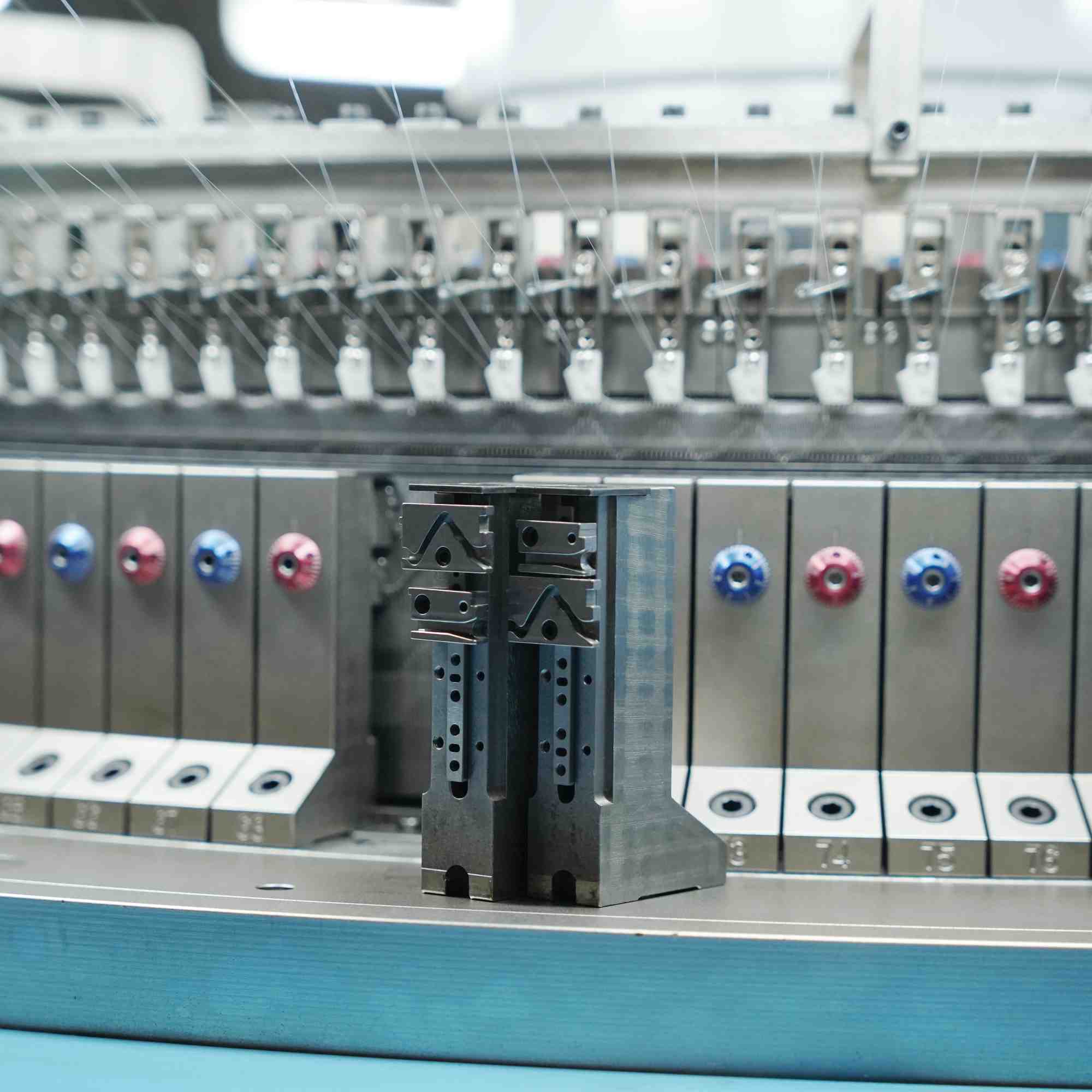
Assign one style number to the artwork, machine file, cylinder/dial selection plan, yarn map, settings and physical reference. Mark the inspection face and, if both sides matter, list separate requirements for each. The recipe should identify the offered machine and control version; a file that works on a demonstration setup is not sufficient unless it belongs to the delivered configuration.
Record yarn supplier, composition, count, colour and lot with feeder duties. If an approved sample uses temporary material, label it clearly and schedule a production-yarn confirmation. Otherwise the factory can receive a technically correct pattern file but fail to reproduce coverage, weight or handle because the material history is missing.
| Handover item | What the operator needs | Release check |
|---|---|---|
| Style identity | Approved file revision, repeat dimensions and face/back orientation | Screen/file record matches the job ticket |
| Mechanical/yarn setup | Needle-selection chart, feeder allocation, change parts and yarn labels | Supervisor signs the start-up comparison |
| Quality standard | Marked motif zones, width/weight limits and accepted greige/finished sample | First-off piece passes before the longer run |
| Deviation history | Stops, adjustments, replaced parts and approved corrections | Next shift can explain every change from baseline |
Use one naming convention for machine positions and one roll map. When a line, band, missed selection or repeat mismatch appears, mark both the fabric and the corresponding course, wale, feeder or machine zone. Add the active style revision and time. A second operator should be able to continue the investigation without relying on memory or translating vague phrases such as “pattern problem.”
After a correction, preserve material from before and after the intervention. If the fabric later receives relaxation or finishing, keep paired specimens. This establishes whether the repair corrected selection, loop formation or yarn delivery and whether the appearance survives the downstream route.
Once the commissioning team produces an approved baseline, reset according to the agreed procedure and let the receiving operators prepare a new first-off piece from the released recipe. Observe which steps require clarification, then revise the work instruction. The goal is not to test individuals; it is to prove that the documentation, labels and training are sufficient.
The archive does not confirm model diameter, gauge, feeders, control options or capacity. Add these to the signed scope along with design-file responsibility, backup method, standard spares and support escalation. Output should be evaluated only after the receiving team can produce saleable fabric using the same quality definition.
Keep a marked greige sample and, when finishing affects appearance, its matched finished piece. Both must carry the style number, file revision, yarn lots, run date and roll position.
Provide a numbered machine-position map, defined defect names and a roll-location method. Attach photographs to the event record, but retain physical before-and-after fabric for important corrections.
At minimum, the correct style file and yarn map, a first-off repeat with approved face/back structure, and the key width, weight and visual checks. Any required technician intervention should be recorded as an open training or documentation item.
No. The archive lacks independently checkable identity and outcome evidence. It records an application context; the new buyer must rely on a configuration-specific trial and a documented handover.
The Vietnam reference becomes useful when it prompts a repeat-order and second-shift test. Kunyuan and the buyer can use one controlled double-jacquard style to verify not only fabric formation but also the recipe, defect map and operator release needed after installation.

 Tel: +86-13859034518
 Email: info@kunyuanmachine.com
 MP/WhatsApp: +86-13859034518
 Manufacturer Address:Bacuo Village, Yonghe Town, Jinjiang City, Fujian Province