

Hot Keyword:
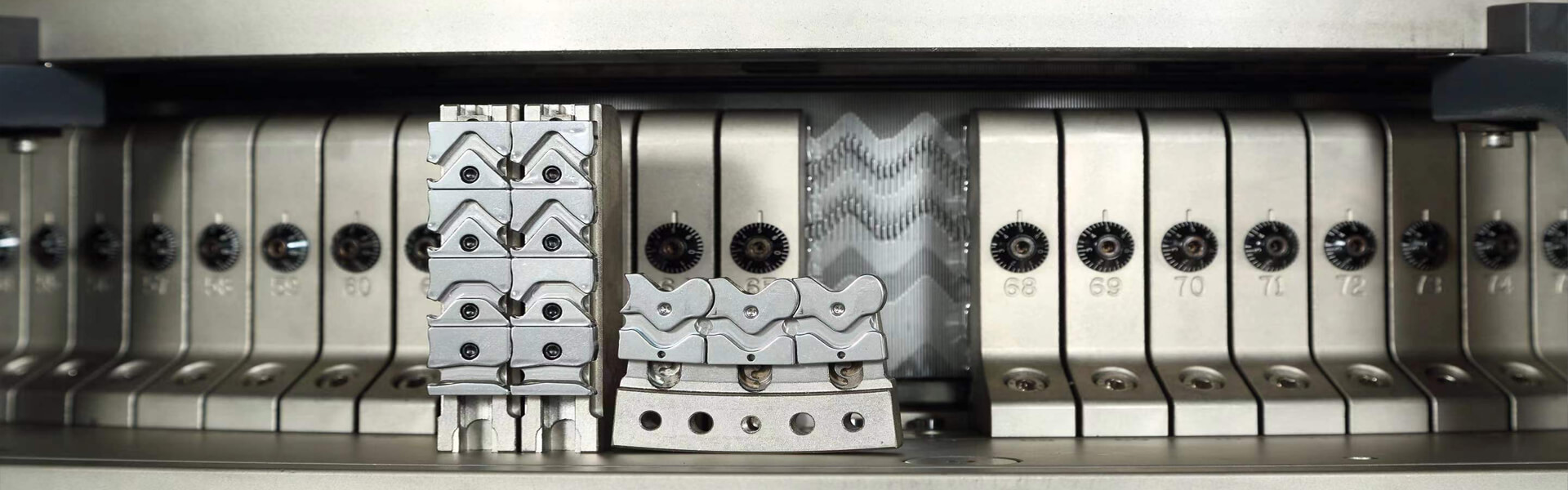
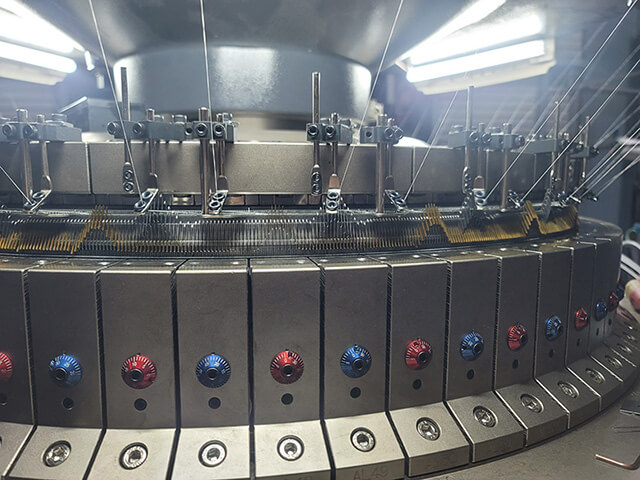
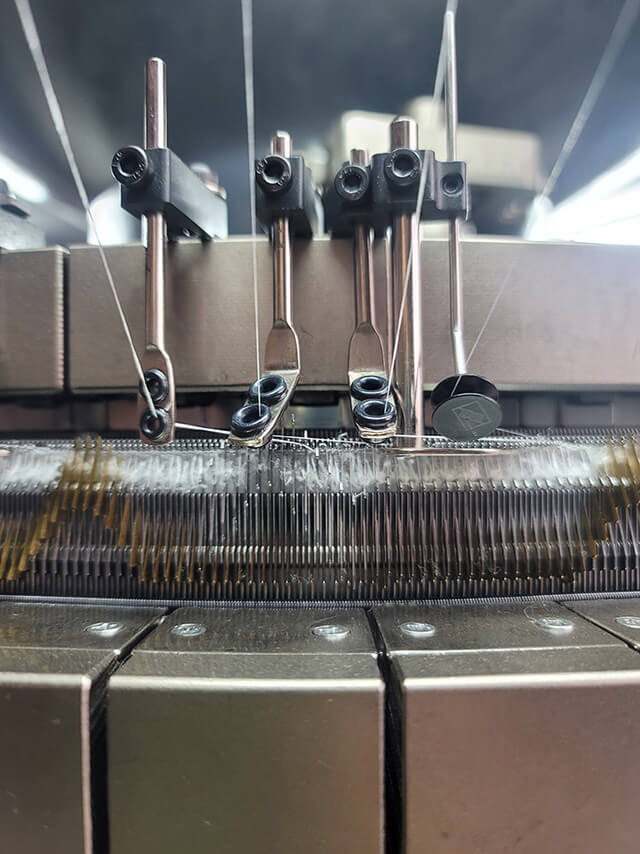
The stored case associates a High Pile Cutting Circular Knitting Machine with Belgium and contains several equipment images. Earlier wording also described shorter production time, lower waste, increased orders and customer satisfaction, but the archive has no dated test data, named sign-off or traceable production report to support those outcomes. The revised page therefore treats the entry as an application reference rather than a performance testimonial.
For a buyer, the central question is not whether cutting sounds more automated than a manual method. It is whether the knitting and cutting systems can create the required pile surface with the proposed yarn, pile height, fabric construction and finishing sequence. The acceptance plan must separate loop formation problems from cutter-related problems; otherwise the operator may adjust the wrong part of the process.
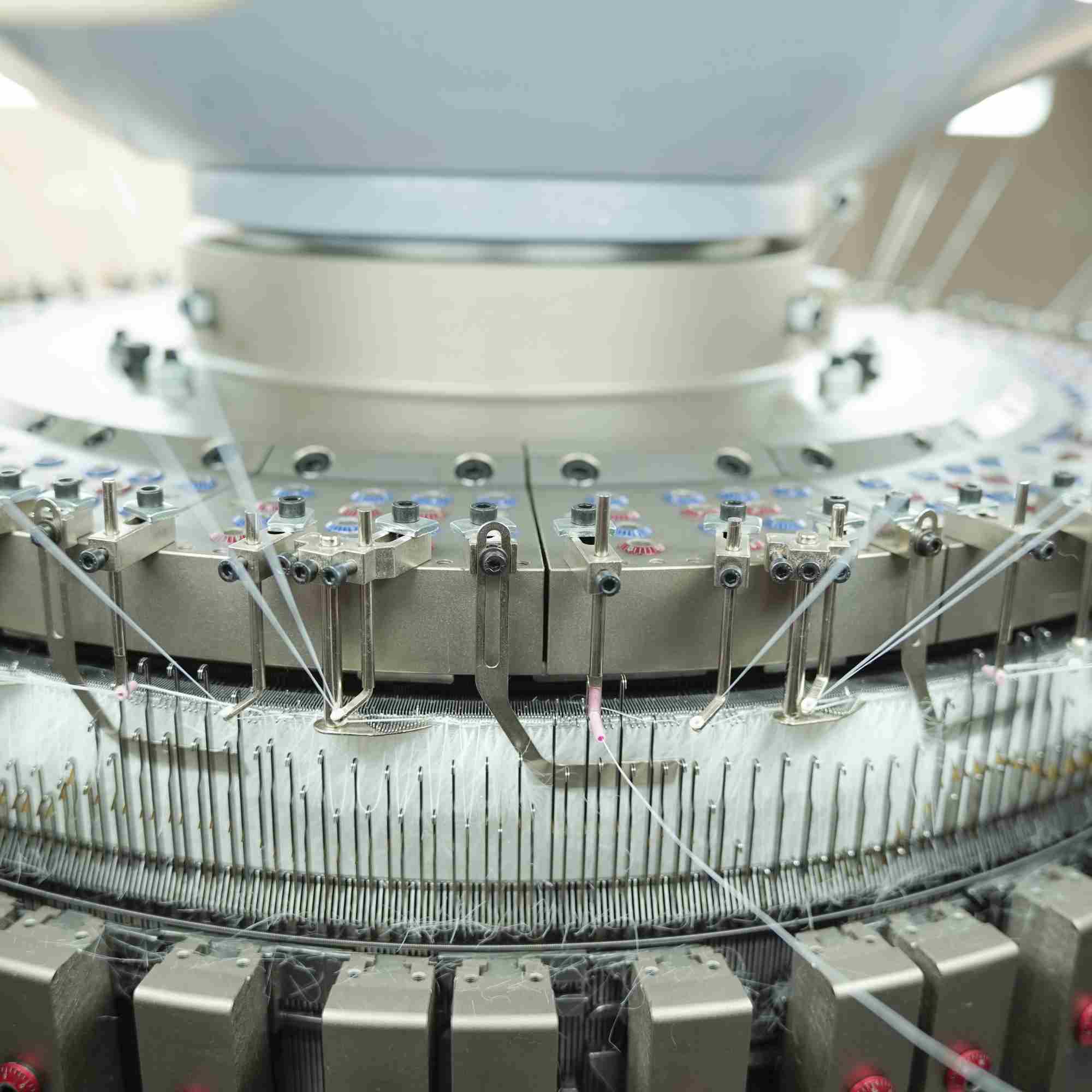
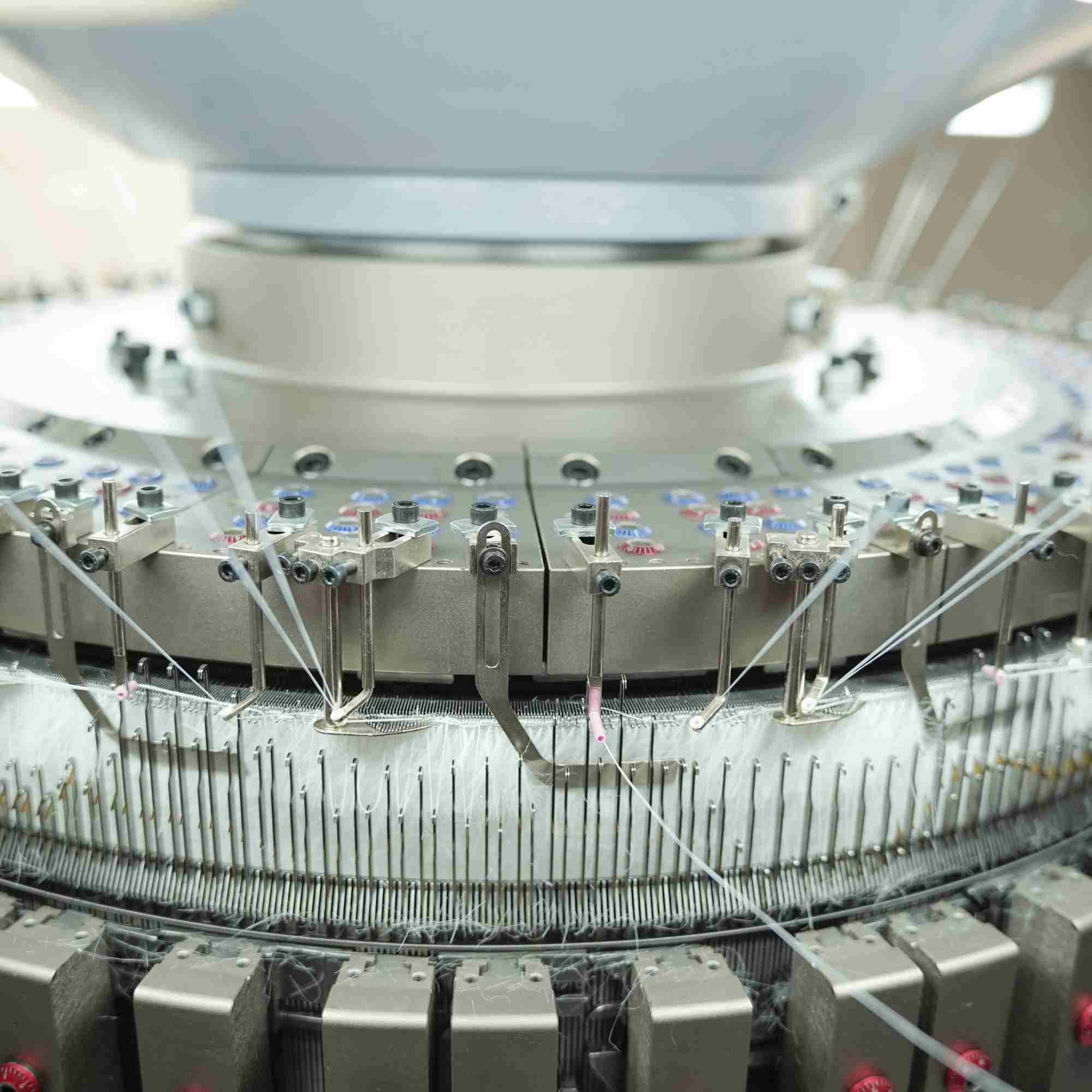
Begin with the final surface. A dense short pile, a longer decorative surface and a faux-fur-style article place different demands on loop formation, holding stability and cutting. The archived language mentions velvet, chenille and faux fur as possible commercial directions, but a buyer should present each intended article as a sample target rather than assume one setup covers every material.
Yarn behavior matters at the cutter. Filament or spun structure, twist, bulk, friction and variation between lots can change the way loops stand and open. The team should record the yarn actually used in the trial and avoid approving cutting quality from a substitute that behaves more conveniently than the planned production yarn.
| Inspection zone | What to examine | Useful acceptance record |
|---|---|---|
| Loop formation before cutting | Loop height spread, missed loops, holding stability and repeating bands | Uncut reference, close-up images and machine-position map |
| Cutting point | Blade condition, alignment, contact behavior and heat or lint accumulation | Maintenance check, adjustment record and guarded inspection note |
| Fabric surface after cutting | Uncut lines, over-cut areas, streaks, loose fibre and pile-direction variation | Beginning/middle/end swatches under fixed lighting |
| Downstream finish | Surface change after washing, brushing, shearing or other agreed treatment | Matched greige and finished samples with roll identity |
When an uncut stripe appears, first determine whether complete loops reached the cutting zone. If the incoming structure is already uneven, changing blade pressure may disguise rather than solve the cause. If loop formation is sound, inspect cutter alignment, wear and contamination at the corresponding machine position. Repeating defects need a position-based record; irregular marks may also point to yarn variation or handling.
Over-cutting deserves equal attention. A surface may appear clean in one small photograph while containing weakened ground, excessive fibre loss or inconsistent pile across the roll. Retain samples from multiple positions, note every stop and identify any section produced after a blade adjustment. A trial is stronger when the operator can reproduce an accepted surface after stopping and restarting, not only during one uninterrupted demonstration.
Cutting equipment adds wear components and cleaning duties that must be understood before purchase. Ask which items are routine consumables, which adjustments require trained maintenance staff, how guards and isolation procedures affect access, and which spares are included. The quotation should distinguish normal cleaning and inspection from alignment or replacement work that requires technical support.
Lint management also belongs in the evaluation. The trial record should show the condition of the cutting area before and after the run, the cleaning interval used, and whether buildup affected surface consistency. No universal service interval can be taken from this archived page; it depends on the offered mechanism, yarn, pile density and operating schedule. Confirm the actual procedure in the machine manual and training scope.
Provide the desired finished surface, yarn specifications, pile-height target, fabric construction, width or tubular requirement and planned finishing route. Where several articles are planned, label them separately and rank which one must drive the initial setup.
Keep an uncut or pre-cut reference from the same trial and inspect loop formation first. Then compare it with marked sections after cutting. A defect map linked to machine position helps show whether the issue begins in yarn feeding, loop formation, holding or the cutter.
Record the reason, machine position, component condition, adjustment made, time and resulting sample identity. Photographs are helpful, but the retained before-and-after fabric makes the change auditable and supports later operator training.
No. The archive does not contain the measurements needed for such a conclusion. Any commercial estimate should state the offered configuration, material, saleable-quality definition, run conditions, planned maintenance and the method used to calculate usable output and waste.
This Belgium reference establishes a machine-family context and provides visual material, but purchasing confidence comes from a controlled high-pile sample and a documented cutter-maintenance routine. Kunyuan can review the buyer’s yarn, surface target and finishing sequence and then define what must be demonstrated on the proposed configuration.

 Tel: +86-13859034518
 Email: info@kunyuanmachine.com
 MP/WhatsApp: +86-13859034518
 Manufacturer Address:Bacuo Village, Yonghe Town, Jinjiang City, Fujian Province