


Hot Keyword:
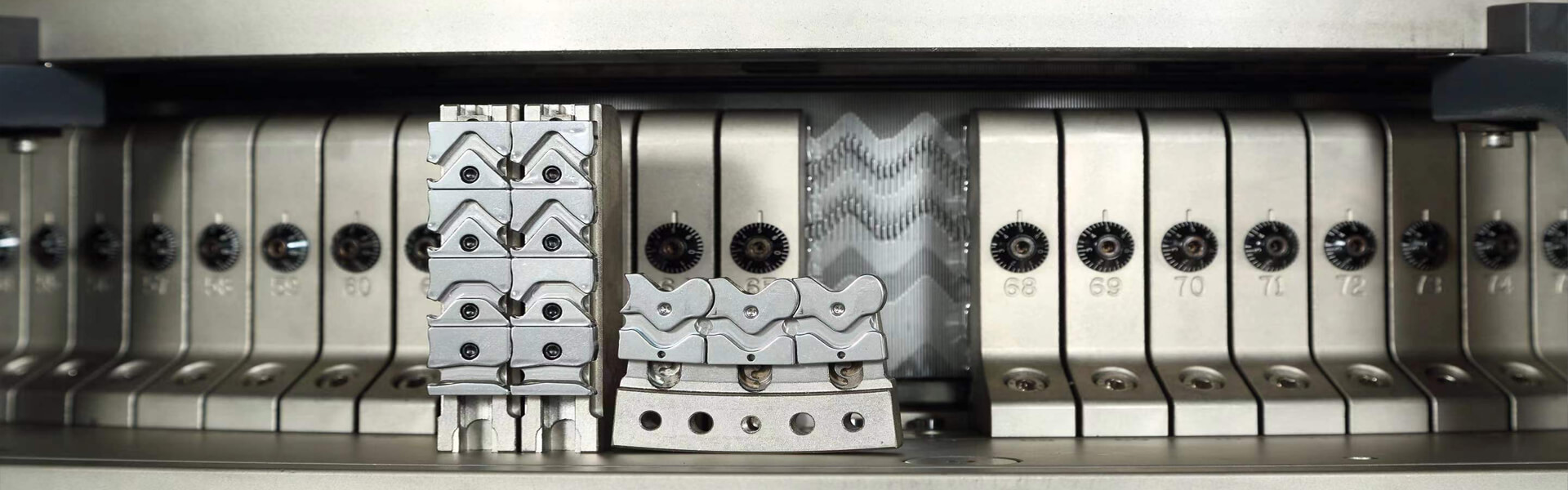
This archived page connects a High Pile Cutting Circular Knitting Machine with Pakistan and stores several relevant images. It formerly described a textile manufacturer, expanded product lines and market leadership without attaching a verifiable customer identity or production report. The revised case keeps the application reference and uses the old mentions of velvet, chenille and faux-fur-style surfaces only as trial directions, not as confirmed commercial results.
The decision problem here is product-range feasibility. A machine may form and cut one pile article well while requiring different yarns, parts, settings or finishing for another. The buyer should therefore present a small, ranked sample matrix and ask for a separate evidence trail for each surface instead of treating “versatility” as one unchecked claim.
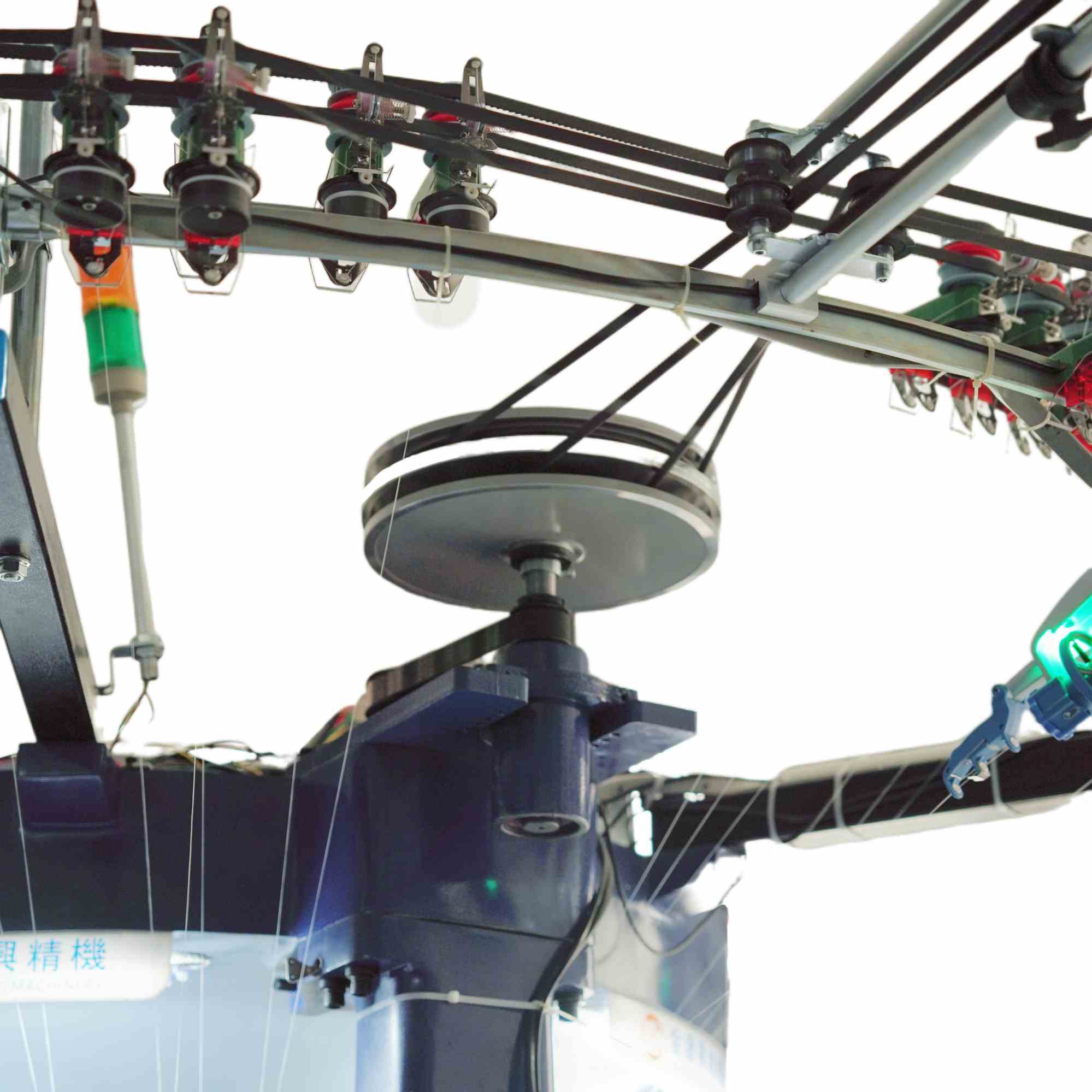
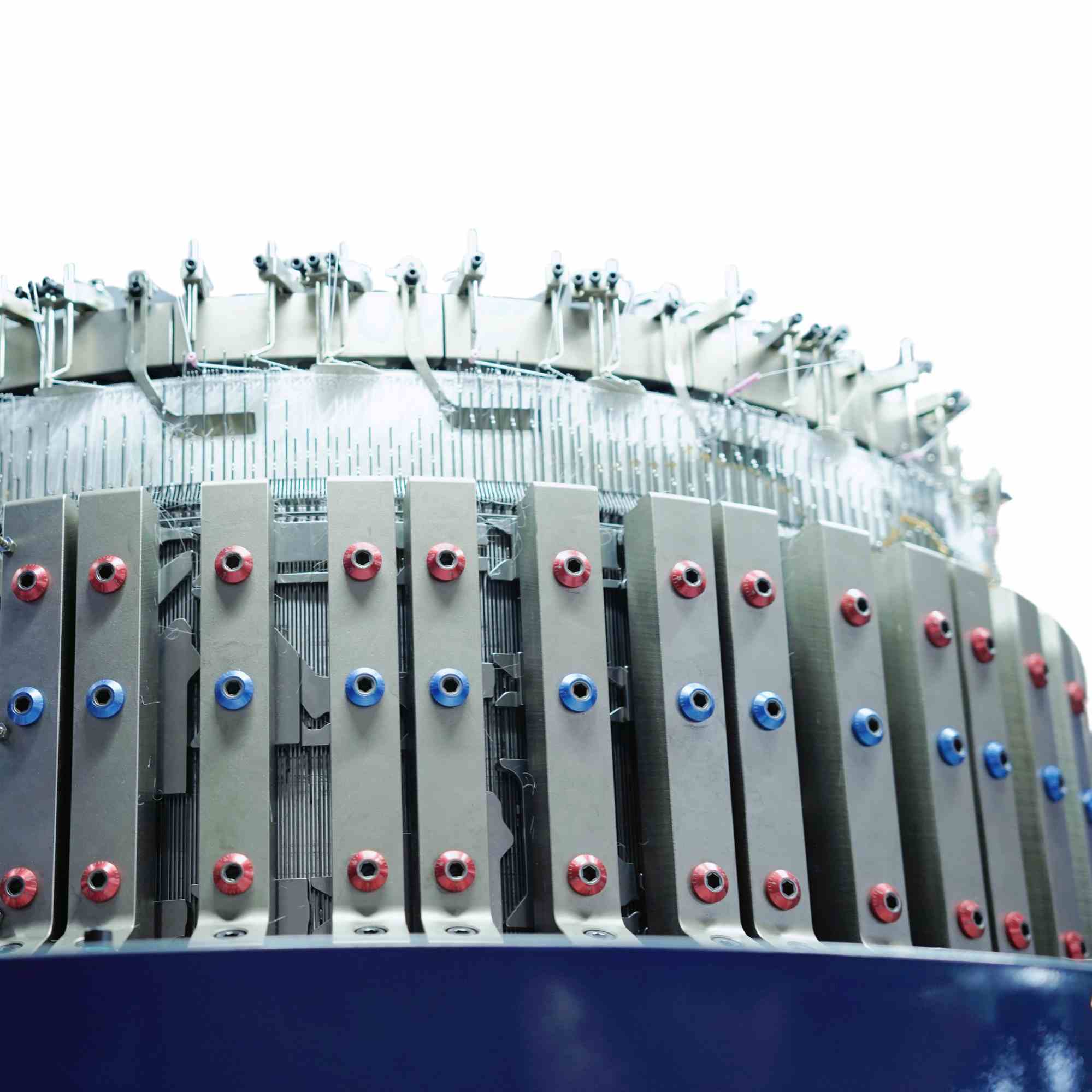
Choose a primary article that represents the intended business and one or two secondary concepts that test meaningful variation. For each, specify yarn composition and count, ground construction, pile target, colour, finished width, handle and downstream process. Physical references should be labelled so surface appearance is not discussed through names alone.
Define which differences require a configuration change. A longer pile, denser surface or alternate yarn may affect loop stability, cutter behavior, lint load and take-down. The supplier should identify standard adjustments, optional parts and articles that need a separate feasibility study. This creates a realistic product-development plan without implying that every decorative surface is available from one unchanged setup.
| Sample concept | Main proof question | Controlled evidence |
|---|---|---|
| Primary high-pile article | Can the offered configuration create stable loops and a uniform cut with the planned production yarn? | Extended trial roll, defect map and retained finished standard |
| Alternate surface | Which yarn, pile or finishing change creates the visual difference? | Change list, labelled cones and paired samples |
| Boundary style | Does the concept need different parts, settings or further development? | Written feasibility decision and open-item list |
| Return to baseline | Can operators restore the accepted primary article after a change? | Baseline setting sheet and post-change verification sample |
Surface defects often appear after a stop, package change, cutter adjustment or style conversion. Mark these events on the roll and inspect the following section for uncut bands, over-cut areas, loose fibre and pile-direction changes. A clean central swatch does not prove that the process recovers consistently after intervention.
When a defect appears, check whether complete loops reached the cutting zone before changing the cutter. Compare the uncut structure, yarn delivery, holding condition and the cutting position. Preserve before-and-after pieces whenever an adjustment is made. That sequence supports training and reduces the temptation to accept a correction that merely moves the problem.
A multi-style plan should include change parts, routine cutting consumables, critical spares, cleaning tools and training. Ask how cutter inspection is performed safely, which work requires isolation and who is authorized to adjust or replace components. Confirm whether trial material, design development and finished-sample preparation are included or buyer supplied.
The Pakistan archive contains no reliable output, waste or payback measurement. Commercial estimates should be prepared separately for each approved article using saleable output, not headline machine speed. State the material, run time, quality limits, maintenance assumptions and rejected-fabric treatment used in the calculation.
Use one primary surface and only enough secondary concepts to test important variation. Too many loosely defined swatches make it difficult to establish a stable baseline or understand which configuration produced each result.
List every yarn, feeder, pile, cutter, take-down and finishing change; record start and finish times only after defining when saleable quality resumes. Keep the post-change sample and the restored baseline sample.
Locate it on the roll, inspect incoming loop formation and yarn delivery, then examine cutter condition at the related machine position. Record the correction and compare fabric on both sides of the intervention.
No. The archive does not contain orders, sales records or signed customer evidence. It identifies an application theme. Each intended surface still requires a documented feasibility and acceptance result.
This Pakistan reference is a starting point for comparing high-pile concepts without overstating archived outcomes. Buyers can share ranked samples and yarn details with Kunyuan to define a primary configuration, boundary tests and evidence for returning to the approved baseline.

 Tel: +86-13859034518
 Email: info@kunyuanmachine.com
 MP/WhatsApp: +86-13859034518
 Manufacturer Address:Bacuo Village, Yonghe Town, Jinjiang City, Fujian Province