

Hot Keyword:
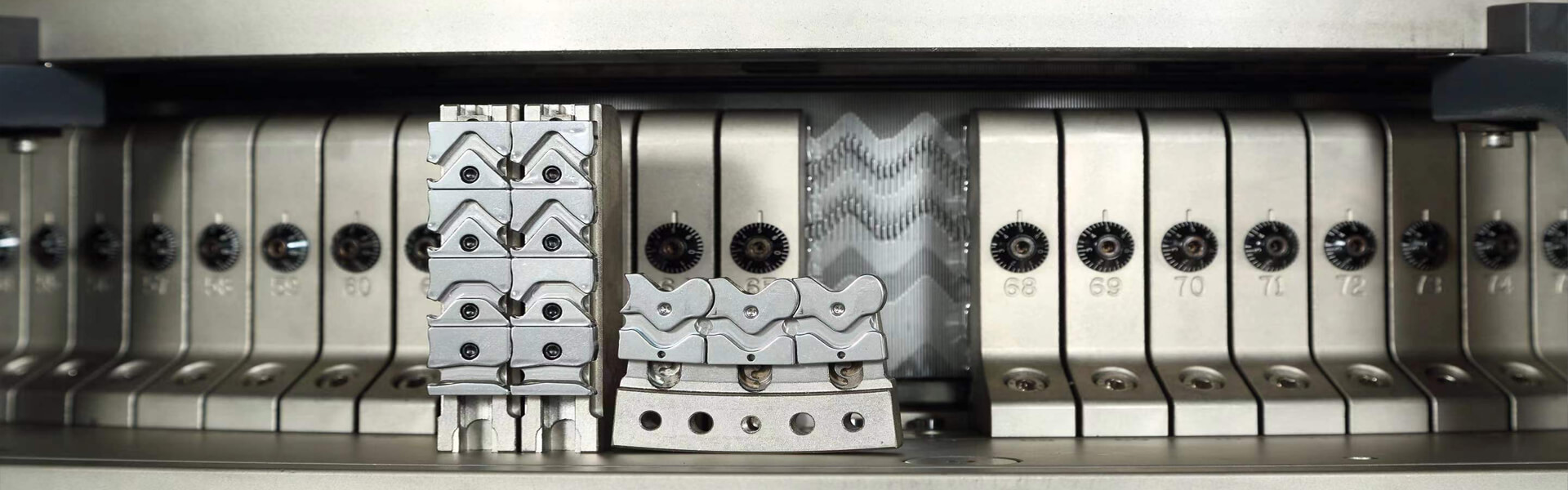
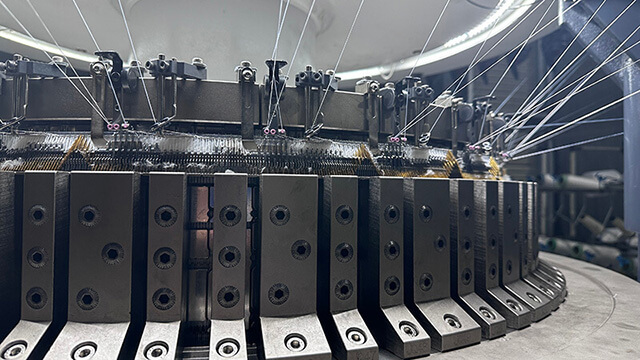
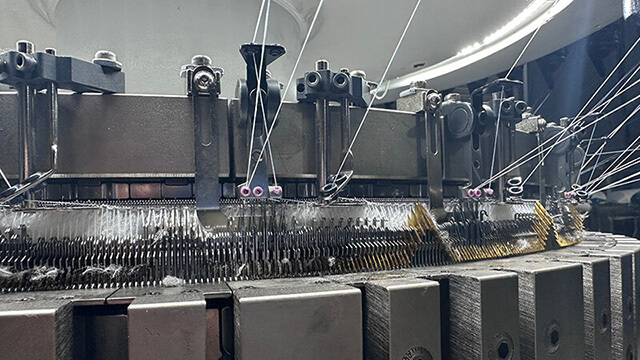
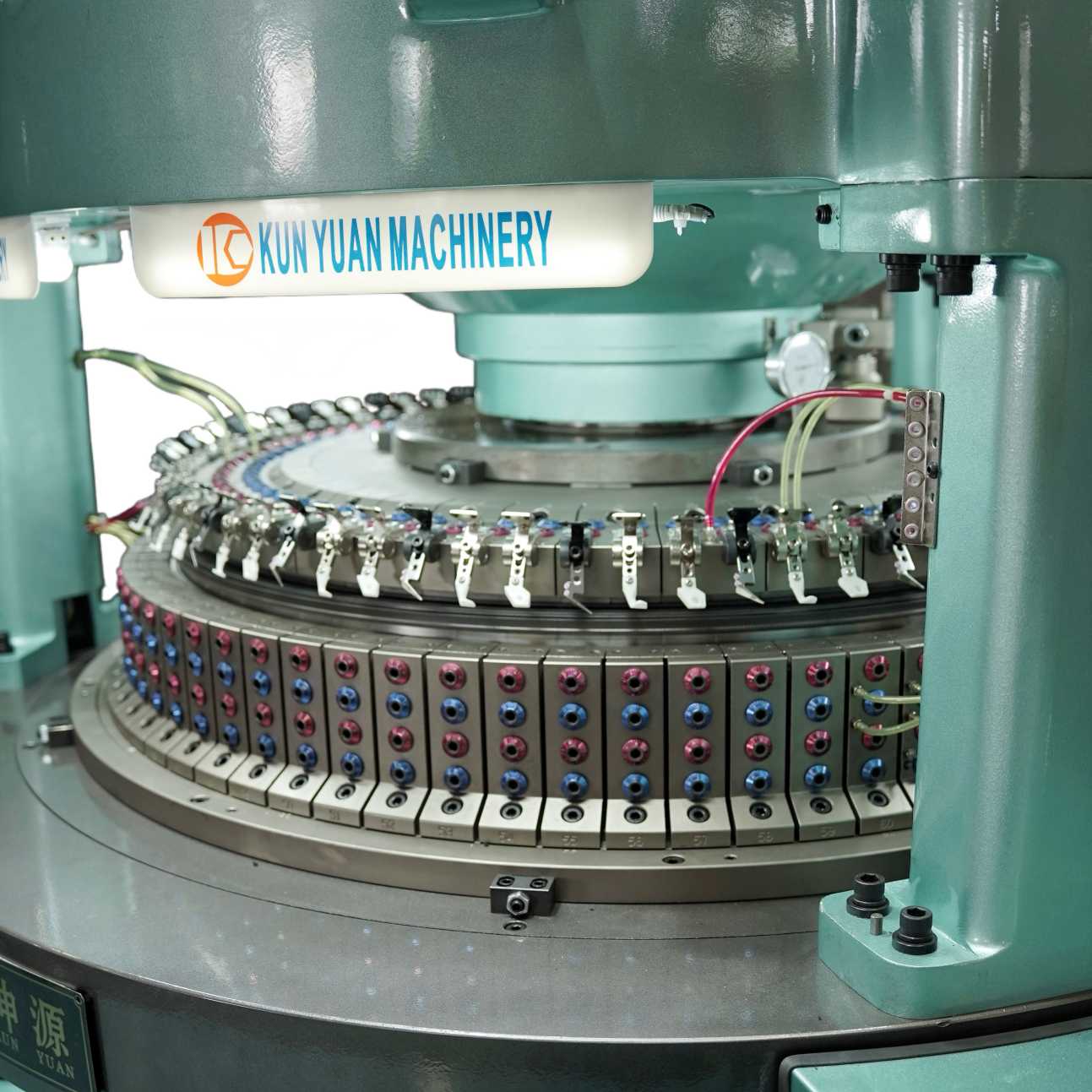
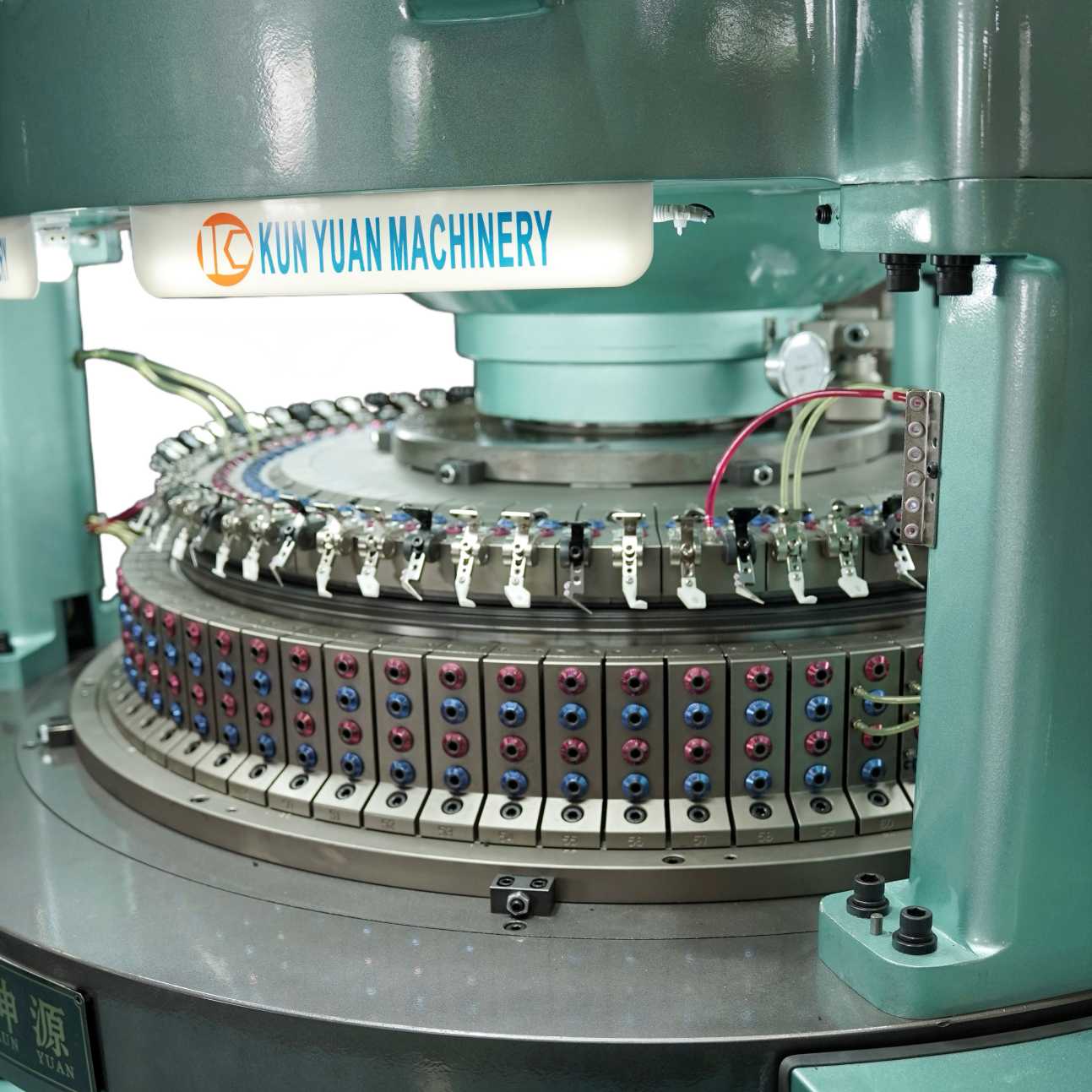
This case archive identifies a High Pile Jacquard Circular Knitting Machine application in Brazil and retains photographs related to that machine family. The former article described a prominent manufacturer, market growth and achieved business benefits without attaching a verifiable customer identity, configuration sheet or measured result. Those statements are not carried forward as facts.
What remains valuable is the technical challenge implied by the machine type: the pattern must remain recognisable while the pile construction creates depth and surface character. A buyer evaluating this equipment should convert a creative concept into controlled knitting information, then judge both motif execution and pile behavior after the planned finish. Country and machine photographs can provide context, but they cannot replace that material proof.
Start with the design at its intended scale. Fine lines, isolated pixels, tight curves and small gaps may behave differently once represented by needles, yarn and pile. The design team should identify which elements are essential, which can be simplified and how repeat boundaries should meet. Keep the editable source and number every machine-ready revision so a sample is never approved against an unknown file.
Next add the construction map. State which yarns build the ground and pile, how colours or selections are assigned, which face is judged and what pile contrast is expected between design areas. This prevents the artwork operator, knitting technician and buyer from using the same words for different structures.
| Development stage | Decision specific to high-pile jacquard | Controlled output |
|---|---|---|
| Artwork review | Protect key outlines, determine repeat size and simplify elements below practical knitting resolution | Approved artwork with revision number and marked priority details |
| Yarn/construction mapping | Assign ground, pile and colour duties; record yarn count, composition and lot | Feeder or selection map tied to labelled cones |
| Knitting sample | Check repeat closure, selection accuracy, pile continuity and ground stability | Marked trial swatch plus settings and stop log |
| Finished review | Evaluate motif legibility, pile direction, height variation and dimensional movement | Finished reference paired with its greige parent sample |
A crisp selection pattern can still fail commercially if pile movement hides an outline after finishing. Conversely, a uniform pile may reveal missed selections or a visible seam at the repeat boundary. Inspect the fabric at normal viewing distance and close range. Use fixed lighting and orientation, then mark whether an issue belongs to artwork interpretation, selection, yarn delivery, loop formation, take-down or finishing.
Sampling should include transitions, not only the easiest central area of a motif. Examine edges between high-contrast zones, narrow features, large solid fields and the point where the repeat closes. Continue the run long enough to determine whether registration or pile presentation drifts. Preserve early, middle and later pieces with roll positions, since a single square sample cannot show stability over time.
High-pile jacquard value often depends on changing designs without losing control of the process. A useful demonstration includes at least one agreed revision: load the controlled file, verify its identity, apply the correct yarn map and produce a sample that can be compared with the approved artwork. Record manual interventions and the checks required before the machine returns to stable operation.
The commercial scope should also identify who supplies design conversion, how files are backed up, which control version is offered and what operator training covers. These are not proven by the photographs. Diameter, gauge, feeders, supported pattern functions and included accessories must be written into the quotation for the exact machine. If the buyer plans several radically different pile articles, each needs a feasibility decision rather than a broad promise of versatility.
Choose a repeat containing the features that matter commercially: a boundary, a fine detail, a broad field and at least one transition between pattern areas. Supply the editable source, intended scale, colour key and a visual reference of acceptable interpretation.
Agree on viewing face, direction, lighting, relaxation and finishing condition. Photograph marked sample locations and retain physical greige and finished references. Note pile gaps, directional streaks, hidden outlines and height changes separately instead of combining them under “surface quality.”
Keep the file revision, operator steps, yarn map, settings, stop record and labelled output. Repeating the same revision after a controlled changeover provides better evidence than showing many unrelated swatches with no production history.
No. The archive does not include measurements or customer documents that verify those statements. Output, changeover time, waste and commercial results must be evaluated for the buyer’s material, design mix, operating practice and acceptance definition.
The Brazil record points to a high-pile jacquard application; it does not guarantee that every drawing or yarn will run on one configuration. Share the artwork, construction map, pile target and finishing method with Kunyuan so the proposed machine and trial can be judged against a traceable design rather than general success language.

 Tel: +86-13859034518
 Email: info@kunyuanmachine.com
 MP/WhatsApp: +86-13859034518
 Manufacturer Address:Bacuo Village, Yonghe Town, Jinjiang City, Fujian Province