


Hot Keyword:
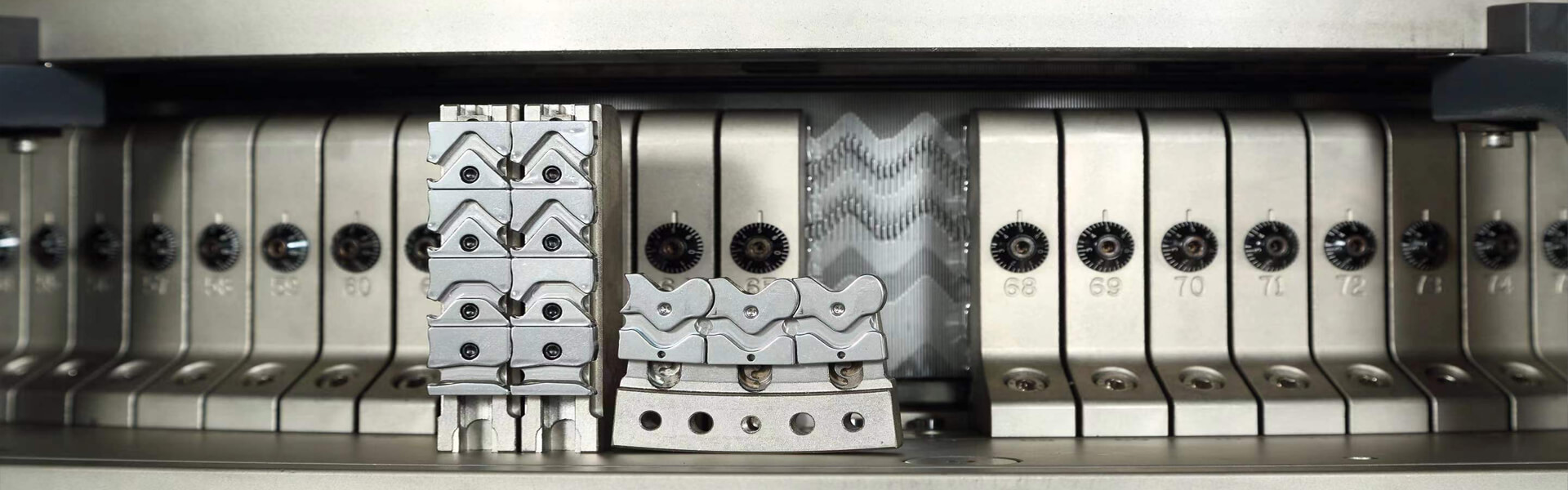
This record links a High Pile Jacquard Circular Knitting Machine with Morocco and retains three related images. Its old copy described a leading manufacturer and operational improvements without a named report, exact specification or measured result. The revised page keeps the country and equipment subject but does not convert those unsupported statements into customer evidence.
For this machine family, a motif that is readable in greige fabric may soften, shift or become partly hidden after pile treatment. The buyer’s acceptance plan must therefore protect design intent through the complete finishing sequence. Pattern selection and pile formation are judged together, while greige evidence is retained to explain later surface changes.
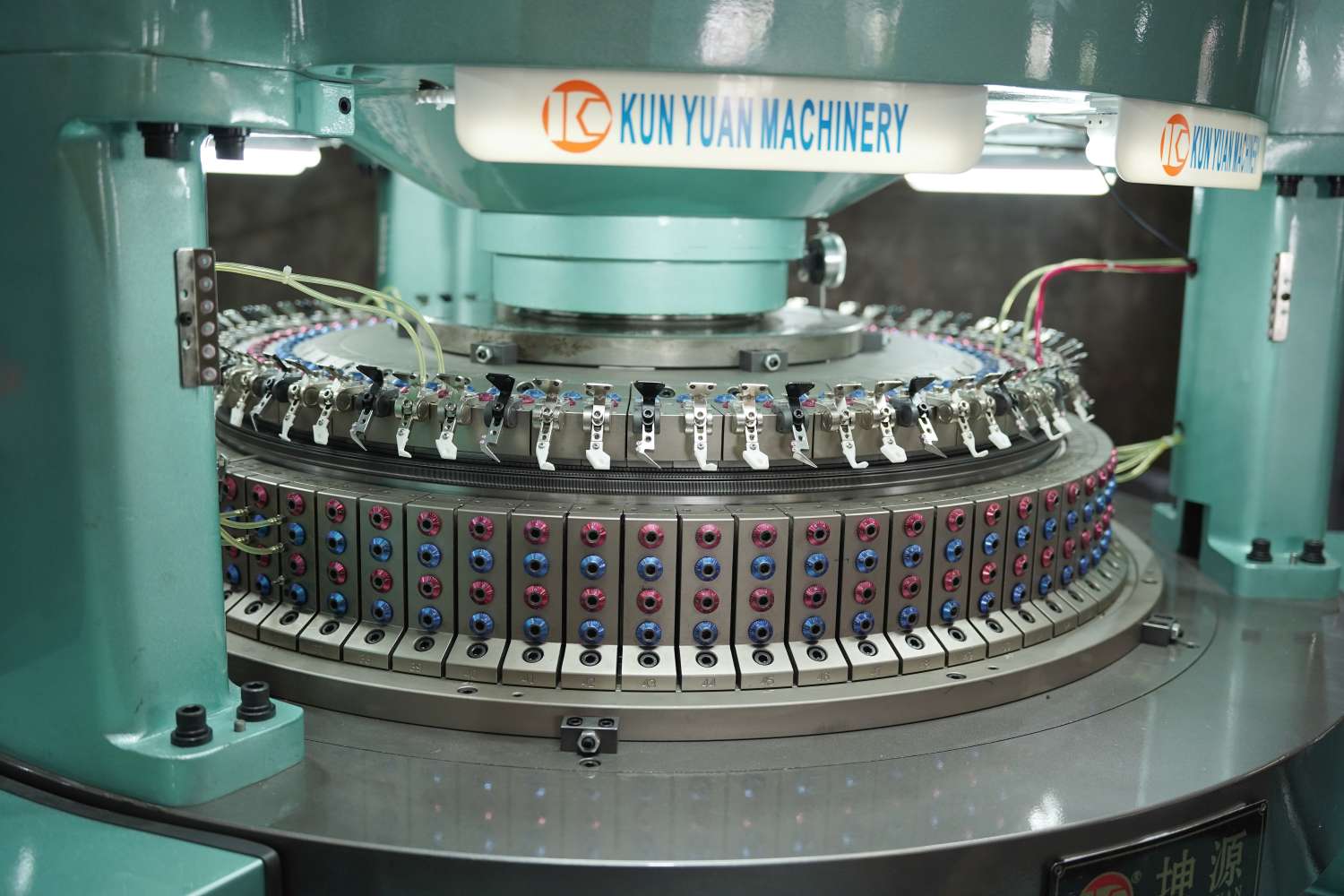
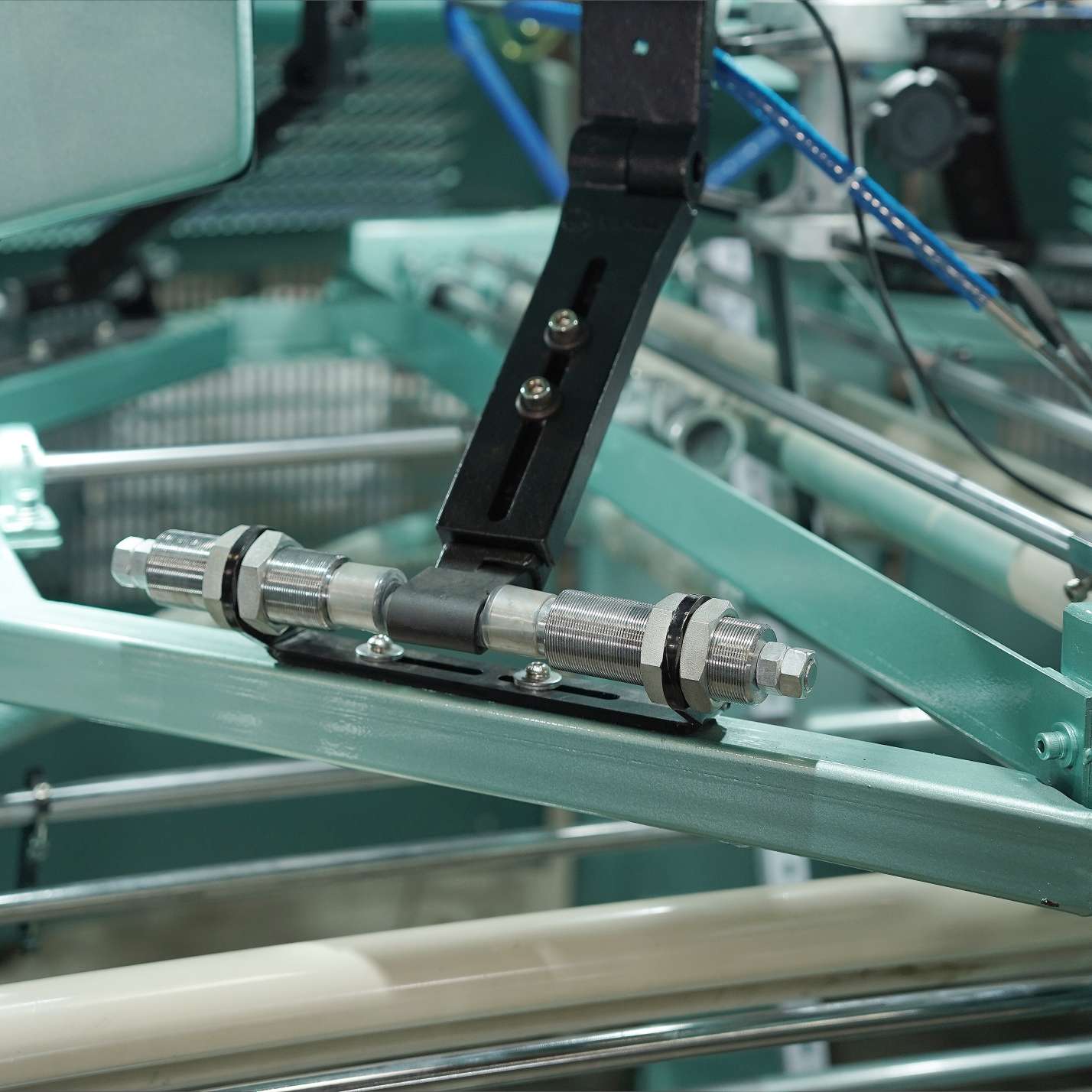
Mark narrow outlines, small gaps, sharp corners, colour transitions and repeat edges on the artwork. State which details are essential and which may be simplified. Add intended pile height, direction, face and viewing distance. This helps the design technician convert the image without assuming that every digital feature will remain equally visible in a raised or brushed surface.
Yarn choice should be documented by function. Ground and pile yarn composition, count, twist, colour and lot can influence coverage and movement. If a finishing test uses different material, its result must be separated from the production-yarn approval.
| Motif zone | Greige question | Finished-surface question |
|---|---|---|
| Fine outline | Is selection continuous and the boundary closed? | Does pile spread obscure or break the outline? |
| Large field | Are loop height and density even across the area? | Does brushing create directional streaks or patchiness? |
| Colour transition | Is yarn assignment correct at the edge? | Do fibres migrate enough to blur the intended separation? |
| Repeat seam | Does the design meet without a selection gap? | Is the seam visible after the pile is oriented and finished? |
Create a marked coordinate map for the trial roll and remove paired pieces from corresponding positions. Inspect the greige face first for selection, repeat closure, loop continuity and ground stability. After the agreed treatment, assess motif clarity, pile direction, surface evenness and dimensional movement under fixed lighting and orientation.
If the finished design looks weak, compare the paired greige section before changing the pattern. Correct selection faults in the design or machine path; investigate even greige loops that move during finishing through pile construction, material and finish settings. This sequence prevents the electronic pattern from being distorted to compensate for an unrelated surface process.
The first sample should be a development article, not an automatic production approval. Record revisions to artwork, selection map, yarn plan and finishing conditions. When the buyer approves a version, lock the released files and reference samples. Later changes should receive a new revision rather than replace the history.
No exact gauge, diameter, feeder count, control version or output is verified by this archive. Require them in the model-specific quotation together with pattern-conversion responsibility and any finishing assumptions. A capacity statement should reflect the approved design mix and saleable surface, not only machine speed.
Choose the commercially important fine details, transitions, solid areas and repeat boundary. Include enough variation to reveal pile-related visibility risks without using an unnecessarily complex collage.
High-pile appearance changes with viewing direction and light. A defined inspection orientation makes comparisons reproducible and prevents normal directional shading from being confused with a knitting defect.
Keep coordinate-matched greige and finished samples, the active file revision, yarn map and finishing record. If selection is correct before treatment but appearance changes later, the investigation can focus on pile and finishing conditions.
No. The archived page includes no measured baseline or signed result. Commercial performance must be tested with the intended design, yarn, finishing route and agreed defect limits.
This Morocco reference identifies a high-pile jacquard use case. Buyers can provide Kunyuan with artwork, yarns and the finished visual standard and request a trial that preserves matching greige evidence for every approved surface decision.

 Tel: +86-13859034518
 Email: info@kunyuanmachine.com
 MP/WhatsApp: +86-13859034518
 Manufacturer Address:Bacuo Village, Yonghe Town, Jinjiang City, Fujian Province