


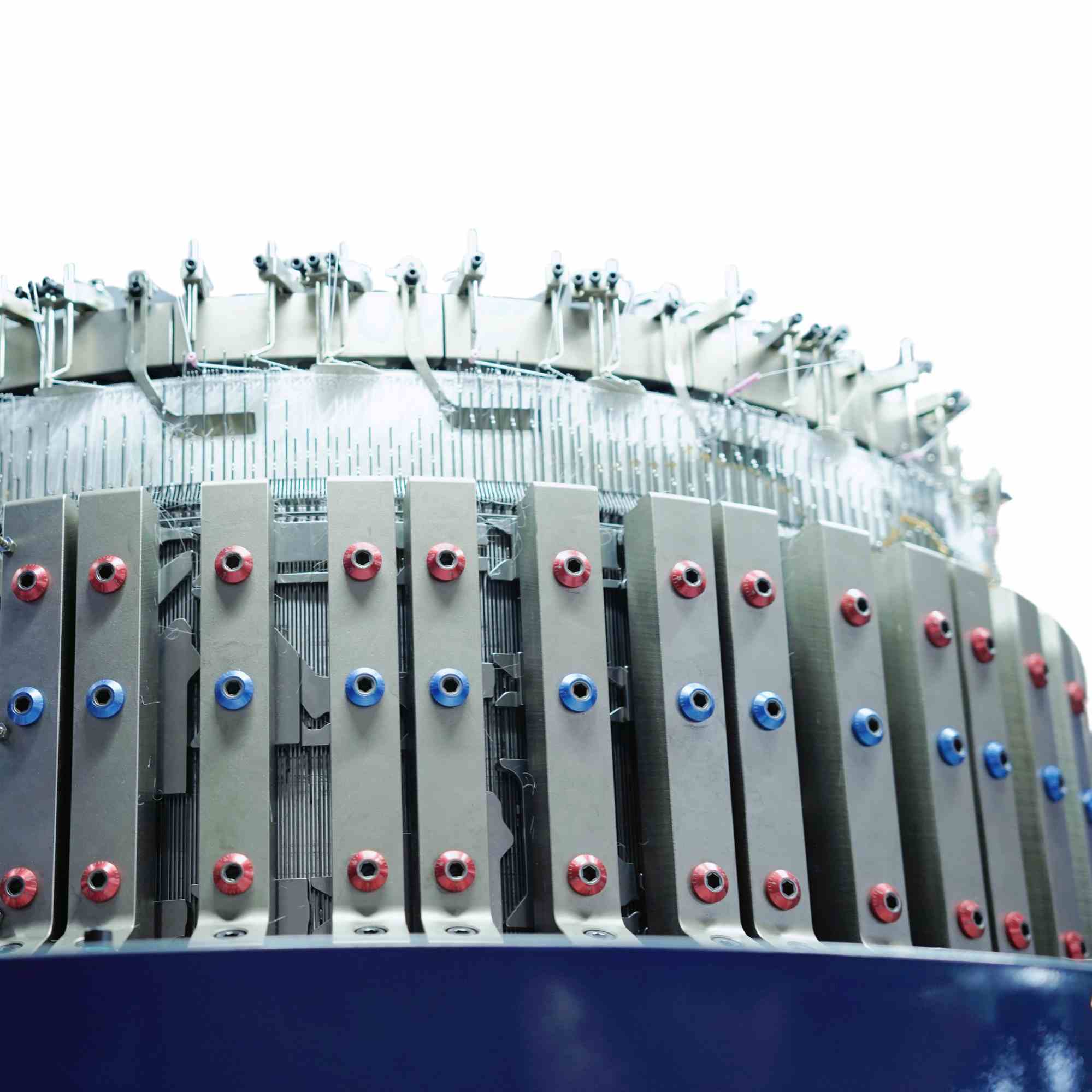
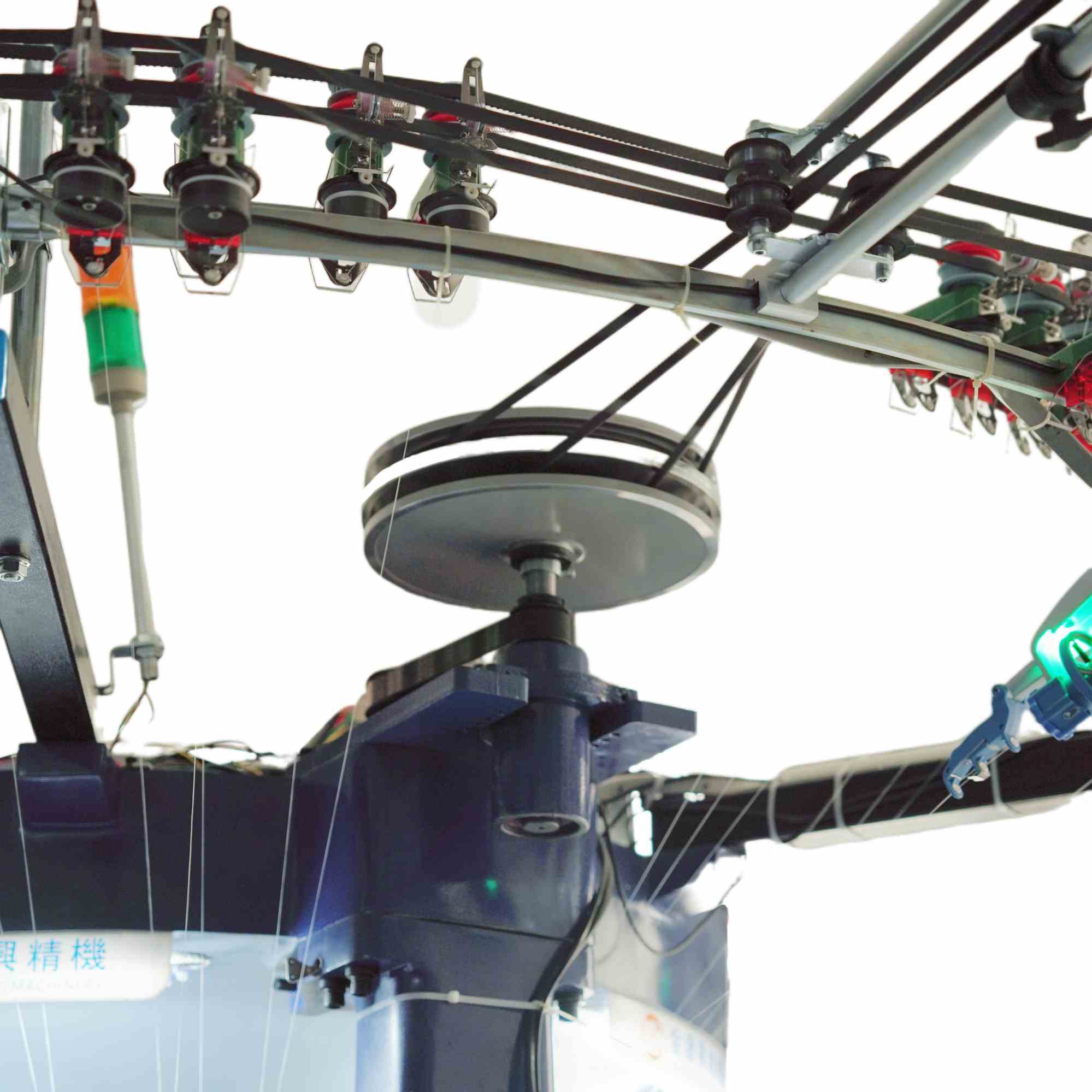
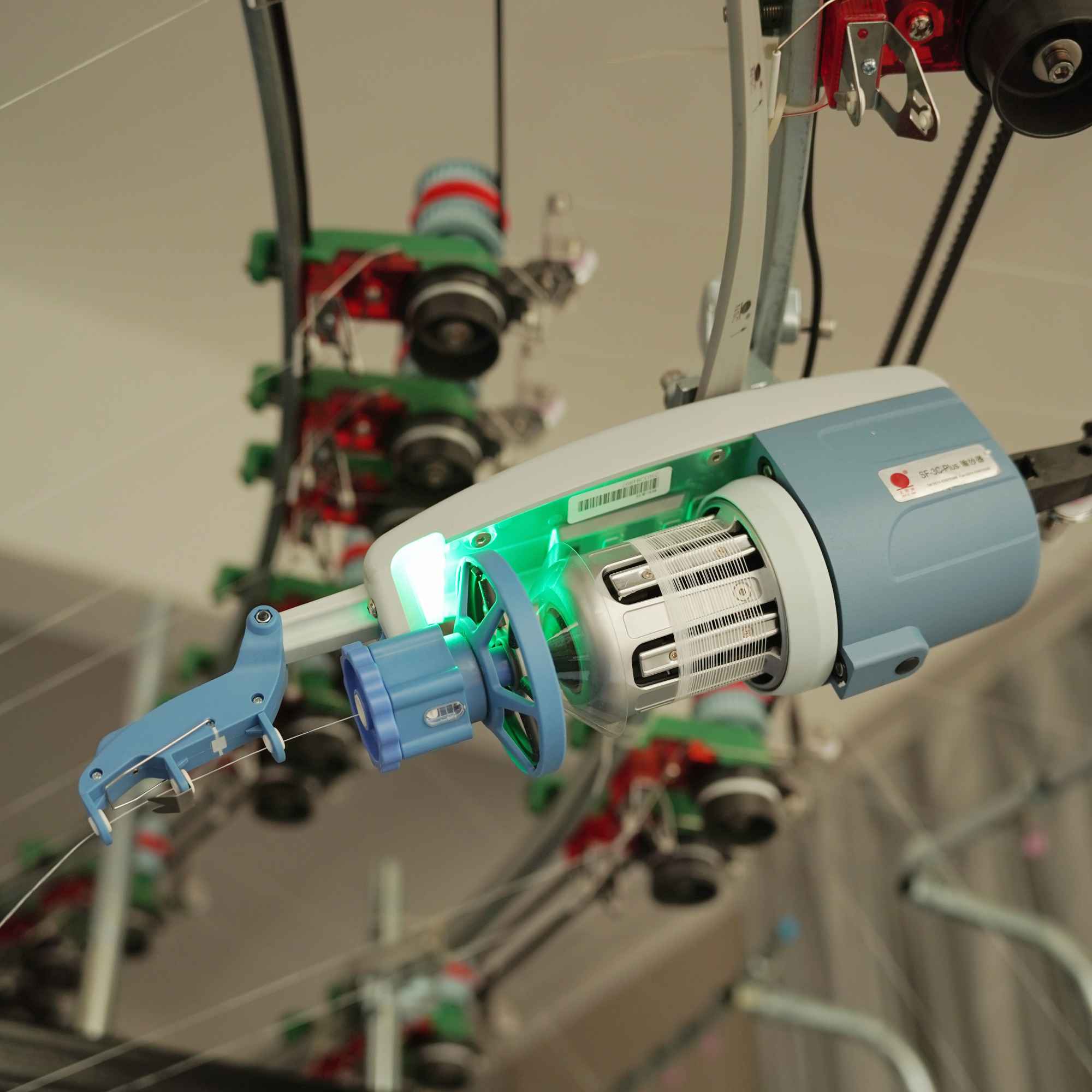
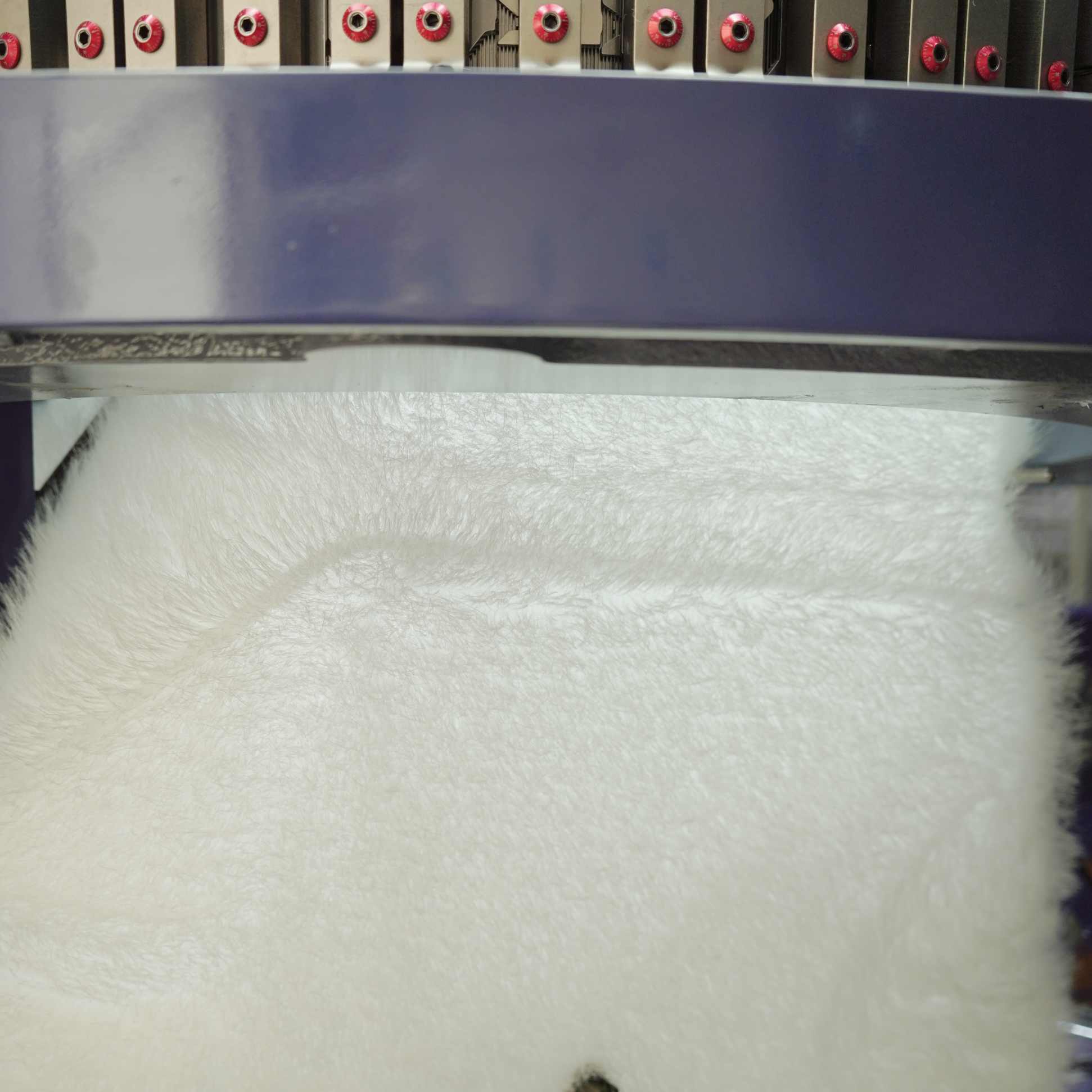
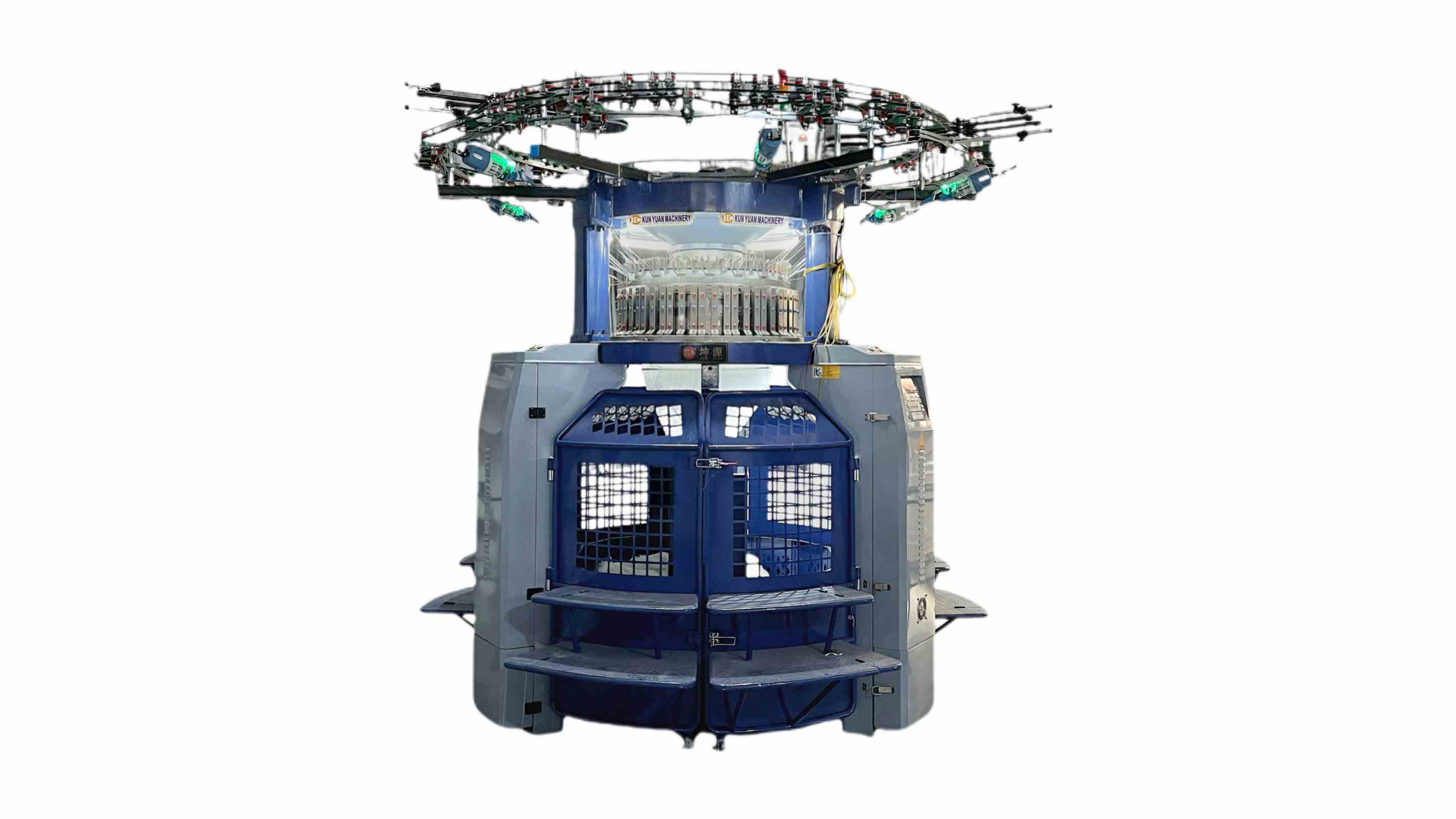

Staged raising
Compare labelled samples after each pass instead of pushing directly toward maximum intensity.

 Price:
Negotiable
Price:
Negotiable
Model:
NET Weight:
2.5 tons
Diameter:
Gauge:
Feeder:
Certification:
ISO,CE
Applicable Yarn Material:
RPM:
Wooden Box Size:
2.25m*3m
Place of Origin:
CHINA.
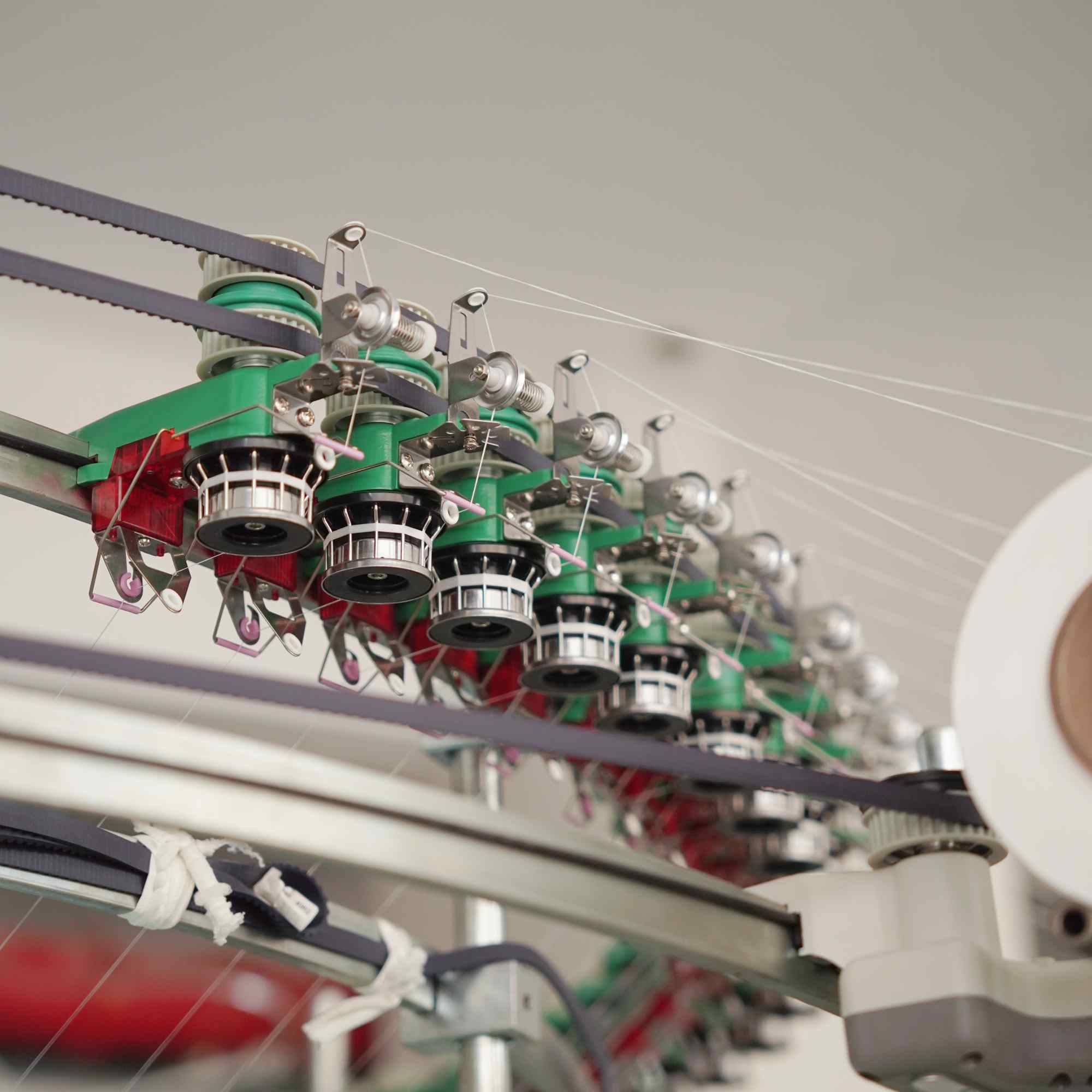
The product belongs in the machine catalogue, but its job starts after fabric has already been knitted. Raising lifts surface fibres to build warmth and a softer hand; intermediate shearing removes excessive or uneven fibre so the next pass begins from a more controlled surface. Treating it as another circular knitting model would hide the decisions that actually affect the buyer.
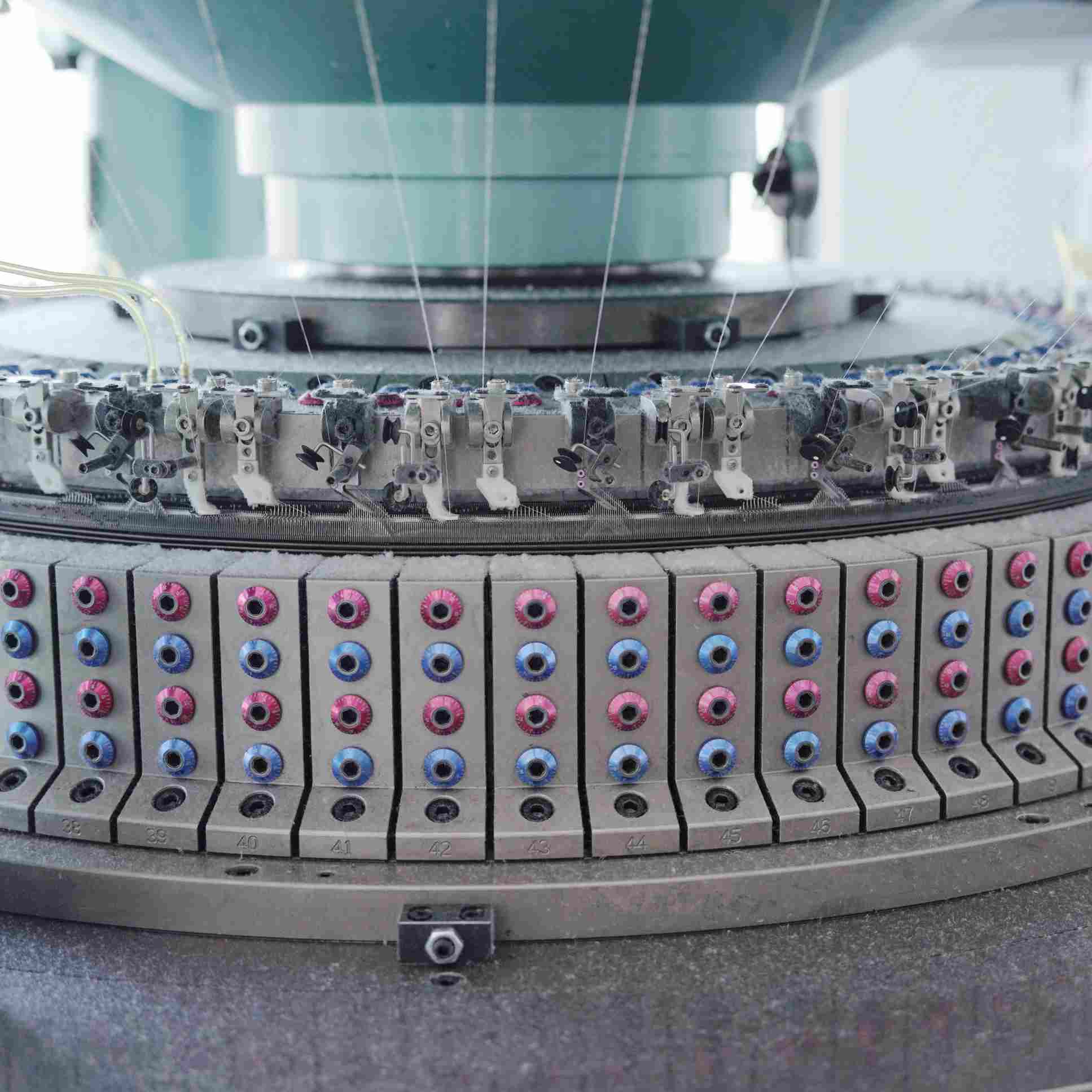
Kunyuan’s cleaned record retains a 1.75 m working-width reference, 26 upper and 13 lower needle references, and 18 recorded stations. Those labels need confirmation in the model-specific technical sheet because the archive does not fully explain their mechanical arrangement. They should not be converted into a production claim without a drawing.
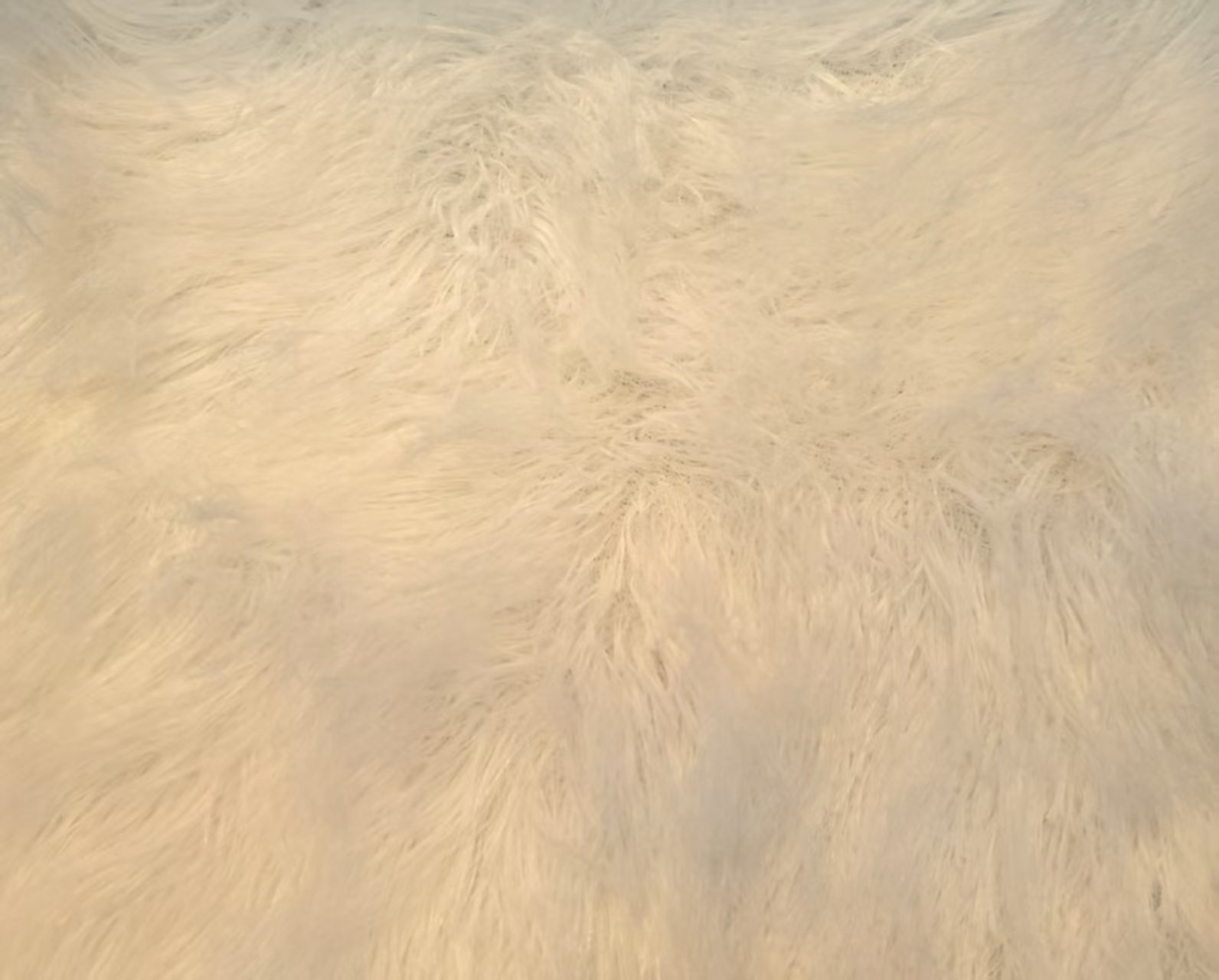
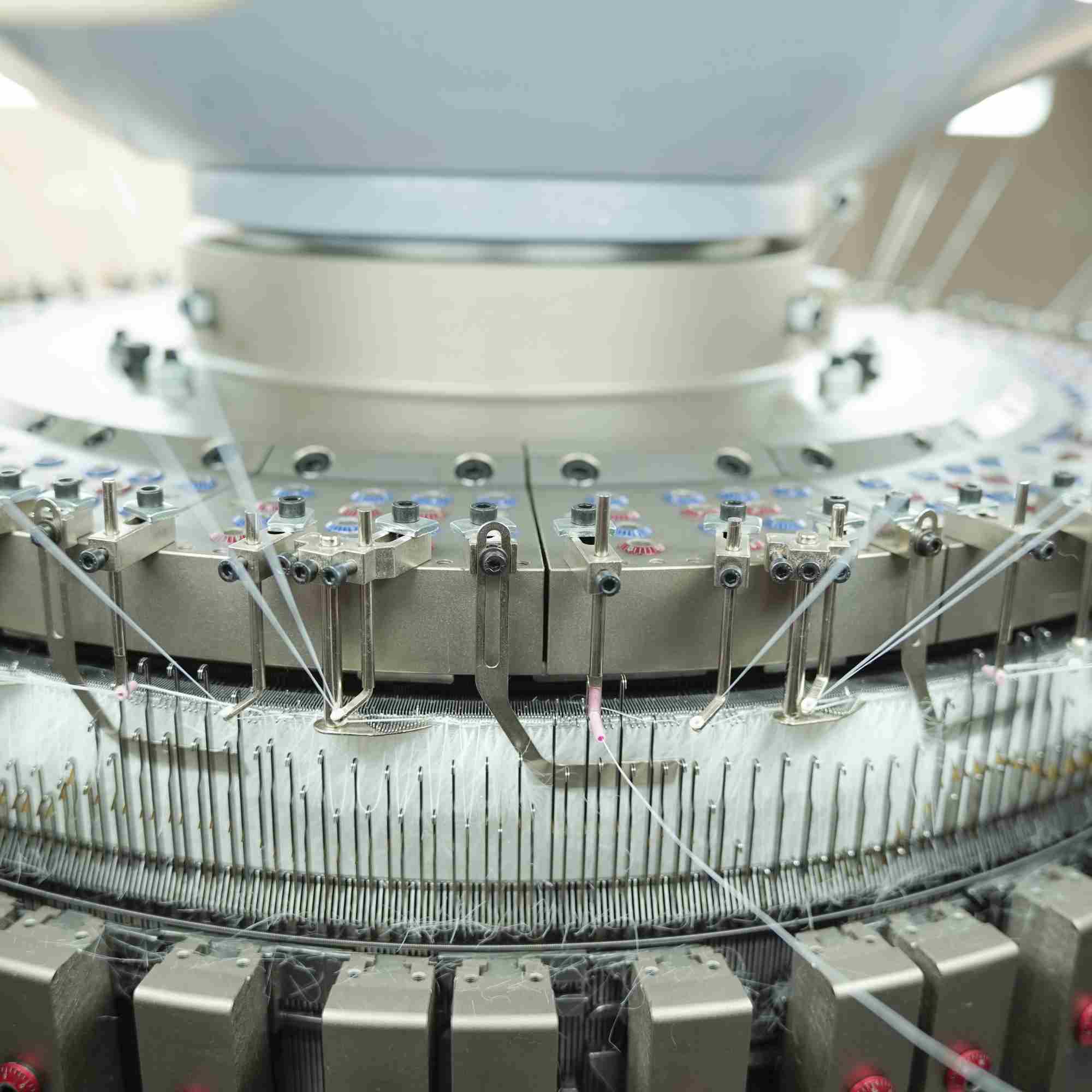
Send an unprocessed fabric sample together with fibre composition, construction, greige width, weight and any prior finishing. Then describe the target surface: light peach, fuller nap, more uniform fleece or another named reference. The face and back may require different work, and a cotton-rich sweatshirt fabric may not use the same pass plan as a synthetic pile fabric.
Raising intensity, fabric tension, line speed, number/direction of passes and shearing setting interact. Too little action leaves a flat or patchy surface. Too much can reduce weight, expose the base, weaken yarns or create visible tracking. The approval sheet should record the settings used for every pass.
| Trial input | Why it matters | Record after each stage |
|---|---|---|
| Incoming composition/construction | Fibres and loop structure respond differently to raising | Source roll and sample ID |
| Working width | Must fit the recorded 1.75 m route with handling allowance | Entry and exit width |
| Pass number and direction | Builds surface gradually and can reveal tracking | Pass sequence and machine settings |
| Intermediate shearing | Controls high fibres before another treatment | Shear setting and waste observation |
| Cleaning/extraction | Loose fibre affects surface and machine condition | Cleaning interval and lint record |
Cut and label a sample before processing, after the first raising pass, after intermediate shearing and at the proposed final state. View all pieces under the same light and direction. Compare surface evenness, hand, visible tracks, base exposure, width, weight change and any holes or edge damage.
Do not approve “soft” by touch alone. Use the buyer’s reference sample and a simple ranking by multiple reviewers, plus measurable width/weight and any required strength or pilling test performed by the mill. If the finish is two-sided, document each side separately so an improved face does not hide damage on the reverse.
Loose fibre accumulates quickly in a raising/shearing line. Follow the supplied extraction and cleaning procedure, inspect working elements and shearing condition, and isolate all motion before access. A stripe in the machine direction may point to one working position; a broad change can come from incoming fabric, tension or pass settings.
The maintenance log should connect a surface defect to the working position and time it appeared. That is more actionable than a general weekly “machine cleaned” entry.
They are archived product fields. Ask Kunyuan for a labelled machine drawing and model sheet before treating them as needle, roller or working-position counts.
Sometimes, but the safe route is a staged trial. Compare after each pass and stop when the reference surface is reached without excessive weight loss or base damage.
It trims excessive or uneven raised fibre so a later pass or final finish starts from a more consistent surface. Its value should be shown with paired samples.
Confirm usable working width, fabric path, utilities, extraction, access, roll handling and safe cleaning space. The archived 1.75 m value is a starting reference only.
Knitted Fabric Raising and Intermediate Shearing Machine quality is judged by controlled surface change. Start from a labelled incoming roll, document every pass and shearing step, and retain before/after evidence. The 1.75 m, 26/13 and 18-station archive fields must be clarified in the offered technical drawing rather than expanded into unsupported claims.
The archive records a 1.75 m working-width reference, 26 upper/13 lower references and 18 stations. Require a labelled drawing before assigning a mechanical meaning to those counts.
| Net weight | 2.5 tons |
|---|---|
| Recorded packing or machine size | 2.25m*3m |
| Certification shown in CMS | ISO,CE |
| Recorded working width | 1.75 m |
| Recorded needle configuration | 26 upper / 13 lower |
| Recorded stations | 18 |
This finishing line changes an existing knitted surface through recorded raising passes and intermediate fibre trimming.
Compare labelled samples after each pass instead of pushing directly toward maximum intensity.
Trim excessive high fibre before the next pass and record the setting and waste observation.
Track width, weight, lines, base exposure and hand under the same viewing conditions.
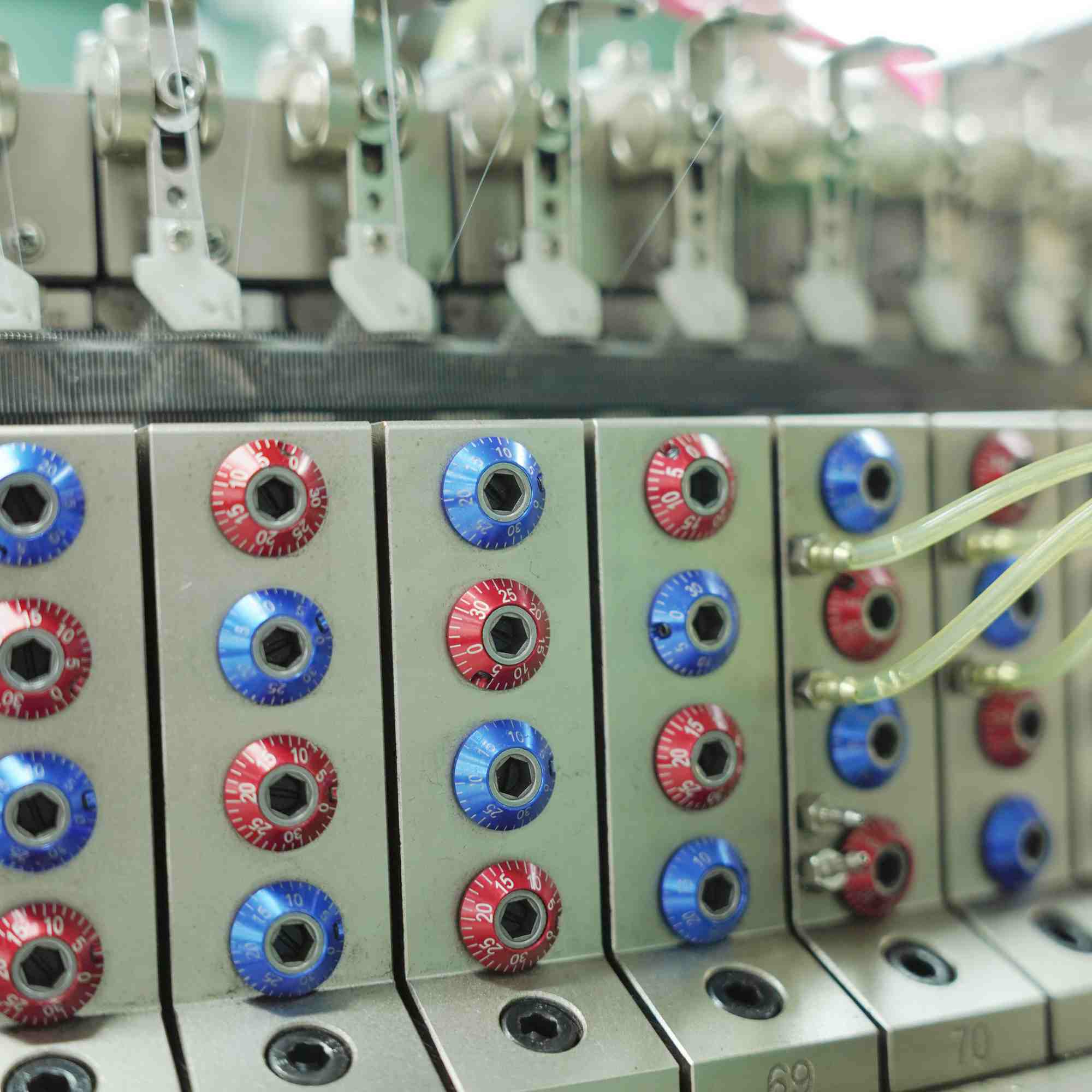
A Morocco terry-jacquard machine reference for staged design sampling, loop-and-ground approval, revision limits, finishing comparisons and production release....
A Morocco three-thread fleece machine reference for comparing fashion, sportswear and home-textile briefs through yarn roles, finishing routes and separate approval evidence....

 Tel: +86-13859034518
 Email: info@kunyuanmachine.com
 MP/WhatsApp: +86-13859034518
 Manufacturer Address:Bacuo Village, Yonghe Town, Jinjiang City, Fujian Province




Archived feedback focused on smooth raising, controlled shearing and the resulting pile texture.2025-07-11

Compiled archived feedback for Pile Fabric Circular Knitting Machine highlights pile surface, controlled finishing and straightforward maintenance; open the full summary for source notes and model-specific buyer checks.2026-08-20

Archived feedback described stable long-term running, consistent fabric appearance and straightforward maintenance.2025-07-16