


Hot Keyword:
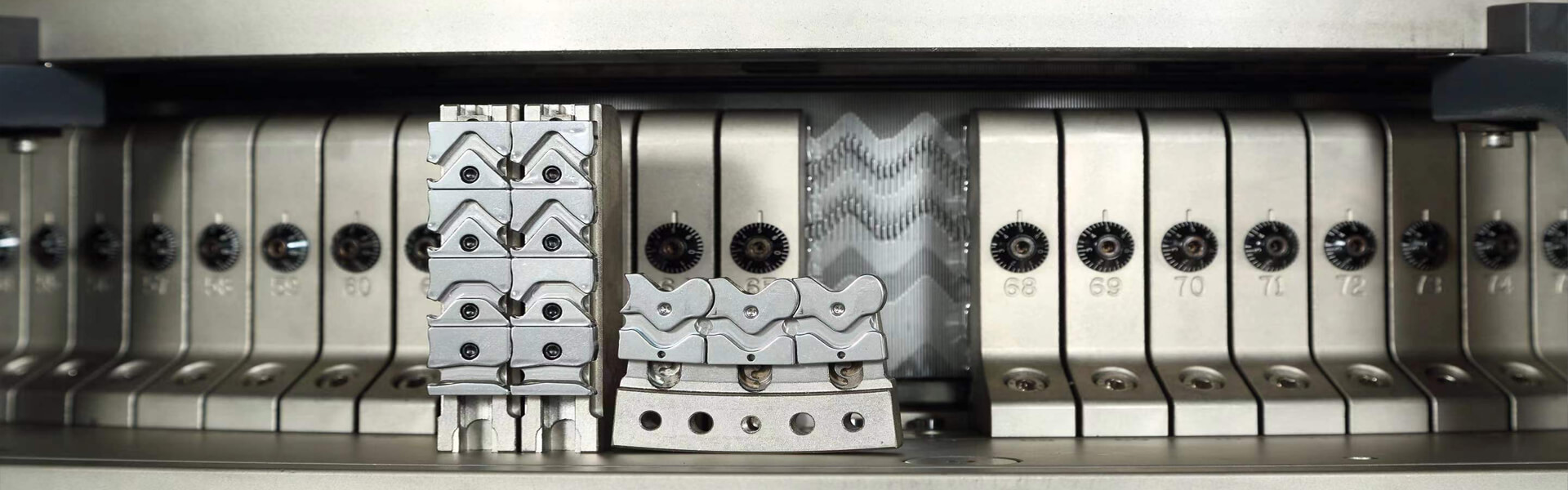
The archive associates a Rib Double Jersey Circular Knitting Machine with Morocco and includes three equipment images. Its previous text claimed capacity and market outcomes without a traceable customer file, exact configuration or measured comparison. The archive does not substantiate those claims, so they are not carried into this evidence-led version.
The practical question is how one approved rib baseline relates to the buyer’s other planned styles. Rib repeat, yarn material, elastane use, weight and finishing may require different needle arrangements and operating windows. A buyer should not interpret a basic rib demonstration as proof that every fashion rib or dense elastic article can be produced without conversion.


Select a baseline fabric that drives machine acceptance. For each additional style, list its rib repeat, yarn composition and count, stretch component, finished width, weight, extension and recovery method. Mark whether the change affects only yarn/settings or also requires a needle arrangement, cam, feeder or other configuration change.
Where elastane is involved, record its specification, draft or feed method and assigned positions rather than hiding it inside a general yarn list. The approved sample should be conditioned using the buyer’s defined method; immediate greige stretch is not a substitute for recovery after relaxation or finishing.
| Style family decision | Baseline record | Conversion evidence |
|---|---|---|
| Rib repeat | Cylinder/dial needle chart and marked structure | Revised chart with parts and labor identified |
| Yarn system | Supplier, count, lot, feeder map and stretch component details | New tension/feed record and labelled cones |
| Fabric target | Greige/finished width, weight, extension and recovery | Conditioned comparison using the same method |
| Return to standard | Locked settings and approved baseline sample | Post-conversion sample that matches the original limit |
During a style change, record removed and installed parts, needle selection, yarn map, settings and transition fabric. Time alone is not enough: the change ends when the new first-off sample meets the agreed structure and measurements. If the team later returns to the baseline, compare that piece with the original reference after the same conditioning period.
This return test exposes missing work instructions and settings that were adjusted informally. Mark vertical needle lines, horizontal yarn bands, width movement and recovery differences by roll position. Preserve fabric before and after each correction so the operator can see which action restored the accepted condition.
Ask the supplier to state which styles are standard for the offered diameter, gauge, feeder and dial/cylinder arrangement, which need optional items and which remain open feasibility work. Include change parts, needles, critical spares and training in the scope. A broad catalog name should not hide a conversion that changes cost or downtime.
The case archive contains no configuration-linked output or payback figures. Estimate usable capacity separately for the buyer’s actual style mix, change frequency, roll size, inspection limit and finishing loss. Record assumptions so the calculation can be revised when the mix changes.
Choose the highest-priority commercial construction that represents the intended yarn, weight and recovery requirement. It should be detailed enough to test the offered setup but stable enough to serve as a repeatable reference.
Identify supplier, specification, lot, feeding method, positions and relevant settings. Link that record to conditioned extension and recovery measurements rather than judging only hand stretch.
List parts, needle arrangement, yarn and setting changes and identify which are standard, optional or technician-dependent. Retain the first accepted sample for the converted style and for the restored baseline.
No. It provides no run log or comparable machine baseline. Capacity must be calculated from saleable output for the planned style mix, including transitions, stops and rejected material.
This Morocco case is useful as a rib double-jersey application reference. Kunyuan can review a ranked style matrix and define the baseline, conversion requirements and return-to-standard evidence before the buyer commits to a configuration.

 Tel: +86-13859034518
 Email: info@kunyuanmachine.com
 MP/WhatsApp: +86-13859034518
 Manufacturer Address:Bacuo Village, Yonghe Town, Jinjiang City, Fujian Province