


Hot Keyword:
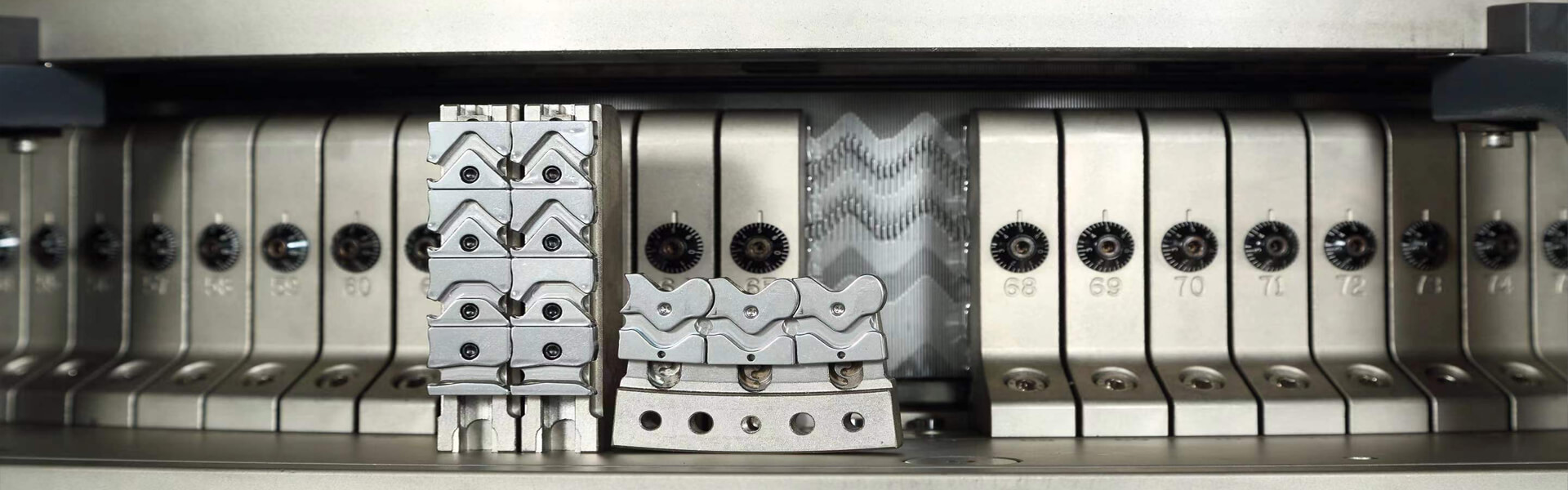
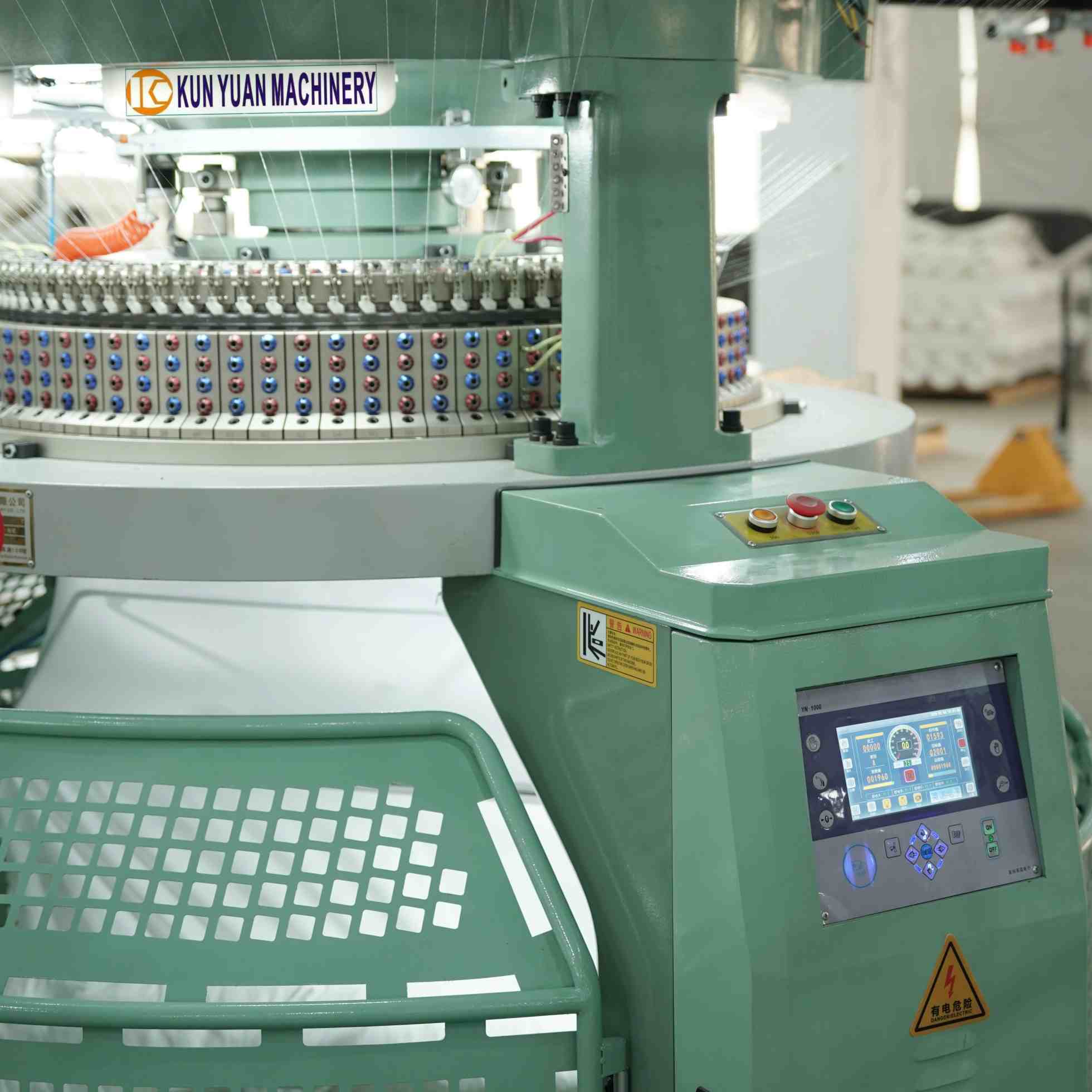
This archived entry connects a Terry Jacquard Circular Knitting Machine with Bangladesh and includes two machine photographs. That is useful evidence of the machine family and the subject of the original page. The archive does not include a named buyer that can be independently checked, a signed commissioning sheet, a dated production log or measured commercial results. For that reason, this revised case does not repeat the former claims about output, cost reduction or customer satisfaction.
The practical value of the reference is narrower and more useful: it shows which questions a terry-jacquard buyer should settle before comparing equipment. A towel or looped fabric is not defined by the word “terry” alone. Ground construction, pile-yarn behavior, pattern repeat, face selection, loop height and finishing all affect whether the fabric that leaves the machine can become the intended saleable article.
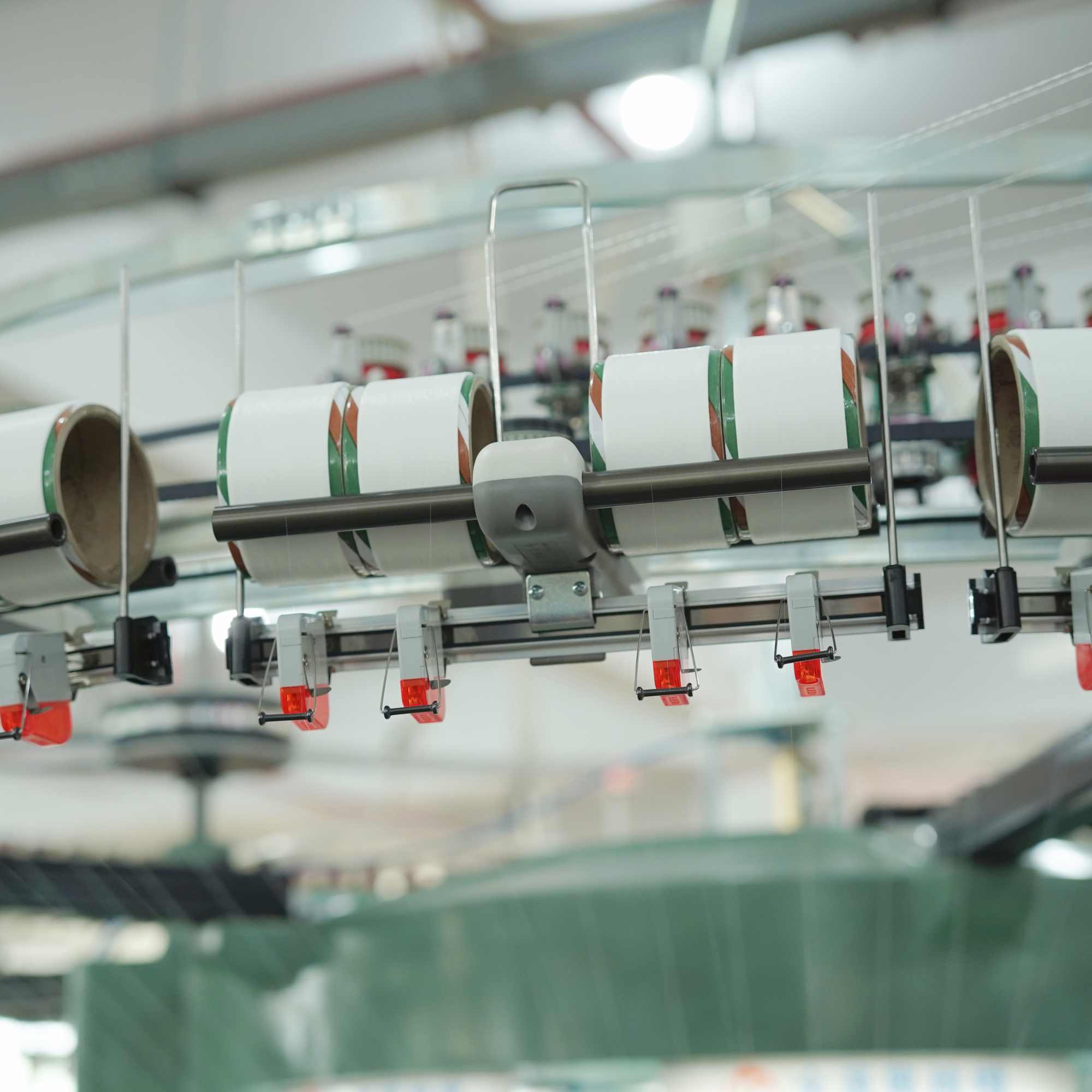
Terry jacquard development begins with a labelled sample or a construction sketch. The buyer should mark the ground yarn and pile yarn separately, identify which face will be inspected, and state whether the pattern is created through pile selection, colour arrangement, loop-height contrast or a combination of these. A design file without this yarn map can be visually attractive while remaining impossible to reproduce with the planned material.
The ground must hold the structure without hiding the pile effect. The pile system must form clean loops while passing through feeding, knitting, take-down and finishing without excessive missed loops or pulled areas. Yarn count, twist, friction and batch consistency therefore belong beside the artwork when a trial is planned. If an alternate yarn is used for a demonstration, the resulting sample should not be treated as approval for the production yarn.
| Trial input | Decision for this terry-jacquard project | Evidence to keep |
|---|---|---|
| Ground and pile yarns | Record supplier, count, composition, twist direction and assigned feeder positions separately | Yarn labels, feeder map and trial-lot reference |
| Pattern repeat | Define repeat dimensions, selected areas, face orientation and any colour sequence | Controlled design file plus a marked fabric diagram |
| Loop target | State the loop appearance and acceptable pulled, missing or uneven areas after relaxation | Close-up photographs and a retained reference swatch |
| Finishing route | Identify washing, drying, shearing or other treatment that may change loop presentation | Paired greige and finished samples from the same roll |
A useful trial should begin slowly enough to observe yarn entry, selection and loop formation. The team can then check whether the repeated motif closes correctly at its boundary, whether fine elements remain legible and whether ground exposure changes across the pattern. A fault map is more valuable than a general statement that the fabric “looks good”: mark the course, wale, feeder or repeat position where an error appears and connect the correction to a setting revision.
Once the motif is stable, continue long enough to compare an early, middle and later section of the roll. Look for drifting loop height, repeating selection faults, side-to-side tension changes and damage introduced during take-down. Record stops and manual interventions because an attractive short swatch may hide an operating condition that would be difficult to maintain through a normal shift.
Terry surfaces can change substantially after the fabric is relaxed or finished. Approval should therefore use paired evidence. Keep the greige sample to diagnose knitting behavior, then evaluate the treated sample for pattern clarity, loop condition, handle and dimensional movement. The inspection method should specify lighting, viewing face and sample location so two people are judging the same thing.
This approach also prevents an unfair machine comparison. One supplier should not be judged on greige appearance while another is represented by a washed or finished swatch. Use the same yarn lot, artwork, finishing route and defect limits wherever practical. Values that are not present in this archive—diameter, gauge, feeder count, output and utilities—must be confirmed on the model-specific quotation rather than inferred from the country label or photographs.
Send the editable artwork, repeat dimensions, face orientation and a colour or selection map. Add a construction note showing which yarn forms the ground and which forms the pile. A physical target sample helps the supplier interpret loop presentation that cannot be read from artwork alone.
Mark missed or pulled loops, blurred pattern edges, repeat-boundary errors, ground show-through and bands of unequal pile. Relate each mark to roll position and, where possible, a course, feeder or selection zone so corrective work is not based on guesswork.
No. They support the archived machine-family reference, but they do not establish the exact cylinder, gauge, feeders, control version or included accessories. Those items belong in the signed configuration and should match the equipment used for the approval sample.
Use a trial sheet that identifies the offered configuration, yarn lots, pattern revision, settings, run duration, recorded stops and inspected sample locations. Attach the accepted greige and finished references or their controlled identifiers, together with any open deviations.
The Bangladesh entry is best used to frame a reproducible terry-jacquard trial, not as proof of an unnamed factory’s commercial outcome. Buyers can send Kunyuan the intended artwork, both yarn systems, target loop appearance and finishing route to obtain a configuration review tied to actual fabric evidence.

 Tel: +86-13859034518
 Email: info@kunyuanmachine.com
 MP/WhatsApp: +86-13859034518
 Manufacturer Address:Bacuo Village, Yonghe Town, Jinjiang City, Fujian Province