

Hot Keyword:
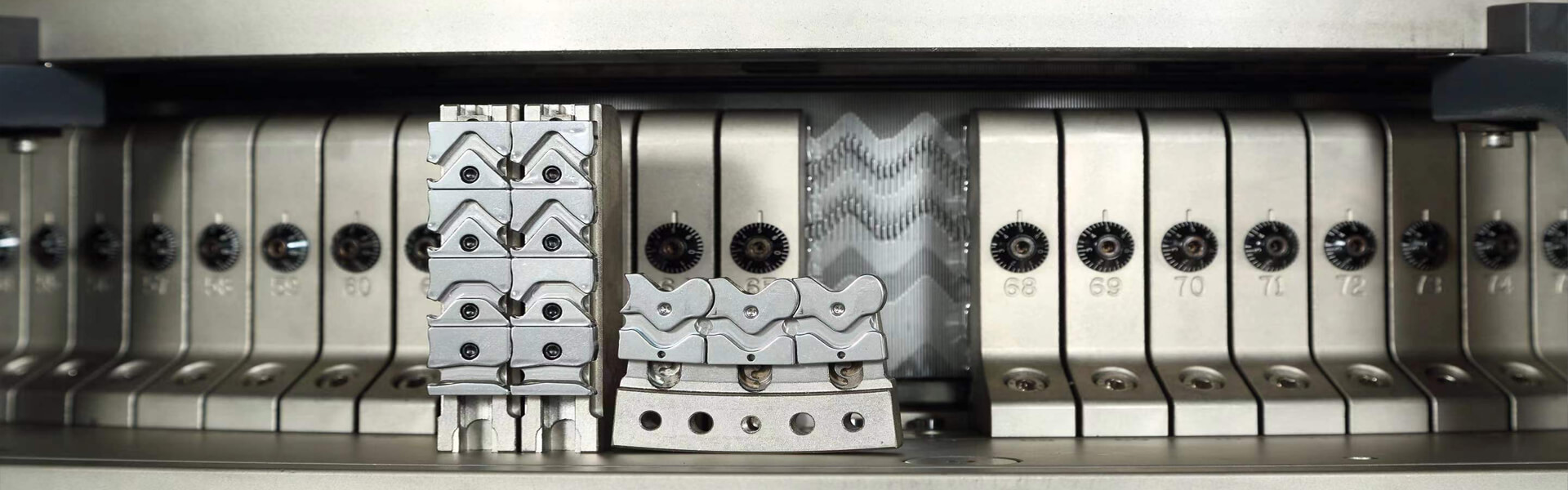
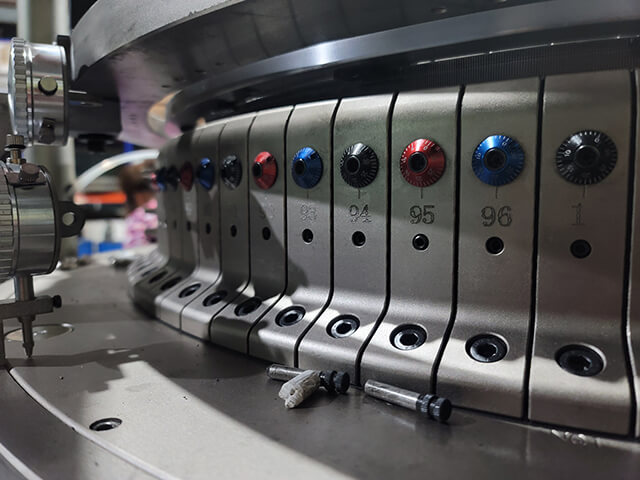
This archived case associates a Three-Thread Fleece Circular Knitting Machine with Saudi Arabia and retains related machine images. Earlier copy described downtime, time savings and customer satisfaction without a traceable production log or signed acceptance result. The revised page keeps the recorded context but uses the machine family to explain a more reliable evaluation method.
Three-thread fleece depends on coordinated face, tie and fleece yarns. Treating them as one generic feed makes troubleshooting difficult. The face controls the visible outer surface, the tie yarn secures the construction, and the fleece yarn creates loops intended for the selected finishing route. Each yarn needs its own specification, feeder assignment and trial history.
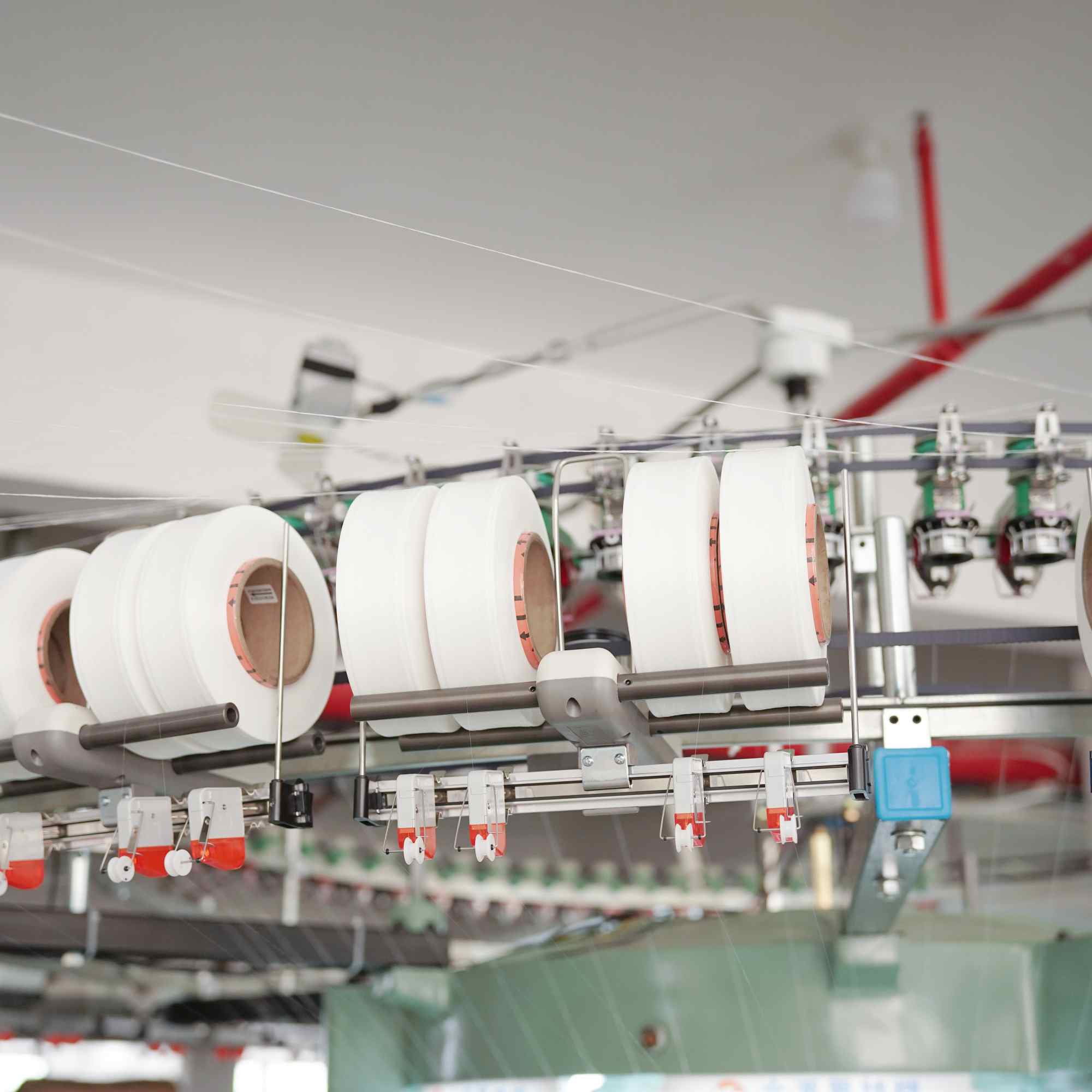
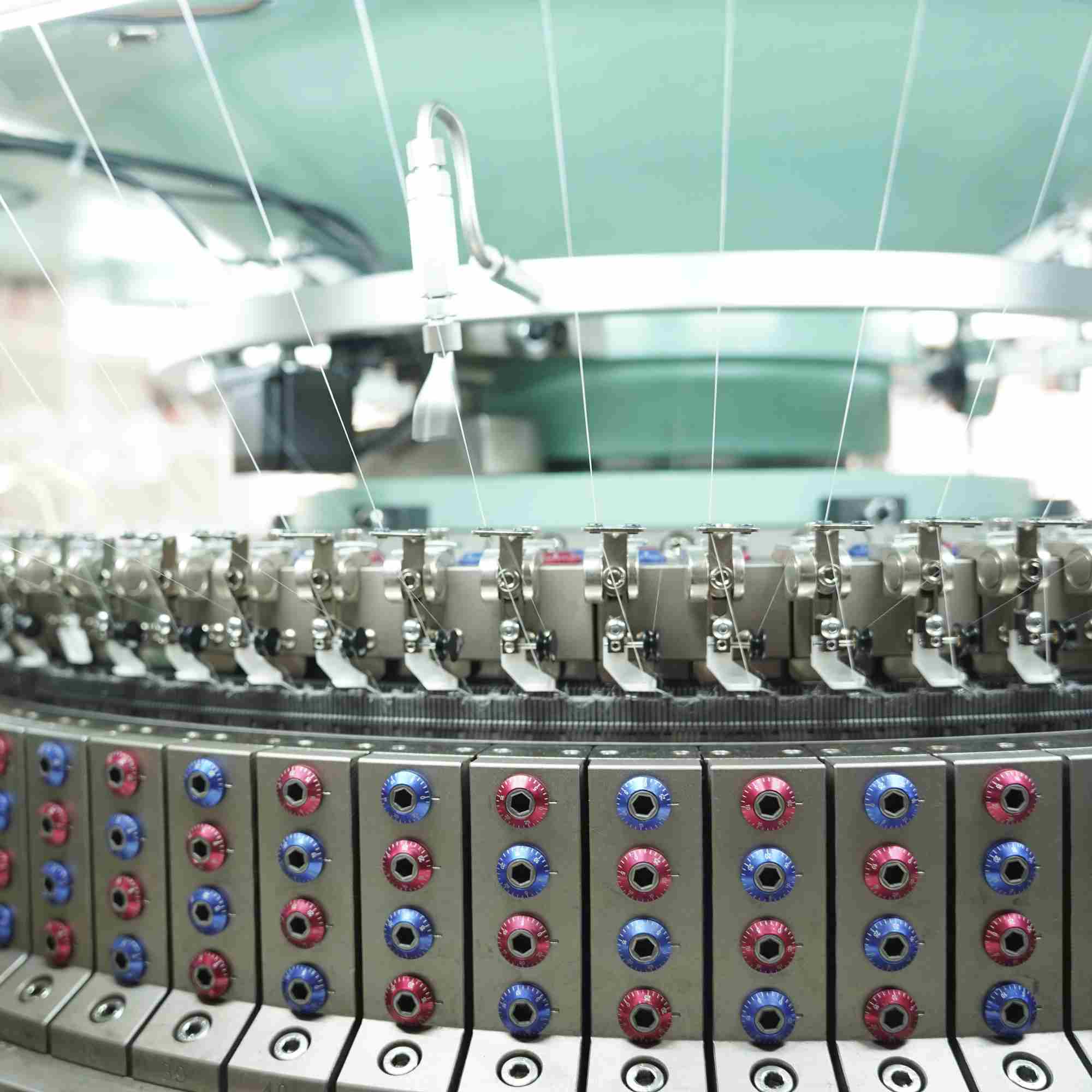
Start by marking the three yarn systems on a construction diagram. Supply yarn composition, count, lot and intended duty, then state finished weight, width, face appearance and the type of inner surface required. If brushing or raising is planned, define that process before the knitting trial because its settings can alter weight, coverage, fibre release and handle.
Inspect greige fabric for face coverage, tie security, loop consistency, yarn mixing, holes and repeating bands. The unfinished loop side should be retained even when the finished article is the main commercial target. Without it, a raised-surface fault may be blamed on finishing when the original loop structure was already uneven.
| Process stage | Three-thread check | Sample or record |
|---|---|---|
| Yarn preparation | Face, tie and fleece cones match the approved specification and feeder map | Labelled yarn set and assignment sheet |
| Knitting | Face coverage, tie anchoring, loop formation, roll weight and stop history | Marked greige samples at several roll positions |
| Raising/brushing | Surface coverage, loose fibre, streaks and change in weight or width | Finished sample linked to its greige parent |
| Repeat run | Approved settings reproduce the structure after restart or yarn package change | Second controlled sample and deviation log |
A horizontal band may follow one yarn duty, feeder group, stop or take-down change. Mark its position and compare the face and loop sides before altering several settings at once. A weak tie condition, uneven fleece loop or face-yarn change leaves different evidence. Linking the defect to yarn duty reduces broad adjustments that can move weight or handle away from the target.
Check roll sections before and after stops and package changes. Continue long enough to judge lint accumulation and stability, then retain beginning, middle and end samples. Record the machine state used for each piece. Headline speed has little meaning when stop recovery, inspection rejection or finishing loss is excluded from the calculation.
Use one controlled greige roll for the agreed downstream trial. State the raising or brushing equipment, passes, direction and other relevant conditions. Compare surface coverage, loose fibre, dimensional movement and the visibility of knitting defects. If several finishes are planned, evaluate them separately rather than generalizing from the easiest route.
The archive does not establish the exact machine diameter, gauge, feeders or utilities. These belong in the quotation along with take-down, included change parts, spares and training. Approval should identify the configuration that made the accepted greige sample and the finish that converted it into the accepted surface.
Provide composition, count, supplier, lot and intended face, tie or fleece duty. Attach the feeder map and label trial cones so a later reproduction uses the same assignment.
It shows the loop and tie condition before finishing changes the surface. Comparing it with the raised fabric helps separate knitting causes from finishing causes and provides a better diagnostic reference.
Define whether the value is greige or finished, the conditioning method, sample size, measurement points and tolerance. Record yarn and stitch settings beside the result instead of treating GSM as an isolated number.
No. It contains no dated stop log or comparable baseline. Downtime and output must be measured during a representative run using agreed categories for stops, interventions, rejected fabric and saleable production.
The Saudi Arabia reference identifies a three-thread fleece application, but the purchasing decision should follow the yarn roles from knitting through raising. Kunyuan can review the construction, yarn set and finished-surface target and define a trial that preserves both greige and finished evidence.

 Tel: +86-13859034518
 Email: info@kunyuanmachine.com
 MP/WhatsApp: +86-13859034518
 Manufacturer Address:Bacuo Village, Yonghe Town, Jinjiang City, Fujian Province