


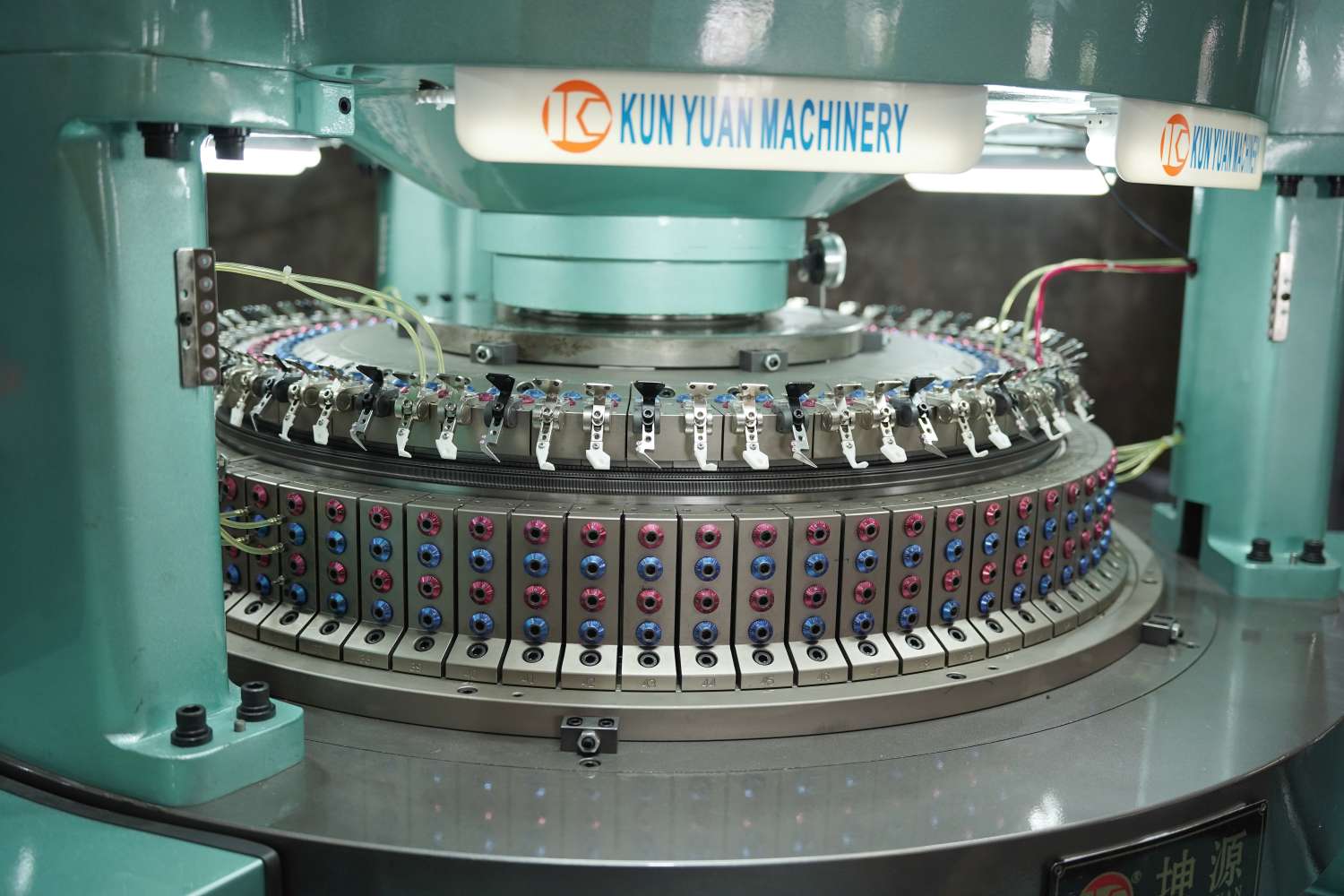

Knitted structure
Confirm cylinder/dial fabric quality before handling defects are assessed.
 Price:
Negotiable
Price:
Negotiable
Model:
34‘’28G72F
NET Weight:
1800–3000 kg (varies by size)
Diameter:
34 in
Gauge:
28G
Feeder:
72 feeders
Certification:
CE,ISO
Applicable Yarn Material:
Cotton, Polyester, Spandex, Rayon, Bamboo Fiber, etc.
RPM:
16–35 rpm
Wooden Box Size:
2.5m
Place of Origin:
CHINA.
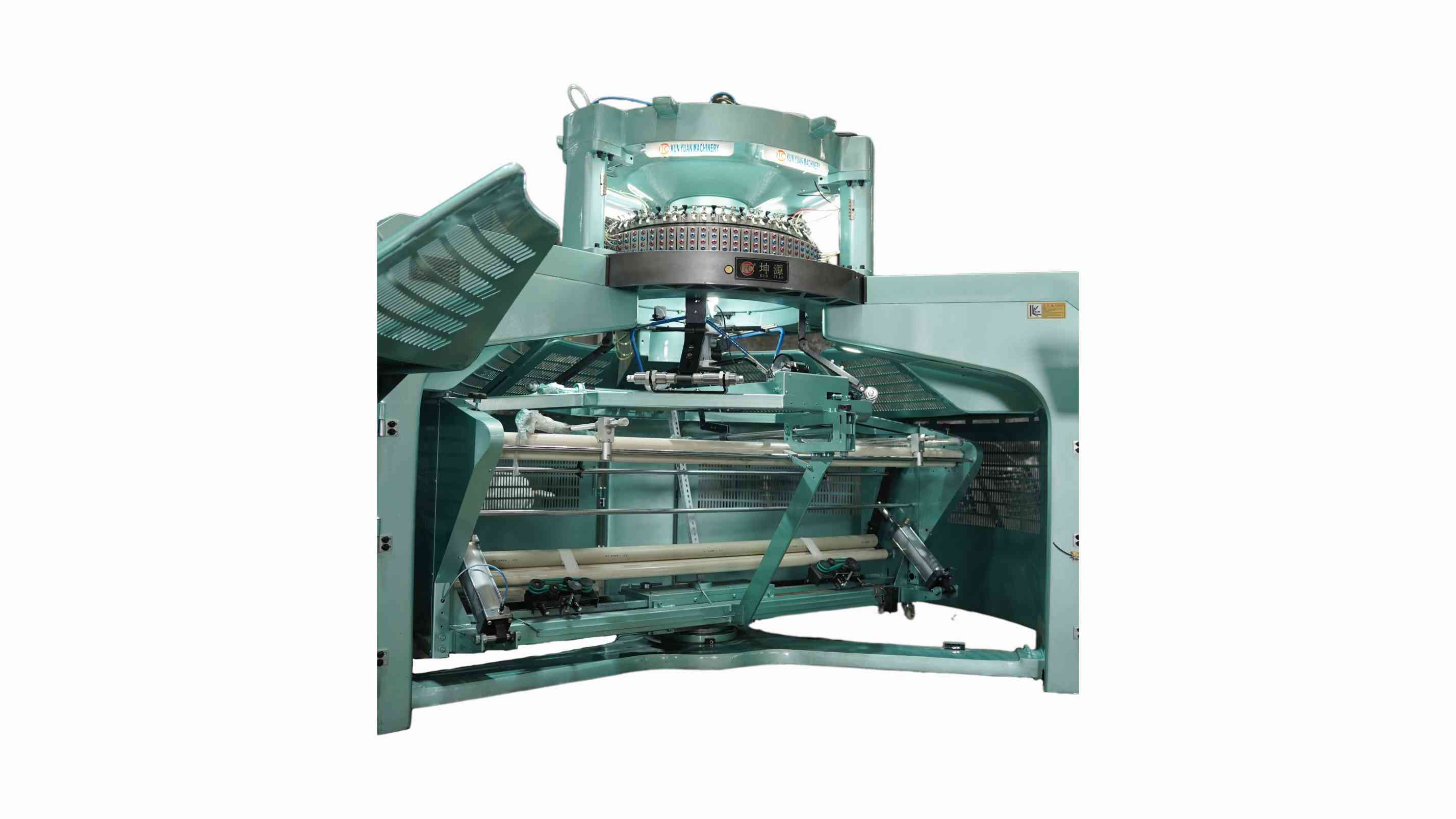
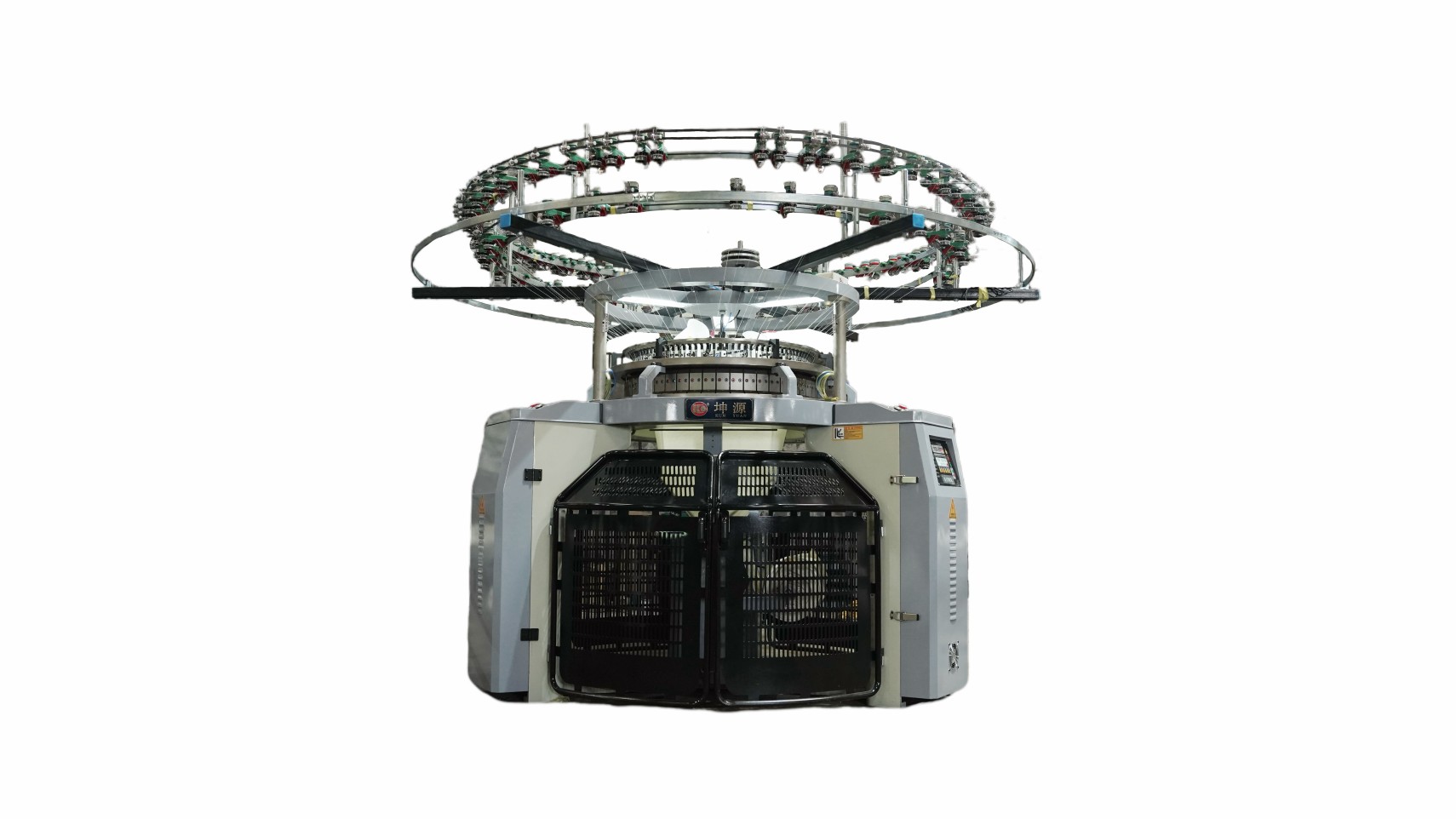
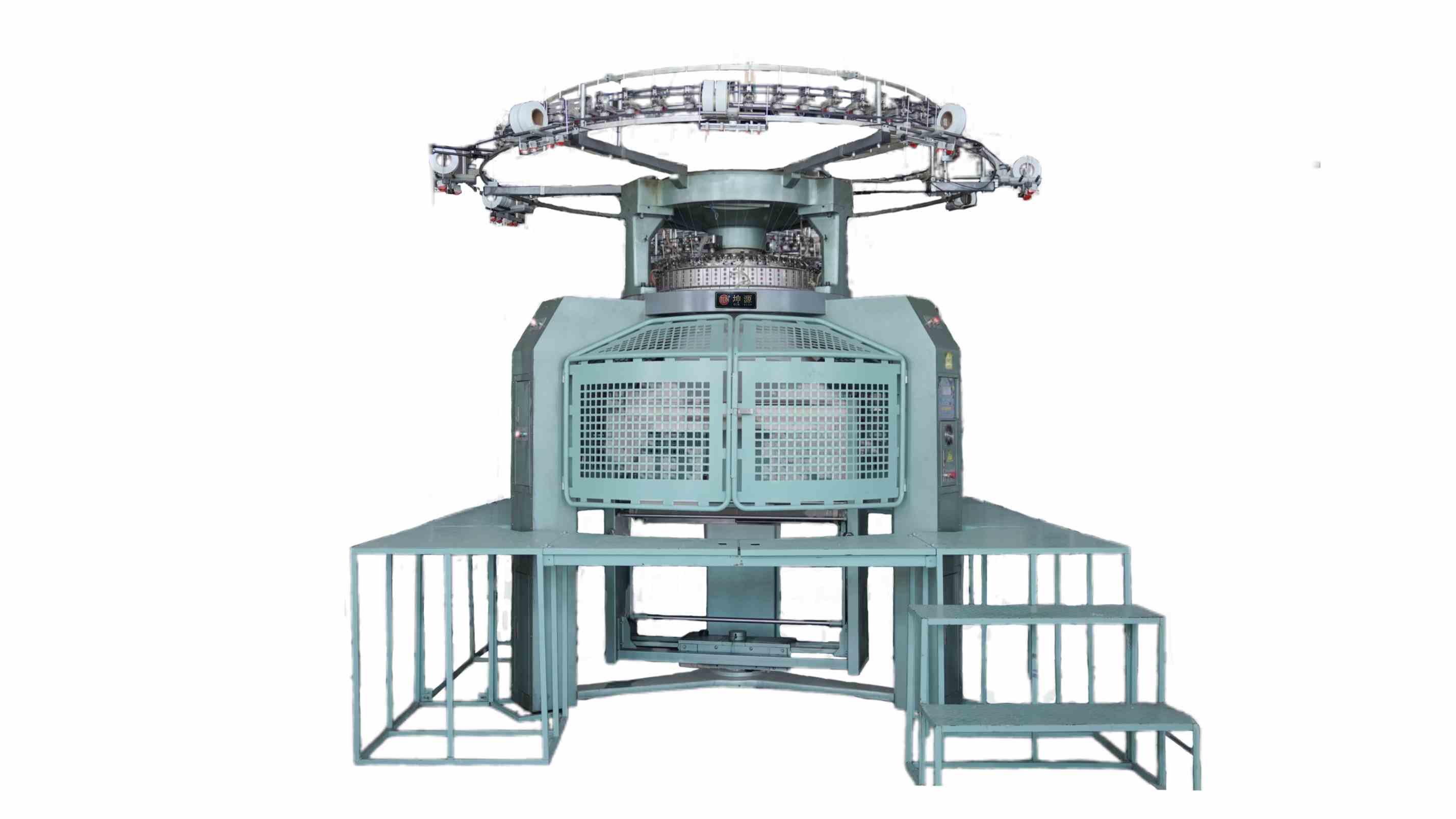
Double-jersey fabric normally leaves the knitting zone as a tube. On an open-width machine, the fabric is slit, spread and wound flat so the mill can inspect the full width and prepare the roll for finishing. Kunyuan’s cleaned product record identifies a 34-inch, 28G, 72-feeder configuration for this model family. That exact row should lead the quotation; older broad ranges on the page should not be mixed into the offered setup.
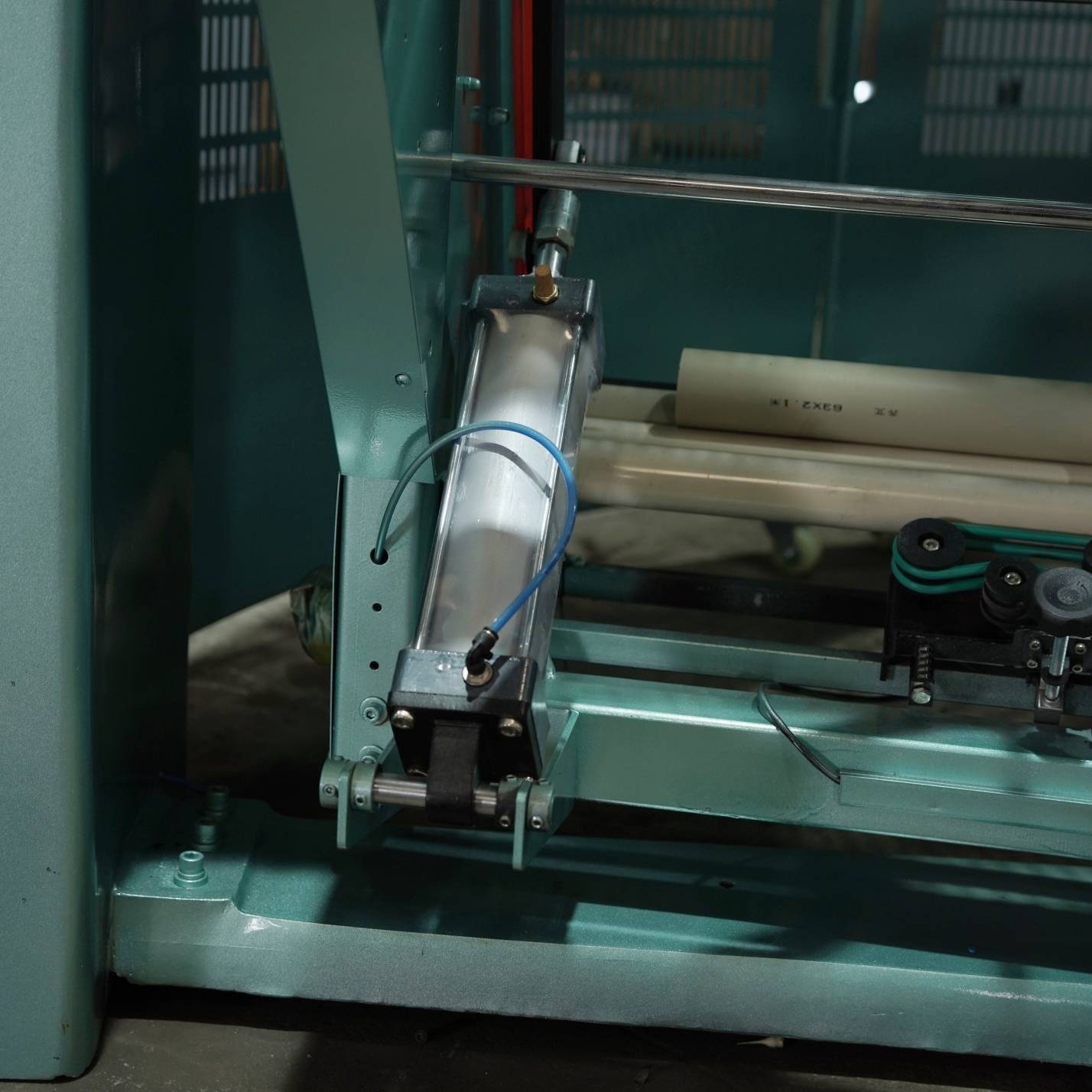
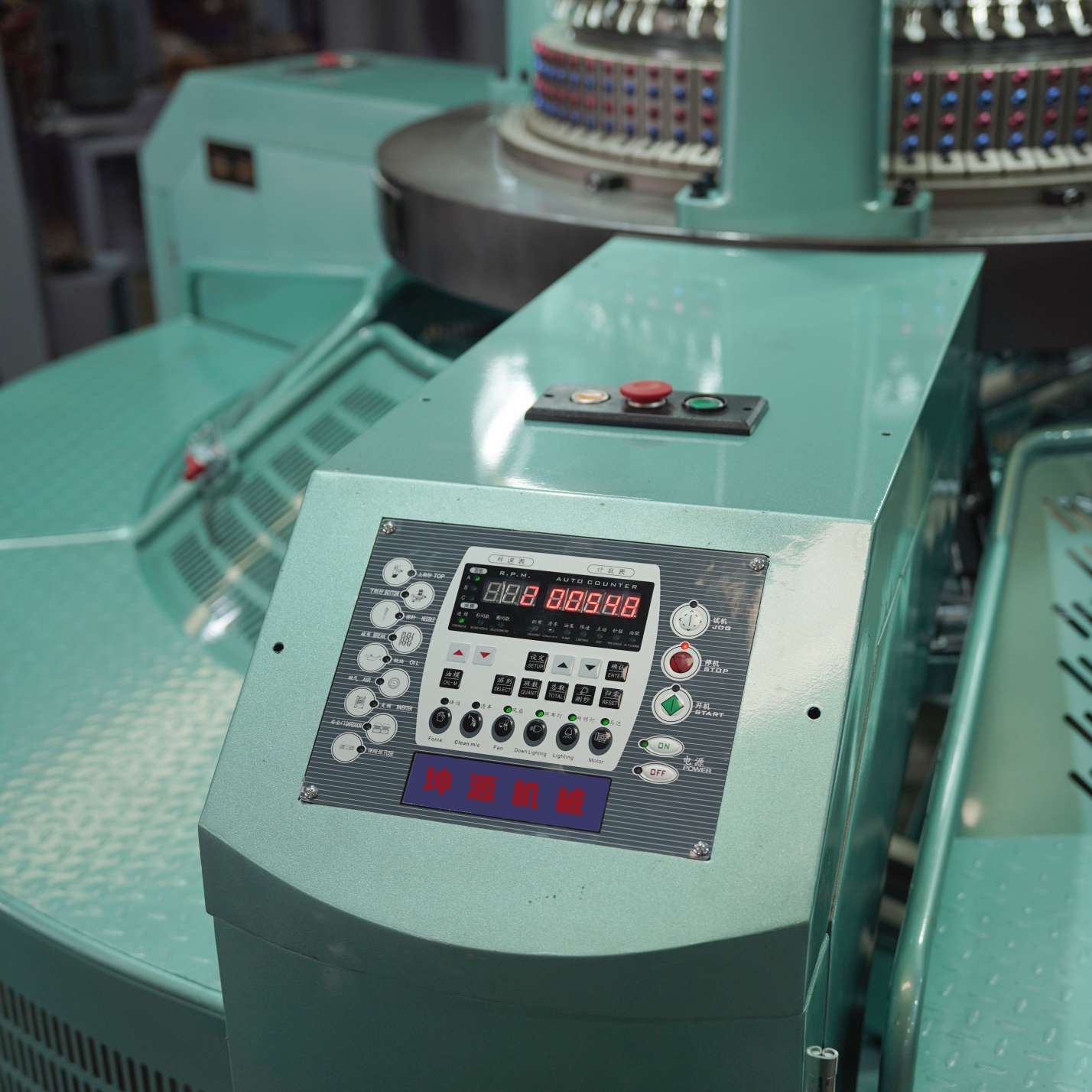
The pneumatic system supports the opening and take-up path. Its value is not “air makes better fabric” but controlled handling: the slit line must stay where intended, both edges must travel without folding, and winding tension must not create a hard centre, loose edge or repeating mark.
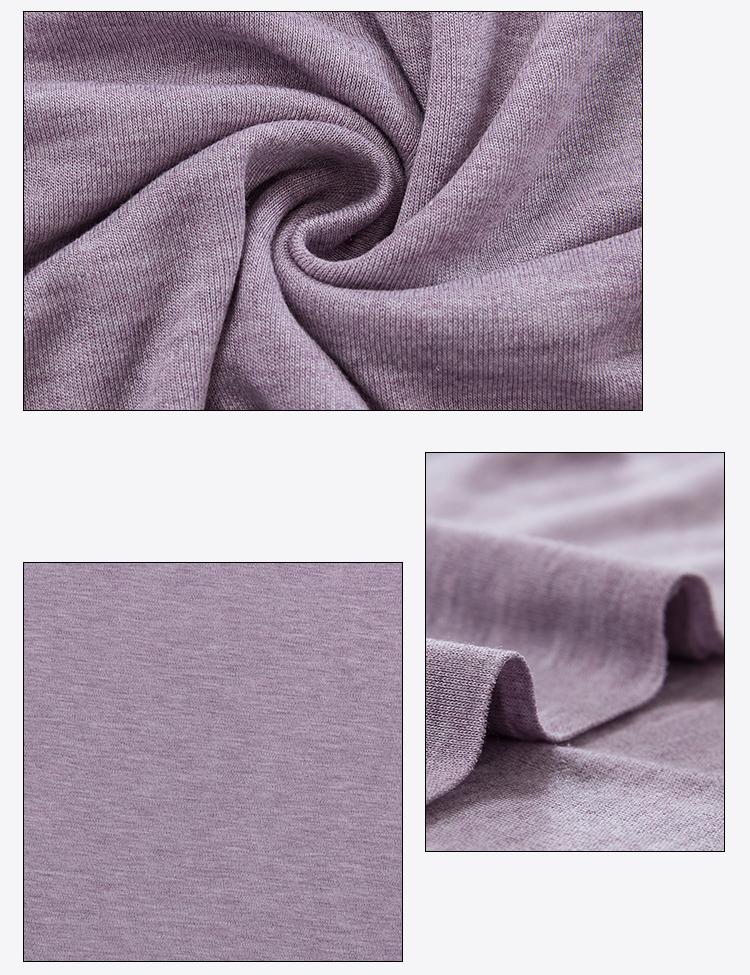
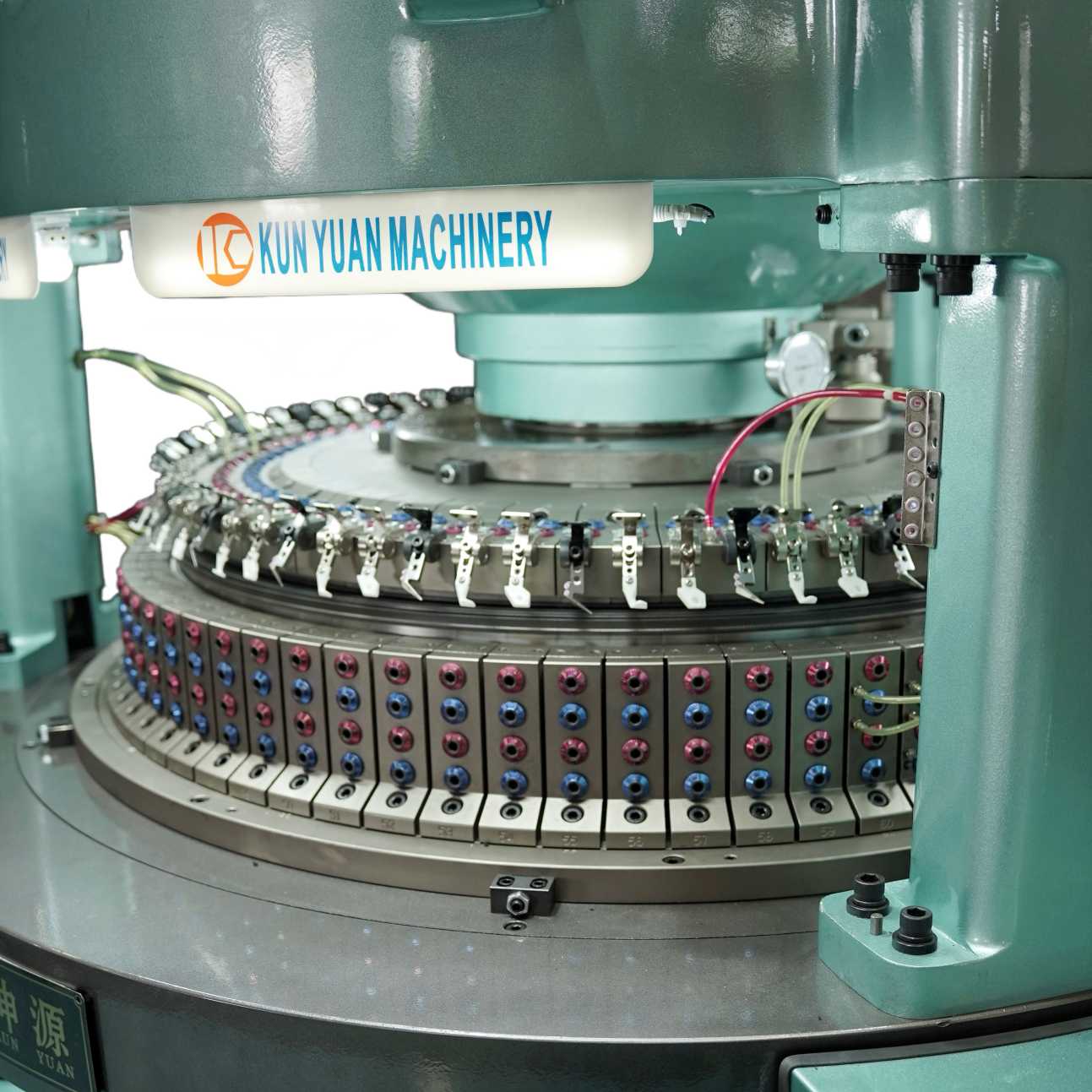
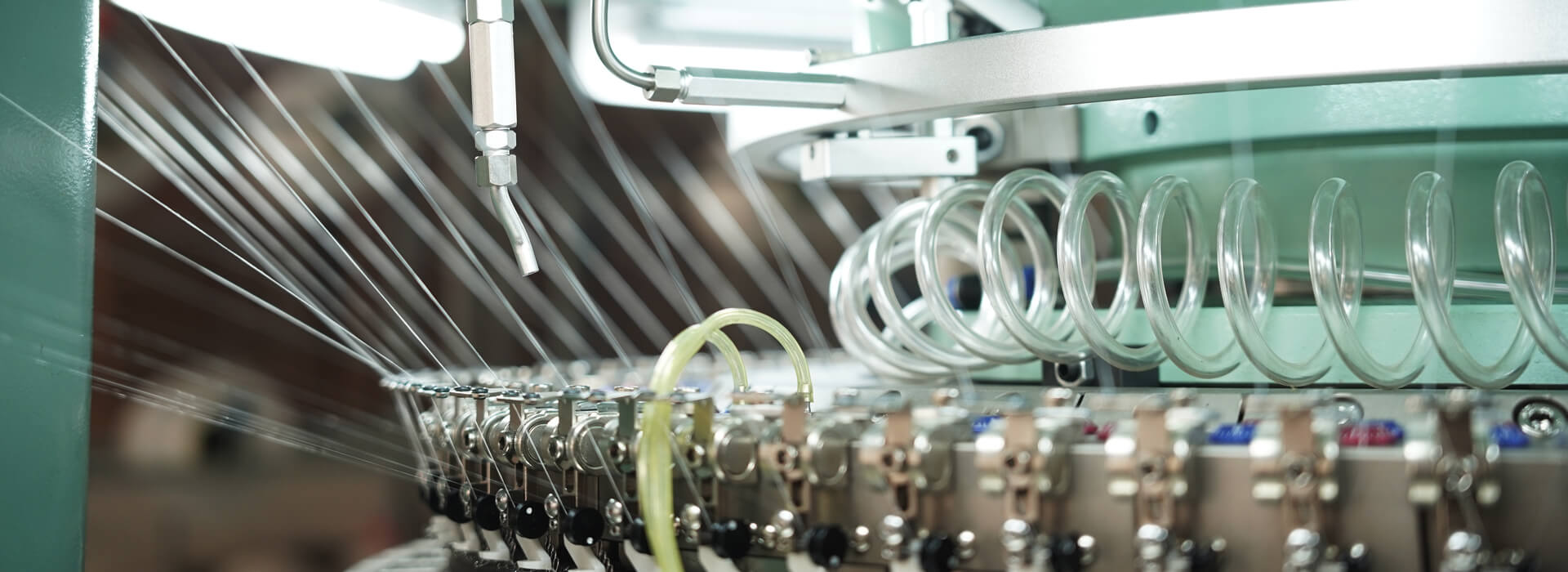
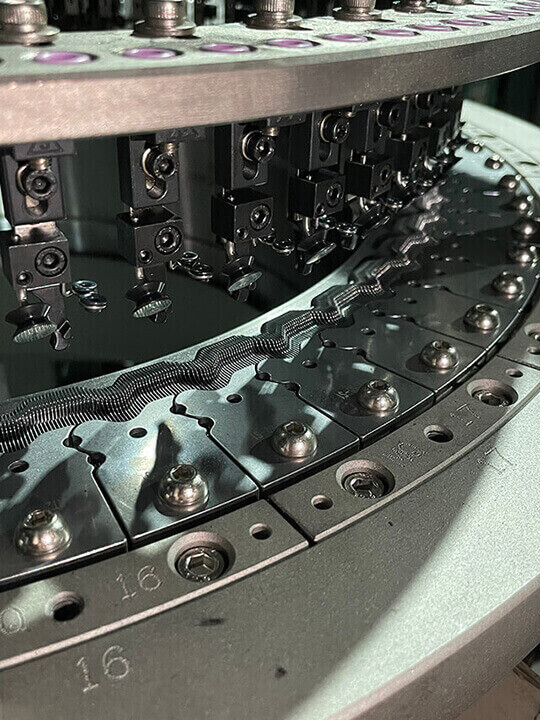
The double-knit structure is formed by the cylinder and dial. After the tube leaves the knitting zone, the slitting device opens it and the spreader guides it into a flat roll. Each step can create a different defect. A needle or yarn-feed problem appears in the knitted structure; a wandering slit or damaged edge points to the opening route; diagonal wrinkles or roll telescoping deserve a take-up review.
Give Kunyuan the construction, yarn and elastane plan, target greige/finished width and the finishing machine’s entry requirement. Ask for the pneumatic pressure and air-quality requirement, the slitting location, edge-guiding method and maximum acceptable roll diameter/weight for the offered take-up.
| Decision | Open-width question | Evidence to retain |
|---|---|---|
| 34-inch/28G/72F setup | Is this the exact cylinder, gauge and feeder layout quoted? | Signed configuration and feeder map |
| Slit position | Which wale/guide establishes the cut line? | Marked fabric and slitter setting |
| Pneumatic supply | Required pressure, flow and air treatment | Utility sheet and alarm check |
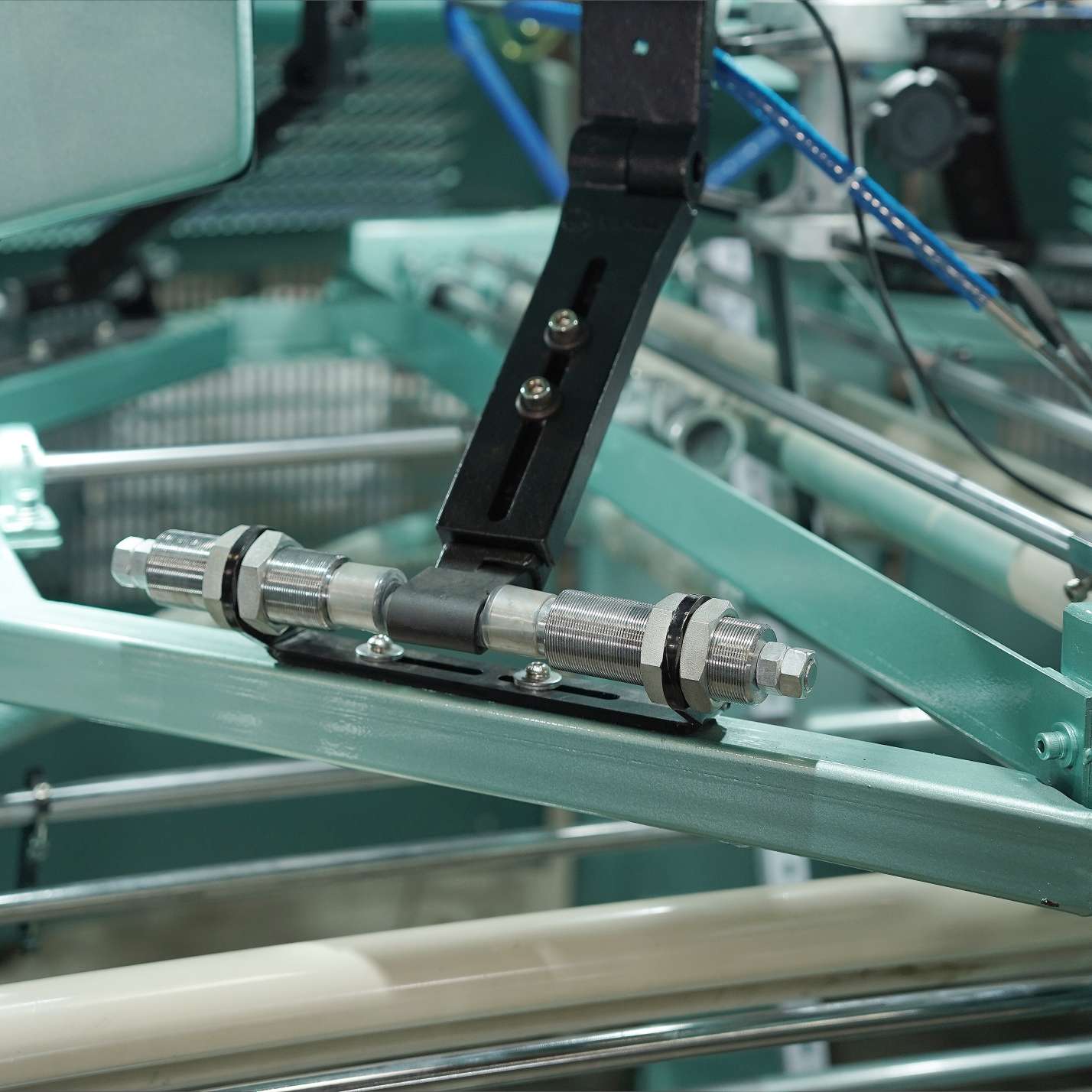
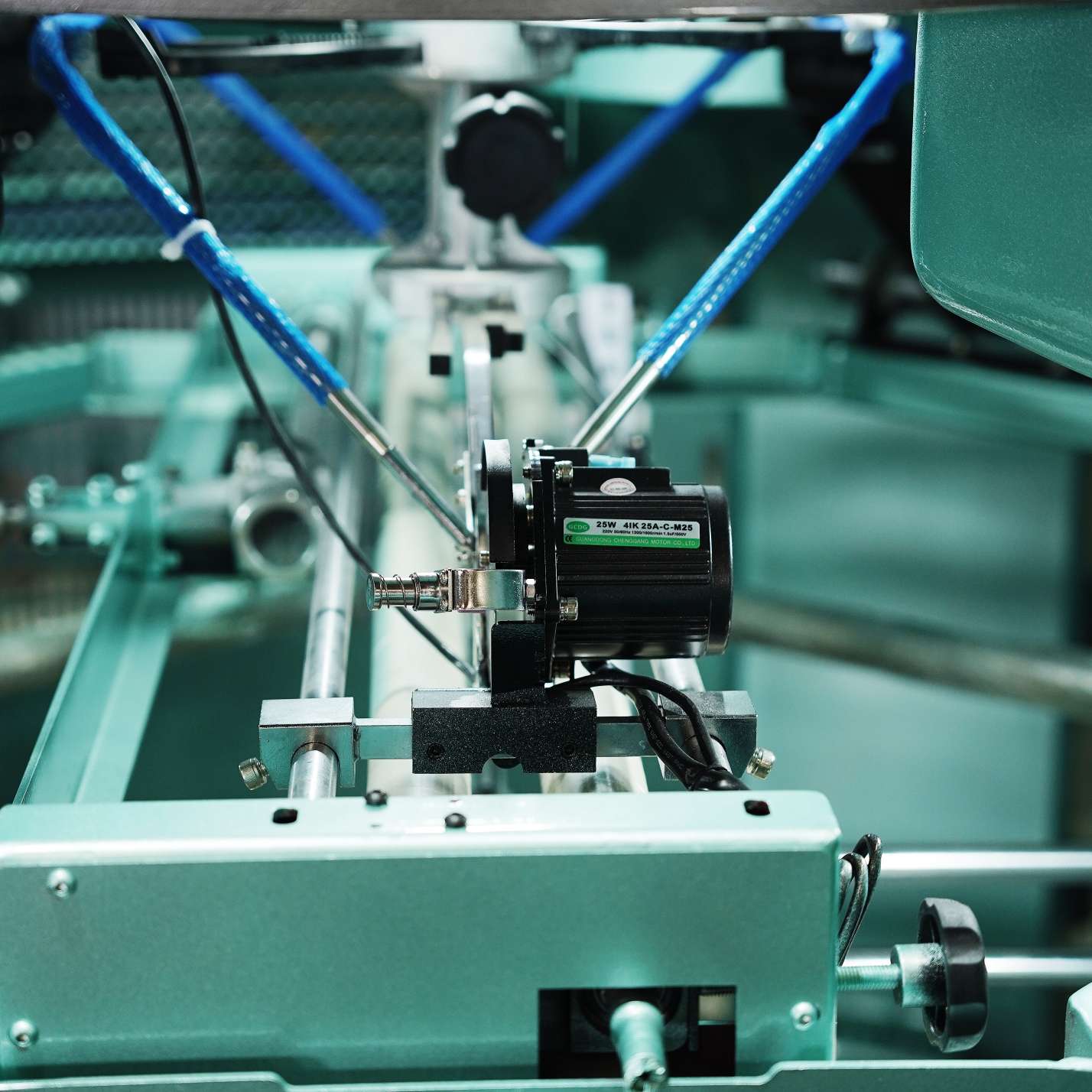
| Spreader path | How are both edges controlled without overstretch? | Full-width photo and edge measurements |
| Winding tension | What roll diameter, hardness and alignment are accepted? | Roll profile and start/middle/end samples |
Use production yarn and knit a stable double-jersey structure before judging the opening equipment. Measure tubular width before slitting, then inspect the opened width at the beginning, middle and end of the roll. Check slit-edge damage, curled or folded edges, wrinkles, width drift, diagonal tension lines and roll alignment.
Process a trial roll through the buyer’s next finishing step when possible. A flat roll that looks acceptable beside the knitting machine can still feed poorly if it is too hard, telescoped or uneven at the edge. Keep the knitting settings, pneumatic settings, slitter position and take-up tension with the accepted roll.
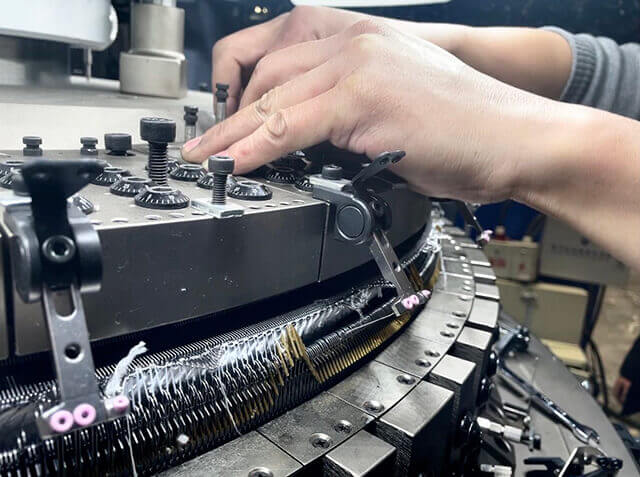
Clean the needle/dial zone according to the machine procedure, but maintain the slitter, spreader and take-up as separate inspection points. A dull blade can pull rather than cut; contaminated edge sensors or guides can let the slit wander; unstable air supply can change the handling response. Record these observations instead of making unrelated knitting adjustments.
Isolate the equipment before blade, spreader or take-up work and release pneumatic energy safely. After maintenance, confirm the slit path on a short marked run before resuming full-roll production.
It can improve handling, but curl also depends on structure, yarn and finishing. Approve edge condition and roll feeding with the actual double-jersey fabric.
Request operating pressure, flow, air-quality requirement, connection size and what happens during pressure loss. Include these utilities in the installation boundary.
Mark the intended cutting position, run a full-width sample and inspect edge damage and width at several roll points. Keep the blade/guide setting with the roll.
Telescoping, unequal roll hardness, folded edges and diagonal handling wrinkles usually deserve a spreader/tension review, while loop or needle defects should be traced in the knitting zone.
Pneumatic Open-Width Double Jersey Circular Knitting Machine should be approved from the knitting zone through the flat roll. The 34-inch, 28G and 72-feeder configuration defines the machine; stable air, a controlled slit, protected edges and an evenly wound roll prove the open-width function.
The cleaned record identifies the offered 34-inch, 28G and 72-feeder setup. Confirm the pneumatic utility, slit path and flat-roll boundary with that exact configuration.
| Model / configuration | 34‘’28G72F |
|---|---|
| Net weight | 1800–3000 kg (varies by size) |
| Cylinder diameter | 34 in |
| Gauge | 28G |
| Feeders | 72 feeders |
| Applicable yarn/material | Cotton, Polyester, Spandex, Rayon, Bamboo Fiber, etc. |
| Recorded operating speed | 16–35 rpm |
| Recorded packing or machine size | 2.5m |
| Certification shown in CMS | CE,ISO |
The machine connects double-jersey knitting to a pneumatic slit, spread and flat take-up route.
Confirm cylinder/dial fabric quality before handling defects are assessed.
Control slit position and both edges through the spreader without folding or damage.
Record width, alignment and winding tension at the start, middle and end.
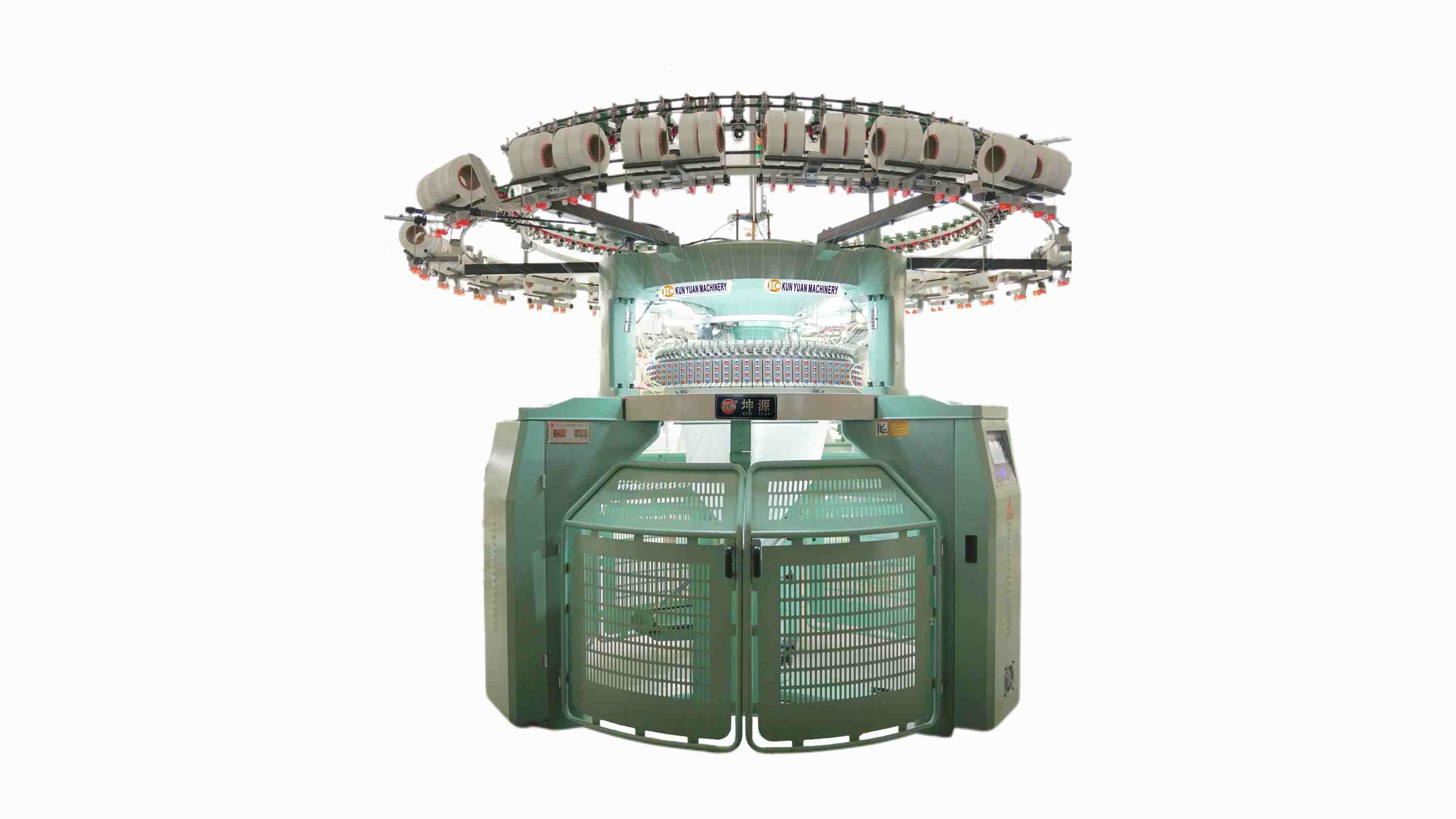
Plan a 34-Inch 12G 72-Feeder Double-Side Interchangeable Circular Knitting Machine around change parts, setup records and separate fabric trials....
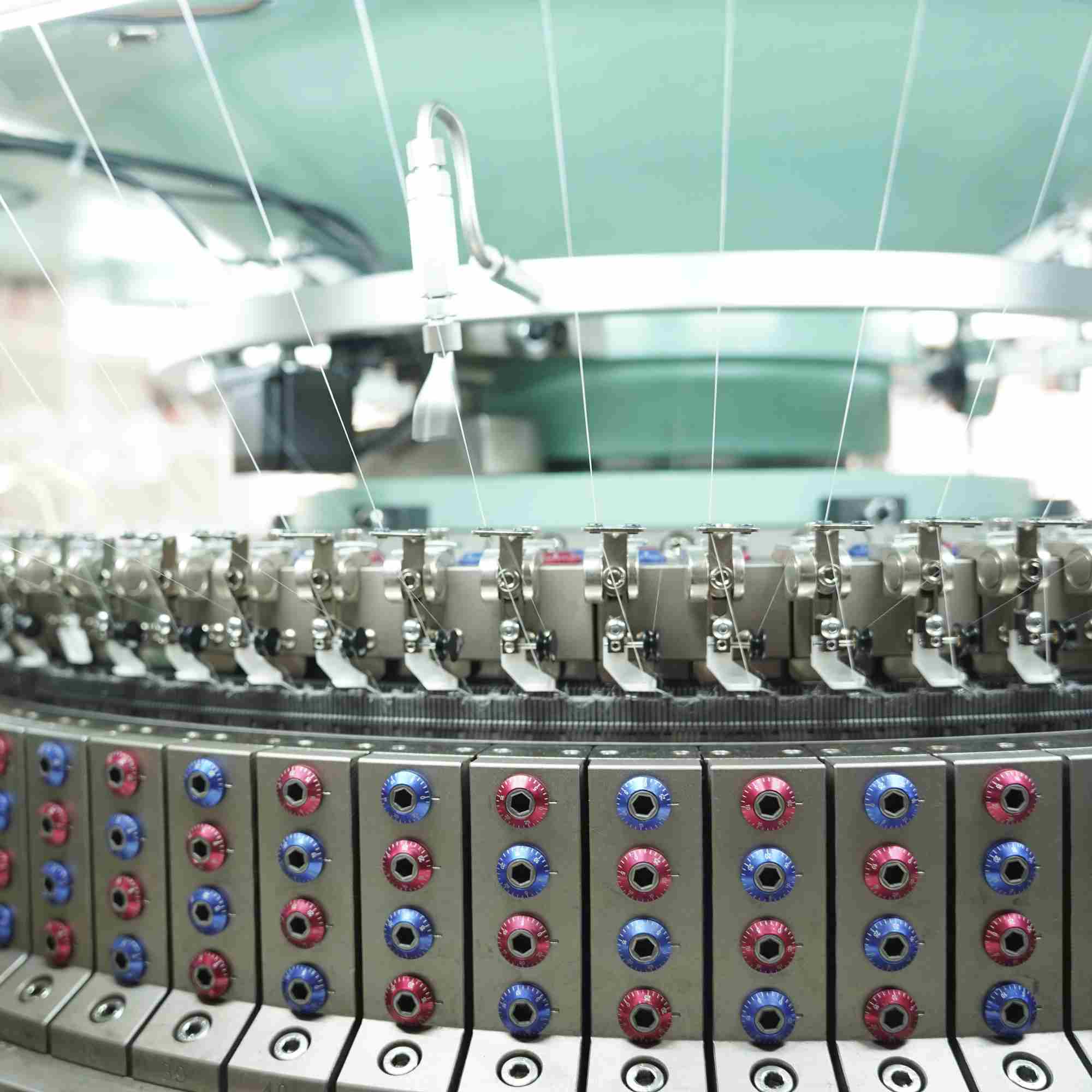
Evaluate a Double Jacquard Circular Knitting Machine by two-sided structure, electronic knit/tuck/miss selection, pattern registration and roll-level trials....
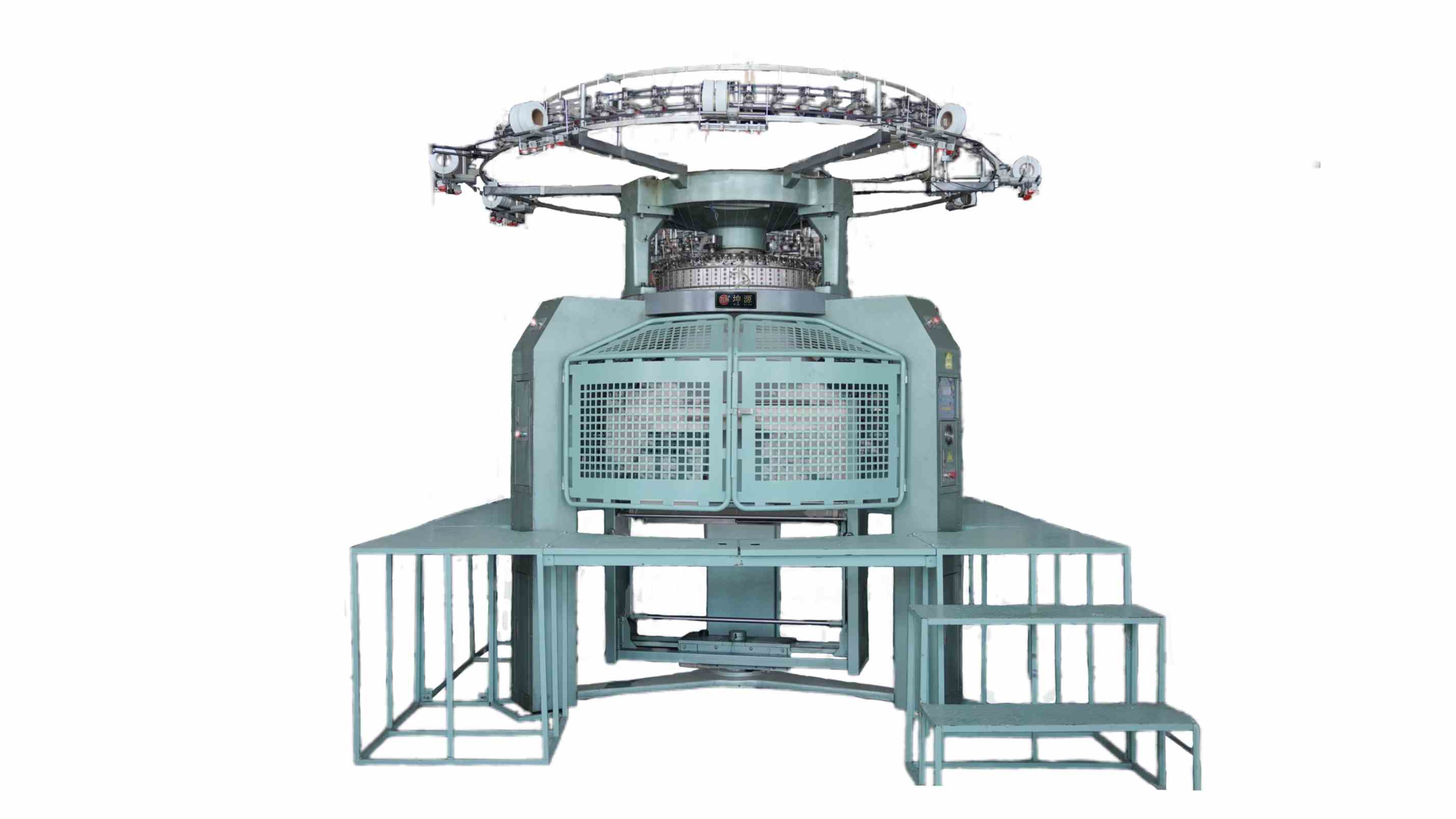
Specify a 34-Inch 18G 60-Feeder Pneumatic High-Foot Thread Circular Knitting Machine for collars, cuffs and waistbands using component-level trials....
The 34-inch interchangeable double-jersey topic should be judged by its defined conversion scope. Interchangeable does not mean every fabric can be......
The archive identifies this topic as a 32-inch sweatshirt circular knitting machine. Sweatshirt fabric is a production target, not one guaranteed......

 Tel: +86-13859034518
 Email: info@kunyuanmachine.com
 MP/WhatsApp: +86-13859034518
 Manufacturer Address:Bacuo Village, Yonghe Town, Jinjiang City, Fujian Province




Compiled archived feedback for Double Jacquard Circular Knitting Machine highlights pattern capability, stable operation and double-knit fabric versatility; open the full summary for source notes and model-specific buyer checks.2026-08-20
Archived feedback focused on intuitive controls, quick adjustment and smooth double-jacquard machine operation.2025-07-11
Archived feedback highlighted smooth fabric production, durability and reliable operation for an interchangeable double-side configuration.2025-07-16
Archived feedback described stable operation and versatility across double-knit fabric applications.2025-07-15