



Knitting quality
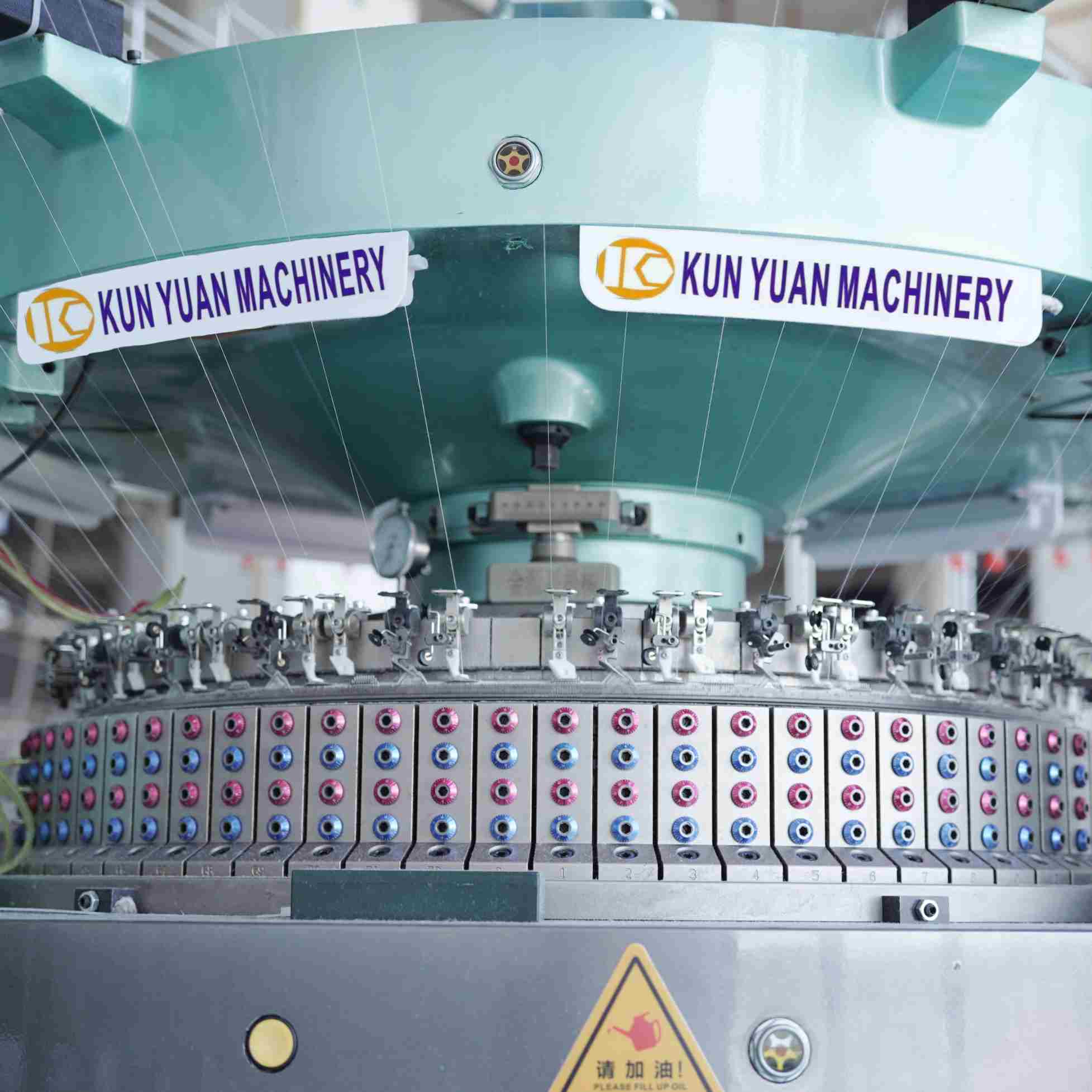
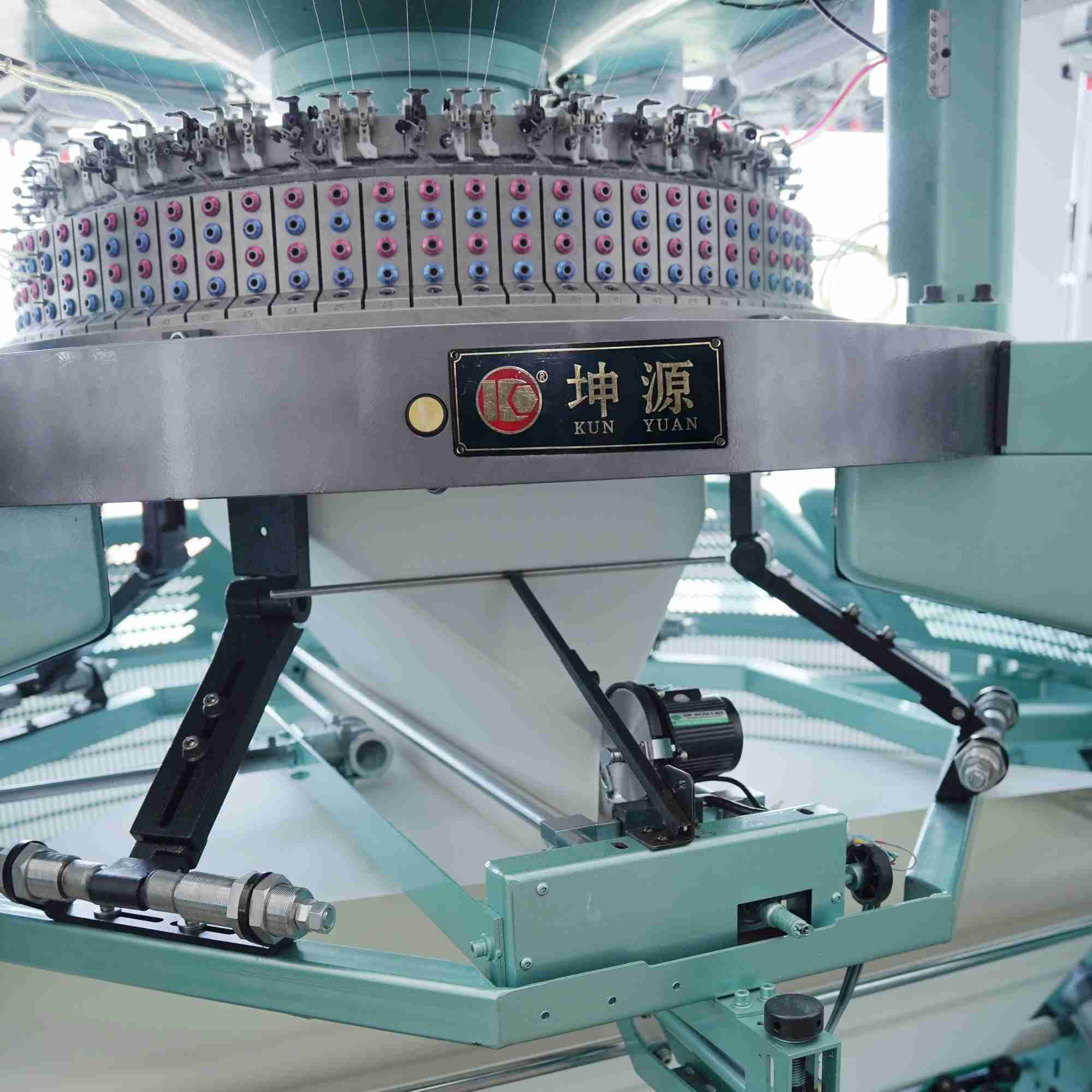
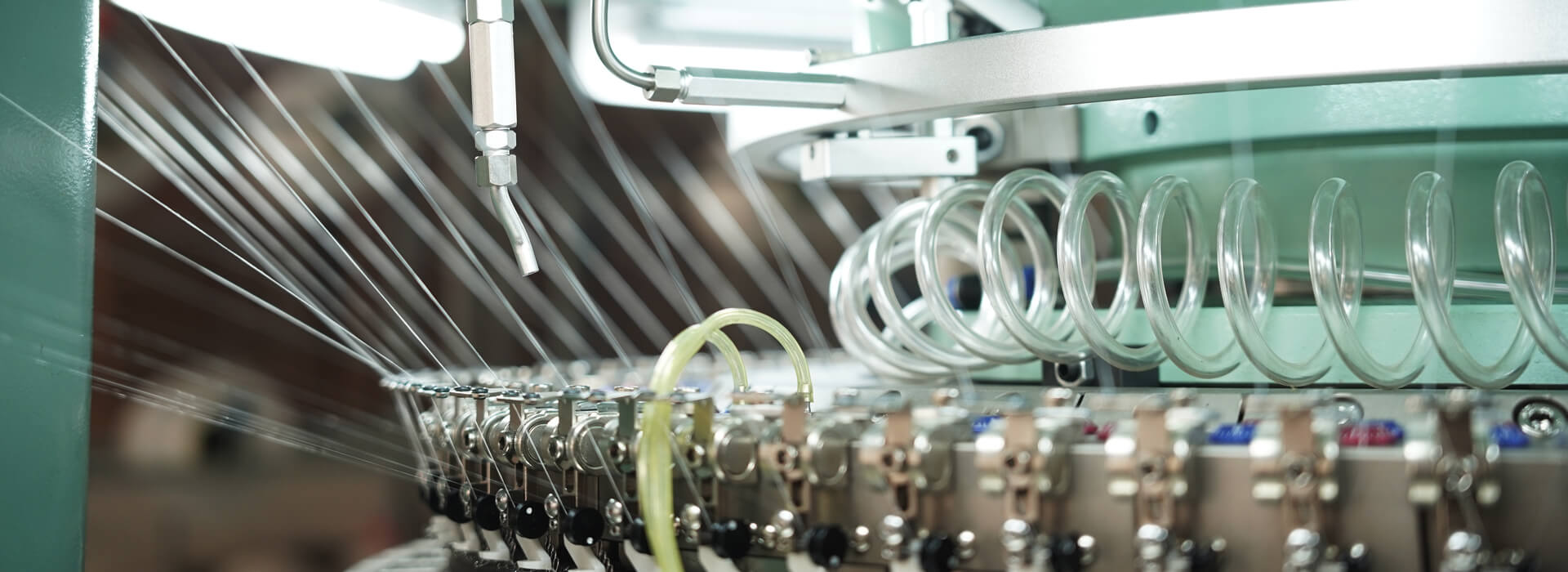
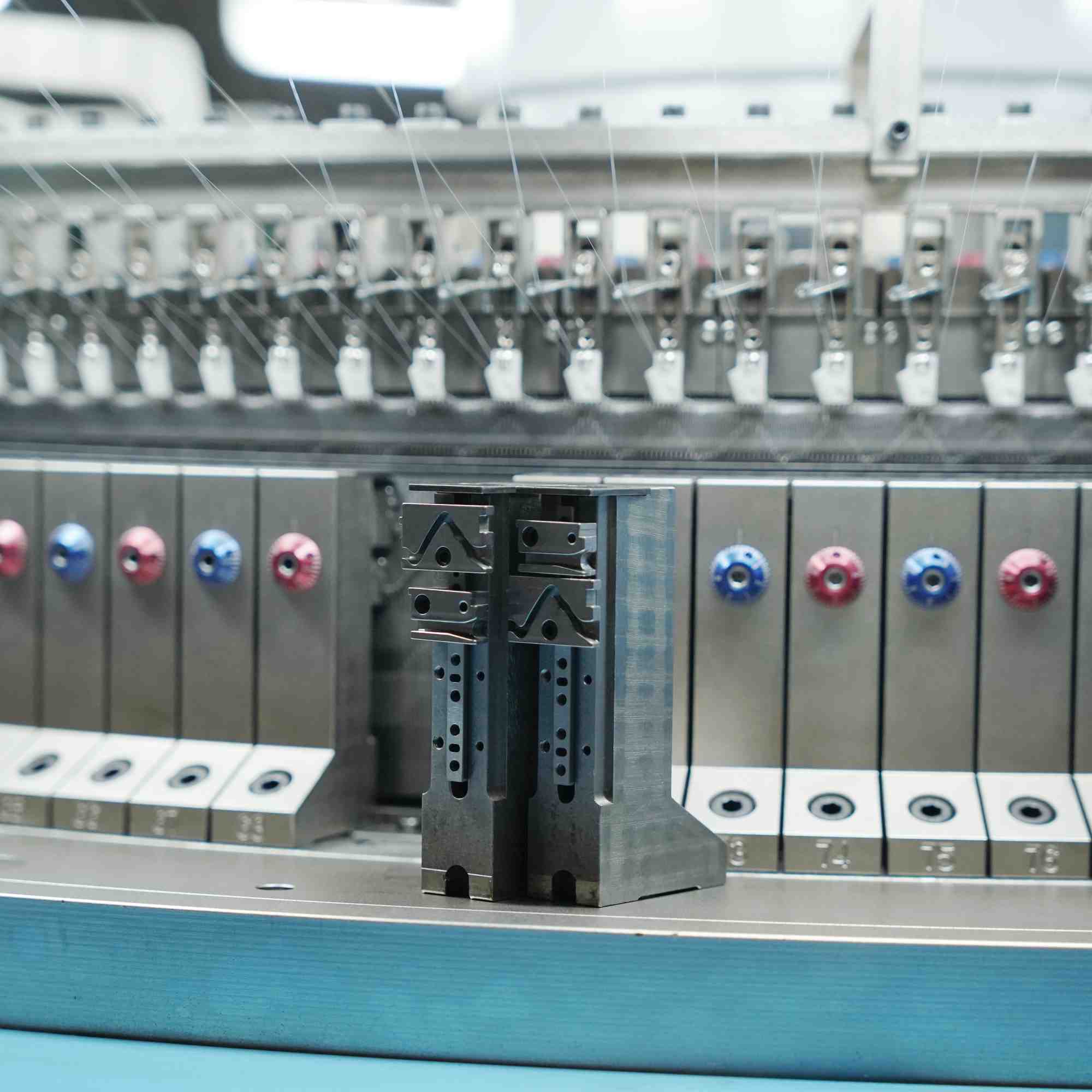
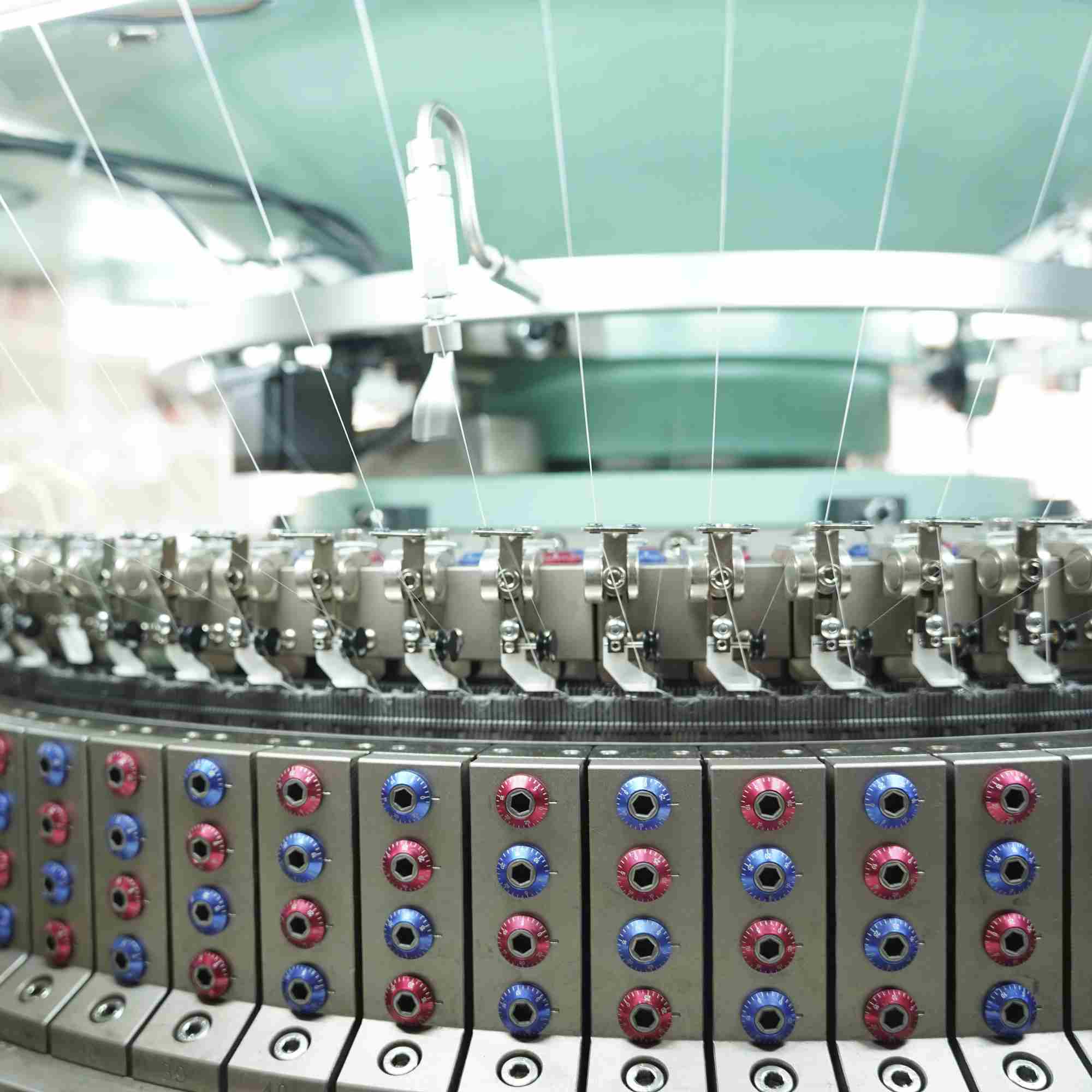
Map the 72 feeds and inspect both faces before the tube is opened.
 Price:
Negotiable
Price:
Negotiable
Model:
34''28G72F
NET Weight:
4tons
Diameter:
34 in
Gauge:
28G
Feeder:
72 feeders
Certification:
ISO,CE
Applicable Yarn Material:
RPM:
18 RPM
Wooden Box Size:
Place of Origin:
CHINA.
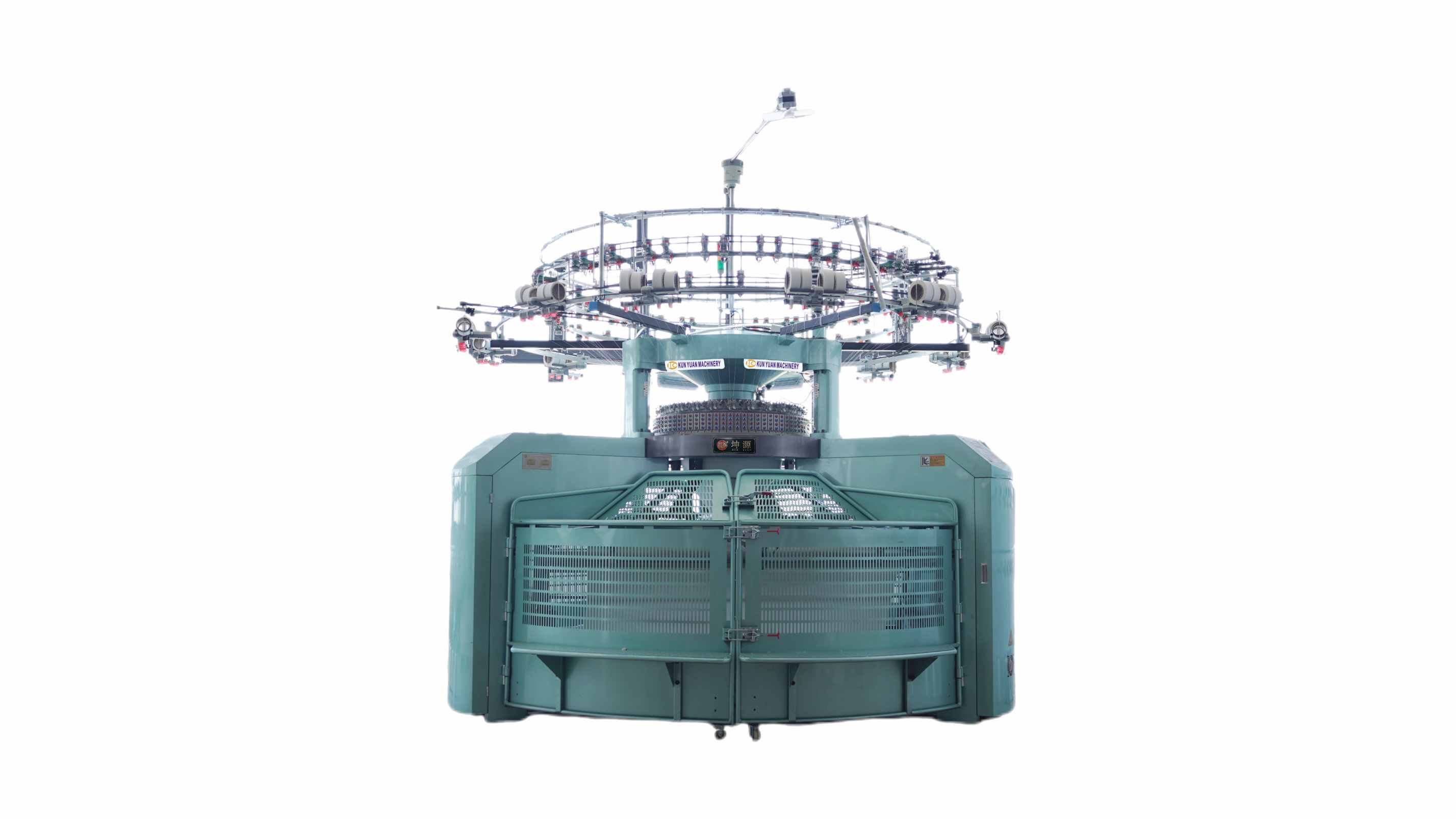
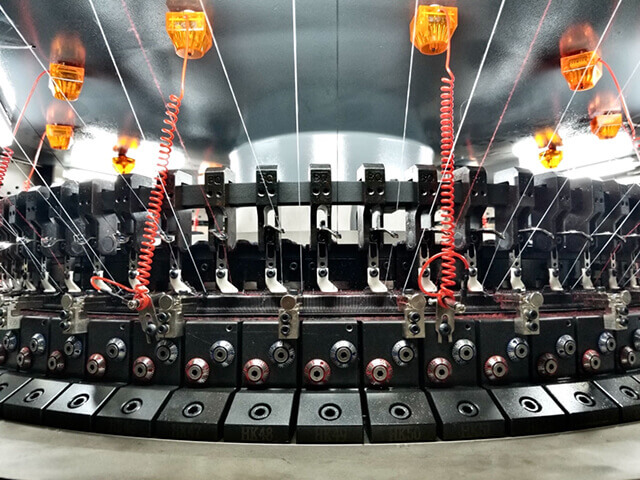
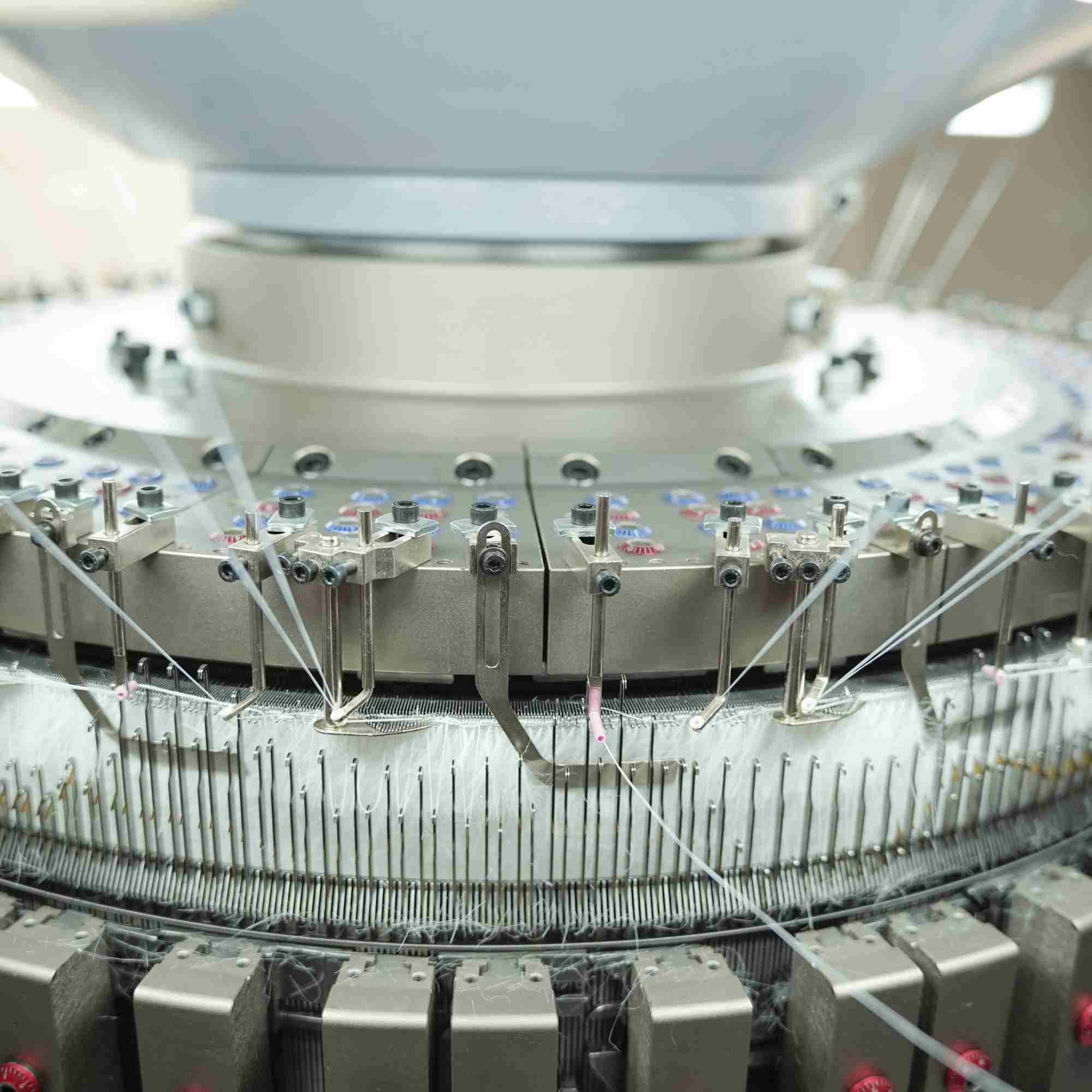
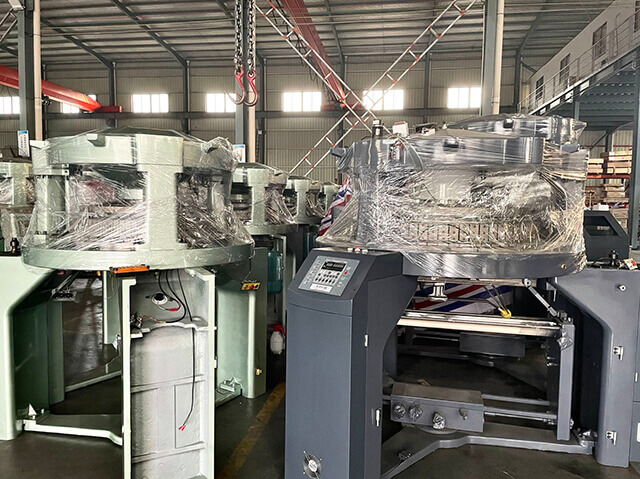
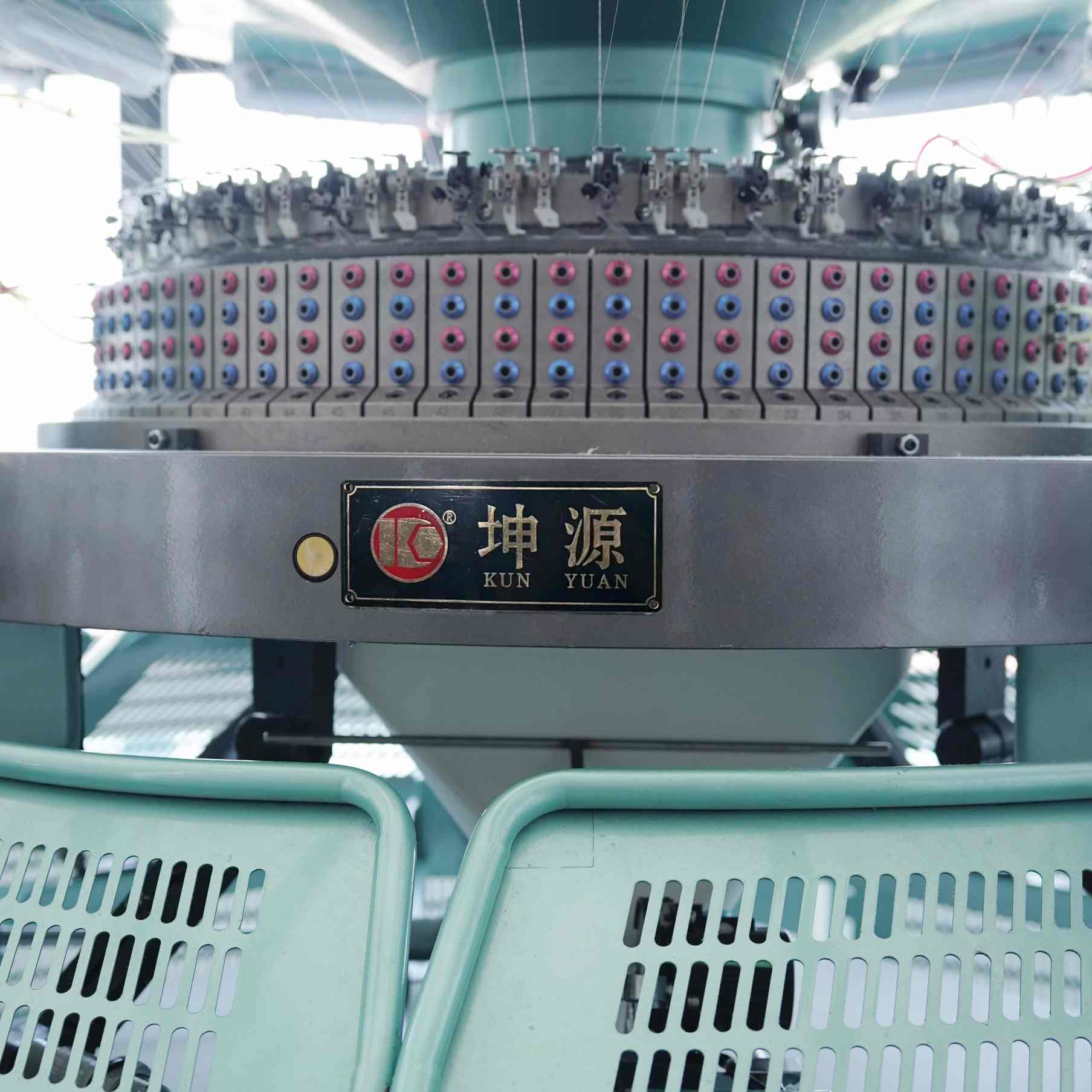
This model combines a 34-inch, 28G and 72-feeder double-side knitting configuration with a pneumatic high-foot feature and an open-width handling route. The archive records 18 RPM and mentions school-uniform and durable functional fabrics. The correct trial must cover all three systems: loop formation, pneumatic operation and the slit/spread/take-up path.
Do not treat “high-foot opening” as one vague benefit. Ask Kunyuan to show where the pneumatic high-foot mechanism acts, where the tube is slit, how the edges are guided and how the flat roll is wound. Define which features are standard on the quoted model.
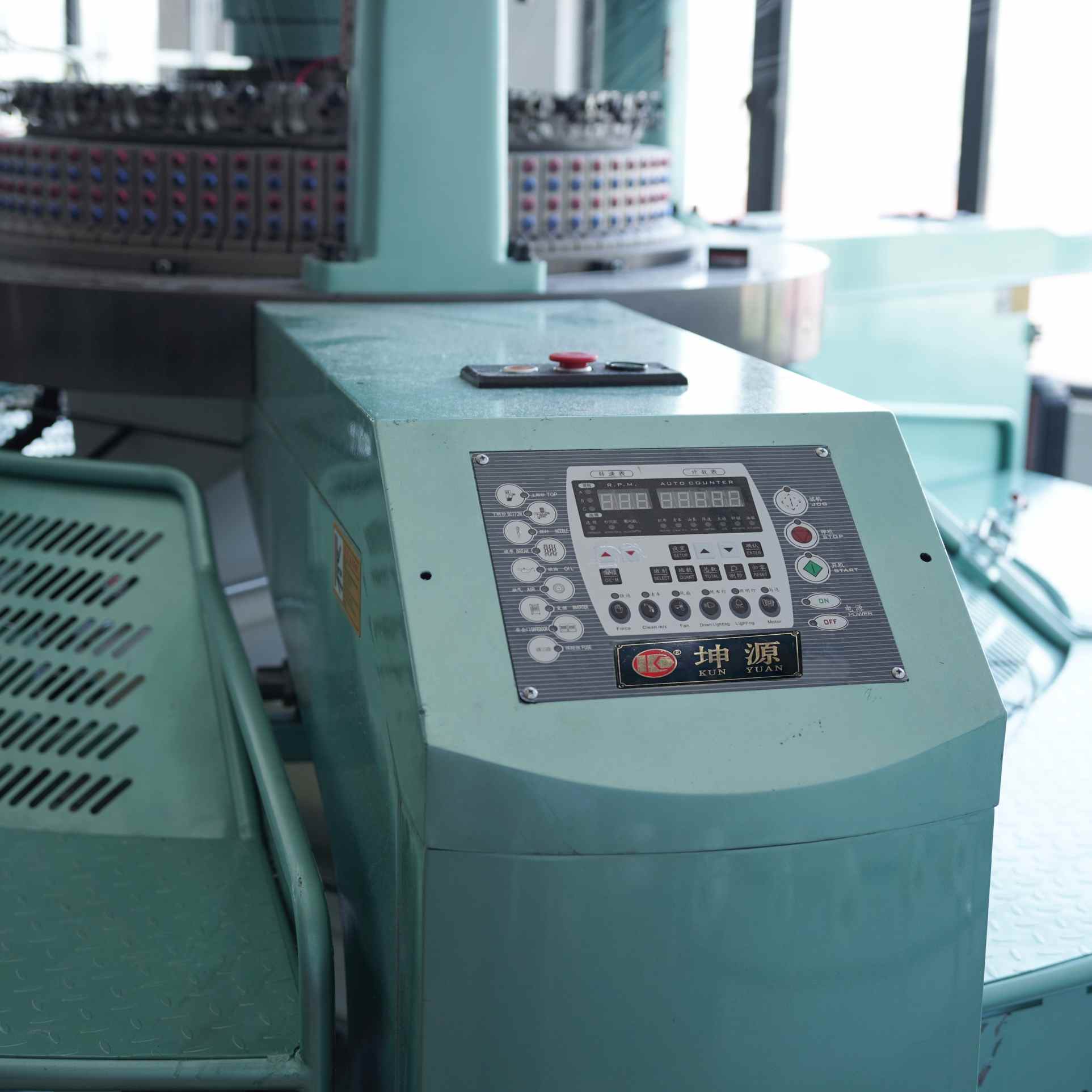
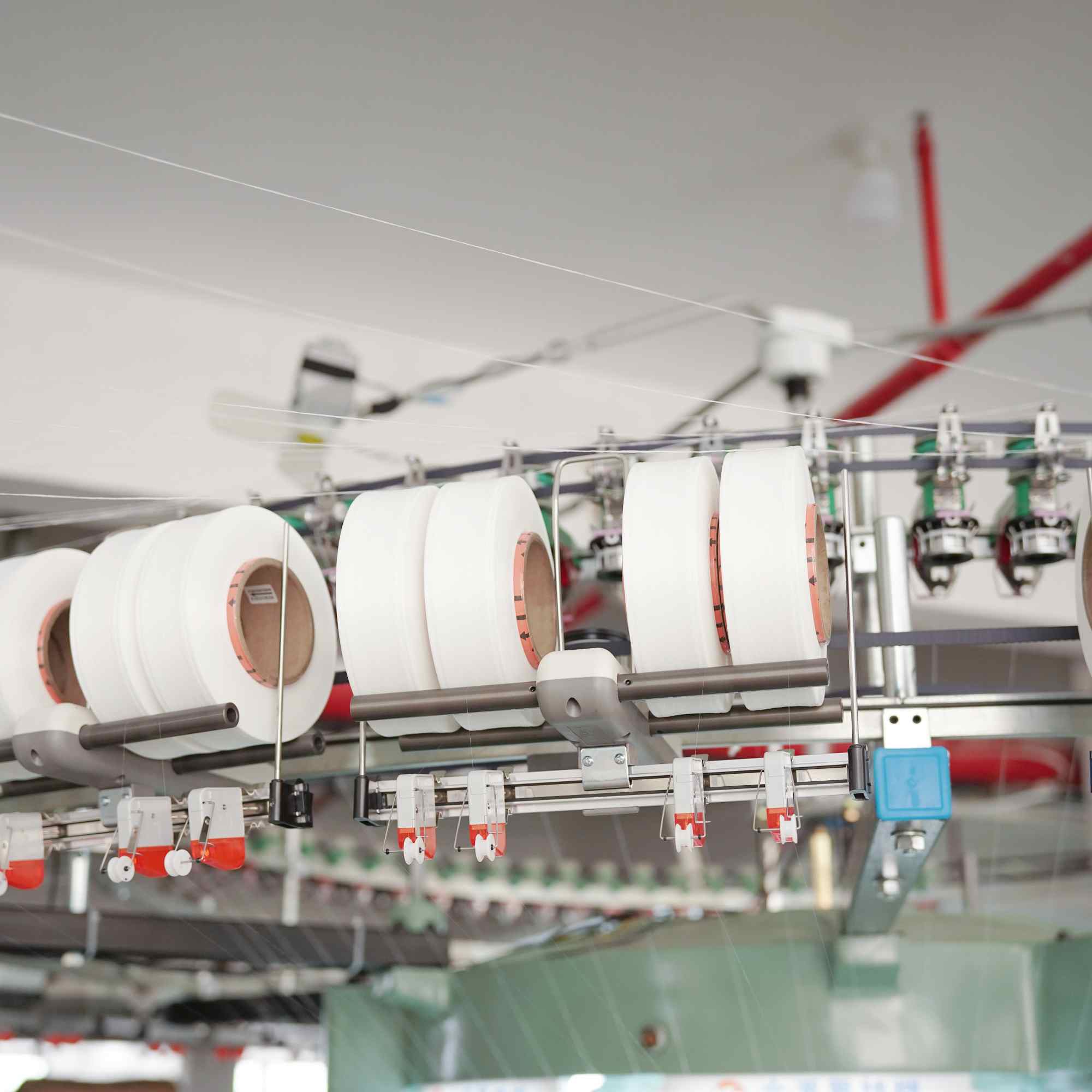
For school-uniform or similar fabric, provide the double-knit structure, yarn composition/count, color/dyeing route, target weight, finished width, hand and durability tests. If elastane is used, include its position and recovery requirement. The 28G setup supports a finer surface, but it does not prove breathability, abrasion or colorfastness without finished-fabric tests.
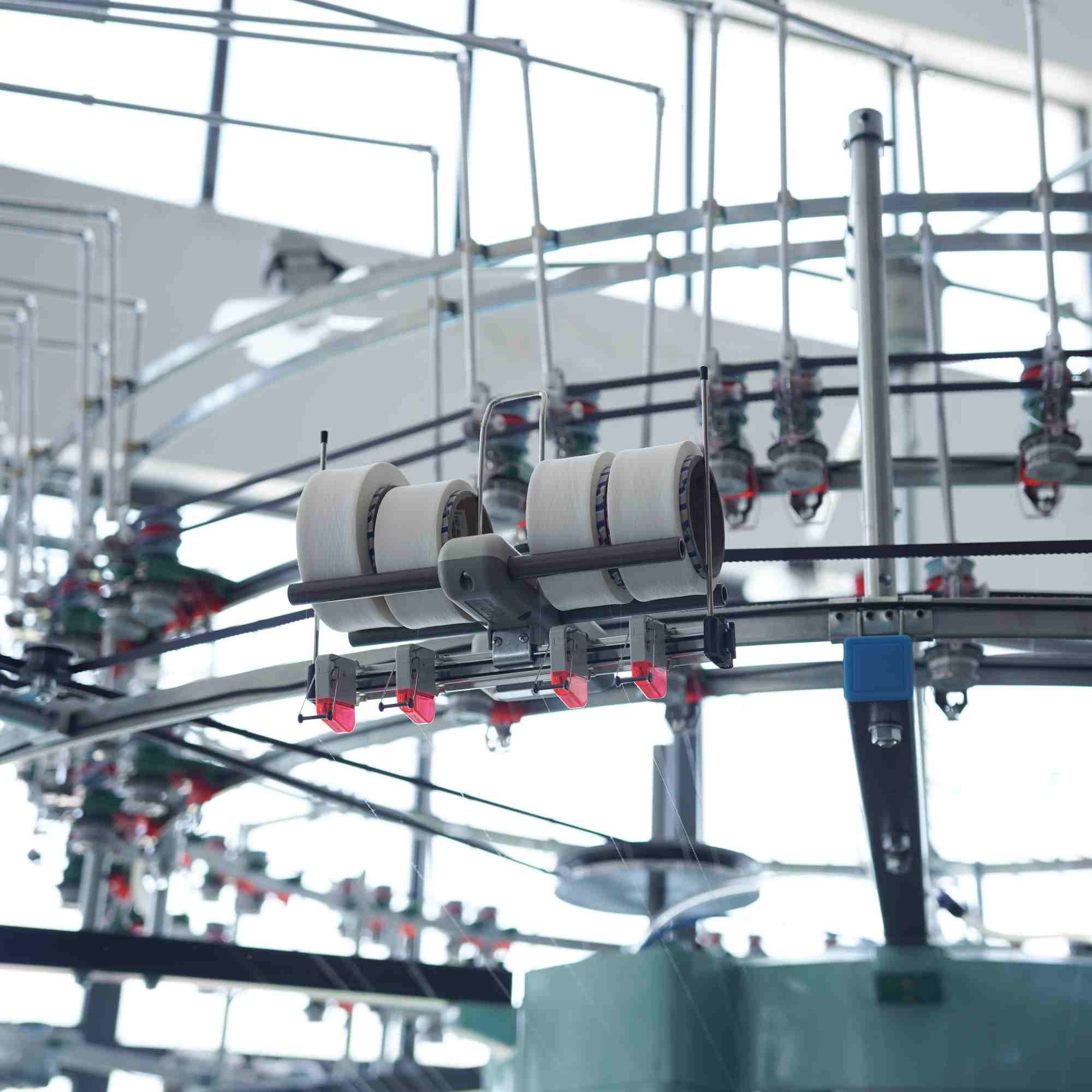
The supplier should state the 72-feeder yarn map and expected roll format. Pneumatic pressure/flow, slitting location, edge control and maximum roll size belong in the same technical boundary.
| System | Main risk | Evidence |
|---|---|---|
| 34-inch/28G/72F knitting | Lines, holes, feeder bands or face/back imbalance | Two-sided greige/finished samples |
| Pneumatic high-foot | Pressure loss, leakage or undocumented function | Utility sheet and operating test |
| Slitting/opening | Wandering slit or damaged/folded edge | Edge inspection at three roll points |
| Flat take-up | Wrinkles, telescoping or unequal hardness | Roll profile and tension record |
| Uniform end use | Unsupported performance claims | Buyer’s finished-fabric lab results |
Run production yarn, document feeder positions and inspect both fabric faces before slitting. Measure tubular width, then follow the fabric through the cutting and spreader path. Check slit position, edge damage, open width, diagonal wrinkles and roll alignment at the start, middle and end.
Send a labelled portion through the intended dyeing and finishing process. Recheck weight, width, shrinkage, hand and required uniform tests. Keep pneumatic, slitter and winding settings with the knitting recipe. This makes a complaint traceable to the right system instead of blaming the whole machine.
Log pneumatic pressure/leak checks, blade/edge-guide condition and take-up tension separately from needles, dial and feeders. A roll-handling problem should not trigger random cam changes. A fixed needle line should not be hidden by changing winding tension.
Before service, isolate power and release stored air. Protect the blade and follow the manufacturer’s access procedure. After work, make a short marked roll and verify all three systems before production release.
Agree the roll direction, maximum roll diameter/weight, core size, edge allowance and identification label expected by the next department. A clean open-width roll can still create downtime if it is wound in the wrong direction or cannot fit the finishing line. Include these details in the acceptance record rather than leaving them to the first production shift.
The installation review should cover machine and service footprint, blade access, lifting route, compressed air, electrical supply and space for doffing a flat roll. Ask which settings are locked, which operators may change, and how a slit-edge alarm or pressure loss is handled. These operational boundaries are part of the delivered system.
Require a labelled drawing and operating description. The term must be tied to a mechanism, pneumatic specification and intended fabric function.
No. Gauge describes needle density. Abrasion, pilling, colorfastness and wear performance must be tested on the finished buyer fabric.
Check slit edges, open width, wrinkles, roll alignment and hardness at multiple roll positions, then confirm feeding into the next finishing process.
Keep separate knitting, pneumatic and open-width settings plus feeder/defect maps and greige/finished samples from the same run.
34-Inch 28G Pneumatic High-Foot Open-Width Knitting Machine should be judged as an integrated line. The 72 feeders build the double-knit fabric, the pneumatic system performs its specified function, and the opening route must deliver a clean, stable flat roll for finishing.
The cleaned record is 34 inch, 28G and 72 feeders with an 18 RPM reference. Define the high-foot mechanism and open-width path separately in the order.
| Model / configuration | 34''28G72F |
|---|---|
| Net weight | 4tons |
| Cylinder diameter | 34 in |
| Gauge | 28G |
| Feeders | 72 feeders |
| Recorded operating speed | 18 RPM |
| Certification shown in CMS | ISO,CE |
This model combines double-side knitting, a specified pneumatic high-foot feature and slit-to-flat roll handling.
Map the 72 feeds and inspect both faces before the tube is opened.
Test the labelled high-foot mechanism at its required pressure and fail-safe state.
Inspect slit edges, wrinkles, alignment and roll hardness at multiple positions.
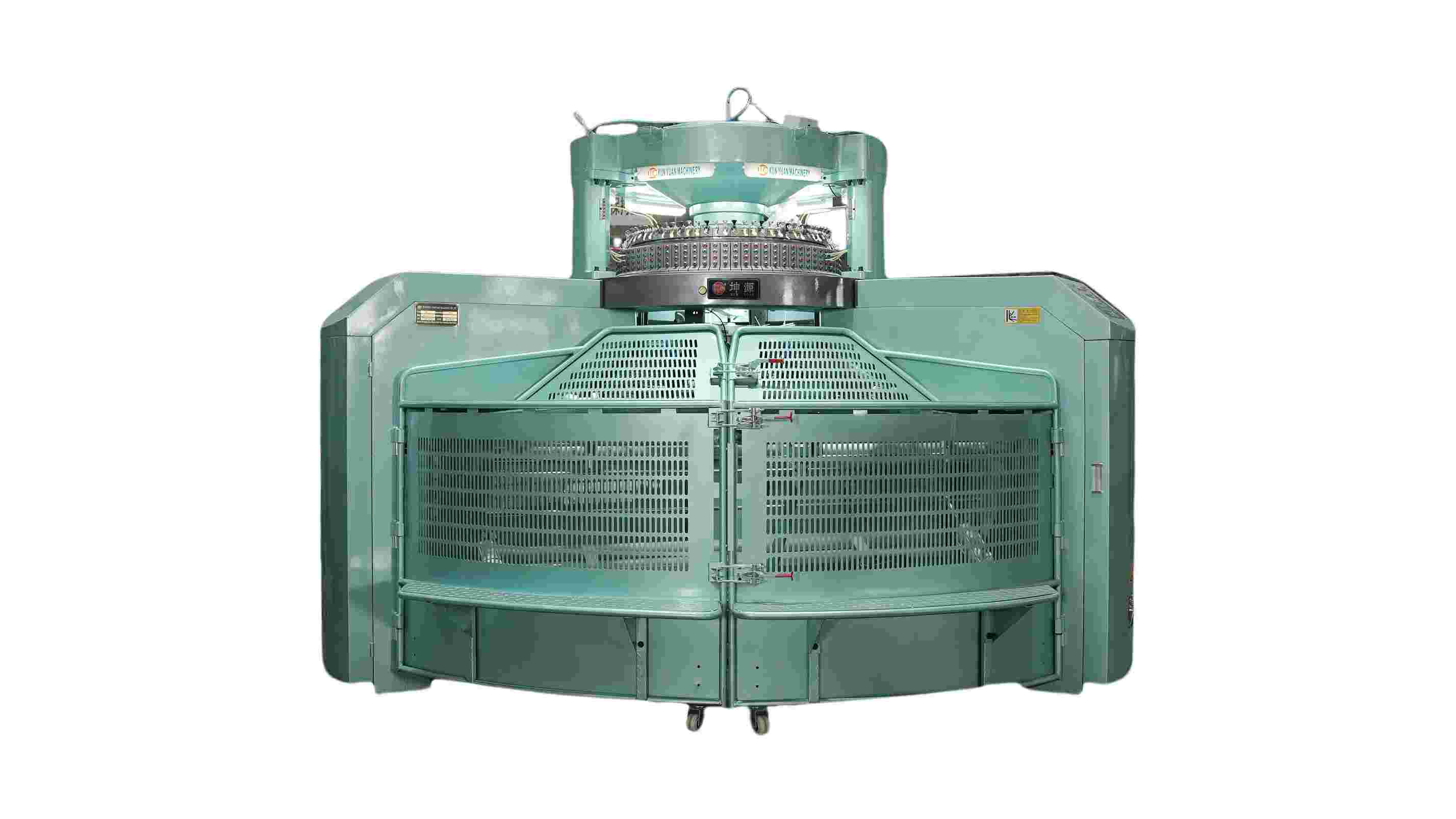
Specify a Pneumatic Open-Width Double Jersey Circular Knitting Machine by 34-inch/28G/72-feeder configuration, slitting position, edge control and roll-quality checks....
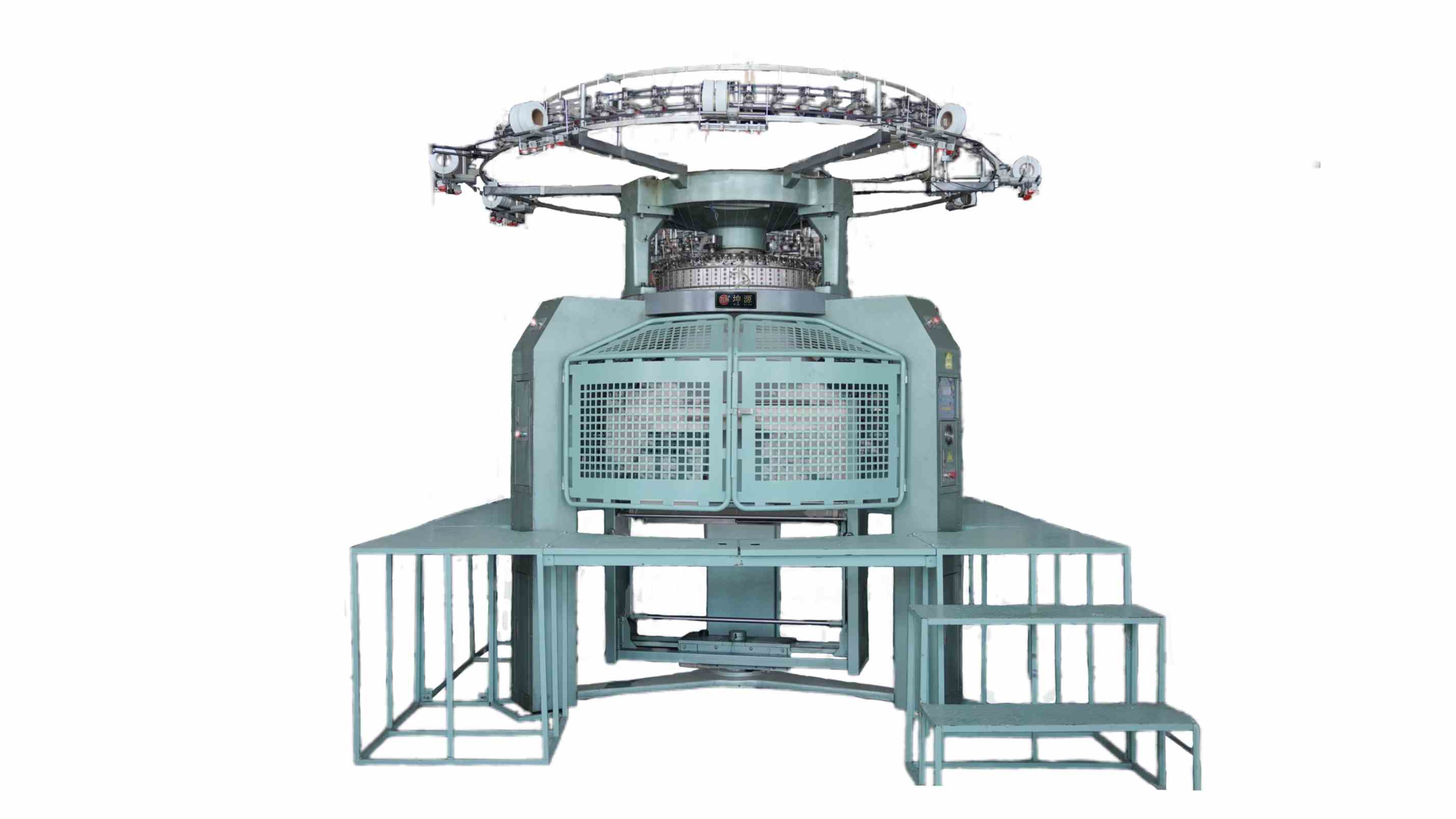
Specify a 34-Inch 18G 60-Feeder Pneumatic High-Foot Thread Circular Knitting Machine for collars, cuffs and waistbands using component-level trials....
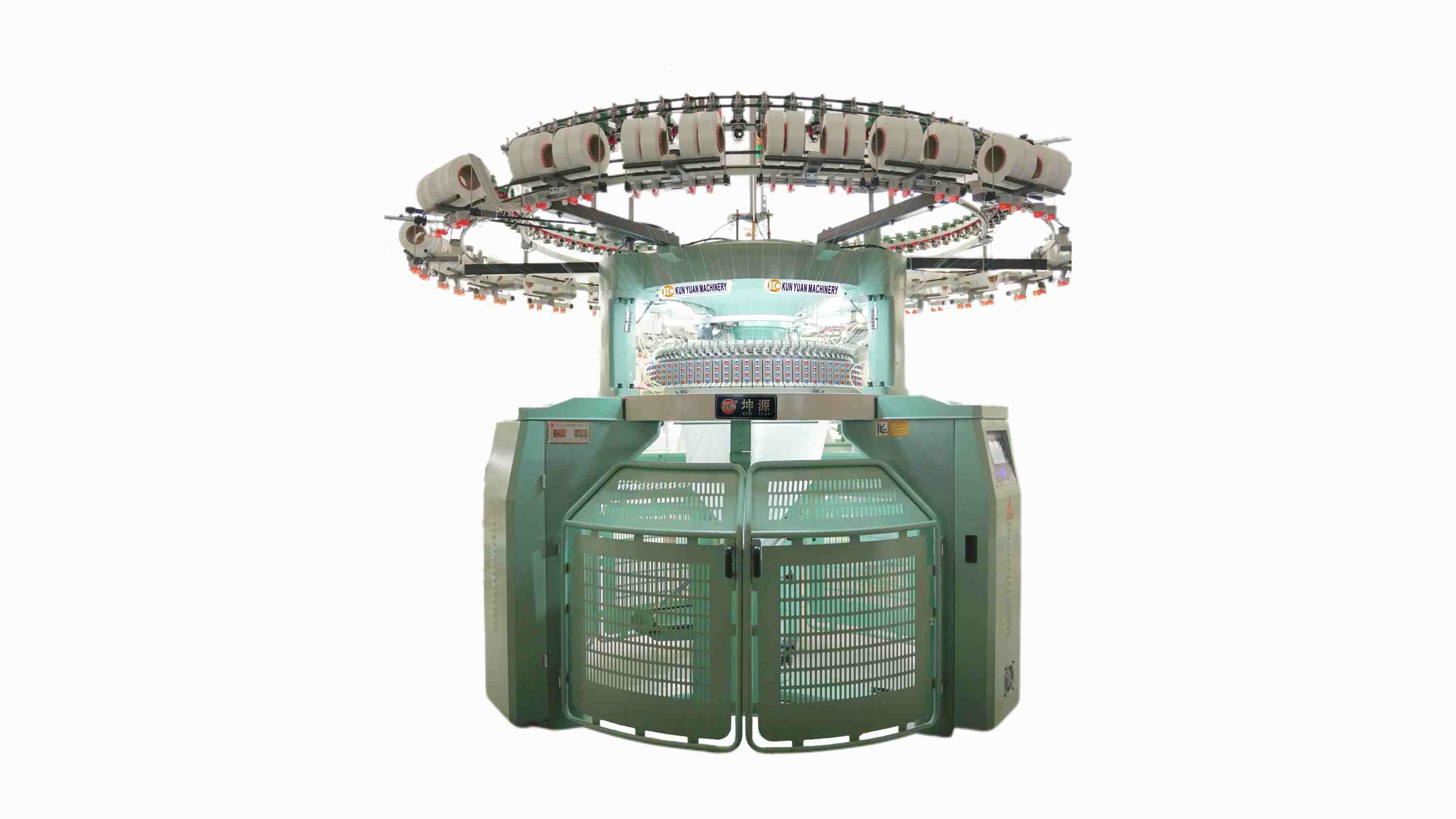
Plan a 34-Inch 12G 72-Feeder Double-Side Interchangeable Circular Knitting Machine around change parts, setup records and separate fabric trials....
This is an inspection guide rather than a second general overview of the same machine family. With the old playback source removed, the page now explains......
This article preserves the original pneumatic high-foot machine topic as a written technical reference. The former external short-video link is not......

 Tel: +86-13859034518
 Email: info@kunyuanmachine.com
 MP/WhatsApp: +86-13859034518
 Manufacturer Address:Bacuo Village, Yonghe Town, Jinjiang City, Fujian Province



Compiled archived feedback for Double Jacquard Circular Knitting Machine highlights pattern capability, stable operation and double-knit fabric versatility; open the full summary for source notes and model-specific buyer checks.2026-08-20
Archived feedback highlighted smooth fabric production, durability and reliable operation for an interchangeable double-side configuration.2025-07-16
Archived feedback emphasized stable running, precision and easier operation with the pneumatic system.2025-07-16
Archived feedback focused on intuitive controls, quick adjustment and smooth double-jacquard machine operation.2025-07-11