


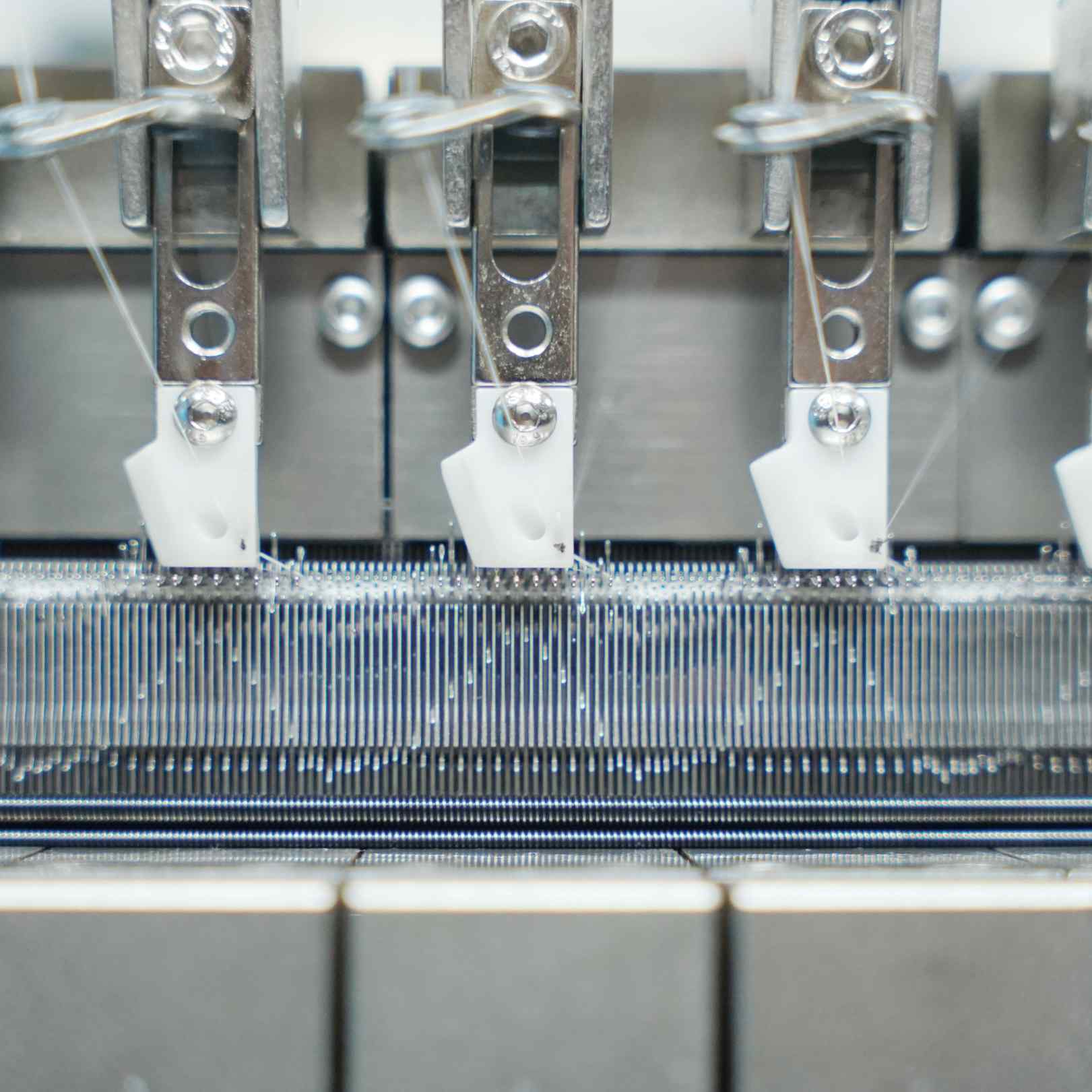

Feed organisation
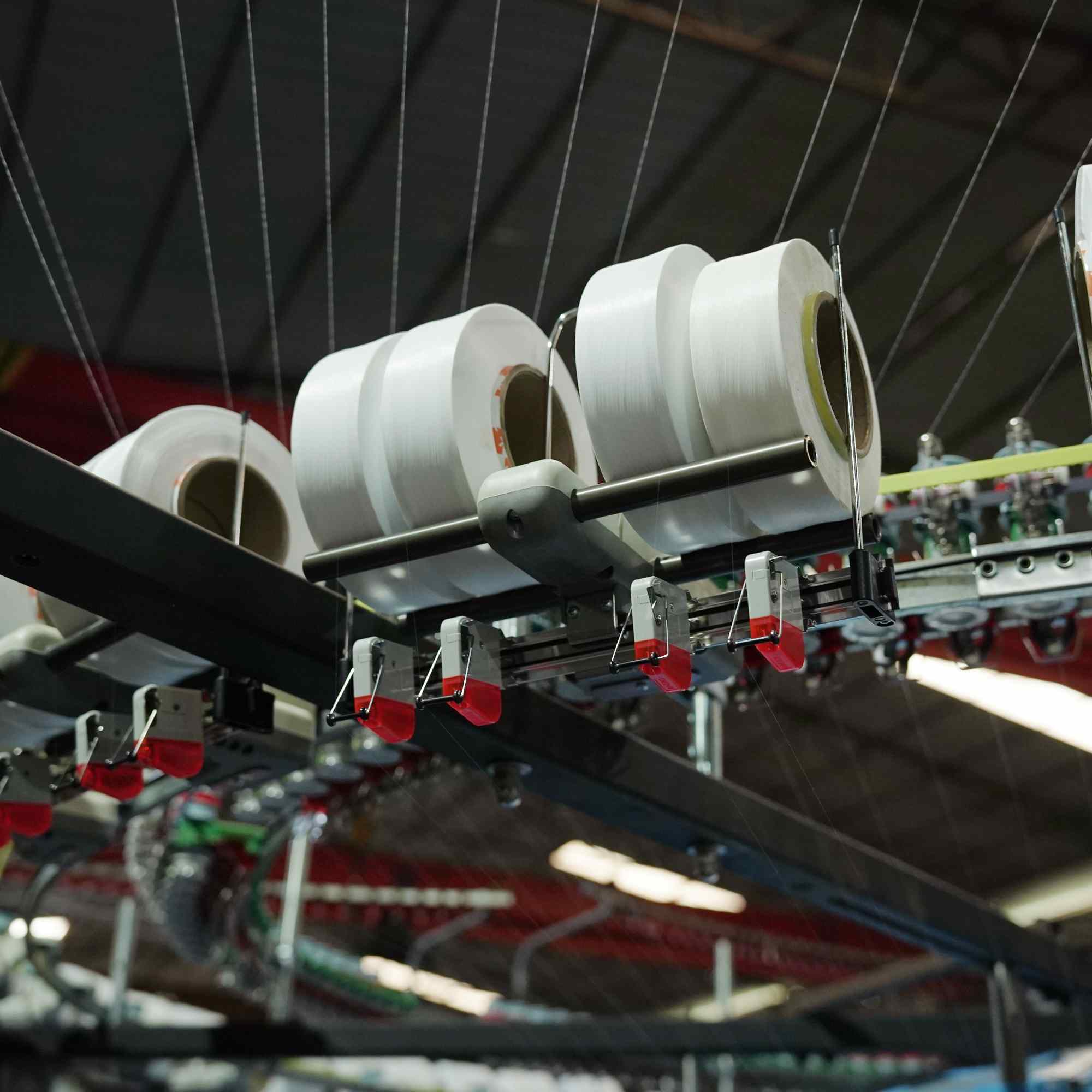
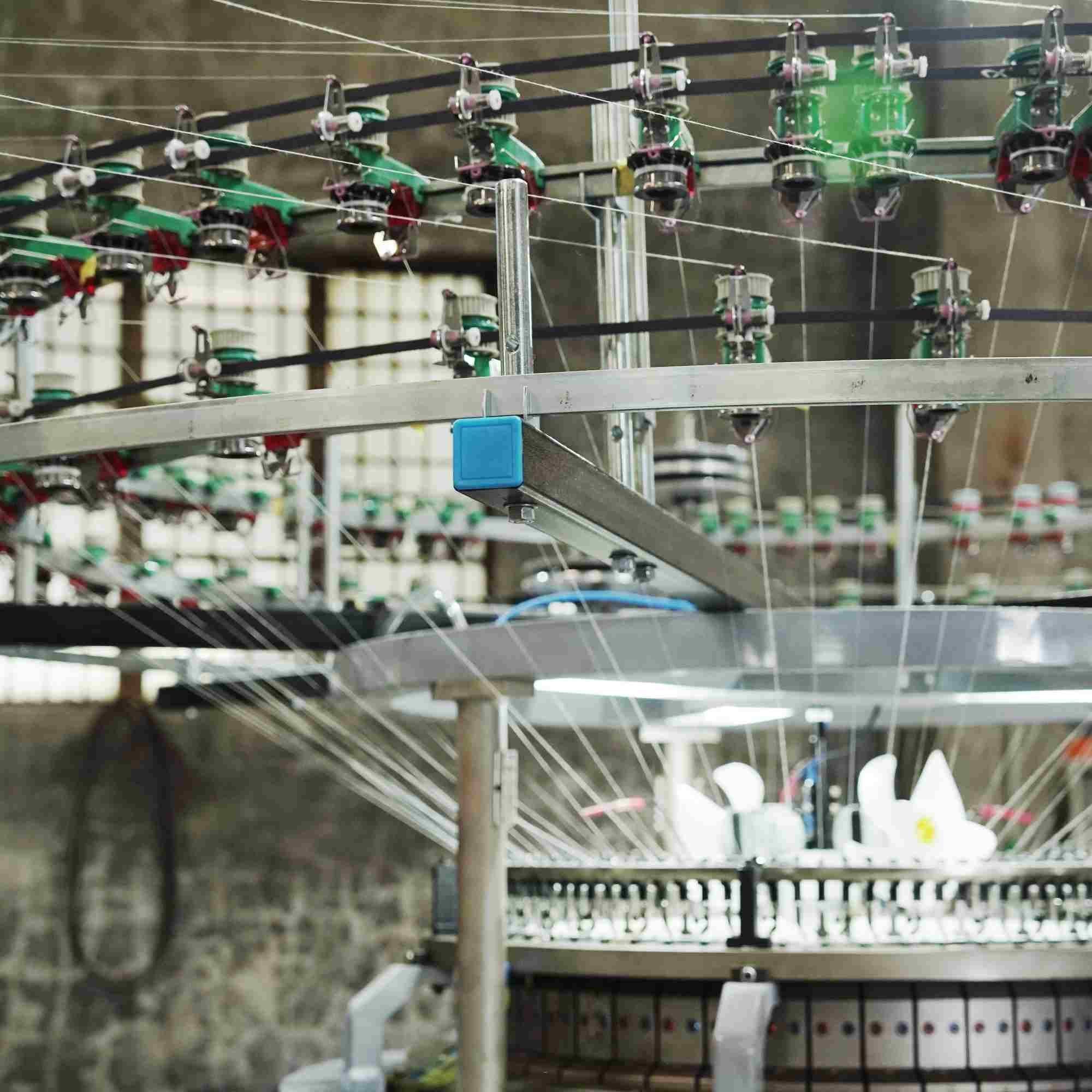
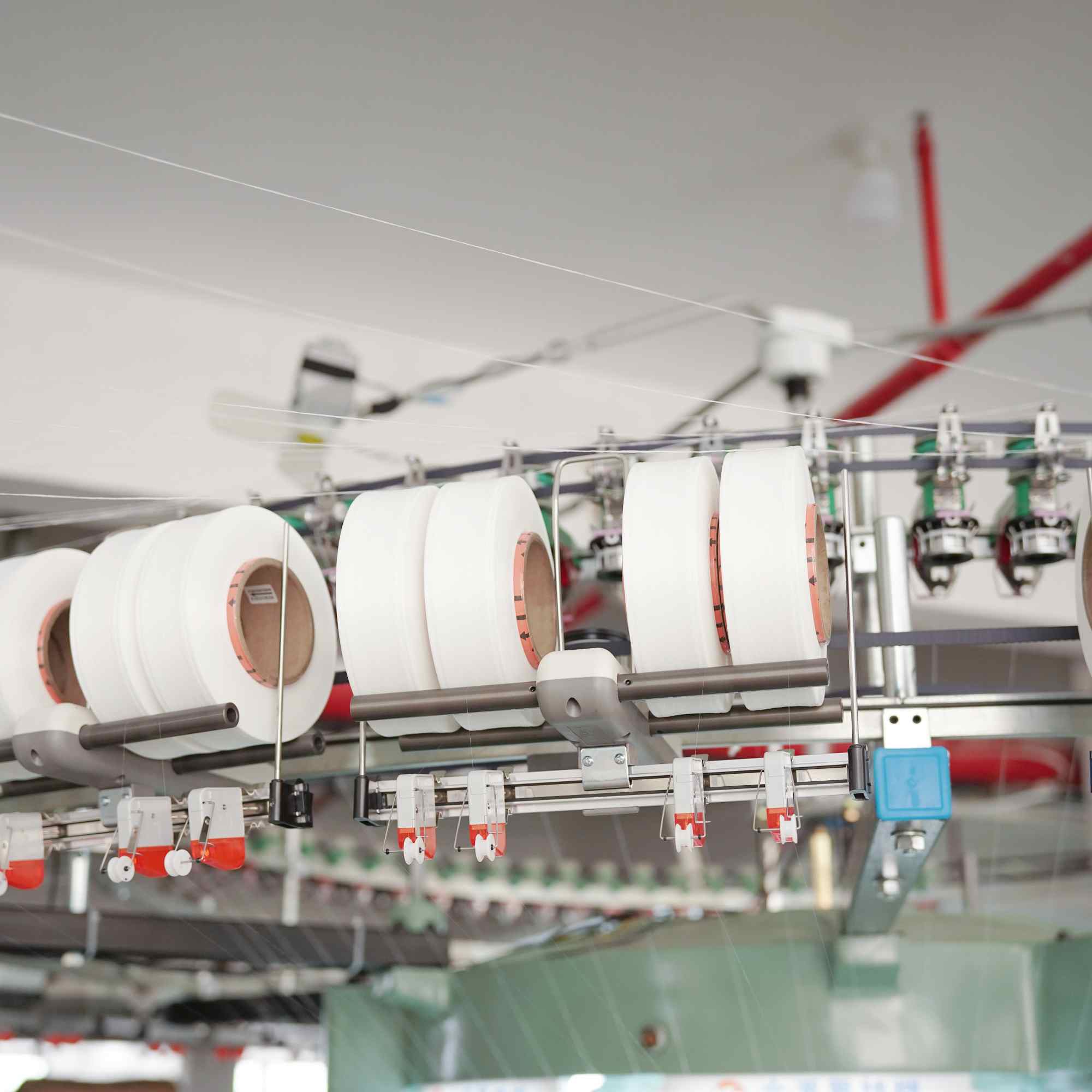
Number yarn and elastane positions so bands and lot changes can be traced.
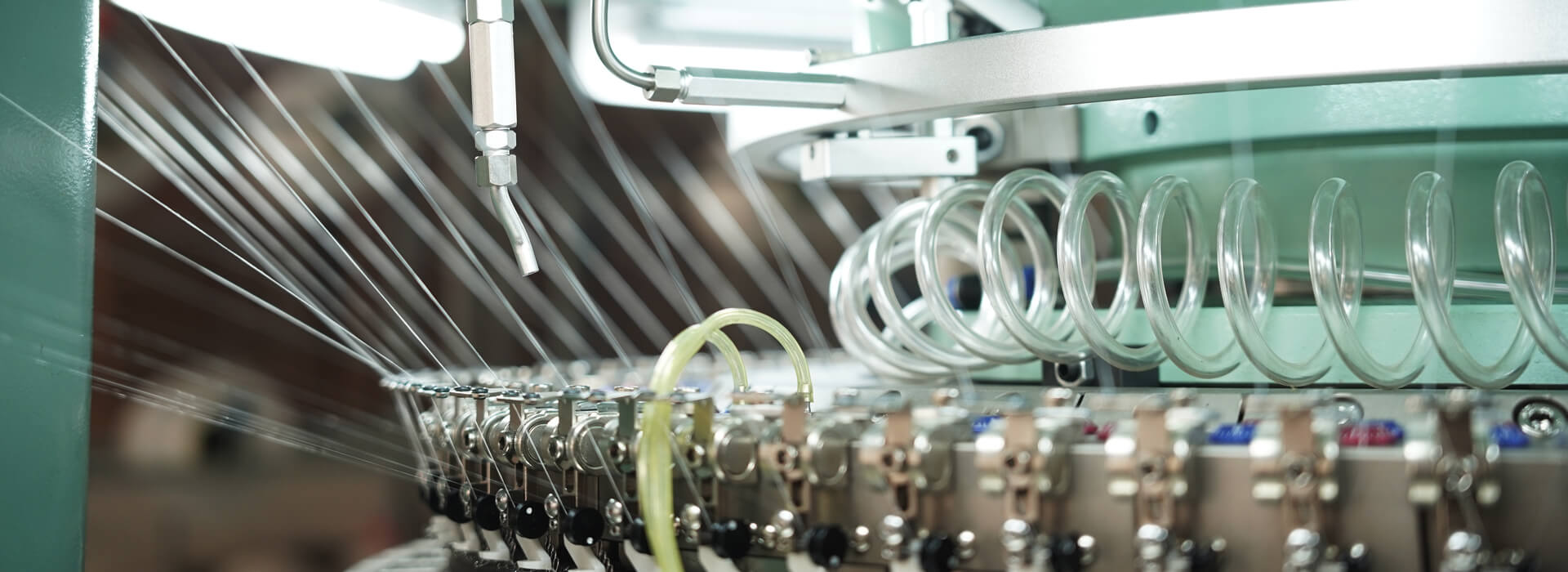
 Price:
Negotiable
Price:
Negotiable
Model:
36-inch, 32 gauge, 108 feeders
NET Weight:
2500–3200 kg
Diameter:
36 in (≈914 mm)
Gauge:
32G
Feeder:
108 feeders
Certification:
CE,ISO
Applicable Yarn Material:
Combed Cotton,Polyester,Modal,Spandex
RPM:
15–25 RPM
Wooden Box Size:
2 m × 2 m × 2.5 m
Place of Origin:
CHINA.
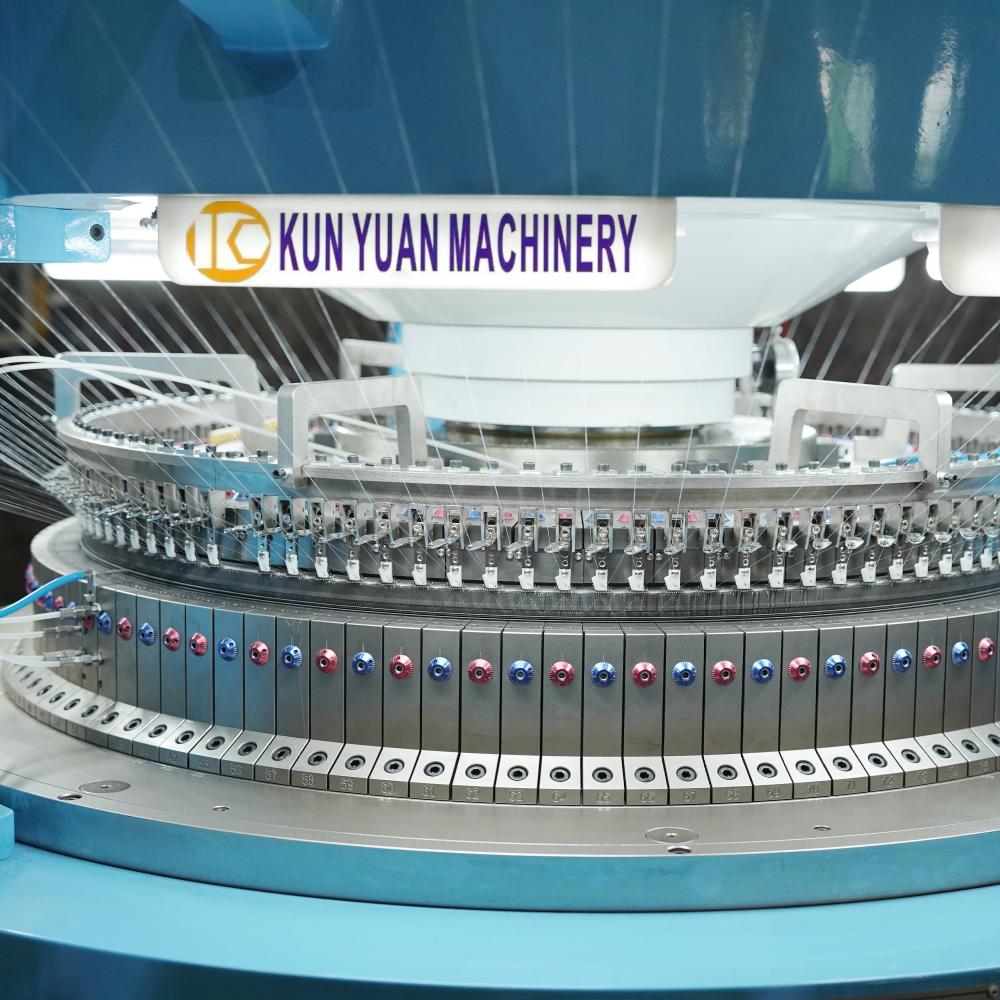
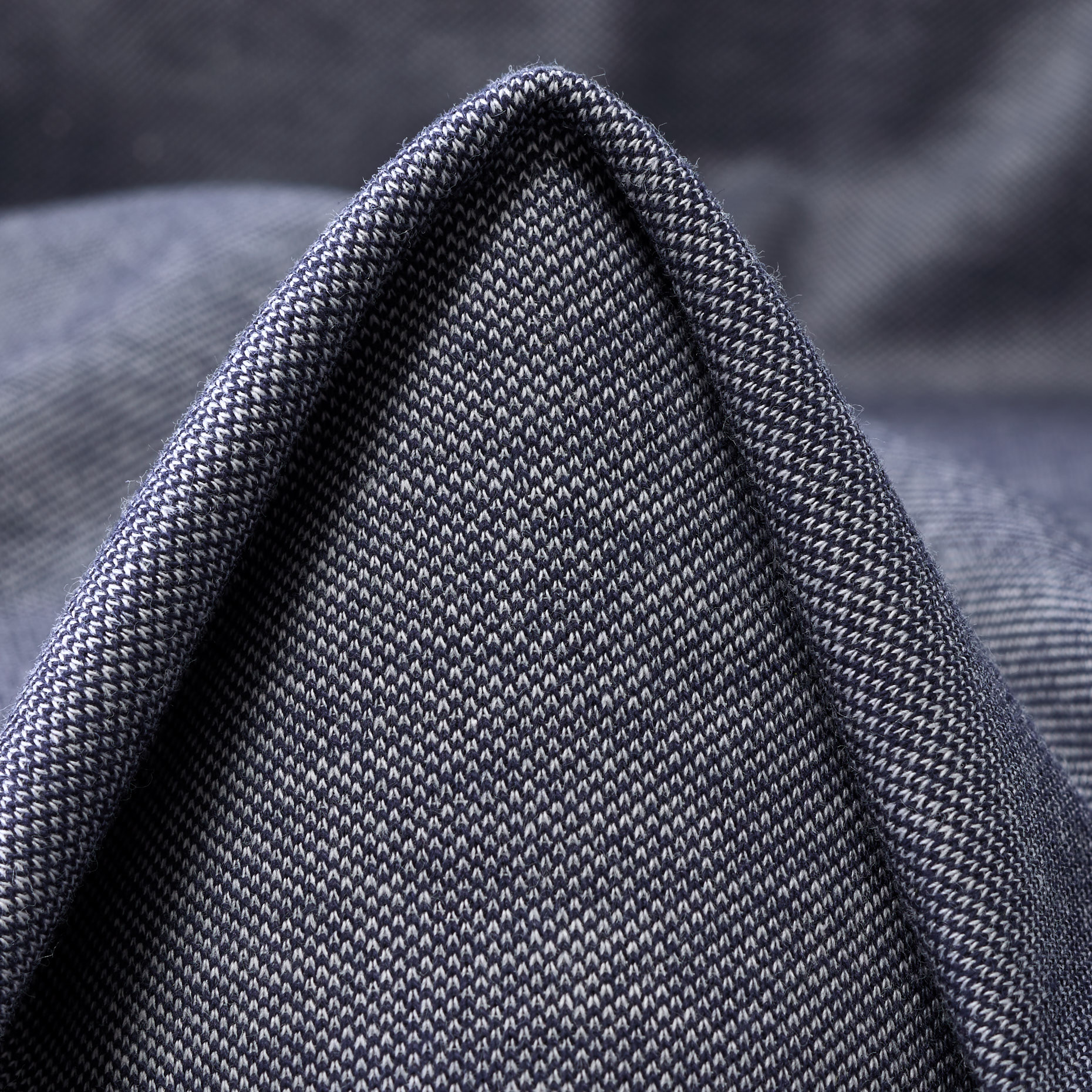
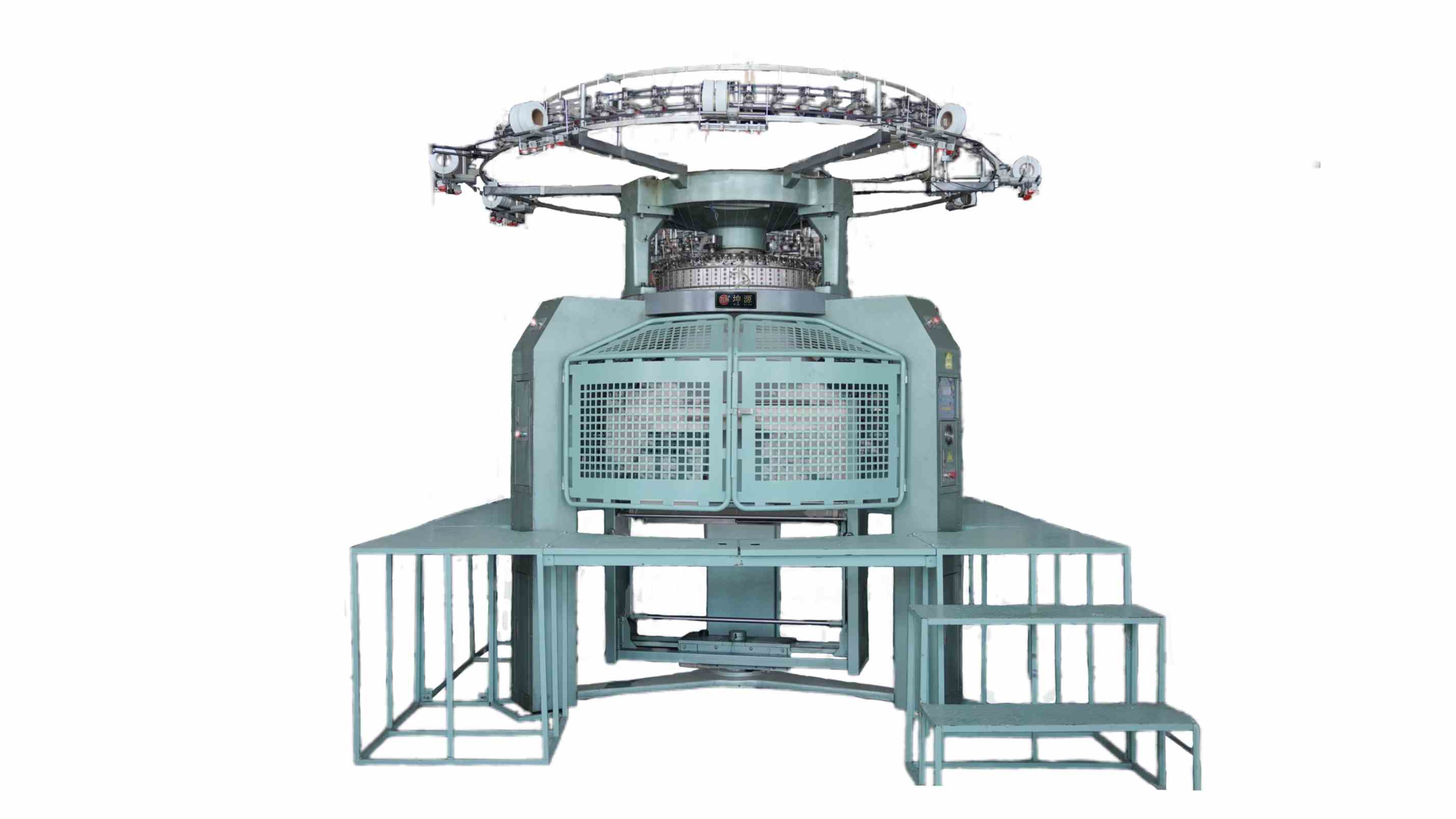
This page describes a 36-inch, 32G and 108-feeder double-jersey configuration. The archive records a 15–25 RPM range and yarn options including combed cotton, polyester, modal and spandex. At 32G, the intended result is a fine, dense double-knit surface; small needle, yarn or timing variations can become visible across a smooth fabric.
The old page listed garment, home, functional and medical applications. These are possible markets, not evidence of antibacterial, UV, medical or moisture-management performance. Such claims require a specified yarn/finish and an appropriate finished-fabric test. The product page should stay with the machine and fabric facts it can support.
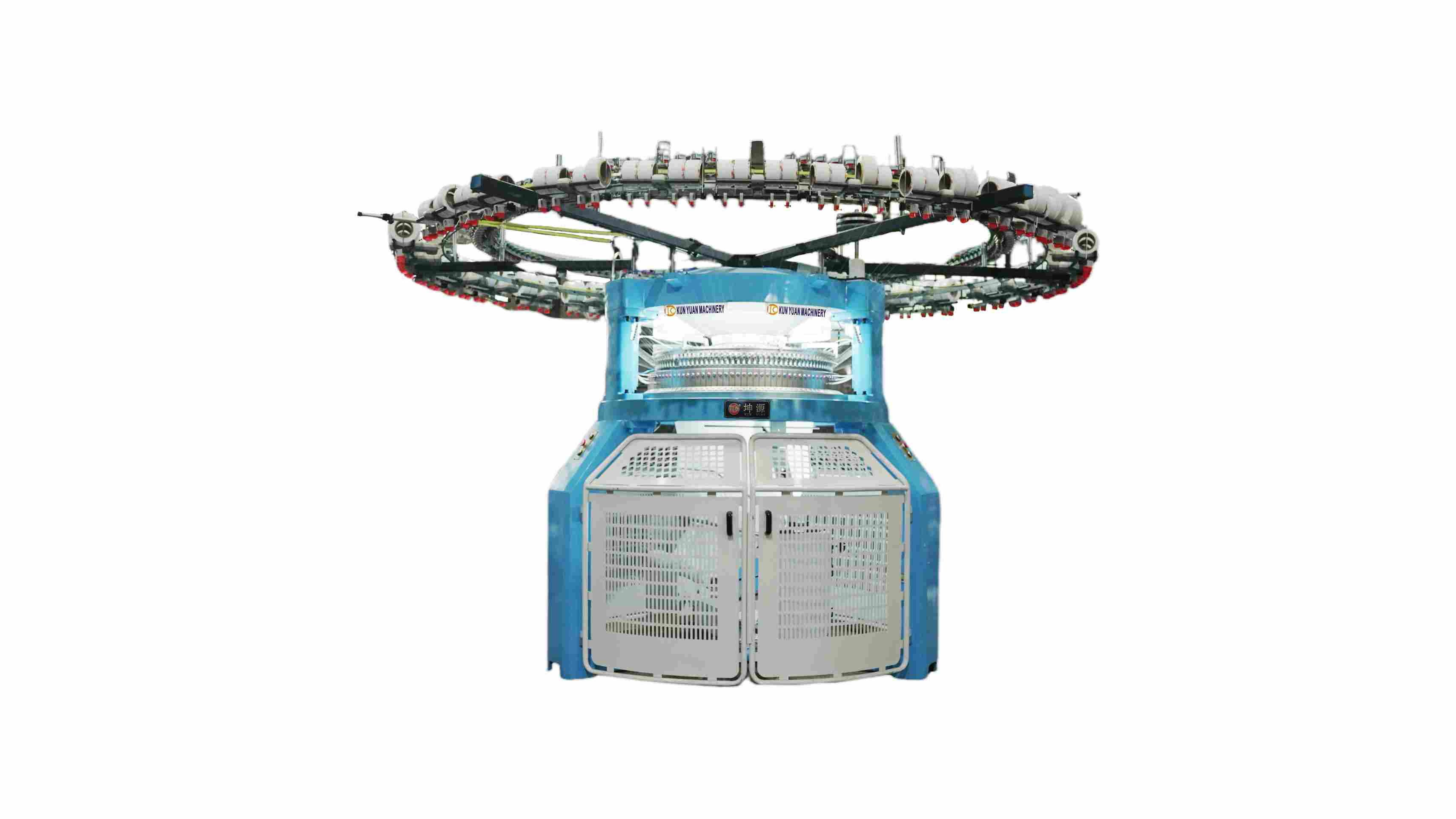
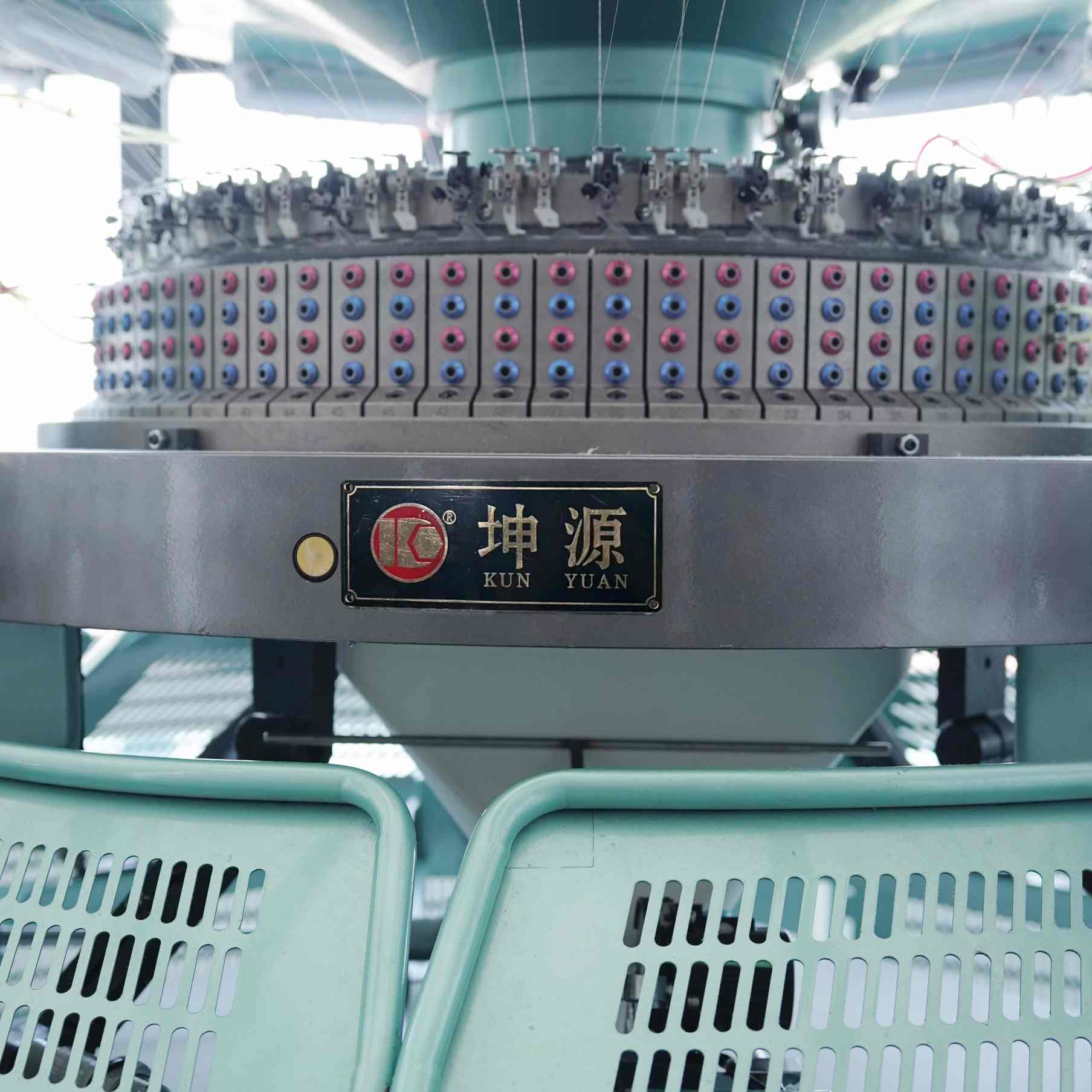
Map every yarn and elastane position. With many feeds, a package change, tension difference or incorrect path can produce repeating bands that are difficult to trace after the roll leaves the machine. Record yarn lots and feeder numbers from the start of the trial.
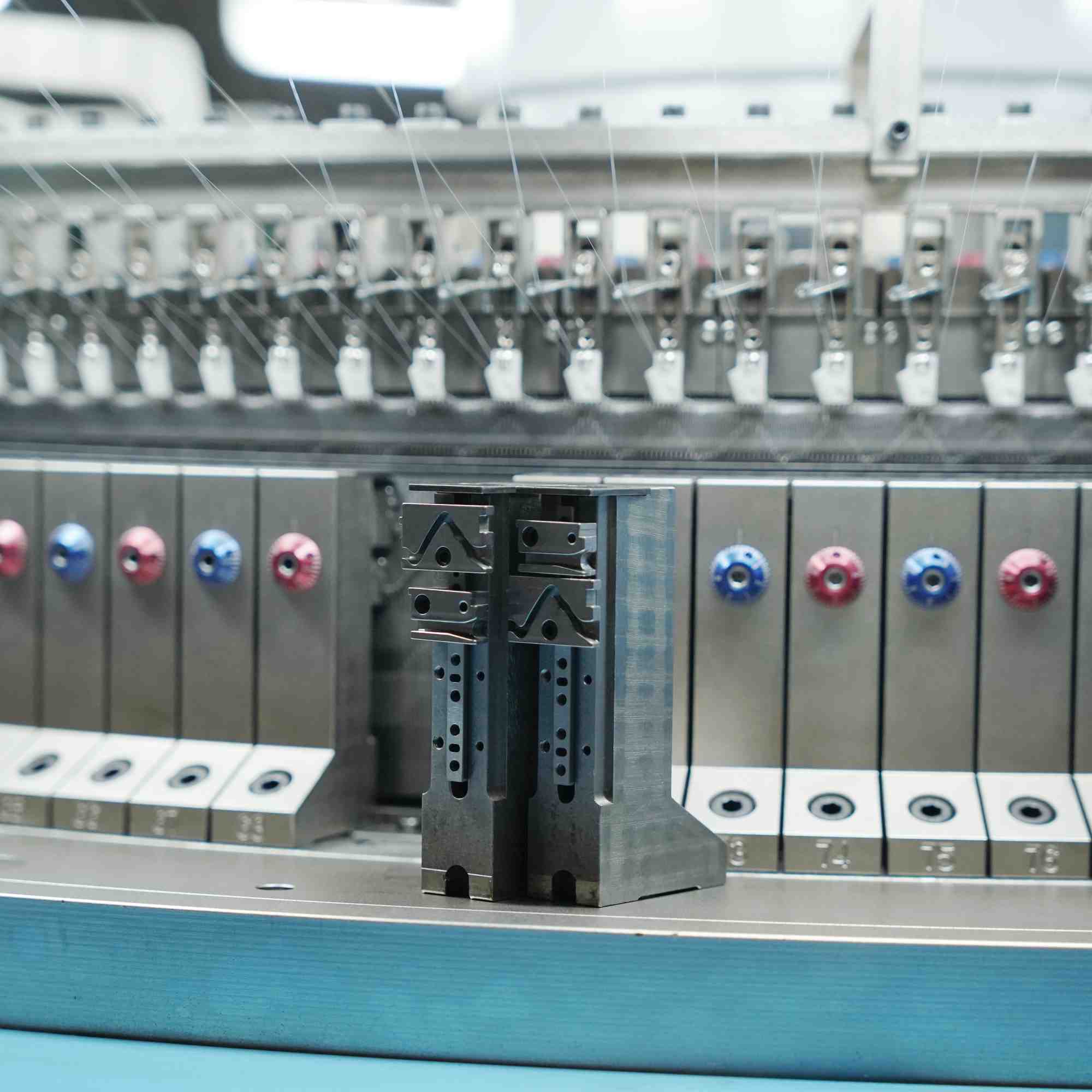
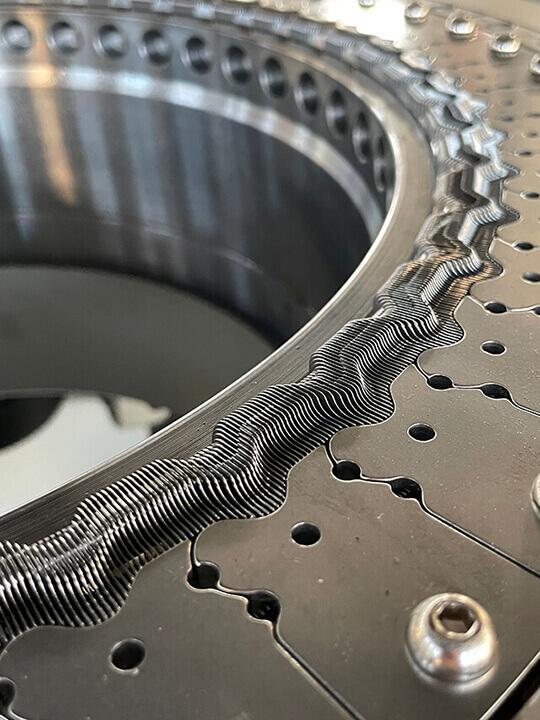
Fine-gauge cylinder/dial timing, needle condition, lubrication and take-down must remain balanced. Inspect both faces and the edge/roll condition. A buyer asking for a smooth activewear or underwear base should define width, weight, stretch/recovery and finishing rather than rely on “32G” alone.
| Fixed item | Buyer variable | Evidence |
|---|---|---|
| 36-inch cylinder | Greige and finished width/roll format | Width at several roll positions |
| 32G | Yarn count, density and surface requirement | Needle/model record and close inspection |
| 108 feeders | Yarn/elastane position and package lot | Numbered feeder map |
| 15–25 RPM archive range | Stable setting under buyer’s recipe | Speed, stop and quality log |
| Double-knit structure | Face/back, stretch and finishing | Labelled two-sided finished sample |
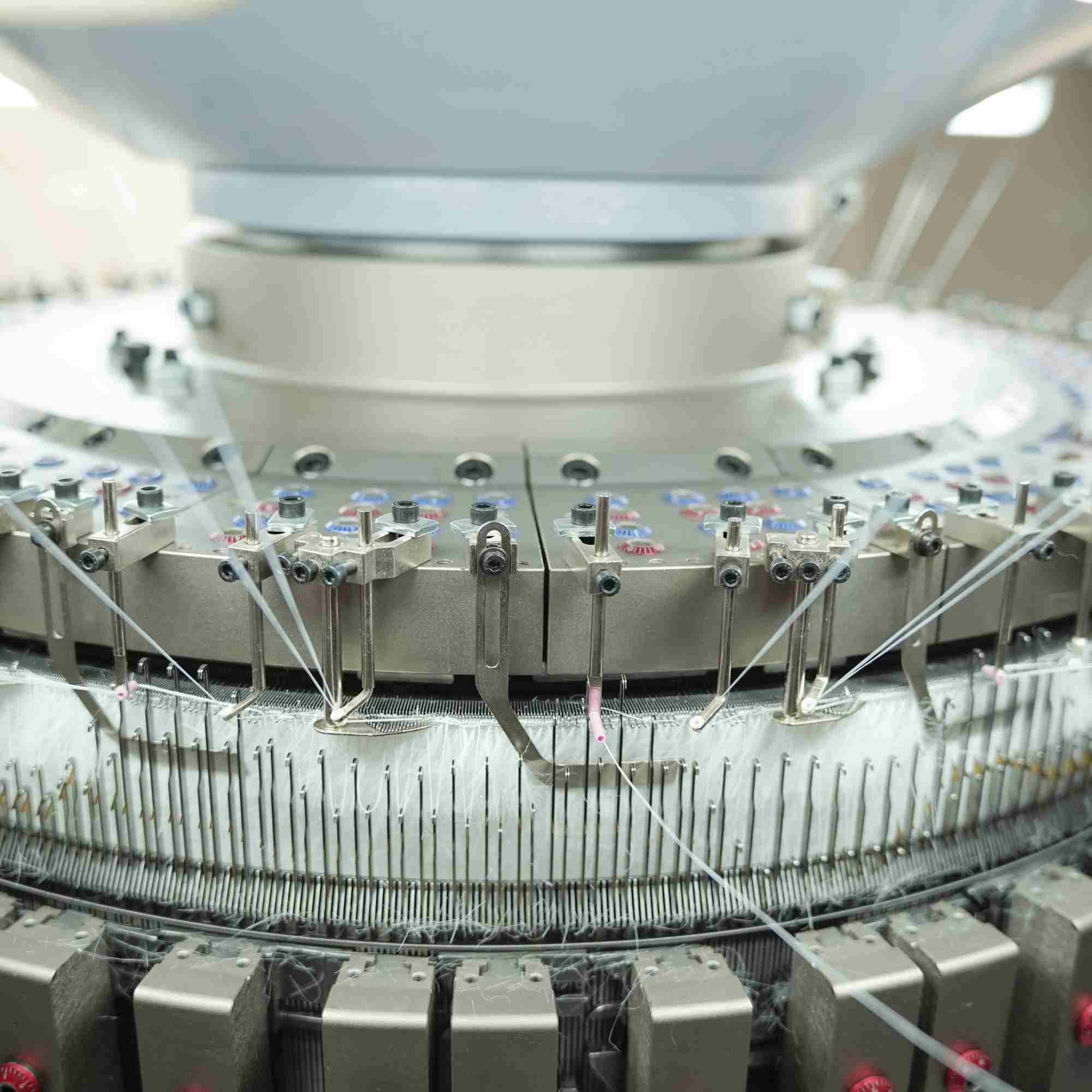
Use production yarn and allow the machine to reach a normal condition. Sample the beginning, middle and end of the roll. Under consistent light, inspect both sides for vertical needle lines, horizontal barre, holes, oil contamination, repeating feeder marks and differences in loop density. Measure width, weight, skew and stretch where relevant.
Finish a sample through dyeing, compaction or heat setting. Recheck shrinkage, hand, face/back appearance and spandex recovery. If the buyer requests a functional property, attach the actual test report to the finished fabric; do not convert a fibre name into a performance guarantee.
Fine-gauge needles and dial/cylinder parts should be inspected using the supplied limits and schedule. Keep circumference/feeder references on the defect map so repeated marks can be traced. Compare yarn lot and tension when bands are broad or random.
Clean and lubricate without contaminating the fabric path, and isolate the machine before needle-bed work. Retain the accepted recipe and labelled sample so later shifts do not raise speed before restoring the same quality.
Confirm yarn storage/conditioning, positive feeders, stop motions, lubrication, roll handling and inspection lighting as part of the installation. Fine, smooth fabric can reveal contamination or subtle lines that are difficult to see under poor lighting. The buyer’s inspection table should use the same viewing direction and sample spacing during the trial and production.
Ask which needles, feeders, sensors and lubrication parts are included as critical spares and how they are identified for 32G service. During training, operators should trace a marked feeder, replace a needle using the approved method and release a labelled restart sample. This is stronger commissioning evidence than a short unattended high-speed run.
It supports fine loop density, but yarn, needle condition, timing, stitch, take-down and finishing determine the actual surface. Approve it from the buyer’s yarn trial.
The map links bands, elastane placement and yarn-lot changes to specific positions. It shortens diagnosis and supports repeatable setup.
Not by configuration alone. Those properties require defined materials/processes and appropriate tests on the finished fabric.
As an archived reference. Fix the production setting only after documenting the yarn, construction, stop rate and approved finished quality.
36-Inch 32G 108-Feeder Double Jersey Circular Knitting Machine is a high-feed, fine-gauge configuration whose value depends on disciplined yarn mapping and needle-bed control. A long, two-sided trial and finished-fabric verification provide stronger evidence than a broad application list.
The product is 36 inch, 32G and 108 feeders with a 15–25 RPM archive range. Functional or medical claims require finished-fabric tests and are not implied by the machine fields.
| Model / configuration | 36-inch, 32 gauge, 108 feeders |
|---|---|
| Net weight | 2500–3200 kg |
| Cylinder diameter | 36 in (≈914 mm) |
| Gauge | 32G |
| Feeders | 108 feeders |
| Applicable yarn/material | Combed Cotton,Polyester,Modal,Spandex |
| Recorded operating speed | 15–25 RPM |
| Recorded packing or machine size | 2 m × 2 m × 2.5 m |
| Certification shown in CMS | CE,ISO |
The 36-inch/32G/108F system forms a fine two-sided fabric that makes small yarn, needle or timing differences visible.
Number yarn and elastane positions so bands and lot changes can be traced.
Review both faces for needle lines, holes, oil and loop-density variation.
Attach actual finished-fabric tests for UV, medical, moisture or other functions.
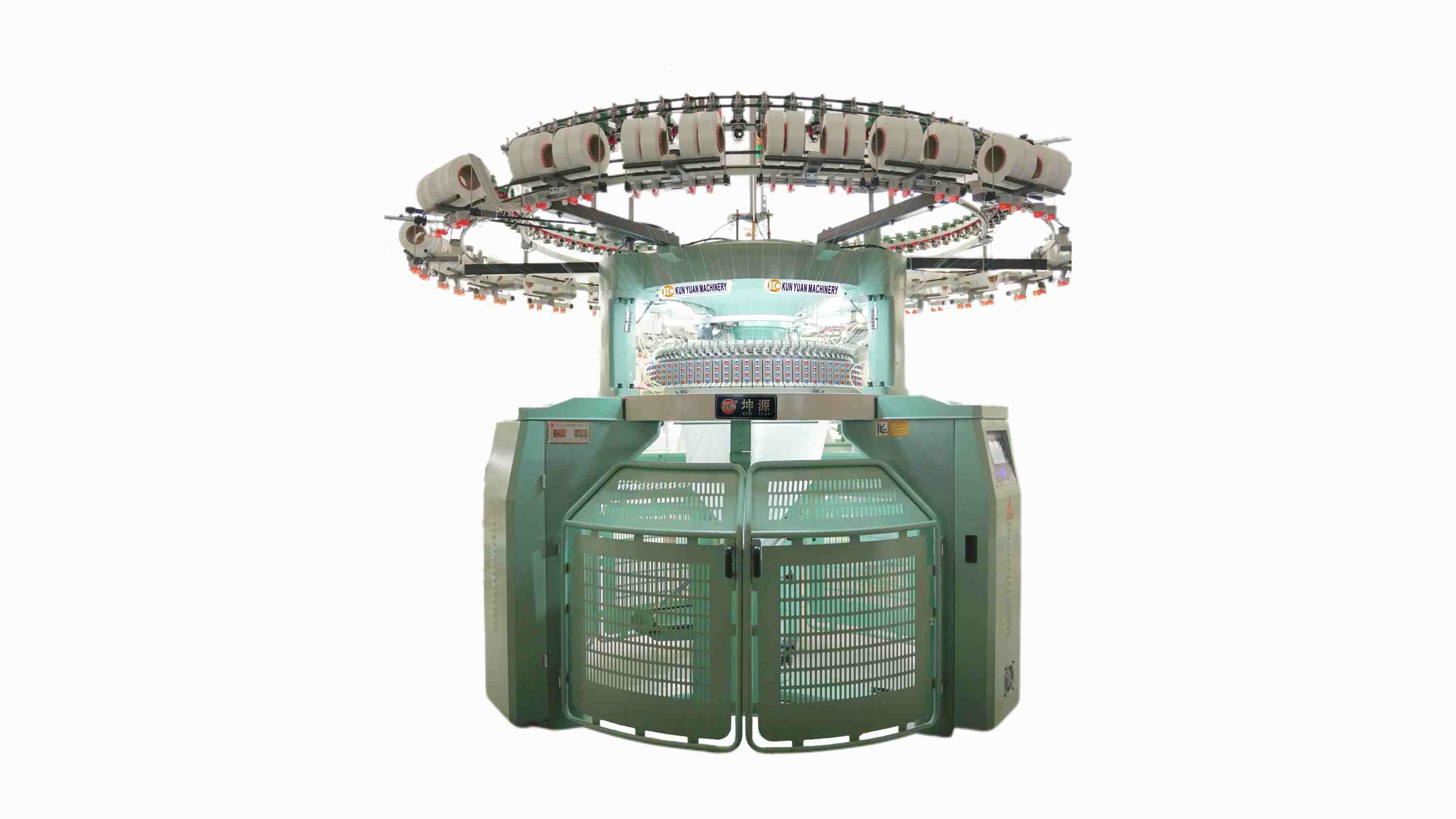
Plan a 34-Inch 12G 72-Feeder Double-Side Interchangeable Circular Knitting Machine around change parts, setup records and separate fabric trials....
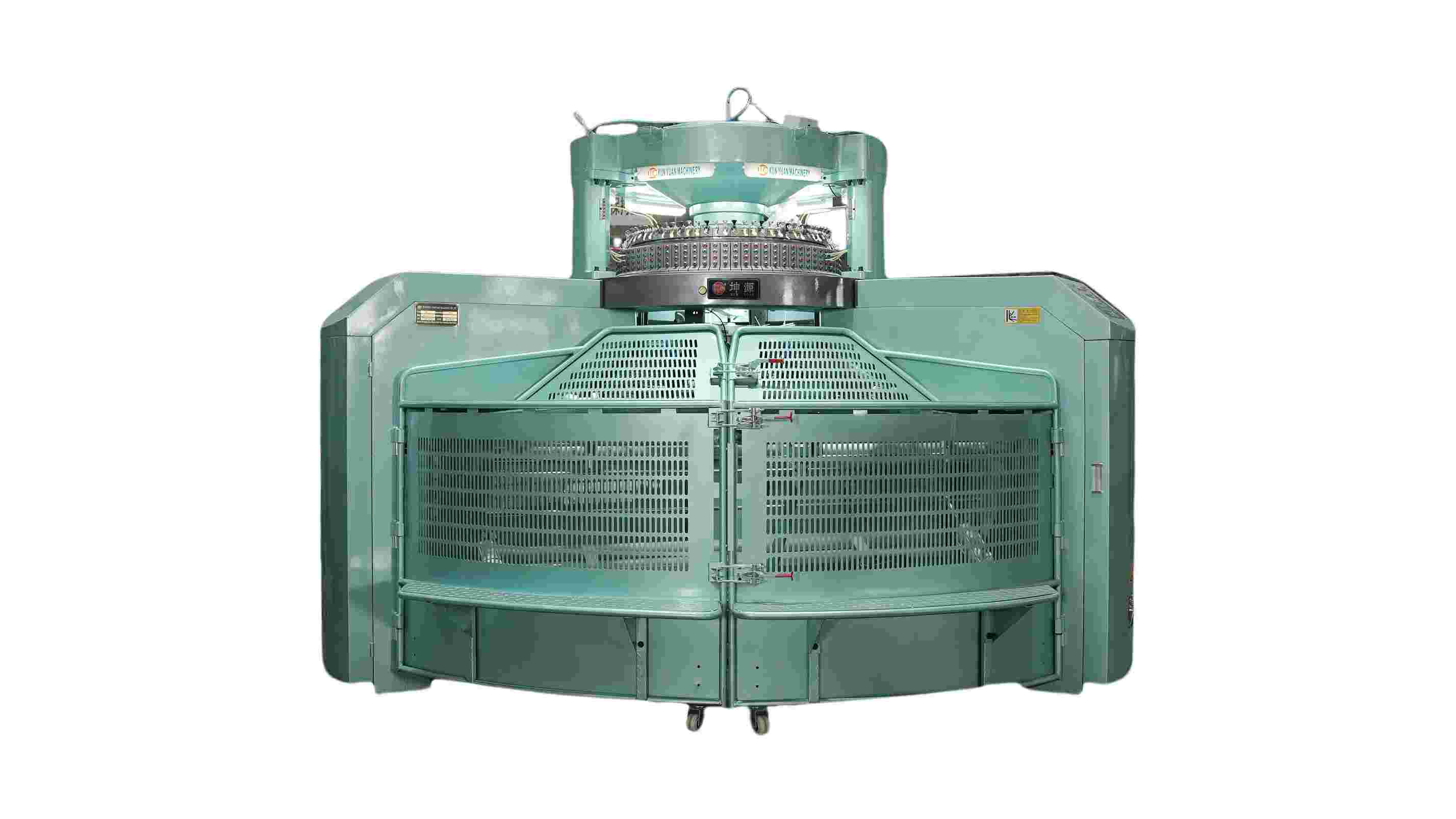
Specify a Pneumatic Open-Width Double Jersey Circular Knitting Machine by 34-inch/28G/72-feeder configuration, slitting position, edge control and roll-quality checks....
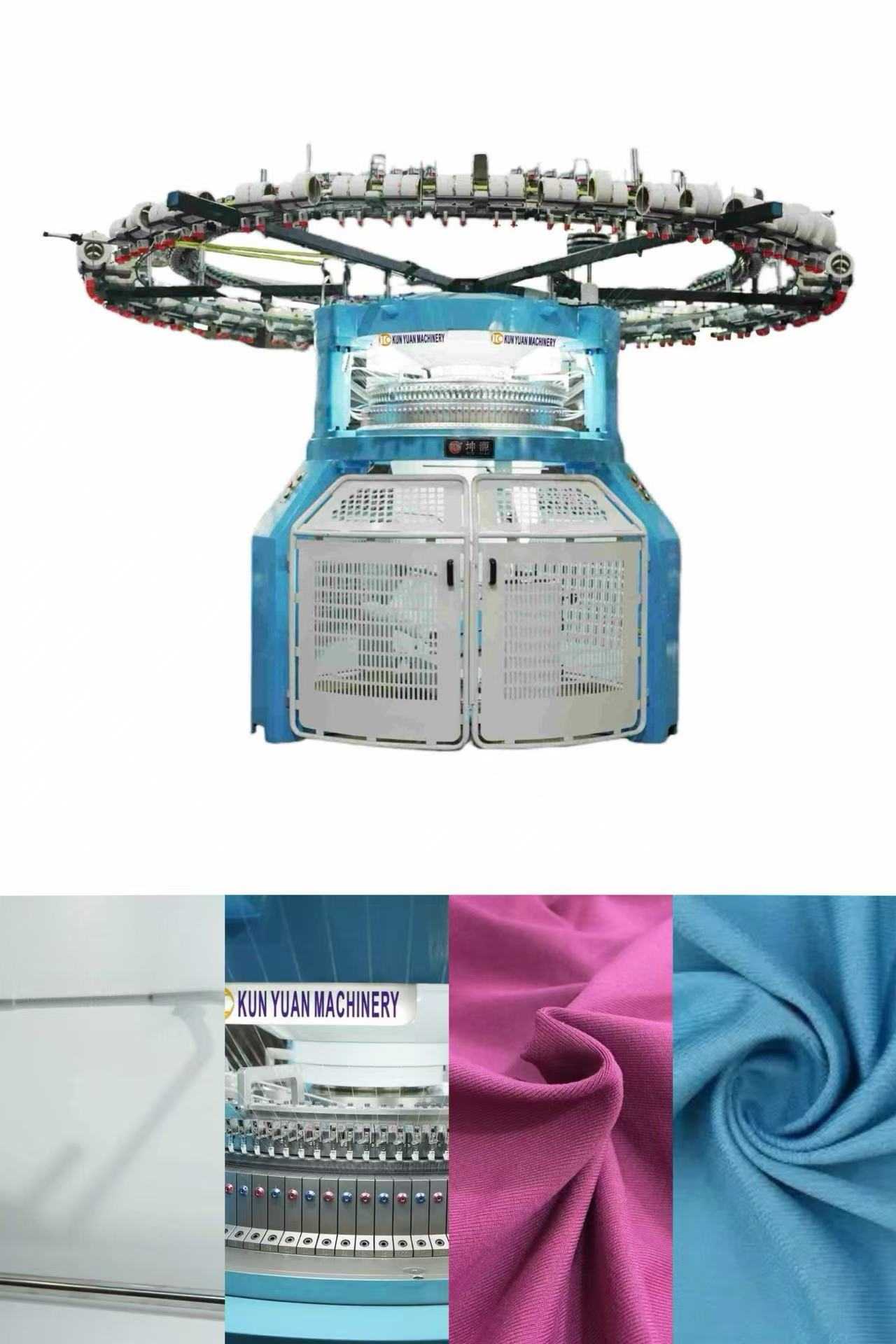
Validate a 36-Inch 32G 108-Feeder Double Jersey Circular Knitting Machine through fine-gauge needle care, feeder mapping and finished two-sided fabric checks....
The pneumatic double-jersey high-foot topic combines two separate decisions: the cylinder-and-dial knitting architecture required by the fabric and the......
This article preserves the original pneumatic high-foot machine topic as a written technical reference. The former external short-video link is not......

 Tel: +86-13859034518
 Email: info@kunyuanmachine.com
 MP/WhatsApp: +86-13859034518
 Manufacturer Address:Bacuo Village, Yonghe Town, Jinjiang City, Fujian Province



Archived feedback emphasized stable running, precision and easier operation with the pneumatic system.2025-07-16

Archived feedback described stable operation and versatility across double-knit fabric applications.2025-07-15
Archived feedback highlighted smooth fabric production, durability and reliable operation for an interchangeable double-side configuration.2025-07-16
Archived feedback focused on intuitive controls, quick adjustment and smooth double-jacquard machine operation.2025-07-11