

Hot Keyword:

Author:KUNYUAN Manufacturer TIME:2026-08-27
Machine media reference
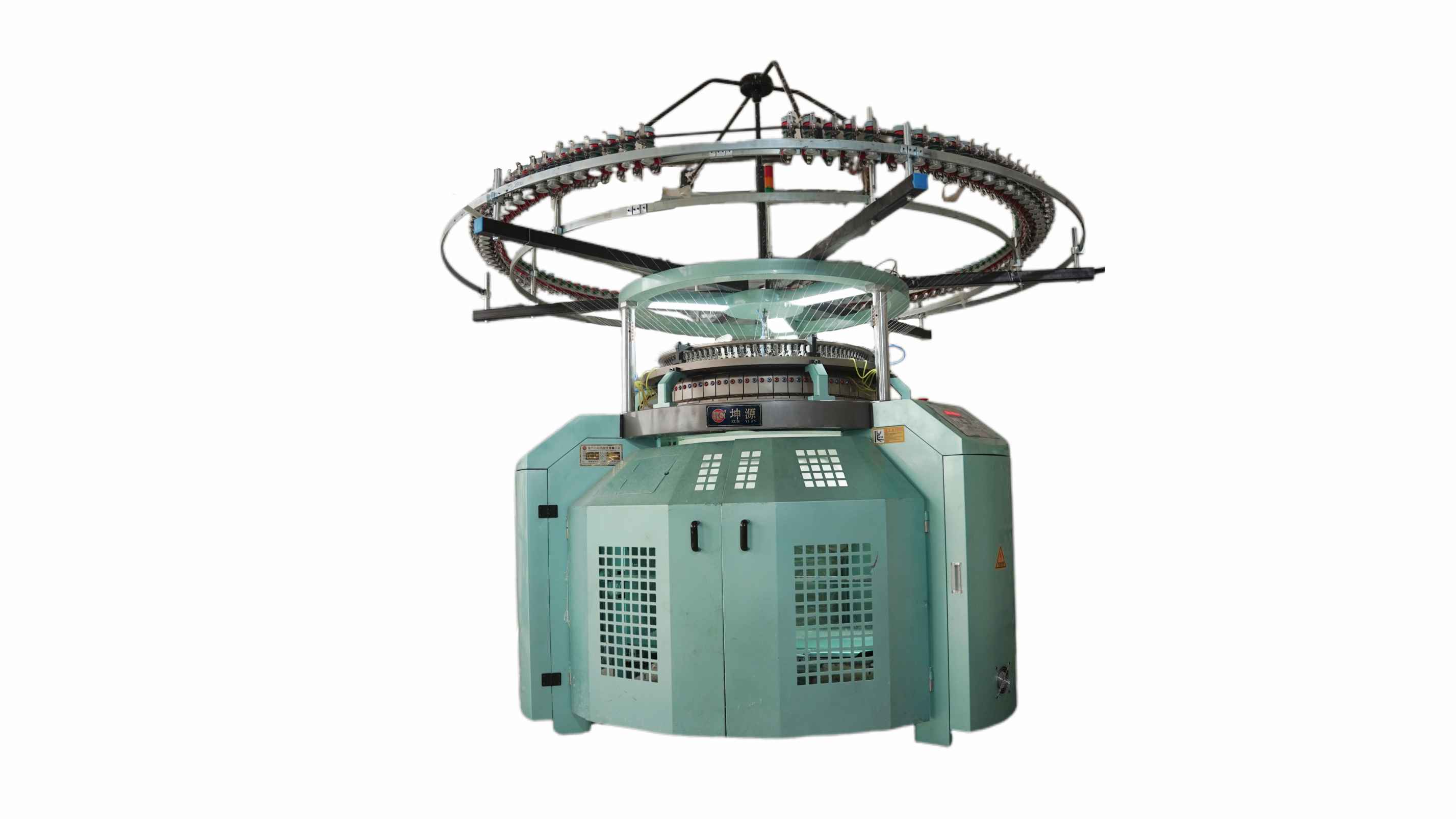
The pneumatic double-jersey high-foot topic combines two separate decisions: the cylinder-and-dial knitting architecture required by the fabric and the raised, air-supported operating layout. The invalid external clip has been removed; suitability must be established from the construction and a current machine-specific trial.
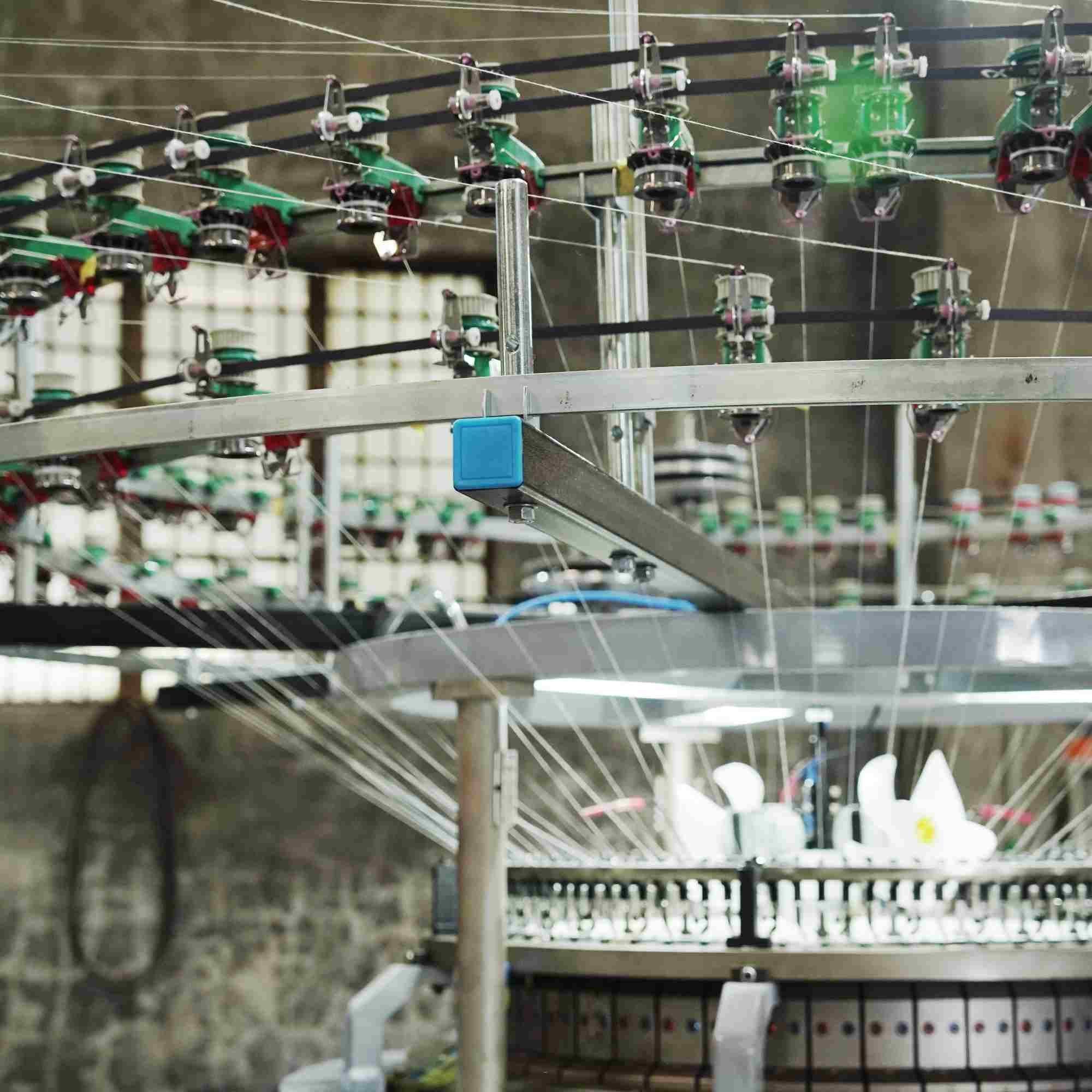
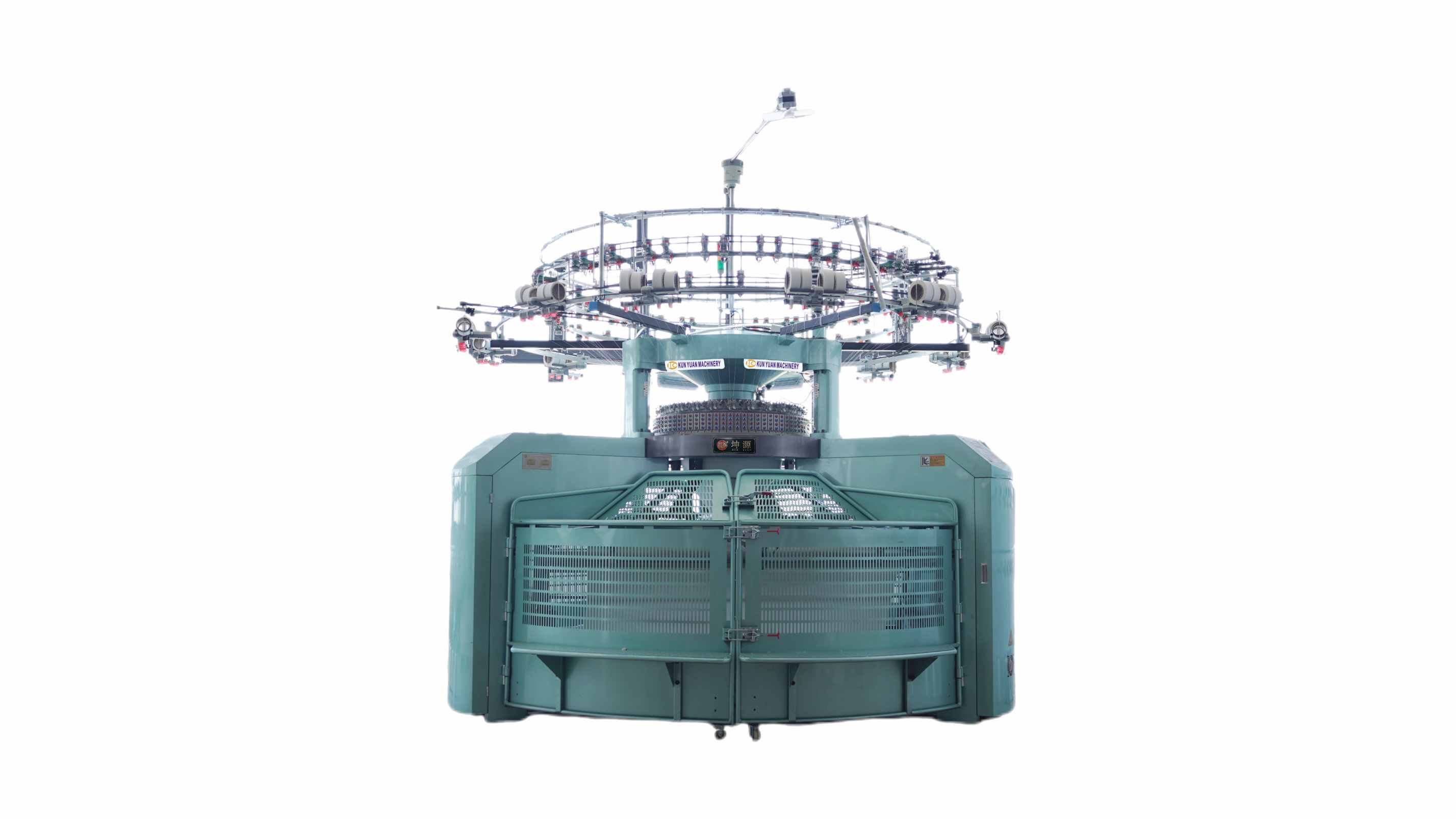
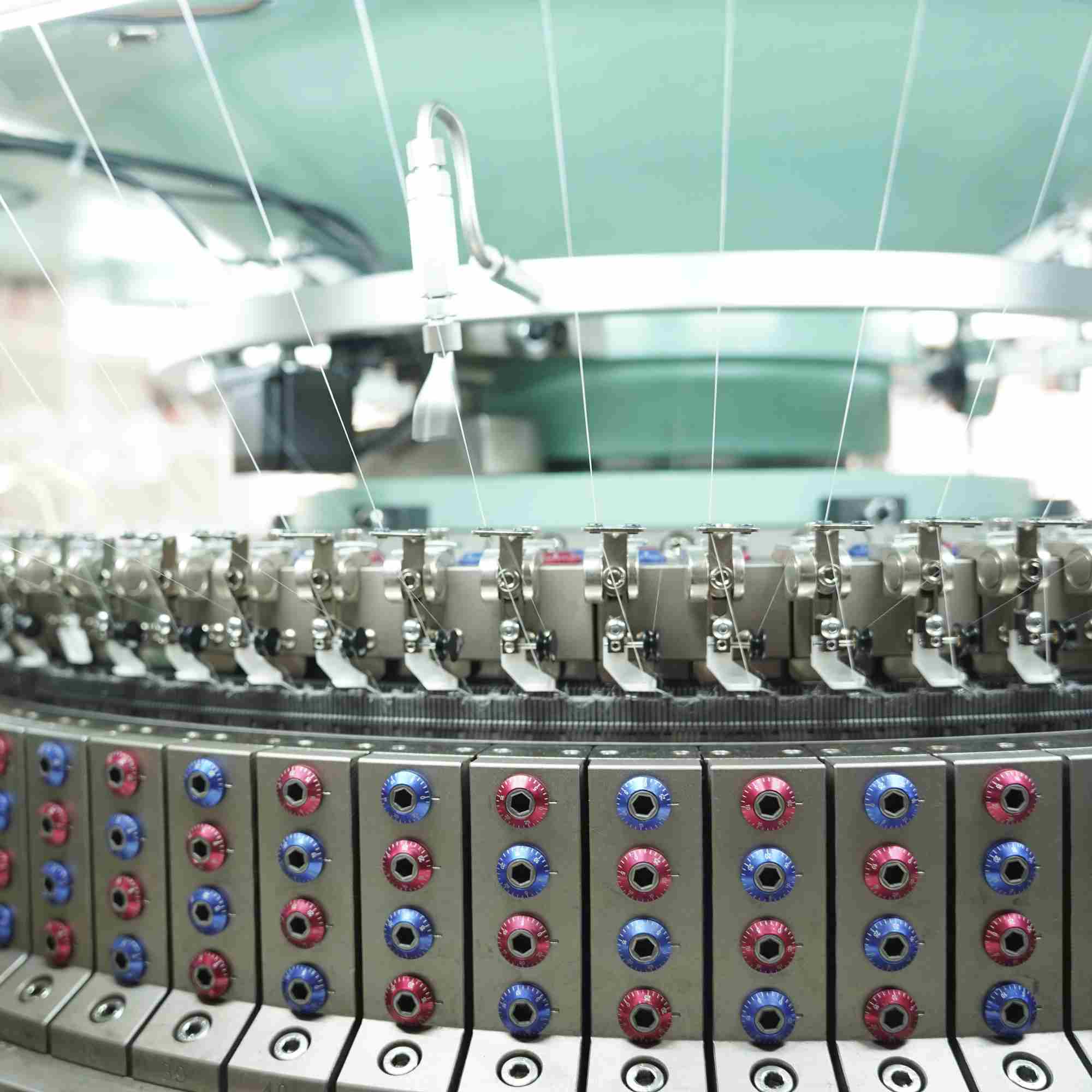
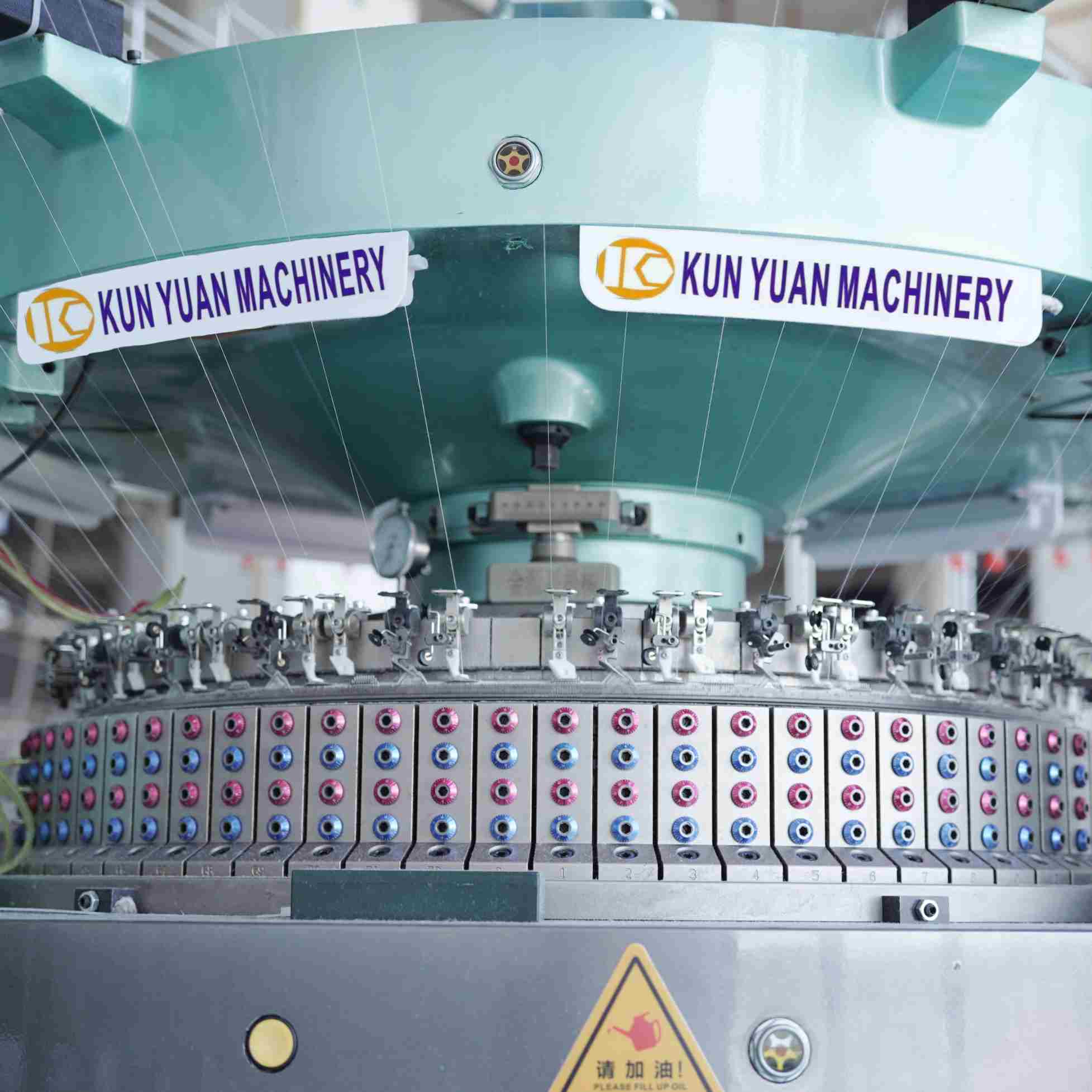
Double jersey may describe rib, interlock or another two-bed derivative, and those fabrics do not share one cam and needle arrangement. Supply a sample with yarn count, finished weight, width, recovery and face/back appearance. The supplier should map the required knit, tuck and miss actions to the cylinder, dial and feeder plan before quoting speed.
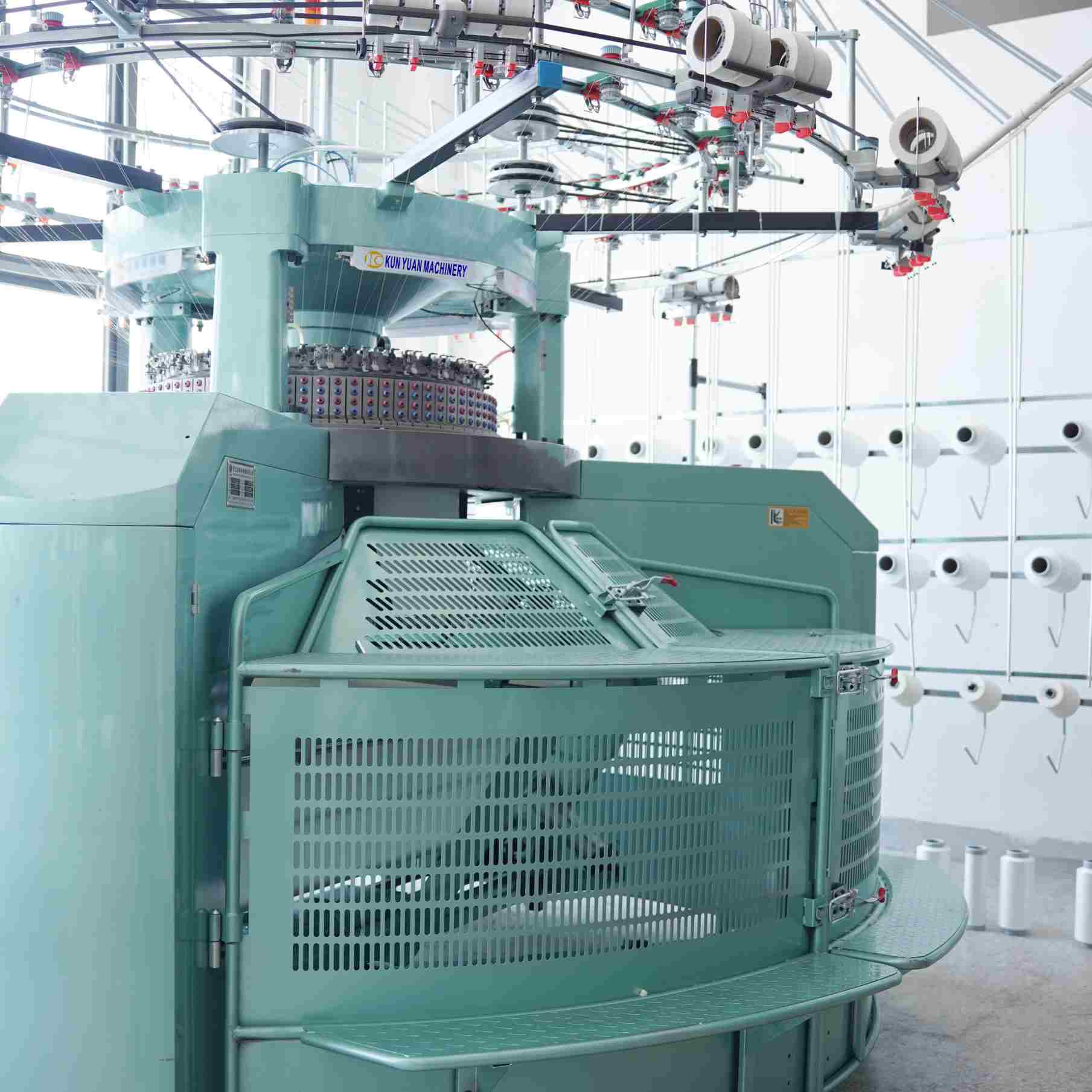
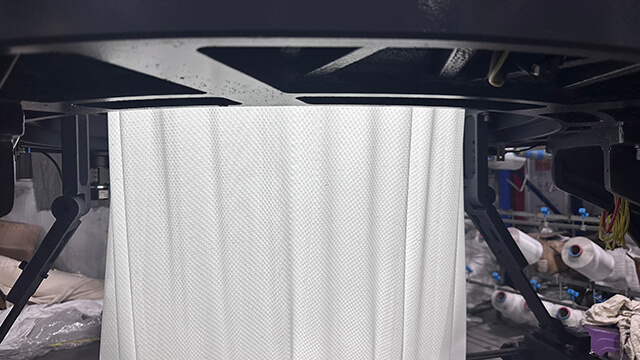
Extra clearance below the knitting head can ease cleaning and inspection, yet the take-down still has to control a heavier or more structured fabric evenly. Confirm whether the offered unit is tubular or open width, how the fabric travels, where rolls are removed and which guards or platforms the operator uses. Air lines must not obstruct access or introduce uncontrolled contamination.
During a trial, mark one cylinder position and one feeder, then inspect whether any defect repeats by wale, feeder or full circumference. Show dial and cylinder areas, yarn delivery, lubrication and take-down without editing away stops. Retain the trial yarn, settings and fabric so the same evidence can be checked during final acceptance.
| Decision point | Evidence to retain |
|---|---|
| Knitting system | Cylinder/dial setup for the named fabric |
| Fabric path | Tubular or open-width take-down and roll removal |
| Pneumatics | Included functions and plant-air specification |
| Trial evidence | Both fabric faces, settings and repeat-defect check |
Boundary: Do not accept a generic double-jersey demonstration when the order depends on a particular rib, interlock or patterned construction.


 Tel: +86-13859034518
 Email: info@kunyuanmachine.com
 MP/WhatsApp: +86-13859034518
 Manufacturer Address:Bacuo Village, Yonghe Town, Jinjiang City, Fujian Province