



Parts identity
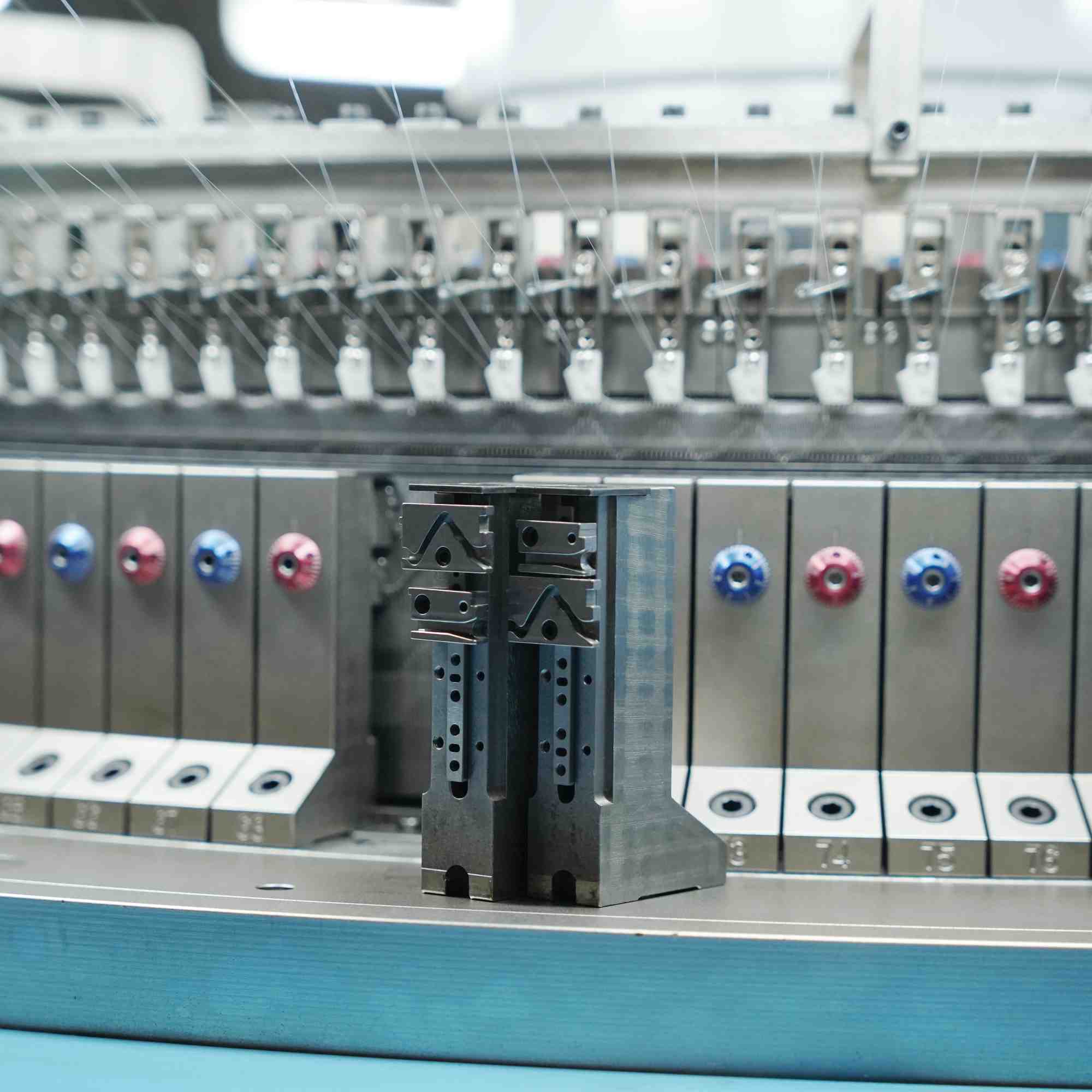
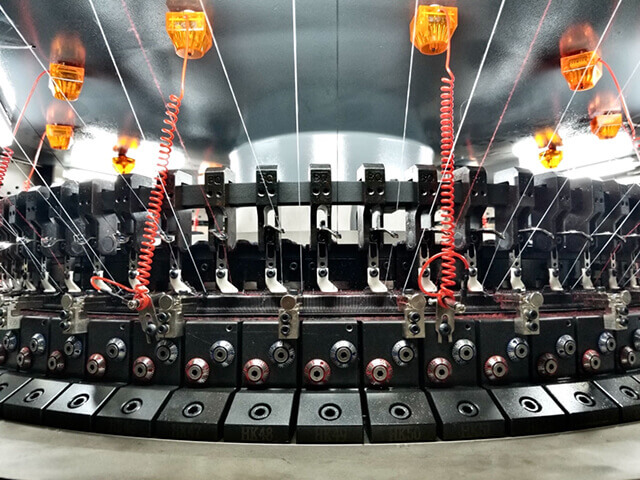
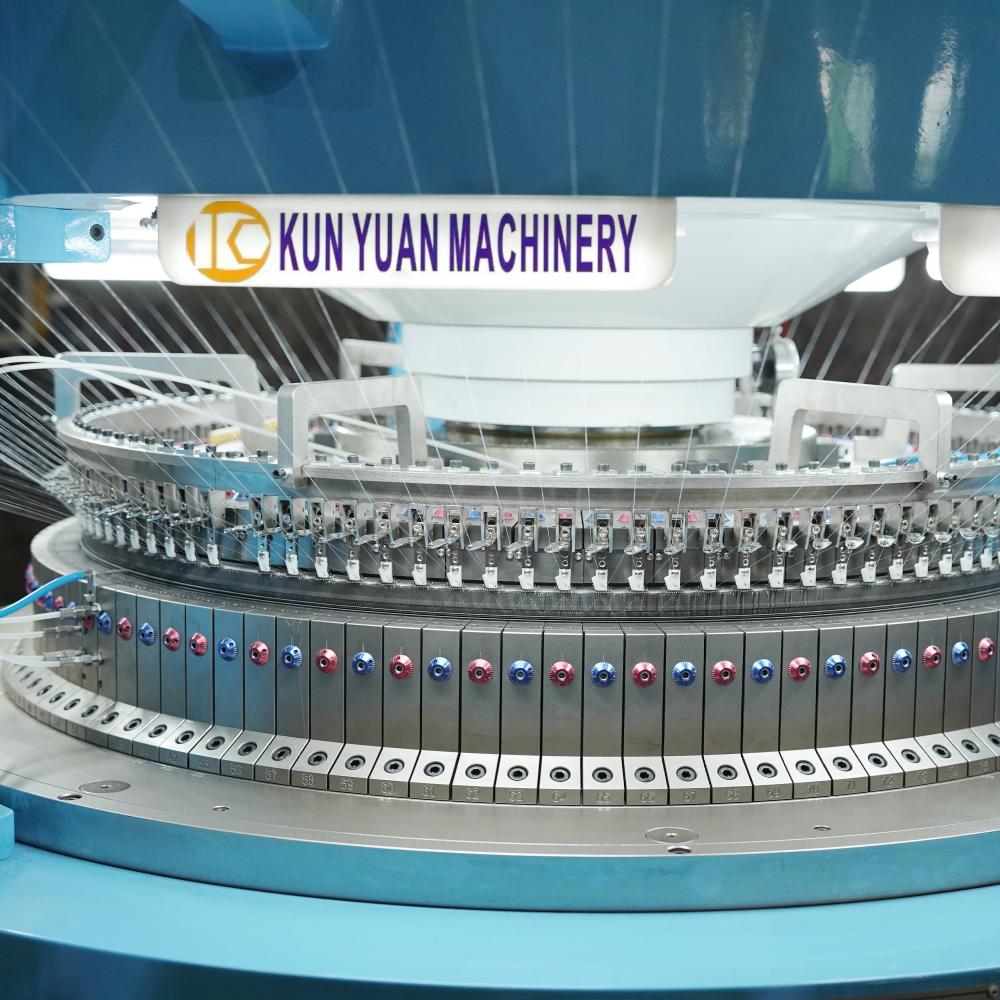
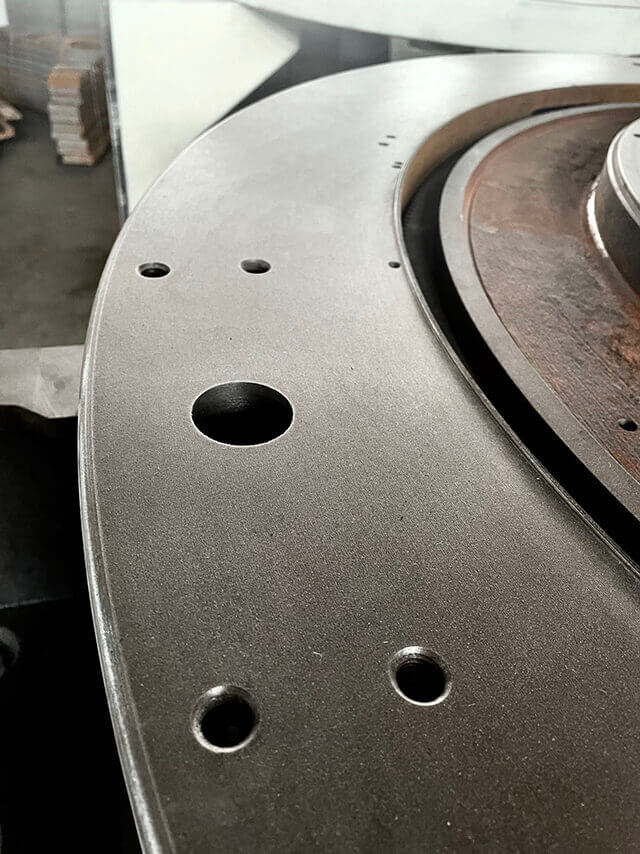
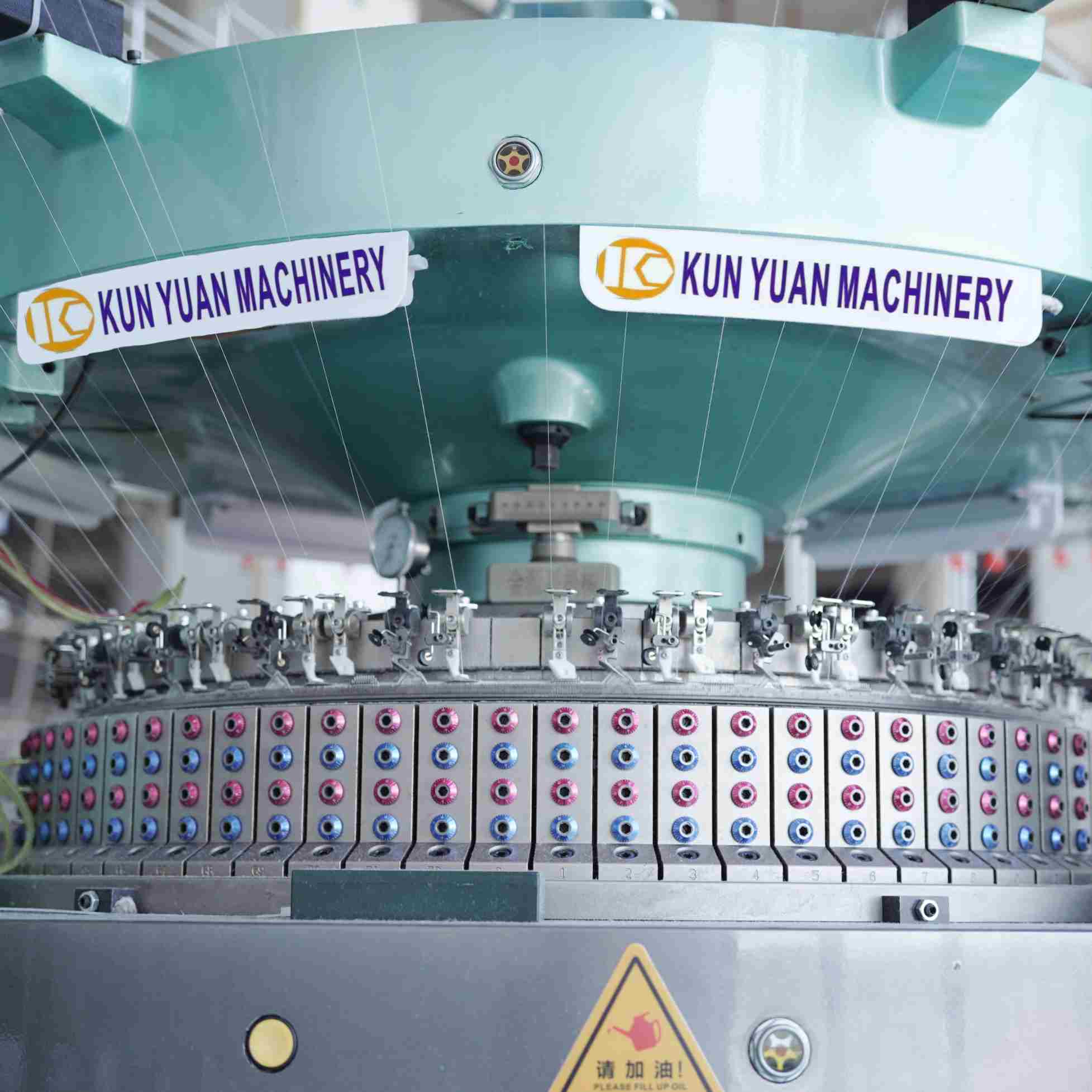
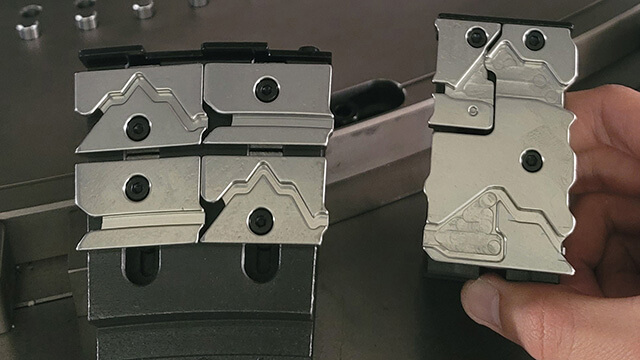
Label cylinder/dial items, cams, needles and tools for each approved setup.
 Price:
Negotiable
Price:
Negotiable
Model:
34‘’12G72F
NET Weight:
2 tons
Diameter:
34 in
Gauge:
12G
Feeder:
72 feeders
Certification:
ISO,CE
Applicable Yarn Material:
RPM:
20 RPM
Wooden Box Size:
2.4 m × 3 m
Place of Origin:
CHINA.
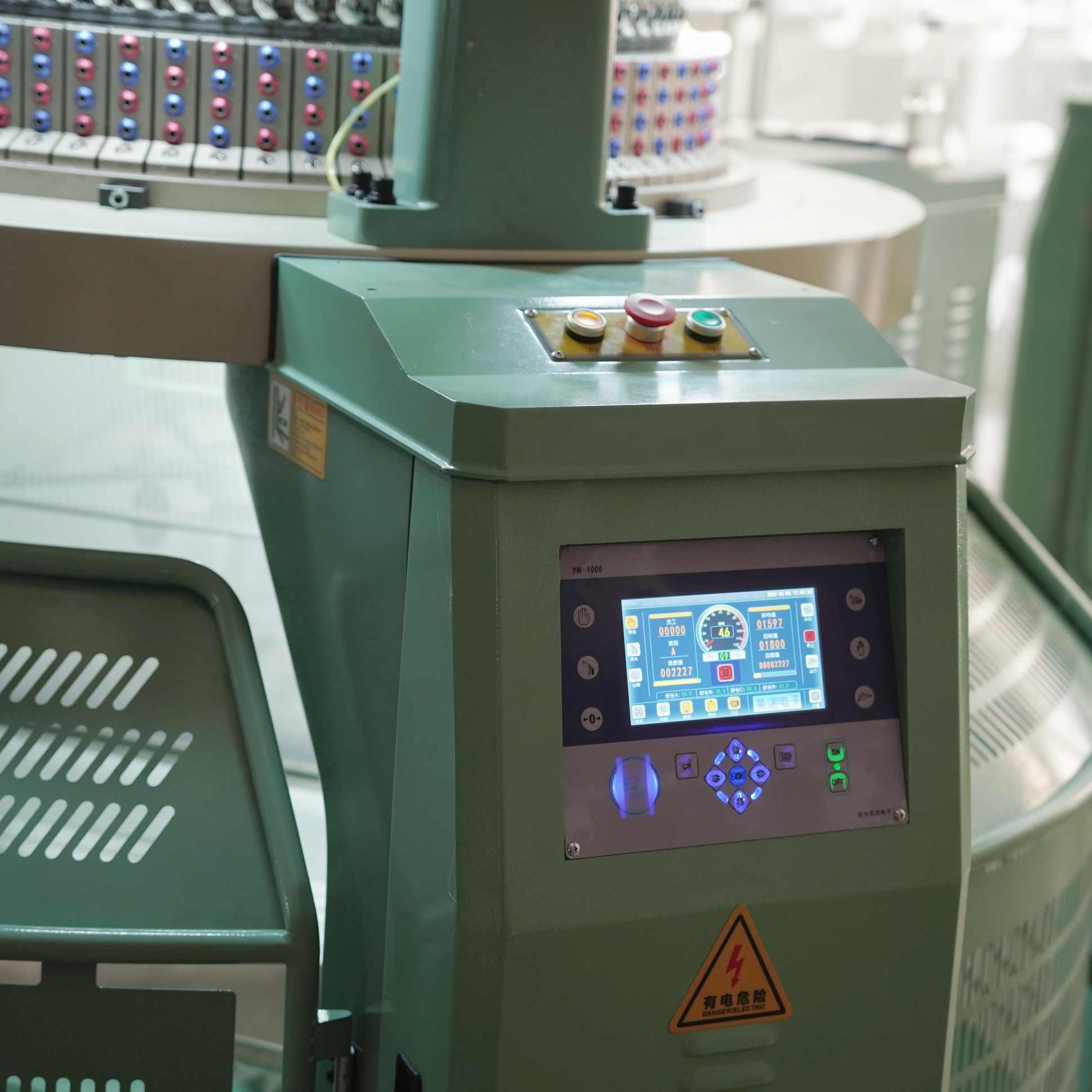
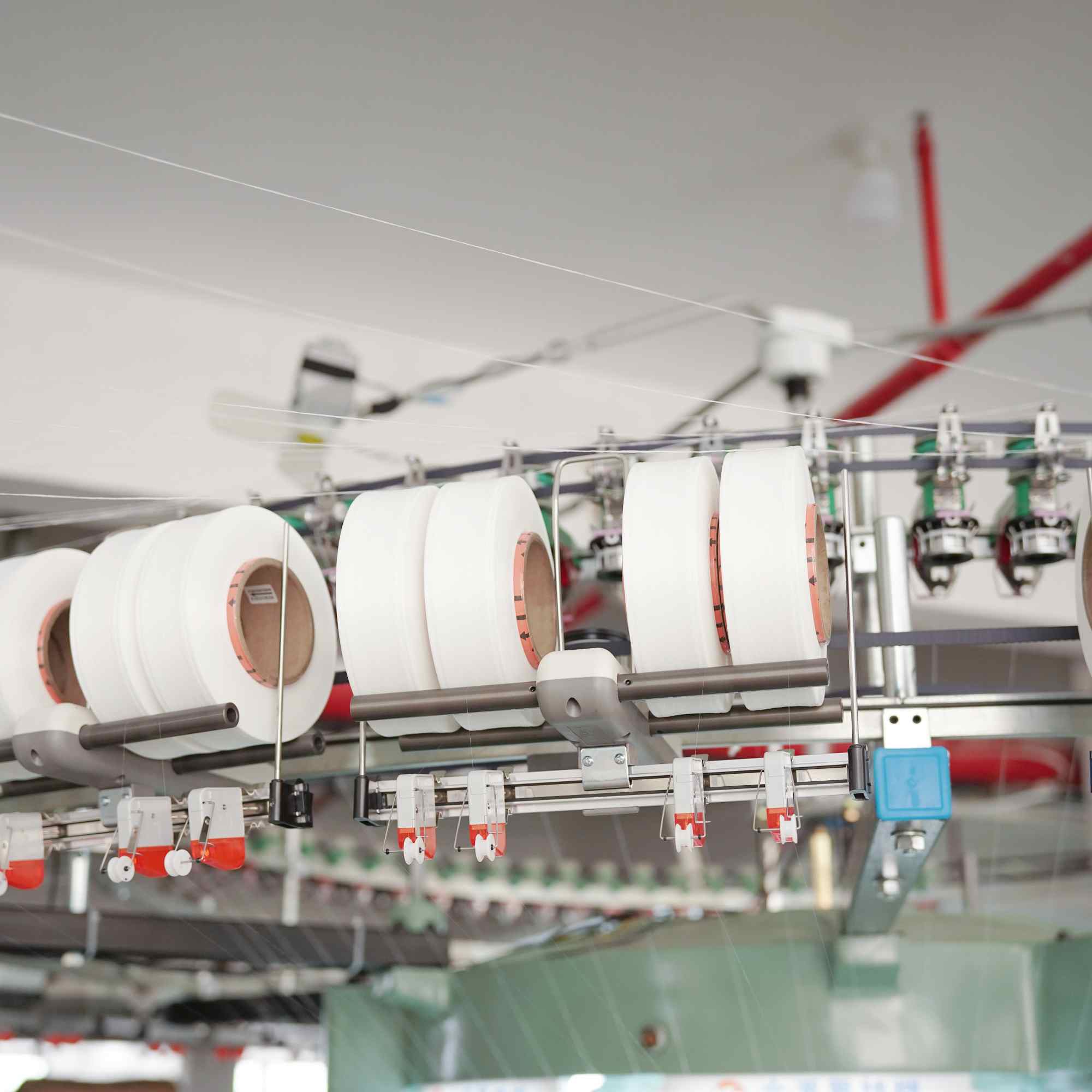
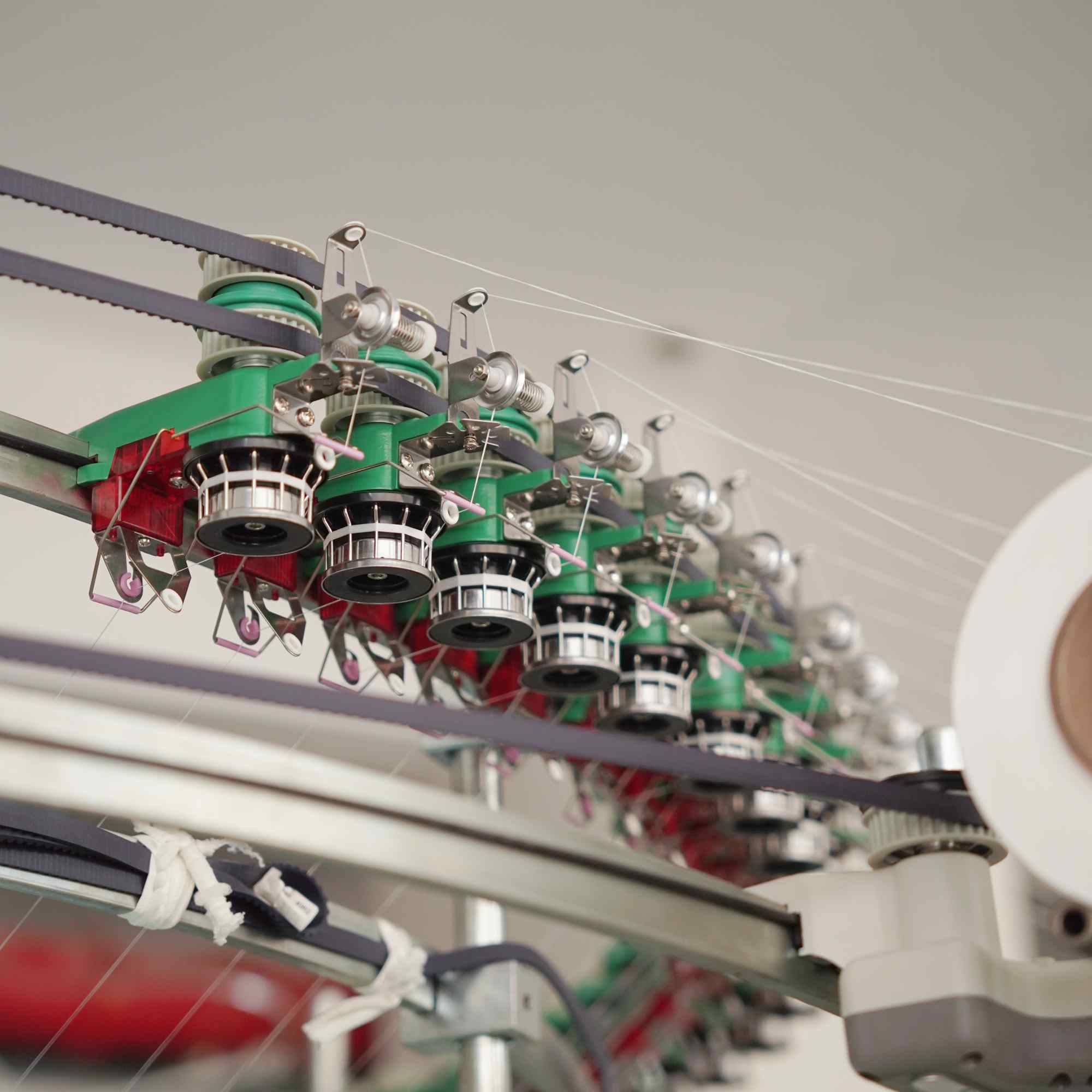
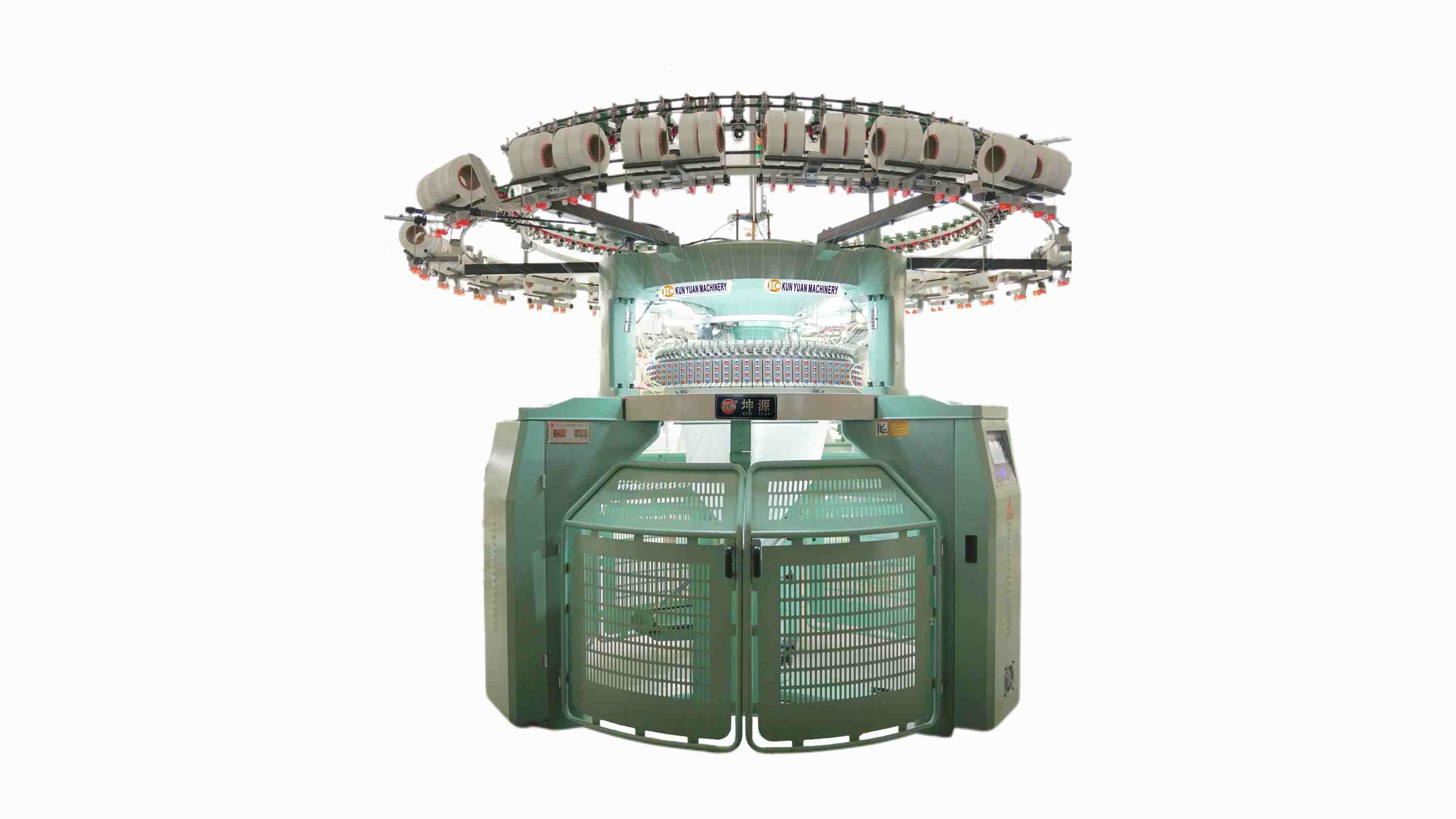
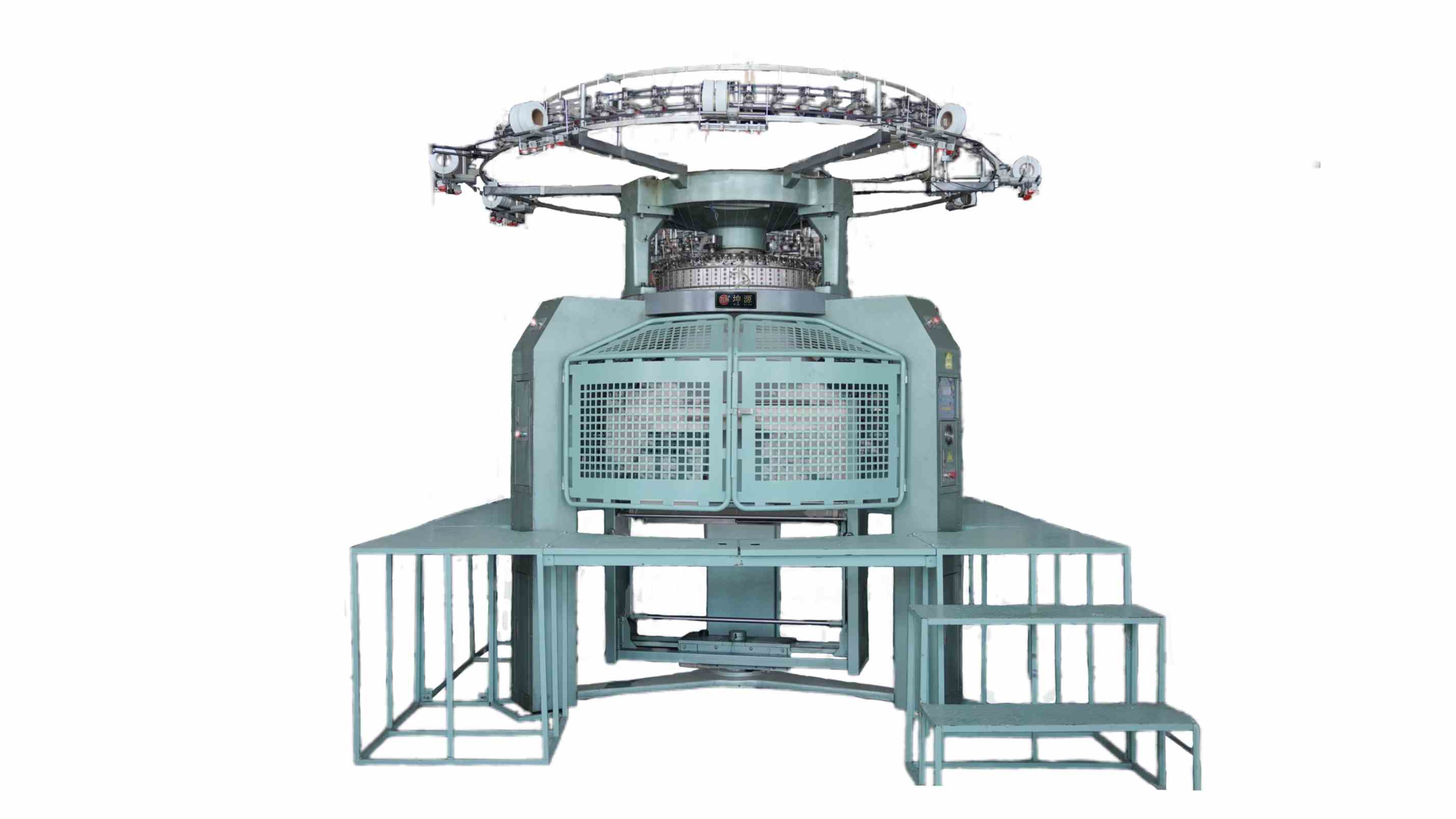
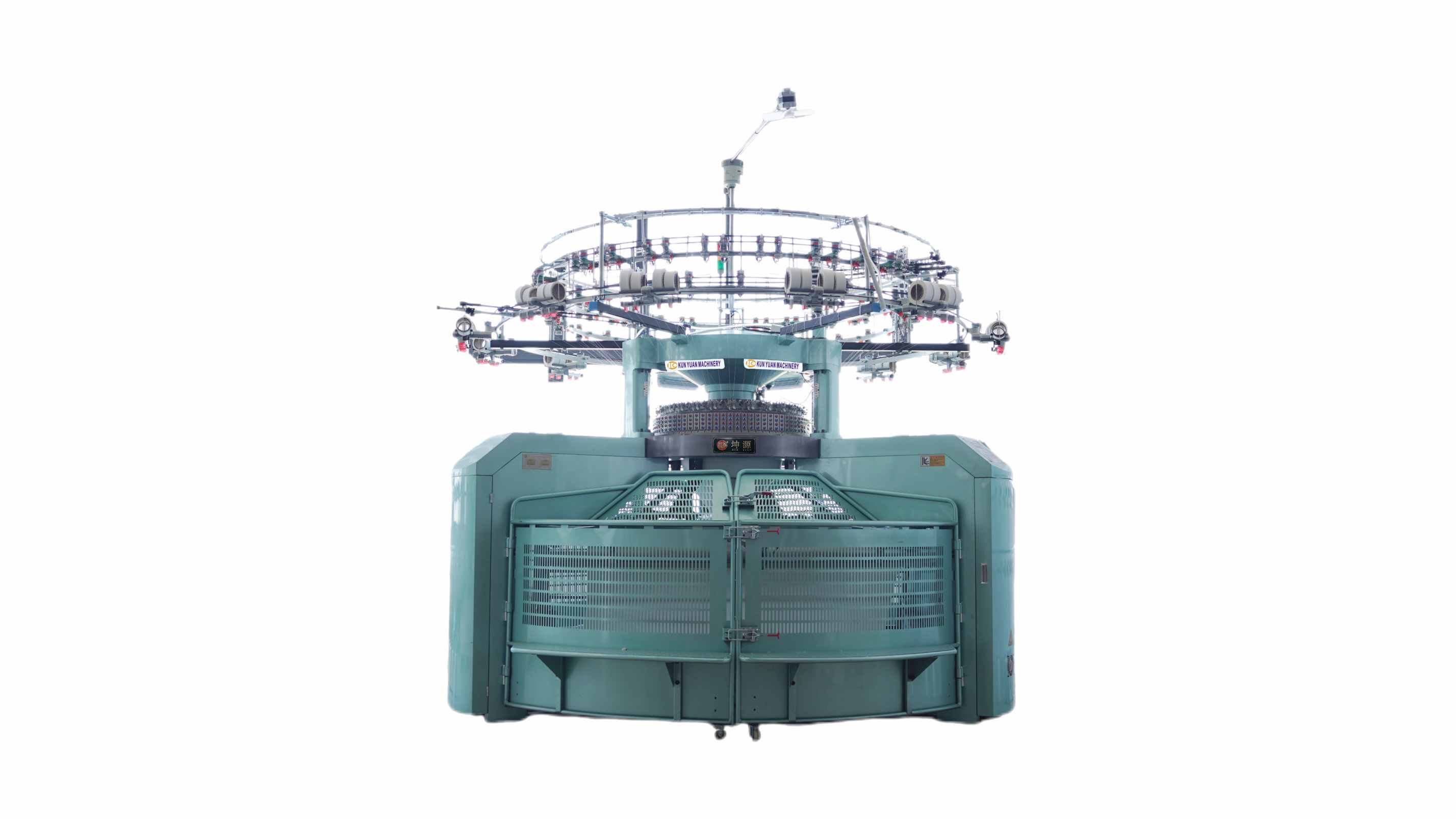
The archived machine is identified by a 34-inch, 12G and 72-feeder configuration, with a recorded 20 RPM reference. Its value is the ability to support more than one intended double-side setup through defined interchangeable components. That does not mean an operator can switch to any gauge or fabric without parts, timing work and a new acceptance sample.
At 12G, the machine is positioned toward medium/coarser double-knit structures where body, texture or durability matters. The old applications mention footwear, clothing and automotive interior fabrics. Each requires a different construction and downstream test, so the buyer must name the actual fabrics planned for the first production period.
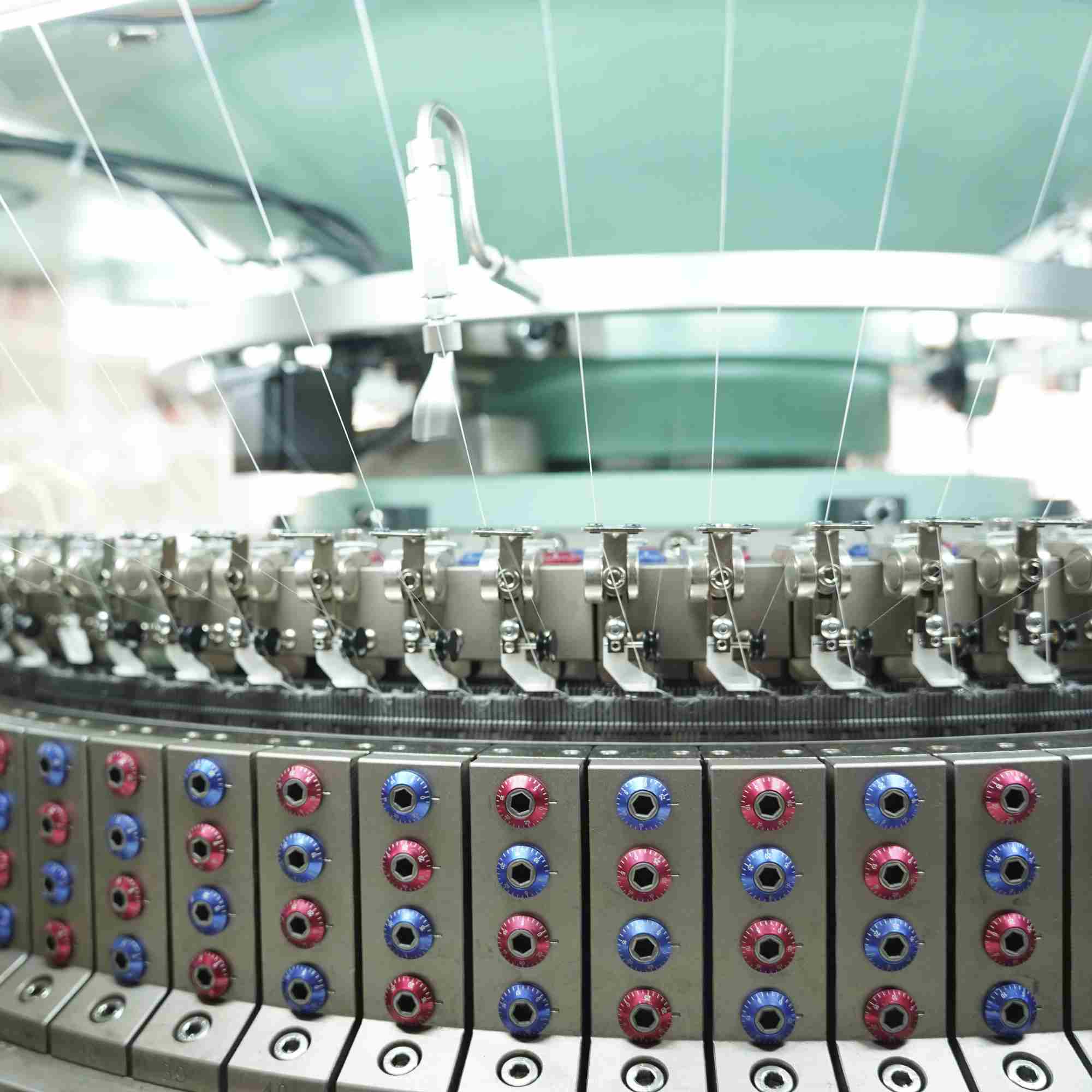
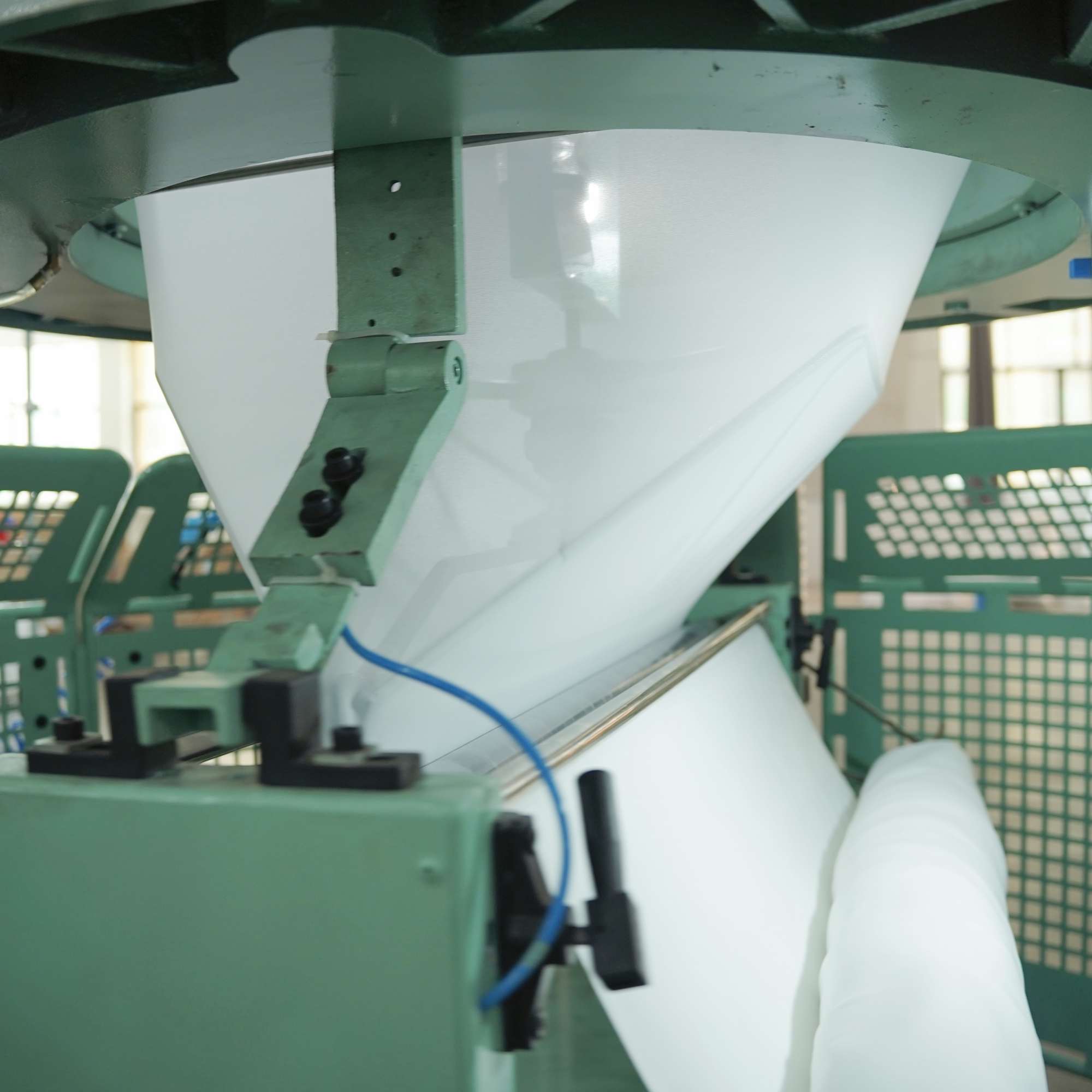
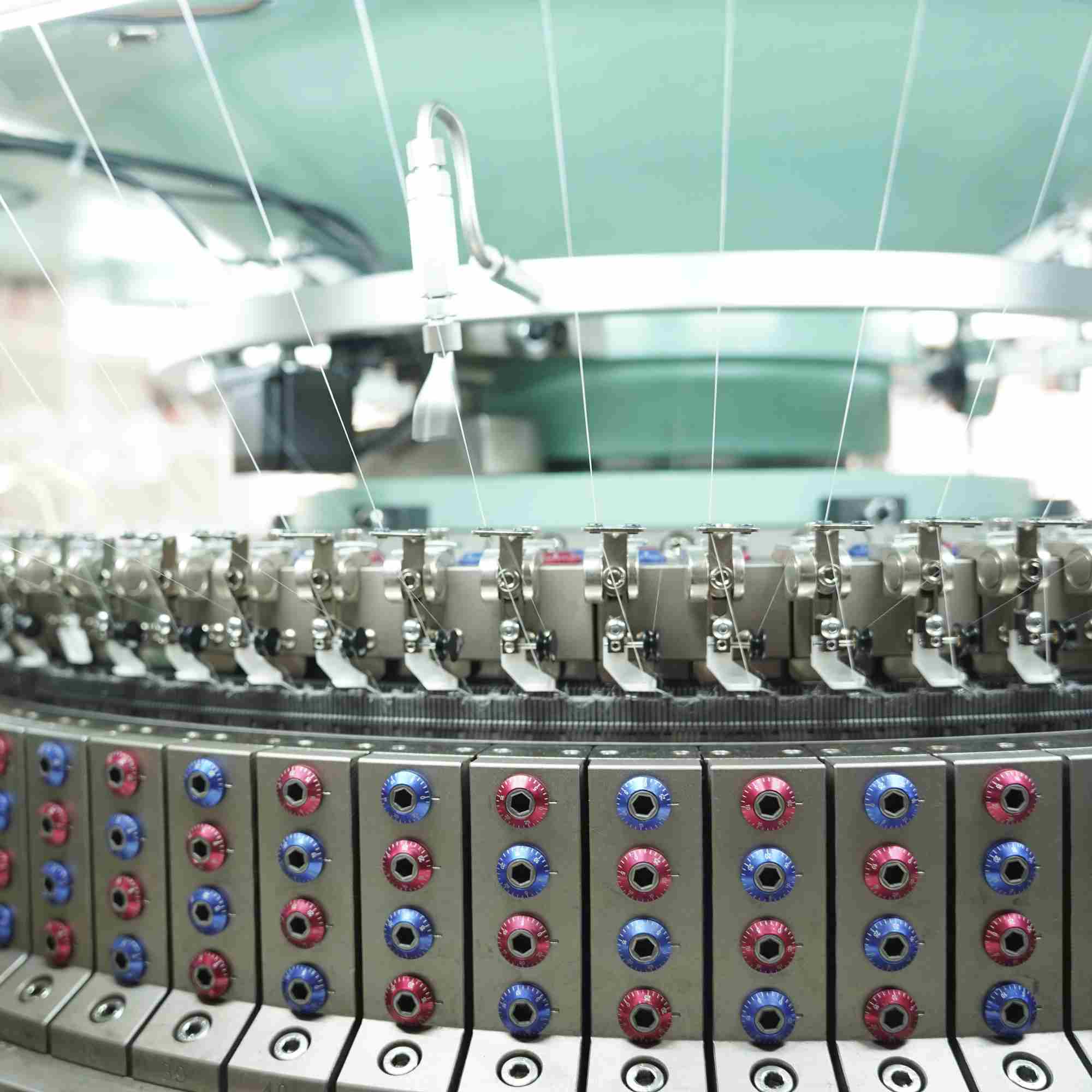
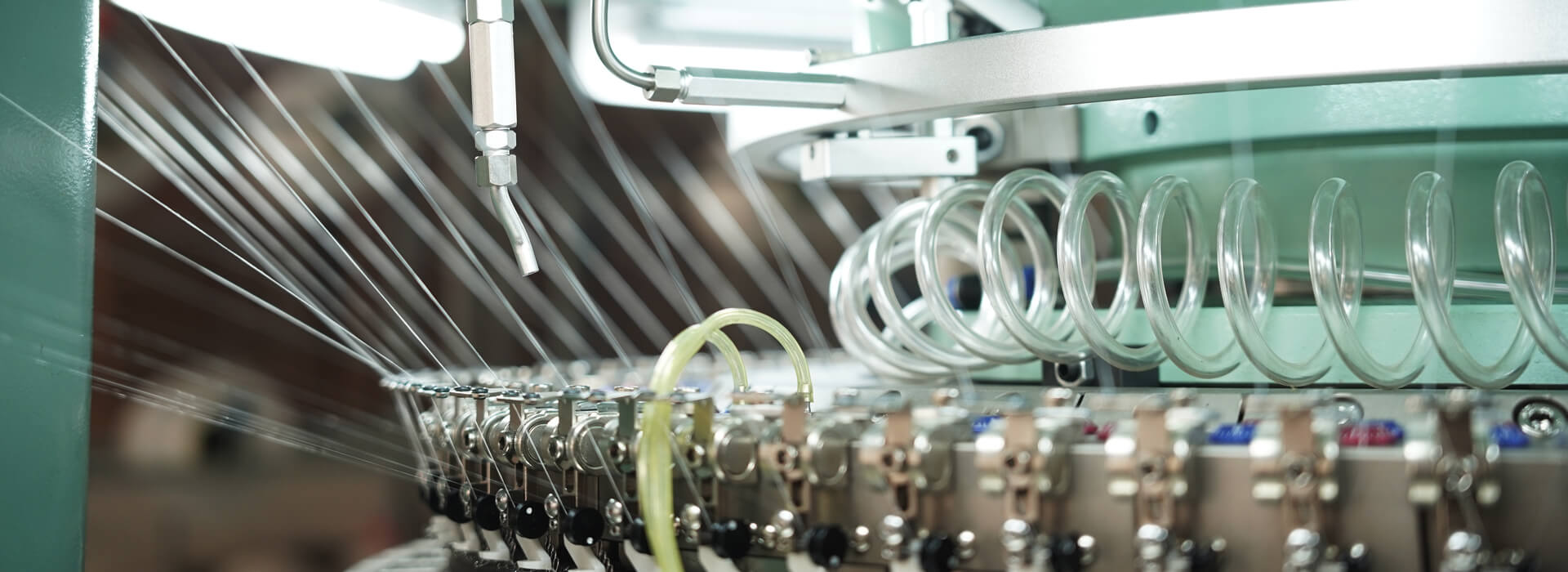
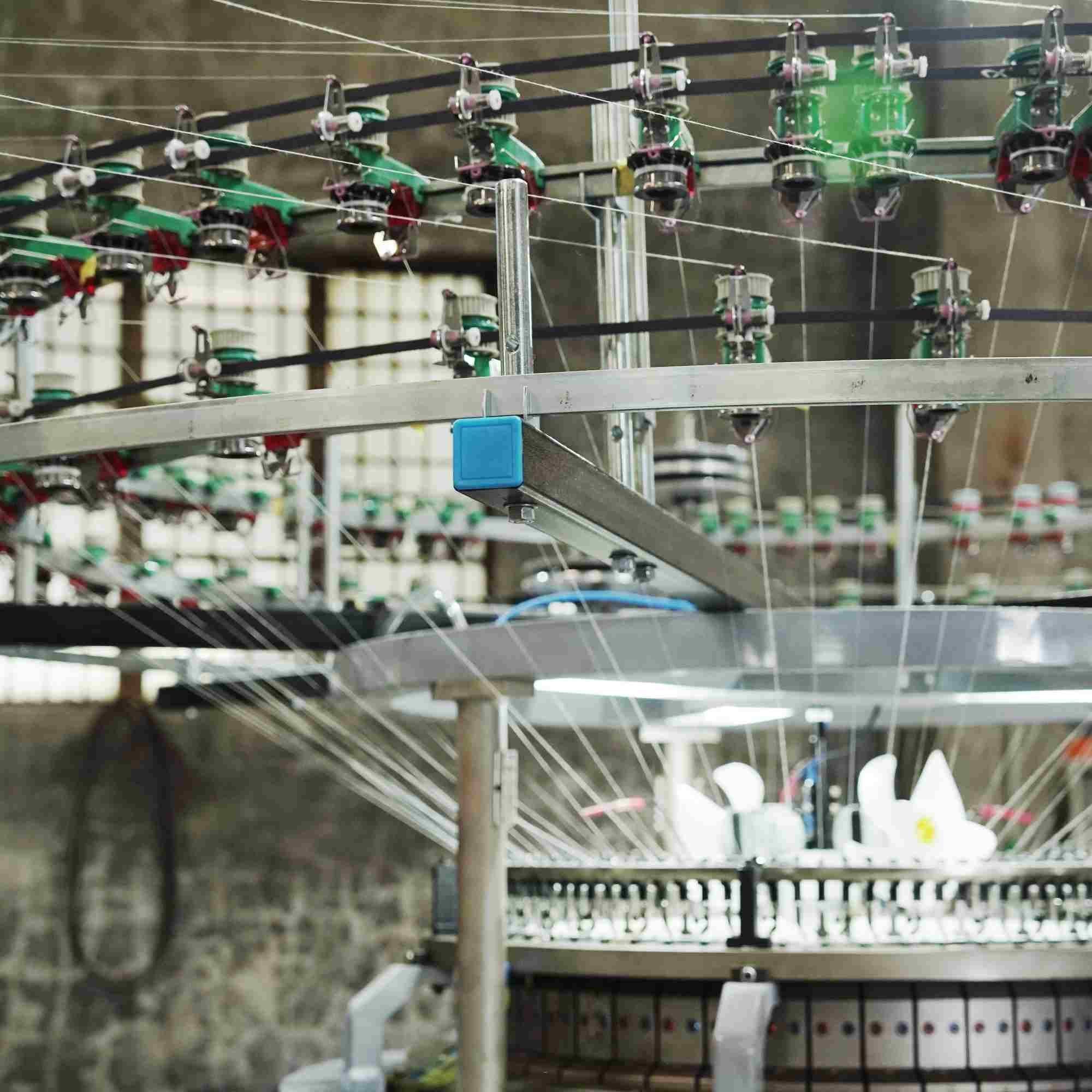
For every configuration, list the cylinder/dial components, needles, cams, yarn paths, feeders, take-down setting and tools required. Mark which items stay on the machine and which are change parts. Record the timing/alignment check made after installation. A setup is not complete until it has its own fabric sample and settings.
If a second gauge or structure is proposed, ask Kunyuan to identify the physical parts that change and the realistic changeover sequence. The archived 12G value belongs to the displayed model; any broader “12 to 36” statement needs a model-specific parts list and cannot be inferred from the name alone.
| Setup question | Required answer | Release evidence |
|---|---|---|
| Base machine | 34-inch, 12G, 72F offered configuration | Serial/model and configuration sheet |
| Interchangeable parts | Cylinder/dial, cams, needles, feeders or other items | Labelled parts inventory |
| Alignment/timing | Inspection points after the change | Technician checklist and readings |
| Fabric recipe | Yarn, stitch, speed, take-down and finishing | Separate settings and sample per setup |
| Changeover responsibility | Buyer or supplier tasks and training | Work instruction and sign-off |
Run the primary double-side structure with production yarn and inspect both faces, width, weight, loop uniformity, holes and repeating marks. After the planned changeover, do not rely on the first sample’s approval. Repeat the checks for the second structure and keep its parts/configuration record separate.
Measure changeover time only after the team can complete it safely and reproducibly. Include cleaning, alignment, first-off inspection and rejected fabric—not just the minutes spent swapping a component. If the buyer plans footwear or automotive use, apply the relevant bonding, abrasion or assembly tests outside the machine acceptance and attach them to that fabric recipe.
Store interchangeable parts in labelled sets and record wear or replacement. Before restart, verify cylinder/dial timing, needle and cam positions, yarn route, guards and take-down. A defect after changeover should first be checked against the change record rather than corrected by random tension changes.
Isolate the machine before installing parts. Keep the last accepted settings read-only or backed up so a new trial cannot erase the production recipe.
Measure the lifting route, service clearance and storage area for cylinders, dials and tooling. Change parts that are stacked without protection can be damaged before they reach the machine. Ask how each set is packed, preserved and identified, and whether lifting fixtures are included. The quotation should also separate initial installation from later buyer-performed changeovers.
For spare planning, distinguish parts common to the base machine from items unique to one setup. Keep a minimum production plan for the primary fabric while an alternative set is being maintained. This turns interchangeability into useful capacity instead of creating a single machine that is stopped whenever one change set has a problem.
The name alone does not answer this. Require a model-specific list covering cylinder/dial components, cams, needles, feeders, tools and any control changes.
Do not assume so. The archived displayed configuration is 12G. Ask for the exact parts and engineering confirmation for every proposed gauge.
Count safe shutdown, parts handling, timing/alignment, yarn setup, first-off inspection and the point at which acceptable fabric resumes.
Training should cover part identification, isolation, installation sequence, alignment checks, recipe loading, defect diagnosis and release of the first accepted roll.
34-Inch Double-Side Interchangeable Circular Knitting Machine should be purchased as a set of documented configurations, not as a vague promise of unlimited conversion. The 12G/72F record defines the displayed base, while labelled parts, safe changeover and a separate accepted sample prove every additional setup.
The displayed model is 34 inch, 12G and 72 feeders with a 20 RPM reference. Additional gauges or structures require an explicit change-parts and timing list.
| Model / configuration | 34‘’12G72F |
|---|---|
| Net weight | 2 tons |
| Cylinder diameter | 34 in |
| Gauge | 12G |
| Feeders | 72 feeders |
| Recorded operating speed | 20 RPM |
| Recorded packing or machine size | 2.4 m × 3 m |
| Certification shown in CMS | ISO,CE |
The base machine supports documented configurations when the required mechanical parts and recipes are kept as complete sets.
Label cylinder/dial items, cams, needles and tools for each approved setup.
Check timing and alignment after installation before yarn and production trials.
Retain an independent sample, settings and defect record for every configuration.
Plan a 34-Inch 12G 72-Feeder Double-Side Interchangeable Circular Knitting Machine around change parts, setup records and separate fabric trials....
Specify a 34-Inch 18G 60-Feeder Pneumatic High-Foot Thread Circular Knitting Machine for collars, cuffs and waistbands using component-level trials....
Evaluate a 34-Inch 28G 72-Feeder Pneumatic High-Foot Open-Width Knitting Machine by fabric structure, air system, slit edges and finished-roll handling....
This is an inspection guide rather than a second general overview of the same machine family. With the old playback source removed, the page now explains......
The pneumatic double-jersey high-foot topic combines two separate decisions: the cylinder-and-dial knitting architecture required by the fabric and the......

 Tel: +86-13859034518
 Email: info@kunyuanmachine.com
 MP/WhatsApp: +86-13859034518
 Manufacturer Address:Bacuo Village, Yonghe Town, Jinjiang City, Fujian Province



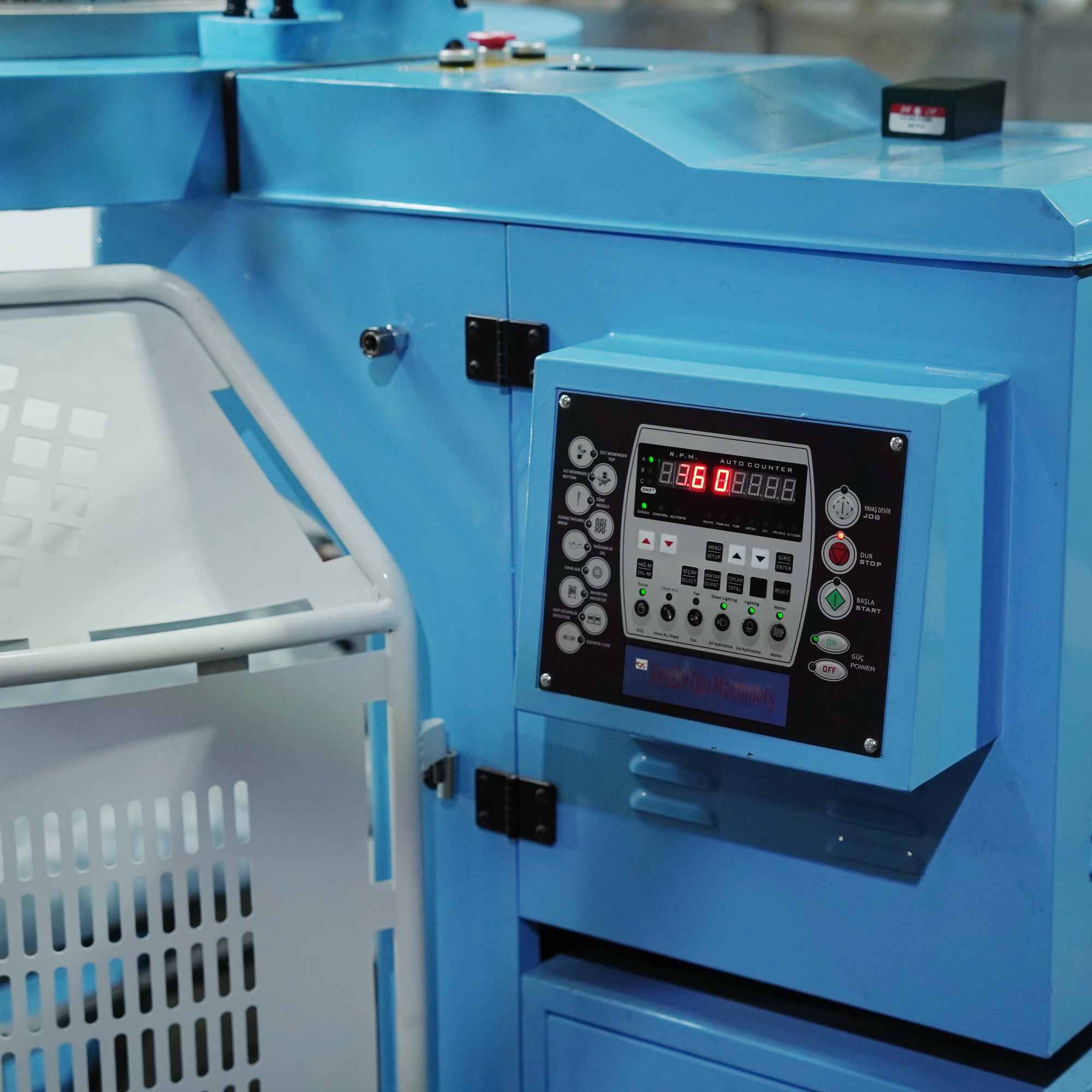
Archived feedback focused on intuitive controls, quick adjustment and smooth double-jacquard machine operation.2025-07-11
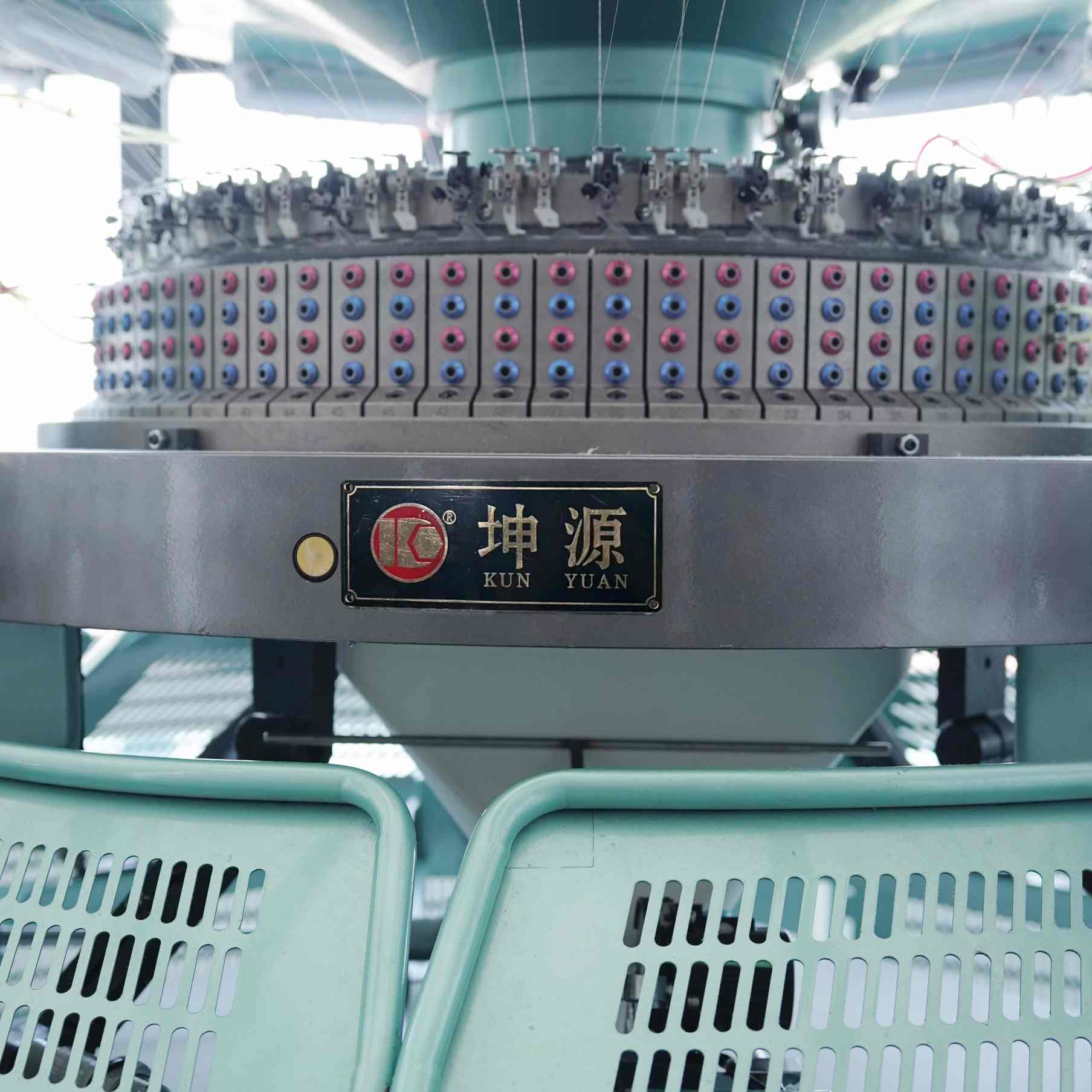
Archived feedback emphasized stable running, precision and easier operation with the pneumatic system.2025-07-16
Archived feedback described stable operation and versatility across double-knit fabric applications.2025-07-15

Archived feedback highlighted smooth fabric production, durability and reliable operation for an interchangeable double-side configuration.2025-07-16