


Component structure
Tie cam, yarn and elastane setup to a named collar, cuff or waistband.
 Price:
Negotiable
Price:
Negotiable
Model:
34‘’18G60F
NET Weight:
2.5tons
Diameter:
34 in
Gauge:
18G
Feeder:
60 feeders
Certification:
ISO,CE
Applicable Yarn Material:
RPM:
20 RPM
Wooden Box Size:
Place of Origin:
CHINA.
The structured product field and cleaned record identify this model as 34 inch, 18G and 60 feeders, with a 20 RPM reference. An older paragraph reversed the values and described “60G/18F.” That contradiction should not remain in purchasing content. The signed quotation must use the 34-inch/18G/60F configuration unless Kunyuan issues a different model-specific technical sheet.
The intended work centres on collars, cuffs, waistbands and related threaded or ribbed garment components. These products are judged by dimensions, edge condition and recovery after assembly, not by a generic statement about ultra-fine fabric.
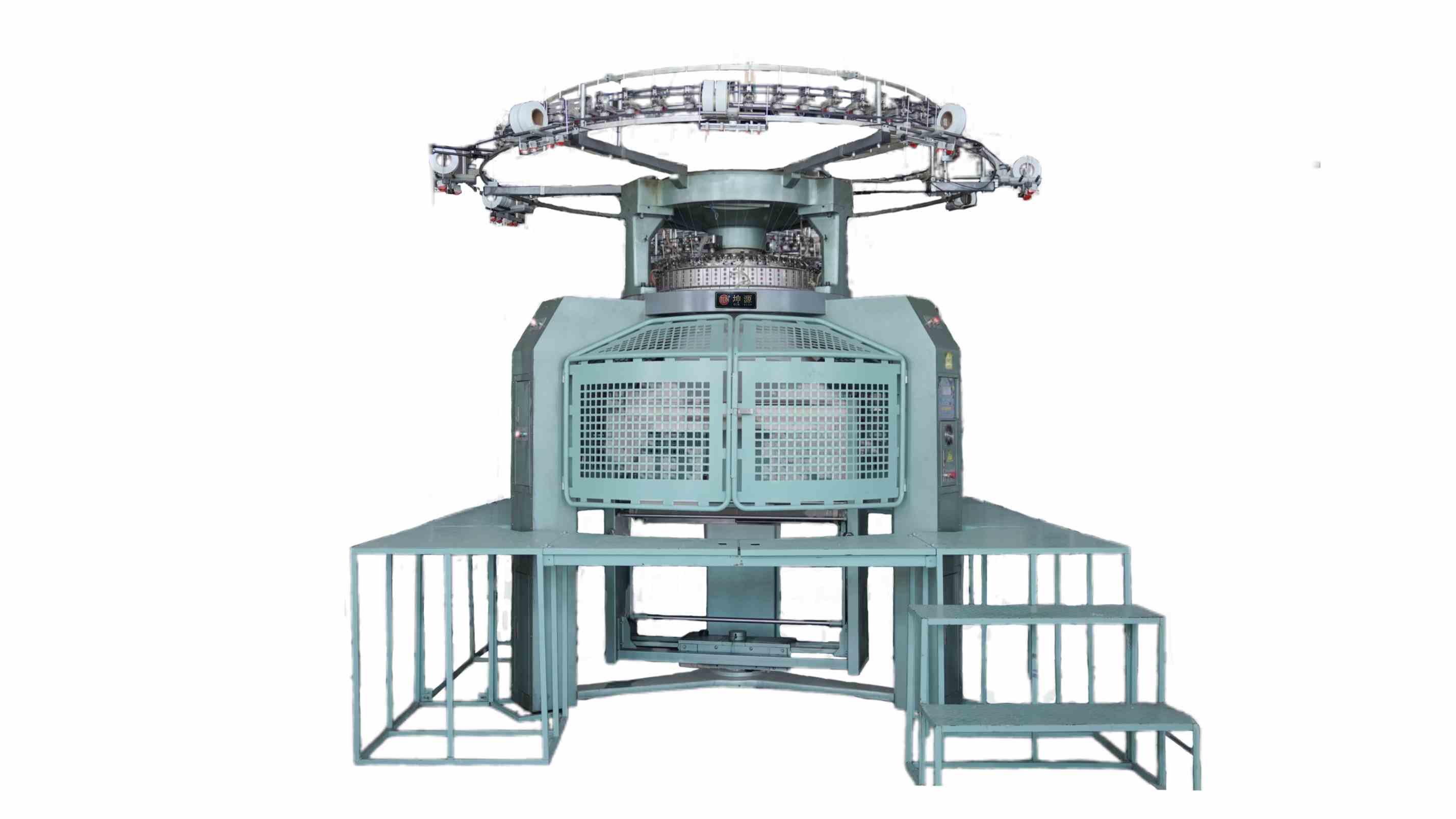
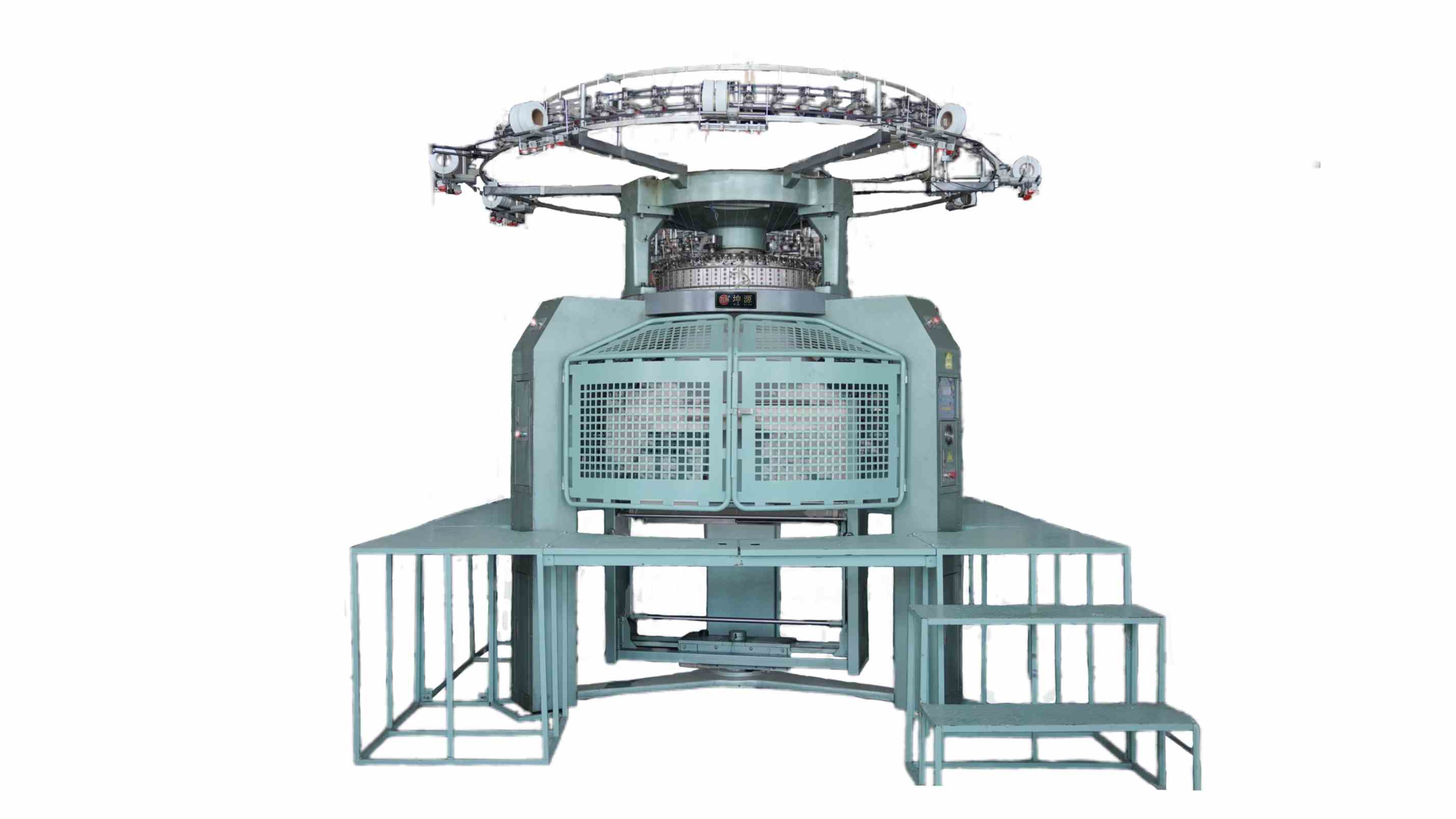
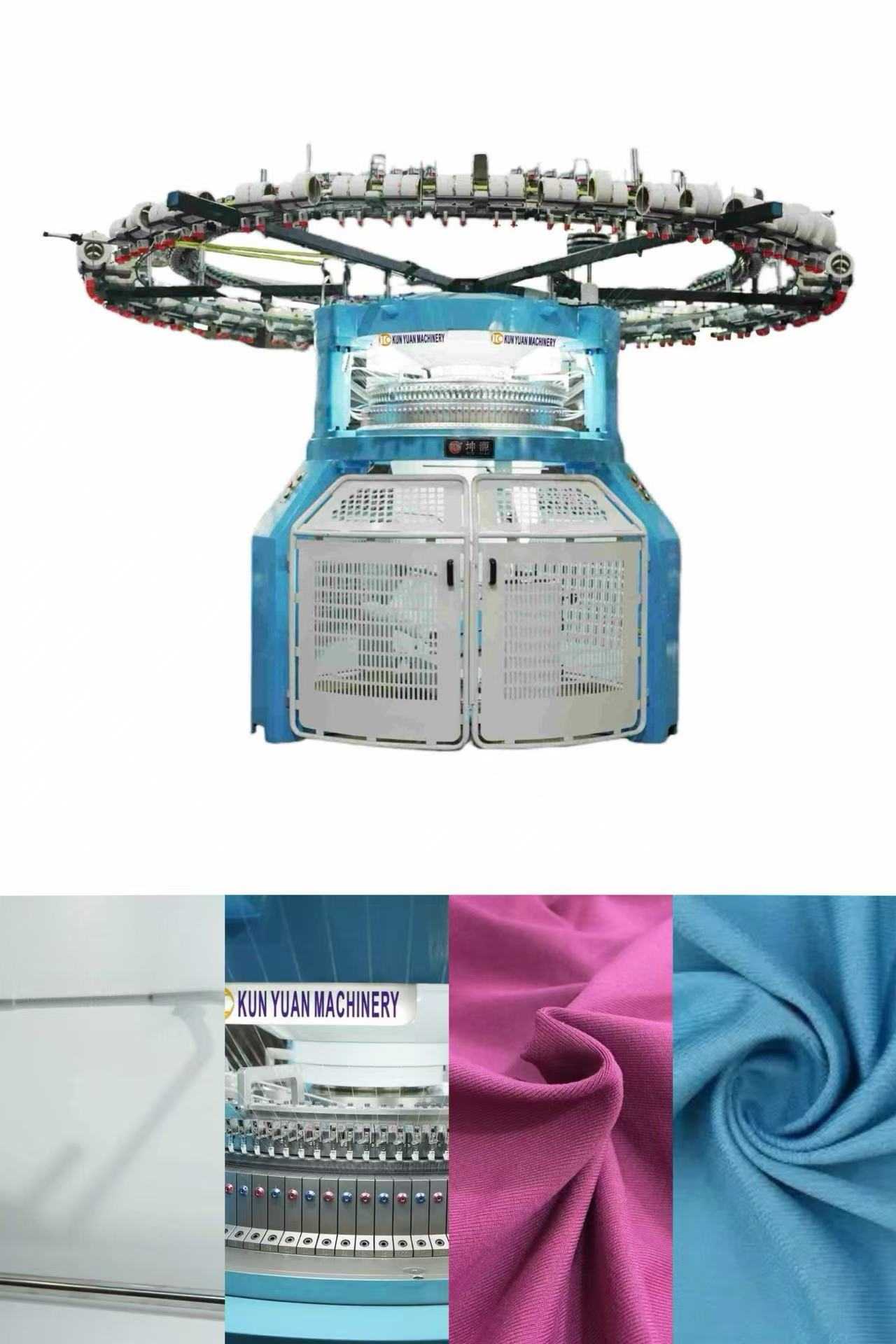
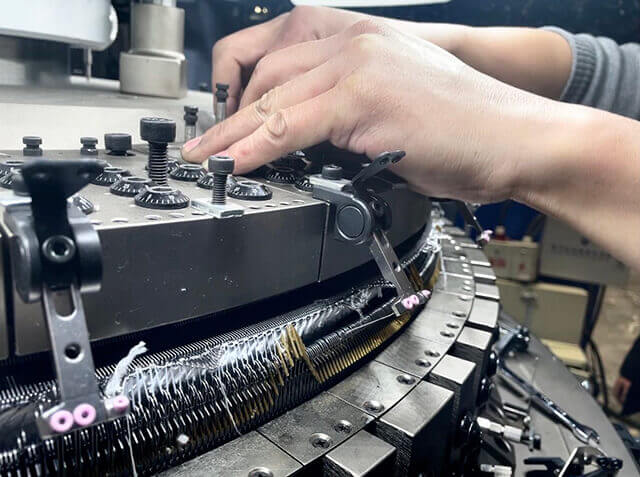
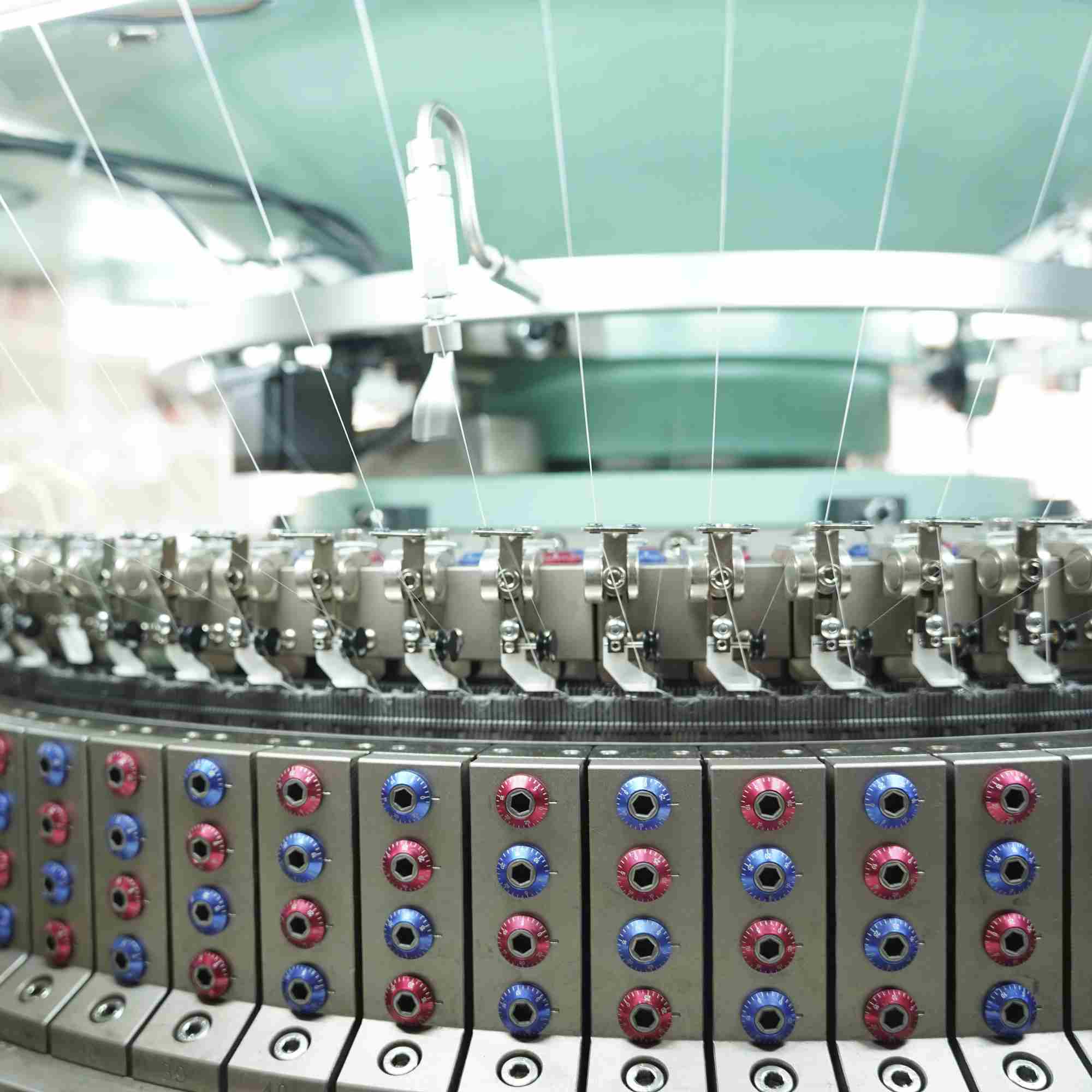
Ask Kunyuan for a labelled drawing of the pneumatic high-foot mechanism, its operating pressure and the yarn/component structures it is intended to support. The word “high-foot” should be tied to a real mechanical arrangement and change procedure. Confirm how the system affects access, yarn clearance or fabric handling on the offered model.
Component production also needs a precise cylinder/dial, cam and yarn plan. If elastane or specialty yarn is used, record the feed path and tension/draft method. The same collar width can behave differently after dyeing, heat setting and sewing.
| Item | Model-specific question | Approval evidence |
|---|---|---|
| 34-inch/18G/60F | Confirm this row replaces the conflicting old prose | Signed specification sheet |
| Pneumatic high-foot system | Pressure, connection, purpose and fail-safe state | Utility/drawing and function test |
| Collar/cuff structure | Rib ratio, cam arrangement and yarn allocation | Marked component and setup record |
| Elastane/specialty yarn | Feed device and draft/tension method | Yarn-lot and feed settings |
| Finished dimension | Relaxation, finishing and sewing condition | Component measurement/recovery sheet |
Knit the intended collar, cuff or waistband yarn and construction. Record machine setup, pneumatic setting, stitch length, yarn/elastane feed, speed and take-down. Inspect loop definition, needle lines, holes, edge roll and width along the component.
Finish the sample through the buyer’s normal route and measure it after the agreed relaxation time. Stretch and release it using the buyer’s method, then assemble a representative piece when possible. Check whether the seam, edge and recovery remain acceptable. A flat fabric swatch alone may not expose distortion at the garment opening.
Log air pressure and any leakage/alarm independently from needle-bed, cam and yarn-feed checks. A pneumatic fault should not be “corrected” by altering stitch or take-down. Likewise, an uneven rib line requires a knitting-location review even when air pressure is stable.
Release pressure and isolate power before work on the high-foot mechanism. Keep approved settings and the corrected 34/18G/60F model identity with the sample so the old reversed specification cannot return during quoting.
The old specification conflict can reappear if only the web body is corrected. The quotation, pro forma invoice, packing list, nameplate record and acceptance sheet should all use the same 34-inch/18G/60F identity. Ask the supplier to mark any optional mechanism or change part next to that base configuration rather than embedding it in an ambiguous product name.
Also confirm floor space, service height, air connection, voltage, included tools and spares. At commissioning, the operator should be able to identify the pneumatic high-foot components, isolate stored air, restore the settings and produce the accepted component again. Record that exercise with the training sign-off.
The structured archive says 34 inch, 18G and 60F. Treat the reversed old paragraph as inconsistent and require Kunyuan to confirm the signed model sheet.
Operating pressure/flow, air quality, connection, normal/fail-safe state, alarms and maintenance access for the offered mechanism.
Measure finished width and length, inspect edges, test stretch/recovery and, where possible, assemble the component using the real garment process.
No. Confirm a stable setting for the actual construction, elastane/specialty yarn, finishing and component acceptance method.
34-Inch Pneumatic High-Foot Thread Circular Knitting Machine content must start by correcting the archived 18G/60F identity. The purchase then depends on a documented pneumatic mechanism and a finished collar, cuff or waistband trial that proves dimensions and recovery.
Use the structured 34-inch, 18G and 60-feeder fields. The reversed 60G/18F phrase in old prose is inconsistent and is not retained.
| Model / configuration | 34‘’18G60F |
|---|---|
| Net weight | 2.5tons |
| Cylinder diameter | 34 in |
| Gauge | 18G |
| Feeders | 60 feeders |
| Recorded operating speed | 20 RPM |
| Certification shown in CMS | ISO,CE |
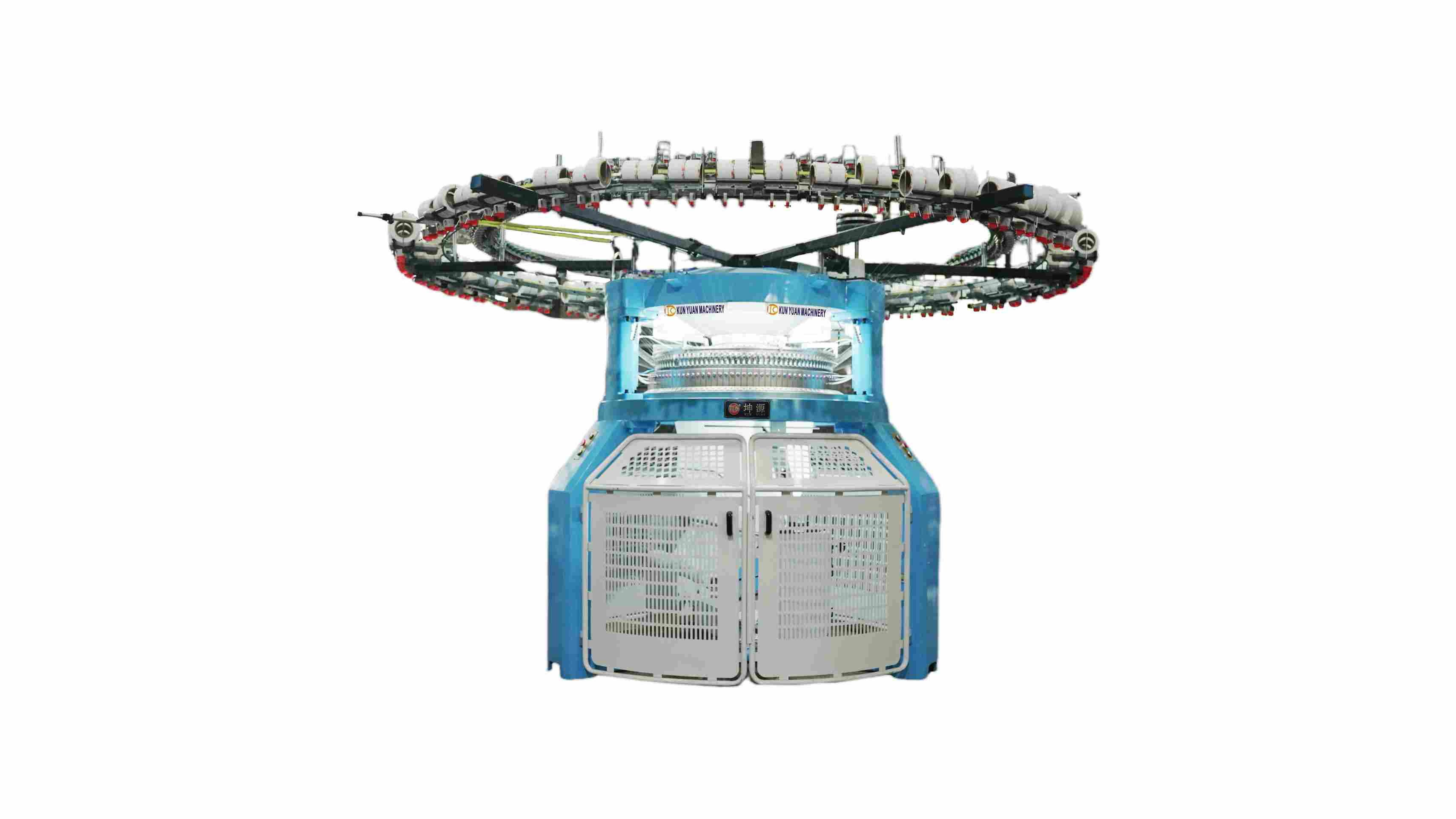
The corrected 34-inch/18G/60F model combines garment-component knitting with a model-specific pneumatic mechanism.
Tie cam, yarn and elastane setup to a named collar, cuff or waistband.
Record pressure, connection, mechanism purpose and fail-safe condition.
Measure and stretch the component after its real finishing and assembly route.
Plan a 34-Inch 12G 72-Feeder Double-Side Interchangeable Circular Knitting Machine around change parts, setup records and separate fabric trials....
Specify a 34-Inch 18G 60-Feeder Pneumatic High-Foot Thread Circular Knitting Machine for collars, cuffs and waistbands using component-level trials....
Validate a 36-Inch 32G 108-Feeder Double Jersey Circular Knitting Machine through fine-gauge needle care, feeder mapping and finished two-sided fabric checks....
This record concerns a specific archived configuration: 36-inch diameter, 32 gauge and 108 feeders on a double-jersey machine. Those values are useful......
This article preserves the original pneumatic high-foot machine topic as a written technical reference. The former external short-video link is not......

 Tel: +86-13859034518
 Email: info@kunyuanmachine.com
 MP/WhatsApp: +86-13859034518
 Manufacturer Address:Bacuo Village, Yonghe Town, Jinjiang City, Fujian Province



Archived feedback described stable operation and versatility across double-knit fabric applications.2025-07-15
Archived feedback highlighted smooth fabric production, durability and reliable operation for an interchangeable double-side configuration.2025-07-16
Compiled archived feedback for Double Jacquard Circular Knitting Machine highlights pattern capability, stable operation and double-knit fabric versatility; open the full summary for source notes and model-specific buyer checks.2026-08-20
Archived feedback focused on intuitive controls, quick adjustment and smooth double-jacquard machine operation.2025-07-11