



Two-bed balance
Inspect face and reverse together for loop formation, holes, floats and timing marks.
 Price:
Negotiable
Price:
Negotiable
Model:
38 ''24 G84F
NET Weight:
2tons
Diameter:
38 in
Gauge:
24G
Feeder:
84 feeders
Certification:
CE,ISO
Applicable Yarn Material:
RPM:
20 RPM
Wooden Box Size:
2.5m
Place of Origin:
CHINA.
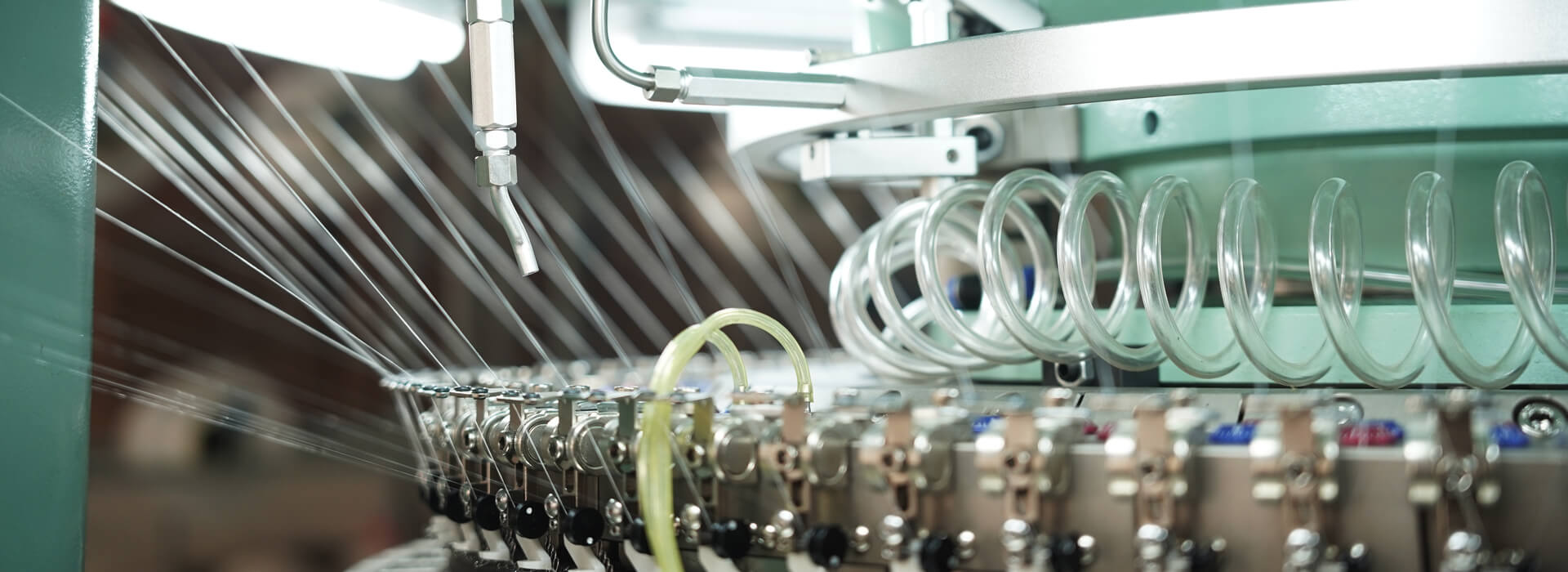
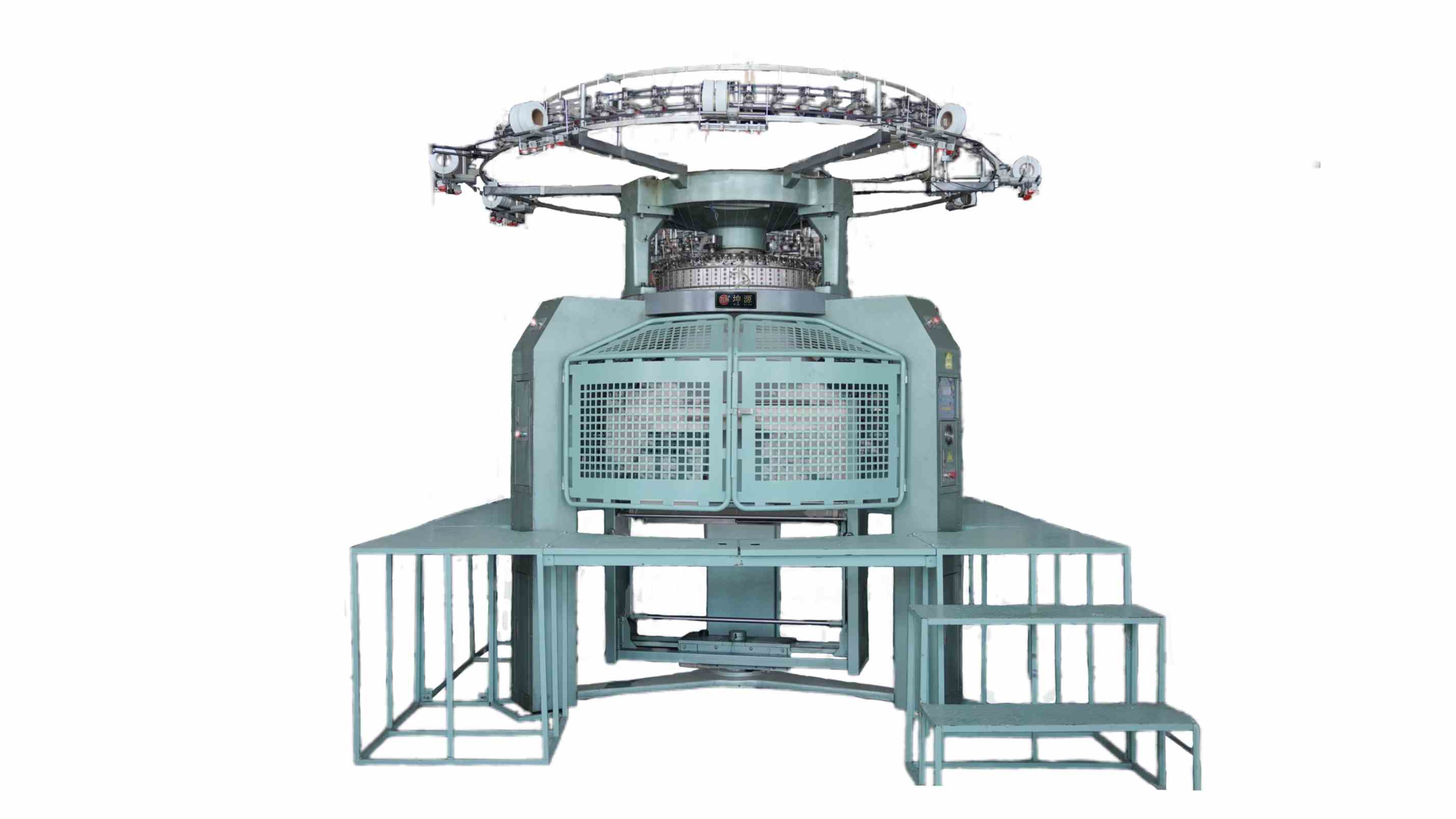
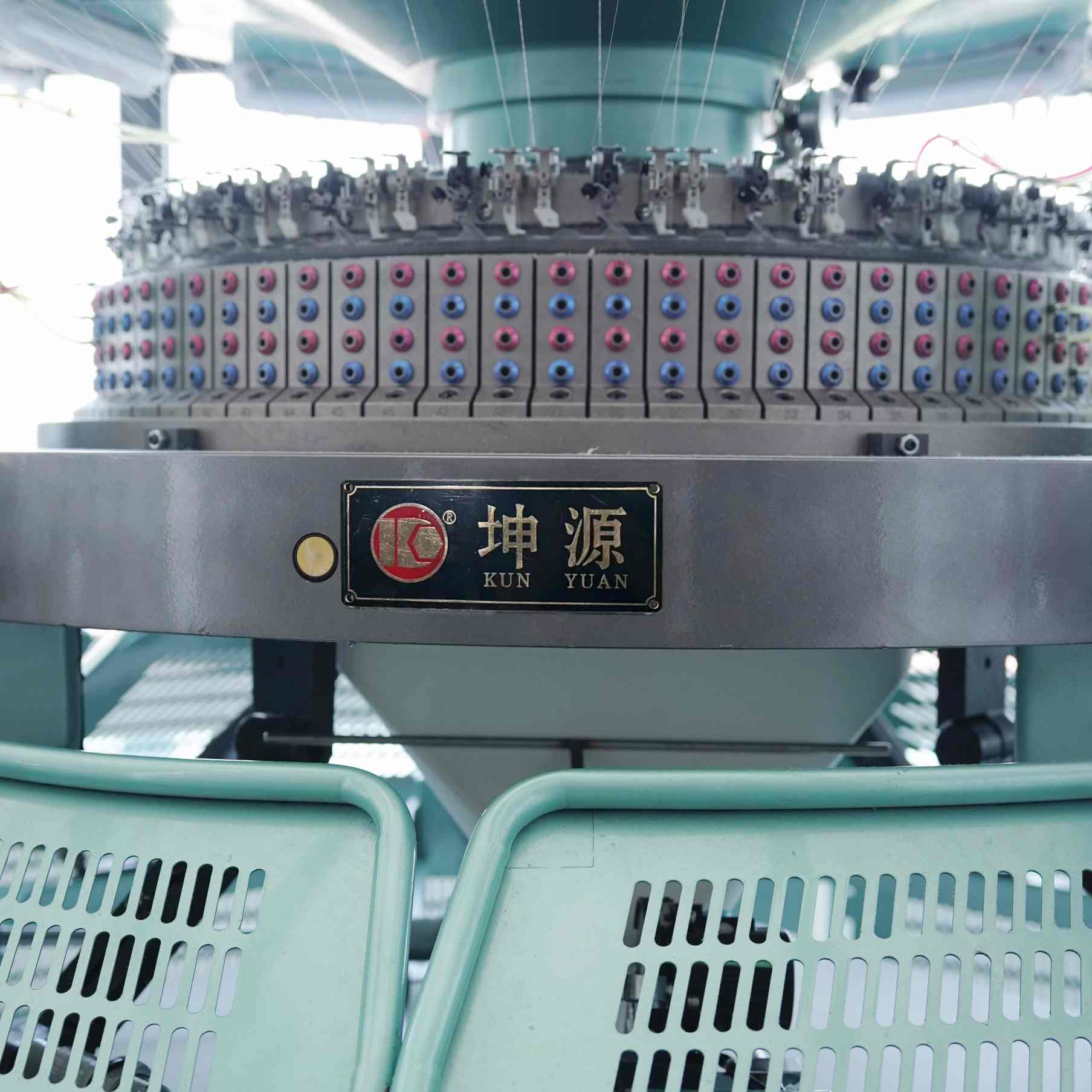
This product page describes a specific 38-inch, 24G and 84-feeder double-jersey configuration rather than a broad machine family. The archived record also shows a 20 RPM reference and a 2-ton weight field. The useful sales conversation is therefore concrete: which double-knit structure, yarn and finished width/weight will be produced on this exact setup?
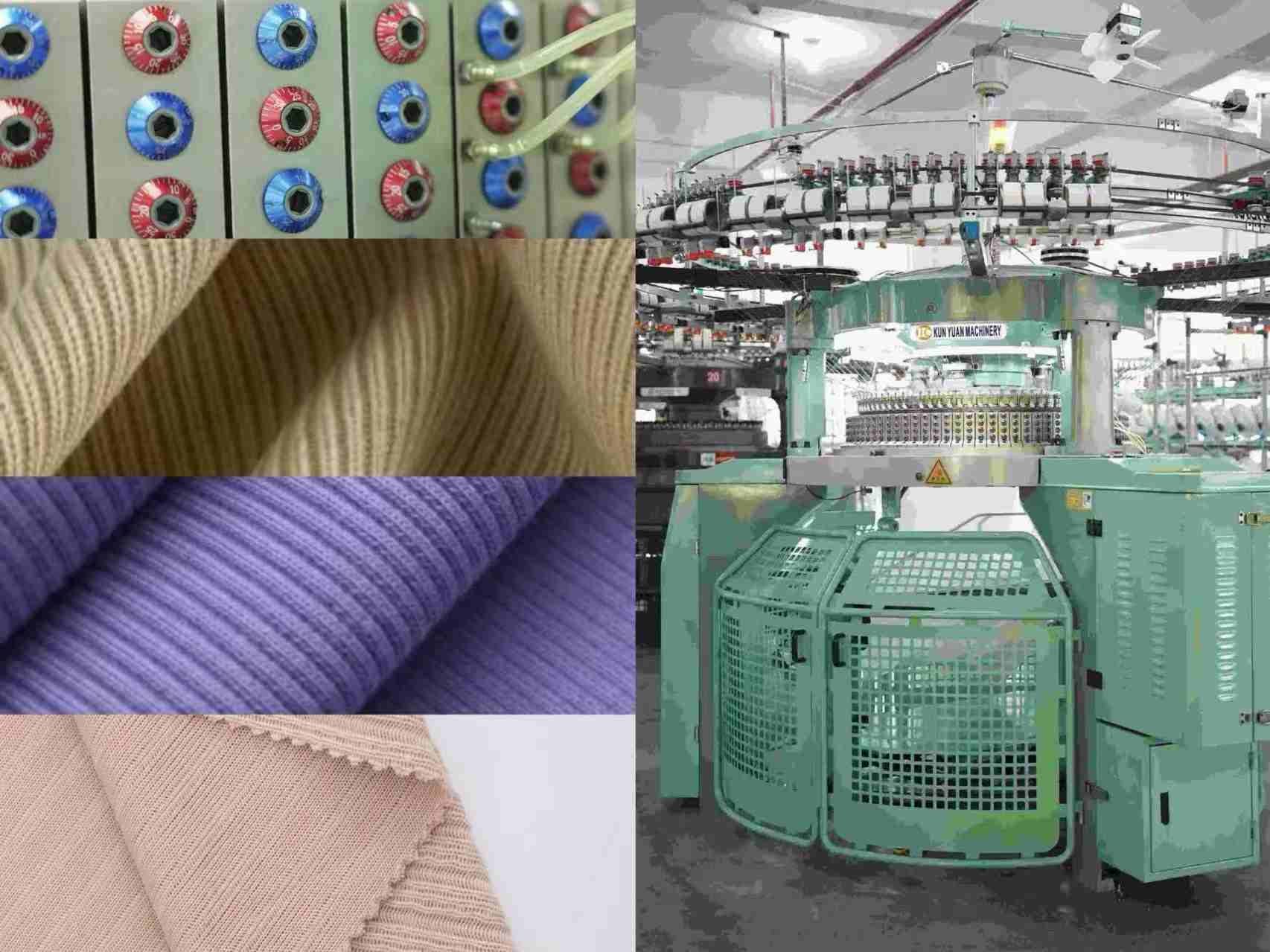
The old page mentions sportswear, underwear and ribbed fabric. These are possible directions, not guaranteed outputs. Submit the construction, yarn/elastane allocation, desired hand, stretch/recovery and finishing route. The supplier should explain how cylinder/dial timing, feeder plan and take-down will be set for that sample.
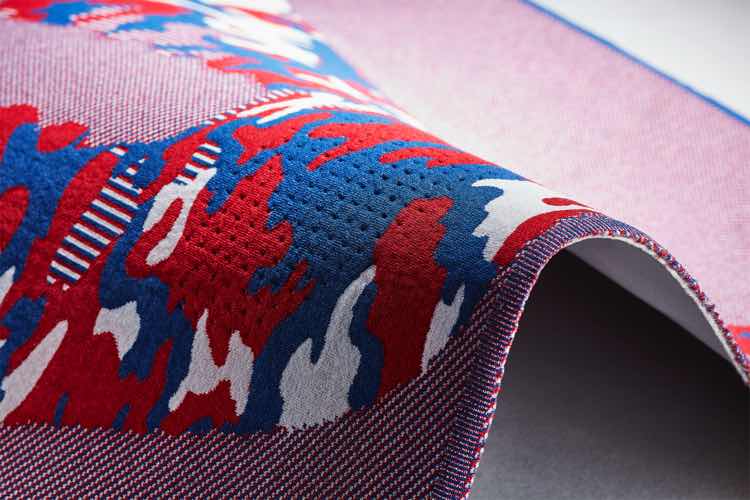
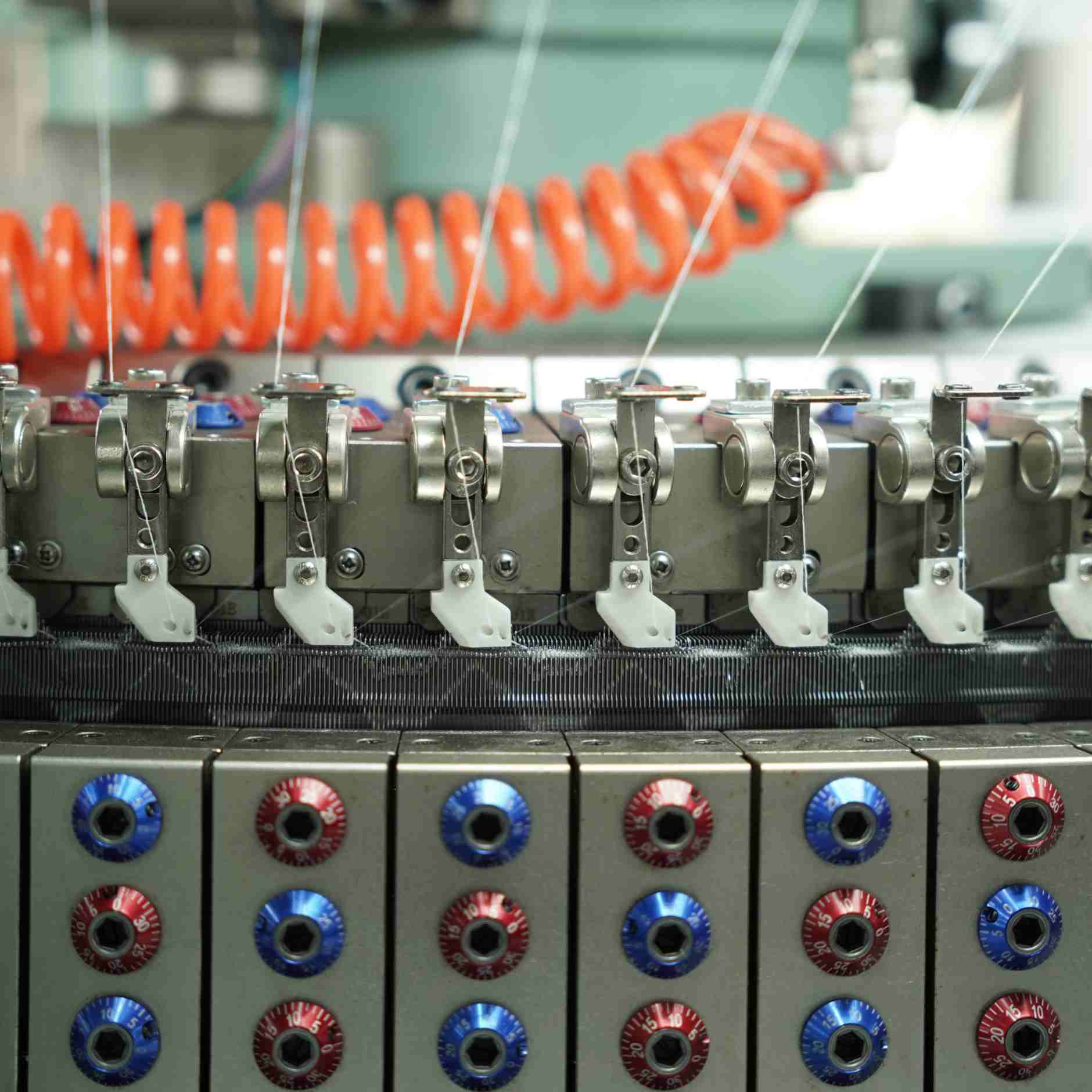
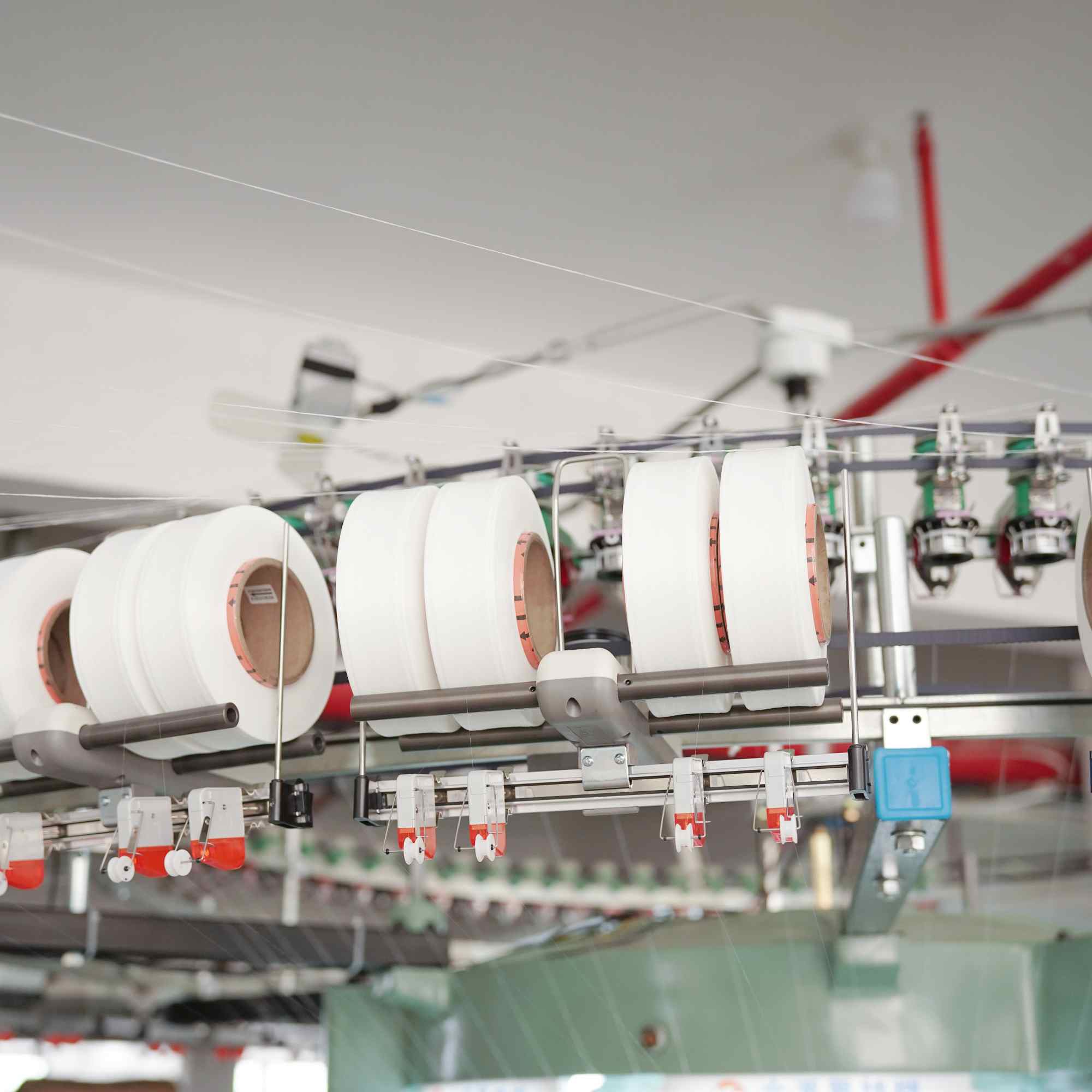
At 24G, needle condition, yarn consistency and timing errors can produce visible lines or uneven loop formation. Eighty-four feeders increase the need for organized yarn routing and feeder-level defect tracing. A stable trial should therefore be sampled across time and width, not approved from one short swatch.
Inspect both fabric faces. An attractive face can hide a weak reverse, floats or a cylinder/dial imbalance. If elastane is used, identify its feeder positions and measure recovery after the real finishing process.
| Recorded item | Buyer-specific detail | Trial evidence |
|---|---|---|
| 38-inch cylinder | Target greige/finished width and roll format | Width at start, middle and end |
| 24G needle setup | Yarn count/composition and fabric density | Needle specification and surface sample |
| 84 feeders | Yarn and elastane allocation | Feeder map and defect trace |
| 20 RPM reference | Yarn, stitch and stable test condition | Speed/settings and stop log |
| Double-jersey structure | Face/reverse requirement and finishing | Two-sided finished sample |
Run production-representative yarn until temperature, lubrication and take-down have reached a normal operating state. Record stops and interventions. Examine for needle lines, barre, holes, repeating feeder marks, oil contamination and edge/roll problems. Measure width, weight and stretch at agreed intervals.
Finish a labelled sample through the intended dyeing, compaction or heat-setting route. Check shrinkage, skew, hand and recovery again. If the buyer needs moisture management or another function, test it through the appropriate fabric method; do not infer it from polyester or yarn names alone.
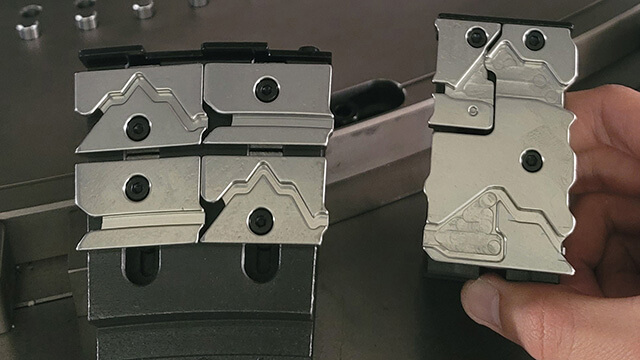
Keep feeder positions identifiable and store defect maps by circumference location. Inspect needle and dial condition, yarn guides, stop motions, lubrication and take-down. A line fixed at one position deserves mechanical inspection; a band that follows a yarn package change may point to yarn or tension.
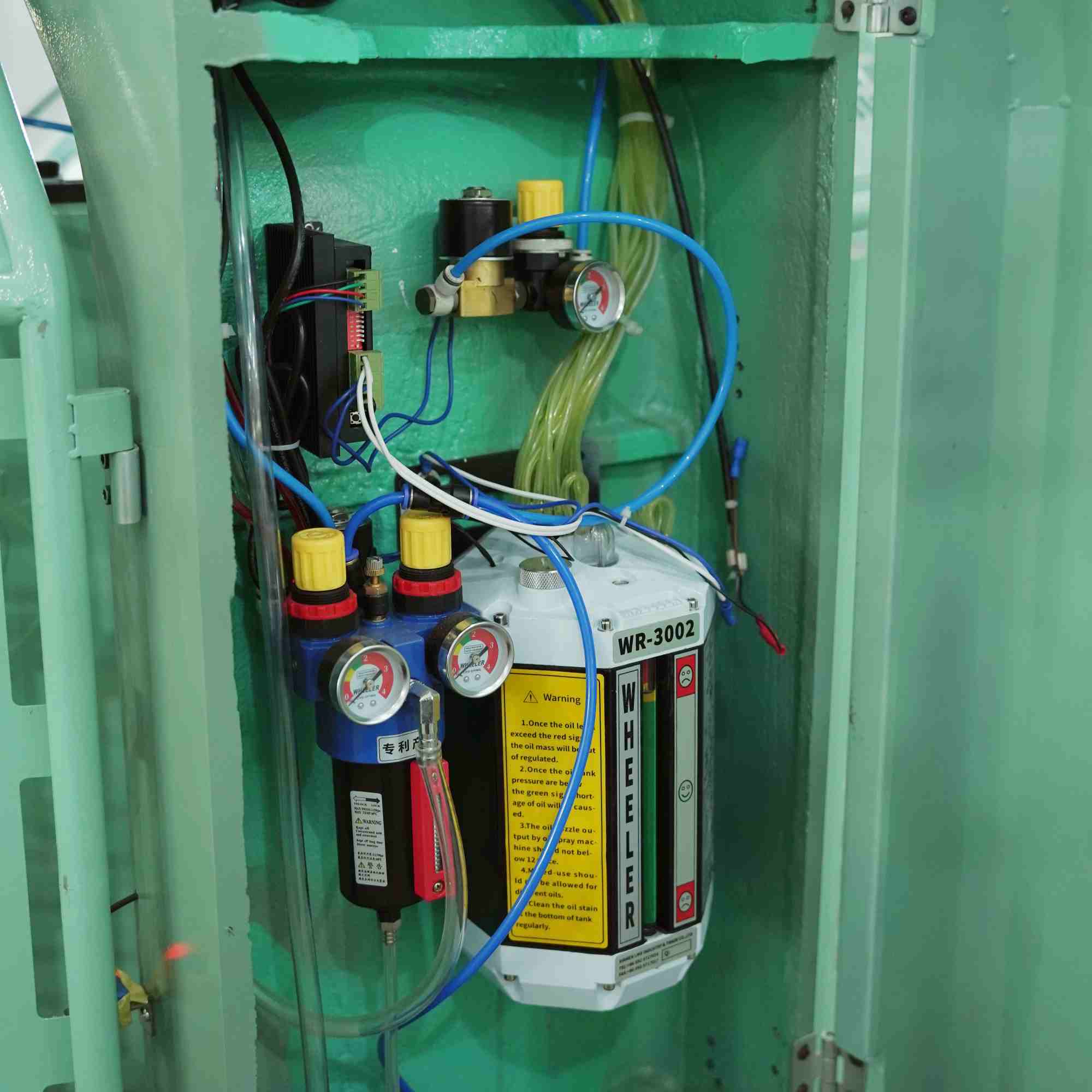
Follow the supplied cleaning/lubrication schedule and isolate the machine before work in either needle bed. Keep the accepted settings with the yarn lot so another shift can reproduce the result.
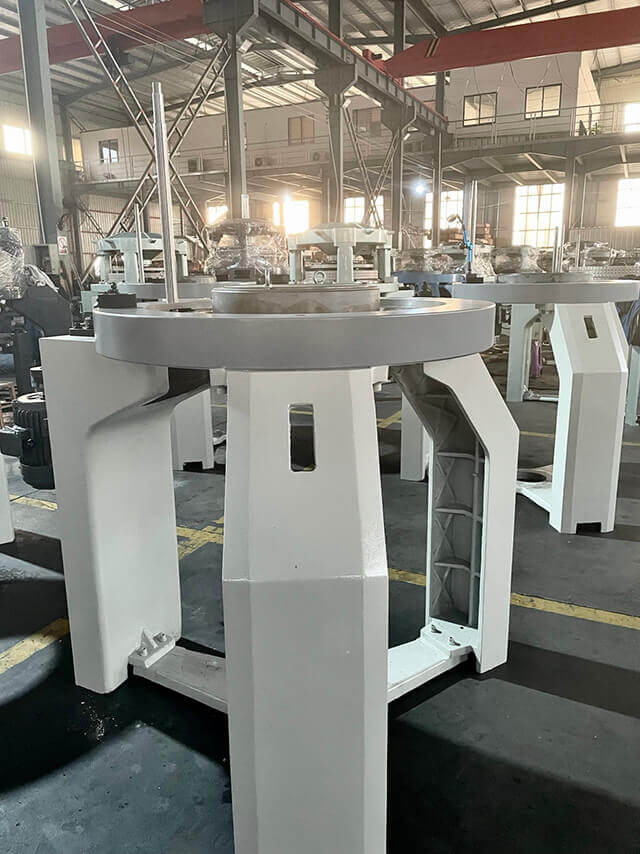
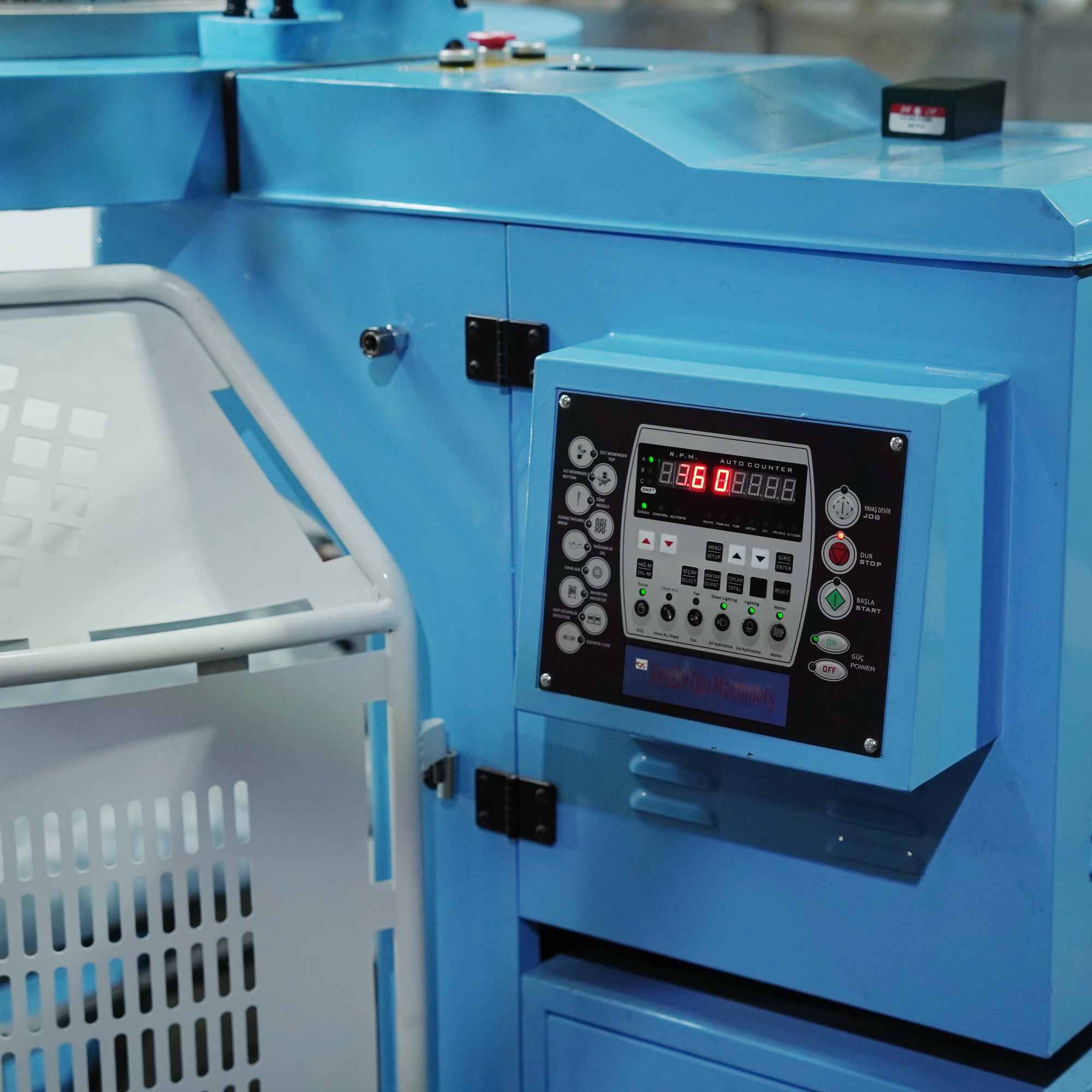
A 38-inch machine and its finished rolls must fit the mill’s actual aisle, lifting and downstream handling route. Confirm the machine footprint, service clearance, electrical supply and the weight/diameter expected for a normal roll. Do not confuse the archived 2-ton machine field with fabric-roll capacity; Kunyuan should state both values separately in the technical file.
Before shipment, agree which gauges, feeders, guards, lubrication items, tools and critical spares are included. During commissioning, let the buyer’s operators repeat the inspection and doffing procedure. A supplier demonstration is less useful if the local team cannot reproduce the same two-sided fabric and roll condition on the next shift.
No. It is an archived reference. Confirm the yarn, structure, stitch length, inspection method and stop allowance used for any quoted output.
A feeder map lets the mill trace repeating bands, elastane placement and yarn changes to a known position instead of adjusting the whole machine.
Inspect loop formation, floats, holes, yarn visibility and balance with the face. Keep a marked face/reverse sample after finishing.
It can describe a knitting configuration, not moisture, abrasion or wear performance. Test the finished fabric using the buyer’s required method.
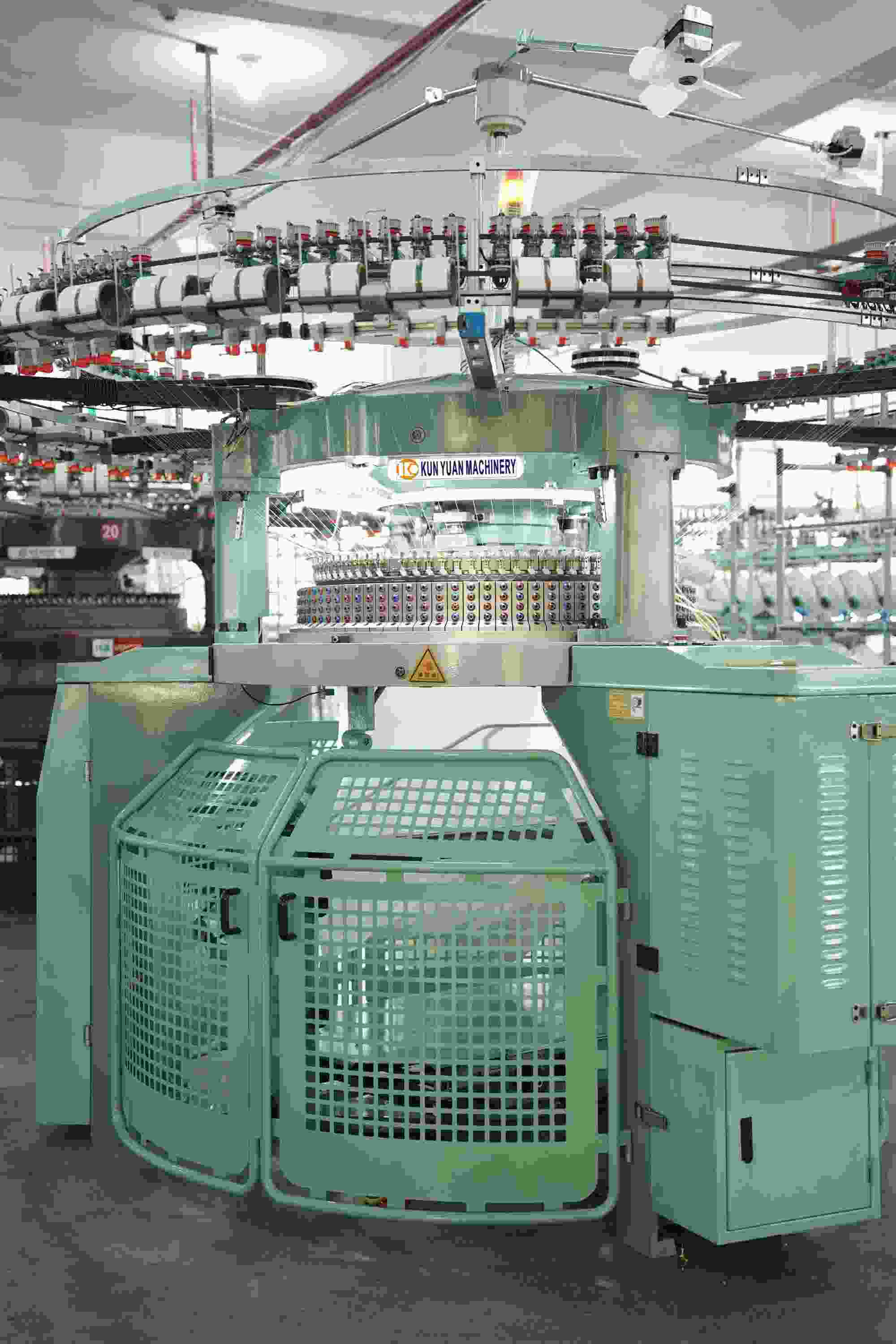
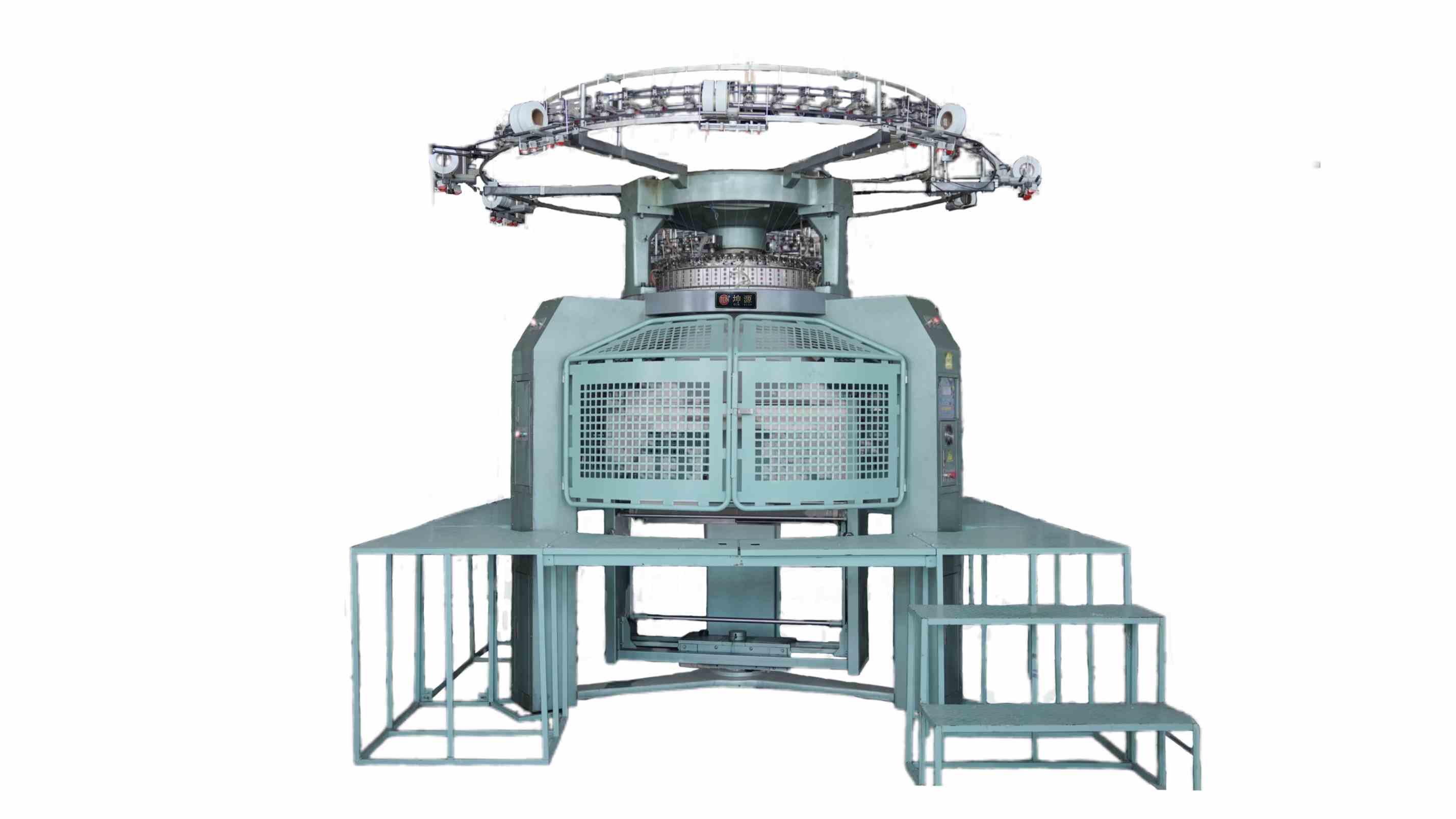
38-Inch 24G Double Jersey Circular Knitting Machine is a defined 84-feeder production platform. Its value is demonstrated by stable cylinder/dial operation, feeder-level traceability and a finished two-sided sample—not by repeating a generic “high efficiency” claim.
This is a fixed 38-inch, 24G, 84-feeder configuration with a stored 20 RPM reference. Qualify the setting with yarn, structure and finished-fabric evidence.
| Model / configuration | 38 ''24 G84F |
|---|---|
| Net weight | 2tons |
| Cylinder diameter | 38 in |
| Gauge | 24G |
| Feeders | 84 feeders |
| Recorded operating speed | 20 RPM |
| Recorded packing or machine size | 2.5m |
| Certification shown in CMS | CE,ISO |
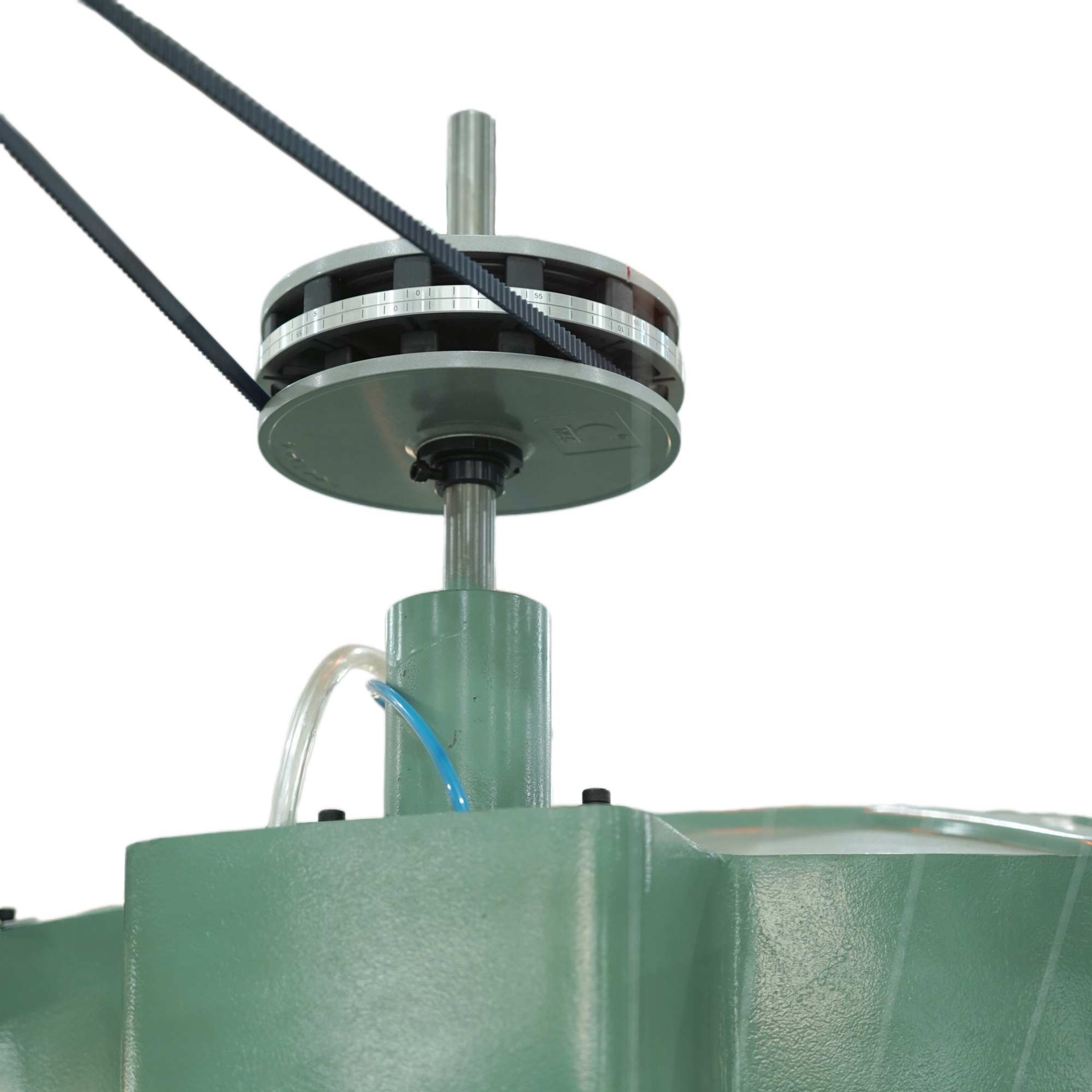
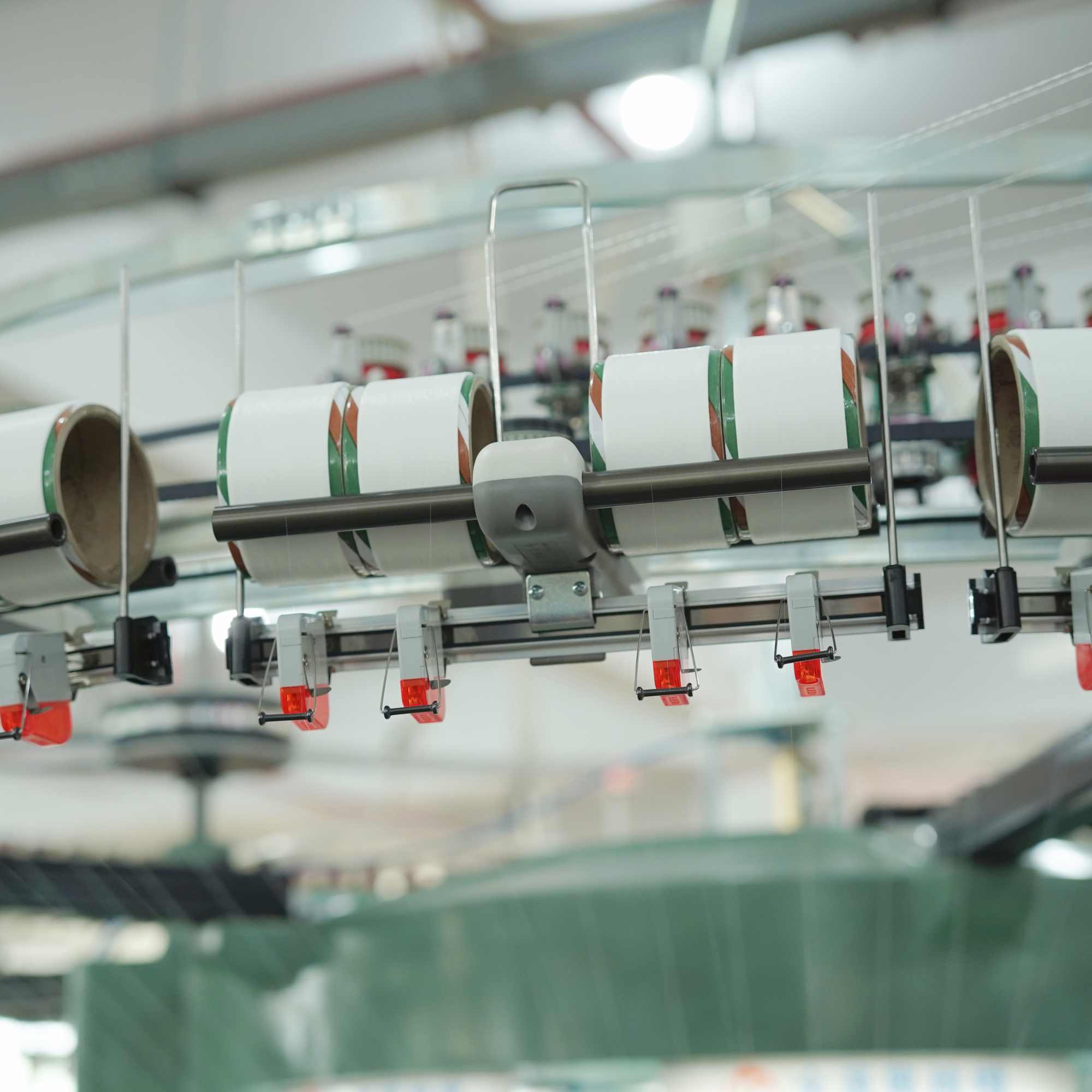
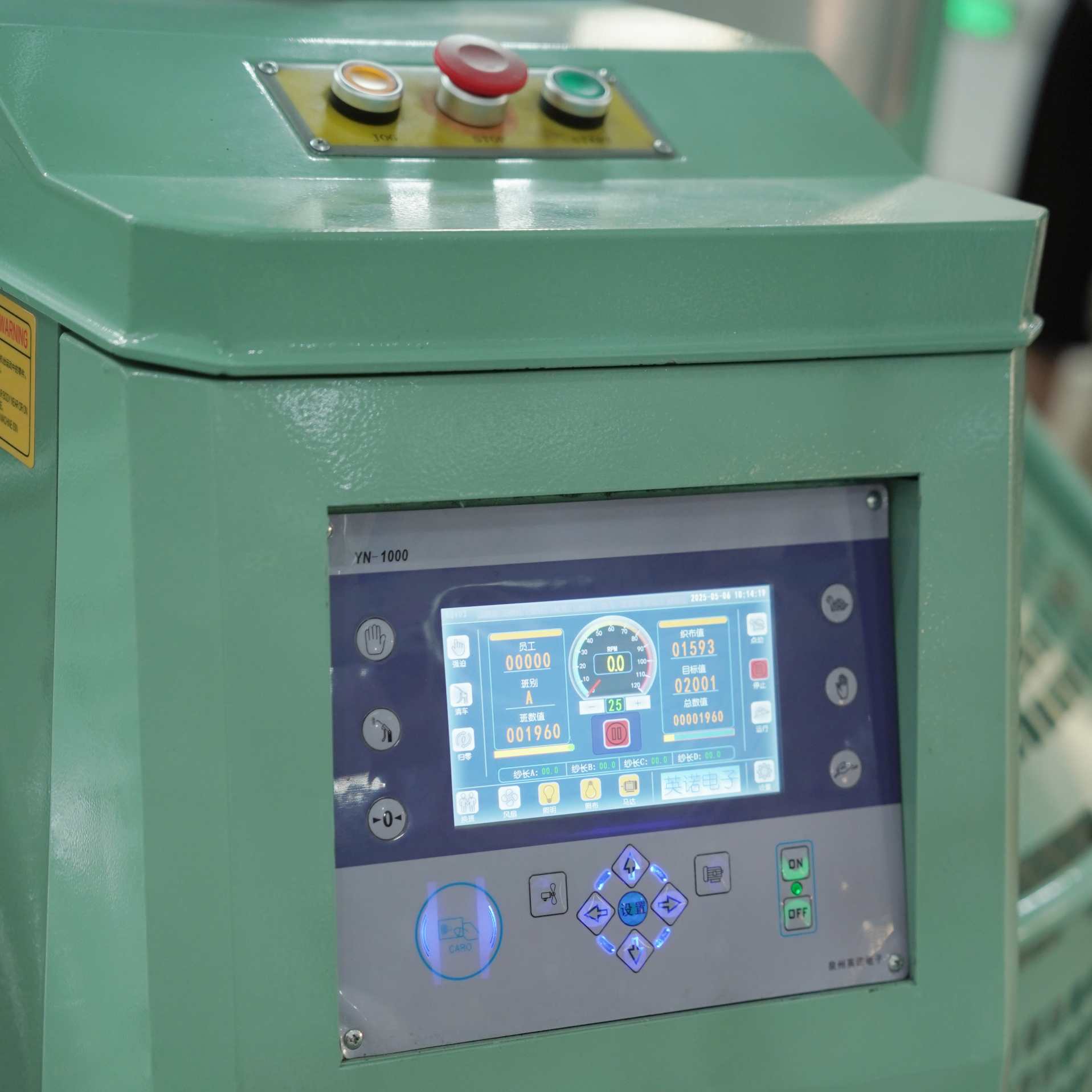
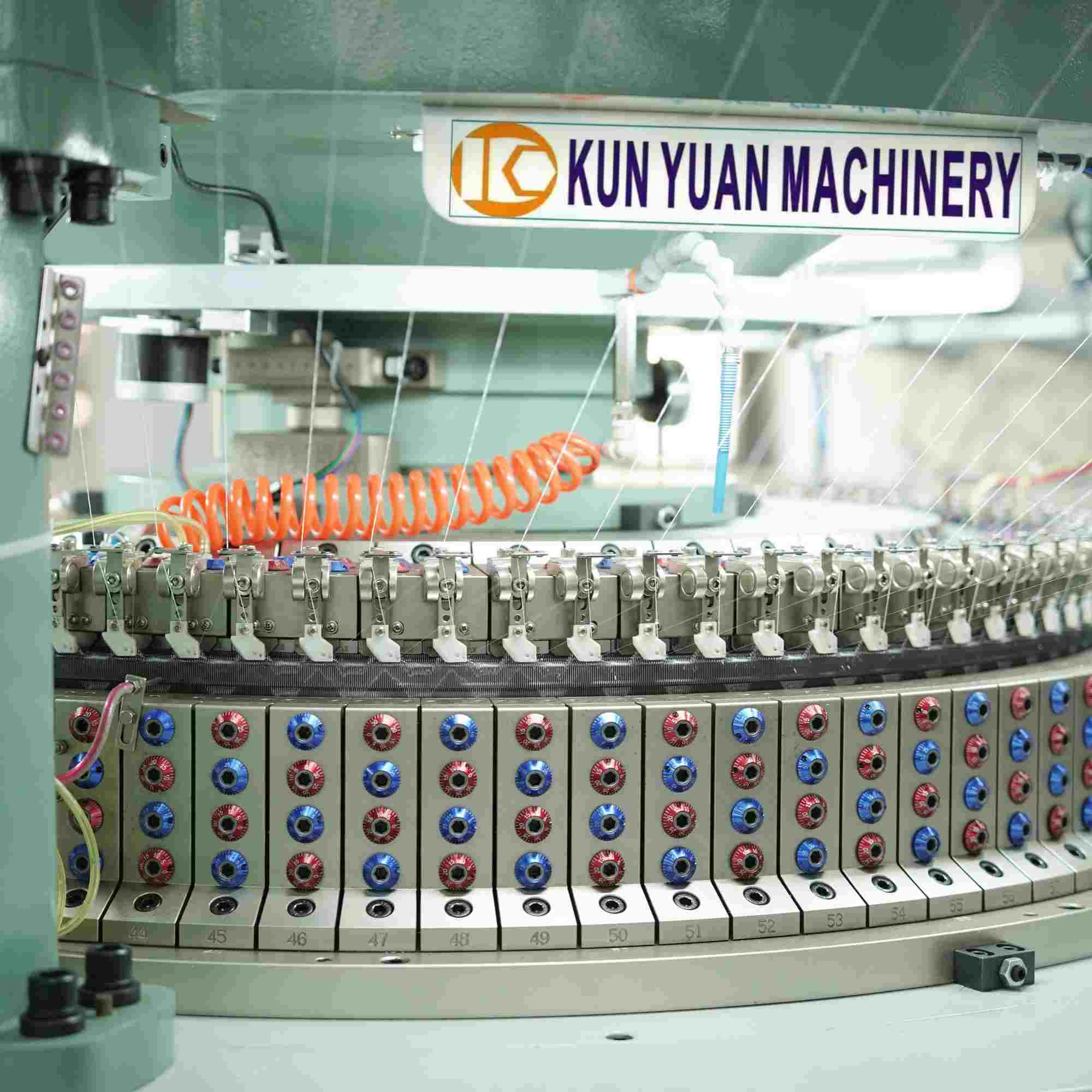
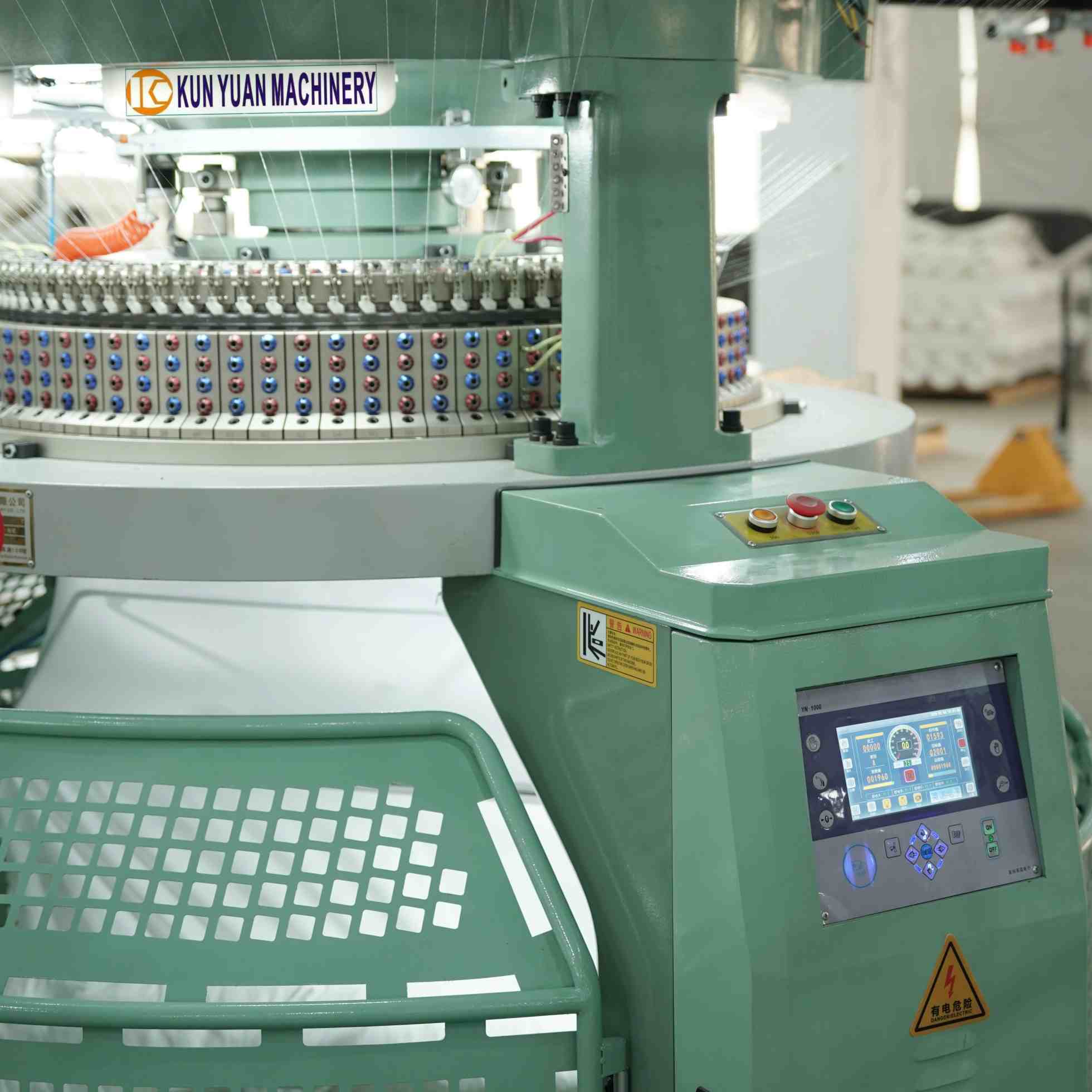
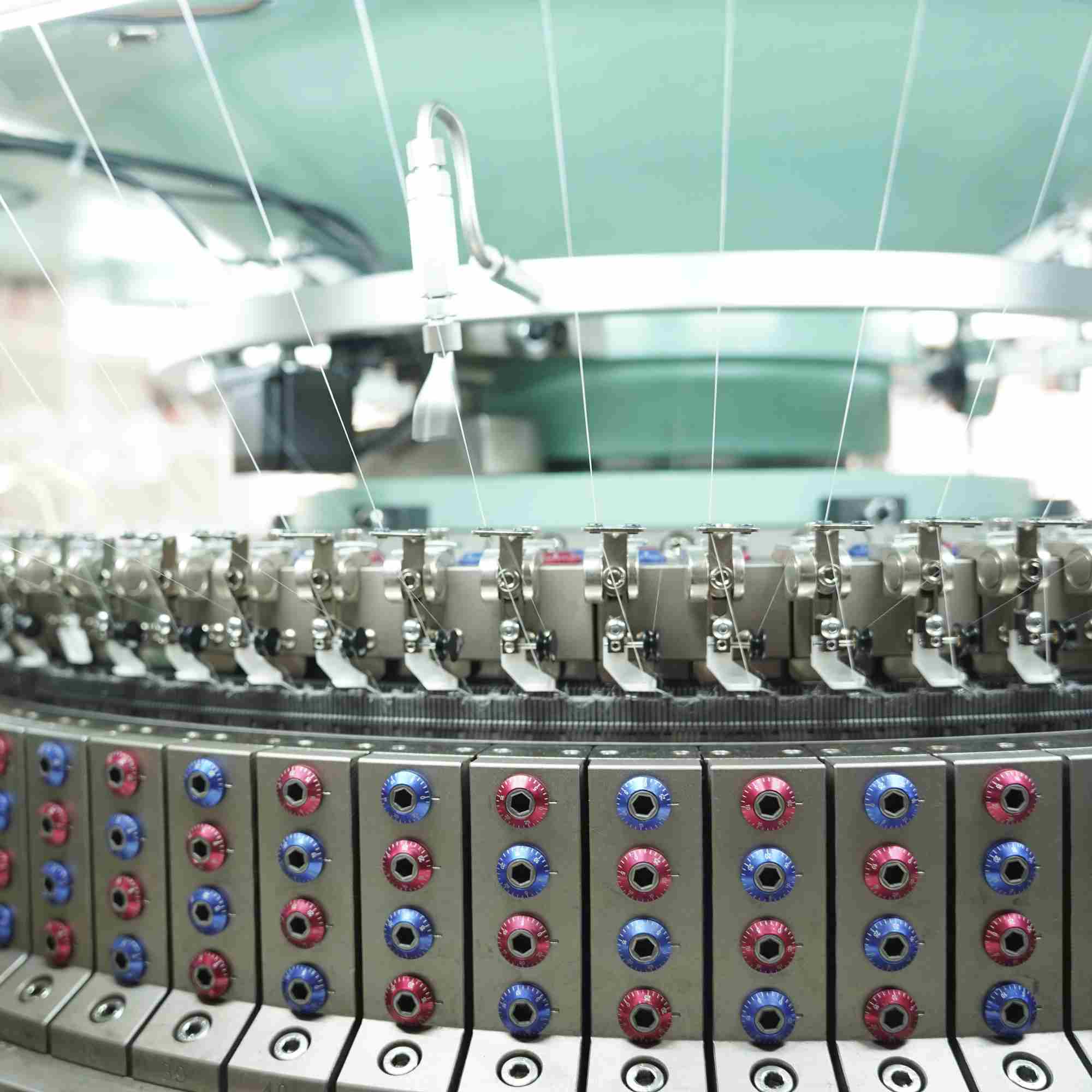
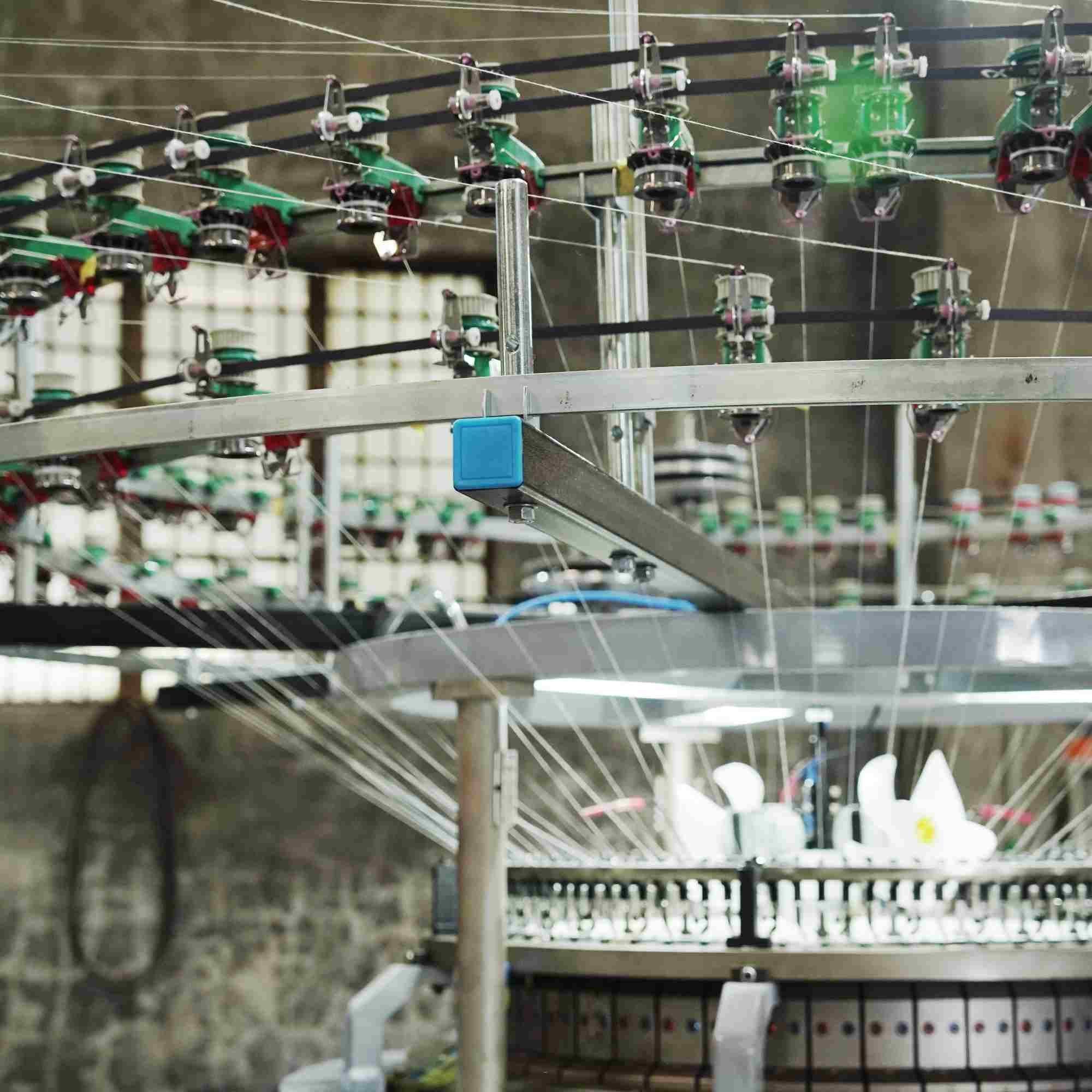
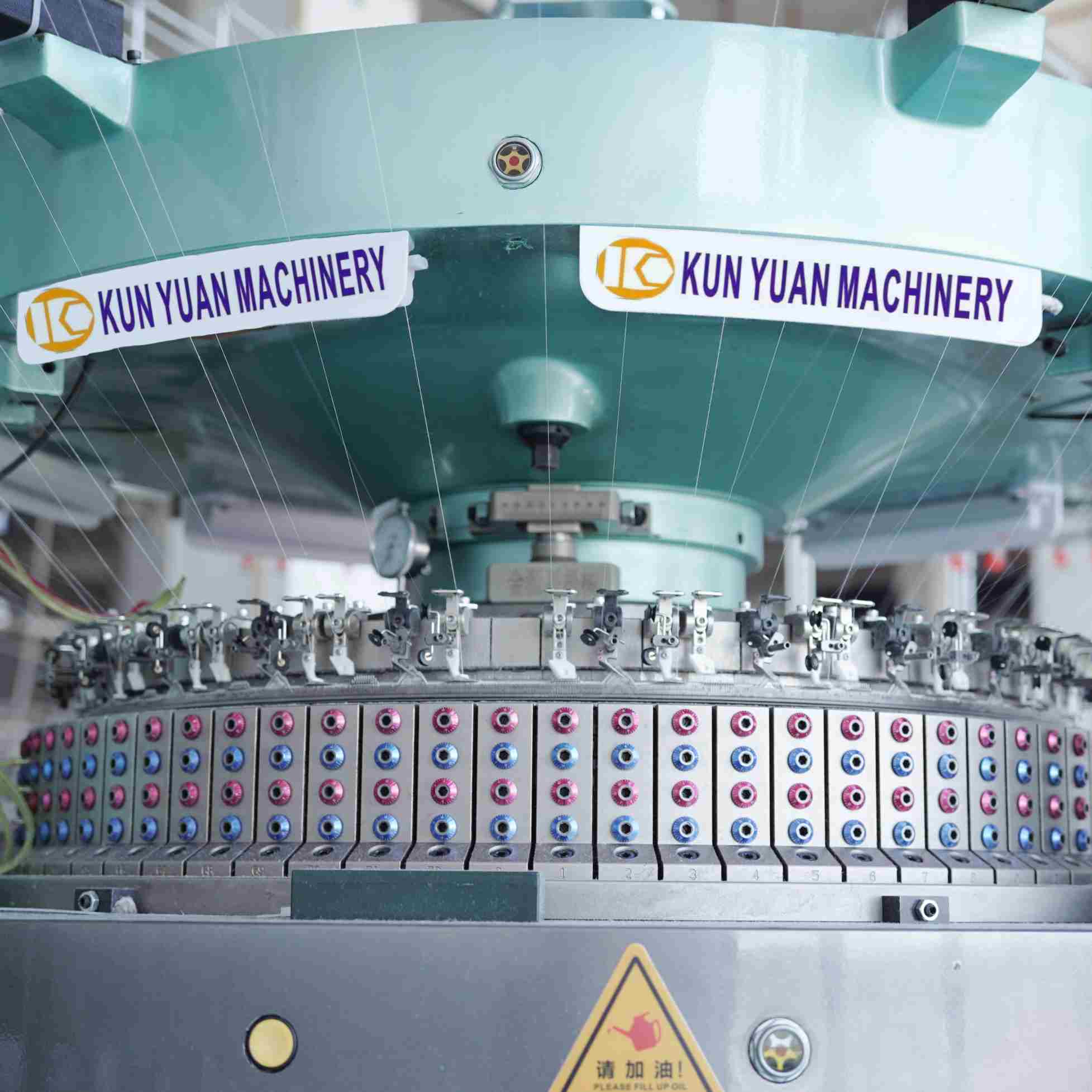
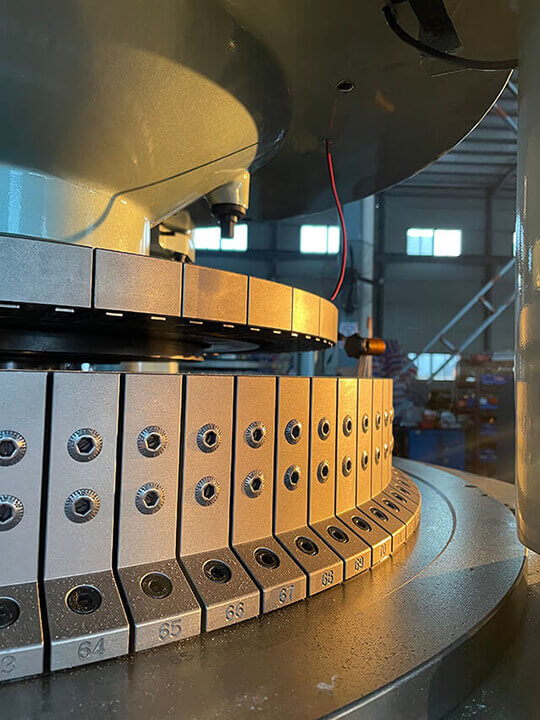
The 38-inch/24G/84F system coordinates cylinder/dial loops, organised yarn feeding and roll take-down.
Inspect face and reverse together for loop formation, holes, floats and timing marks.
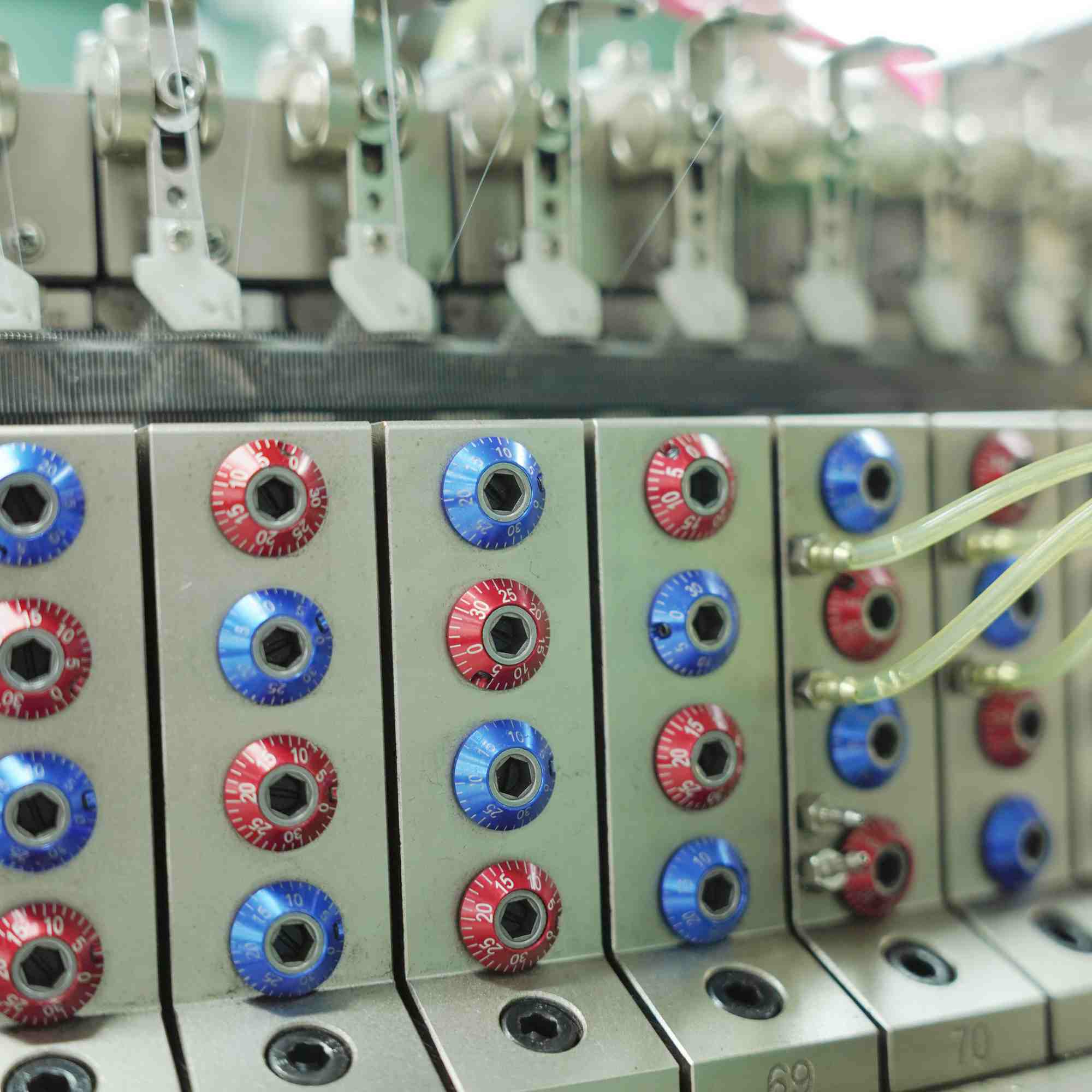
Use numbered yarn positions to locate bands or elastane placement.
Repeat width, weight, stretch and appearance checks after the planned finish.
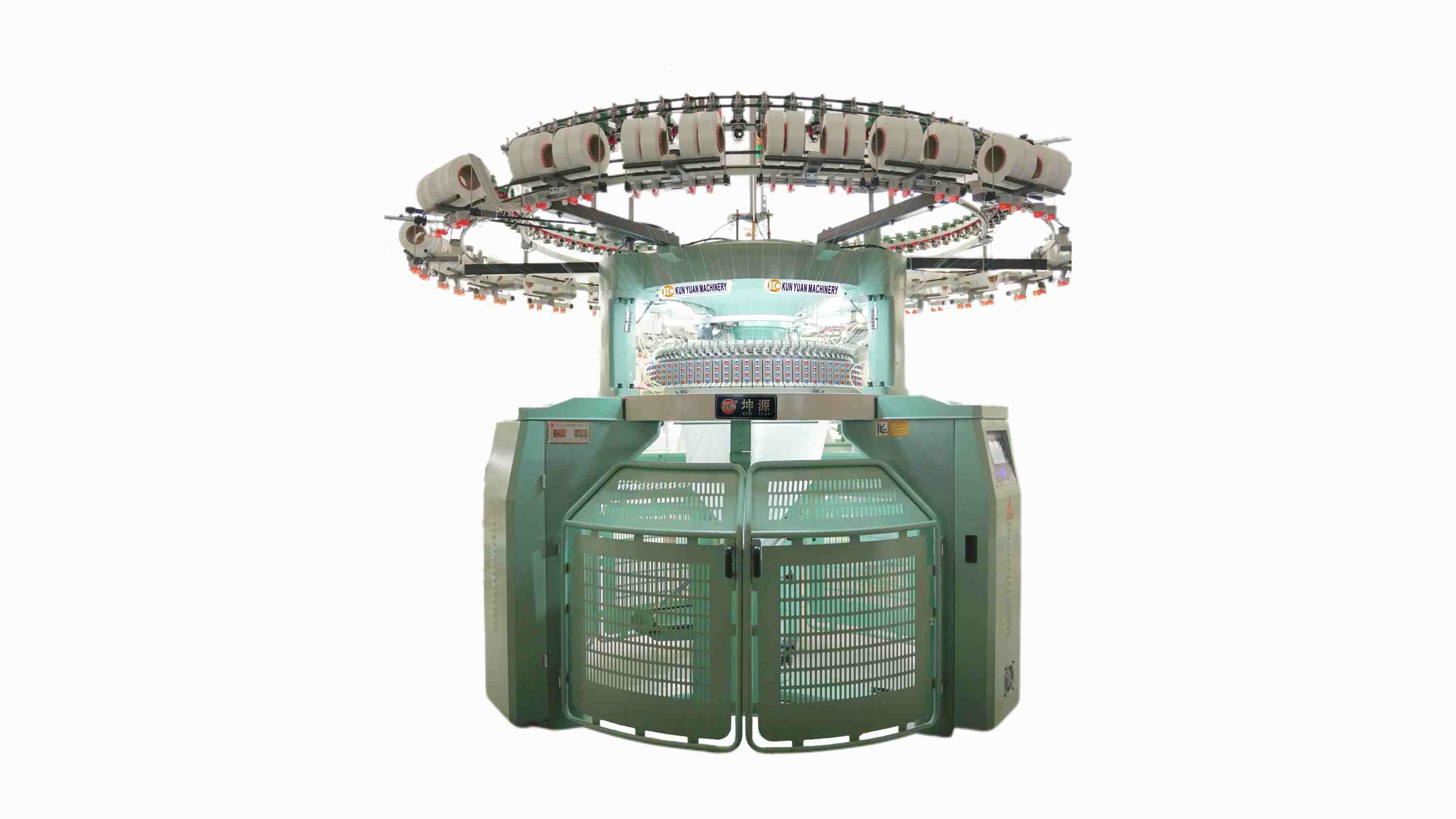
Plan a 34-Inch 12G 72-Feeder Double-Side Interchangeable Circular Knitting Machine around change parts, setup records and separate fabric trials....
Evaluate a Double Jacquard Circular Knitting Machine by two-sided structure, electronic knit/tuck/miss selection, pattern registration and roll-level trials....
Assess a 38-Inch 24G 84-Feeder Double Jersey Circular Knitting Machine through cylinder/dial balance, roll-level defects and finished fabric measurements....
This article preserves the original pneumatic high-foot machine topic as a written technical reference. The former external short-video link is not......
The pneumatic double-jersey high-foot topic combines two separate decisions: the cylinder-and-dial knitting architecture required by the fabric and the......

 Tel: +86-13859034518
 Email: info@kunyuanmachine.com
 MP/WhatsApp: +86-13859034518
 Manufacturer Address:Bacuo Village, Yonghe Town, Jinjiang City, Fujian Province



Archived feedback emphasized stable running, precision and easier operation with the pneumatic system.2025-07-16
Archived feedback described stable operation and versatility across double-knit fabric applications.2025-07-15
Archived feedback highlighted smooth fabric production, durability and reliable operation for an interchangeable double-side configuration.2025-07-16
Archived feedback focused on intuitive controls, quick adjustment and smooth double-jacquard machine operation.2025-07-11