One interlock label covers very different production duties
Interlock is a loop construction, not a promise that one machine will make every underwear, sportswear, medical or technical fabric. Application screening starts by matching structure and finishing demands to the exact offered double-jersey configuration.
Official machine ranges show interlock used across underwear, sport and leisurewear, home textiles, medical textiles and technical applications. They also publish different diameter, gauge, feeder, frame and winding configurations. That breadth is useful for forming questions, but it does not make individual models interchangeable.
Take one actual fabric from each intended business segment. Record the loop structure, yarn system, width and weight basis, elastomer or plating, surface requirement and downstream route. The most demanding item becomes the boundary trial.
Base layers and underwear need surface and recovery control
For base layers, underwear and soft apparel, describe which side meets the skin, required opacity, dimensional stability and any elastomer plating. Needle or feed lines that seem modest on greige fabric may become obvious after dyeing or body stretch.
Approve the fabric after its normal relaxation and finishing. Record width, weight and recovery on the same sample orientation so a setup change does not merely trade one property for another.
Stretch sports fabrics add plating and finishing interactions
Sports and leisure constructions may combine synthetic filament, elastomer and surface treatments. Define yarn roles and plating appearance on both faces, then inspect transitions and restarts under extension.
A maximum-speed sample is not automatically representative. Run the recipe long enough to include normal package behaviour and stop recovery, and compare accepted yield rather than the best few metres.
Wider or heavier fabrics shift attention to handling
Home-textile or structured uses can place more emphasis on roll diameter, winding, open-width handling, weight consistency and crease avoidance. Confirm whether the offered frame and take-down suit the required fabric form.
Inspect the complete width and several roll positions. A centre swatch cannot reveal edge behaviour, winding pressure or a periodic line that repeats with handling.
Medical and technical claims require application-specific validation
A machine trial can demonstrate repeatable knitting under stated conditions; it cannot by itself certify medical, protective or regulated performance. Put the end-use protocol, sample conditioning, laboratory method and acceptance authority in writing.
Keep machine identity, yarn lot, recipe, finishing batch and test report linked. Avoid turning a broad application category into an unsupported product-performance claim.
Match the actual application to an exact machine build.Record yarn roles and inspect both fabric faces.Use full-width finished evidence, not a centre swatch alone.
Interlock application screening matrix
Field
Primary knitting question
Downstream exposure
Evidence before release
Base layers
Surface and recovery stable?
Relaxation, dyeing, wear stretch
Finished full-width sample
Sportswear
Plating and elastic controlled?
Heat and colour route
Extended marked panel
Home textile
Handling configuration suitable?
Winding and conversion
Roll-position map
Medical/technical
Protocol and traceability defined?
Application-specific test
Authorized report
Interlock application questions
Is interlock always produced on the same double-jersey setup?
No. Diameter, gauge, tracks, feeders, take-down, winding and options vary by model and required fabric.
Can a brochure application prove suitability?
It is useful for screening. Approval still needs the exact offered configuration, representative yarn and the buyer's finished-fabric protocol.
Why inspect both faces?
Interlock and plated fabrics may conceal missed loops, yarn-position errors or surface differences on one face.
Does higher RPM mean higher commercial output?
Not necessarily. Stops, fabric weight, quality loss and finishing rejection determine accepted output.
How should technical applications be described?
State the knitting result and traceability; leave regulated or end-use performance to the applicable test and authority.
Conclusion
Interlock selection improves when application names are replaced with boundary fabrics and written tests. Structure, yarn role, fabric handling and downstream exposure narrow the field to a configuration that can be demonstrated rather than merely advertised.
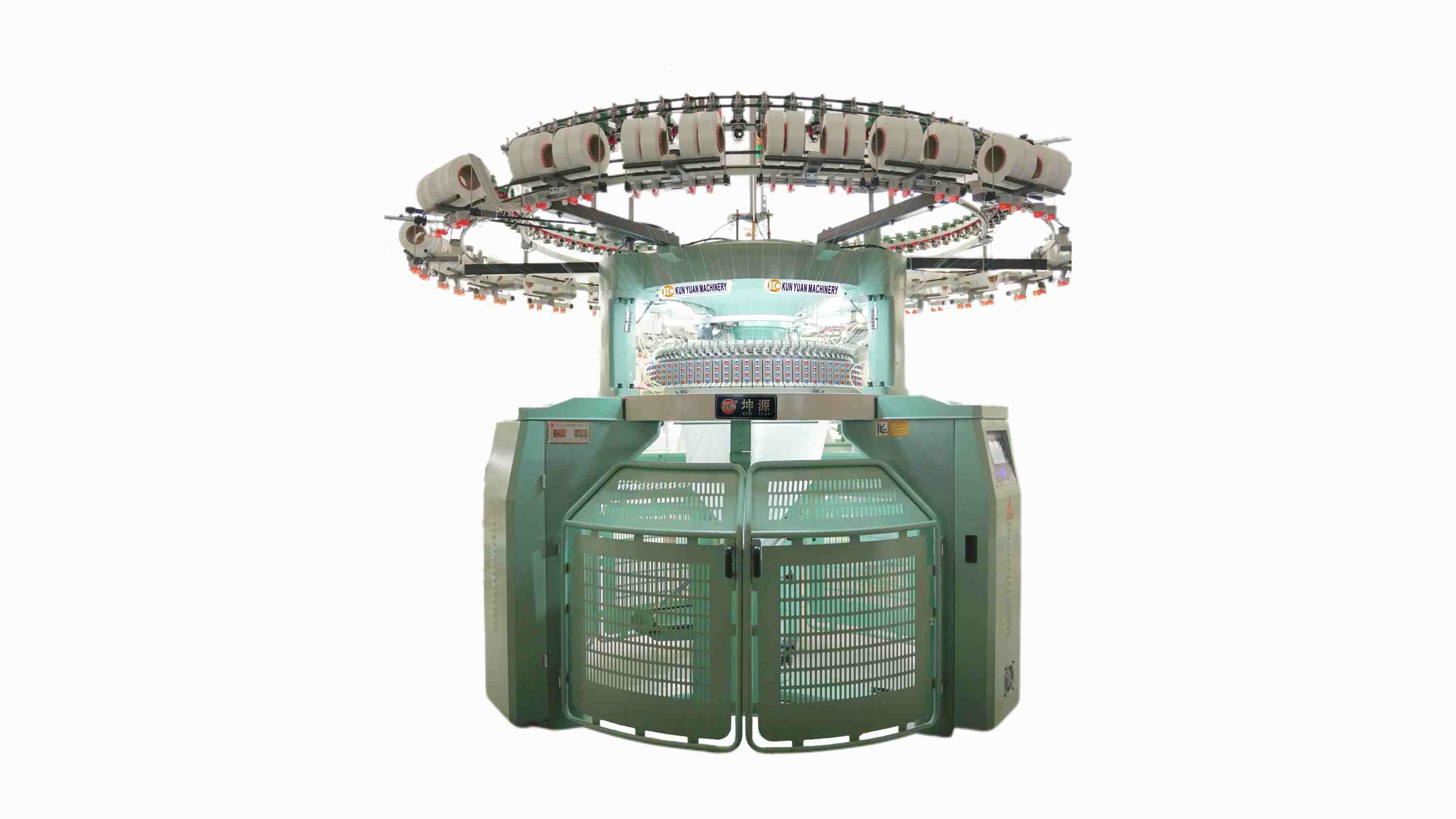
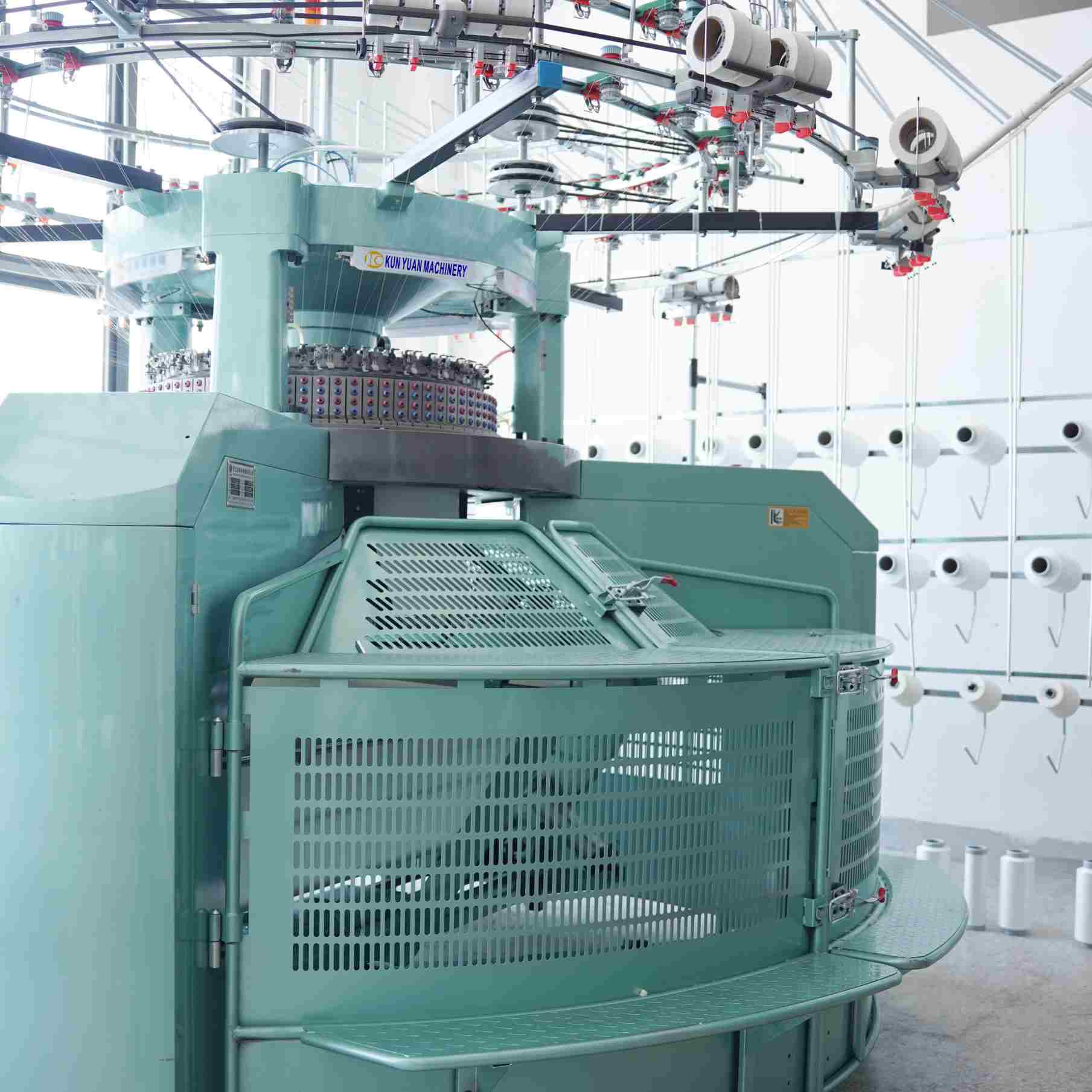
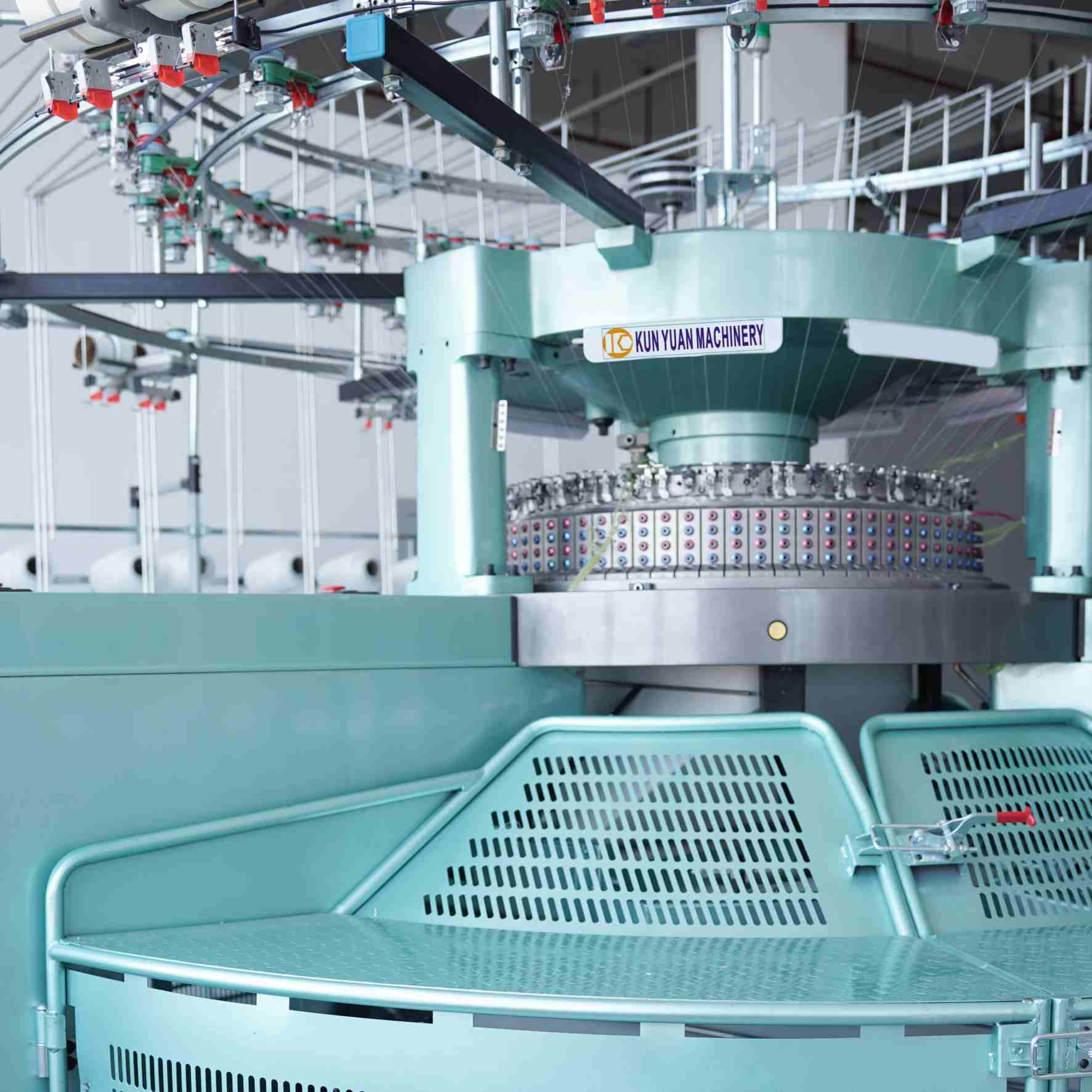
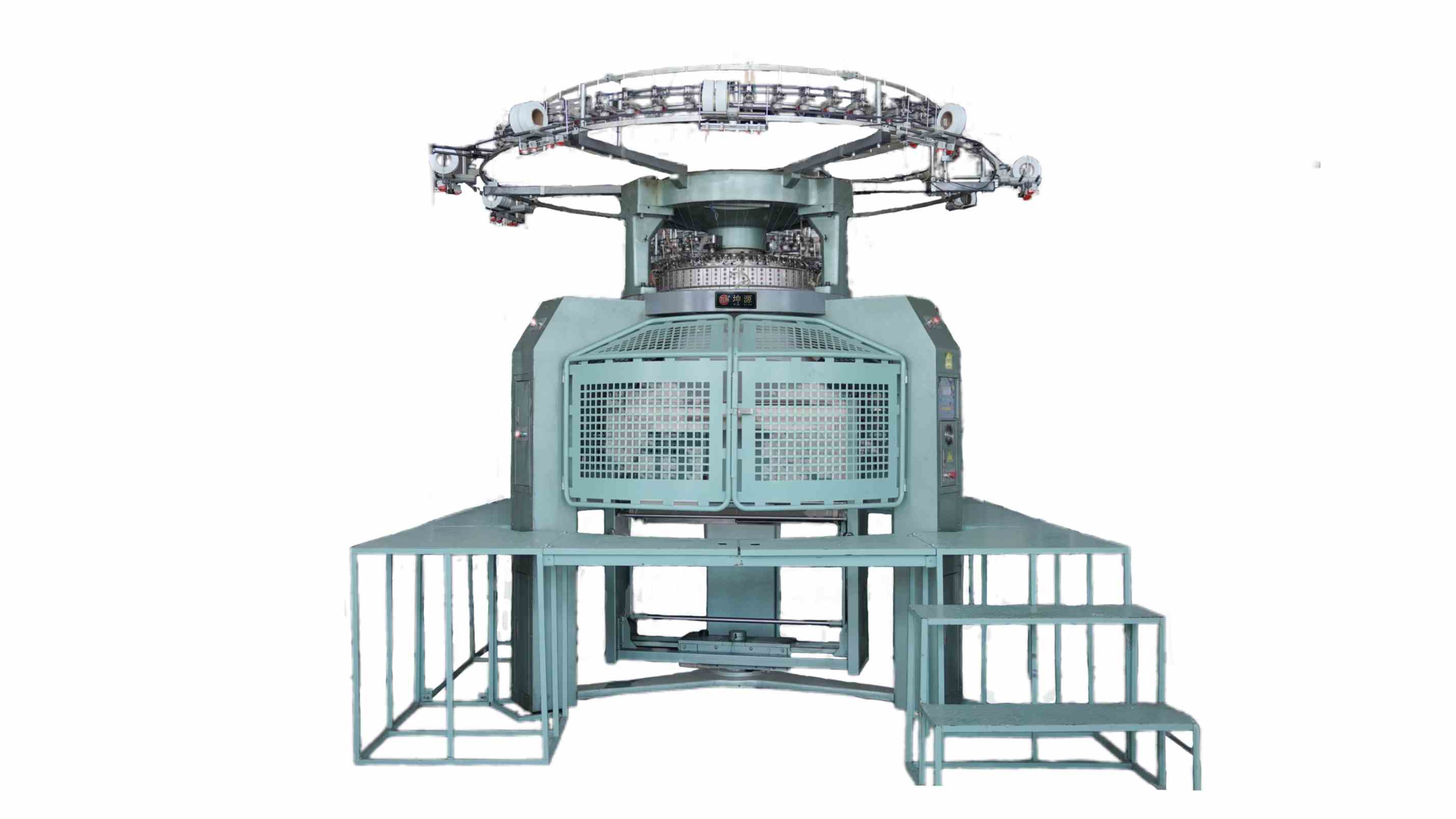
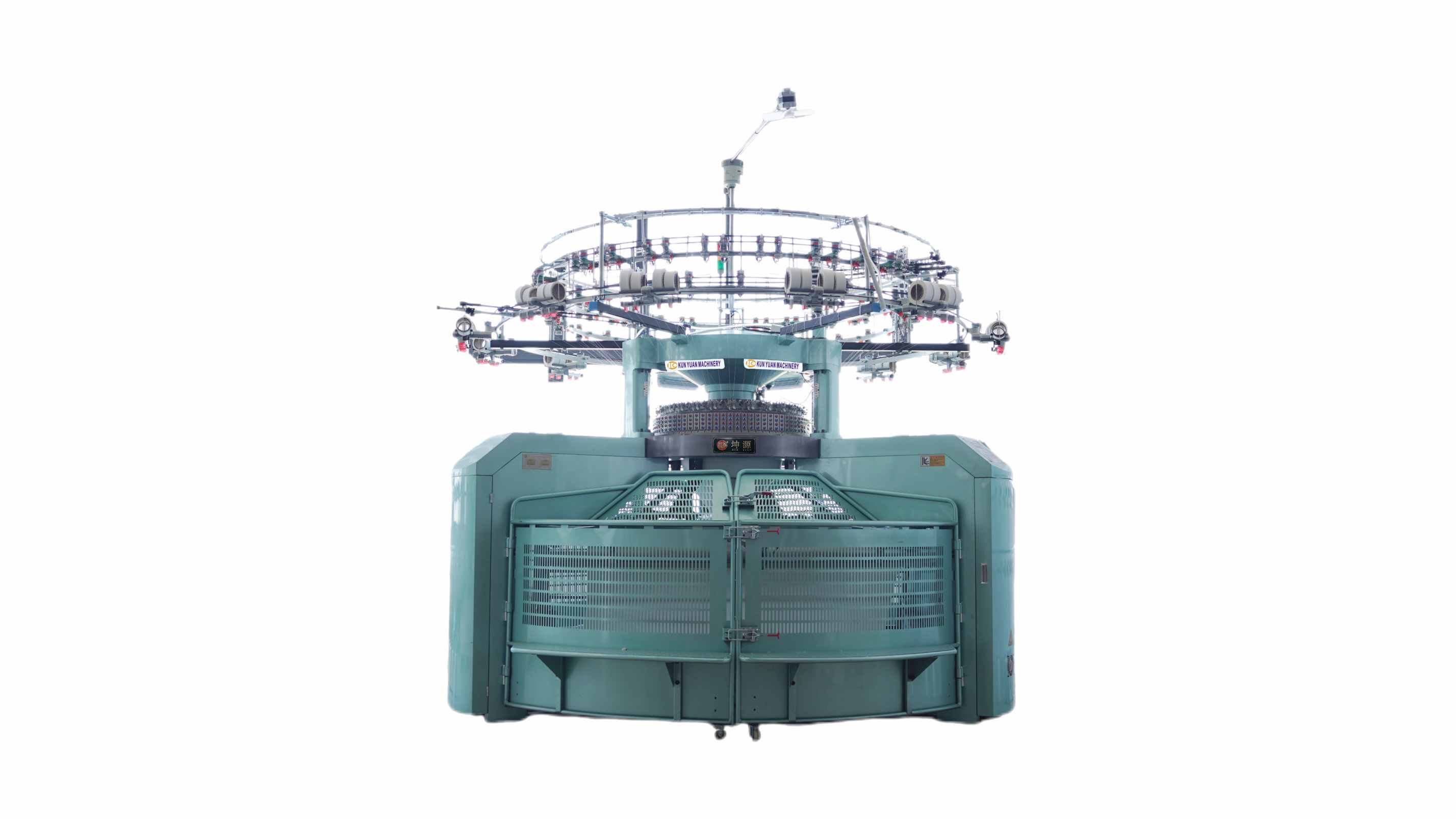
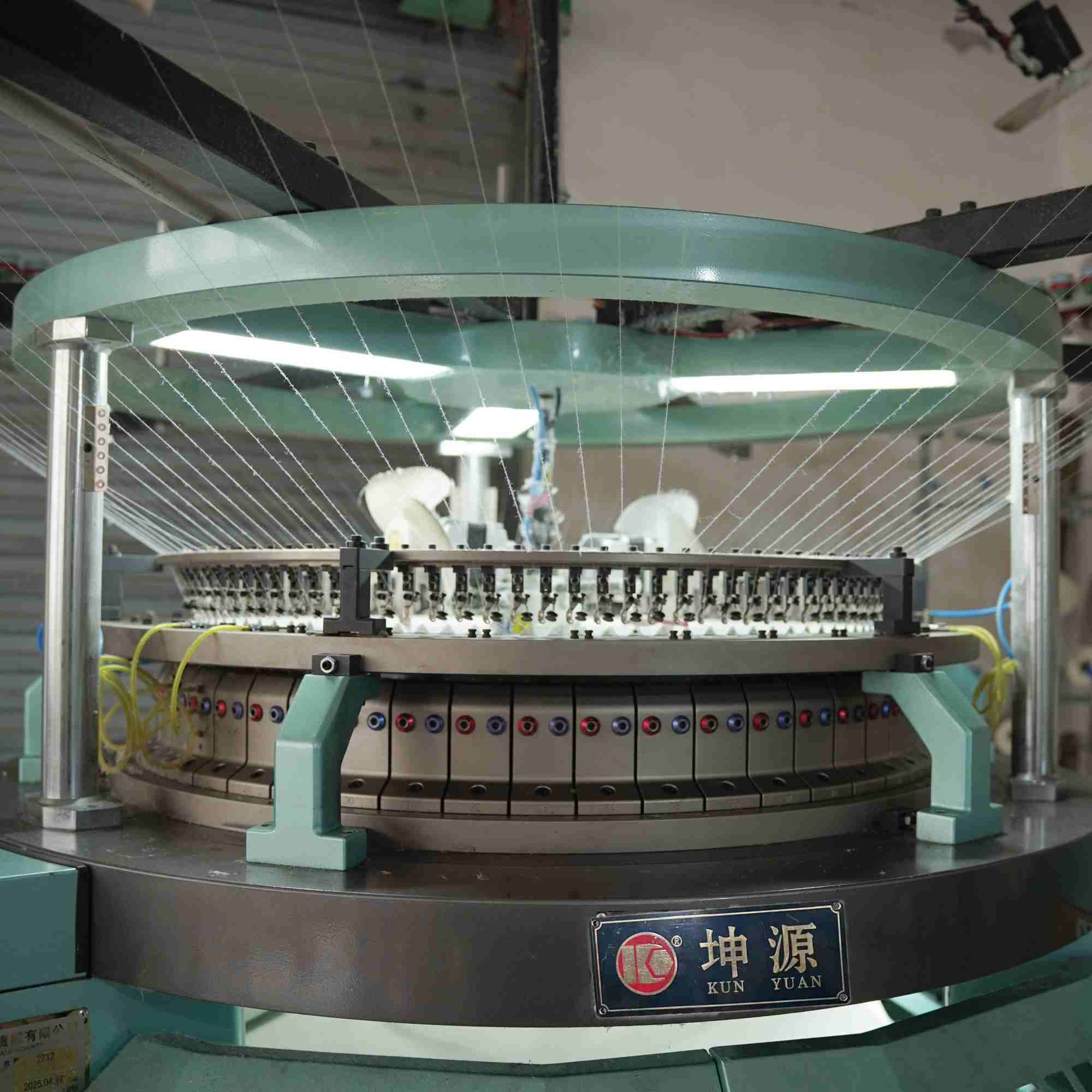
Use the application matrix when reviewing the rib double-jersey circular knitting machine range and request evidence for the hardest intended fabric rather than relying on the widest category claim.




 Tel: +86-13859034518
 Email: info@kunyuanmachine.com
 MP/WhatsApp: +86-13859034518
 Manufacturer Address:Bacuo Village, Yonghe Town, Jinjiang City, Fujian Province