


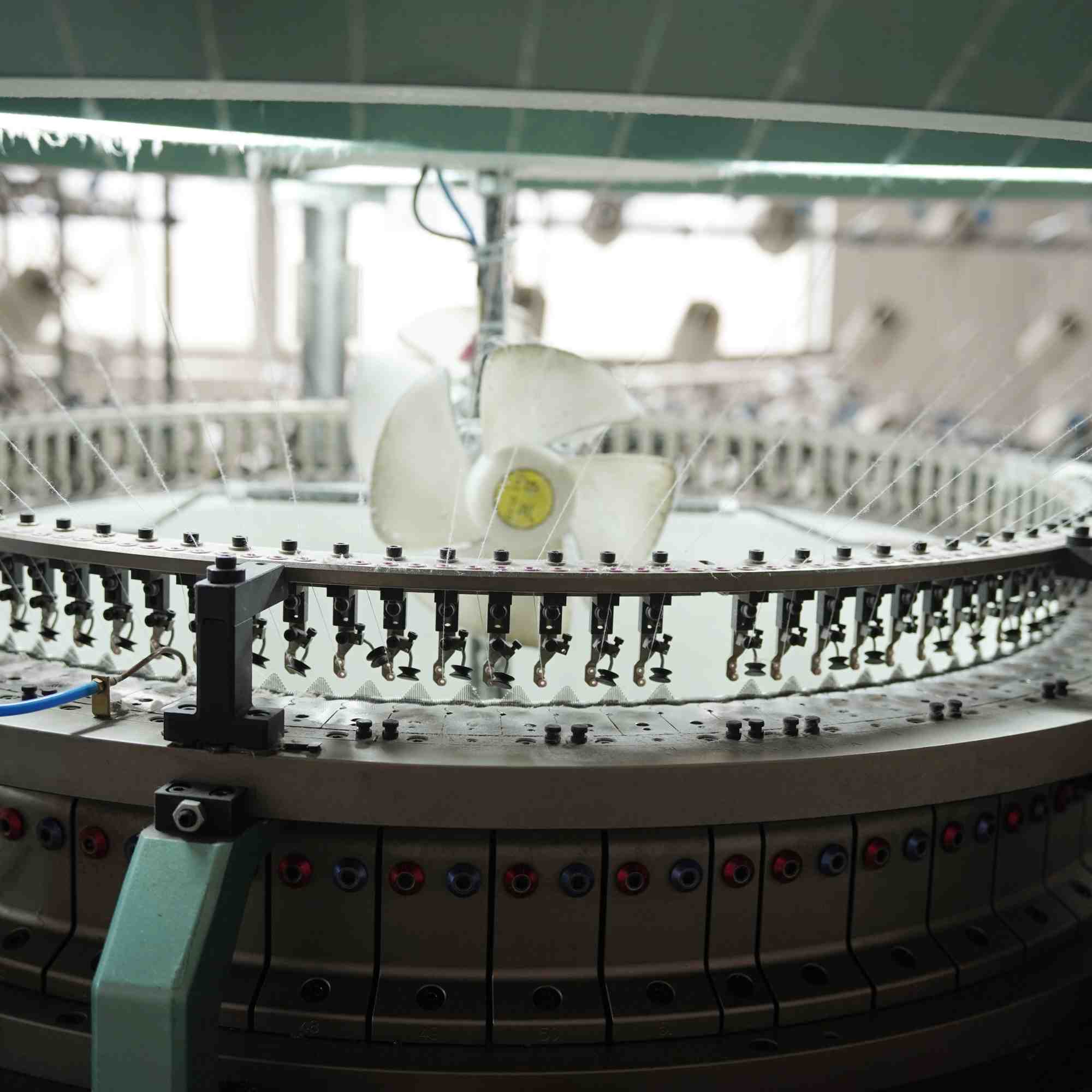
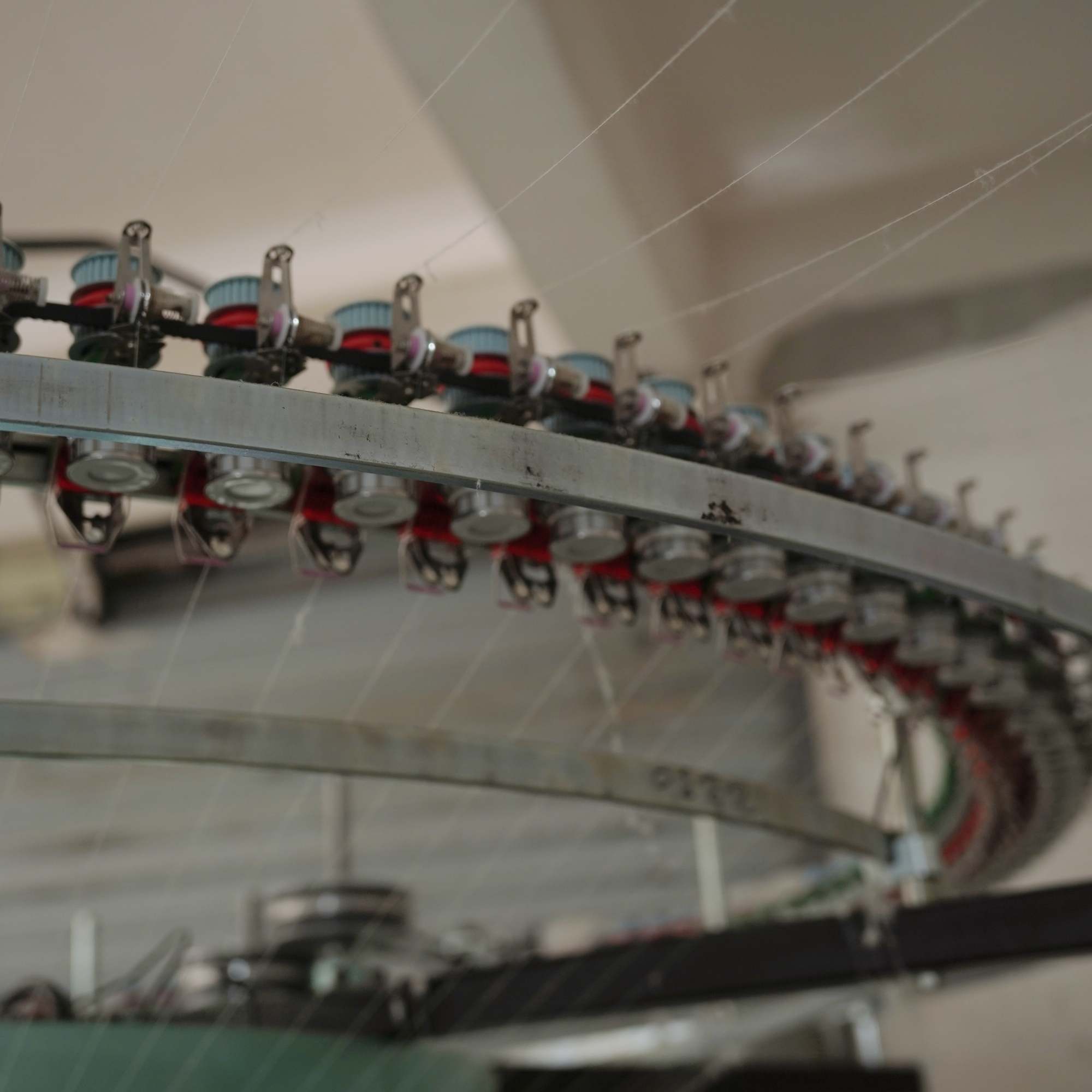
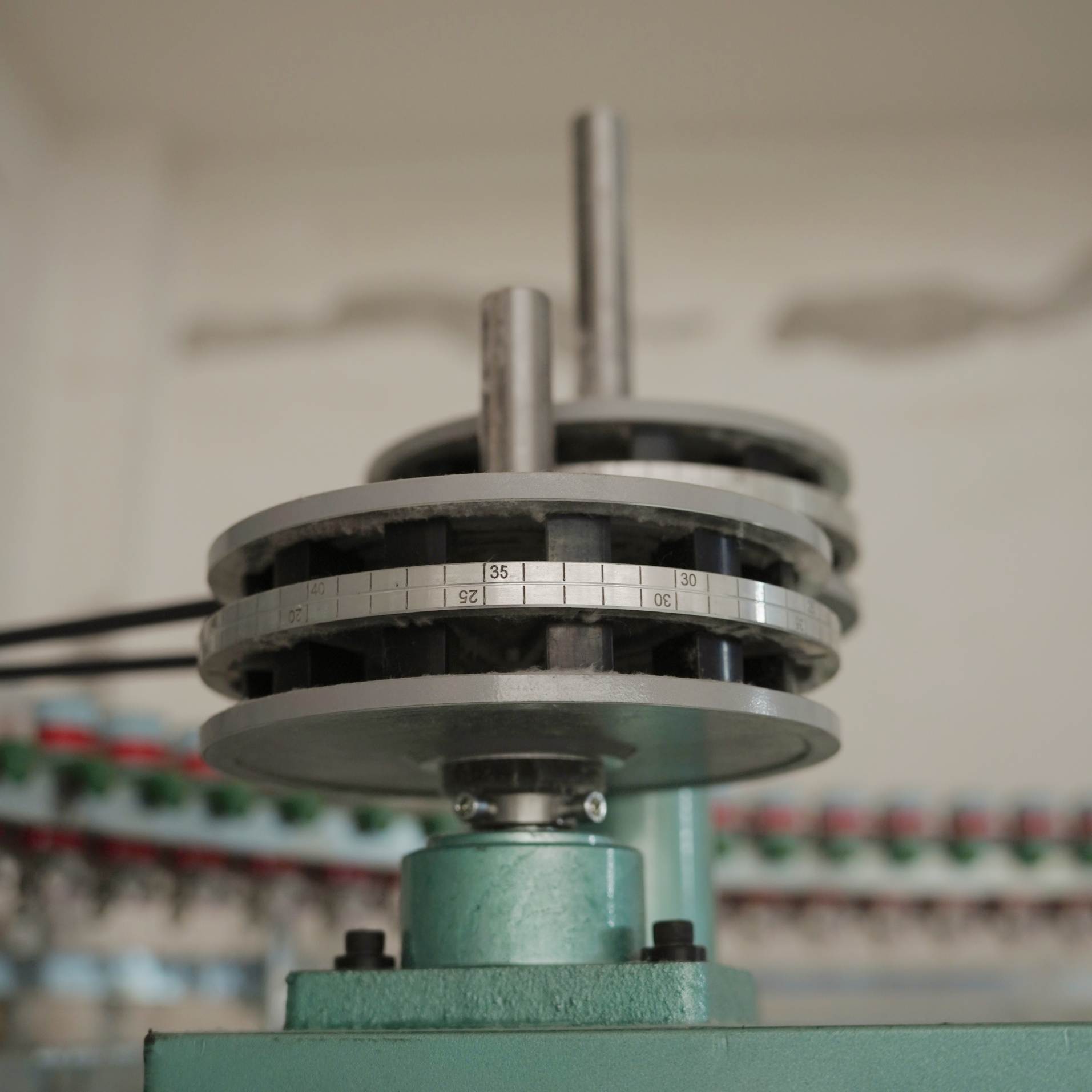
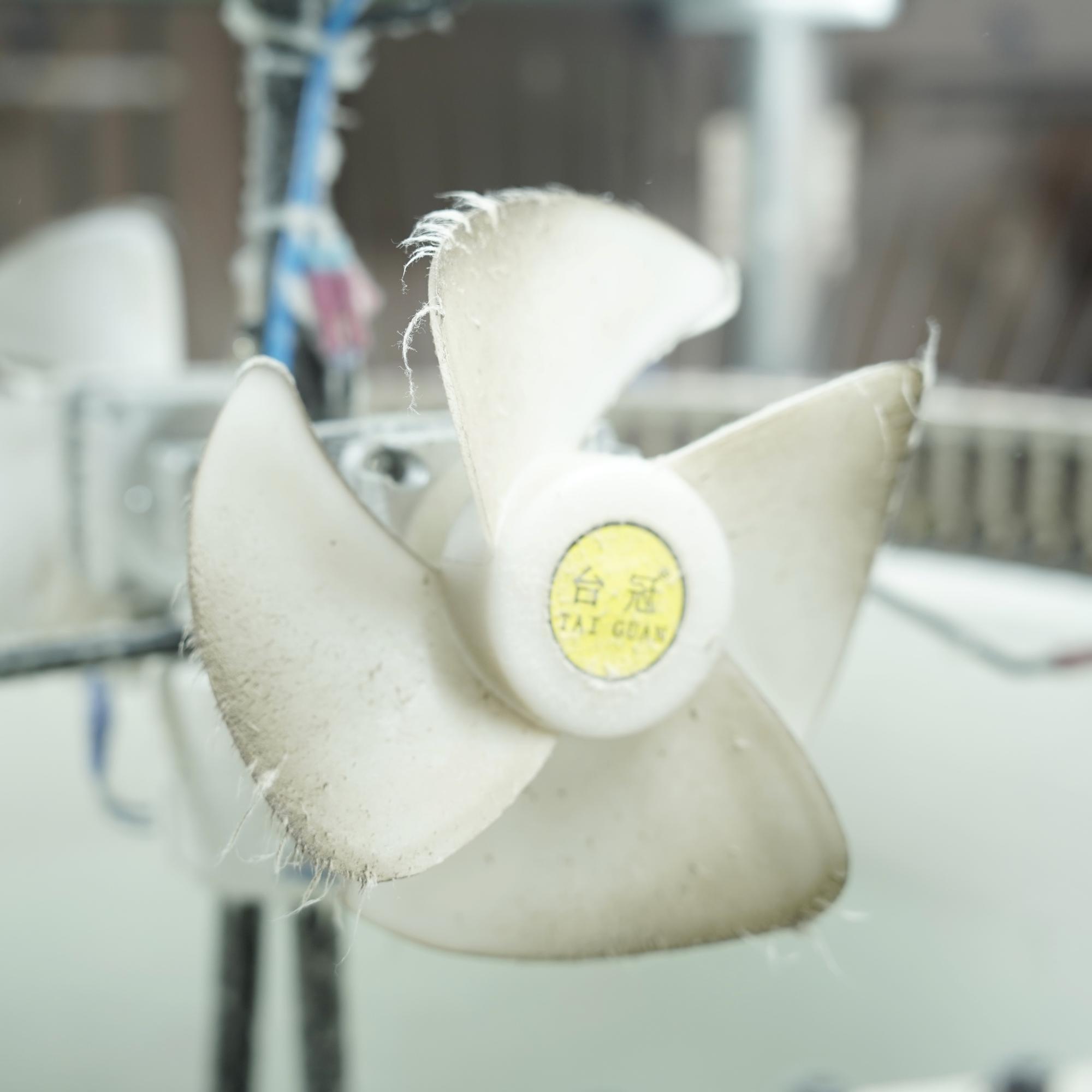
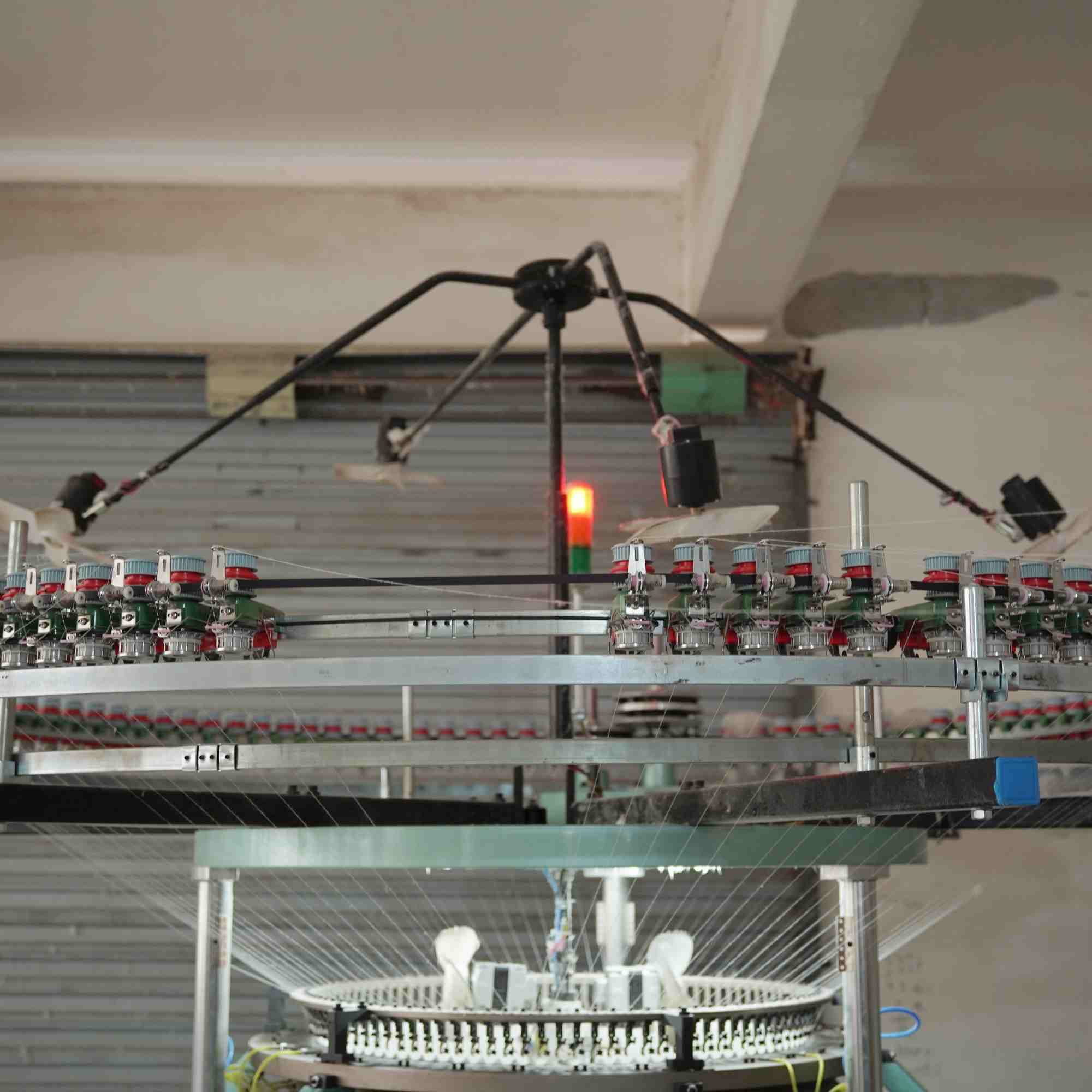

Yarn allocation
Record package lots and feeder positions before production begins.
 Price:
Negotiable
Price:
Negotiable
Model:
34''26G102F
NET Weight:
1.5tons
Diameter:
34 in
Gauge:
26G
Feeder:
102 feeders
Certification:
CE,ISO
Applicable Yarn Material:
RPM:
20 RPM
Wooden Box Size:
2.5m
Place of Origin:
CHINA.
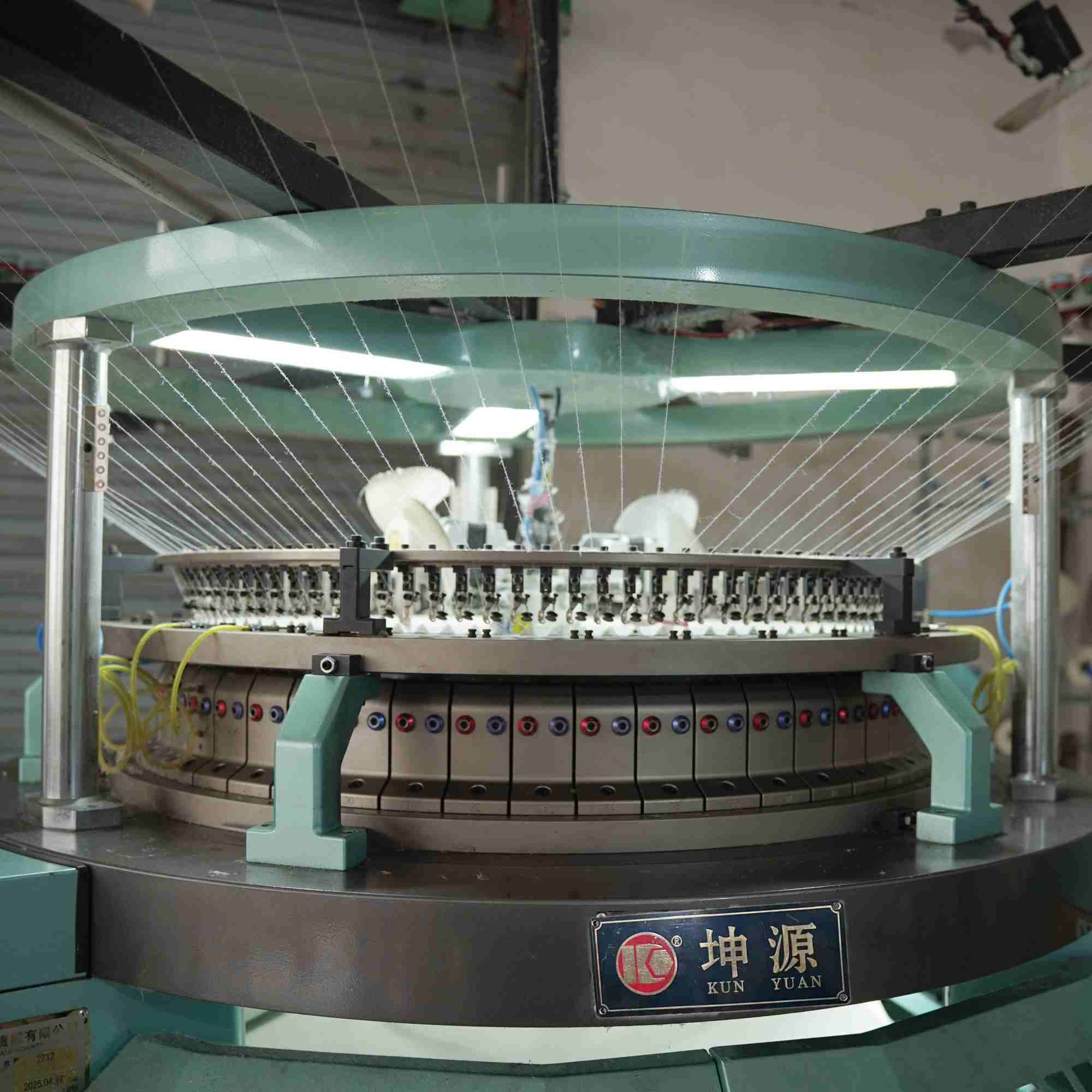
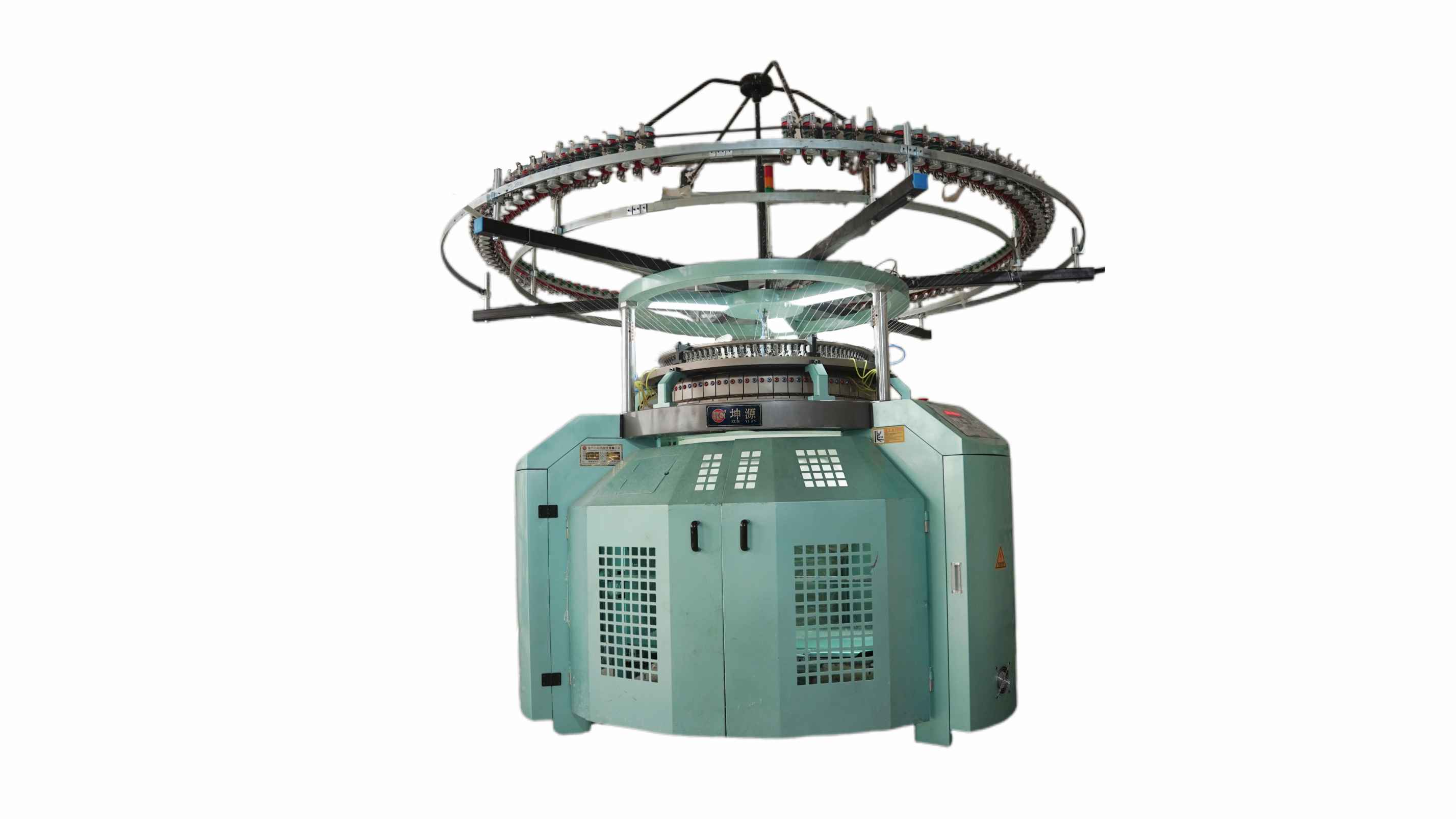
This page is for a precise single-jersey setup: 34-inch cylinder, 26G and 102 feeders, with a stored 20 RPM reference. It sits inside the broader single-jersey family but deserves its own purchasing logic. The main issue is not whether the machine can knit ordinary jersey; it is whether 102 yarn feeds remain balanced enough to hold a smooth face, weight and width over a production roll.
The archived application points to T-shirts, underwear, activewear and lightweight apparel. Give the supplier the yarn count/composition, target greige and finished weight, width, stitch length, elastane plan and finishing route. A sample made with a convenient yarn cannot approve a fine-gauge buyer program.
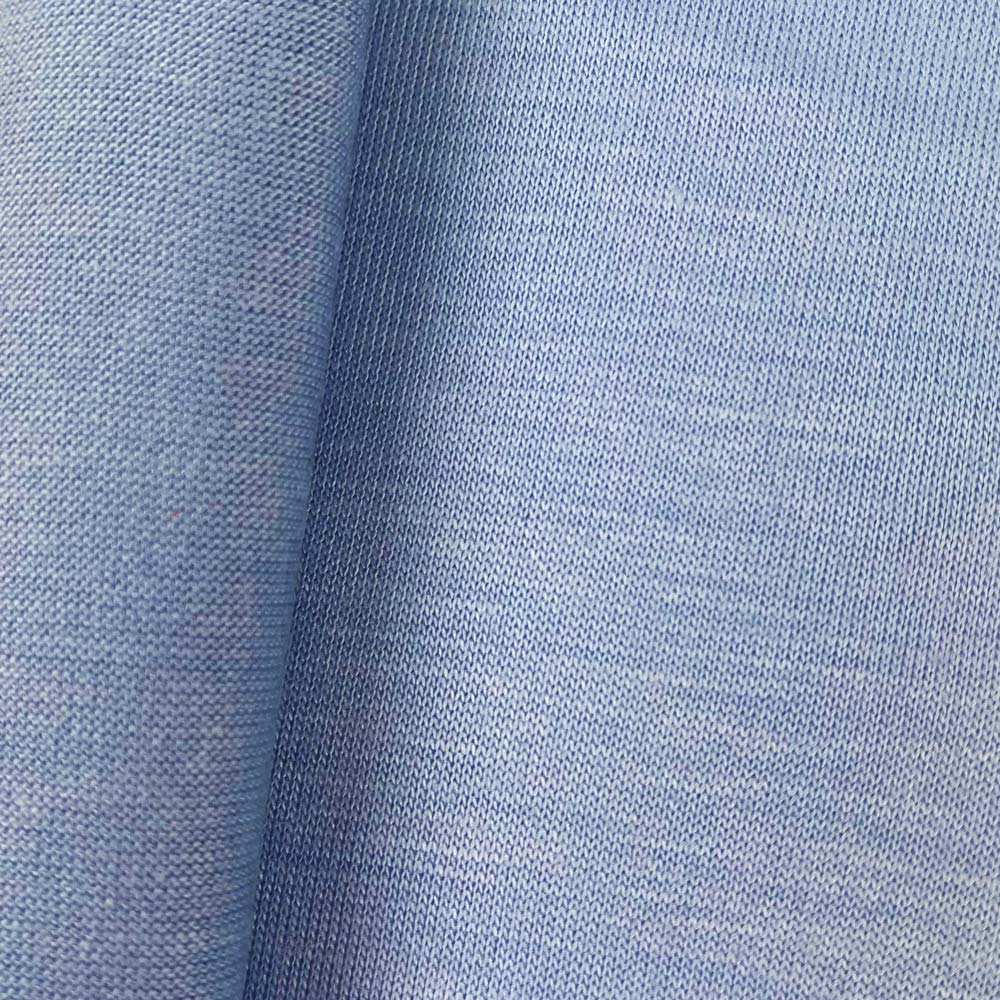
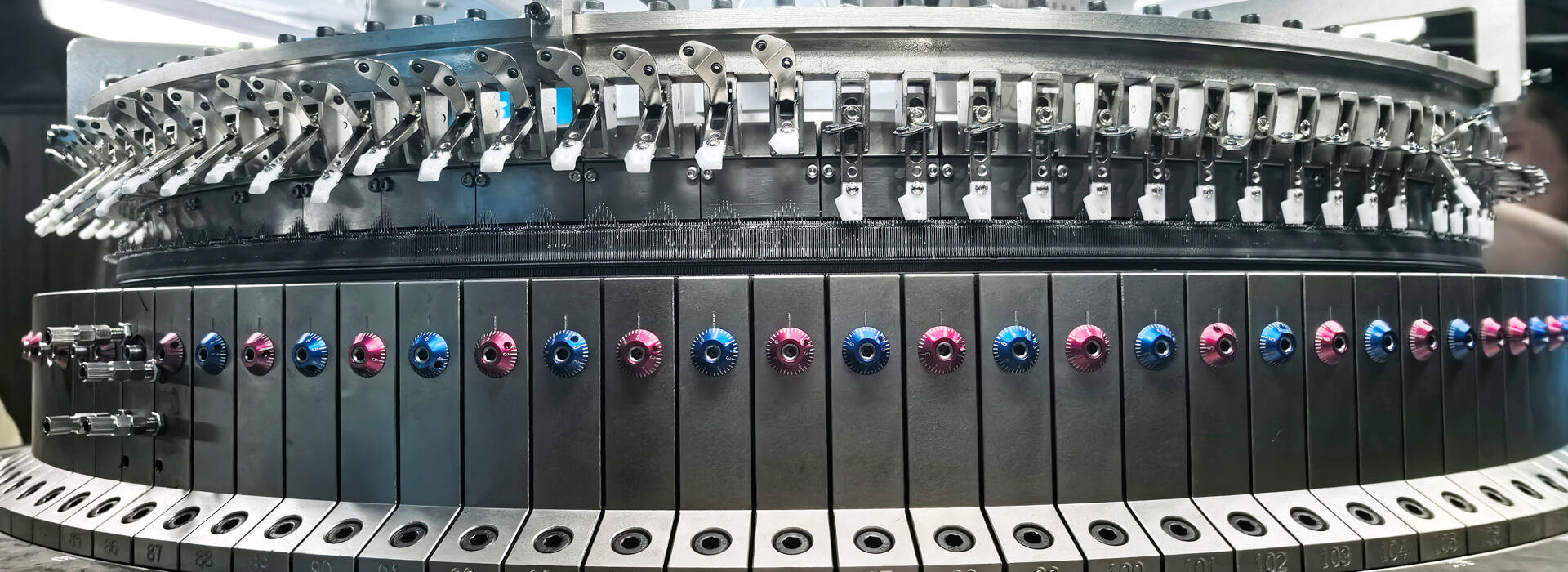
Horizontal bands may come from yarn-lot variation, package condition, feeder tension or stitch differences. Number the feeder positions and record yarn packages/lots. When a band repeats with a known feeder relationship, operators can inspect the relevant path instead of changing global settings.
Needle and sinker condition, lubrication and take-down also affect the face. A vertical line fixed at one circumference position points to a different route than broad barre. The trial log should distinguish these patterns.
| Fixed configuration | Order variable | Evidence to keep |
|---|---|---|
| 34-inch cylinder | Required greige/finished width | Width map across roll |
| 26G | Yarn count, stitch and target weight | Yarn/stitch record and sample |
| 102 feeders | Package lot, position and optional elastane | Numbered feeder allocation |
| 20 RPM reference | Stable operating window for buyer’s yarn | Speed, stops and interventions |
| Single jersey | Face quality and finishing response | Greige/finished defect sheet |
Load production yarn and record the package/feeder map. Run long enough to include normal doffing, stops and stable temperature. Take samples from the beginning, middle and end; inspect under consistent light for barre, needle lines, holes, oil marks and repeating bands. Measure weight, width and skew.
Finish part of the same roll. Recheck width, shrinkage, hand and any elastane recovery. If the fabric will be dyed a solid shade, use that route in the approval because subtle feeder differences can become more visible after dyeing.
When a defect appears, mark its direction and repeat interval. Check the matching feeder, yarn or needle position before making machine-wide changes. Store the accepted stitch, take-down, speed and lubrication conditions with the yarn lot and feeder map.
Clean the knitting zone and positive feeders according to the supplied procedure. Isolate the machine before changing needles or entering the yarn/knitting path. After maintenance, confirm the face on a short labelled sample before releasing the roll.
Feeder numbers should be visible from the normal working position and match the yarn map used in the production file. Define how packages are replaced, how knots or splices are recorded and which sample is inspected after a broken yarn or feeder stop. This reduces the temptation to release a roll before a recurring band has been checked.
Ask for the included positive feeders, stop motions, lubrication equipment, tools and first spare set. During commissioning, have operators locate a deliberately marked feeder and trace its path to the fabric. That simple exercise shows whether the numbering and training record will support real defect diagnosis.
It can support more knitting feeds, but usable output depends on balanced yarn delivery and saleable fabric. Compare under the buyer’s yarn and inspection conditions.
Keep package lots and numbered feeder positions, then compare the band interval with feeder/yarn changes. Do not rely on visual memory after the roll is removed.
It evaluates one 34-inch, 26G, 102-feeder setup. The general product covers a broad configurable family; this page should close a specific fabric and operating record.
At minimum recheck width, weight or shrinkage, skew, face appearance and elastane recovery where used. Link the result to the greige sample from the same roll.
34-Inch 26G 102-Feeder Single Jersey Circular Knitting Machine should be accepted from a feeder-mapped production roll. The fixed configuration creates a clear baseline; yarn-lot control, defect tracing and greige-to-finished measurements establish whether it produces the buyer’s fabric consistently.
The stored configuration is 34 inch, 26G and 102 feeders with a 20 RPM reference. Use a numbered feeder/yarn map to qualify face quality and output.
| Model / configuration | 34''26G102F |
|---|---|
| Net weight | 1.5tons |
| Cylinder diameter | 34 in |
| Gauge | 26G |
| Feeders | 102 feeders |
| Recorded operating speed | 20 RPM |
| Recorded packing or machine size | 2.5m |
| Certification shown in CMS | CE,ISO |
The machine forms fine single jersey while 102 yarn feeds must remain identifiable and balanced across a production roll.
Record package lots and feeder positions before production begins.
Separate horizontal barre from fixed vertical needle or sinker lines.
Sample multiple roll positions and compare again after dyeing or finishing.
Validate a 34-Inch 26G 102-Feeder Single Jersey Circular Knitting Machine through feeder mapping, barre control, finished width and production-yarn trials....
Compare Single Jersey Circular Knitting Machine options by yarn, gauge, feeder count and finishing route, with a practical trial checklist for fabric mills....
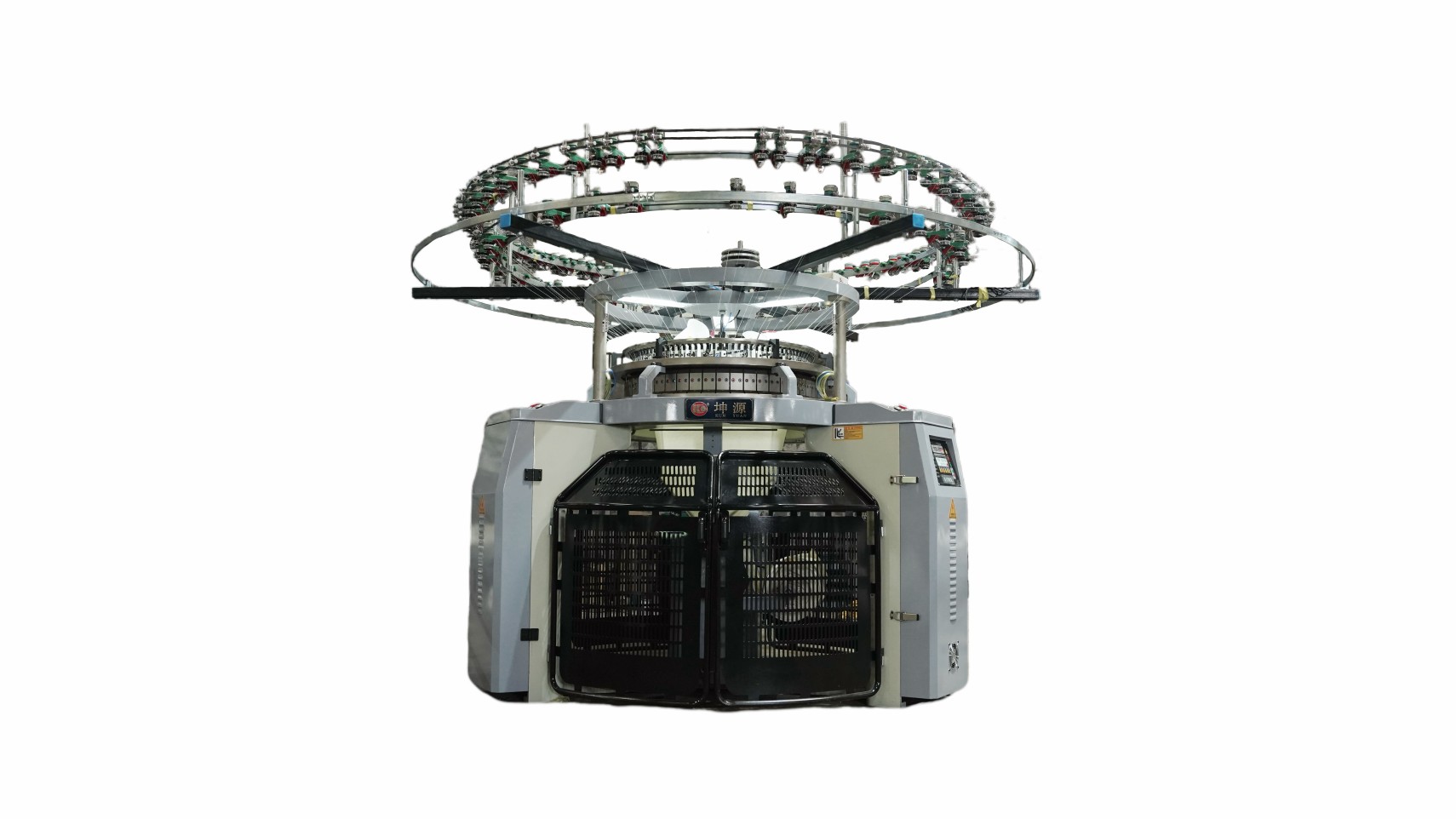
Configure a 32-Inch 22G 96-Feeder Sweatshirt Circular Knitting Machine around loopback/fleece yarns, raising route and paired greige-to-finished samples....
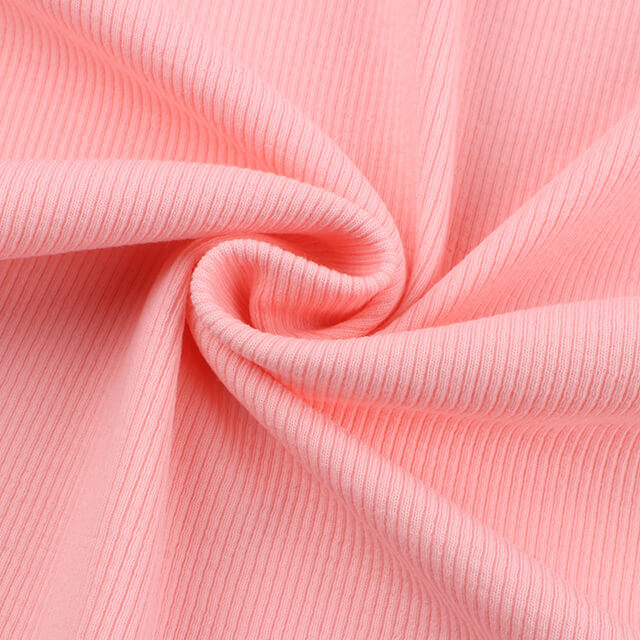
Engineer rib and elastic double-knit fabrics through cylinder-dial balance, yarn and elastane mapping, relaxed recovery tests, conversions and baseline restoration....
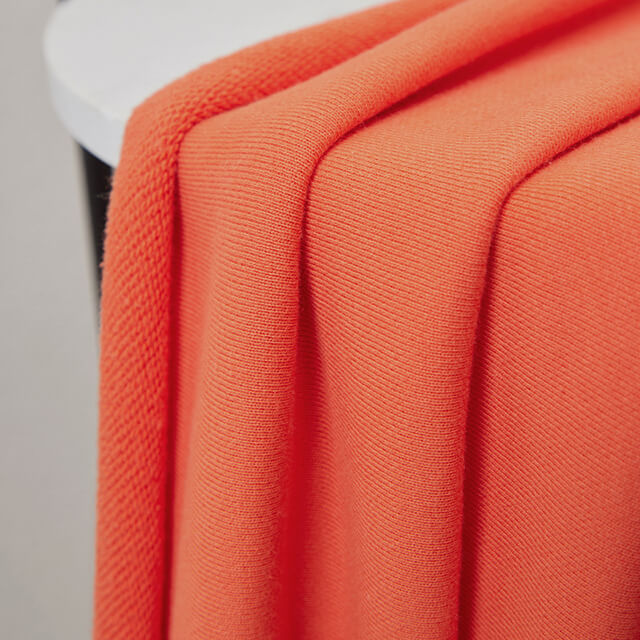
Develop sweatshirt fleece by coordinating face, tie and fleece yarns, setting greige GSM, retaining loop evidence and validating raising or brushing results....

 Tel: +86-13859034518
 Email: info@kunyuanmachine.com
 MP/WhatsApp: +86-13859034518
 Manufacturer Address:Bacuo Village, Yonghe Town, Jinjiang City, Fujian Province
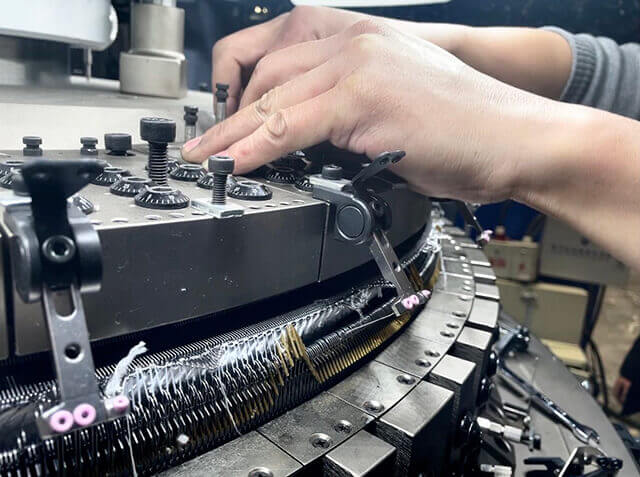
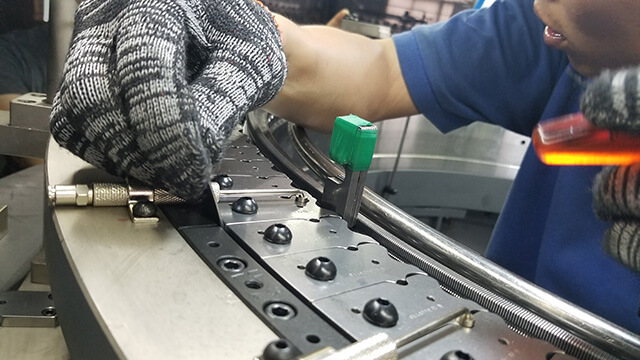



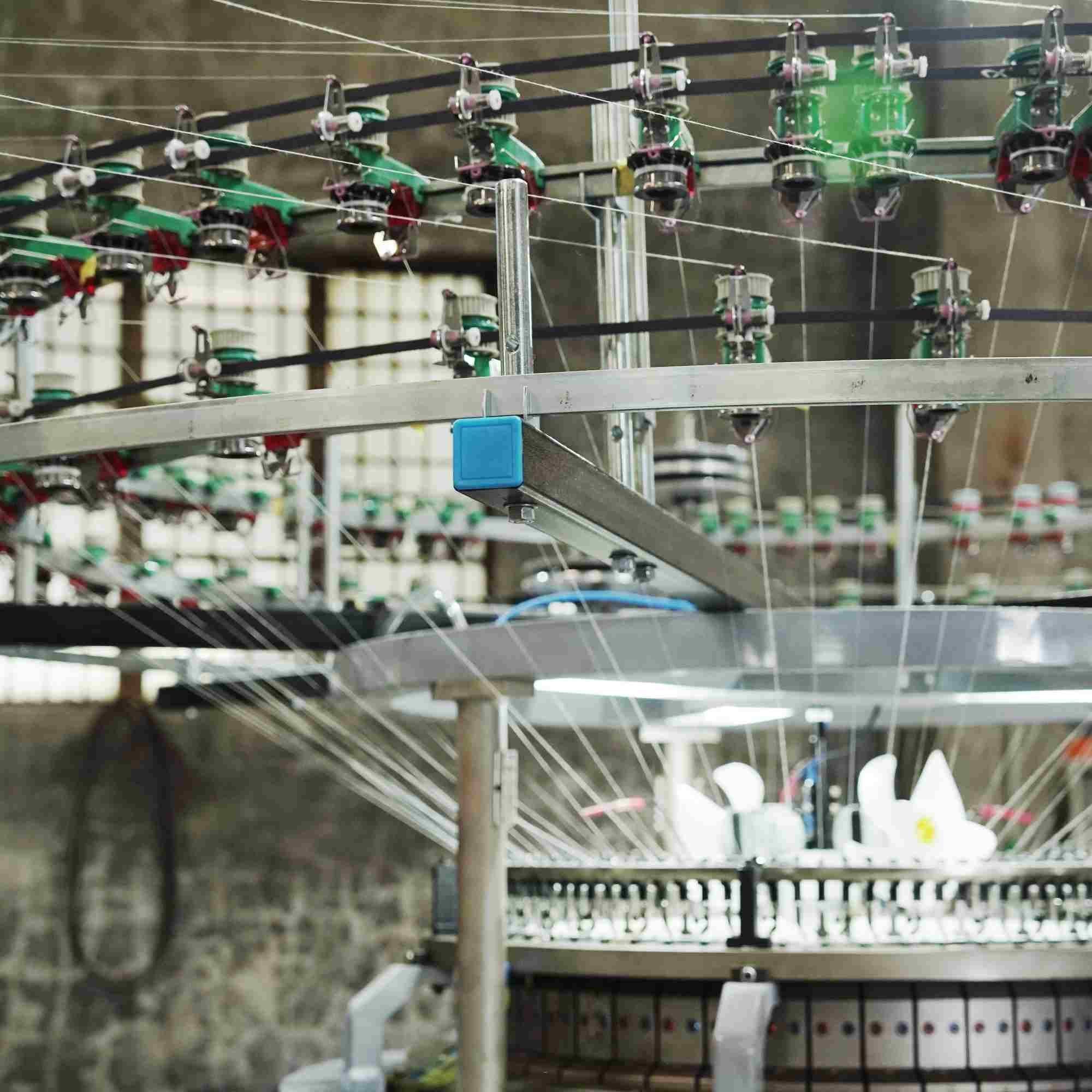
Archived feedback rated efficiency, precision, durability and ease of use positively for sweatshirt-oriented production.2025-07-15
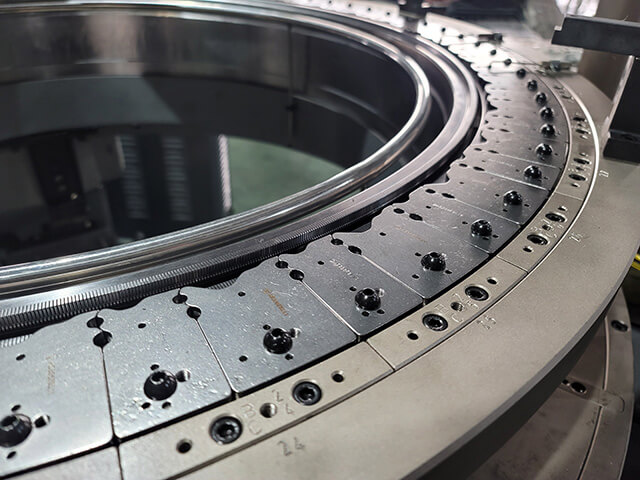
Archived feedback emphasized smooth running, limited interruption and consistent single-jersey fabric appearance in a demanding production setting.2025-07-11

Compiled archived feedback for Single Jersey Circular Knitting Machine highlights running stability, limited interruption and consistent fabric appearance; open the full summary for source notes and model-specific buyer checks.2026-08-20
Archived feedback highlighted high-speed operation, accessible controls and consistent single-jersey output.2025-07-15