



Three yarn roles
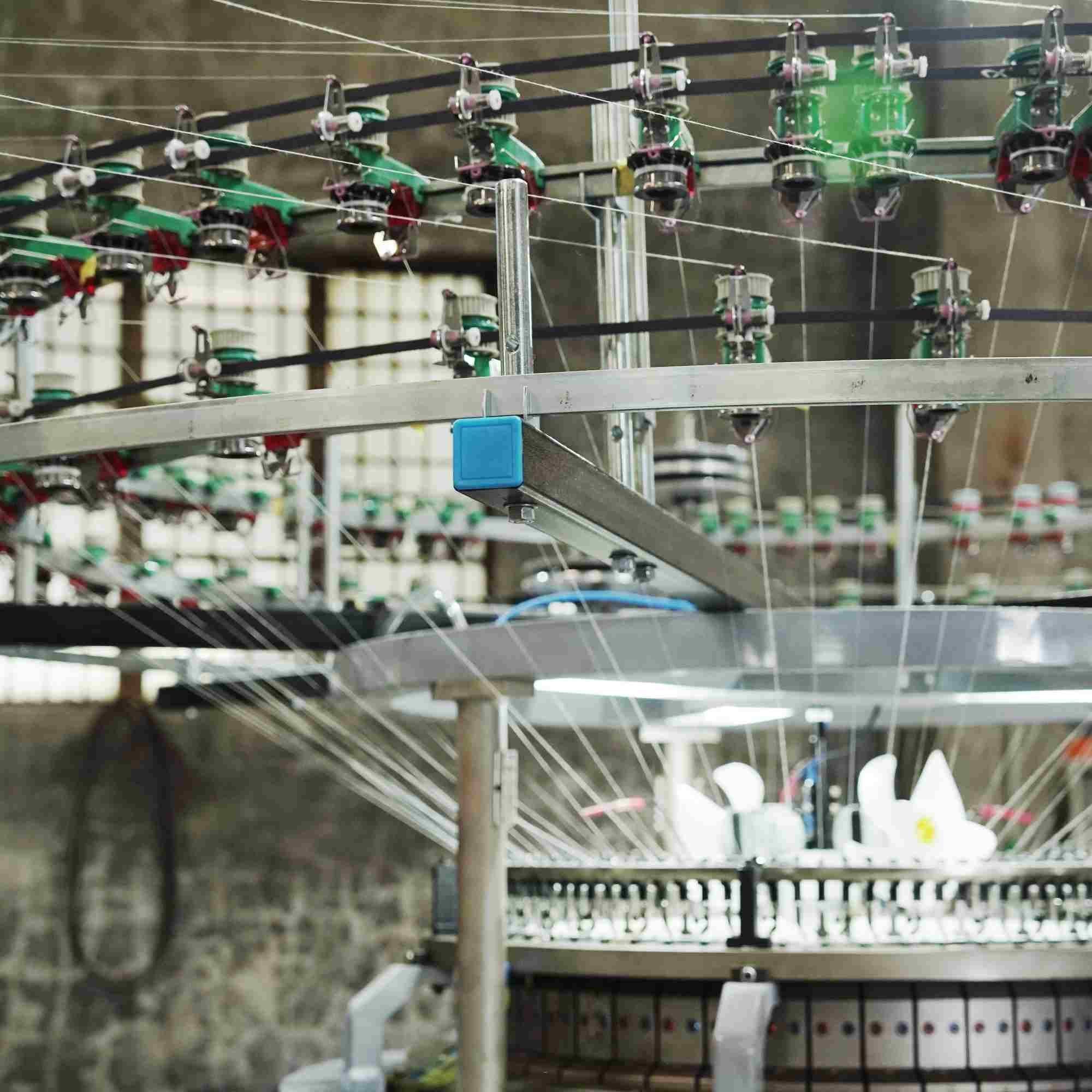
Map face, tie and loop or fleece yarn positions and keep their counts and lots separate.
 Price:
Negotiable
Price:
Negotiable
Model:
32 in / 22G / 96 feeders
NET Weight:
Approximately 2000–2800 kg
Diameter:
32 inches (≈ 813 mm)
Gauge:
22G (22 needles per inch)
Feeder:
96 feeders
Certification:
CE,ISO
Applicable Yarn Material:
100% Cotton Polyester / Cotton Blends (CVC, TC) Viscose / Modal Recycled polyester (RPET) Cotton + Spandex for stretchy fleece
RPM:
Around 18-22 rpm (depending on yarn and fabric type)
Wooden Box Size:
Place of Origin:
CHINA.
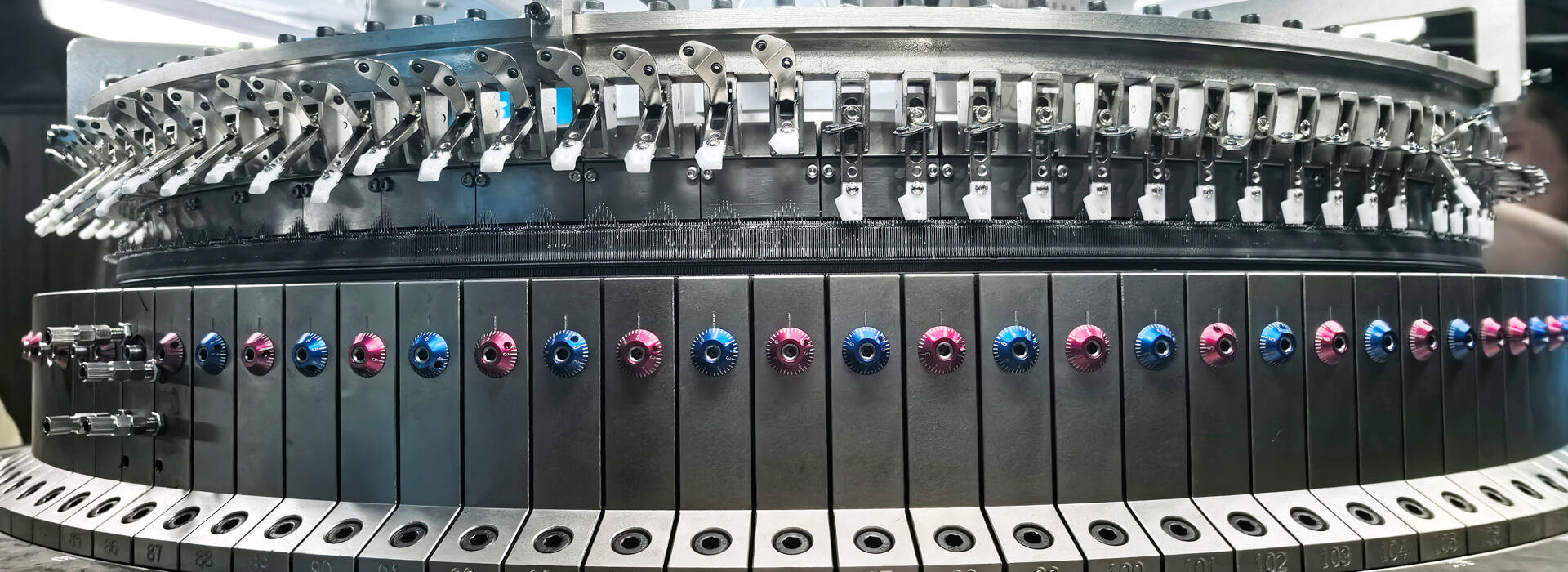
On this model, 96F means 96 feeders; it is not a yarn count. The cleaned product record identifies a 32-inch cylinder, 22G, 96 feeders and an archived 18–22 RPM reference. The old page’s description of 96F as yarn fineness should be discarded because it confuses machine configuration with yarn specification.
This fixed setup is intended for sweatshirt, hoodie, jogger and related loopback or fleece programs. The fabric may use cotton, polyester/cotton blends, viscose/modal, recycled polyester or cotton/spandex, but each yarn plan needs its own trial and finishing route.
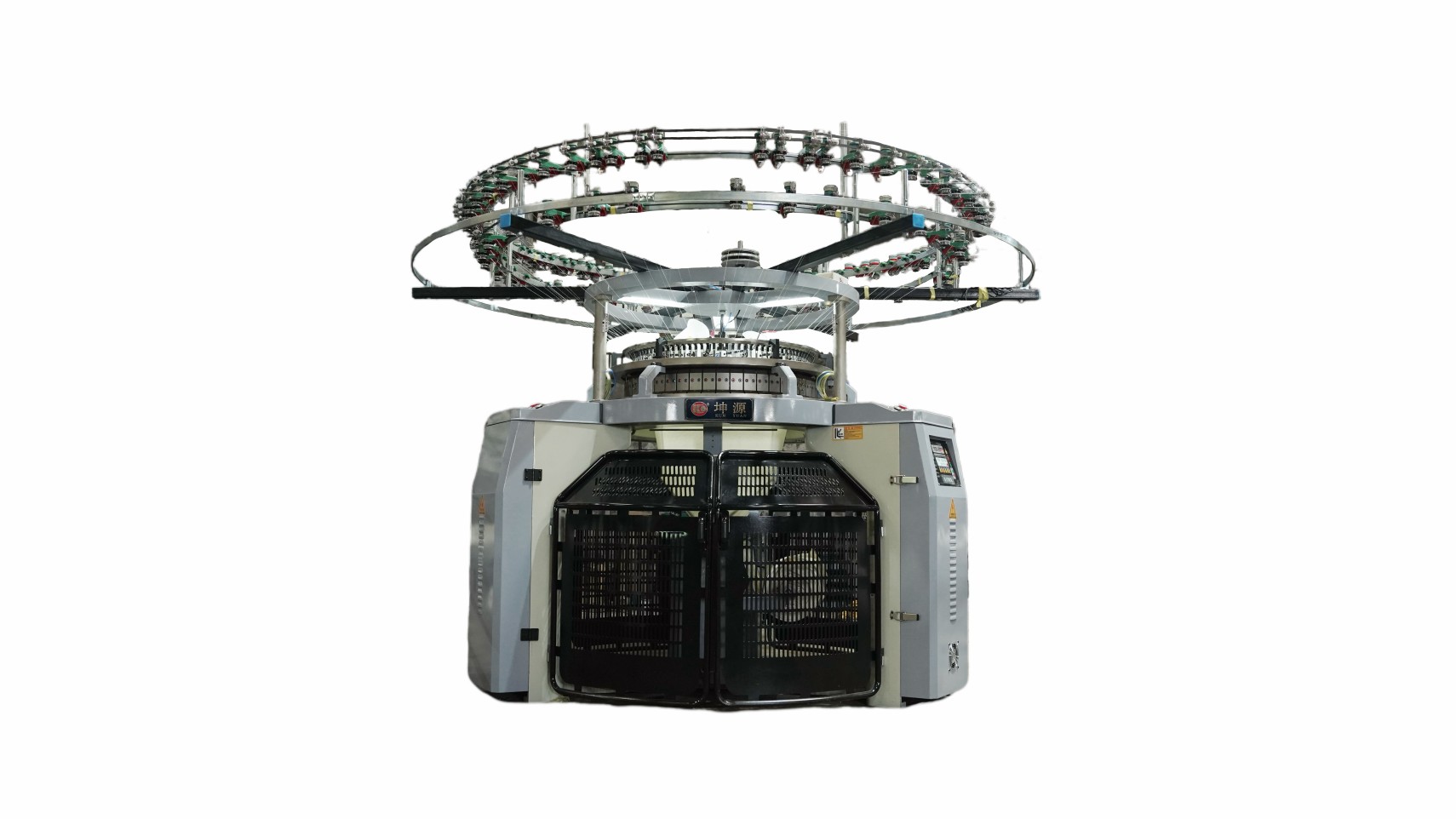
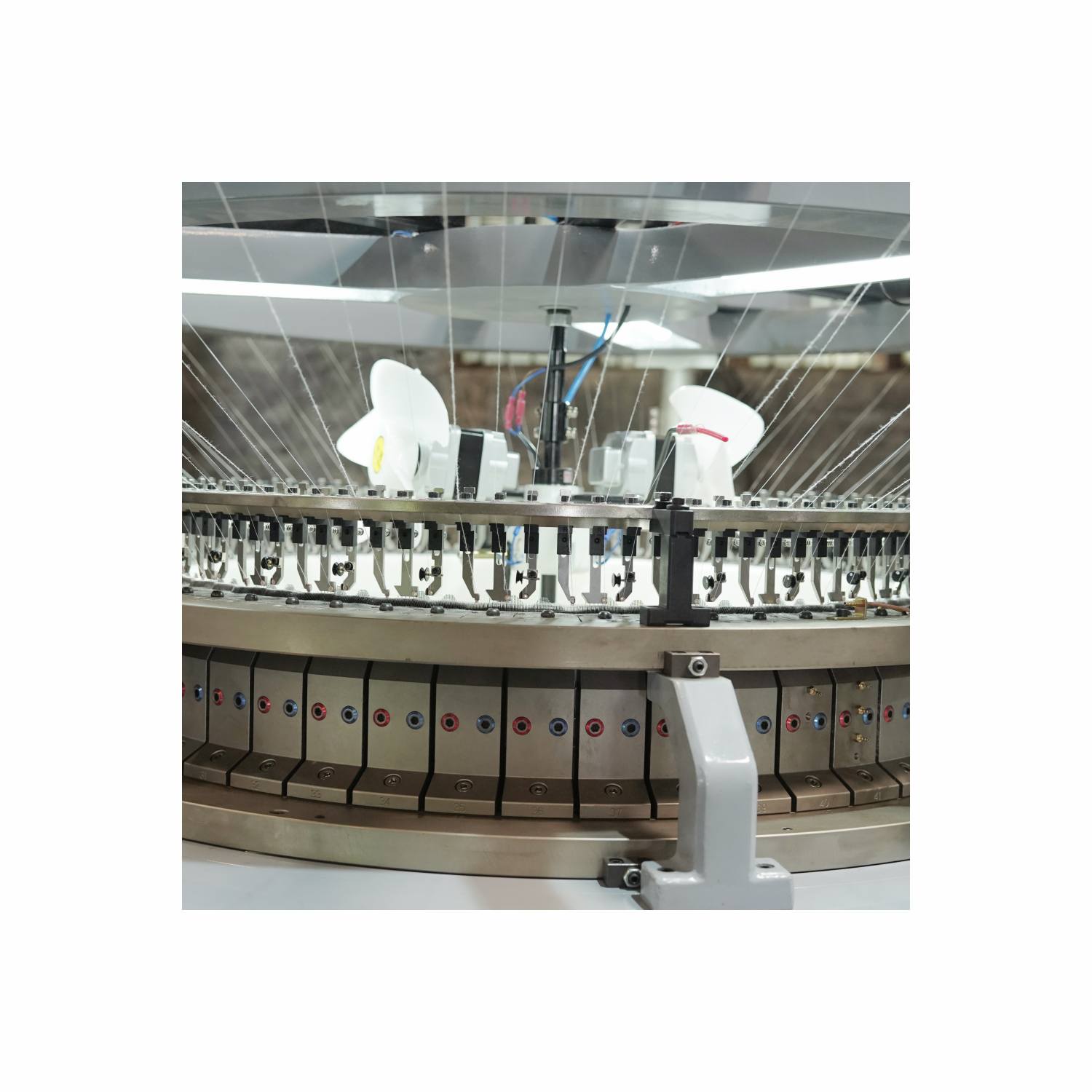
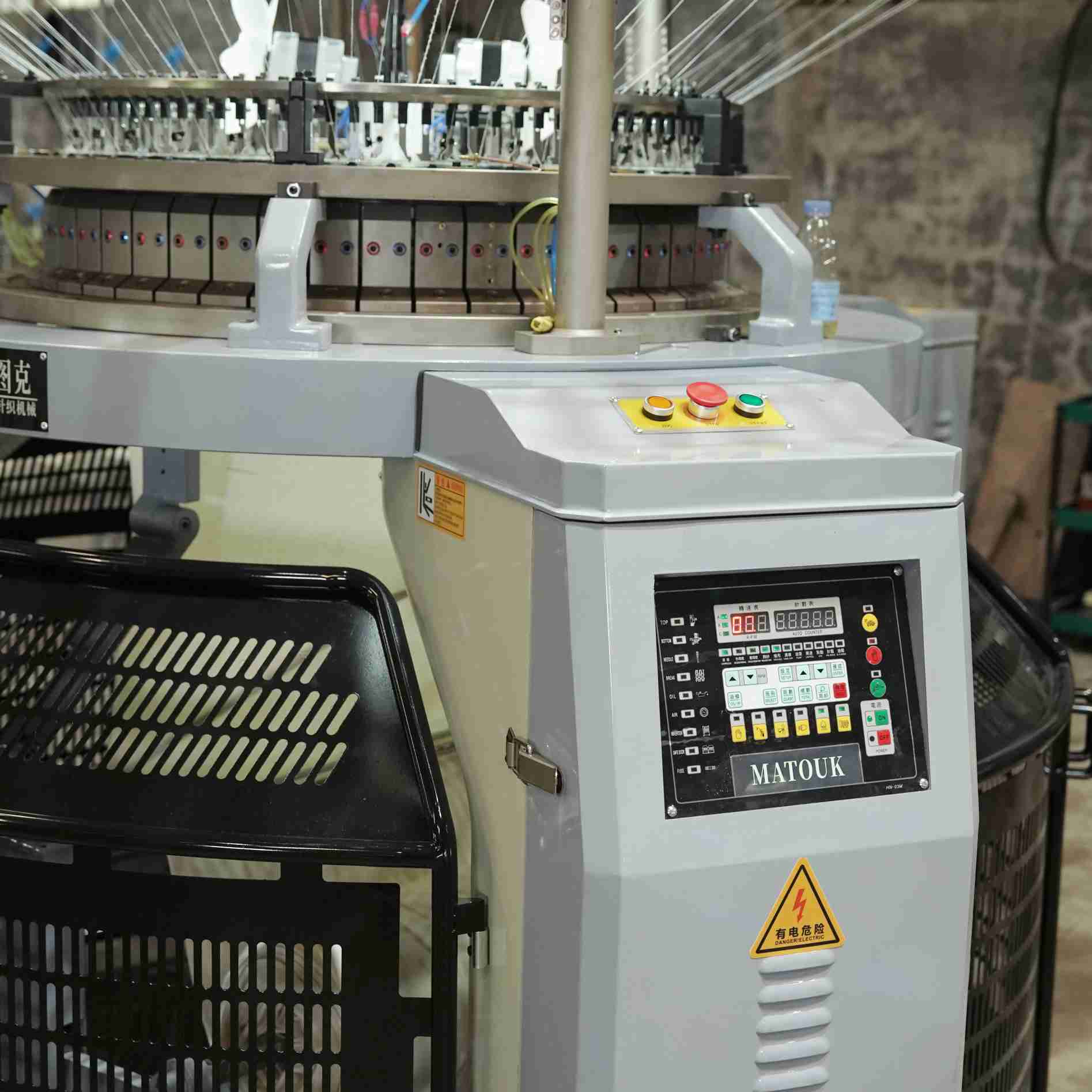
The knitting machine forms the face, tie/ground and loop or fleece structure. A loopback product may keep a visible loop side, while fleece may be raised or brushed for a softer interior. The same greige construction can produce a different hand, width and weight after those processes.
State target greige and finished GSM, width, face yarn, tie yarn, loop/fleece yarn, elastane use and raising/compaction route. Ask Kunyuan to map these yarns across the 96 feeders and explain the proposed stitch/take-down starting point.
| Production input | Why it matters | Approval evidence |
|---|---|---|
| 32-inch/22G/96F | Fixed machine geometry and feeder capacity | Signed model row and feeder map |
| Face/tie/loop yarns | Controls face coverage, anchoring and inside surface | Yarn count/composition and lot sheet |
| Greige GSM/width | Starting point before raising and compaction | Across-roll measurement map |
| Raising/brushing | Changes softness, fibre loss and final appearance | Paired greige/finished samples |
| Elastane option | Changes stretch and recovery | Feed settings and recovery result |
Run production yarn long enough to observe normal stops and feeder stability. Inspect the face for barre, needle lines, holes and oil marks. On the reverse, check loop formation, anchoring, missing loops and weight consistency. Take samples across the roll and retain the feeder/yarn map.
Finish part of the same roll through the planned raising or brushing and compaction. Compare final weight, width, shrinkage, surface evenness, loose fibre and hand. If pilling is important, use the buyer’s test method. Do not approve a sweatshirt claim from a greige swatch or an unrelated online image.
Loop/fleece yarns and raising preparation can increase lint. Monitor yarn paths, sinkers/cams, stop motions and take-down, and follow the supplied cleaning/lubrication procedure. A missing-loop band deserves feeder/location tracing; a broad surface shift after finishing may come from the raising route.
Record the 18–22 RPM setting with yarn, stitch and quality result. Isolate the machine before needle/sinker work, and retain the accepted greige and finished pieces together.
Sweatshirt output should not be calculated from RPM or feeder count alone. Ask for an estimate that states the face, tie and loop yarns, greige GSM, usable width, run time, normal stops and expected finishing loss. Then compare kilograms of saleable finished fabric rather than theoretical greige production.
For production planning, record how often yarn packages are changed, how lint is removed and how raising/finishing capacity matches the knitting line. A fast knitting machine can create waiting rolls if the raising line is the real bottleneck. The purchase review should therefore include roll identification and the handoff from knitting to the named finishing recipe.
No. On this model it denotes 96 feeders. Yarn count and composition must be listed separately in the production recipe.
It is a specific 32-inch/22G/96F sweatshirt configuration. The general ID 10 page covers a broader fleece family and different archived ranges.
Sign both the labelled greige construction and the final raised/finished sample, with yarns, settings, width, weight and processing route attached.
No. State yarn, stitch, usable width, GSM, stops, waste and finishing losses beside any production estimate.
32-Inch 22G 96-Feeder Sweatshirt Circular Knitting Machine content must keep machine feeders separate from yarn count. A mapped face/tie/loop recipe and paired greige-to-finished evidence show whether this configuration suits the buyer’s hoodie or sweatshirt fabric.
The fixed model is 32 inch, 22G and 96 feeders. In this record 96F is a feeder count, not yarn fineness; list yarn counts separately.
| Model / configuration | 32 in / 22G / 96 feeders |
|---|---|
| Net weight | Approximately 2000–2800 kg |
| Cylinder diameter | 32 inches (≈ 813 mm) |
| Gauge | 22G (22 needles per inch) |
| Feeders | 96 feeders |
| Applicable yarn/material | 100% Cotton Polyester / Cotton Blends (CVC, TC) Viscose / Modal Recycled polyester (RPET) Cotton + Spandex for stretchy fleece |
| Recorded operating speed | Around 18-22 rpm (depending on yarn and fabric type) |
| Certification shown in CMS | CE,ISO |
The 32-inch/22G/96F configuration coordinates face, tie and loop/fleece yarns for a defined finishing route.
Map face, tie and loop or fleece yarn positions and keep their counts and lots separate.
Check face defects and reverse loop anchoring before raising or brushing.
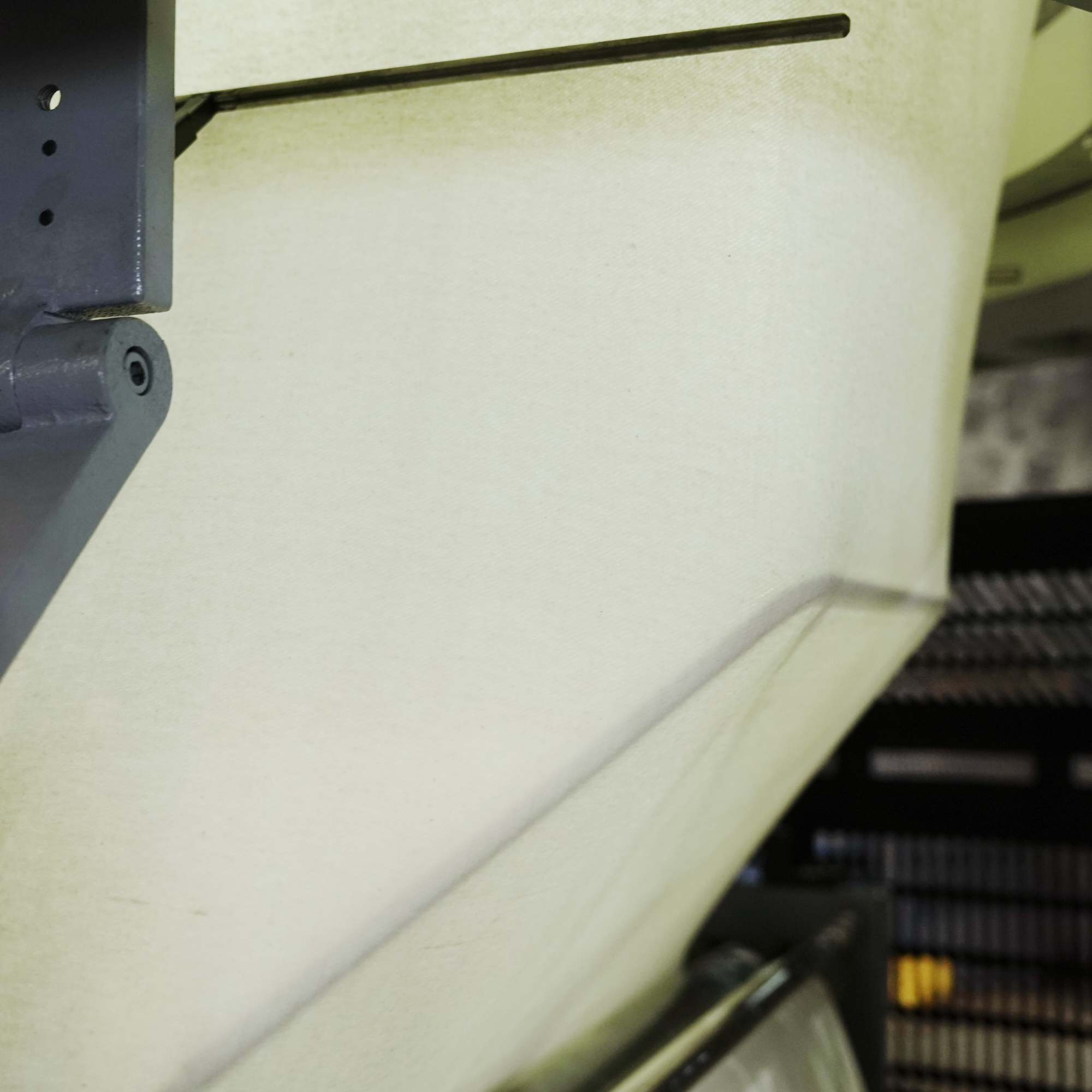
Retain the greige construction and its raised/compacted result with width and weight.
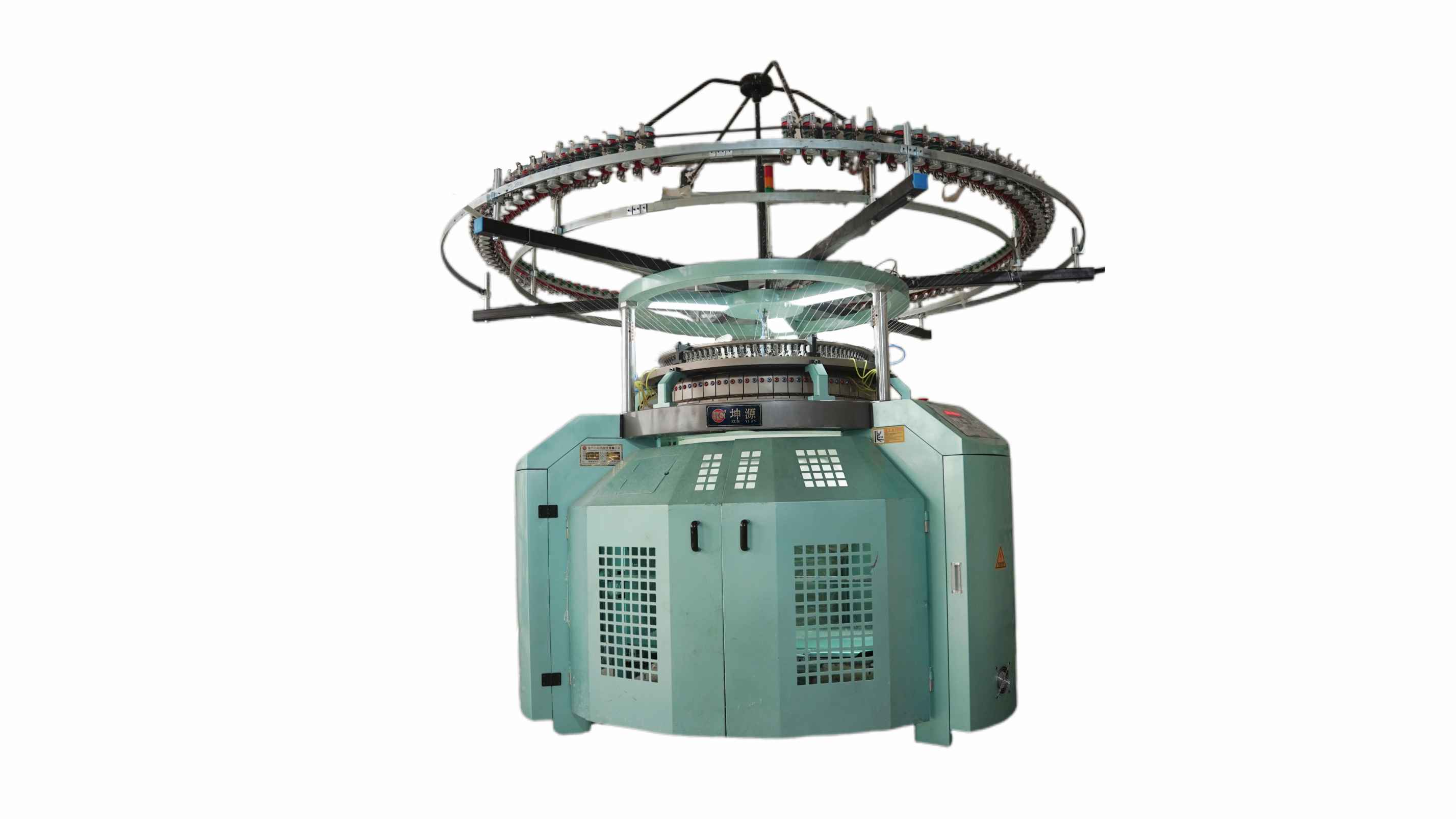
Validate a 34-Inch 26G 102-Feeder Single Jersey Circular Knitting Machine through feeder mapping, barre control, finished width and production-yarn trials....
Configure a 32-Inch 22G 96-Feeder Sweatshirt Circular Knitting Machine around loopback/fleece yarns, raising route and paired greige-to-finished samples....
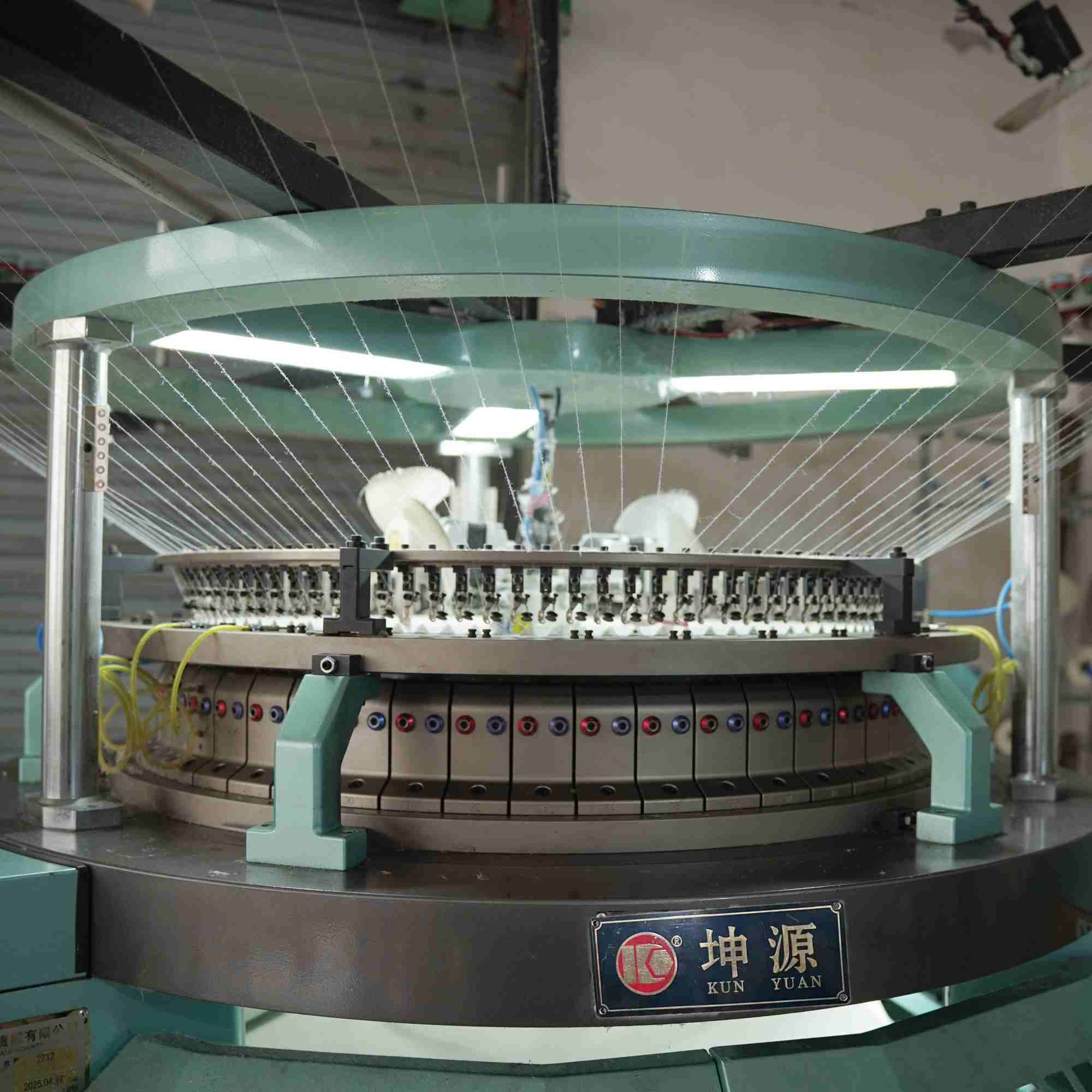
Compare Single Jersey Circular Knitting Machine options by yarn, gauge, feeder count and finishing route, with a practical trial checklist for fabric mills....
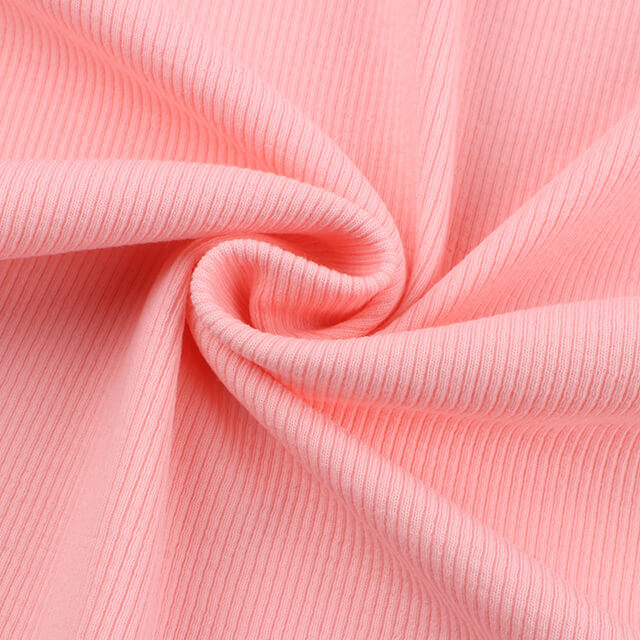
Engineer rib and elastic double-knit fabrics through cylinder-dial balance, yarn and elastane mapping, relaxed recovery tests, conversions and baseline restoration....
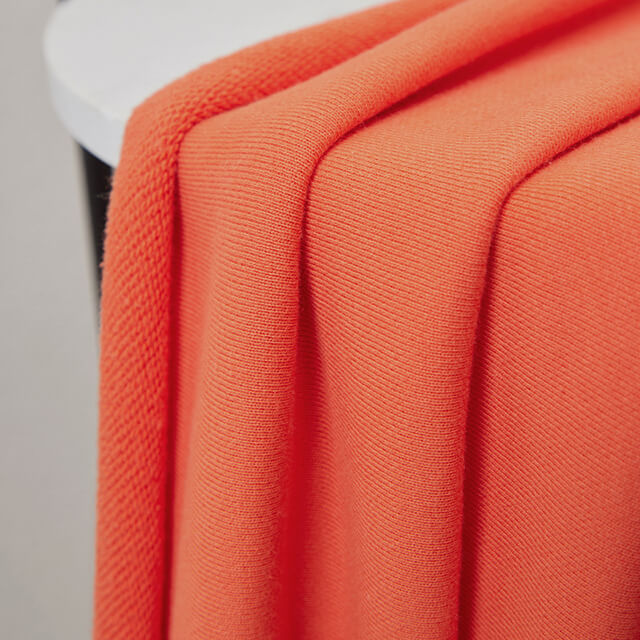
Develop sweatshirt fleece by coordinating face, tie and fleece yarns, setting greige GSM, retaining loop evidence and validating raising or brushing results....

 Tel: +86-13859034518
 Email: info@kunyuanmachine.com
 MP/WhatsApp: +86-13859034518
 Manufacturer Address:Bacuo Village, Yonghe Town, Jinjiang City, Fujian Province
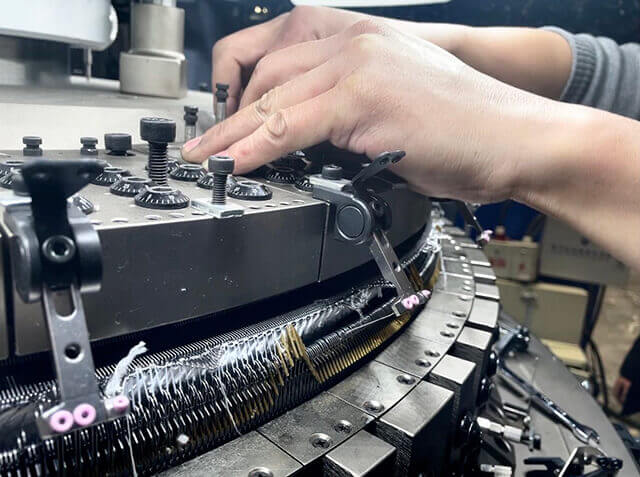
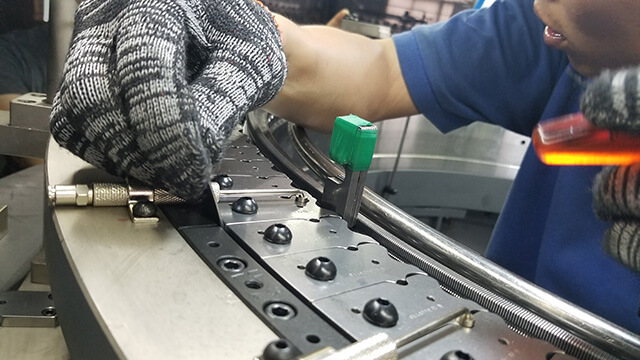




Archived feedback rated efficiency, precision, durability and ease of use positively for sweatshirt-oriented production.2025-07-15
Archived feedback highlighted high-speed operation, accessible controls and consistent single-jersey output.2025-07-15

Compiled archived feedback for Single Jersey Circular Knitting Machine highlights running stability, limited interruption and consistent fabric appearance; open the full summary for source notes and model-specific buyer checks.2026-08-20
Archived feedback emphasized smooth running, limited interruption and consistent single-jersey fabric appearance in a demanding production setting.2025-07-11