

Hot Keyword:
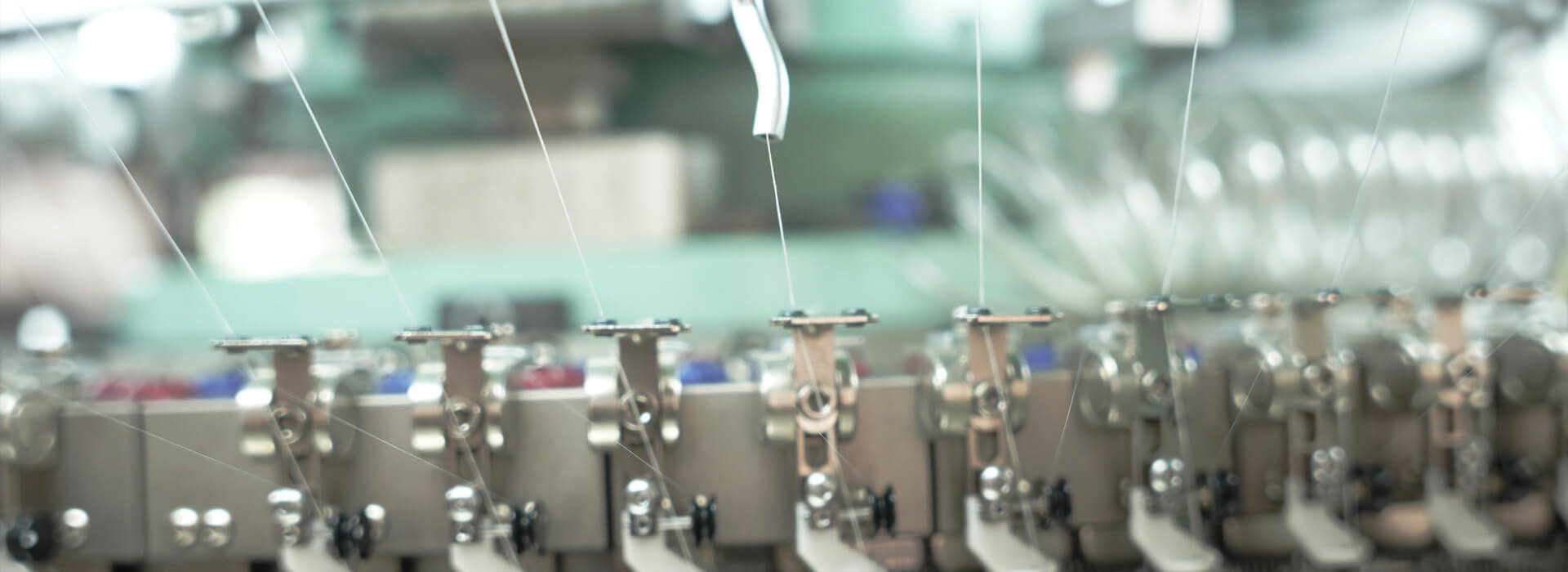
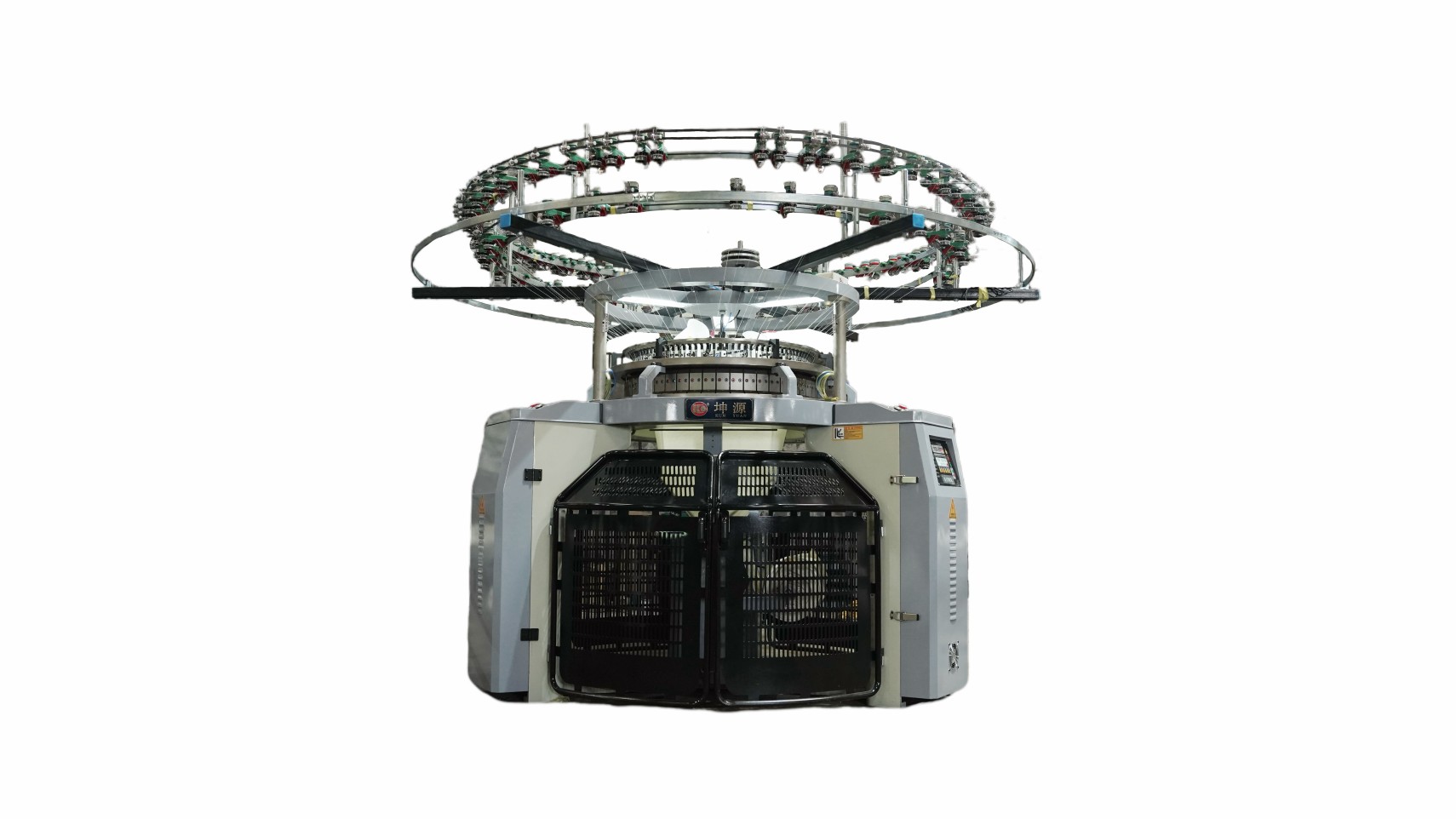
Follow pile yarn from feed to loop formation, greige inspection and finishing. Use traceable samples to choose the route, controls and acceptance checks....
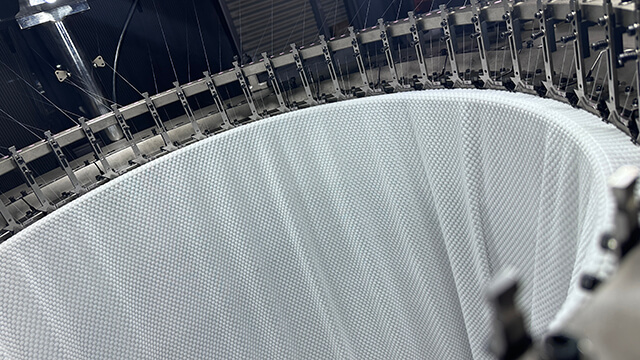
Practical Circular Pile Knitting Machine guide covering key subsystems, control points, trial evidence and lifecycle support for textile mill buyers....
Practical Circular Knitting Machine Troubleshooting guide covering fabric requirements, configuration checks, acceptance and service scope for textile mill......
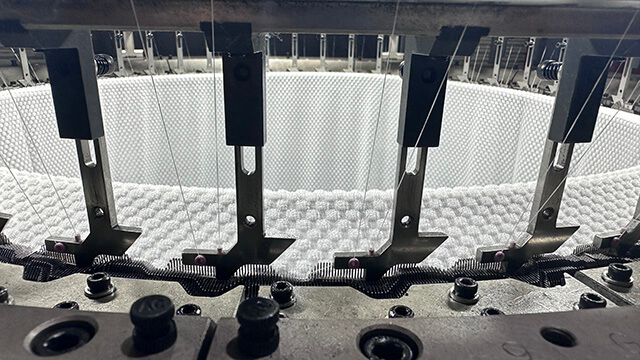
Practical Circular Pile Knitting Machine guide covering fabric fit, configuration limits, sample trials and scale-up checks for textile mill buyers....
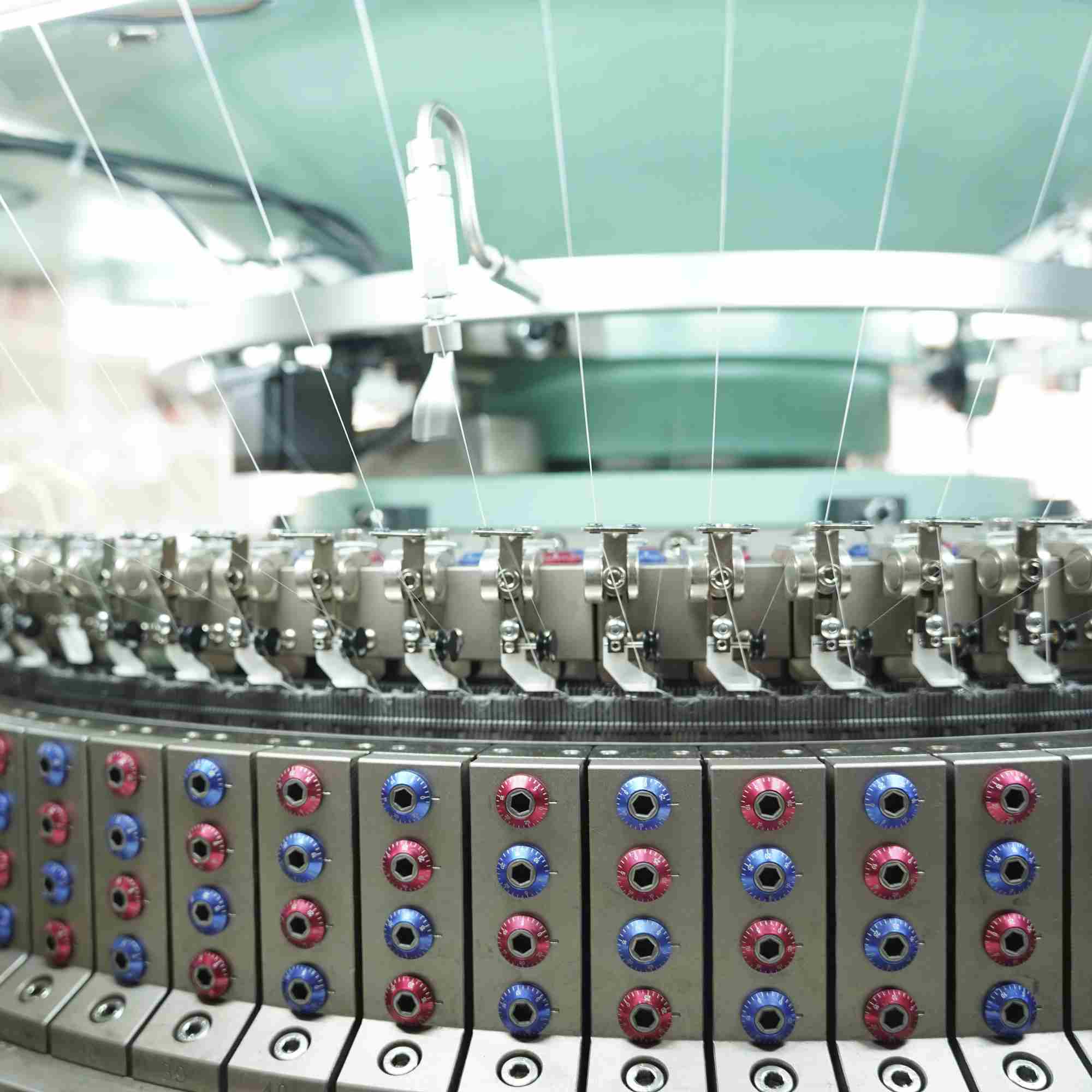
Practical Circular Pile Knitting Machine guide covering specification, supplier evidence, factory trials and delivered scope for textile mill buyers....
Practical circular knitting machine needles guide covering key subsystems, control points, trial evidence and lifecycle support for textile mill buyers....
Compare roll-fabric, body-size circular and shaped flat-knitting routes before selecting equipment for sweater sizes, seams and finishing....

 Tel: +86-13859034518
 Email: info@kunyuanmachine.com
 MP/WhatsApp: +86-13859034518
 Manufacturer Address:Bacuo Village, Yonghe Town, Jinjiang City, Fujian Province