

Hot Keyword:
Author:KUNYUAN Machine Manufacturer TIME:2026-08-28
“Sweater knitting machine” can describe three very different production ideas: knitting roll fabric for cut-and-sew garments, knitting body-size tubes that reduce side cutting, or shaping garment pieces on a flat machine. The correct purchase starts with the sweater construction and seam plan, not with a generic speed comparison.
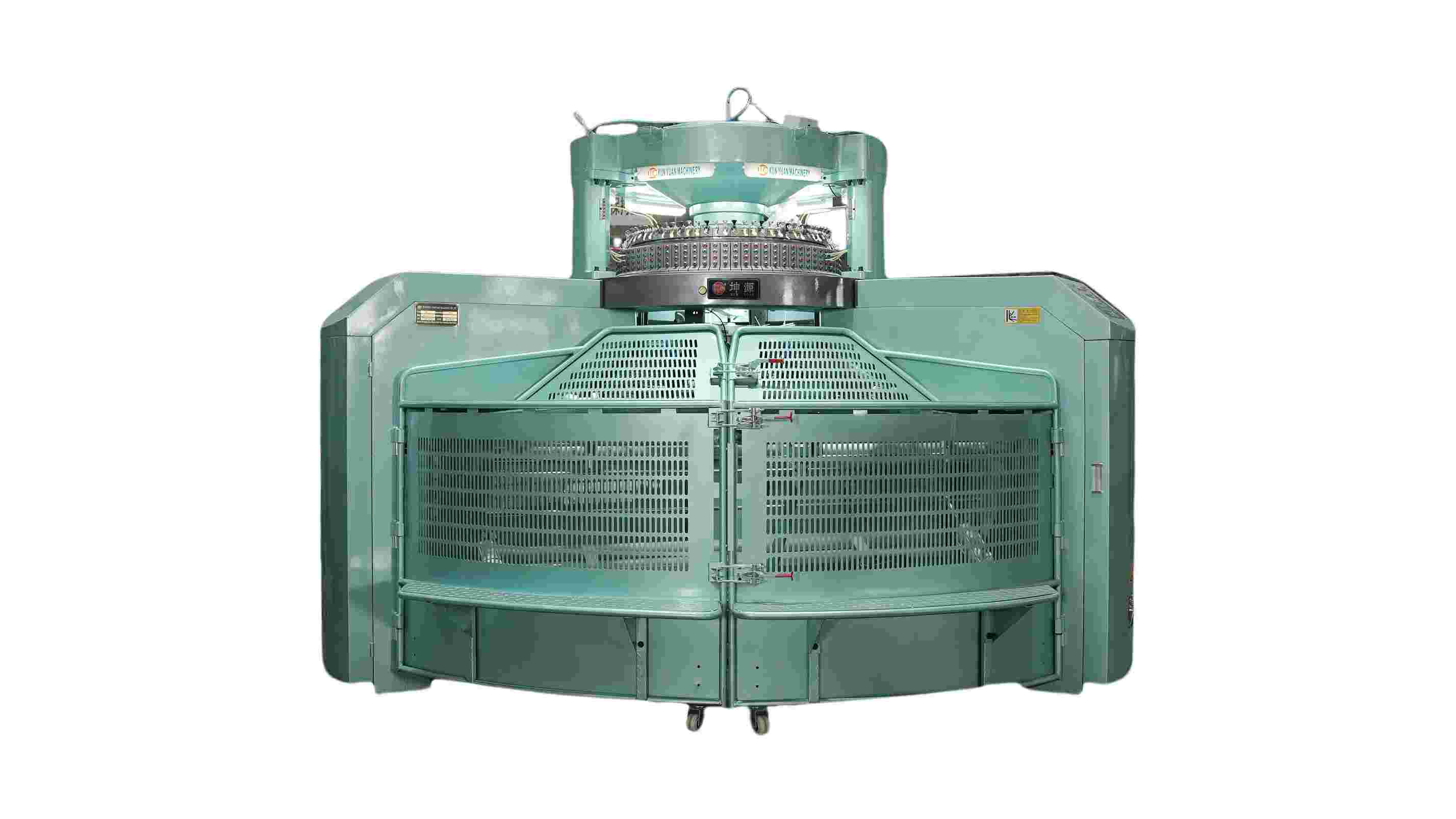
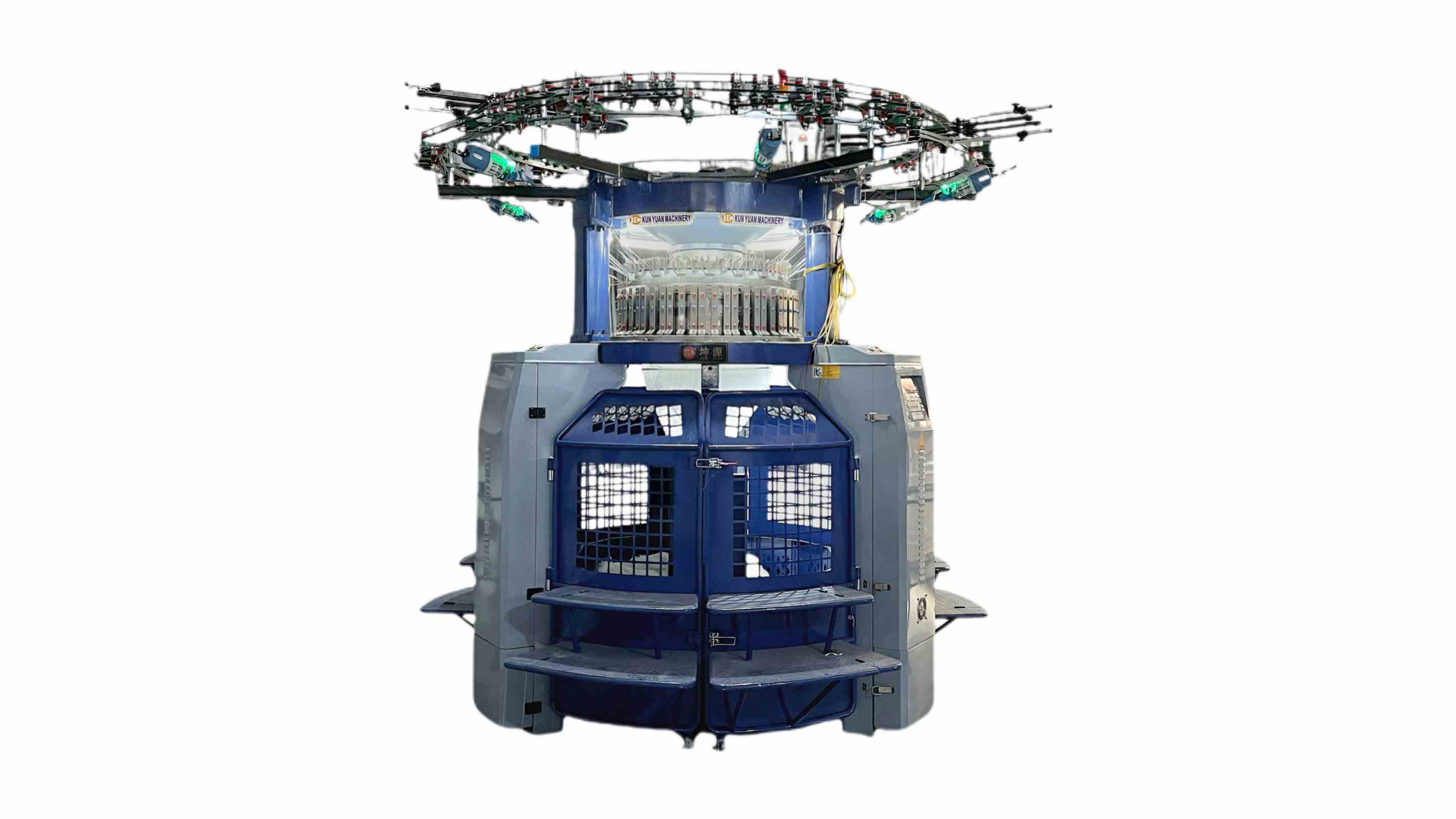
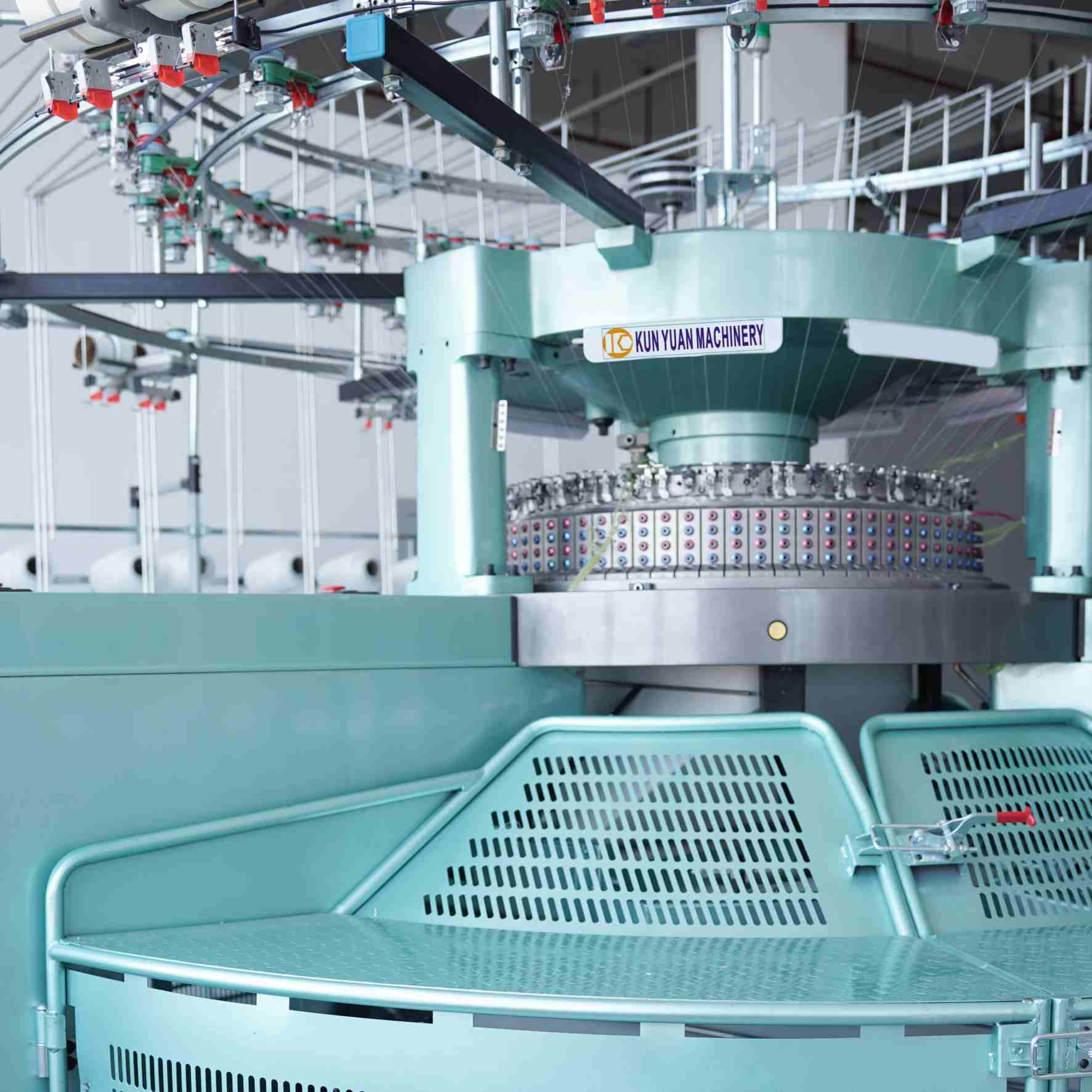
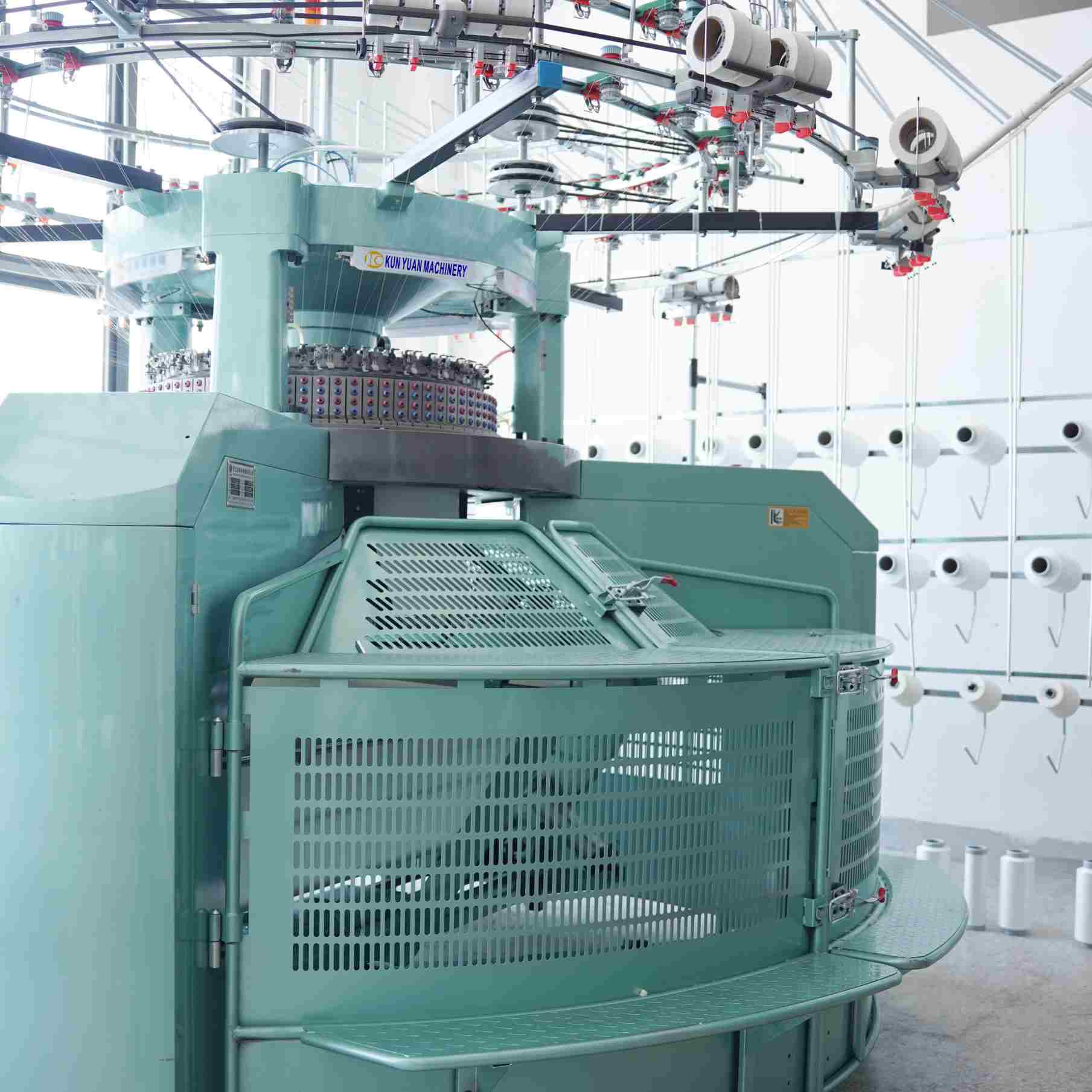
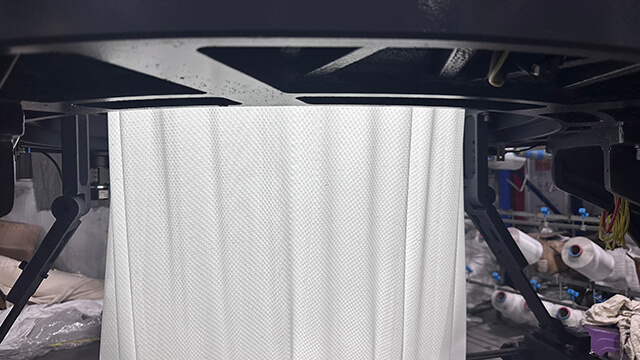
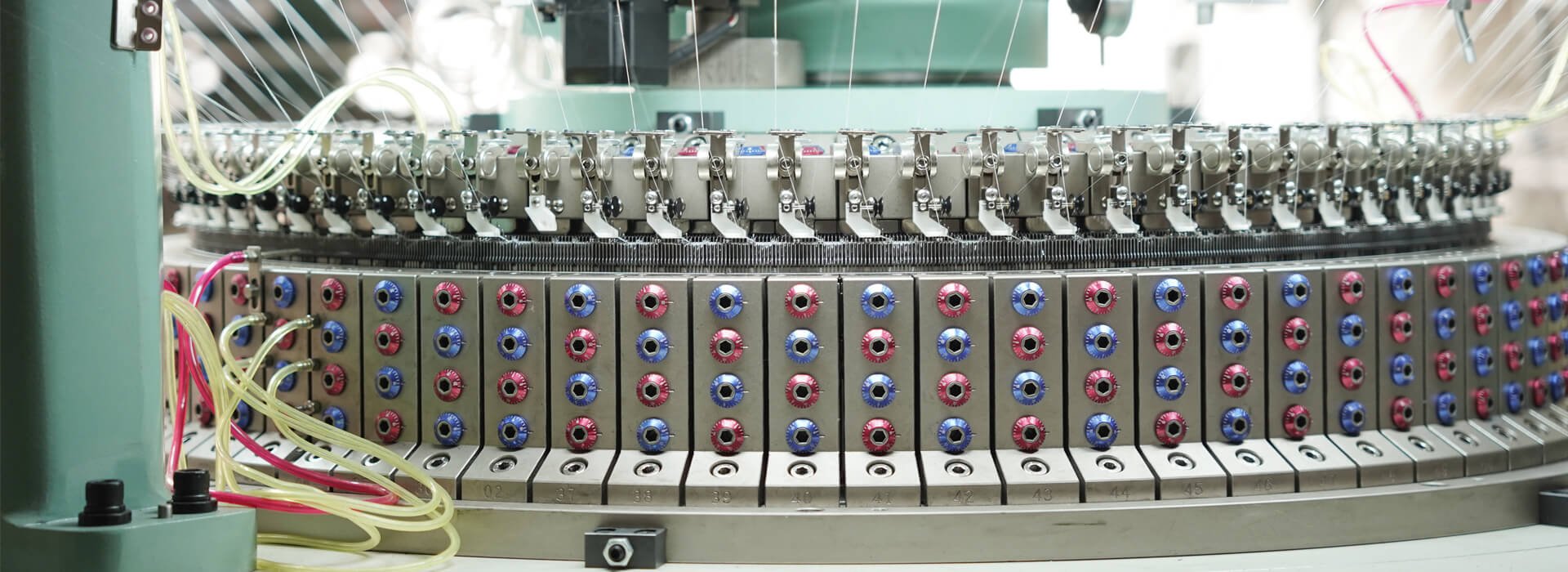
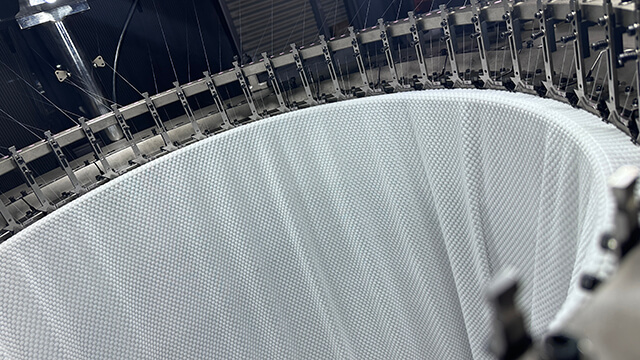
A large-diameter circular machine can knit fabric that is relaxed, finished, cut into front, back and sleeve pieces, and sewn. This route offers broad fabric planning but includes cutting yield and garment sewing. A body-size circular route knits a tube closer to the body circumference; it can reduce side cutting or seams for suitable designs, while necklines, armholes, sleeves and hems still need a defined downstream method.
Fully shaped or whole-garment knitwear belongs to a different equipment and programming discussion. SHIMA SEIKI's official explanation describes complete three-dimensional garments made on specified flat knitting machines. Santoni separately lists electronic circular seamlesswear machines for knitwear and other close-to-body applications. Those categories should not be collapsed into one promise: the sample and sewing plan must show what the offered machine actually delivers.
| Production route | Typical machine output | Garment work that remains | Best first question |
|---|---|---|---|
| Roll-fabric circular | Continuous tubular or open-width knitted fabric | Relaxing, finishing, marker, cutting and sewing | What fabric and cutting yield are required? |
| Body-size circular | Tube selected around a garment-body size | Style-dependent separation, neckline, armhole, sleeve and finishing work | Which seams or cuts must this tube remove? |
| Flat shaped / whole garment | Shaped panels or specified three-dimensional garments | Depends on program and construction; may reduce linking or sewing | Does the style require shaping that a circular tube cannot provide? |
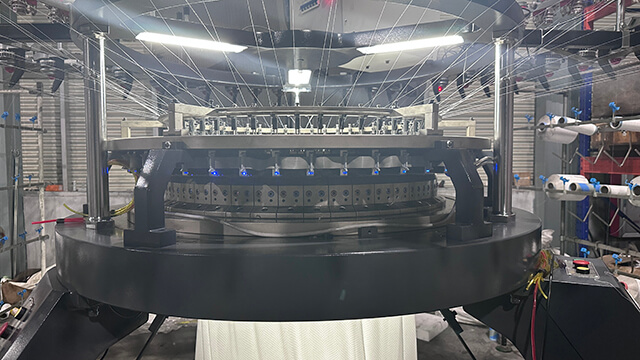
Start with the finished chest, body length, stretch target and seam location for each size. Work backward through relaxation and finishing shrinkage to the knitted tube. The cylinder diameter, gauge, needle count, yarn and stitch setting work together; selecting a diameter from a finished chest measurement alone can produce the wrong relaxed width.
Body-size is most convincing when the target styles repeat a manageable set of tube widths and the downstream line knows how it will form shoulders, openings and sleeves. If the collection changes silhouettes frequently or relies on strongly shaped panels, calculate the changeover and sewing implications before assuming that fewer side seams justify the route.
The old article correctly pointed buyers toward yarn compatibility and stitch choice, but those questions must be tested together. Yarn count, fiber blend, twist, elasticity and bulk affect knitting stability, handle, recovery and finished dimensions. Rib, interlock and jersey structures do not behave alike, and the selected machine must support the intended structure rather than a list of decorative stitches copied from another machine class.
Prepare a short style sheet with yarns by feed, color arrangement, structure map, target GSM, finished width or circumference, stretch and recovery limits, and the planned finish. Identify features that will be knitted, cut, linked or sewn. This separates a machine capability question from a garment-development task.
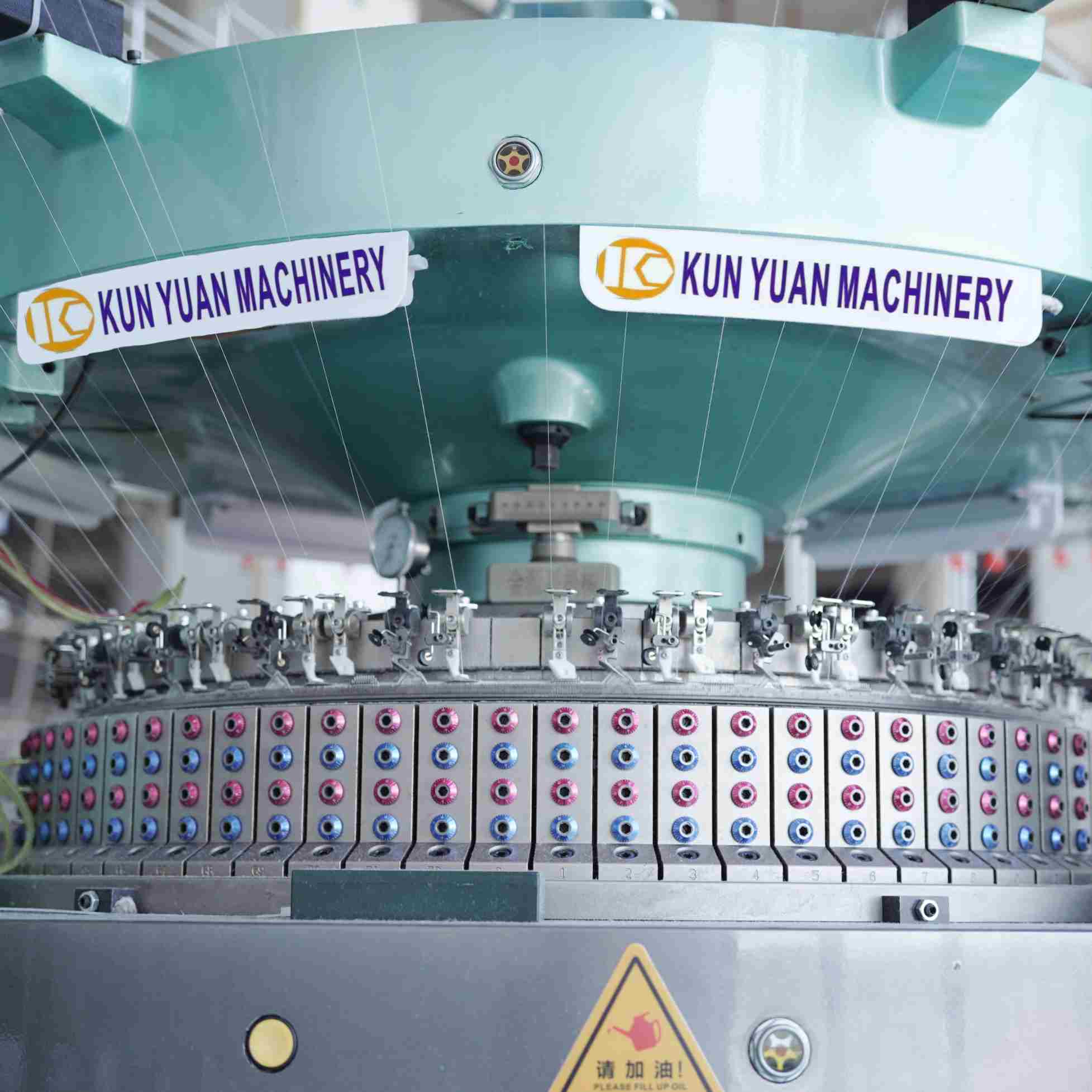
A single attractive sample does not prove a size program. Select at least a small, middle and large size or the actual commercial extremes. For each, record knitted circumference, relaxed measurement, finished measurement and garment measurement after the agreed conditioning. Track spirality, length change, stretch recovery, shade behavior and seam appearance where the style uses sewing.
Run enough material to expose yarn-package changes, normal stops and take-down stability. Label every tube and garment so that a measurement can be traced to its machine setting and yarn lot. If different sizes require different diameters, cylinders or extensive conversion, include that hardware and changeover time in the production plan.
Stable tube, recorded settings and repeatable structure without recurring defects.
Finished circumference, length, hand and recovery after the agreed process.
Fit and appearance across the size set, including every retained seam or cut edge.
The quotation should name the machine type and production route, diameter or diameter range, gauge, supplied knitting elements, feeder and yarn-control scope, take-down, controls, change parts, installation, training and acceptance fabric. Avoid the phrase “complete sweater” unless the delivered workflow and sample prove exactly what is knitted and what still happens off the machine.
For a buyer whose style set suits tubular body production, the body size circular knitting machine page is the relevant product starting point. Send the supplier a size matrix and garment construction sheet with the inquiry; otherwise the quotation may answer a machine category while missing the actual sweater.
Some circular seamlesswear systems can make individual garment-like pieces, while large-diameter and body-size routes usually retain defined cutting, opening, sleeve, neckline or sewing work. Confirm on the target style.
No. They use different knitting architectures and shaping approaches. Compare the actual output and remaining operations rather than treating the names as interchangeable.
Work backward from conditioned garment measurements using the selected yarn, structure, stitch setting and finishing shrinkage. A finished chest figure alone is insufficient.
Provide count, fiber blend, twist or texture, elasticity where relevant, yarns by feed, color plan and a physical or approved reference fabric.
Require traceable knitted tubes, finished measurements and sewn garments across the agreed size range, plus settings, yarn lots and a record of remaining operations.
A sweater-machine decision becomes much simpler after the garment route is named. Roll fabric, body-size tubes and shaped flat knitting solve different problems and leave different work for finishing and sewing. A size matrix, construction sheet and conditioned garment trial are better buying evidence than a long feature list.

 Tel: +86-13859034518
 Email: info@kunyuanmachine.com
 MP/WhatsApp: +86-13859034518
 Manufacturer Address:Bacuo Village, Yonghe Town, Jinjiang City, Fujian Province