Hot Keyword:
YOUR POSITION:HOME > Blog >

Circular Knitting Machine Installation Checklist: Site, Utilities and Setup

Author:KUNYUAN Machine Manufacturer TIME:2026-08-28

MENU
Commissioning stage gates

Replace the generic loom tutorial with an industrial installation dossier

The former article described pegs, casting on and a hand loom. An industrial circular knitting machine instead requires verified identity, foundation and utilities, qualified rigging, guarded commissioning and a fabric acceptance record.

Use the manufacturer's drawings and local safety requirements for the exact model. This guide organises the buyer's evidence; it does not supply load data, lifting points, electrical values or foundation dimensions.

Freeze the delivered configuration before the machine moves. Nameplate, model, diameter, gauge, feeders, take-down, controls, loose assemblies and shipment condition belong in the same arrival record.

Build the machine and document inventory

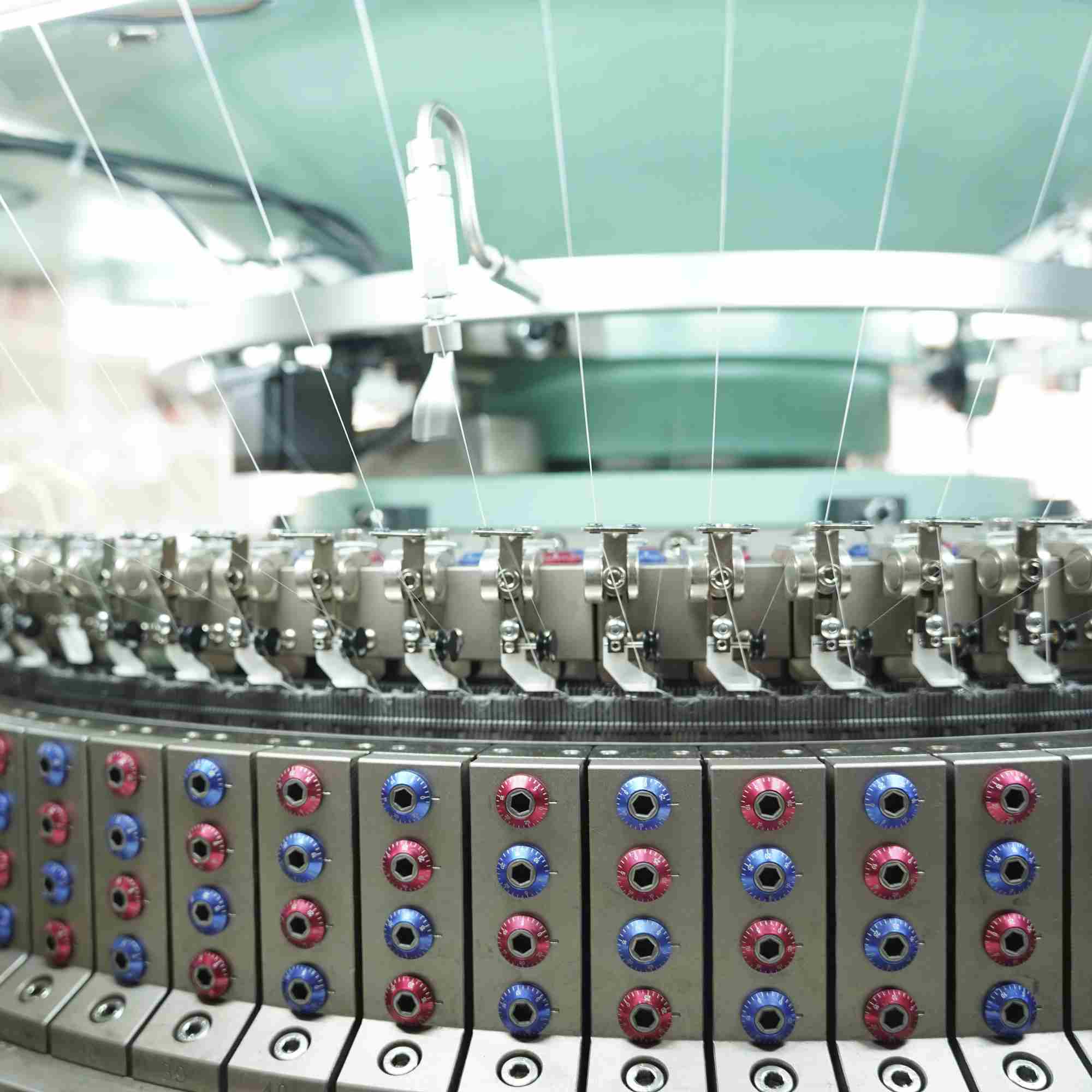
Photograph the machine, nameplate, knitting head, control cabinet, feeders, take-down and removed assemblies. Check the packing list against manuals, drawings, tools, spare parts and backups.

Log transport damage or corrosion before unpacking evidence is lost. Do not fill an absent serial or option from a similar online picture.

Gate: identity and packing evidence agree
Approve foundation, access and utilities

Use the model drawing to verify floor position, level requirement, service clearance, aisle and door access, electrical supply, earthing, compressed air where fitted, extraction or ventilation and safe control-cabinet location.

A qualified rigging plan must use confirmed mass, centre of gravity and lifting points. Establish an exclusion zone and inspect the selected equipment before the lift.

Gate: site, route and utility checks signed

Reassemble from labels, drawings and measurements

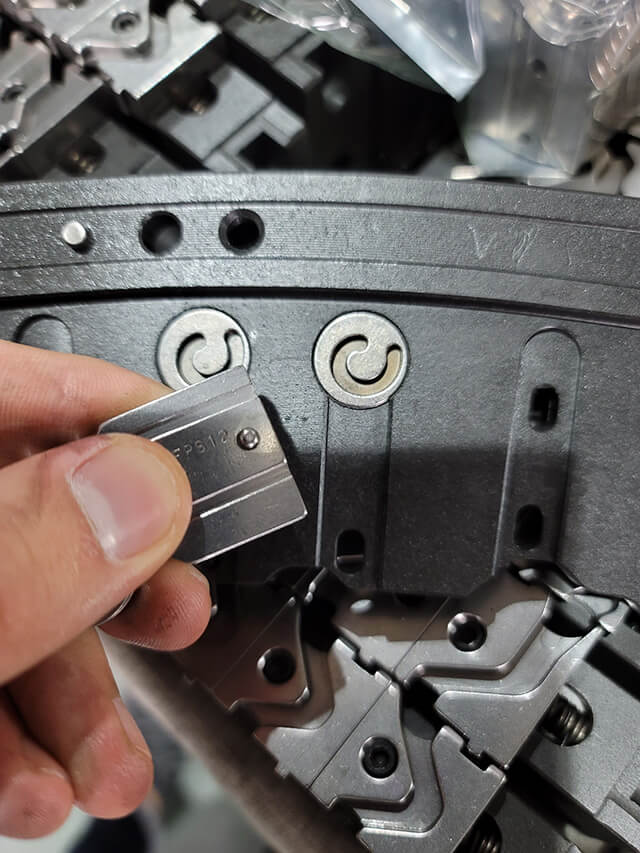
Remove transport locks and preservation materials under the maker's procedure. Match labelled connections and photographs, level the frame or bed by the specified method, and restore guards and interlocks.

Qualified personnel should complete electrical and pneumatic work. Preserve the received parameter backup before loading any working copy.

Gate: mechanical, electrical and safety functions verified

Run no-load and limited-feed checks before production

Check lubrication condition, manual movement where permitted, drive direction, emergency stops, guards, sensors and visible clearance. Stop on abnormal resistance, contact, heat, noise or alarm.

Thread a limited number of feeds for the first observable run. Confirm yarn path, feeder position, needle condition, take-down direction and fabric collection before expanding to the full setup.

Gate: controlled slow run accepted

Close installation with a traceable fabric and trained crew

Use a known yarn and supported structure. Record warm-up, stable speed, settings, stops, manual actions, roll position and the agreed fabric measurements. Keep the accepted sample and backup together.

Operators should demonstrate start, stop, threading, doffing, cleaning, lubrication and defect response. Assign every open item an owner, date and release effect.

Gate: fabric, training and open-item records complete
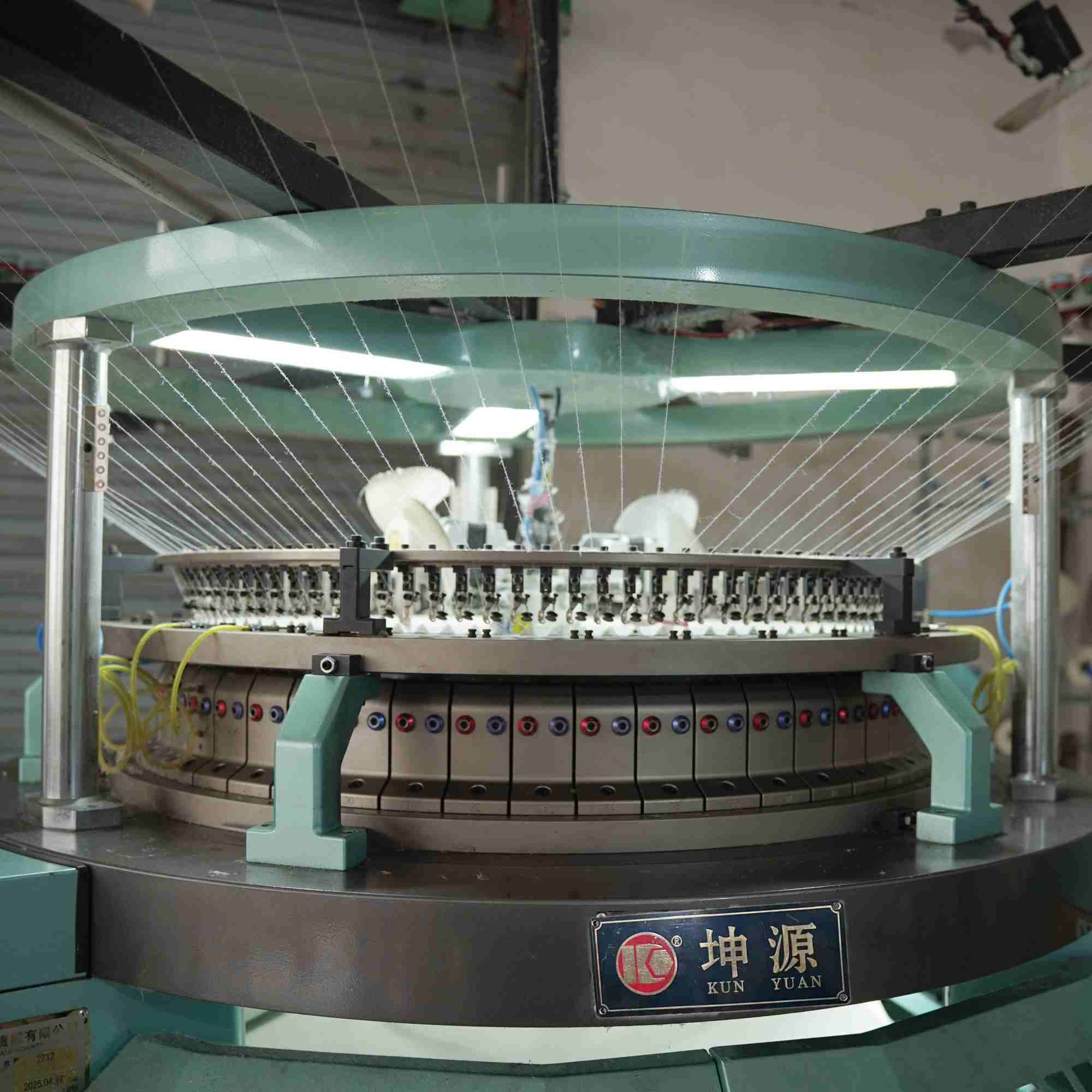
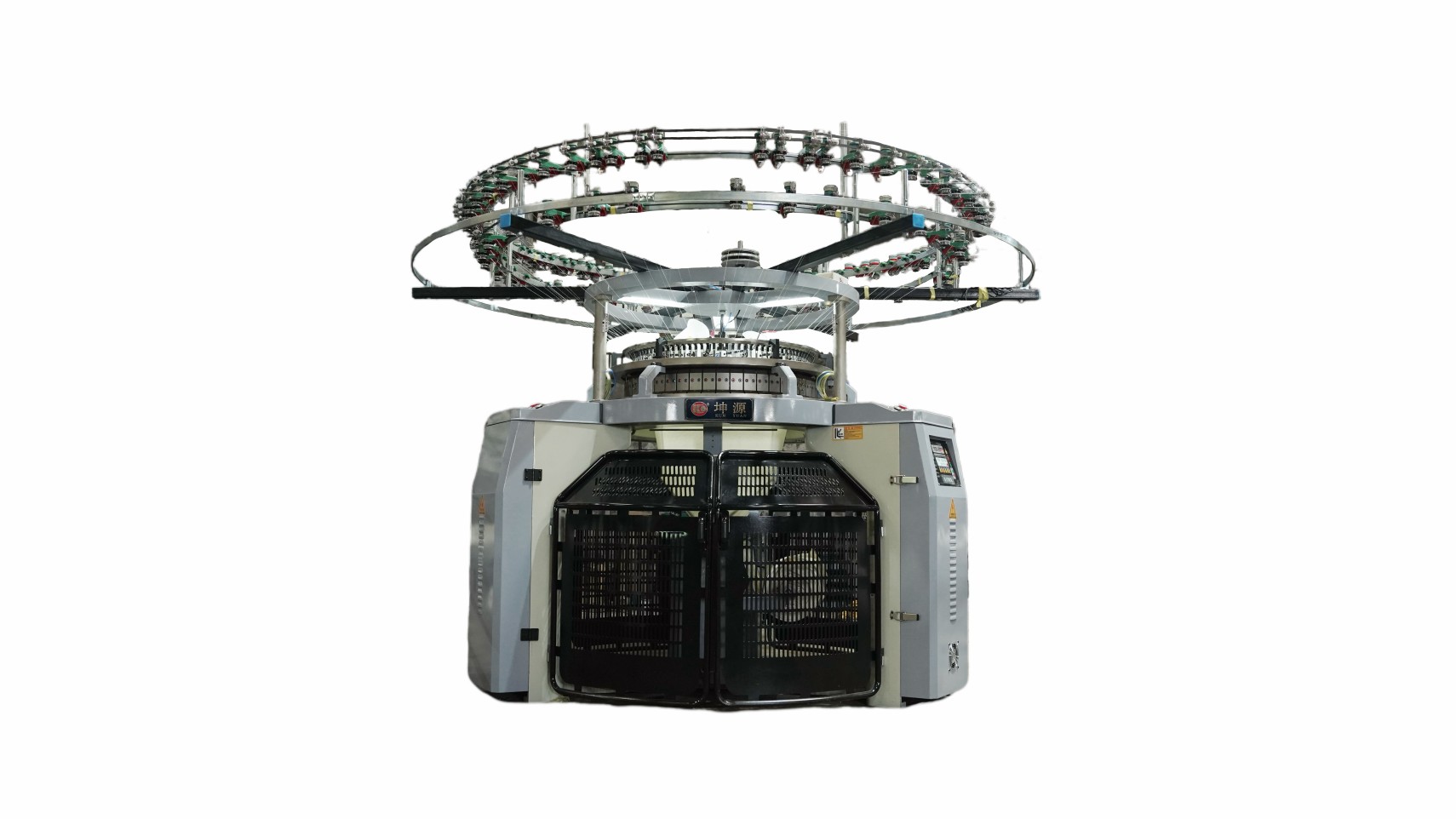
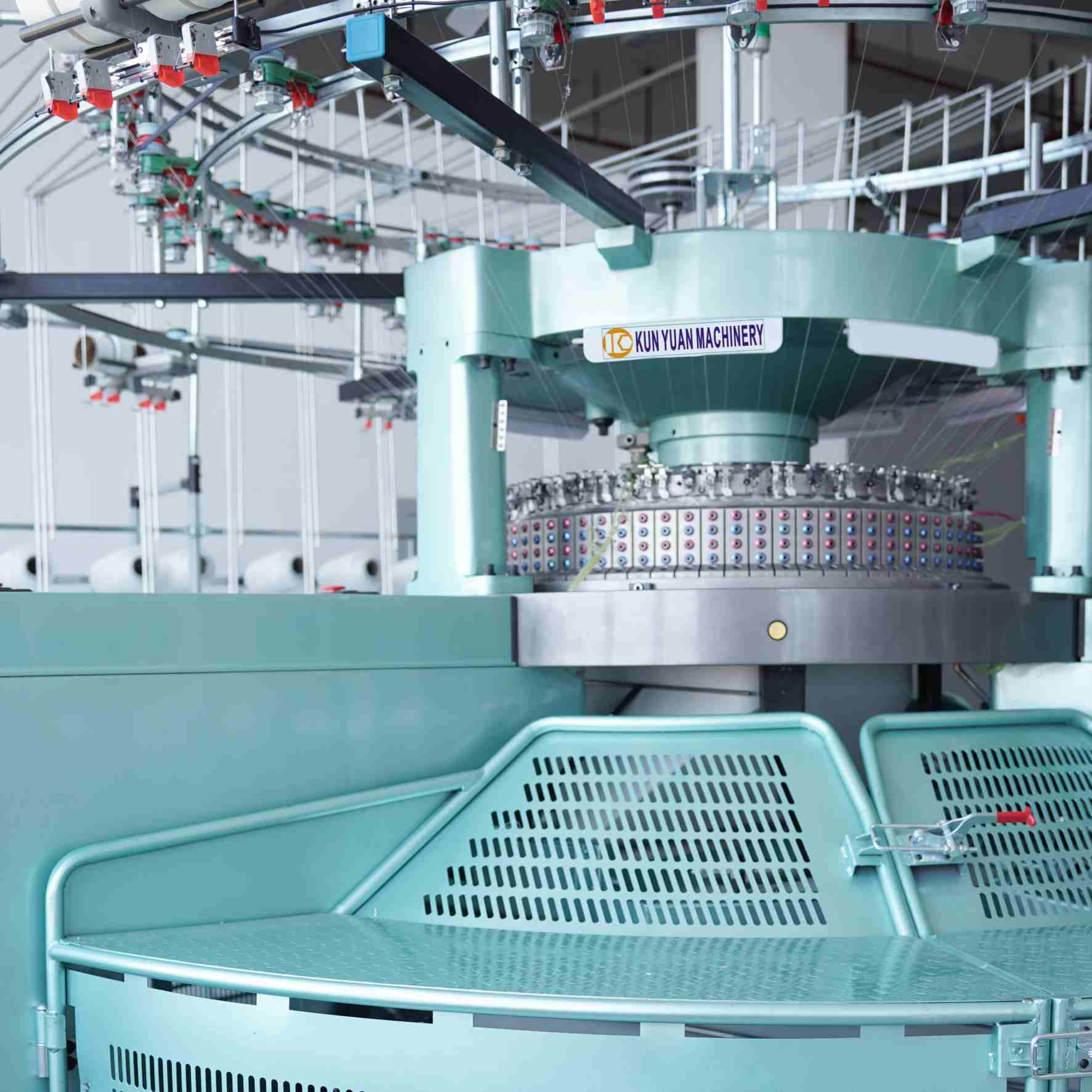
Circular knitting machine arrival reference
Use the actual nameplate, packing list and shipment photographs.
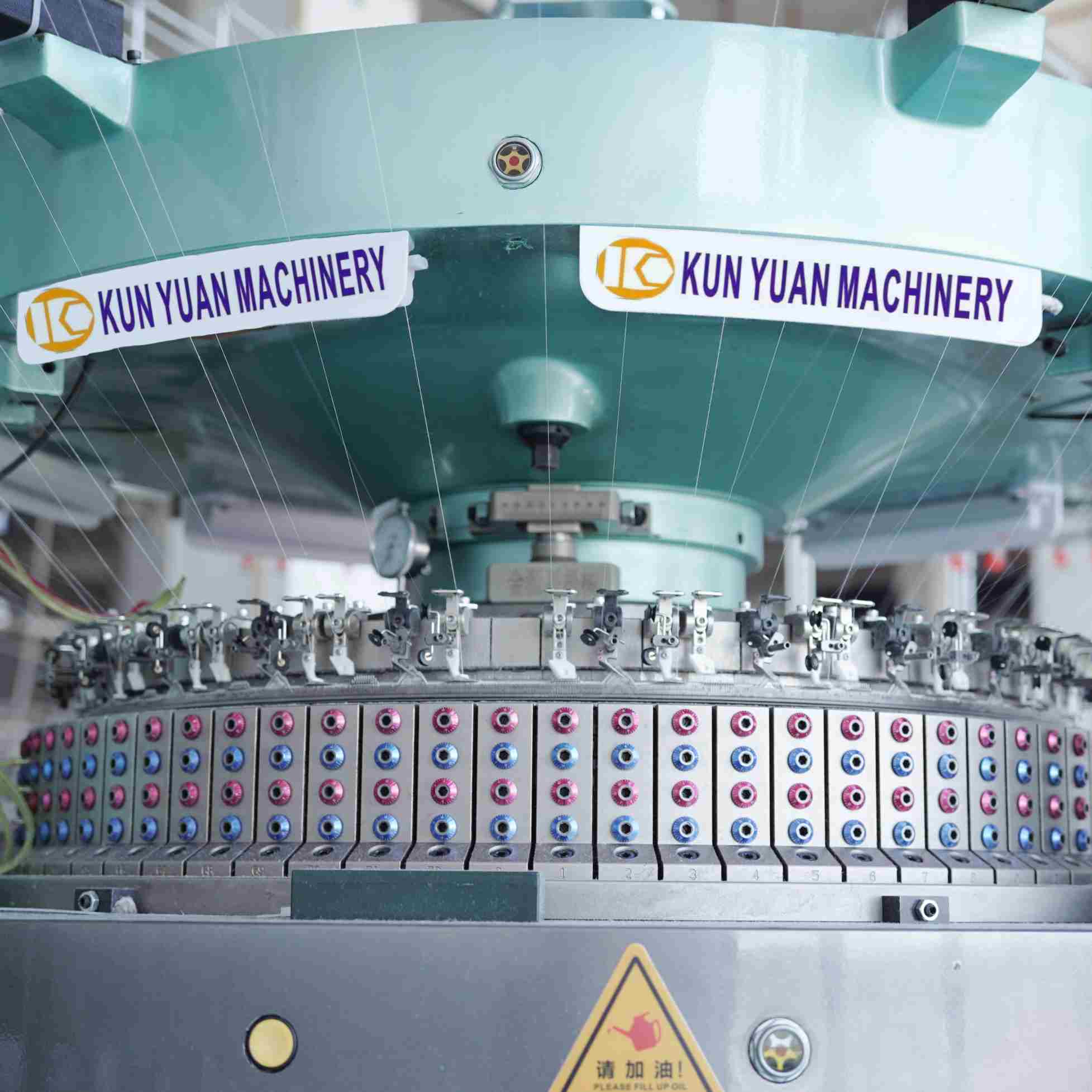
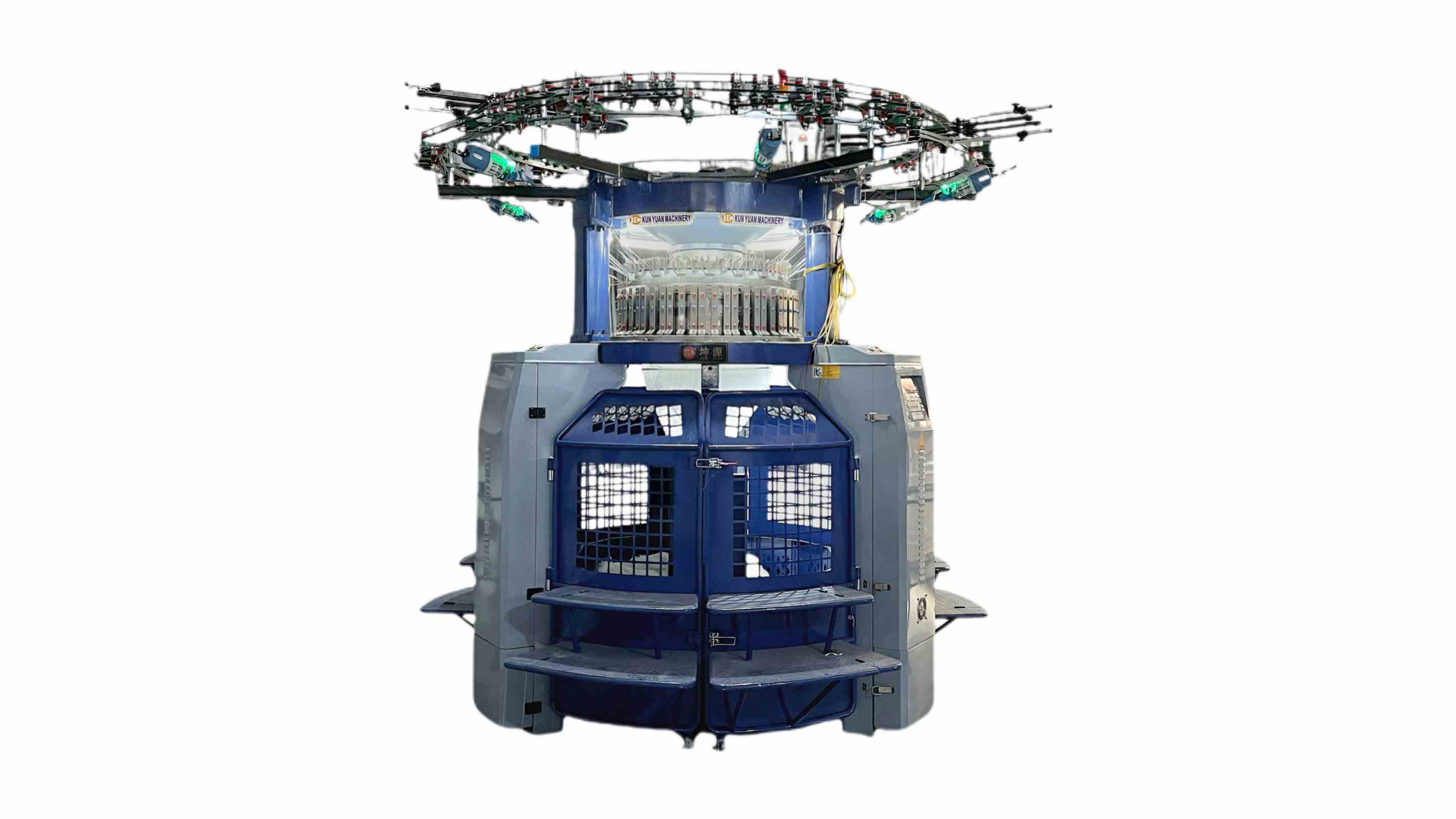
Knitting-head assembly and access reference
Confirm guards, access and connections on the installed model.
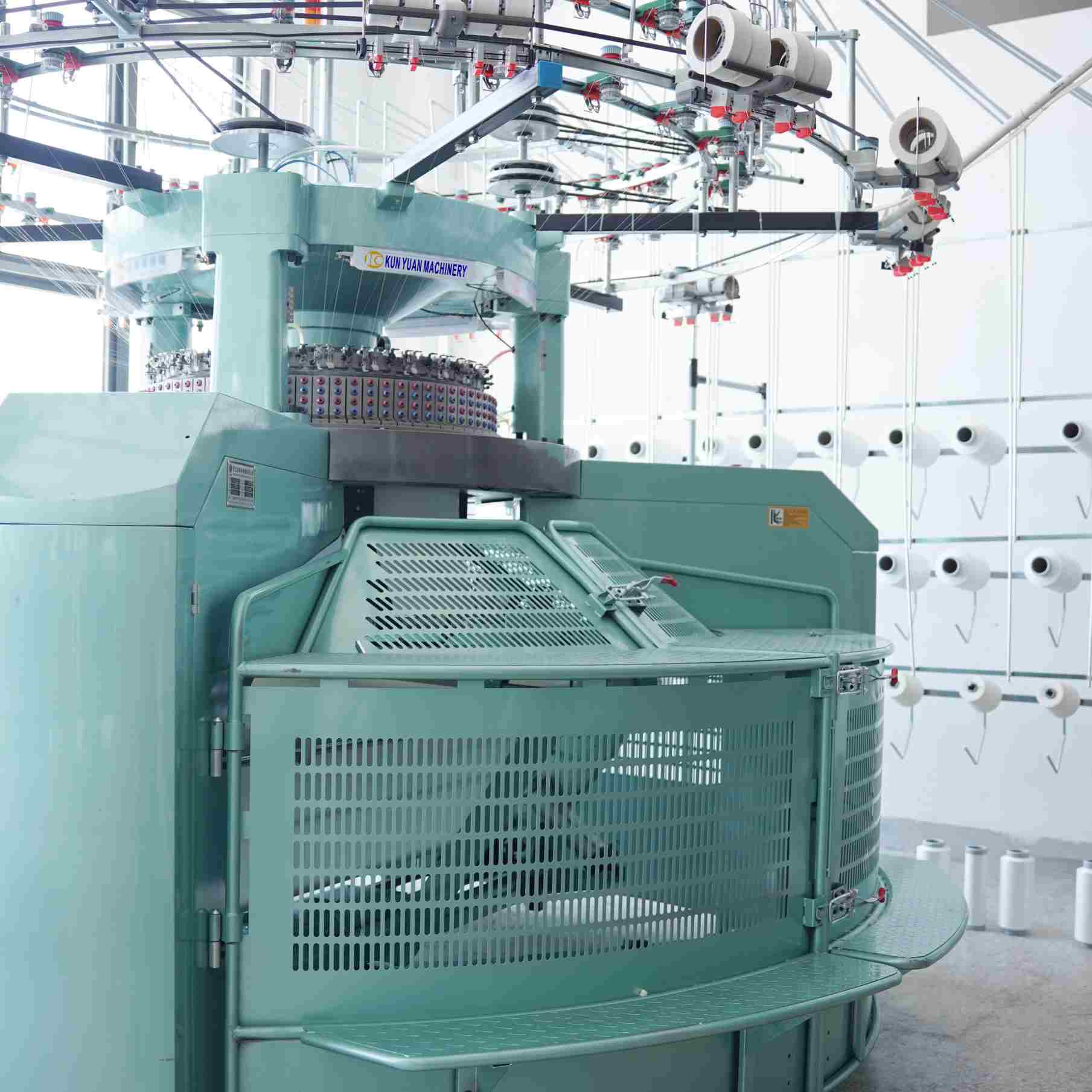
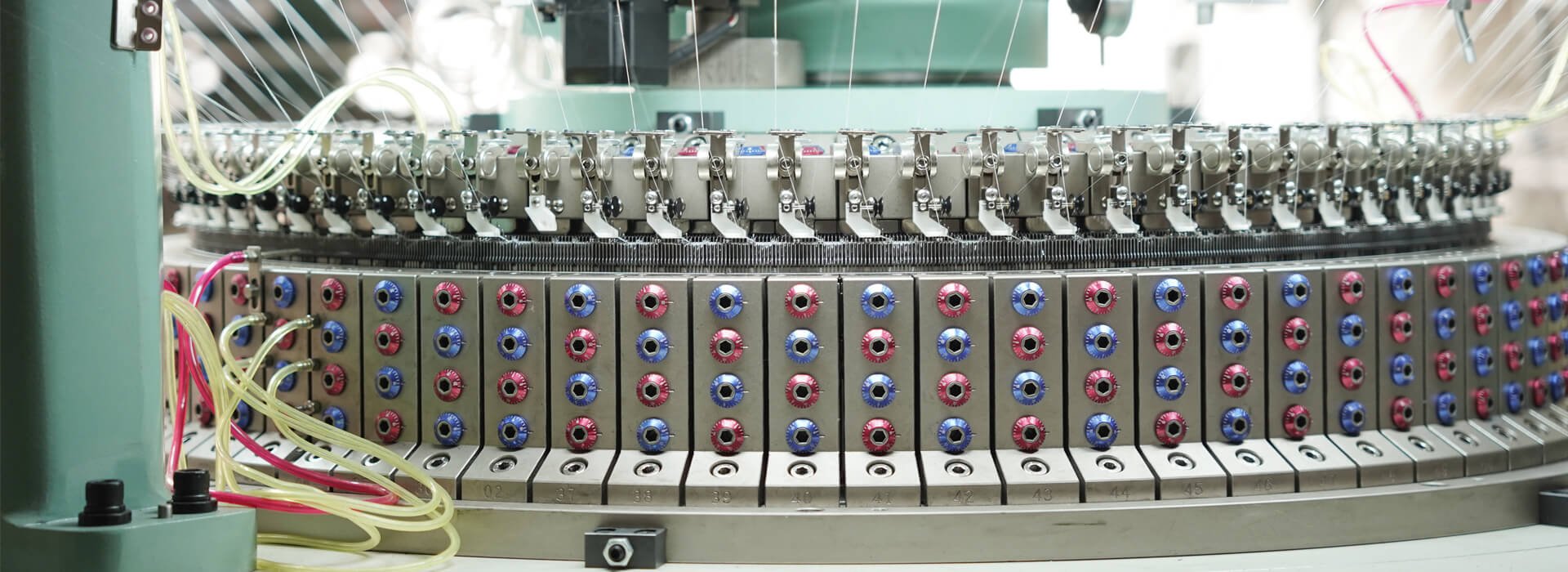
Commissioning fabric and take-down reference
Retain the accepted roll position, settings and training record.

Installation responsibility ledger

StageBuyer providesSupplier/installer providesHold trigger
SiteApproved location and utilitiesModel requirements and drawingUnknown foundation or supply
RiggingSafe access and coordinationConfirmed machine dataUnapproved lift point or gear
AssemblyQualified local supportProcedure and checksMissing guard or mismatched connection
TrialYarn, staff and quality limitsSetup, training and test recordUntraceable sample or open safety issue

Industrial circular knitting installation questions

Can generic installation dimensions be used?

No. Foundation, utilities, mass and clearances must come from the exact machine configuration and applicable local requirements.

Who should choose lifting points?

Use the manufacturer's identified points and a qualified lifting plan. Do not attach gear to convenient-looking guards, feeders or cam boxes.

When is it safe to restore a parameter backup?

After controller and machine identity match, the original file is preserved and the mechanical/electrical configuration is verified.

Does a rotating cylinder prove installation is complete?

No. Require safety and utility checks, a traceable fabric run, final settings, backups, training and an owned open-item list.

What should remain in the handover file?

Keep drawings, configuration photos, backups, test data, accepted sample, training record, maintenance points, spares and contacts.

Conclusion

Industrial installation is a sequence of evidence gates, not a cast-on tutorial. Identity protects rigging, site checks protect assembly, slow checks protect the machine, and the fabric trial proves that the whole installation can enter production.

Issue the identity, site and acceptance dossier with the enquiry for the circular knitting machine range so installation evidence is agreed before shipment.

□ Records complete
Need Help?
Please leave your contact information to get our latest catalog
Get In Touch Now >
Kunyuan Machinery Manufacturer

Tel: +86-13859034518

Email: info@kunyuanmachine.com

MP/WhatsApp: +86-13859034518

Manufacturer Address:Bacuo Village, Yonghe Town, Jinjiang City, Fujian Province

NEW KEYWORD

About Us

Products

Information