Translate the size chart into machine and make-up duties.WaistBodyOpening
Body-size garment map
The machine makes a tube; the size map makes it a garment
Body-size production can reduce cutting and joining for suitable garments, but the value depends on where fit, support, ventilation and openings are created. A cylinder diameter or seamless label cannot replace the finished garment measurements.
Start with the graded size chart and an inside-out garment. Mark waistband, main body, support or ventilation zones, leg or arm openings, separation courses and every remaining sewing operation. Assign each feature to knitting, finishing or make-up.
The exact machine may be single- or double-knit, mechanically or electronically selected, and configured for continuous tubes or separated pieces. Confirm those functions on the offered model rather than applying one body-size process to the whole category.
Add the sales mix to the map. A style family dominated by one middle size creates a different cylinder and changeover decision from a range split evenly across several circumferences. Record forecast pieces by size, colour and yarn because the practical machine plan must cover change frequency as well as technical possibility.
Start with relaxed opening and recovery
Define the waist construction, elastic yarn role, relaxed dimension, extension method and recovery interval. Record whether the welt or opening is knitted, folded, linked or finished later.
Inspect the transition into the body for a hard ridge, exposed elastic or visible course. A correct overall girth can still hide an uncomfortable opening.
Link cylinder and stitch plan to finished girth
Record garment circumference and length after a fixed relaxation or finishing route. Add structure, yarn material, count, needle selection and any shaping or reciprocation used by the exact program.
Trial the smallest and largest intended sizes. Yarn bulk and recovery can move a style outside tolerance even when it runs on the same nominal diameter.
Locate support, mesh and pattern transitions on the body
Draw each zone by course and needle position, including support, opacity, ventilation, motif and elastic changes. Inspect both faces and stretch the garment in use direction to reveal floats, weak boundaries or visible steps.
Keep the approved program revision with a labelled garment. A name such as medium style is not enough when several development files exist.
Count the work that still happens after knitting
List separation, cutting, gusset, linking, sewing, washing, heat setting, labeling and packing. Time the route on the same sizes used for knitting trials. The commercial bottleneck may sit at an opening or finish rather than the machine.
Release only the demonstrated size and style family. Note which variants need another cylinder, program, yarn-control option or separate operation. Record that boundary clearly.
Mark waist, body and opening transitions on the knitted tube.Approve dimensions after the intended finishing route.
Body-size zone acceptance map
Zone
Knitting responsibility
Finished check
Boundary evidence
Waist/opening
Elastic and welt construction
Size and recovery
Extended labelled sample
Main body
Circumference and structure
Fit, opacity and hand
Finished size chart
Functional zone
Selection and transition
Position and durability
Inside/outside garment
Make-up
Separation and allowance
Labour, waste, comfort
Timed route card
Body-size production questions
Does body-size mean no sewing?
Not always. Openings, gussets, labels or other joining can remain; draw the exact make-up route.
How is cylinder size selected?
Work from finished garment girth, structure, needle count, yarn and recovery, then prove boundary sizes.
Can one program be scaled to every size?
Only within the machine and style limits. Keep measured trials for representative extremes.
When should dimensions be taken?
Use the agreed relaxation and finishing condition, stated consistently for every sample.
What is the best production metric?
Accepted finished garments per scheduled hour across knitting and make-up is more useful than tube rate alone.
Conclusion
Body-size knitting delivers value when a garment map connects machine actions to finished fit and remaining work. Waist, body, functional zones and openings each need evidence, preventing a seamless claim from hiding unsupported sizes or downstream labour.
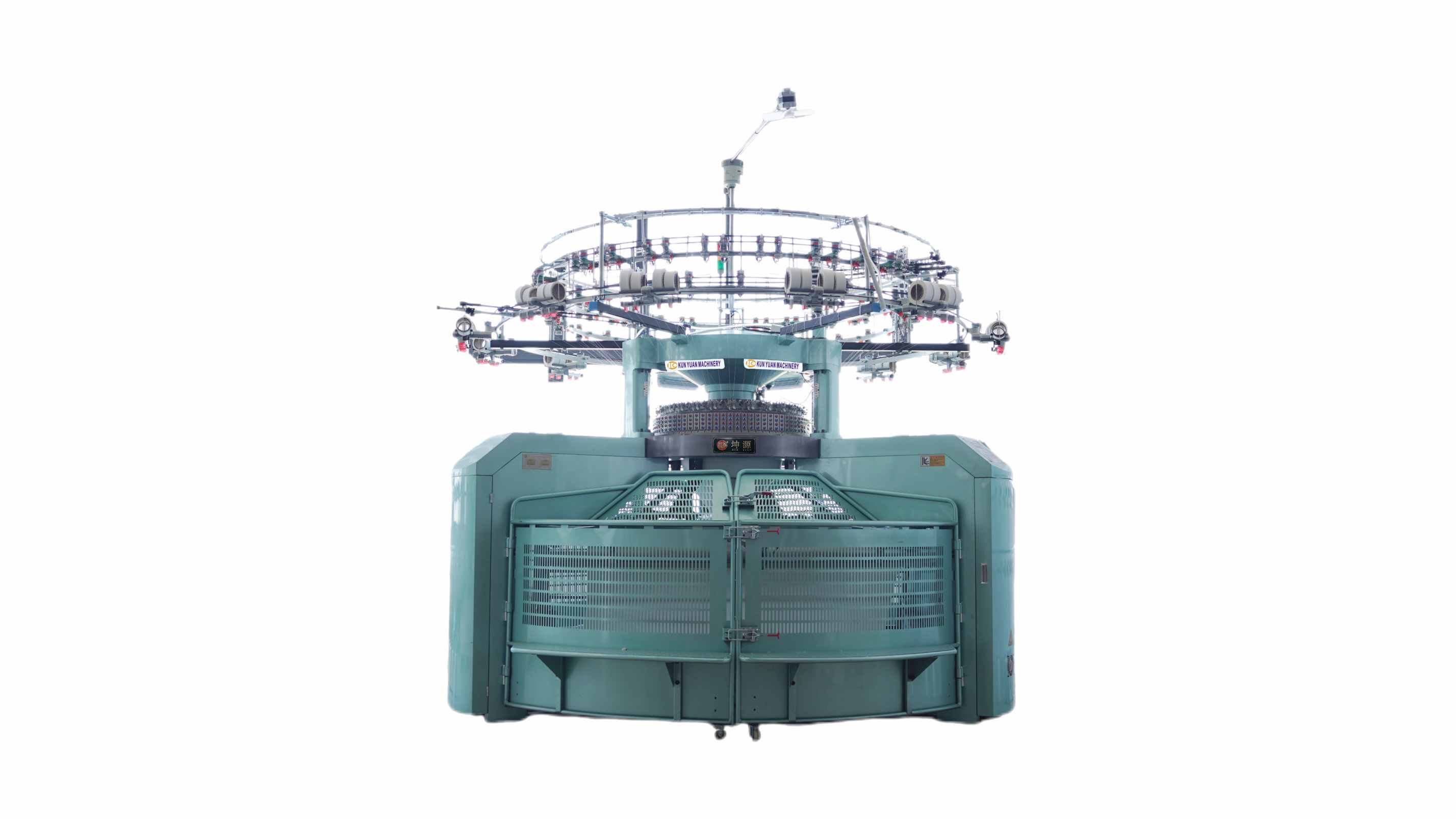
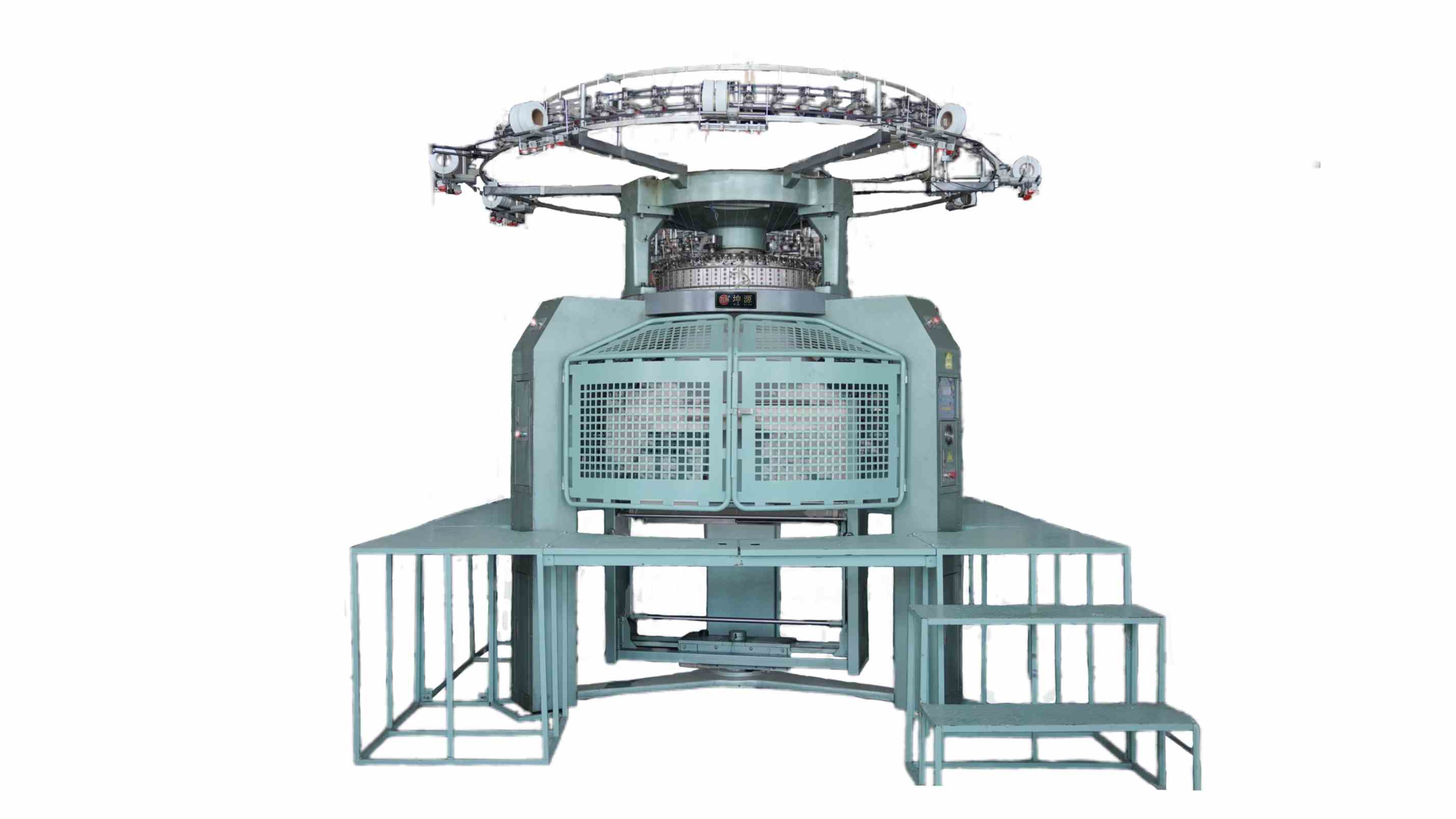
Use the size map while reviewing the body-size circular knitting machine range and ask for finished boundary garments tied to the exact program, yarn and make-up route.






 Tel: +86-13859034518
 Email: info@kunyuanmachine.com
 MP/WhatsApp: +86-13859034518
 Manufacturer Address:Bacuo Village, Yonghe Town, Jinjiang City, Fujian Province