

Hot Keyword:
Author:KUNYUAN Machine Manufacturer TIME:2026-08-28
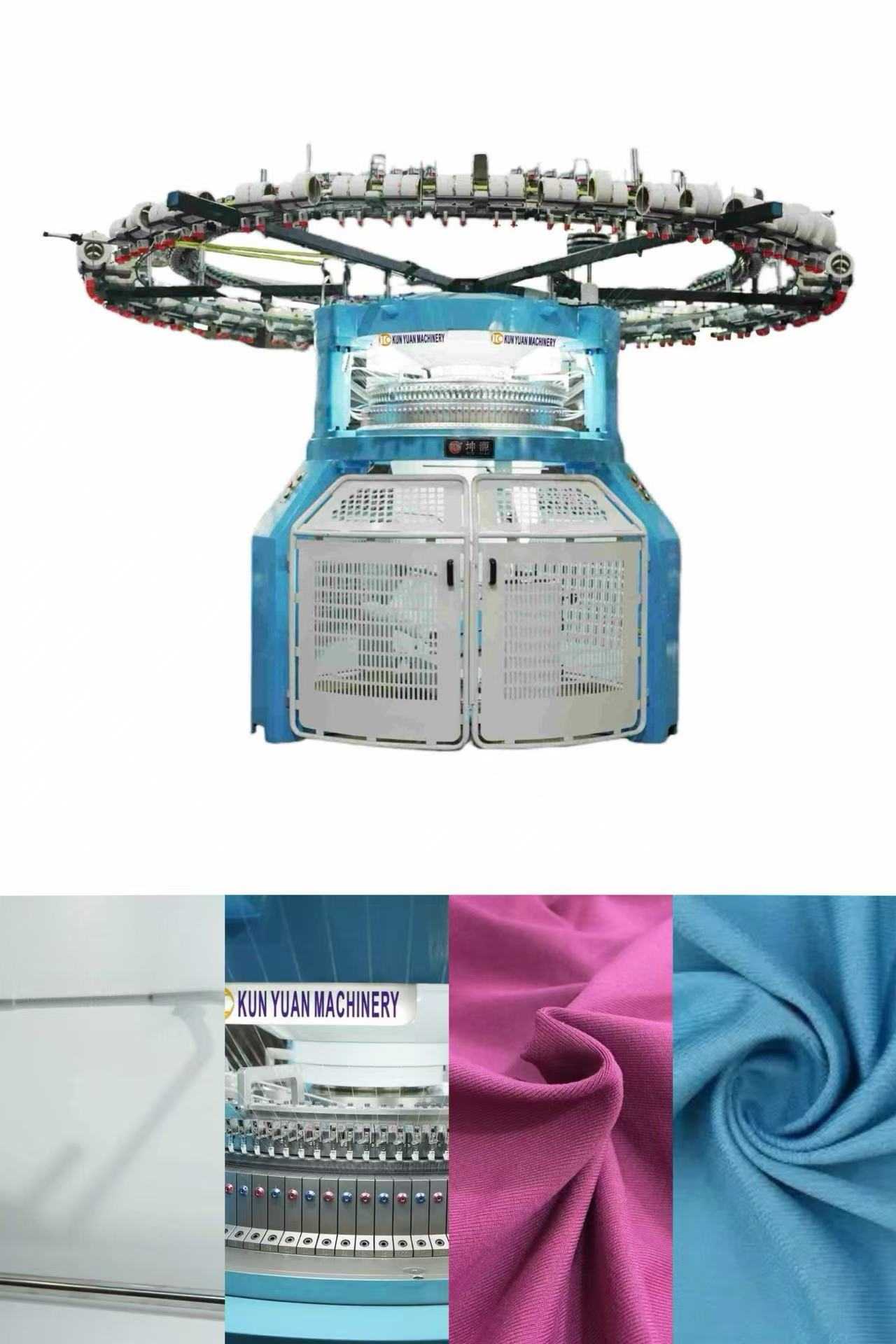
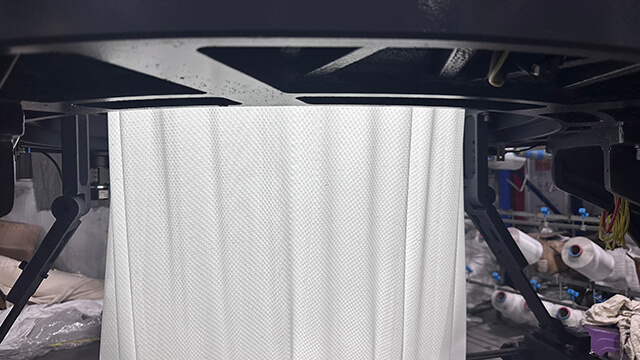
Circular knitting may supply yardage, body-size tubes or more engineered garment pieces depending on the platform. The right route depends on style architecture, size range, openings, pattern placement, yarn behaviour and the work that remains after knitting.
Lay the finished sweater flat and mark body, sleeves, neckline, shoulder, hem, cuffs and every seam. Note where shaping occurs, how stripes or jacquard align and which parts are circular-knit, flat-knit, cut, linked or sewn. This prevents the word seamless from erasing real make-up work.
Compare two practical routes below. Neither is universally superior: yardage can offer cutting flexibility, while body-size knitting can reduce selected cuts and side seams. The machine must be matched to the route and size architecture actually sold.
Include the assortment plan. Crew neck, cardigan, drop shoulder and fitted styles do not share the same component and opening logic. A machine route should be judged across the intended season, including colour and size changes, rather than approved from the easiest plain pullover in the collection.
Define tubular or open-width fabric, structure, usable width, weight, relaxation and shade consistency. The marker and cutting plan control size placement; sewing or linking builds body, sleeves and neckline.
This route can accommodate varied silhouettes, but cutting loss, seam labour and pattern matching must be measured. Inspect edge curl and distortion before assuming the roll will feed cleanly through cutting.
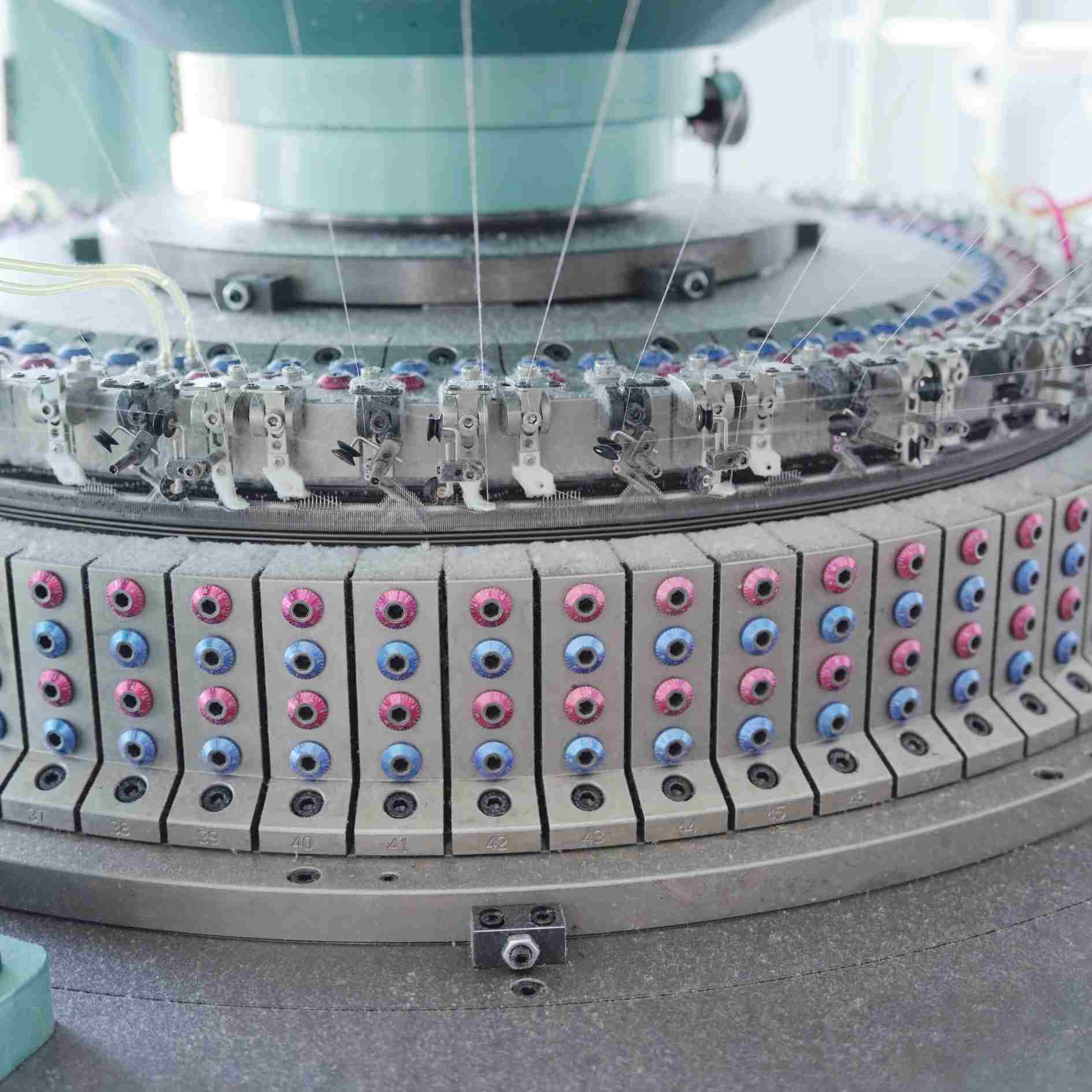
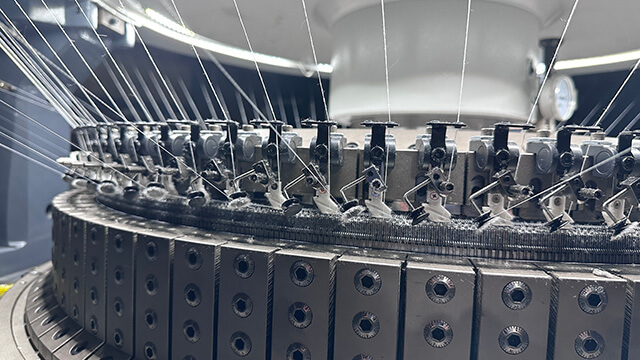
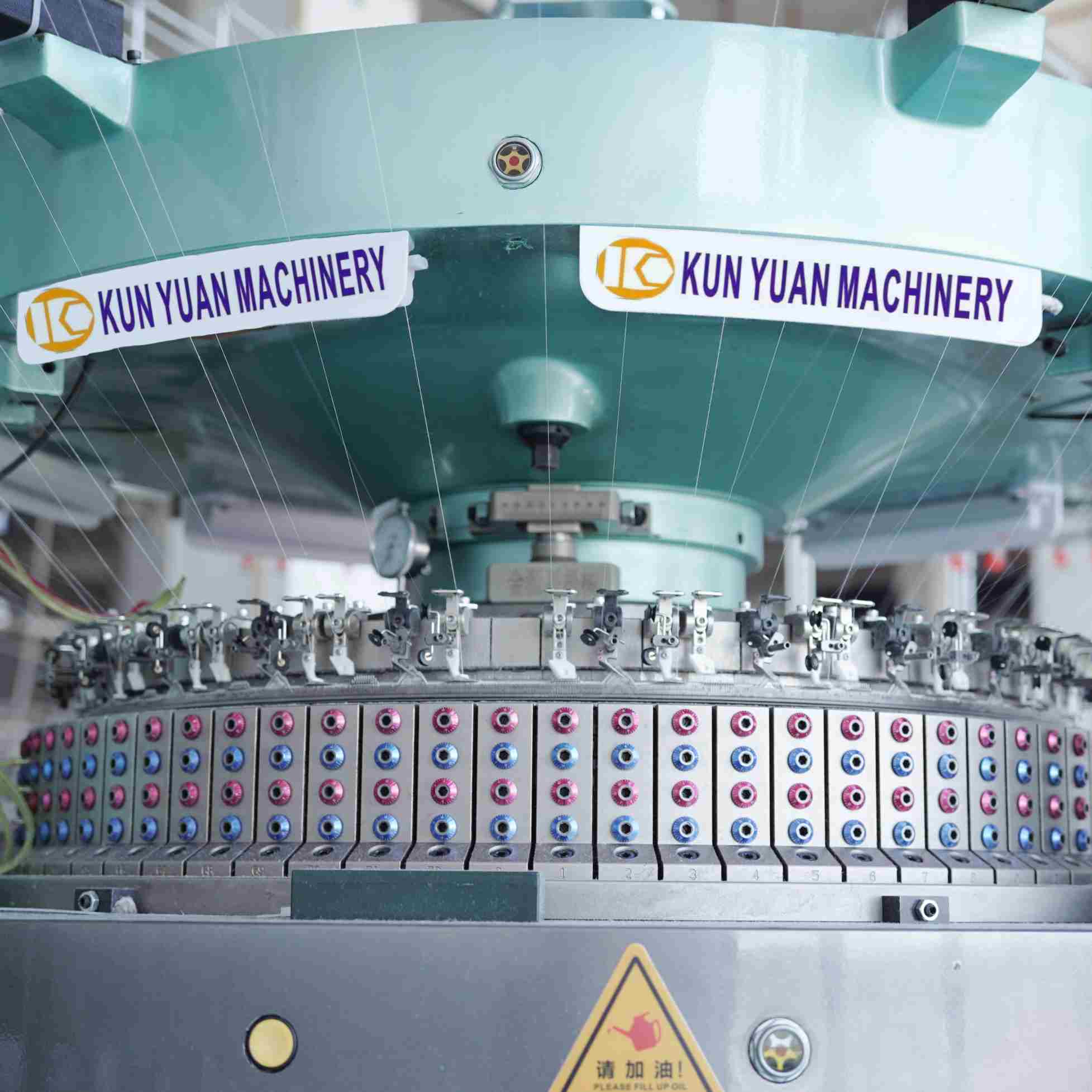
Assign body and sleeve circumference to exact cylinder or machine capability, then show which edges and openings remain. Programmed structures may reduce cutting without creating every neckline or shoulder automatically.
Trial boundary sizes and the style with the hardest stripe, jacquard, cuff or yarn. Record change parts, programs and manual steps between sizes.
Record chest, body length, sleeve length, opening dimensions and seam balance after the stated relaxation, washing or finishing process. Add stretch and recovery where the design depends on them.
Do not approve a tube measurement as a finished sweater size. Sewing tension, linking, wet processing and blocking can alter geometry.
Time knitting, size change, cutting, linking, sewing, finishing and inspection on the same style family. Record waste and rejected pieces by operation. A fast knitting rate can coexist with a slow neckline or sleeve-joining station.
Use accepted garments per scheduled hour and report the route bottleneck. That number supports staffing and delivery better than machine RPM alone.
| Decision | Yardage route | Body-size route | Evidence |
|---|---|---|---|
| Sizing | Marker and cut pieces | Tube/piece-machine mapping | Finished boundary sizes |
| Pattern | Cut alignment | Program/course placement | Joined full garment |
| Waste | Marker and edge loss | Separation/changeover loss | Measured material ledger |
| Labour | Cut, sew or link | Remaining openings and joins | Timed route card |
Capability varies. Many routes still require separation, openings, sleeves, shoulders, necklines or other joining.
Measure the actual marker, separation and rejected material; the answer depends on style and size mix.
Inspect course placement, side or joining alignment and finished dimensions on a complete garment.
The smallest and largest styles expose circumference, needle-count, program and make-up limits.
Use accepted finished sweaters per scheduled hour for the agreed route, not fabric or tube rate alone.
Circular knitting can support several sweater routes, but the garment architecture decides which one is valuable. Mapping knitting form, size, pattern, joining and finishing before machine selection reveals the real labour and the correct acceptance sample.
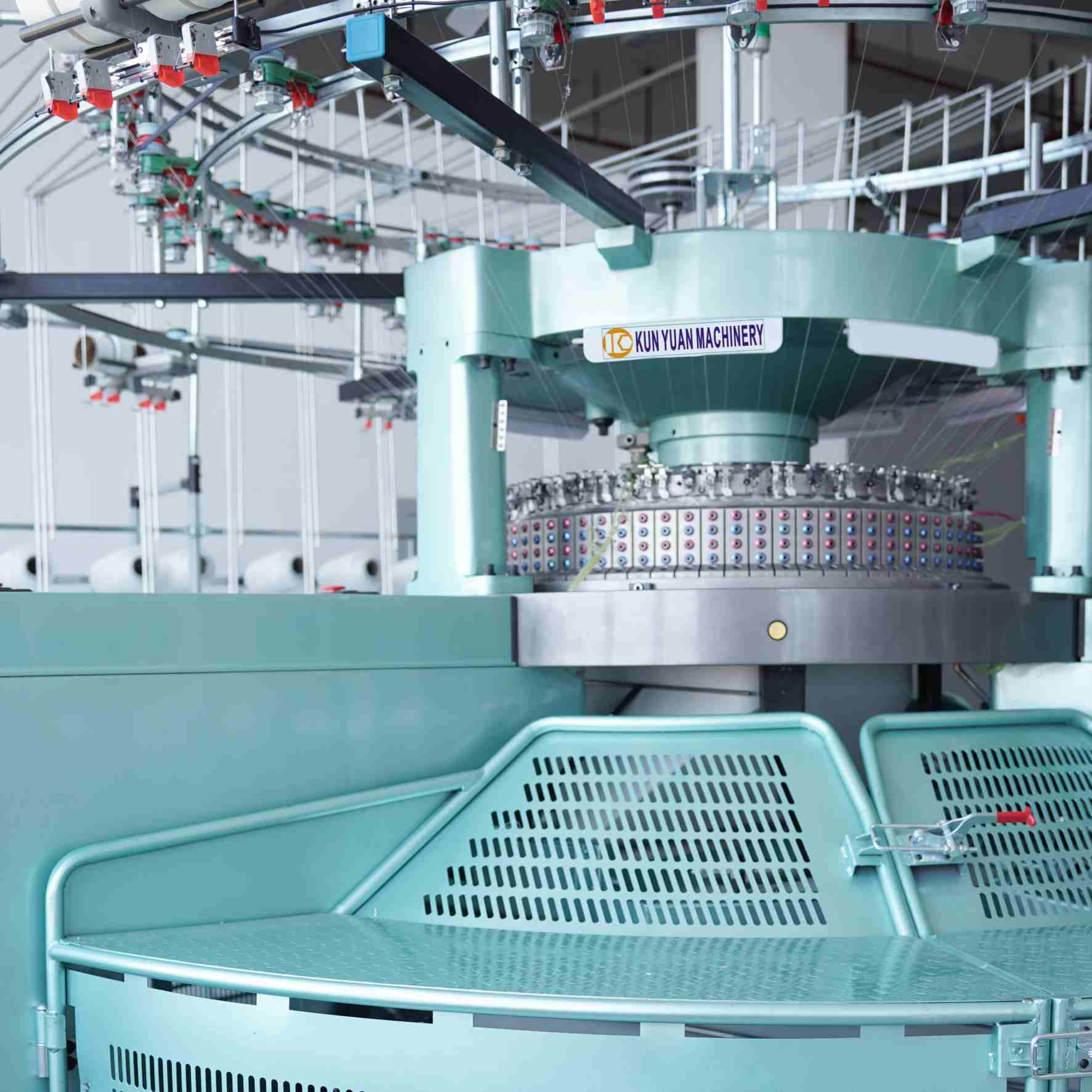
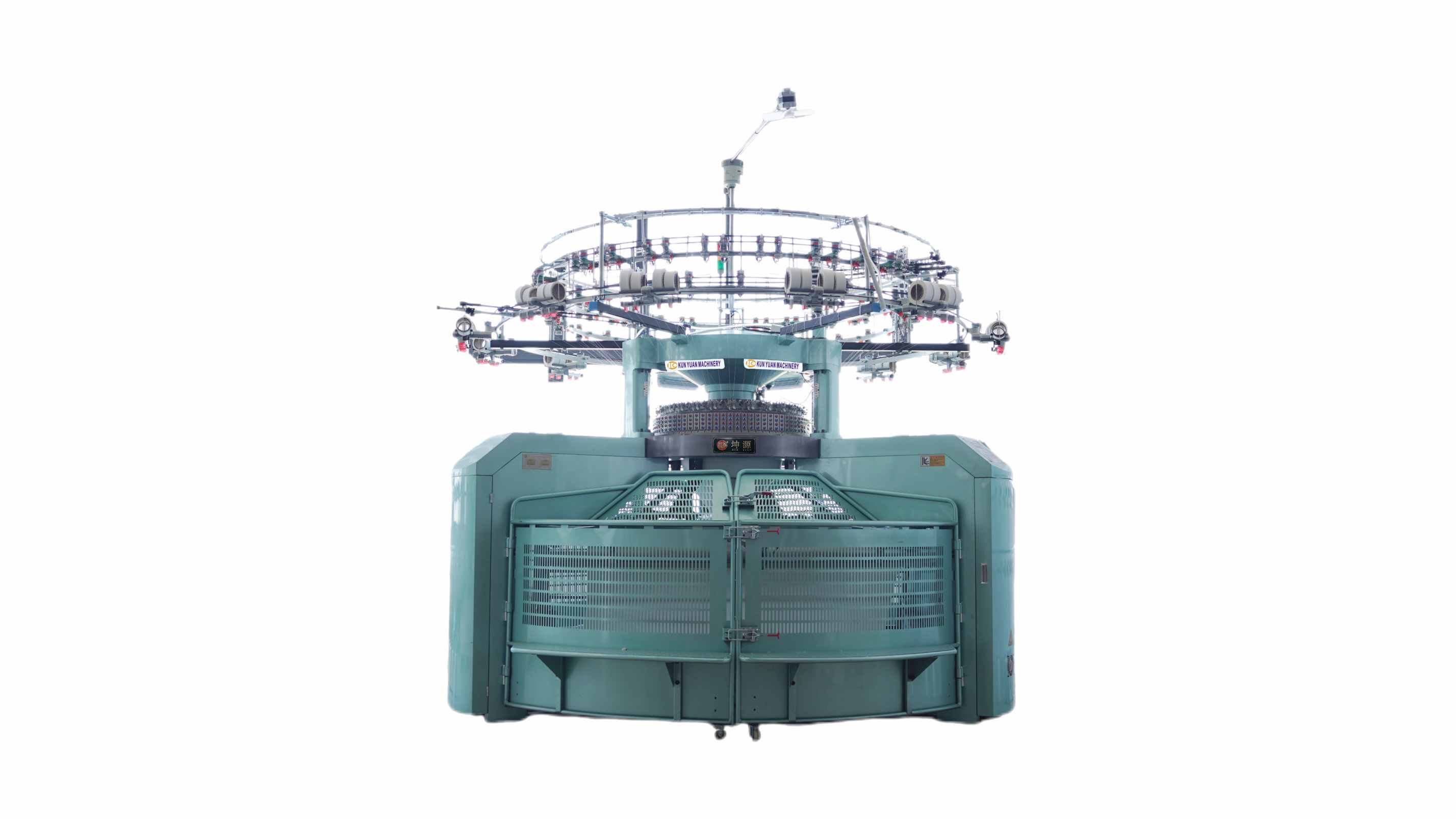
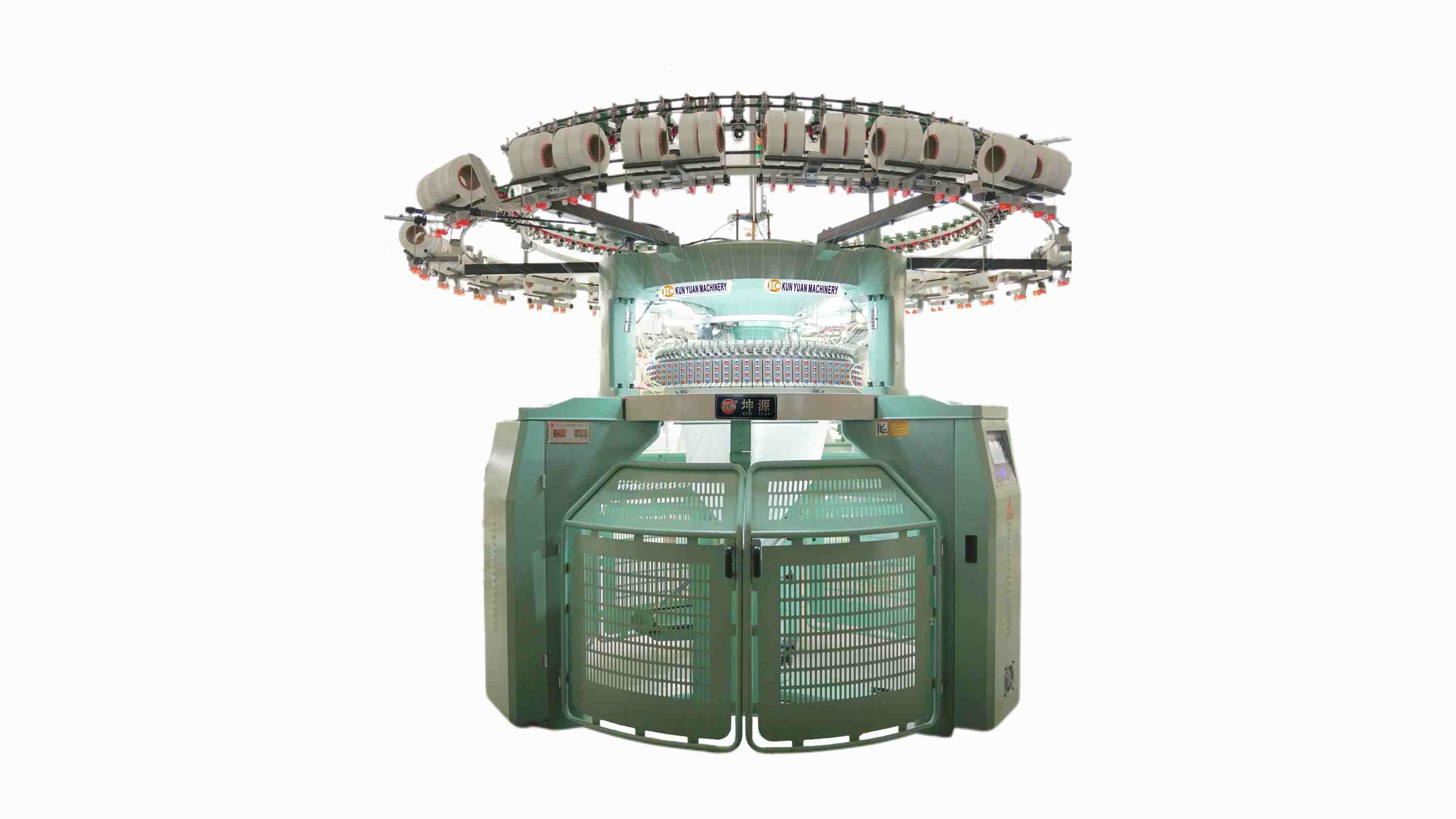
Use the route map while reviewing the body-size circular knitting machine range and require a complete finished boundary sweater rather than approving an isolated tube or swatch.

 Tel: +86-13859034518
 Email: info@kunyuanmachine.com
 MP/WhatsApp: +86-13859034518
 Manufacturer Address:Bacuo Village, Yonghe Town, Jinjiang City, Fujian Province