High-pile cost stackThe expensive metre is the one rejected after the surface is developed
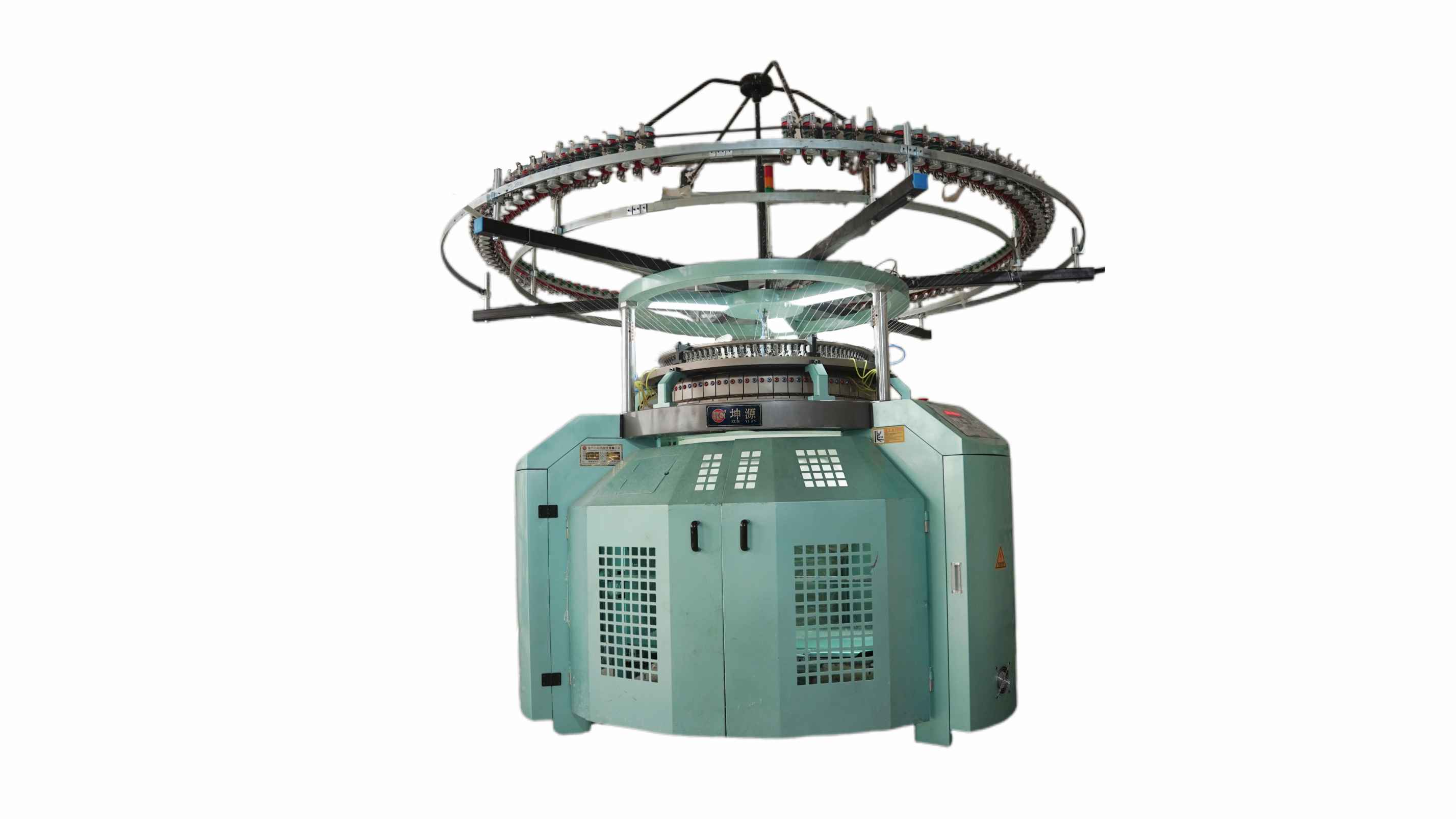
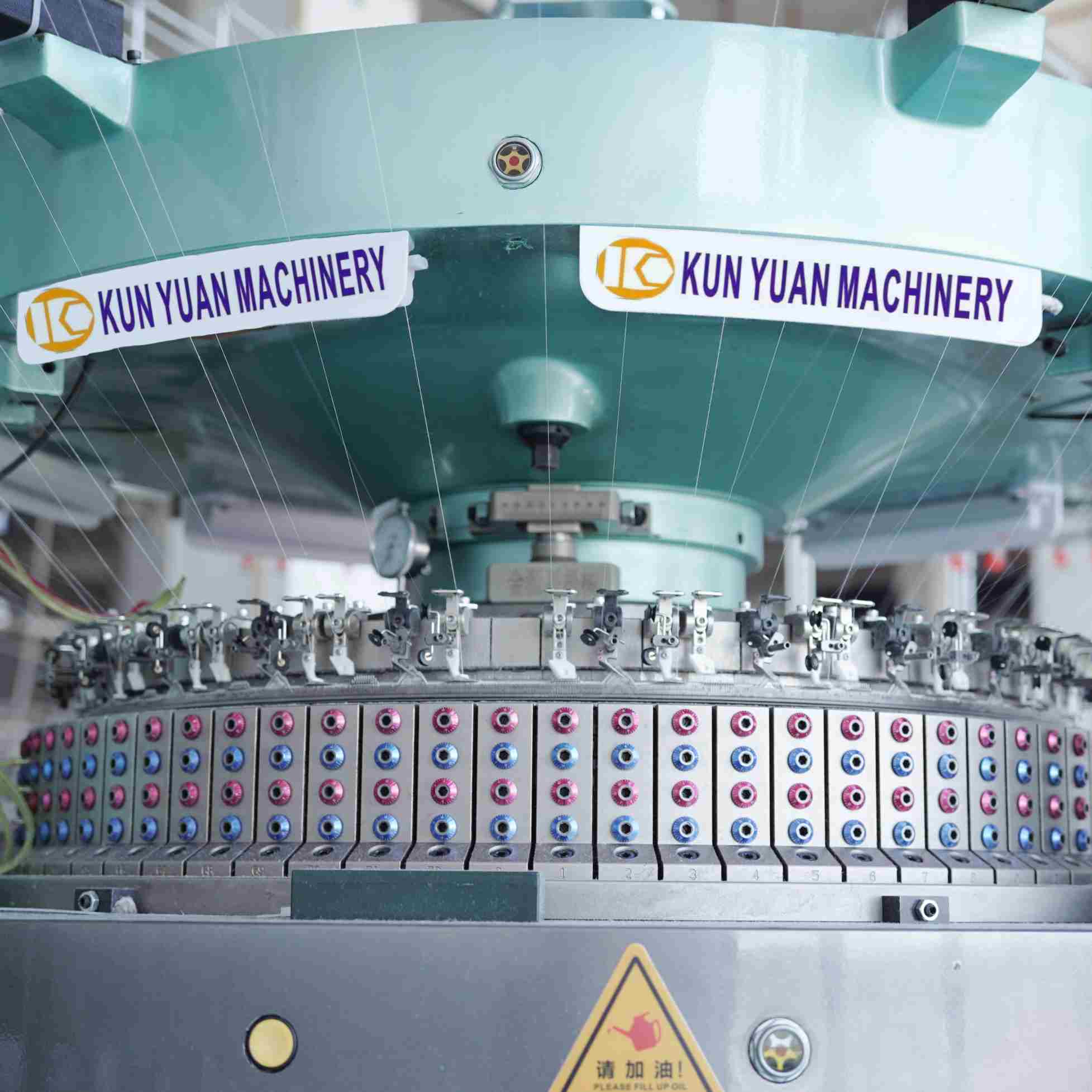
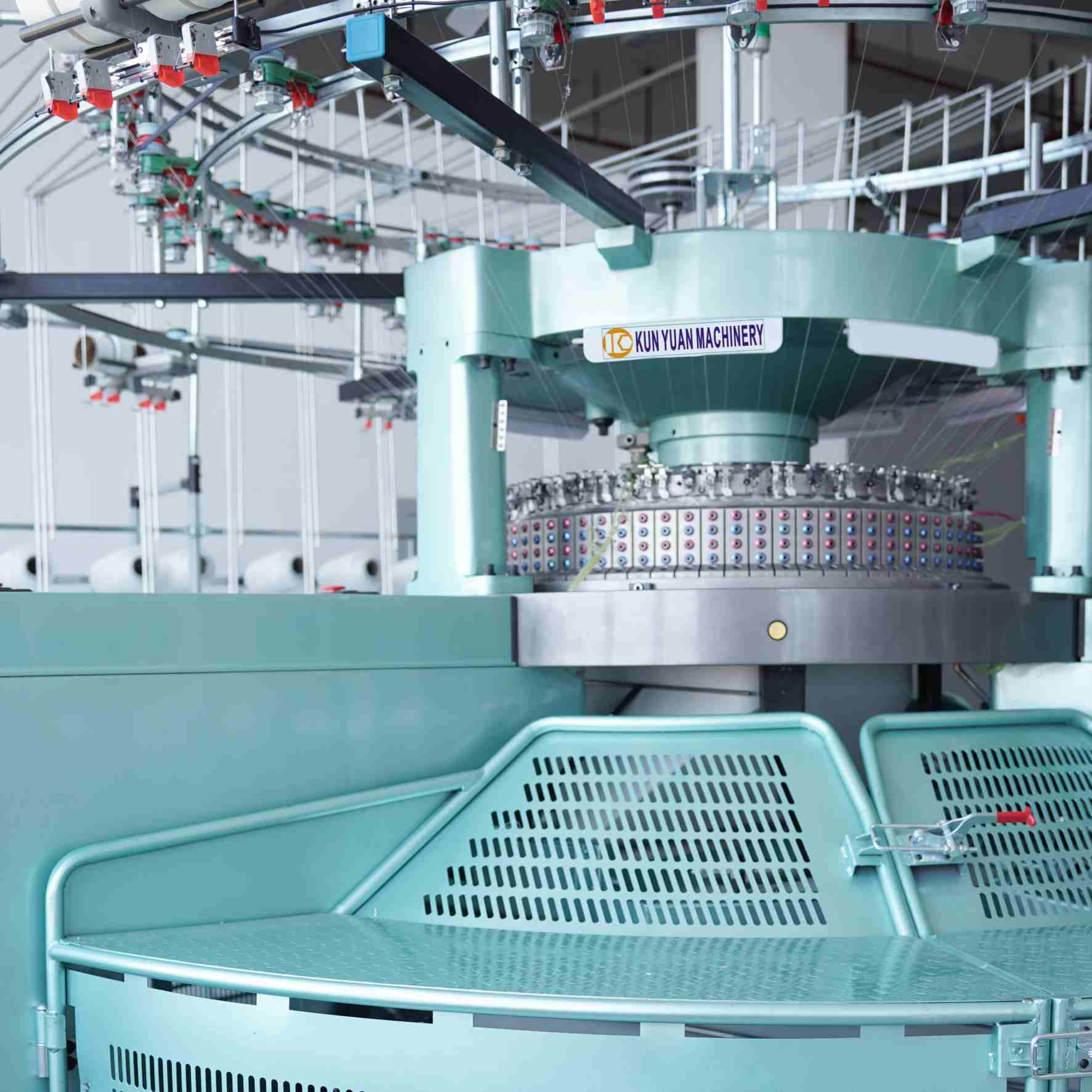
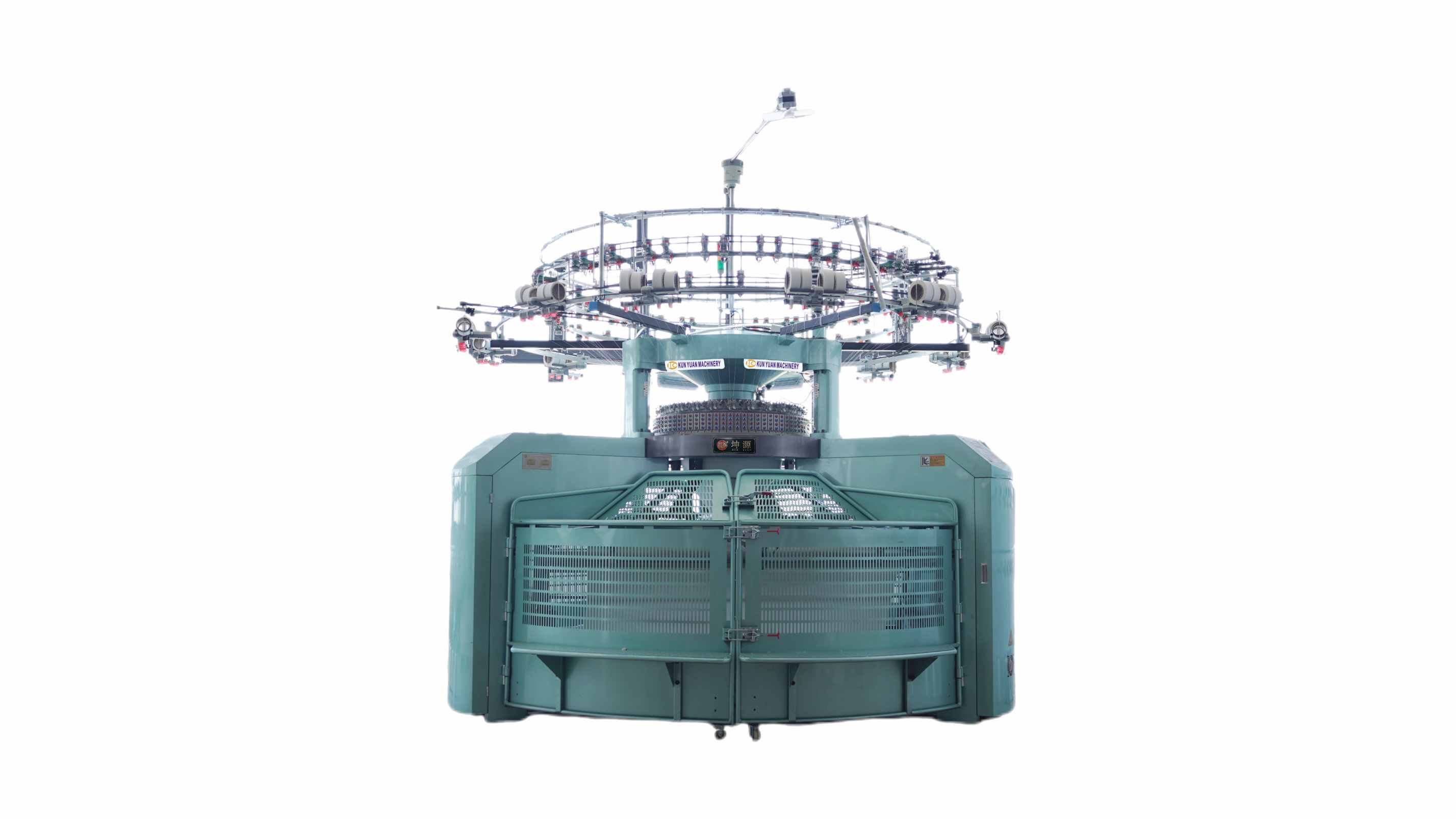
High-pile fabric can look acceptable in greige form and fail after loops are cut, sheared, brushed, dyed or otherwise finished. Machine selection and costing therefore need one ledger that follows material from yarn packages to the final visible surface.
Define the intended pile construction, ground and pile yarns, loop or pile target, finished weight and width, surface direction, colour route and end-use checks. Do not group terry, uncut loop, cut pile and brushed fleece as though the same setup and finishing sequence produced all of them.
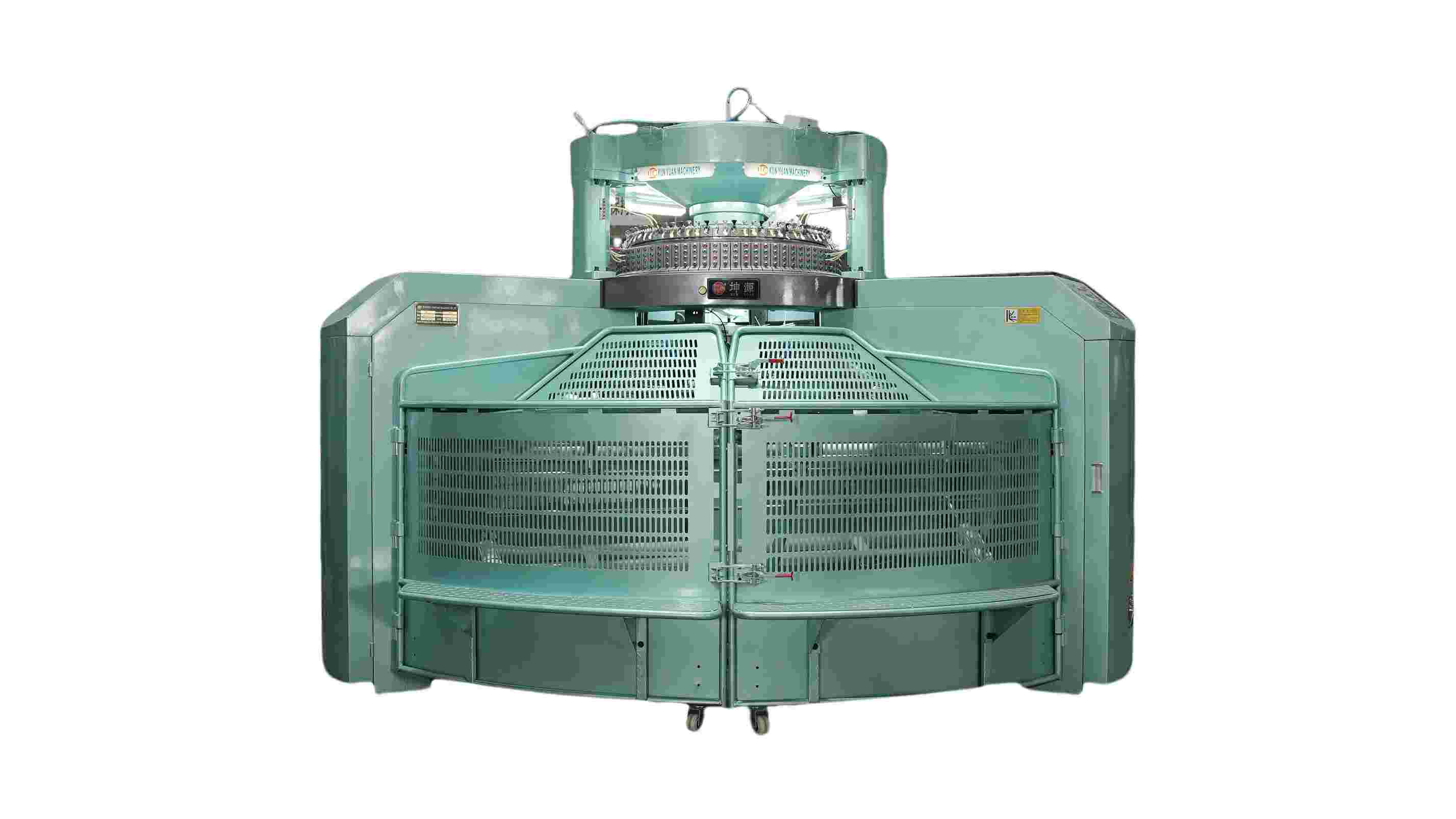
Build the budget in four layers: delivered knitting scope, development yarn and machine time, surface-development processing, and rejected or downgraded output. The first machine trial is an input to that budget, not the final quality decision.
Surface direction can affect panel shading and cutting layout. Specify whether the converter must keep pile orientation consistent and how that requirement is marked on the roll. The cost of reversing or mixing directions belongs in the route calculation, especially when garment panels or upholstery pieces are cut from separate roll positions.




 Tel: +86-13859034518
 Email: info@kunyuanmachine.com
 MP/WhatsApp: +86-13859034518
 Manufacturer Address:Bacuo Village, Yonghe Town, Jinjiang City, Fujian Province