Interlock quality is the result of two beds staying synchronized
The balanced appearance associated with interlock depends on the exact cylinder-and-dial knitting action, yarn delivery and withdrawal. Broad claims about smoothness or stability are useful only after both faces and the finished dimensions pass under a named recipe.
Draw the intended loop structure and needle set-out before setting the machine. Record yarn systems, gauge, stitch basis, width, weight, elastomer use, take-down and finishing route. Keep the construction separate from rib or other double-knit structures the machine may also support.
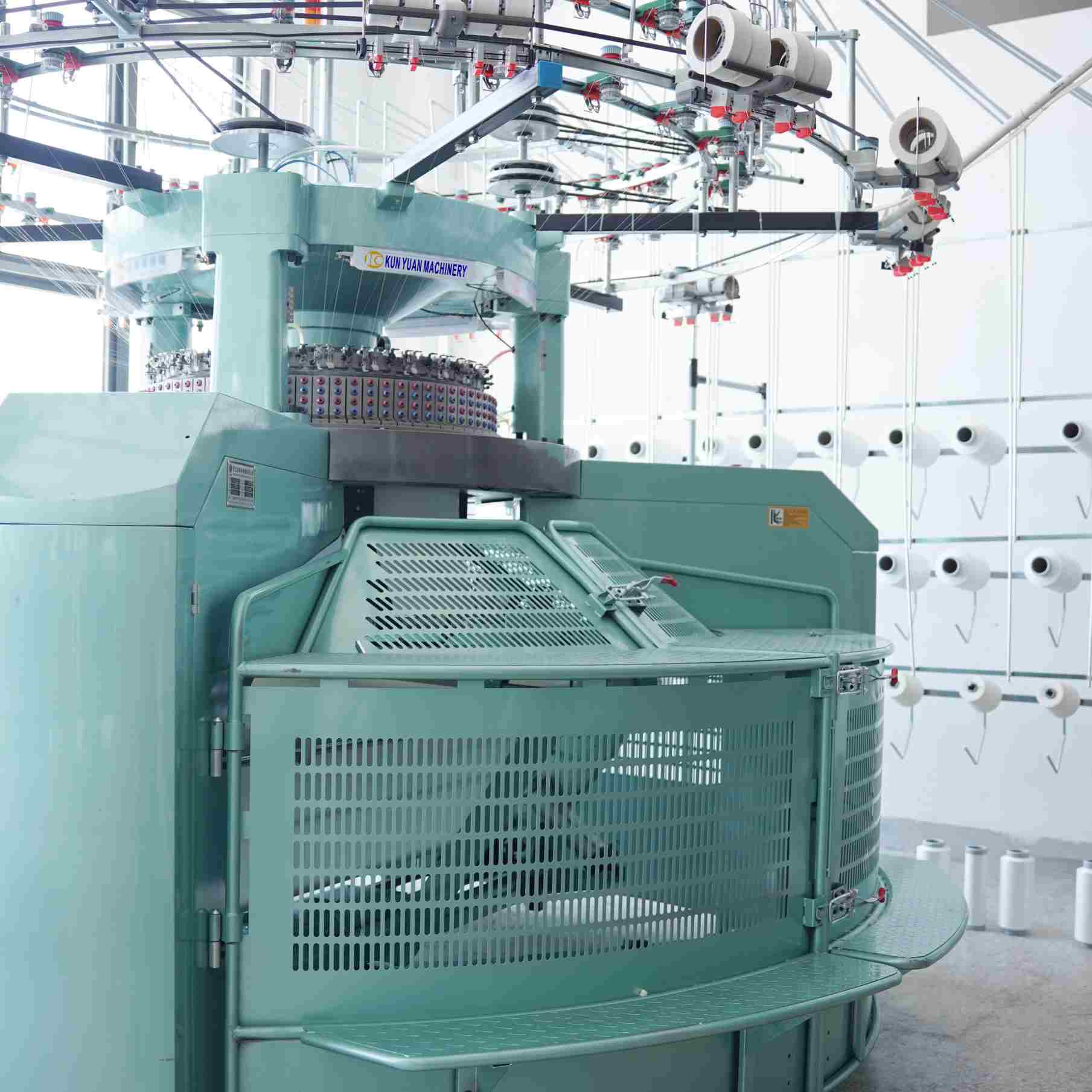
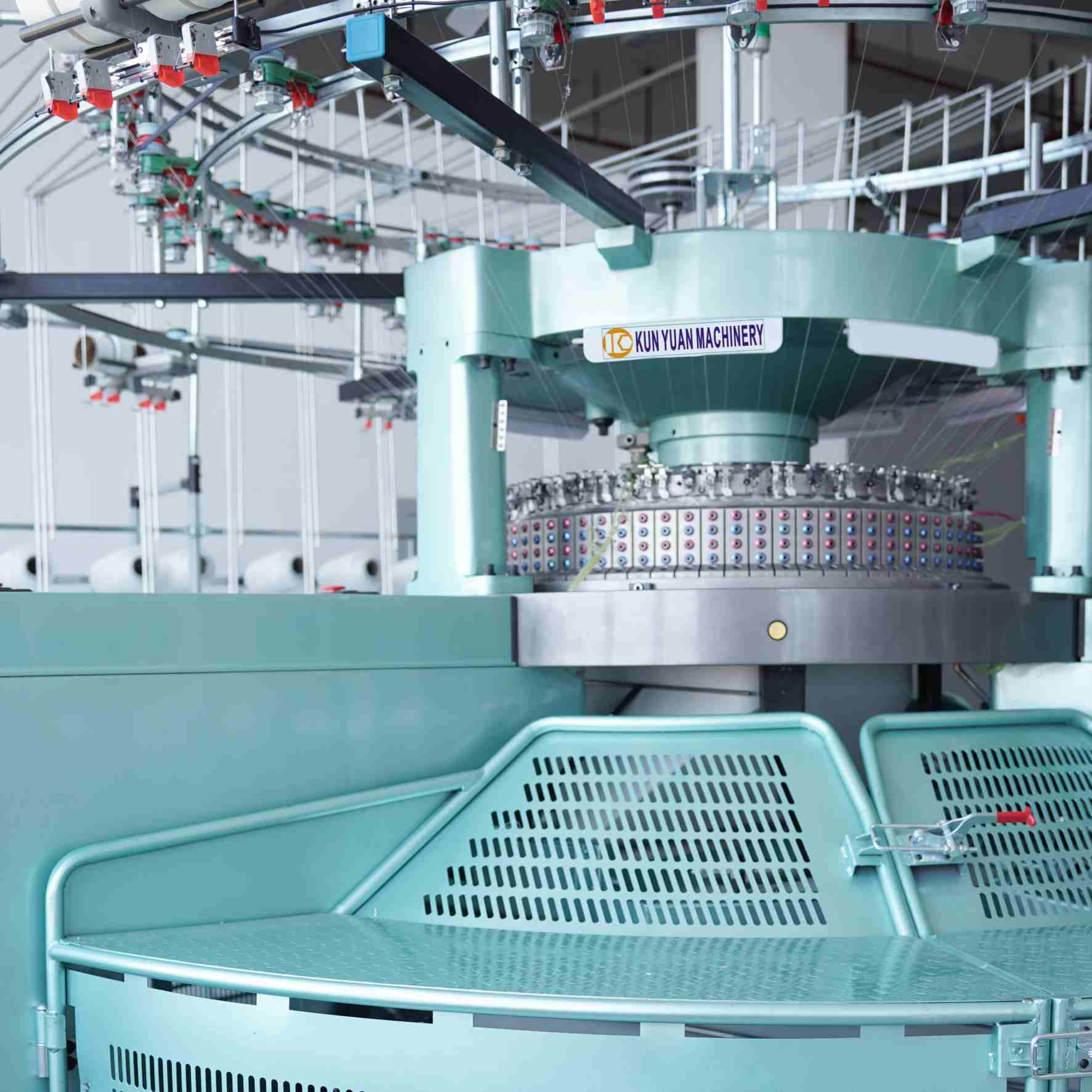
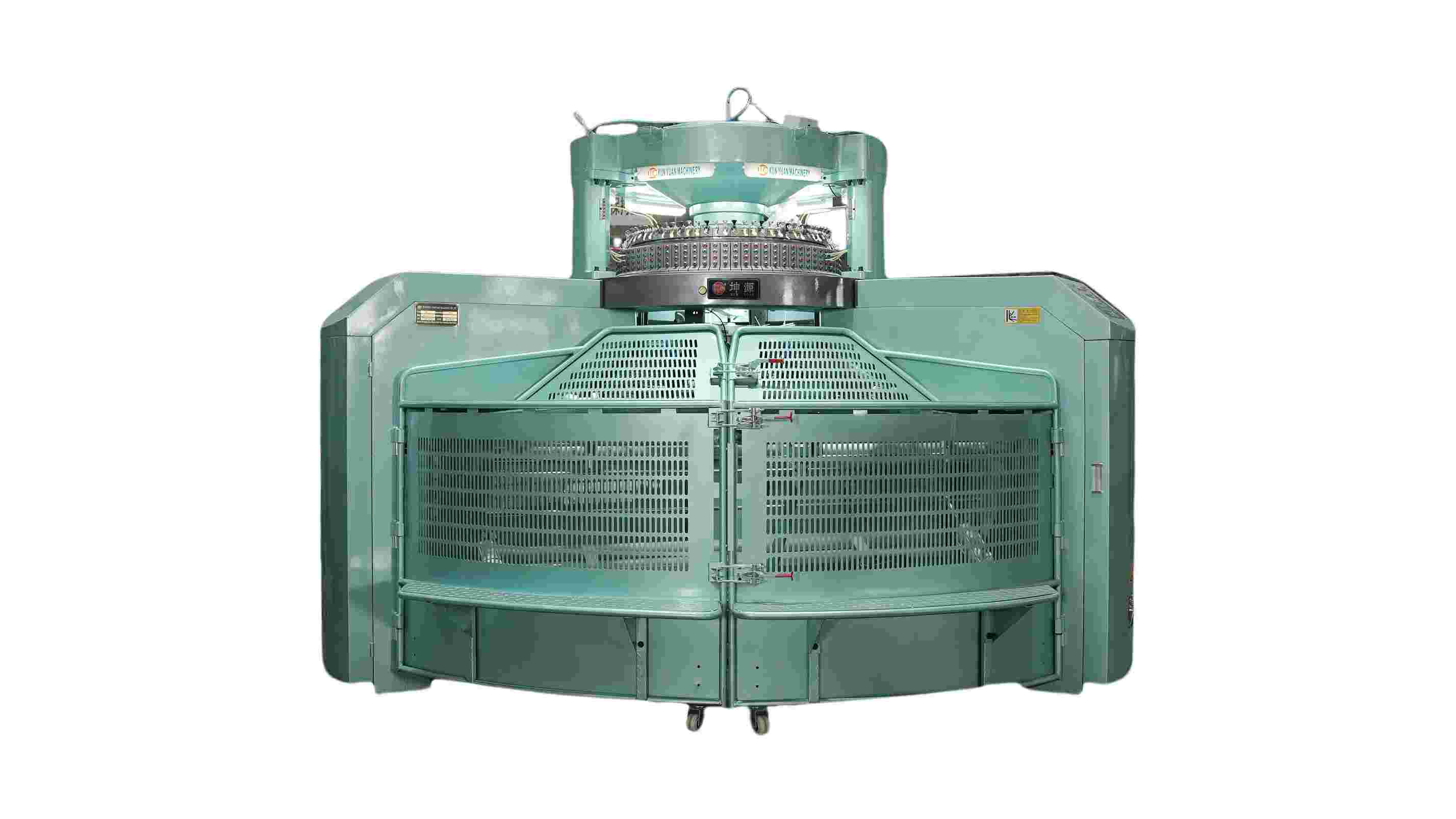
Published interlock models show different gauges, diameters, feeders and fabric-handling frames. Use those ranges to screen options, then rely on the offered build and buyer-yarn trial for acceptance.
Define what a process change is. A new yarn lot may need observation; a different set-out, elastomer role or finishing condition may require a fresh approval. Writing those triggers before production prevents operators from carrying an old sample standard into a fabric that only shares the interlock name.
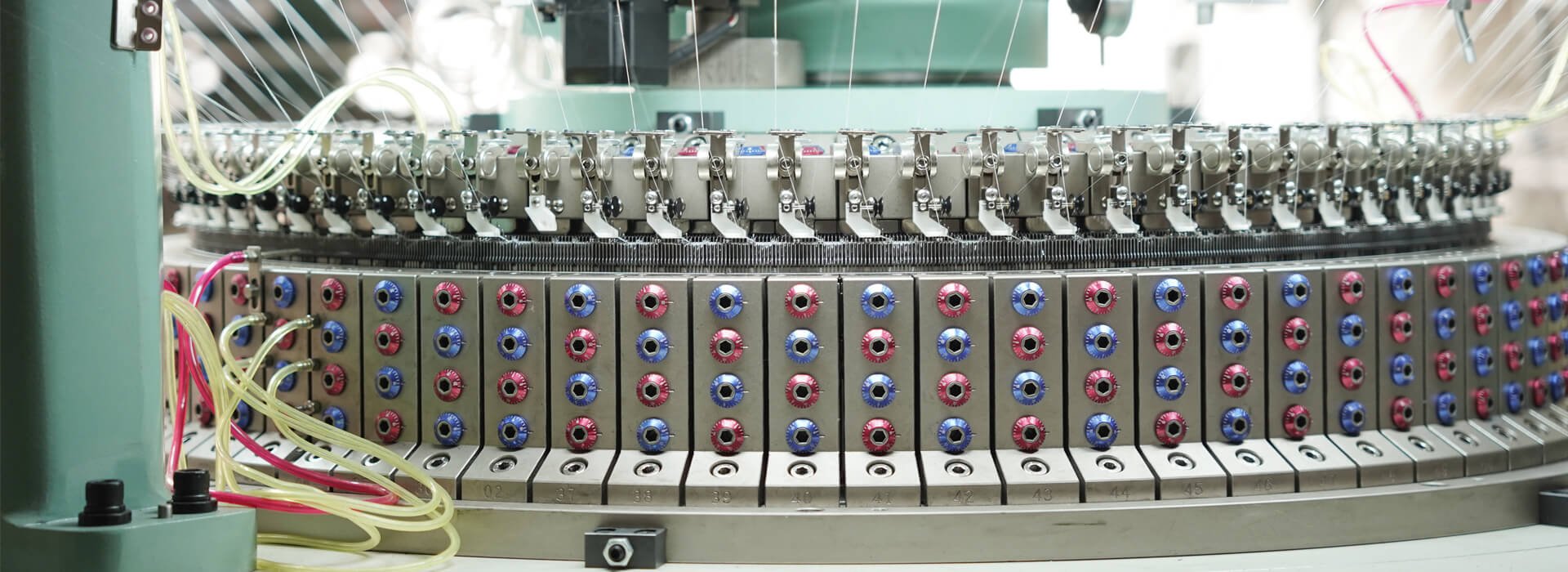
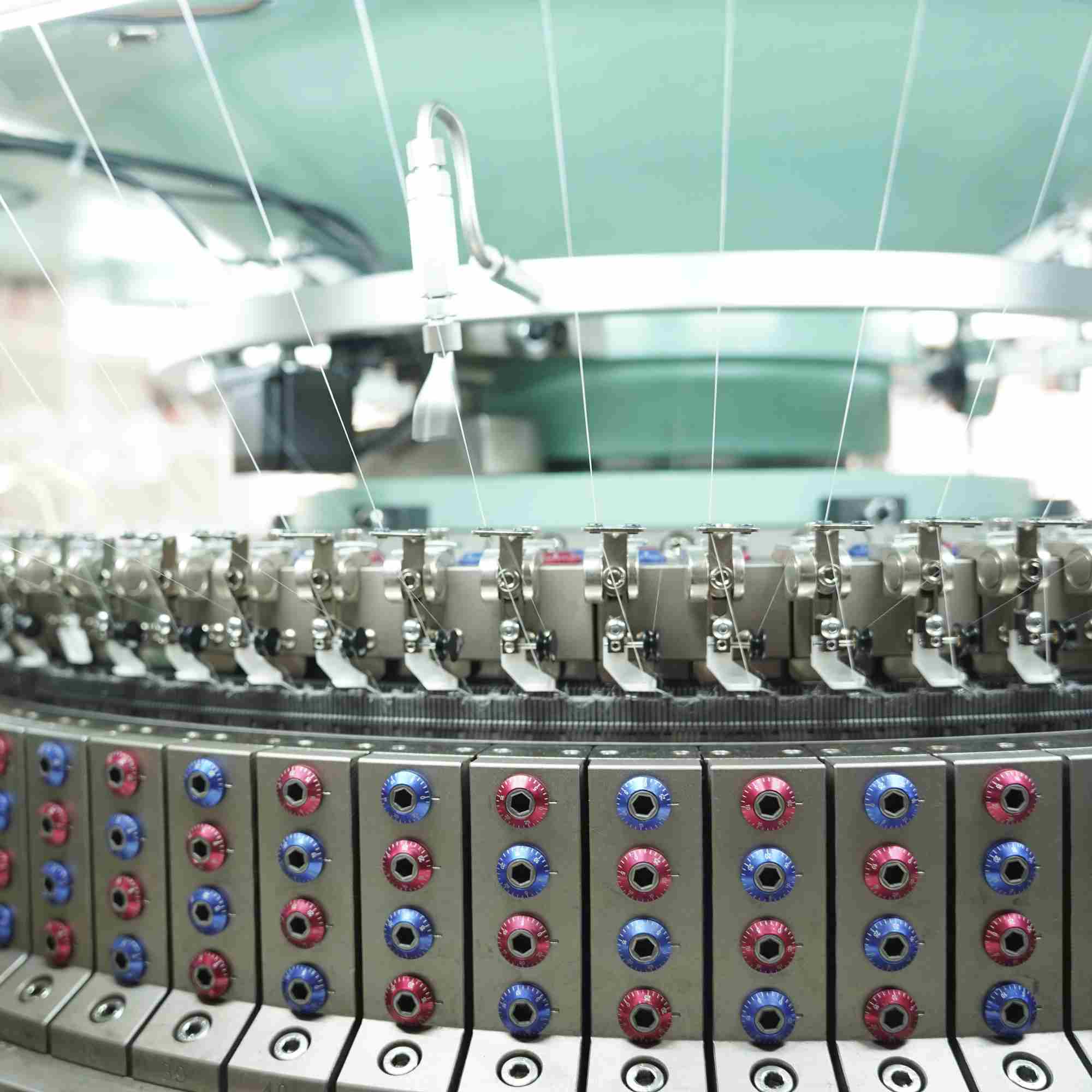
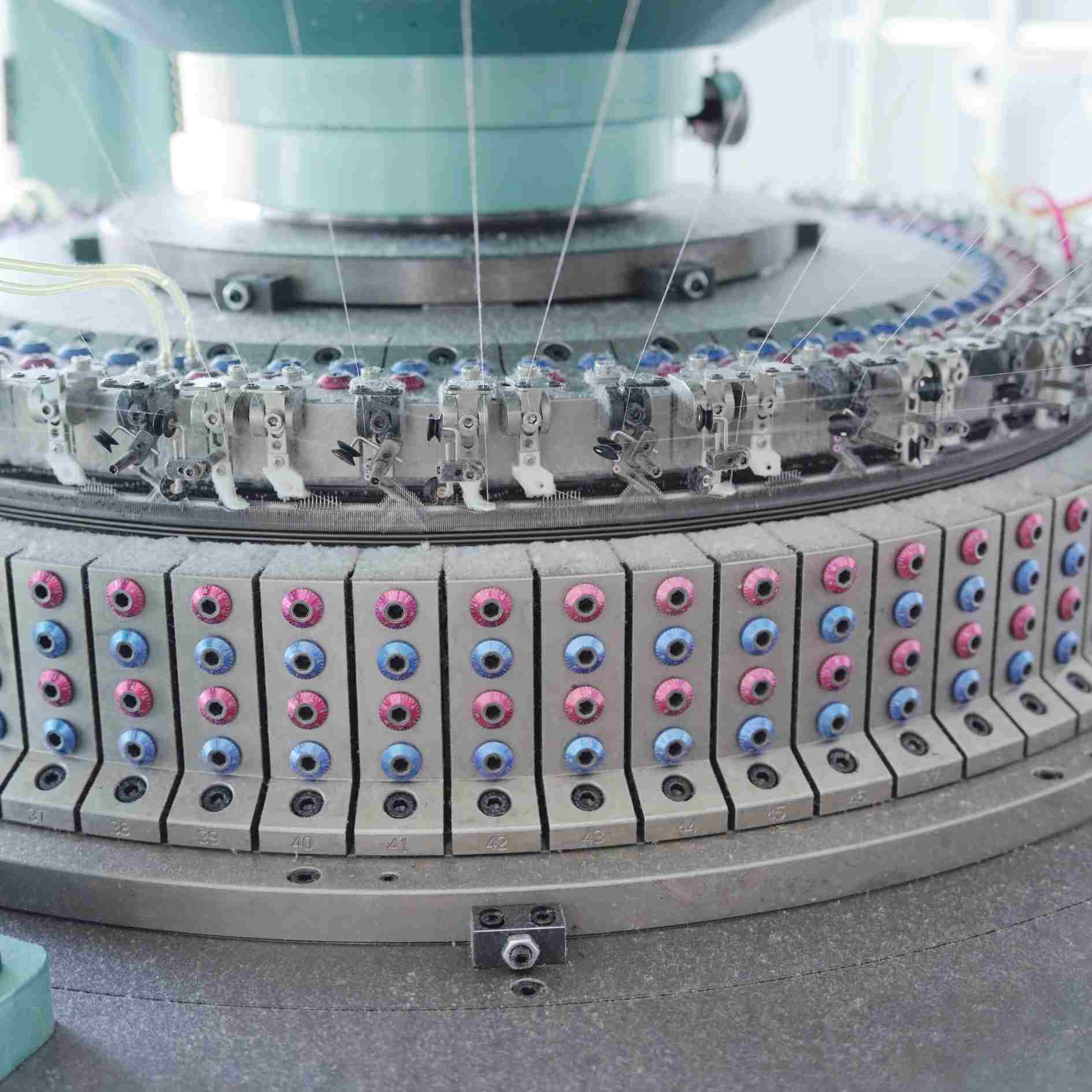
Cylinder and dial actions must be read together
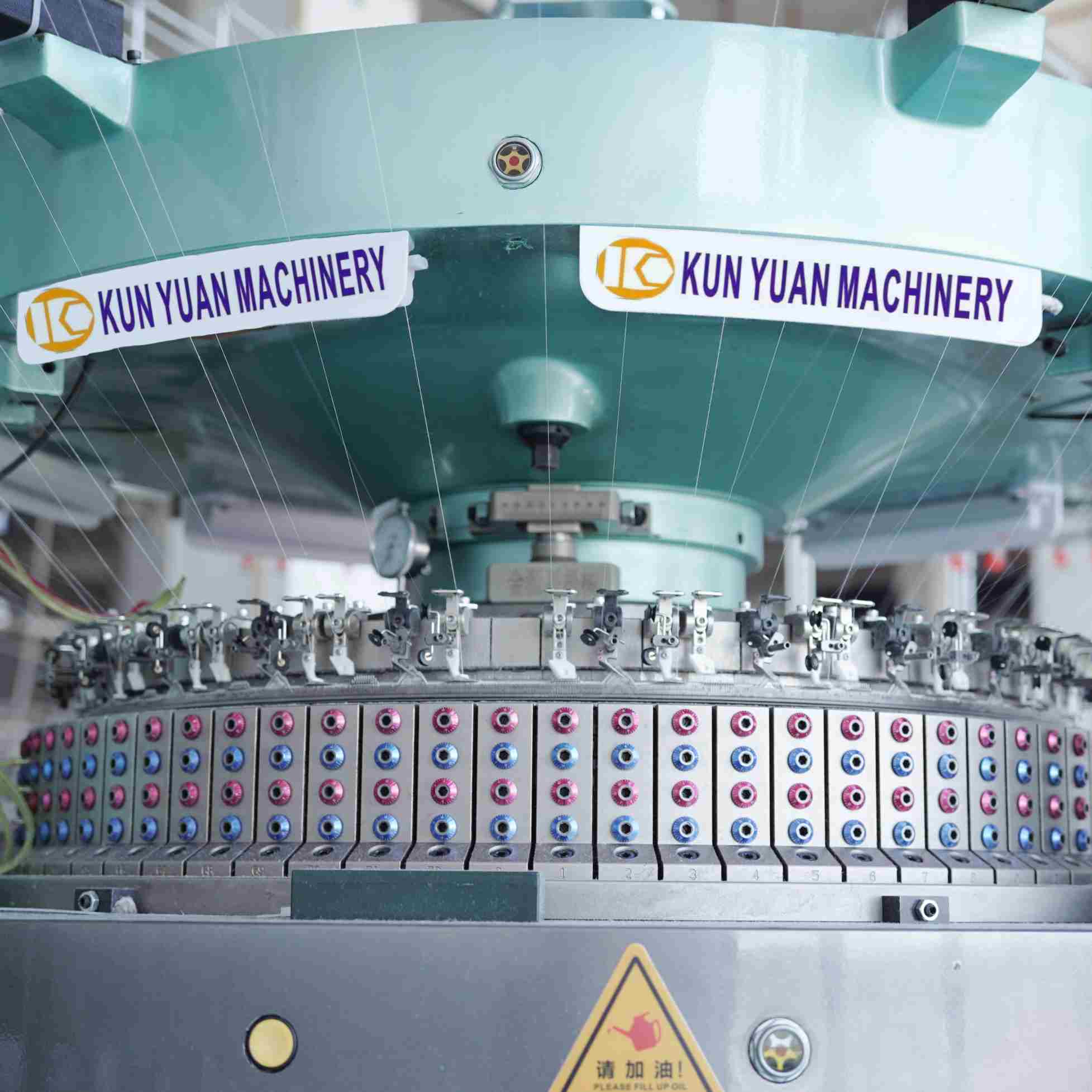
Identify which cylinder and dial needles knit at each system and how the selected set-out forms the intended interlock. Inspect both faces and mark machine direction. A missed action may appear differently on the technical reverse.
Timing values are model-specific. Record the technician's measured baseline and approved procedure rather than copying a universal clearance.
Feed consistency protects loop balance
Trace each yarn from package through guides and delivery device to the knitting point. Record yarn lot, material and role, especially where plating or elastomer is used.
Observe changes in package diameter, stops and restarts. An intermittent delivery event can create bands that resemble a mechanical timing problem.
Withdrawal can amplify a small two-bed imbalance
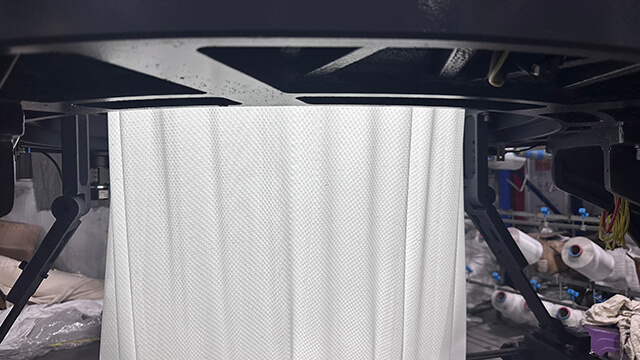
Link take-down and winding settings to the accepted stitch condition. Inspect the full width for crease, edge, barre and periodic marks rather than cutting only a centre swatch.
If open-width handling is part of the offered machine, accept it with the same fabric form and roll requirement intended for production.
Measure stability after relaxation and processing
Carry marked samples through the agreed dyeing, heat or relaxation route. Measure on one stated basis and compare both faces under consistent light.
A setting change that improves greige appearance but shifts finished width or hand is not a complete correction. Release the recipe only when the whole specification remains balanced and repeatable.
Treat two-bed action as one synchronized process.Separate yarn events from mechanical timing clues.Approve both faces after the intended finishing route.
Interlock process control matrix
Control field
Machine evidence
Fabric evidence
Decision
Bed action
Set-out and position record
Face/reverse loop field
Structure correct
Yarn feed
Lot, path and device state
No event-linked band
Delivery stable
Take-down
Setting and roll form
Full-width consistency
Handling accepted
Finish
Route and sample identity
Dimensions and appearance
Recipe released
Interlock process questions
Why inspect both faces?
Two-bed faults or plating differences may be clearer on one side, so both belong in the acceptance record.
Can timing be judged only from fabric?
Fabric guides diagnosis, but mechanical limits and measurements must follow the exact machine documentation.
What can cause interlock bands?
Yarn delivery, bed action, take-down, restarts and finishing can all contribute; use repeat and position evidence.
Is interlock always dimensionally stable?
The construction can offer useful stability, but yarn, settings and finishing still determine the actual result.
What proves the process is controlled?
A documented recipe must reproduce both-face appearance and finished dimensions through a normal restart.
Conclusion
Interlock benefits are outcomes, not automatic machine features. Controlling two-bed action, yarn delivery, withdrawal and finishing as one traceable process protects both fabric faces and makes a repeat run meaningful in production.




 Tel: +86-13859034518
 Email: info@kunyuanmachine.com
 MP/WhatsApp: +86-13859034518
 Manufacturer Address:Bacuo Village, Yonghe Town, Jinjiang City, Fujian Province