

Hot Keyword:
Author:KUNYUAN Machine Manufacturer TIME:2026-08-28
Machine gauge describes needle density, but it does not by itself choose the yarn, prove a rib or interlock structure, or predict finished weight. For double-knit work, the cylinder and dial systems, needle specification, yarn package and finishing response must be read together.
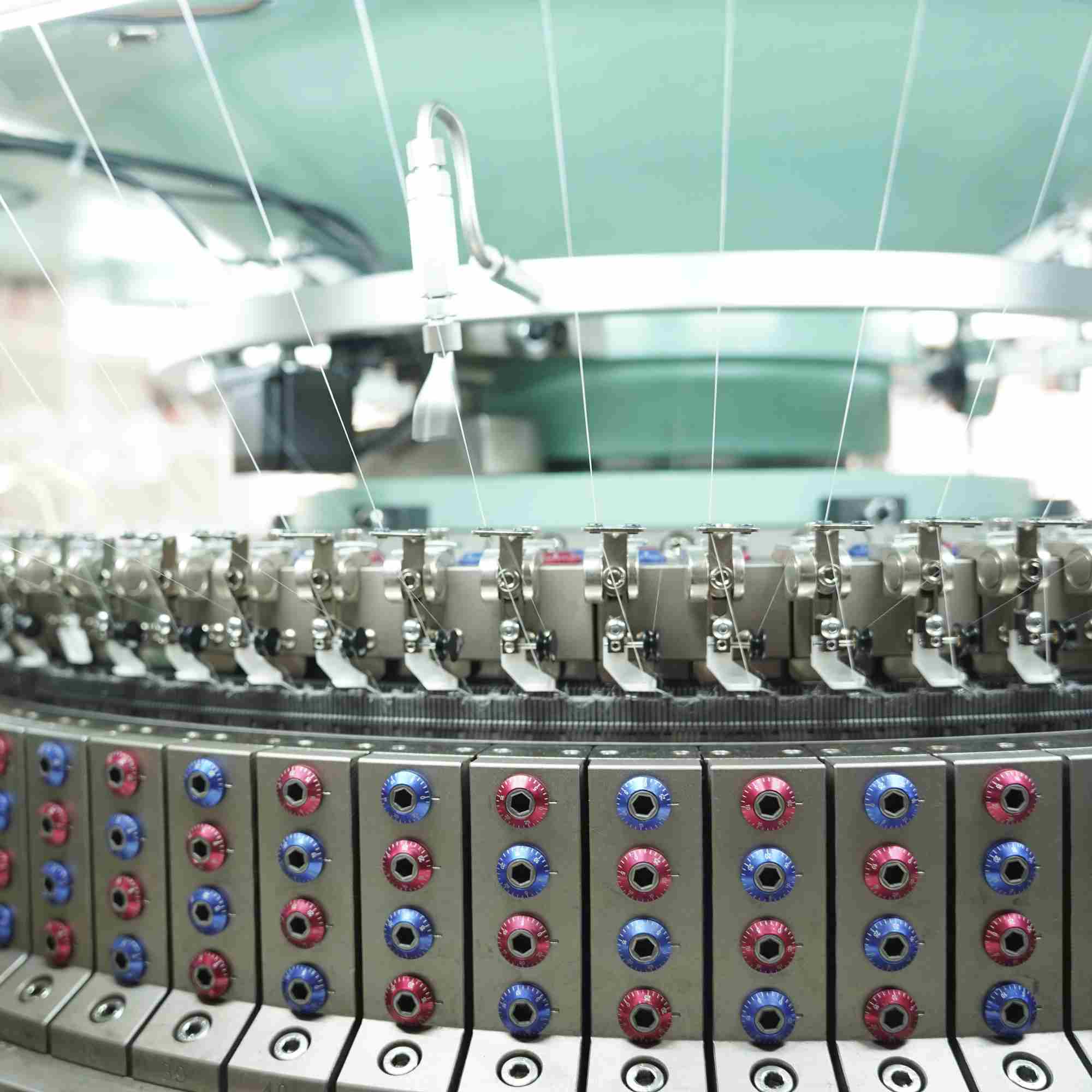
Gauge is commonly expressed as needles per inch around the needle bed. A higher number generally means closer needle spacing, but that relationship is only the beginning. Needle shape, hook and latch geometry, cylinder diameter, dial arrangement and the chosen structure determine whether the planned yarn can knit without excessive stress or poor loop formation.
Do not convert a competitor's fabric into a gauge by appearance alone. Identify the construction first: 1×1 rib, 2×2 rib, interlock, modified double knit, plated elastane or another route. Then measure the actual yarn and finished fabric. A coarse-looking surface can come from structure and yarn bulk, while a visually fine surface may still need room for more than one yarn.
| Gauge direction | Likely buyer objective | Questions before model selection | Trial evidence |
|---|---|---|---|
| Coarser needle spacing | Bulkier yarns, pronounced ribs, heavier or open structures | Can the needle and cam path handle the yarn bulk and required rib repeat? | Loop clearance, yarn damage, stretch and finished stability |
| Middle gauge region | General rib/interlock fabrics across several apparel uses | Which cylinder/dial arrangement and yarn range are approved on the exact model? | Both fabric faces, recovery, weight and roll uniformity |
| Finer needle spacing | Finer yarns and smoother, denser surfaces | Are needle care, yarn quality, lint control and alignment suitable for the planned run? | Needle lines, barre, holes, heat and post-finish appearance |
This chart deliberately avoids a universal yarn-count conversion. Suppliers use different needle systems and model limits, and mills use different fibre blends, plies and finishing routes. Ask for the maker's gauge/yarn guidance for the exact build, then prove the chosen point with production yarn.
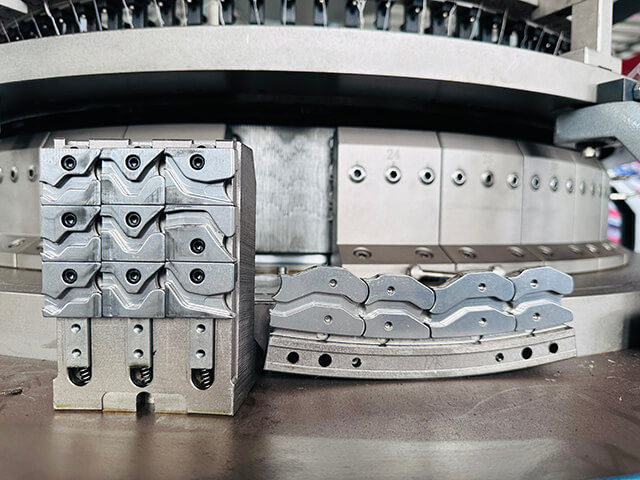

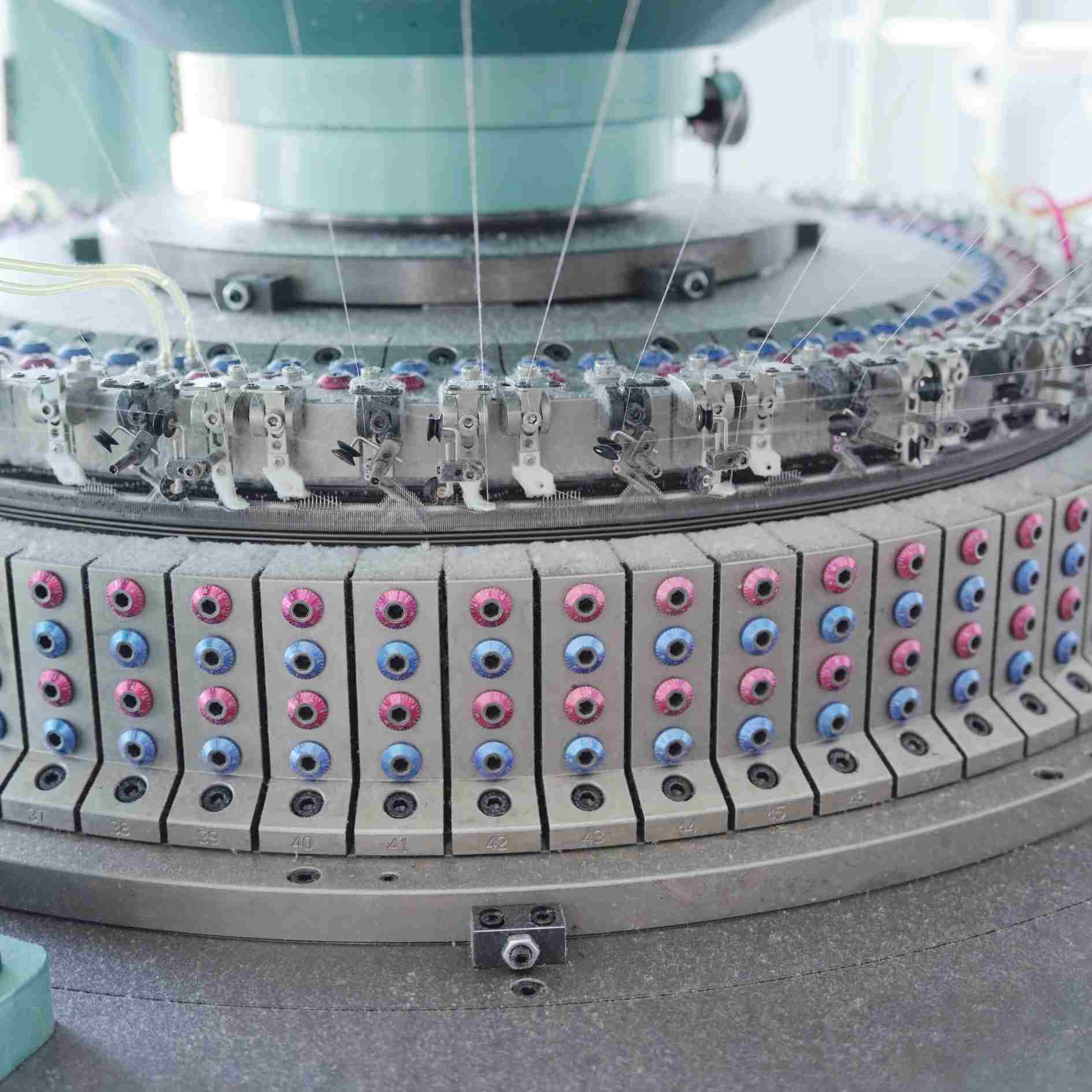
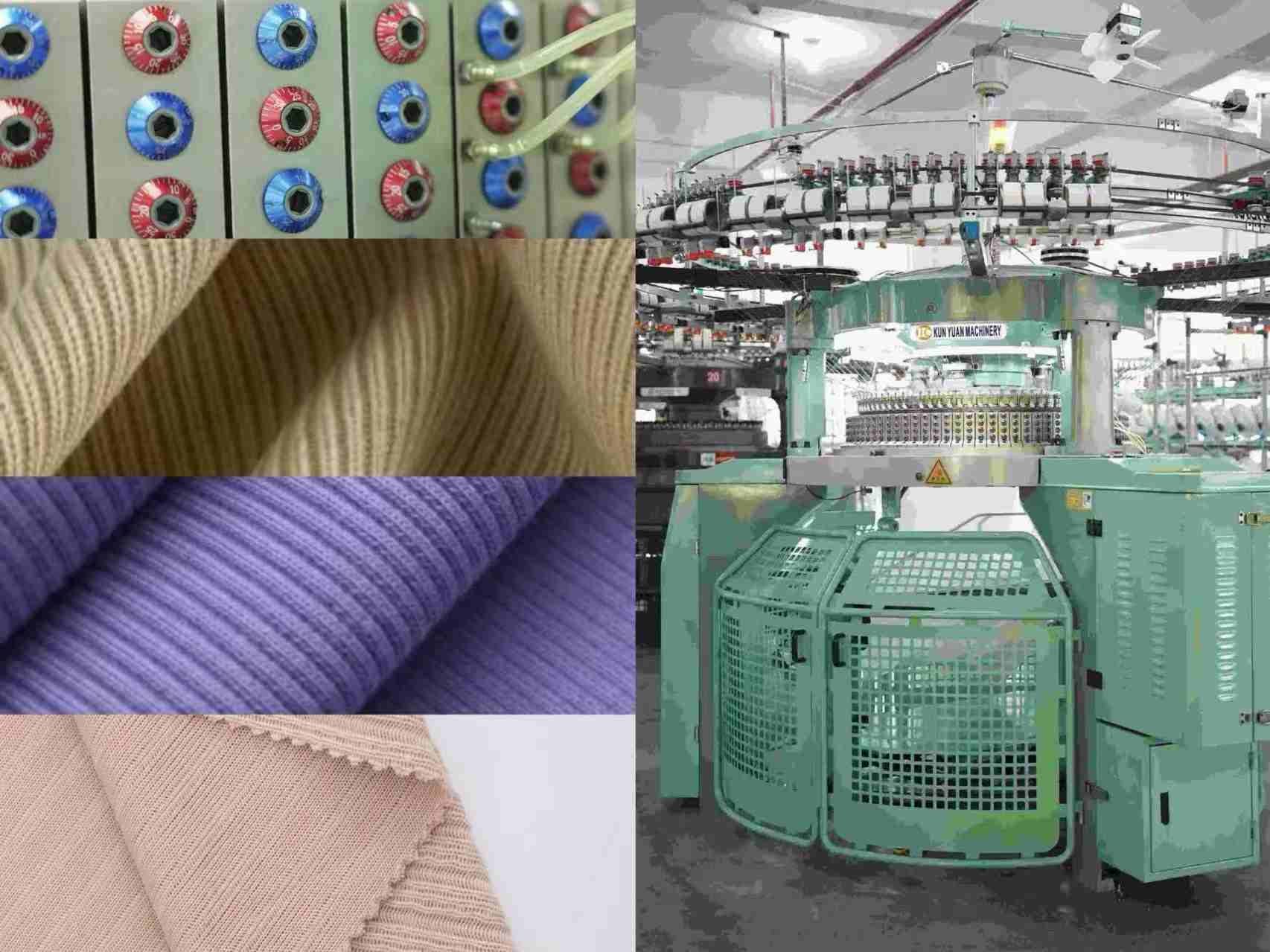
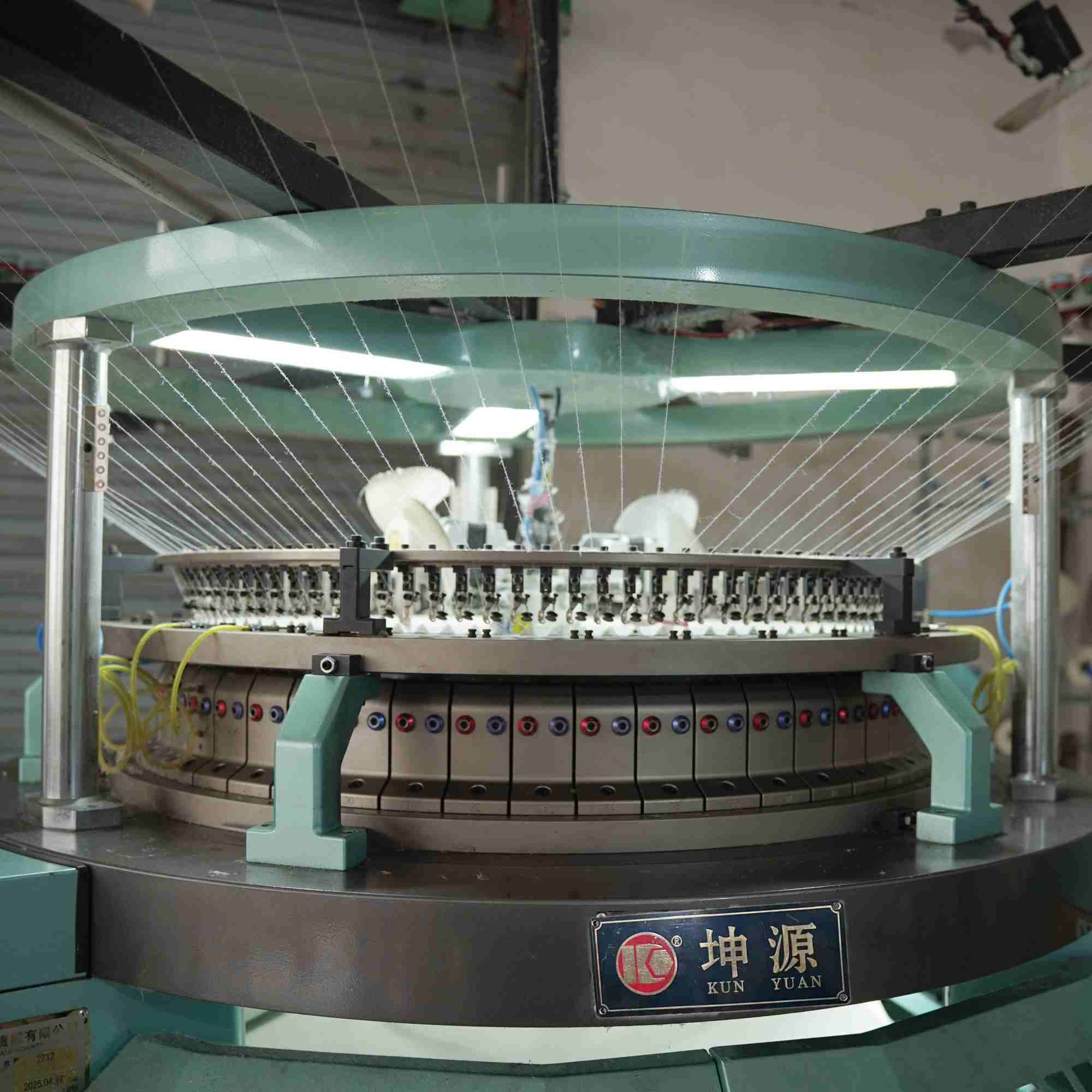
Rib and interlock fabrics depend on two knitting beds. The offered machine must support the required needle arrangement and cam route on both beds, not merely carry the requested gauge label. Confirm dial diameter or cut, needle and trick compatibility, timing reference, stitch adjustment and the available track or change-part arrangement.
A used or converted machine deserves extra scrutiny. Record the cylinder and dial identifications, installed needle types and any replacement or conversion history. If those records do not agree with the nameplate or quotation, hold the trial until the supplier explains the actual configuration.
Use the intended yarn material, count, ply and elastane arrangement. Start at a conservative speed and mark the settings for each bed, yarn feed and take-down. Inspect both faces for needle lines, missed loops, uneven ribs, barre and holes before the roll is removed.
Relax the sample under an agreed method, then apply dyeing, washing or heat-setting conditions close to production. Measure width, weight, course and wale behaviour, stretch and recovery as required by the product. Gauge selection passes only when the finished result and the operating burden are both acceptable.
That page becomes the restart reference after a needle change, conversion or long stop. It also prevents a future buyer from treating “same gauge” as proof that a different machine will reproduce the fabric.
No. Finished weight also depends on yarn, structure, stitch length, take-down and finishing. Gauge narrows the possible needle density; it does not set the entire fabric recipe.
Only if the exact machine supports the required conversion parts and geometry. A gauge change can involve cylinder, dial, needles, cams and setup work; confirm scope and trial cost in writing.
Interlock uses two beds and a fault may appear differently on each face. Paired inspection helps separate a local needle/track issue from a yarn-feed or take-down issue.
Send material, count system and value, ply, twist where relevant, elastane plan, package form and a physical sample. State whether the numbers describe greige or finished fabric.
Compare the actual needle systems and model limits, then run the same yarn and structure through an agreed finishing and measurement method. Do not compare the gauge number alone.
A useful gauge chart gets the buyer to the right trial, not to a guessed machine. Close the loop from structure to yarn, cylinder/dial geometry, operating record and finished sample.
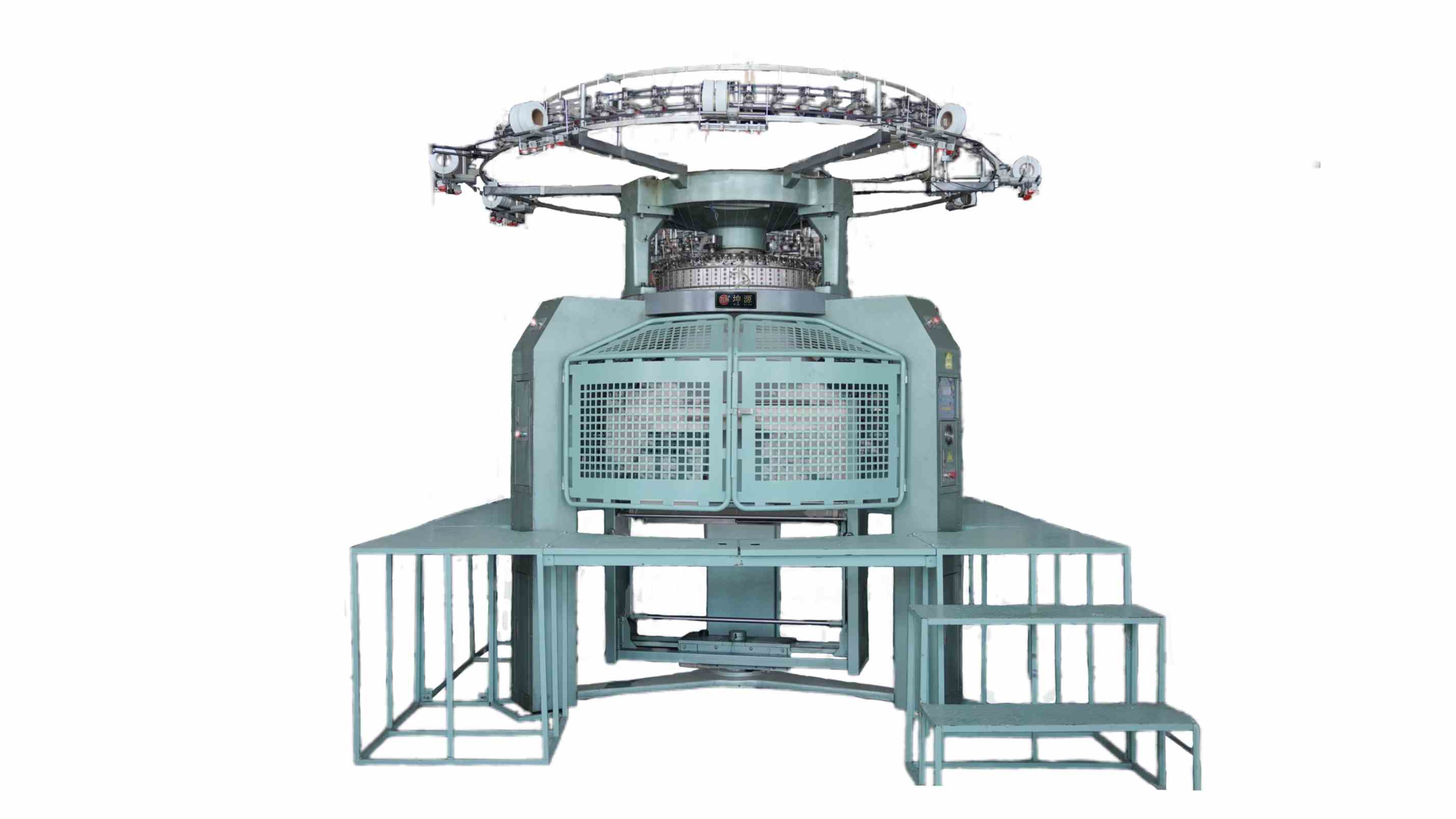
Review the related rib double jersey circular knitting machine family, then request the maker's exact gauge and needle configuration for the planned fabrics.

 Tel: +86-13859034518
 Email: info@kunyuanmachine.com
 MP/WhatsApp: +86-13859034518
 Manufacturer Address:Bacuo Village, Yonghe Town, Jinjiang City, Fujian Province