

Hot Keyword:
Author:KUNYUAN Machine Manufacturer TIME:2026-08-28
Single jersey may be a basic loop structure, but its open construction can expose barre, needle lines, spirality, edge curl and width drift. Capacity planning needs a ledger that connects machine activity to the fabric the mill can actually release.
Freeze the comparison basis: machine and cylinder identity, diameter, gauge, active feeds, yarn material and count, stitch setting, greige weight and width, roll form, finishing route and inspection rule. Without this header, RPM figures describe different work.
Use a sustained observed run, not a short peak. Then keep time loss and fabric loss separate. This shows whether the next improvement belongs to yarn preparation, maintenance, setup, handling or finishing.
Plan the conversion route as well. Tubular single jersey may be slit, relaxed, dyed and compacted before cutting; each step can change usable width and reveal spirality or barre. Capacity is overstated when the ledger counts greige kilograms that the finishing and cutting departments cannot release to the contracted marker width.
Identify yarn lot and package type, structure, stitch basis, take-down, winding and any elastomer plating. Mark whether weight and width are greige, relaxed or finished.
If any parameter changes, start a new ledger line and mark the roll. Mixing sections can make a higher rate appear to meet a quality result produced under another setup.
| Field | Recorded value | Evidence | Planning purpose |
|---|---|---|---|
| Stable running hours | Named time states | Machine/operator log | Shows availability |
| Observed gross rate | kg/h or m/h | Timed marked roll | Avoids theoretical output |
| Accepted yield | Released ÷ gross | Inspection map | Makes quality loss visible |
| Accepted output | Time × rate × yield | Calculation with units | Supports capacity and cost |
Inspect face, reverse and full width for needle lines, barre, holes, oil, spirality and edge condition. Mark rejected or downgraded sections and classify the reason.
Carry representative samples through the intended relaxation or finish. Edge curl may be manageable in conversion, while dimensional or appearance failure may remove the material from the contracted grade; use the written rule.
Accepted output equals stable running hours multiplied by observed gross rate and accepted yield, with units shown. Keep kilograms and metres separate and do not convert without the fabric basis.
Build cautious, observed and improved cases. The improved case must name the action that changes time, gross rate or yield rather than applying an unexplained efficiency factor. Reserve planned maintenance, style change and fabric inspection windows before converting the calculation into promised weekly capacity.
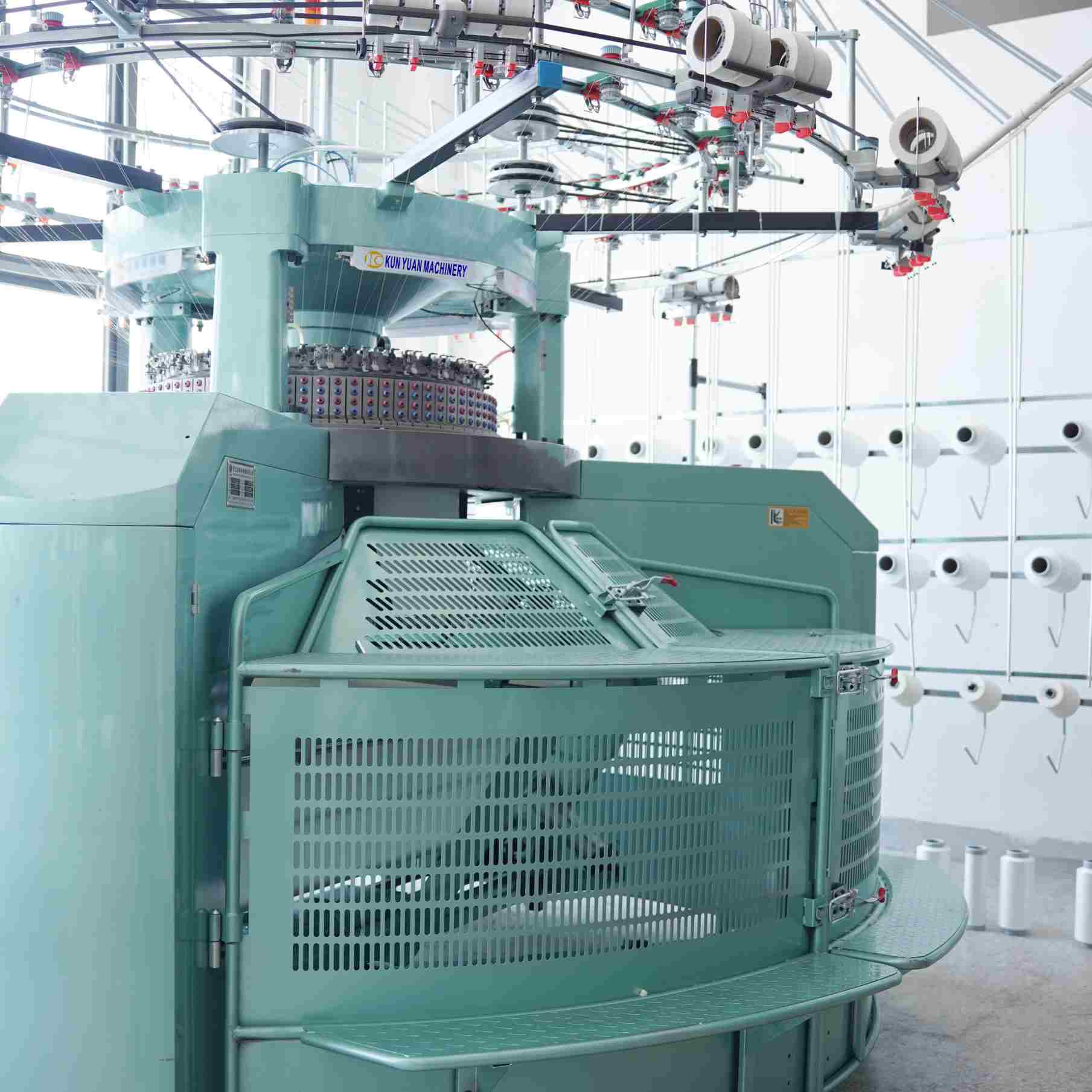
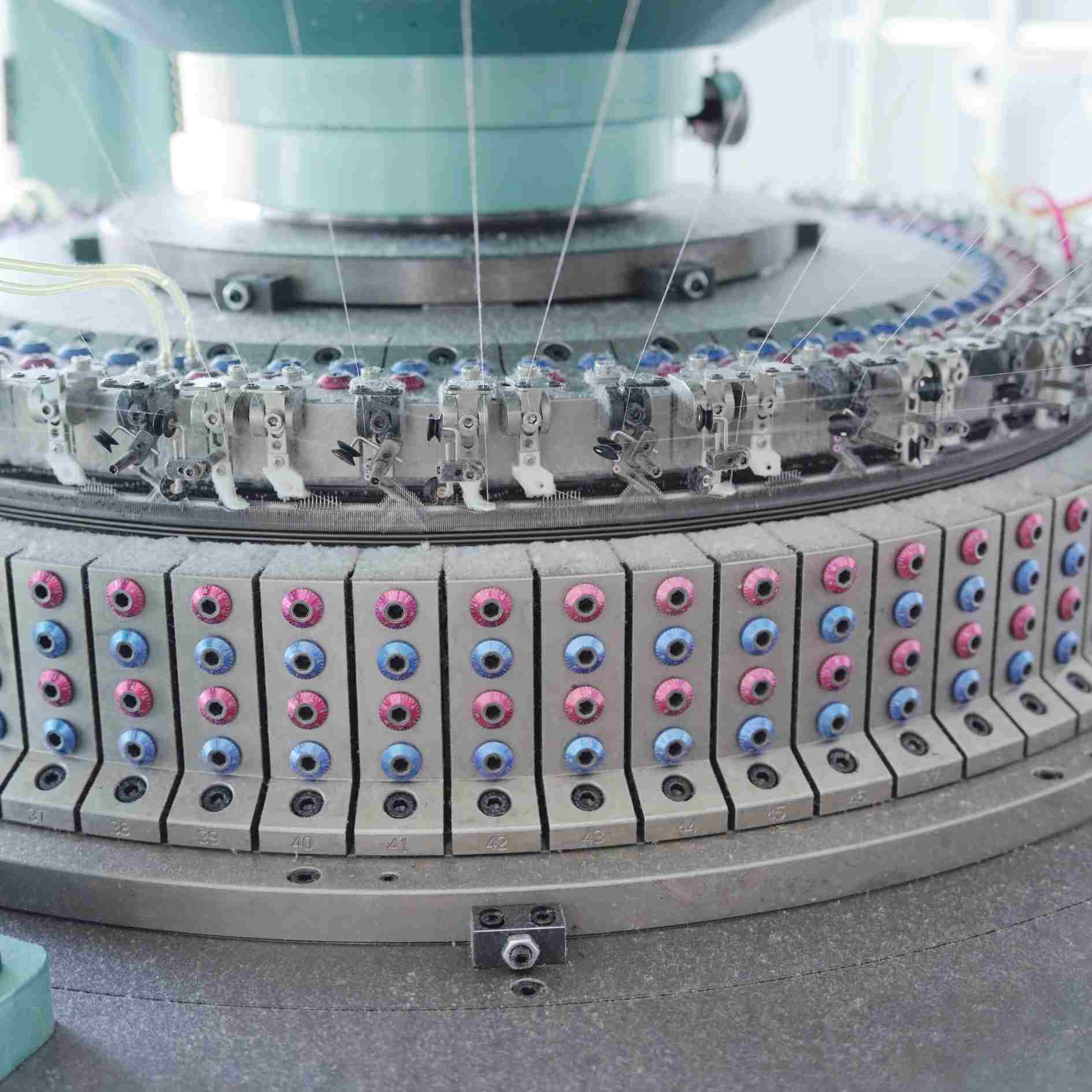
Not alone. Diameter, active feeds, yarn, stitch length, structure, fabric weight and running condition all affect output.
It distinguishes downtime from fabric rejection so improvement targets the correct loss.
Its structure can show edge curl, but the practical effect depends on yarn, settings, finishing and conversion route.
Long enough to represent stable production and normal package or stop events, with duration stated.
Compare accepted kilograms or metres per scheduled hour under the same fabric and grade definition.
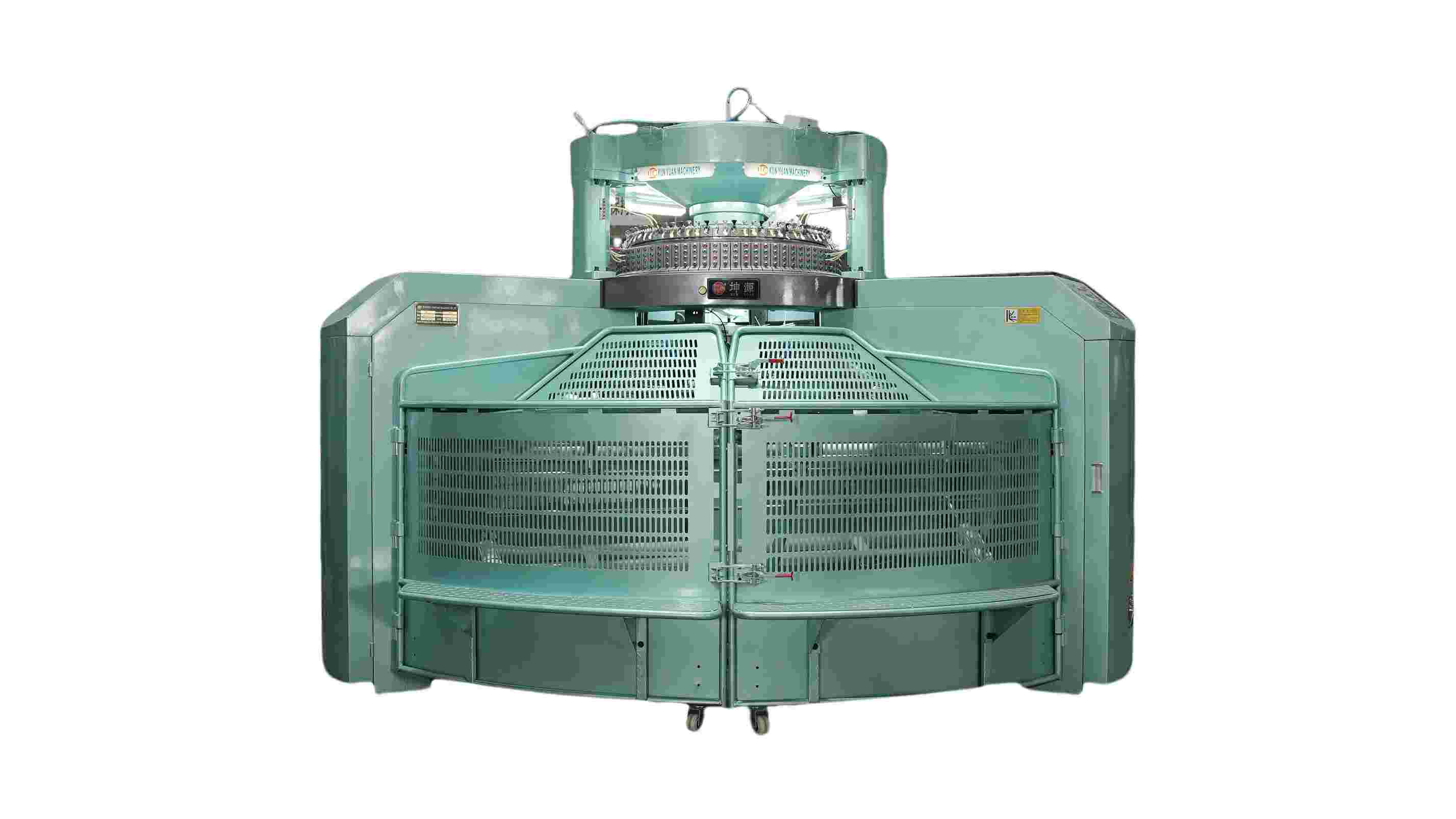
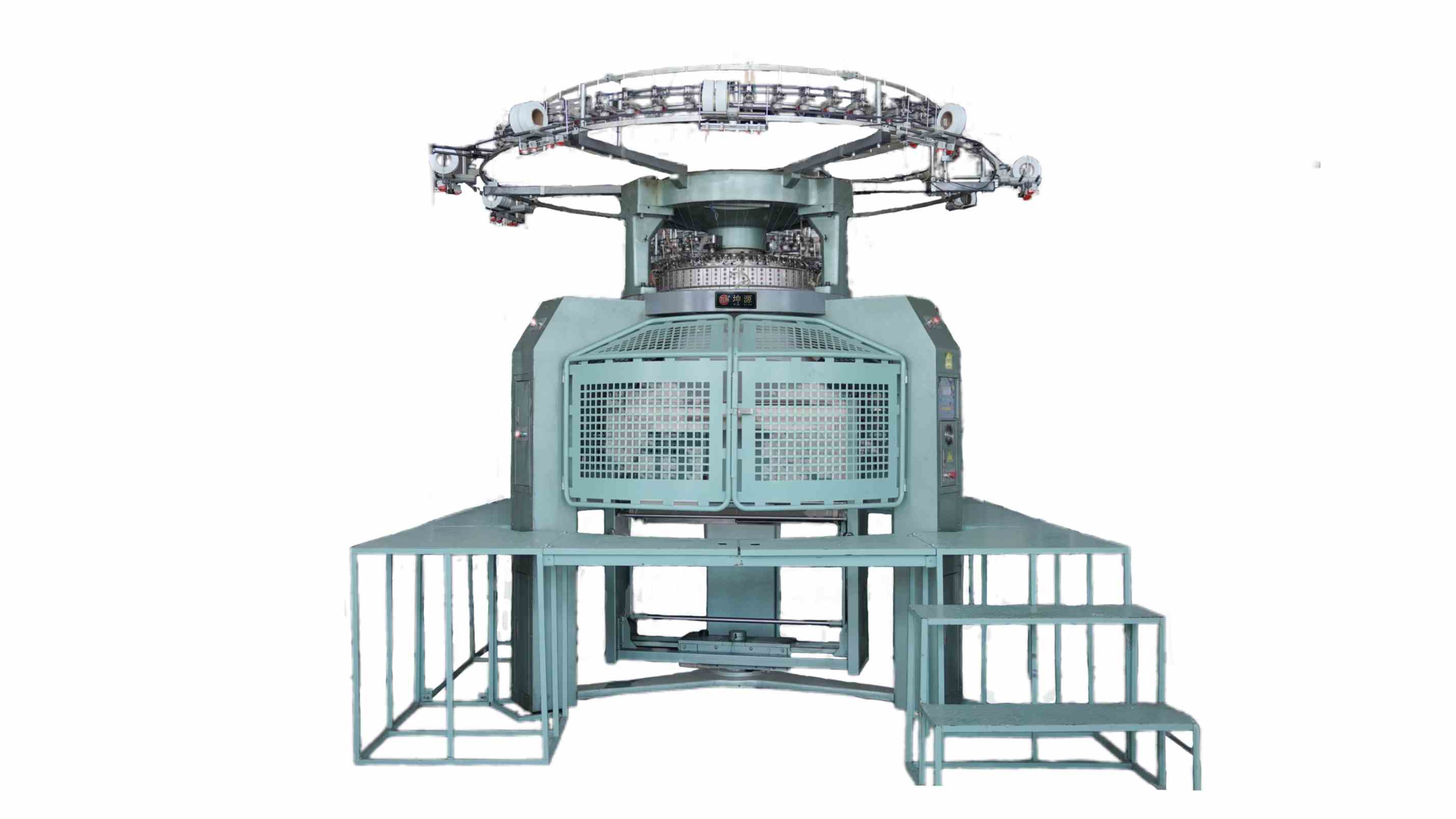
A single-jersey capacity claim should show its work. Stable time, measured gross rate and accepted yield make speed, defects and finishing response visible, allowing the mill to plan commercial output accurately without treating RPM as fabric.
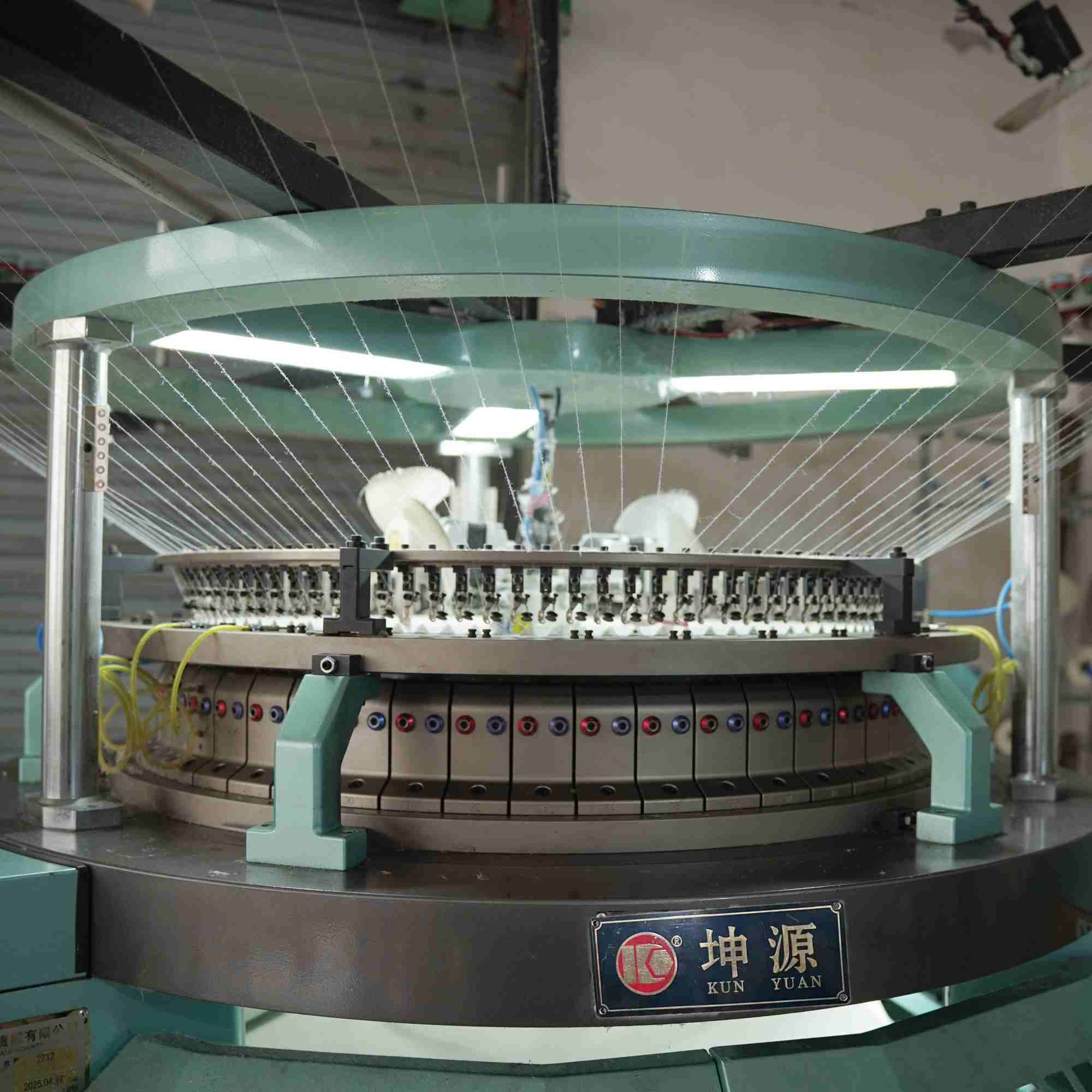
Use the shift ledger when evaluating the single-jersey circular knitting machine and request a sustained buyer-yarn run with a full-width finished inspection.

 Tel: +86-13859034518
 Email: info@kunyuanmachine.com
 MP/WhatsApp: +86-13859034518
 Manufacturer Address:Bacuo Village, Yonghe Town, Jinjiang City, Fujian Province