Follow two yarn roles from package to finished loop surface
A terry face is created by a controlled relationship between ground structure and pile loops. Loop height, coverage and security depend on yarn delivery, loop-forming parts, take-down and finishing—not on softness alone.
Write separate specifications for ground yarn and pile yarn. A defect can appear in the pile while the backing remains sound, and one combined yarn description makes that distinction hard to trace.
Decide whether the product remains looped, is brushed, sheared or receives another surface finish. The final route sets the acceptance method and can expose weaknesses that greige inspection misses.
Prepare ground and pile yarn as different systems
Record material, count, twist, package, lot and initial delivery setting for each role. Check joins, contamination and package unwinding before threading.
Keep labelled packages from the accepted run. When loop height drifts, they help separate material variation from a feeder or knitting-element change.
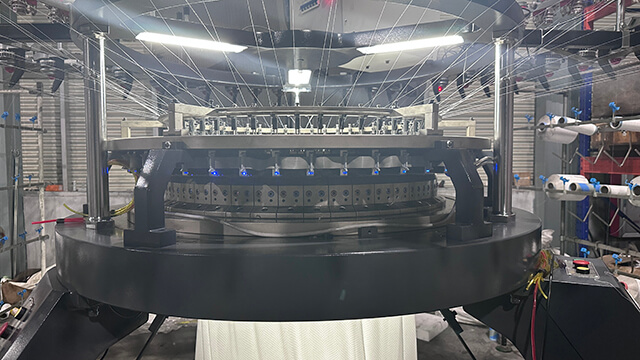
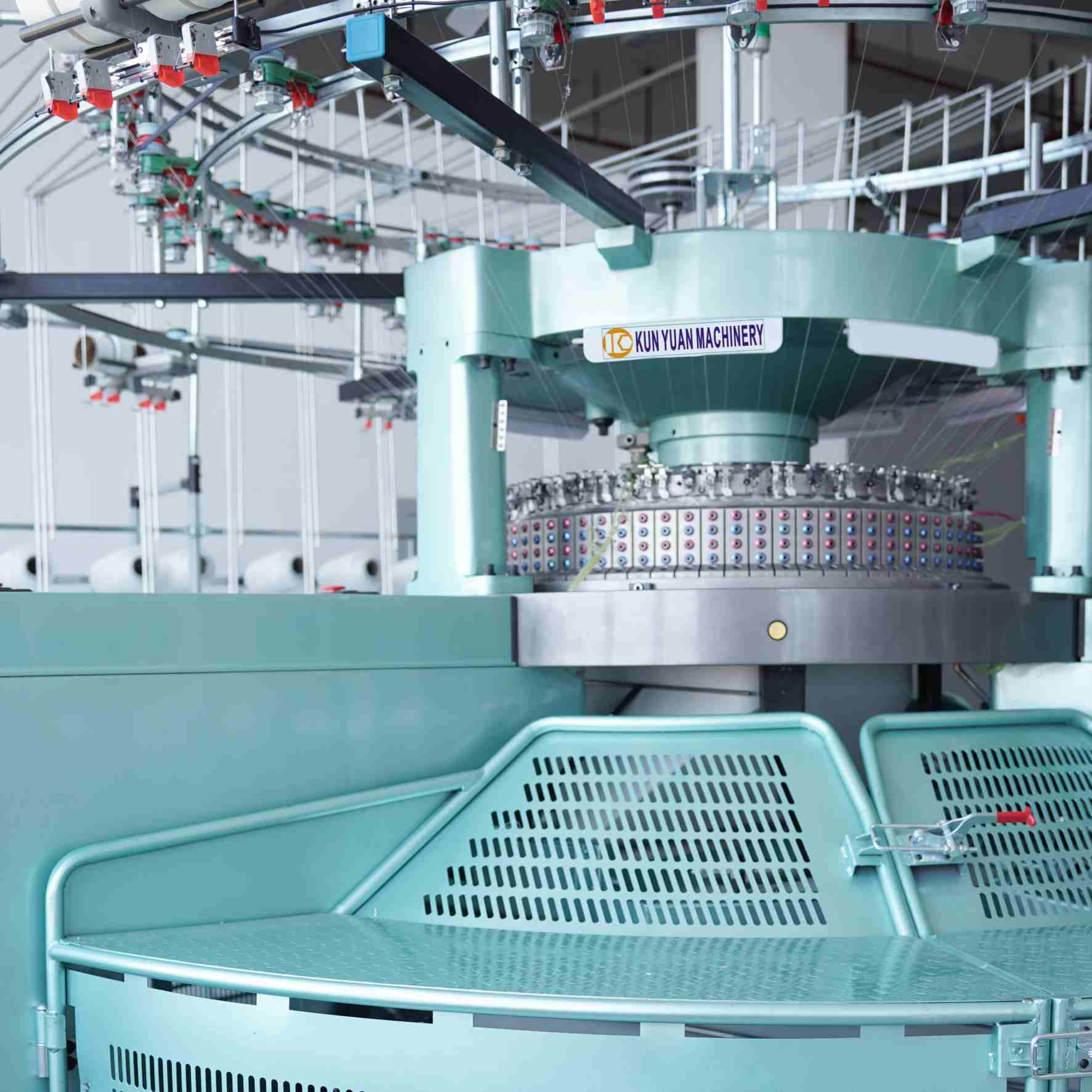
Map ground and pile paths separately on the actual configuration.
Observe loop capture, release and backing security
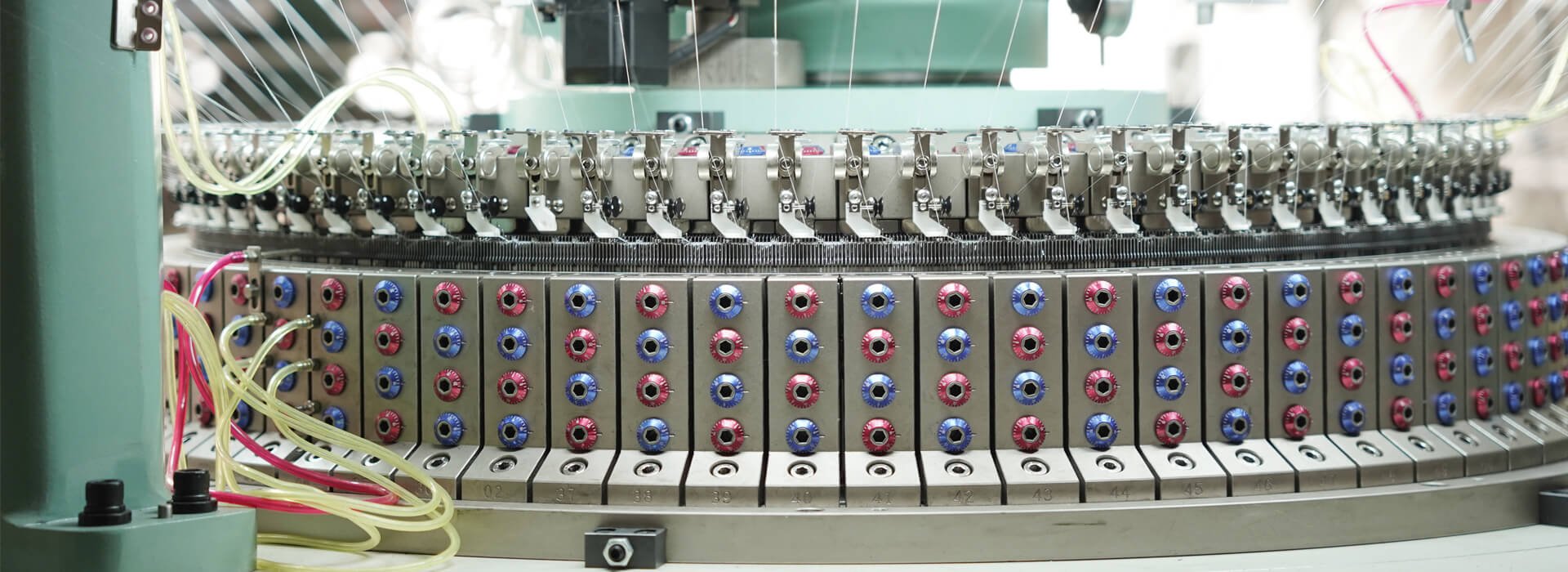
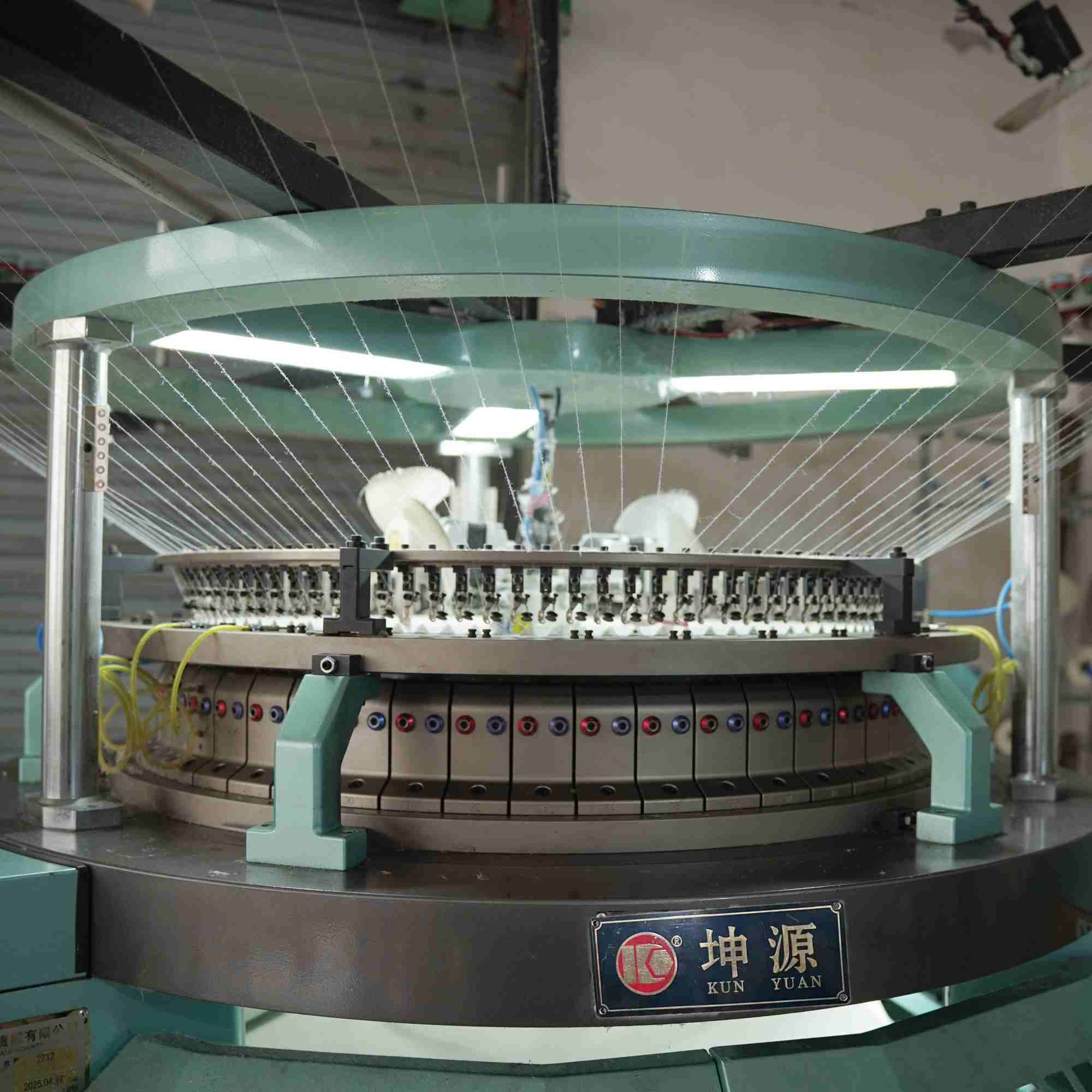
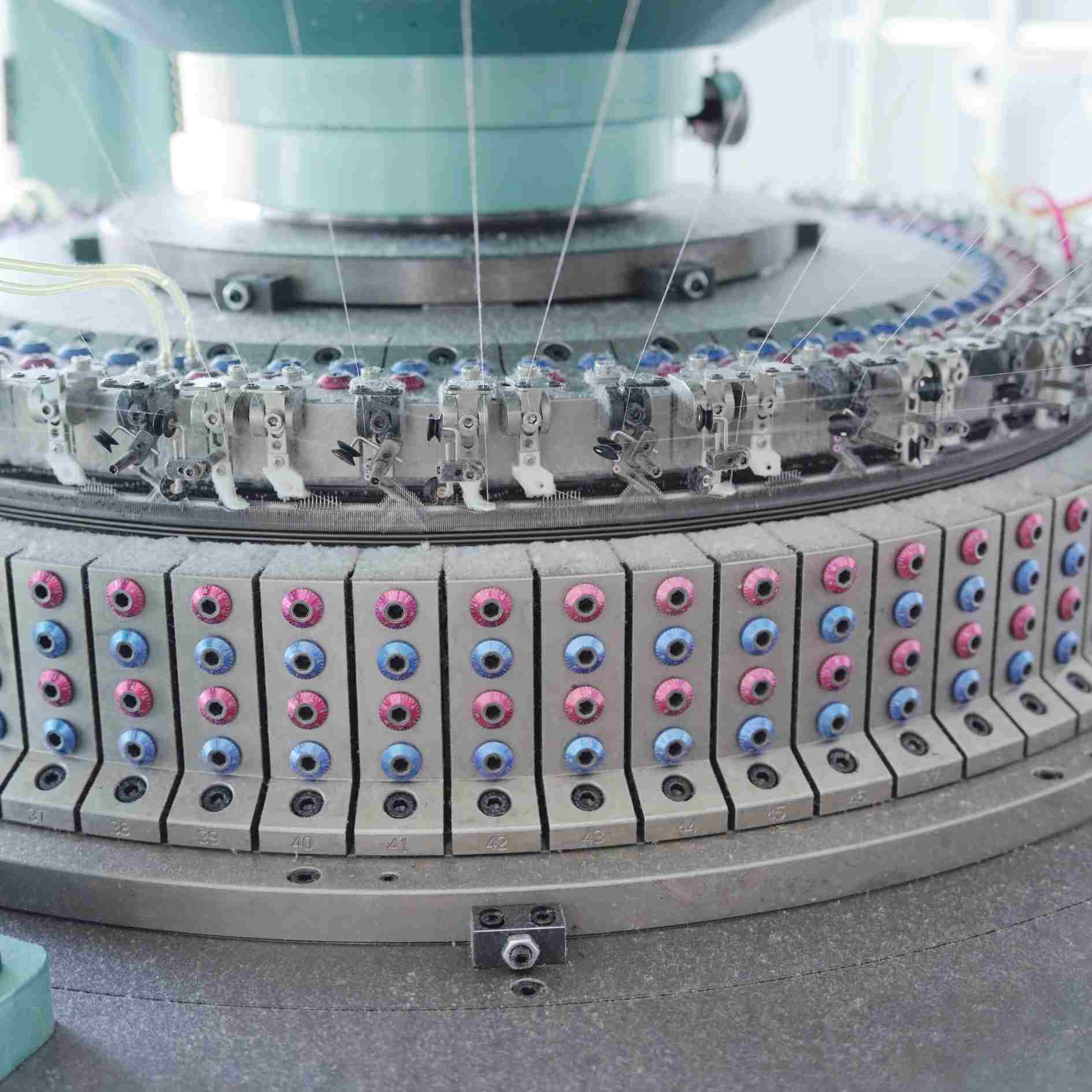
Run slowly enough to observe the area where pile loops are formed. Inspect needles, sinkers or other specified loop-forming elements and confirm their installed designation.
Increase speed only after the backing is secure and loop formation is stable. The highest loop or speed is not automatically the saleable setting.
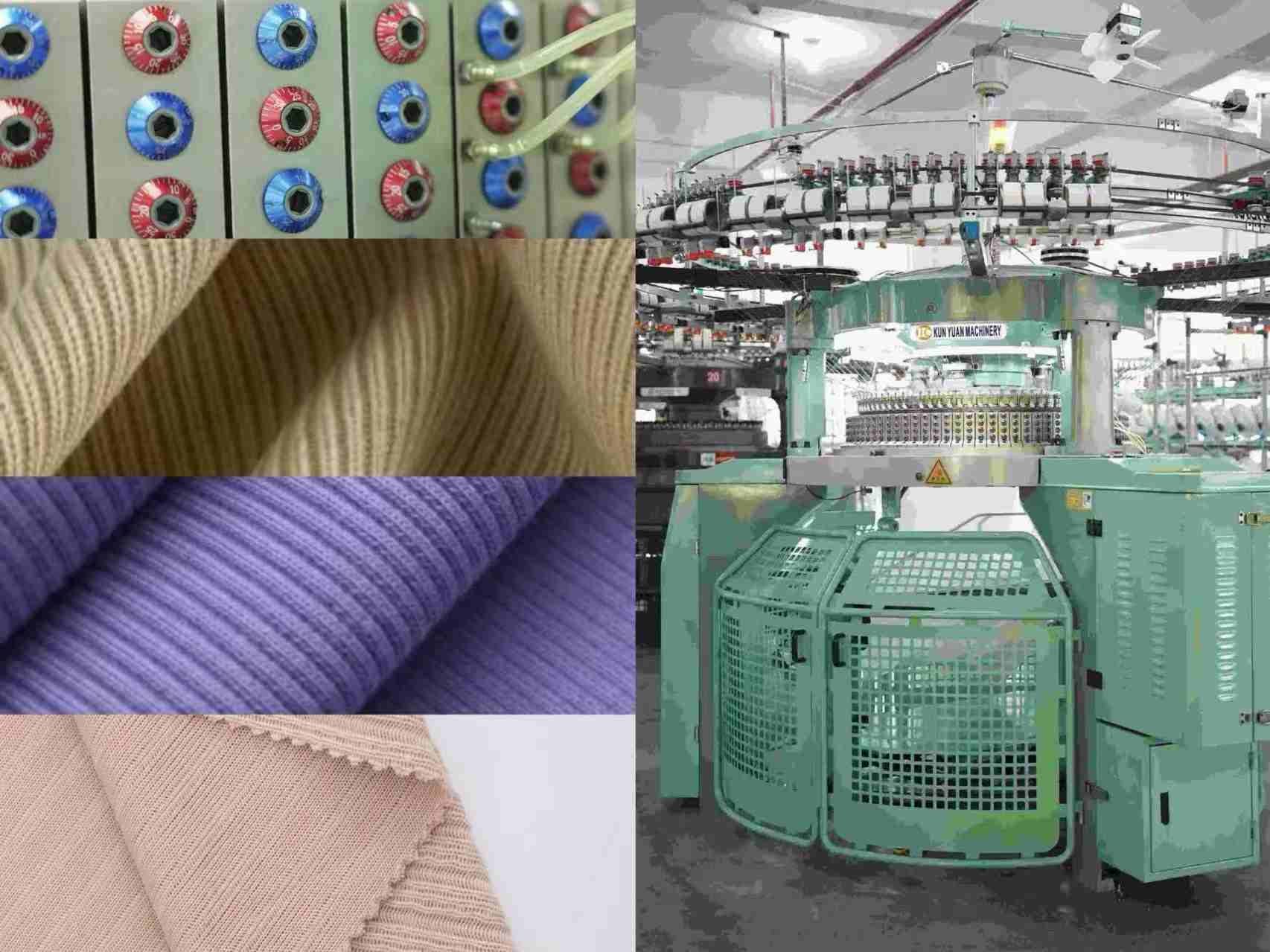
Use a close machine view to discuss capture, release, access and cleaning.
Mark roll position before cutting samples
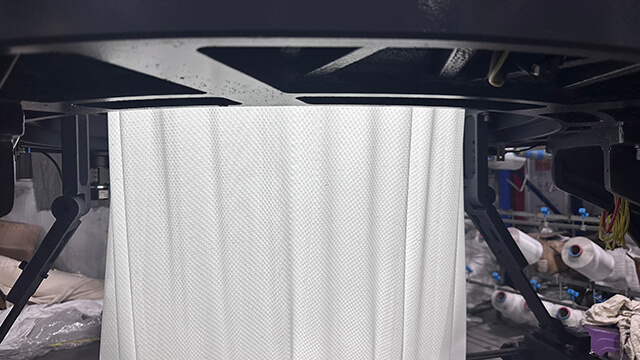
Record machine direction, start time and intervention positions. Inspect coverage, missing loops, vertical lines, backing visibility and oil or lint marks under consistent light.
Do not detach an attractive swatch from its history. A labelled roll position is necessary when the team traces a repeating feed or component fault.
Link every sample to roll position, yarn lot and machine settings.
Send traceable greige evidence through finishing
Use identified pieces from the same roll for dyeing, washing, raising or shearing as planned. Measure width, weight, loop appearance, hand and dimensional response after the specified route.
If the face changes, compare the retained greige piece before altering machine settings. Finishing may amplify or create the visible issue.
Separate towel, apparel and decorative acceptance limits
A towel program may emphasise absorbent loop coverage and washing durability. Apparel terry may prioritise weight, hand, stretch and skin-side comfort. Decorative pile may add pattern-edge and repeat requirements.
List each product in the RFQ and identify which one represents the hardest loop, yarn or finishing condition. Applications in one family still need separate release boundaries.
Terry control points
Stage
Primary observation
Evidence
Hold condition
Yarn delivery
Ground/pile stability
Feed map and yarn labels
Unexplained tension event
Loop formation
Height, capture and backing
Slow-run observation and sample
Missing or insecure loops
Greige roll
Coverage and repeating lines
Marked roll map
Defect without machine position
Finishing
Surface and dimensional response
Paired greige/finished pieces
Greige passes but finish fails
Terry knitting process questions
Why separate pile and ground yarn records?
They perform different functions and can fail independently. Separate paths make tension and material faults traceable.
Should loop height be approved in greige fabric?
Use greige inspection for formation, then verify the finished surface because washing, dyeing, raising or shearing can change the result.
What is a useful early defect signal?
A repeating thin line, sudden backing visibility, missing loop or tension event should be marked before settings are disturbed.
Can towel and apparel terry use one acceptance sheet?
Not safely. They can share process records, but absorbency, hand, stretch, weight and durability limits may differ.
What should accompany a machine quotation?
Send physical fabric, separate yarn data, backing/loop description, finishing route, usable width, defect limits and the production trial to be demonstrated.
05
Conclusion
A stable terry process carries one identity from yarn packages through loop formation, greige roll position and finishing. That chain lets the buyer judge secure, repeatable loops instead of approving a soft but untraceable swatch.
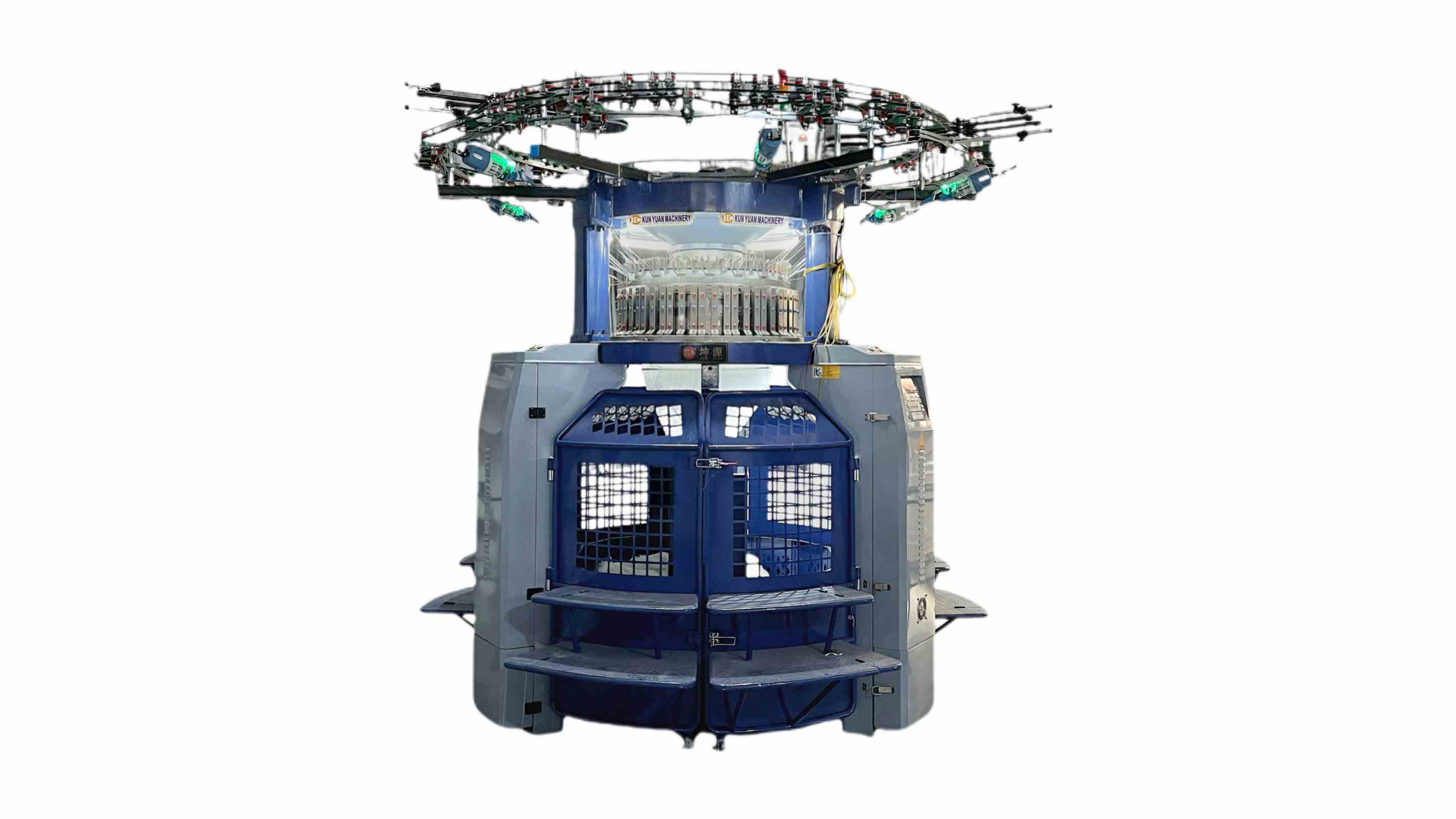
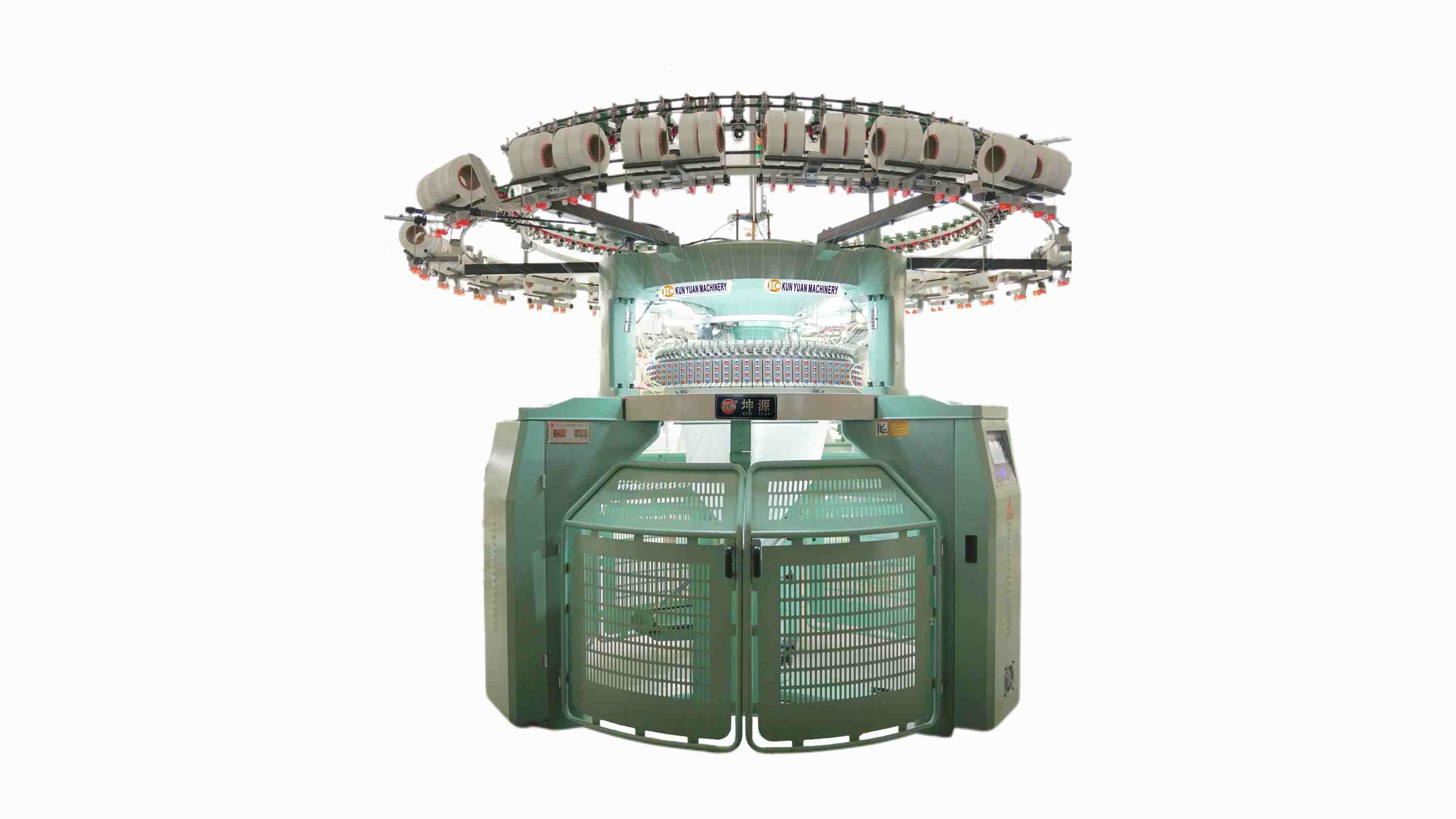
Attach the ground/pile yarn map and paired greige/finished samples when discussing the terry jacquard circular knitting machine for a towel, apparel or decorative-loop program.




 Tel: +86-13859034518
 Email: info@kunyuanmachine.com
 MP/WhatsApp: +86-13859034518
 Manufacturer Address:Bacuo Village, Yonghe Town, Jinjiang City, Fujian Province